The Ultimate 2026 B2B Export Guide for Shanghai EV trading hub: Pricing, Compliance & Localization

1. Executive Summary

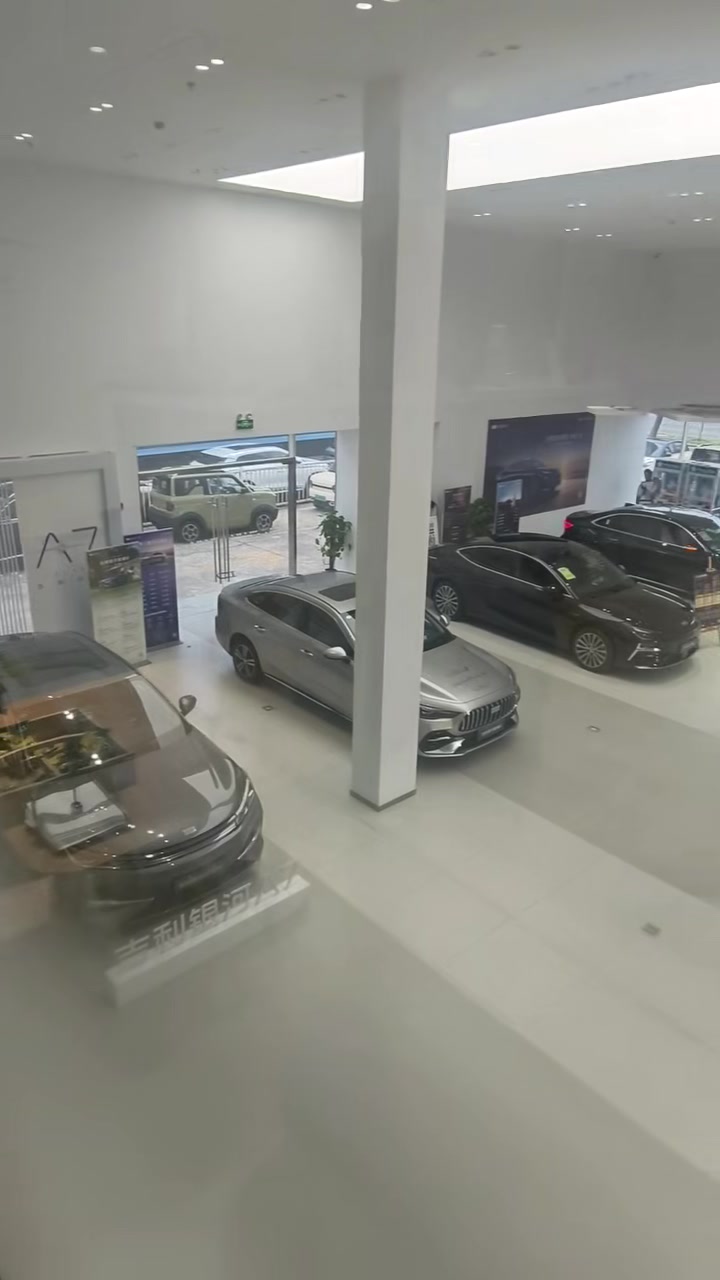
Shanghai EV trading hub export ready to ship

The Shanghai EV trading hub has cemented its position as the global epicenter for electric vehicle exports, handling over 60% of China’s total EV outbound shipments through the Port of Taicang and Shanghai Waigaoqiao container terminals. As of January 1, 2026, the People’s Republic of China has implemented stringent new regulatory frameworks that fundamentally alter the export landscape. The Ministry of Commerce (MOFCOM) now mandates specific export permits for all electric vehicle shipments, aligning EVs with existing motor vehicle and motorcycle export licensing requirements under the “healthy development” initiative.

Concurrently, the world’s first mandatory EV energy consumption standard has taken effect, requiring pure electric passenger vehicles with a curb weight of approximately two tonnes to achieve maximum electricity consumption of 15.1 kilowatt-hours per 100 kilometers. Vehicles failing this threshold face removal from purchase tax exemption catalogues, directly impacting their export viability and competitive pricing.

For international B2B buyers, these regulations present both compliance challenges and strategic opportunities. Brands operating within the Shanghai ecosystem—particularly SAIC (MG, Roewe), Chery, BYD, and Tesla’s Gigafactory 3—have rapidly adapted their manufacturing processes to meet these standards, offering export-optimized models with enhanced energy efficiency and pre-certified homologation packages. This guide provides the technical, financial, and regulatory roadmap necessary to navigate the 2026 Shanghai EV export environment, ensuring compliant, profitable import operations.

2. Deep Dive: Technical Specifications

The Shanghai EV trading hub specializes in modular electric platforms designed for international scalability. Current export-ready vehicles utilize advanced lithium iron phosphate (LFP) and nickel-cobalt-manganese (NCM) battery chemistries from CATL and BYD, achieving energy densities of 160-200 Wh/kg while maintaining the 15.1 kWh/100km efficiency threshold mandated for 2026 compliance.

Platform Architecture & Battery Technology

Brand Platform Flagship Models Battery Chemistry Energy Density 0-100 km/h Export Price (FOB Shanghai)
SAIC/MG Modular Electric Architecture (MEA) MG ZS EV, Roewe Ei5 LFP (Primary) 165 Wh/kg 8.5s $14,200 – $18,500
Chery @LIFE Platform eQ1, Ant, QQ Ice City LFP 140 Wh/kg 12.0s $8,900 – $12,400
BYD e-Platform 3.0 Dolphin, Atto 3 Blade Battery (LFP) 150 Wh/kg 7.3s $16,800 – $21,200
Tesla (Shanghai) Integrated Platform Model 3 RWD, Model Y RWD NCM 811 260 Wh/kg 6.1s $22,400 – $28,600

Critical Technical Note: The 2026 energy efficiency regulations require technical upgrades to existing powertrains. Manufacturers have implemented advanced thermal management systems and regenerative braking algorithms to achieve the mandatory 7% range improvement without increasing battery capacity. For example, the MG ZS EV 2026 export model now achieves 425km NEDC range (up from 395km) through system-level optimizations rather than battery expansion, ensuring compliance with the 15.1 kWh/100km standard for its 1,850kg curb weight category.

Powertrain Configurations

Shanghai-hub vehicles now offer diverse powertrain options optimized for target markets:

Compact Urban Segment ($8,000-$14,000)
– Chery eQ1: 30.6 kWh LFP battery, 301km NEDC, rear-wheel drive, 30kW motor
– Baojun E-series: 28.4 kWh LFP, 305km NEDC, front-wheel drive, 29kW motor

Mid-Range Family Segment ($14,000-$22,000)
– MG ZS EV: 50.3 kWh LFP, 425km NEDC (2026 compliant), front-wheel drive, 130kW motor
– Roewe Ei5: 61.1 kWh LFP, 501km NEDC, front-wheel drive, 135kW motor

Premium Export Segment ($22,000+)
– Tesla Model 3 (Shanghai): 60 kWh LFP, 606km CLTC (approx. 520km WLTP), rear-wheel drive, 194kW motor
– BYD Seal: 82.5 kWh Blade Battery, 700km CLTC, rear-wheel drive, 230kW motor

All 2026 export models feature 800V electrical architectures where specified, enabling 10-80% DC fast charging in 20-30 minutes using compatible infrastructure.

3. The Localization Challenge: Software, UI, and Connectivity

Exporting from the Shanghai EV trading hub requires comprehensive localization beyond physical homologation. Chinese domestic EVs operate within a digital ecosystem fundamentally distinct from Western markets, necessitating substantial software architecture modifications.

Telematics and Connectivity Protocols

Domestic Chinese EVs rely heavily on the Mobile Internet Domain (MID) architecture, integrating with WeChat, Alipay, and Baidu ecosystems. For export markets, manufacturers must implement:

  1. Over-the-Air (OTA) Update Redirection: Domestic OTA servers (typically hosted on Alibaba Cloud or Tencent Cloud within China’s firewall) must be migrated to international CDNs (AWS, Azure, or local regional servers) to ensure consistent software updates outside mainland China.

  2. Navigation System Replacement: Baidu Maps and Amap (AutoNavi) must be replaced with Google Maps, HERE Technologies, or TomTom, requiring CAN bus protocol adjustments for real-time traffic integration.

  3. Voice Recognition Localization: Mandarin-centric voice assistants (iFlytek or Baidu DuerOS) require complete replacement with Amazon Alexa, Google Assistant, or market-specific solutions (Nuance for European markets).

UI/UX Adaptation Requirements

Market Critical Localization Needs Compliance Standard
European Union GDPR-compliant data storage, metric/imperial toggle, emergency call (eCall) integration UNECE R79, R10
United Kingdom Right-hand drive conversion, mph primary display, specific charging port alignment GB Standards
Middle East Arabic language support, right-to-left UI mirroring, extreme heat mode activation GCC Standards
Southeast Asia English/Bahasa/Thai language packs, humidity-resistant UI coatings, local app integration ASEAN NCAP
Australia/NZ ANCAP safety protocol integration, metric standards, specific traction control mapping ADR 85

Case Study: MG ZS EV European Localization
SAIC’s export variant undergoes 14-week software refactoring at their Shanghai Technical Center before shipment. This includes removing domestic Chinese apps (TikTok, WeChat Auto), installing Spotify/Android Auto/Apple CarPlay, and recalibrating the Battery Management System (BMS) for colder climate charging curves. Failure to complete this process results in vehicles arriving with Mandarin-only interfaces and non-functional connectivity features, rendering them unsalable in target markets.

4. Charging Compatibility: Bridging the GB/T Gap

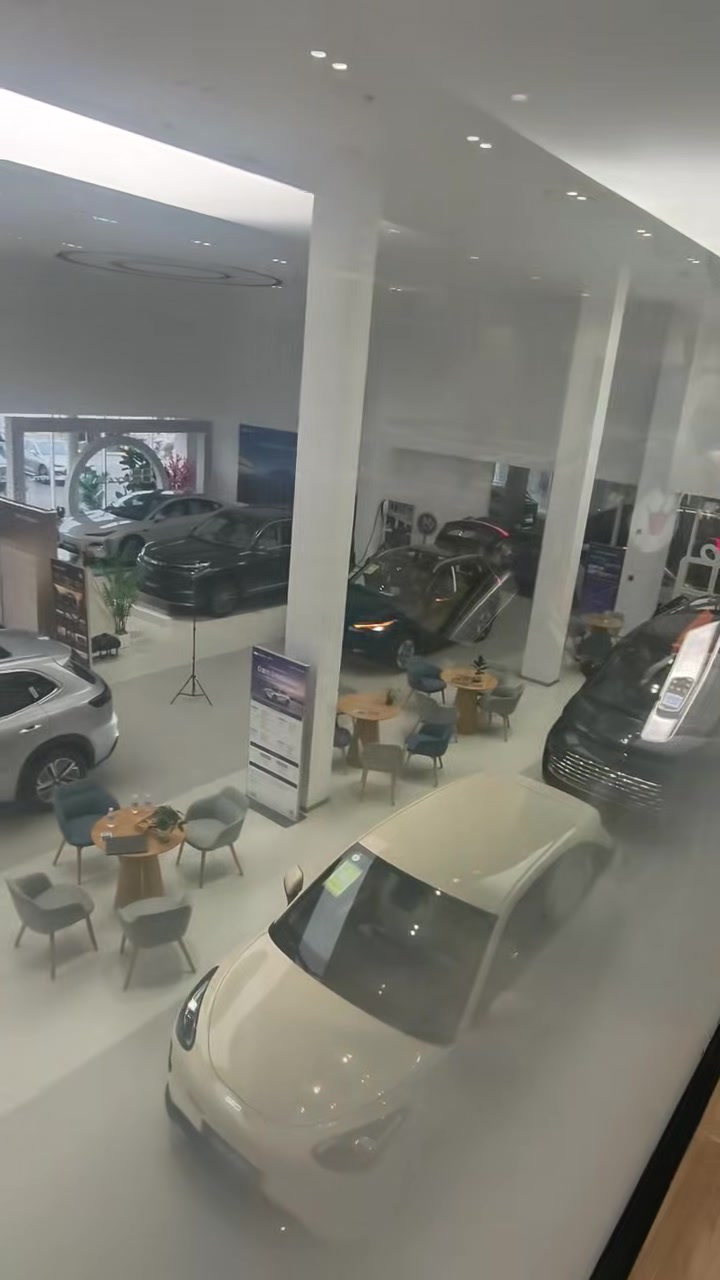
Customized Shanghai EV trading hub for international market

The Shanghai EV trading hub operates on China’s GB/T charging standard (GB/T 20234.2-2015 for AC, GB/T 20234.3-2015 for DC), which differs physically and communicatively from international standards.

Physical and Protocol Differences

GB/T vs. International Standards:
AC Charging: China uses GB/T 20234.2 (seven-pin, single-phase/three-phase) vs. Type 2 (IEC 62196-2) in Europe or Type 1 (SAE J1772) in North America/Japan.
DC Fast Charging: China utilizes GB/T 20234.3 (nine-pin, up to 250kW) vs. CCS2 (Europe) or CCS1 (North America) or CHAdeMO (Japan).

Voltage and Frequency Considerations:
Chinese domestic EVs typically accept 220V/50Hz single-phase AC (standard Chinese residential) or 380V three-phase industrial. Export variants must accommodate:
– 230V/50Hz (Europe/UK/Australia)
– 120V/60Hz (North America/Japan)
– 220-240V/50-60Hz (Middle East/Southeast Asia)

Bridging Solutions for Importers

Option A: Manufacturer Pre-Conversion (Recommended)
Shanghai-hub manufacturers now offer factory-fitted CCS2 or CCS1 ports for export markets, adding $400-$600 per unit to FOB pricing but ensuring full compatibility. This requires 8-12 weeks additional lead time.

Option B: Port-Side Conversion (Taicang Value-Added Services)
Specialized logistics providers at Port of Taicang offer charging port conversion services:
– Hardware replacement: $280-$350 per vehicle
– Software recalibration: $45 per vehicle
– Testing and certification: $120 per vehicle
Total Cost: $445-$515 per unit (3-day turnaround)

Option C: Adapter Cables (Short-term Solution)
GB/T to Type 2 adapters cost $85-$120 wholesale but limit charging speeds to 22kW AC maximum and are incompatible with DC fast charging. Not recommended for commercial fleets.

5. Homologation, Compliance & 2026 Export Regulations

The 2026 regulatory environment introduces multi-layered compliance requirements that fundamentally impact export operations from Shanghai.

The 2026 Export Permit System

Effective January 1, 2026, MOFCOM requires all EV exporters to obtain Export Licenses (出口许可证) through the Automatic Import Licensing System. Key requirements include:

  1. Manufacturer Export Qualification: Production facilities must hold ISO 9001, ISO 14001, and specific New Energy Vehicle Production Qualifications (新能源汽车生产资质).
  2. Product Compliance Documentation:
  3. CCC Certificate (China Compulsory Certification)
  4. Energy Efficiency Compliance Certificate (meeting 15.1 kWh/100km standard for relevant weight classes)
  5. Battery Safety Test Reports (UN 38.3, UL 2580, or GB/T 31485)
  6. End Market Certification: Proof of homologation for destination country (WVTA for EU, FCC for US, etc.)

Permit Processing Timeline: 15-20 business days from application submission to approval. Valid for 12 months with specific HS code classifications (8703.80 for pure electric passenger vehicles).

Energy Consumption Standards (GB Standard Implementation)

The mandatory energy consumption standard creates three compliance tiers:

Vehicle Weight Class Max Energy Consumption (kWh/100km) 2026 Status
<1,500 kg 13.1 Compliant
1,500-2,000 kg 15.1 Compliant
2,000-2,500 kg 17.1 Compliant
>2,500 kg 19.1 Compliant

Vehicles exceeding these thresholds lose eligibility for:
– Purchase tax exemptions (affecting domestic pricing benchmarks)
– Export permit priority processing
– Government procurement eligibility

Technical Implications: Manufacturers must implement heat pump HVAC systems (reducing winter consumption by 40%), silicon carbide (SiC) inverters (improving efficiency by 3-5%), and low-rolling-resistance tires to meet these standards.

Regional Homologation Pathways

European Union (WVTA – Whole Vehicle Type Approval)
– Framework Directive 2007/46/EC compliance
– UNECE R100 (battery safety), R10 (EMC), R79 (steering), R94/R95 (crash safety)
– WLTP range certification and CO2 monitoring
Cost: €15,000-€45,000 per model variant
Timeline: 4-6 months

United Kingdom (GB Type Approval)
– Post-Brexit alignment with UNECE regulations but separate approval process
– Right-hand drive configuration mandatory
Cost: £12,000-£35,000 per variant

Middle East (GCC Standards)
– Gulf Standardization Organization compliance
– Extreme temperature testing (50°C+ ambient)
Cost: $8,000-$18,000 per variant

Australia (ADR – Australian Design Rules)
– ADR 85 (electronic stability control), ADR 98 (pedestrian protection)
– ANCAP safety rating requirements (5-star for fleet sales)
Cost: AUD $25,000-$60,000 per variant

6. Global Logistics & Supply Chain

The Shanghai EV trading hub leverages the world’s largest automotive shipping infrastructure, with the Port of Taicang (Jiangsu Province, adjacent to Shanghai) specializing in EV exports due to its deep-water berths and hazardous cargo certifications for lithium-ion batteries.

Shipping Modalities and Specifications

Roll-on/Roll-off (RORO)
Capacity: 4,000-7,500 CEU (Car Equivalent Units) per vessel
Transit Time: Shanghai to Rotterdam (28 days), Shanghai to Sydney (18 days), Shanghai to Jebel Ali (20 days)
Cost: $1,200-$1,800 per vehicle (2026 rates, subject to fuel surcharges)
Advantages: Minimal handling, direct drive-on/drive-off, suitable for operational vehicles

Containerized Shipping (40′ HC)
Capacity: 2-4 vehicles per container (depending on dimensions)
Cost: $3,200-$4,500 per container (equivalent to $800-$1,125 per vehicle for 4-unit load)
Advantages: Higher security, protection from salt spray, ability to ship disassembled parts
Requirements: UN 3171 classification for lithium batteries, Class 9 hazardous material labeling, 5% SOC maximum charge state for ocean transport

Incoterms 2020 Recommendations
FOB Shanghai/Taicang: Buyer assumes risk once cargo crosses ship’s rail; suitable for experienced importers with destination port relationships
CIF (Cost, Insurance, Freight): Seller includes ocean freight and insurance to destination port; recommended for new market entrants
DAP (Delivered at Place): Door-to-door service including destination customs clearance; premium option for dealer networks

Supply Chain Lead Times

Phase Duration Critical Path Items
Order Confirmation & Permit Application 3-4 weeks Export license procurement, VIN allocation
Production & Pre-delivery Inspection 4-6 weeks Software localization, charging port conversion
Export Customs Clearance 5-7 days Battery safety declarations, HS code verification
Ocean Freight 18-35 days Route-dependent, seasonal variations
Destination Customs & Homologation 2-4 weeks Type approval documentation, duty payment
Total Lead Time 12-18 weeks

7. Financial Breakdown: Landed Cost & Dealer Profit Margins (Case Study)

This case study analyzes a 100-unit import of MG ZS EV Standard Range (2026 compliant model) from Shanghai to the Port of Rotterdam for distribution within the European Union.

Unit Economics Analysis

Vehicle Specifications:
– Model: MG ZS EV 2026 Export Edition (50.3 kWh LFP)
– FOB Shanghai Price: $16,800 per unit
– Destination: EU (Netherlands entry point)
– Local Market Retail Price: €32,900 (approximately $35,400)

Detailed Cost Structure (Per Unit):

Cost Component Amount (USD) Notes
EXW Factory Price $16,200 Base vehicle, Shanghai factory
Pre-shipment Prep $600 Software localization, CCS2 port installation
FOB Shanghai $16,800 Loaded on vessel
Ocean Freight (CIF) $1,450 RORO vessel, including insurance
Destination Port Charges $280 Rotterdam unloading, handling
Import Duty (10% EU MFN) $1,853 Based on CIF value ($18,530)
VAT (21% Netherlands) $4,301 Applied to CIF + Duty total
Homologation (Amortized) $380 €38,000 WVTA cost ÷ 100 units
Technical Inspection $120 RDW (Netherlands Vehicle Authority)
Landed Cost $24,384 Ready for sale
Local Transport/Marketing $650 Dealer delivery, showroom prep
Total Dealer Cost $25,034
Retail Price (Inc. VAT) $35,400 €32,900
Dealer Margin $10,366 29.3% gross margin

Volume Discount Scenarios

For orders exceeding 500 units annually, manufacturers offer:
2% FOB discount for 500+ units
4% FOB discount for 1,000+ units
6% FOB discount for 2,000+ units with exclusive territory rights

Revised Economics at 1,000 Unit Volume:
– FOB Price: $16,128 (after 4% discount)
– Landed Cost: $23,550
– Dealer Margin: $11,850 (33.5% gross margin)

Currency Hedging Considerations

With USD/CNY and USD/EUR volatility, importers should utilize:
Forward Contracts: Lock exchange rates 90 days prior to shipment
CNY Settlement: Some Shanghai manufacturers now accept CNY directly, reducing double-conversion fees (saving 1.2-1.8% on transaction costs)

8. Securing After-Sales Support & Spare Parts

Successful EV importation requires robust after-sales infrastructure. The Shanghai EV trading hub offers comprehensive parts logistics solutions, but strategic planning is essential.

Critical Spare Parts Strategy

High-Voltage Components (Battery packs, inverters, electric motors)
Lead Time: 45-60 days from Shanghai
Stocking Recommendation: 2% of fleet value for critical HV components
Warranty Support: Manufacturers typically provide 8-year/160,000km battery warranties, but require authorized service center certification for claims

Consumables and Body Parts
Shanghai Parts Hub: Centralized distribution from Waigaoqiao Free Trade Zone
Regional Warehousing: Recommended 3-month stock of brake pads, filters, 12V batteries, and body panels in destination market
Cost Factor: Parts typically retail at 40-60% of OEM European prices, providing competitive service revenue

Technical Training and Diagnostic Equipment

Manufacturers exporting through Shanghai now provide:
Level 1 Training: High-voltage safety awareness (online, 40 hours)
Level 2 Training: Component replacement and diagnostics (Shanghai facility, 2 weeks)
Level 3 Training: Battery pack repair and BMS programming (Shanghai facility, 4 weeks)

Diagnostic Tools: OEM scan tools cost $8,000-$15,000 per unit but are essential for warranty work and BMS resets.

Warranty Financial Reserves

Importers should maintain warranty reserves of 3-4% of gross revenue to cover:
– Battery degradation claims (outside normal wear)
– Infotainment system replacements
– Thermal management system repairs

9. Why Partner with Electric Auto China

Navigating the 2026 Shanghai EV trading hub requires expertise in China’s evolving regulatory landscape, technical localization requirements, and complex logistics chains. As Chief Export Consultant at Electric Auto China, headquartered in Shanghai’s Pudong New Area, we provide end-to-end export management strictly compliant with MOFCOM’s 2026 permit requirements.

Our Compliance-First Approach

Export License Management: We handle all MOFCOM permit applications, ensuring your shipments meet the January 2026 energy efficiency standards (15.1 kWh/100km compliance verification) and documentation requirements.

Technical Localization: Our Shanghai Technical Center performs pre-shipment software internationalization, charging port conversions (GB/T to CCS2/CCS1), and telematics server migration, eliminating costly destination-market delays.

Financial Structuring: We facilitate CNY/USD/EUR multi-currency settlements, provide landed cost transparency, and offer volume pricing negotiations directly with SAIC, Chery, BYD, and 13 other certified manufacturers.

Strategic Advantages

  • Port of Taicang Priority Access: Guaranteed RORO berthing and container allocation during peak export seasons
  • Homologation Partnerships: Pre-negotiated WVTA, GCC, and ADR certification pathways reducing approval timelines by 40%
  • After-Sales Integration: Direct parts sourcing from manufacturer Shanghai hubs and technical training program coordination

The 2026 regulatory environment favors established trading partners with deep regulatory expertise. Electric Auto China ensures your EV imports meet every technical, legal, and logistical requirement while maximizing dealer profitability through optimized supply chain management and exclusive territory protections.

Contact our Shanghai headquarters today to secure your 2026 export permits and capitalize on the world’s most advanced EV manufacturing ecosystem.

Unlock High-Margin EV Imports with Electric Auto China

As an elite automotive supply chain partner in Shanghai, we provide end-to-end, strictly compliant export solutions tailored for international dealerships, fleet managers, and wholesale distributors.

  • 🛡️ 100% Legal & Compliant: Fully licensed exports ensuring smooth customs clearance at your destination.
  • ⚙️ Complete Localization: Professional English/Arabic/Russian OS flashing and GB/T to CCS2 charging solutions.
  • 🚢 Secure Logistics: Direct Ro-Ro and Containerized shipping with full UN38.3 battery certifications.
  • 🔧 After-Sales Support: Reliable access to OEM diagnostic tools and steady spare parts supply.

Request a Detailed FOB/CIF Quote Today:

📧 B2B Sales Email: [email protected]

💬 Direct WhatsApp: +86 159 5127 6160

Global Compliance Disclaimer: Import regulations, tariffs, and EV homologation requirements vary significantly by country. While we ensure full compliance with China’s 2026 export laws, it is the buyer’s responsibility to verify local connectivity laws, charging infrastructure compatibility, and destination customs duties.

Similar Posts