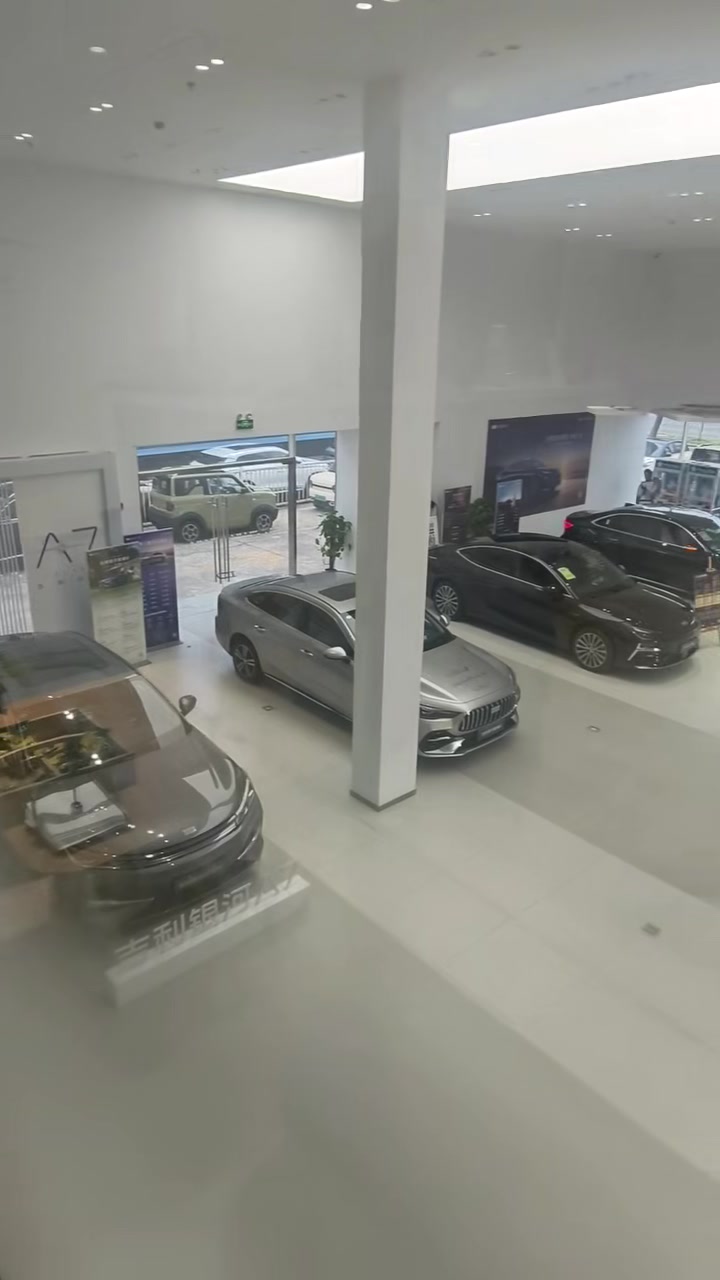
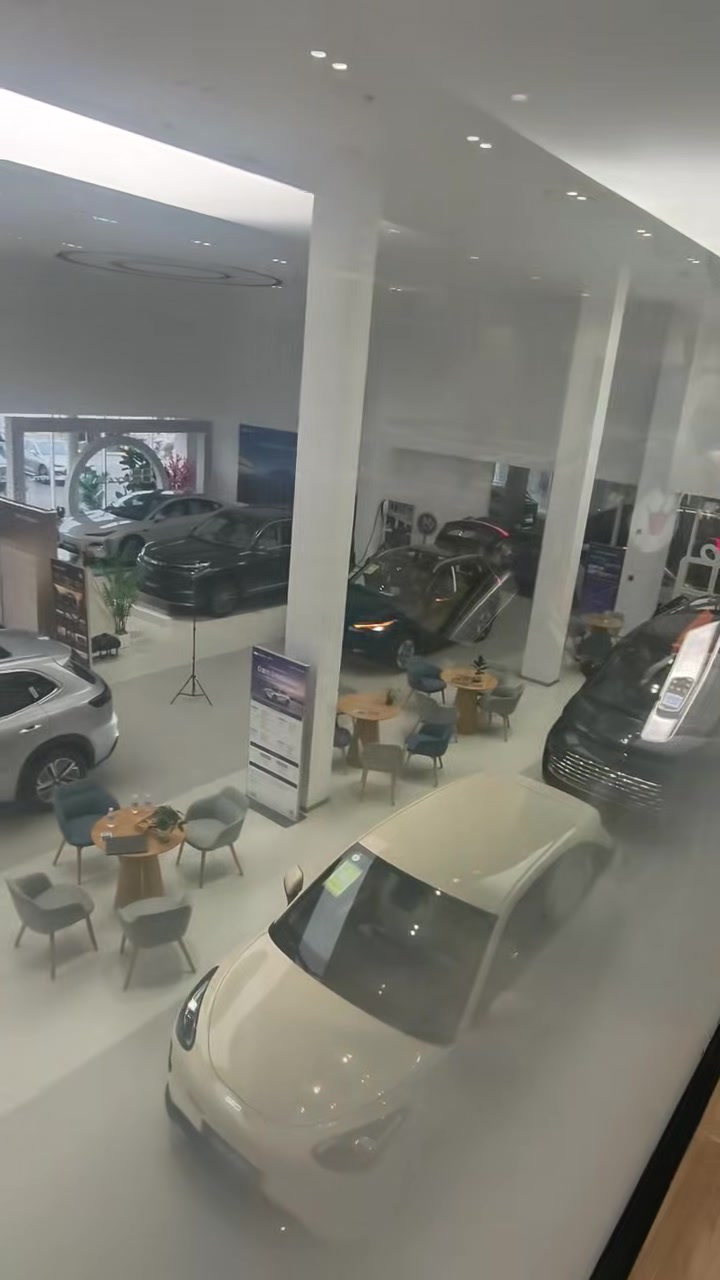
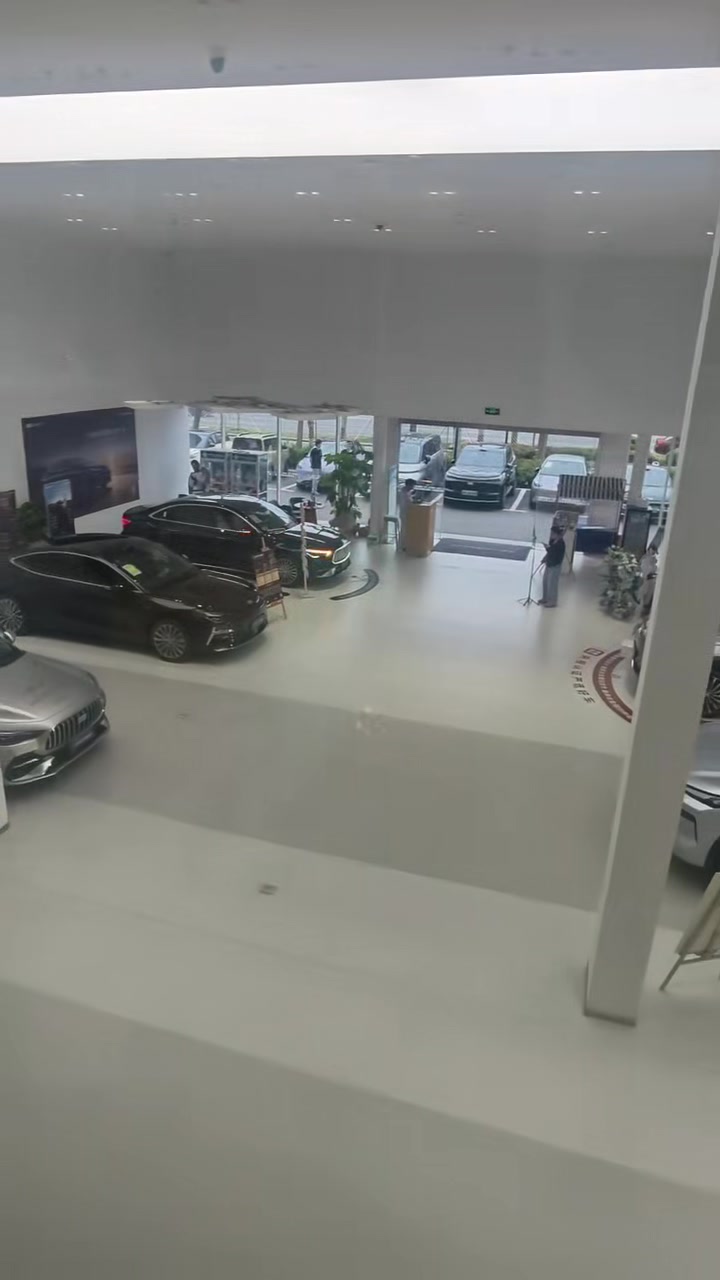
The Ultimate 2026 Importer’s Guide to New Car Export from Shanghai

1. The Macro-Economics of New Car Export from Shanghai in 2026

New car export from Shanghai export ready to ship

Shanghai has cemented its position as the command center for China’s automotive export revolution. As we navigate 2026, the city isn’t merely a port of departure—it is the epicenter of a structural transformation where domestic saturation meets global expansion. With China’s new energy vehicle (NEV) penetration hitting 59.4% of domestic sales in late 2025, the domestic market has reached a saturation inflection point, compelling OEMs to treat exports not as cyclical overflow valves but as primary growth engines.

The data tells a decisive story. China closed 2025 with record vehicle exports of approximately 7.1 million units, with NEVs (BEVs and PHEVs) commanding over one-third of outbound volume. Shanghai, hosting the Tesla Gigafactory, SAIC Motor’s global headquarters, and NIO’s advanced manufacturing facilities, contributes disproportionately to this surge. Unlike the opportunistic export waves of previous decades, 2026 represents a “follow-the-capital” paradigm shift: as BYD, CATL, and Geely establish factories in Hungary, Thailand, and Indonesia, Shanghai-based logistics providers have evolved from simple freight handlers to architects of complex, end-to-end supply chain solutions.

The “China Plus One” strategy has paradoxically strengthened Shanghai’s hub status. While Southeast Asian nations diversify manufacturing risk, Shanghai functions as the irreplaceable central node—coordinating battery supply chains from Fujian and Anhui, software development from Zhangjiang Hi-Tech Park, and financing via the Shanghai Free Trade Zone’s offshore accounts. For B2B importers, this means access to integrated regional supply chains that maintain Chinese cost efficiencies while mitigating geopolitical risks.

Critically, 2026 marks the transition from volume-based to value-based exports. The IEA confirms China now manufactures 40% of global vehicles and 70% of global EVs. However, export growth is decoupling from domestic incentives. With subsidy-funded trade-in programs facing funding shortages across provincial governments, OEMs like BYD and Xiaomi are aggressively monetizing overseas markets where margins exceed domestic benchmarks by 15-25%. For international buyers, this creates a procurement window where Shanghai’s export infrastructure offers premium EVs at competitive ex-factory pricing, provided you understand the regulatory architecture governing these transactions.

2. Understanding China’s Strict EV Export Regulations

Navigating China’s 2026 EV export framework requires precision. The regulatory environment has shifted from permissive expansion to structured compliance, reflecting Beijing’s strategic prioritization of brand protection and technical standardization abroad.

Mandatory Certification & Licensing
Every new car export from Shanghai requires a trifecta of documentation: the Vehicle Consistency Certificate (VCC), CCC (China Compulsory Certification) compliance documentation, and a MIIT (Ministry of Industry and Information Technology) production license verification. For 2026, critical updates include:
Battery Passport Requirements: Lithium-ion traction batteries must carry digital passports traceable to cell-level production data, compliant with the EU Battery Regulation (applicable for EU-bound exports).
UN38.3 Testing: Mandatory for all lithium battery shipments, with updated testing protocols effective January 2026 requiring thermal runaway propagation containment documentation.
Export License (EL): Issued by MOFCOM (Ministry of Commerce), now requiring proof of overseas homologation pre-approval for destination markets.

VAT Rebate Mechanics
Shanghai exports qualify for a 13% VAT rebate upon customs declaration, but 2026 regulations mandate that rebate claims must align with the “Export Consignment Model”—meaning vehicles must physically depart Shanghai Port and arrive at foreign ports within 210 days to avoid clawback provisions. Smart importers structure payment terms to account for rebate timing, typically 45-60 days post-export declaration.

Digital Customs Integration
Shanghai Customs now operates on the “Single Window 4.0” platform, requiring pre-declaration of VIN numbers, battery chemistry specifications (NCM vs. LFP), and intended final market registration. Attempting to export vehicles without pre-registered VINs in the customs database results in automatic port detention.

3. Sourcing Strategy: Direct Factory vs. Authorized Export Agents

The sourcing decision determines your risk exposure, pricing structure, and after-sales capabilities. Shanghai’s ecosystem offers three distinct procurement channels, each with specific 2026 implications.

Sourcing Model Minimum Order Quantity Pricing Structure Compliance Burden After-Sales Support
Direct OEM Factory (Tesla Shanghai, SAIC, NIO) 50-100 units (fleet orders) EXW Shanghai; OEM retains export license control Buyer handles all export documentation; OEM provides VCC/CCC only Limited; warranty valid only in China unless international warranty purchased separately
Authorized Export Agent (Electric Auto China model) 1-5 units (containerized) FOB/CIF Shanghai; all-inclusive export packaging Agent manages MOFCOM licenses, customs clearance, and VAT rebate filing Structured; agent facilitates overseas parts warehousing and technical documentation translation
Trading Company/Broker Variable (often mixed brands) Variable markup (5-15% above factory) Inconsistent; high risk of documentation gaps Minimal; often disappears post-shipment

Case Study: The Germany Import Scenario
A Hamburg-based fleet operator seeking 20 BYD Seal U units faces distinct pathways:
Direct Factory: BYD Europe (via Hungary factory) offers localized units at €38,500 but with 4-month lead times.
Shanghai Export Agent: Same units available at €31,200 FOB Shanghai with 6-week delivery, requiring EU homologation (eVTA) post-arrival.
Net Savings: €146,000 on vehicle cost minus €18,000 homologation and €12,000 shipping = €116,000 net savings (23% cost reduction).

The 2026 market favors Authorized Export Agents for small-to-medium importers (1-50 units/quarter). Direct factory relationships require substantial volume commitments and leave the importer navigating China’s complex export licensing alone—a process that delayed 34% of Q4 2025 shipments due to documentation errors per Shanghai Port data.

4. Financial Mechanics: Pricing and Landed Costs

Customized New car export from Shanghai for international market

Understanding the true landed cost of a Shanghai-exported EV requires dissecting layered cost components beyond the FOB price. Below is the definitive 2026 cost calculation framework for a standard BEV export to the European Union (most stringent cost scenario).

Landed Cost Calculation: BYD Seal U to Rotterdam (Example)

Cost Component Amount (USD) Calculation Basis Notes
EXW Factory Price $28,500 Manufacturer net price 2026 Shanghai factory gate price
Export Packaging $450 $450 per unit Marine-grade wrapping, battery isolation
Inland Transport $320 Shanghai factory to Waigaoqiao Port EV-specific carriers with fire suppression
FOB Shanghai $29,270 Sum of above Standard Incoterms 2020
Ocean Freight (RoRo) $1,800 40-day route, Shanghai-Rotterdam Green shipping surcharge included (2026 mandate)
Marine Insurance $145 0.5% of CIF value All-risks coverage including battery thermal events
CIF Rotterdam $31,215 FOB + Freight + Insurance
Import Duty (10%) $3,122 10% of CIF value EU MFN tariff for Chinese vehicles
EU VAT (19%) $6,531 19% of (CIF + Duty) German VAT rate
Homologation (eVTA) $2,800 Per unit certification Includes COP testing, documentation
Local Transport/PDI $650 Port to dealership + pre-delivery inspection
TOTAL LANDED COST $44,318 Compare to local EU price: $48,500

Critical Financial Considerations for 2026:

Currency Hedging: With RMB volatility against the Euro (current 6.85-7.15 range), importers should negotiate USD-denominated contracts or utilize Shanghai FTZ forex hedging instruments available through authorized agents.

Payment Structure: Never pay 100% upfront. The compliant 2026 structure is:
30% T/T Deposit: Upon contract signing and VIN reservation
70% L/C or T/T: Against Bill of Lading and export clearance documents
0% Retention: Avoid Chinese suppliers demanding post-shipment payment holds; this indicates liquidity issues.

Green Logistics Premium: 2026 mandates for carbon-neutral shipping add $180-240 per unit for biofuel-powered vessels or carbon offset certificates. While optional for non-EU destinations, EU importers face CBAM (Carbon Border Adjustment Mechanism) scrutiny where documented green shipping reduces administrative burden.

5. Global Logistics: Ocean Freight & Battery Transport Compliance

The logistics of new car export from Shanghai have evolved beyond simple container stuffing. 2026 regulations classify EVs as Class 9 Dangerous Goods (UN3166), triggering stringent handling protocols that invalidate traditional auto logistics approaches.

Shipping Modalities

Method Suitability Cost (2026) Transit Time Battery Compliance
RoRo (Roll-on/Roll-off) >10 units, drivable vehicles $1,800-2,200/unit 35-45 days to EU Standard; vehicles secured on decks with thermal monitoring
Container (R-Rack) 2-4 units per 40HC $2,400-3,100/unit 28-35 days Requires battery SOC <30%; fire suppression systems mandatory
Frame Rack (High & Heavy) SUVs, trucks $2,100-2,600/unit 40-50 days Reinforced securing for battery weight distribution

The Hybrid Model Implementation
Leading 2026 logistics strategies employ the “Shanghai Hub + European Micro-fulfillment” approach:
1. Consolidation: Vehicles ship from Shanghai to Rotterdam/Bremerhaven via dedicated EV shipping lines (e.g., COSCO’s Green Lane service).
2. Bonded Warehousing: Vehicles clear customs but remain in bonded warehouses (Duisburg, Tilburg) pending final sale.
3. Last Mile: Local delivery via electric car carriers to final customers, enabling “local returns” handling—a critical EU consumer protection requirement.

Battery Transport Criticalities
State of Charge (SOC): IMDG Code Amendment 40-20 mandates lithium batteries be shipped at maximum 30% charge. Shanghai exporters must provide SOC certification from certified testing labs (e.g., SGS Shanghai).
Thermal Runaway Prevention: 2026 requires cell-level fire suppression documentation and, for NCM batteries, proof of propagation resistance testing (UN38.3 Section 38.3.5).
Temperature Monitoring: Reefer containers or climate-controlled RoRo decks mandatory for routes transiting the Red Sea during summer months (May-September).

Green Logistics Mandate
Shanghai Port Authority now requires all export EVs to utilize solar-powered terminal handling and electric port trucks during loading, with carbon footprint documentation provided via blockchain-enabled bills of lading. This isn’t merely regulatory box-ticking; EU importers can utilize these certificates for ESG reporting and CBAM compliance.

6. Localization & Homologation: Preparing Cars for Local Markets

The “localization gap” represents the single greatest failure point for 2026 importers. Vehicles leaving Shanghai comply with Chinese GB standards; transforming them into market-legal assets requires technical and software adaptation.

Regional Homologation Requirements

Market Certification Key Technical Modifications Cost/Unit Timeline
European Union eVTA (Whole Vehicle Type Approval) CCS2 charging port conversion; GDPR-compliant telematics; EU frequency band radios €2,500-4,000 4-6 weeks
GCC (Gulf) GCC Conformity Extreme heat testing (50°C+); Arabic UI; Halal material compliance $1,800-2,500 3-4 weeks
ASEAN (Thailand, etc.) ASEAN NCAP/Local Type Right-hand drive conversion (if applicable); local language HMI $1,200-2,000 2-3 weeks
Australia ADR (Australian Design Rules) Local compliance plate; ANCAP safety data submission AUD $3,500-5,000 4-5 weeks

Software Localization: The Hidden Challenge
Chinese EVs rely heavily on connected services. Export units require:
OTA Server Migration: Moving from Chinese servers (Alibaba Cloud/Tencent) to local AWS/Azure regions to comply with data sovereignty laws (GDPR, PDPA).
App Ecosystem Replacement: Removing WeChat integration; adding Google Automotive Services (where permitted) or local navigation apps (HERE Maps, TomTom).
Voice Recognition: Retraining NLP models for local accents and languages—a process requiring 3-6 months of data collection.

The Shanghai Advantage
Shanghai-based export agents now offer “Pre-Export Homologation” services, where vehicles are modified at Pudong or Lingang bonded facilities before export, utilizing China’s streamlined regulatory environment. This reduces time-to-market by 60% compared to modifying vehicles upon arrival in Europe.

7. After-Sales Ecosystem: Securing Parts and Service Abroad

The Achilles’ heel of parallel-imported Chinese EVs has historically been after-sales support. In 2026, successful importers must establish service infrastructure before the first container arrives.

Parts Supply Chain Architecture
Shanghai exporters must provide:
VIN-specific BOMs (Bill of Materials): Detailed parts lists with international part numbers
Technical Service Bulletins (TSBs): English-translated repair manuals and wiring diagrams
Critical Parts Stocking: Mandatory 10-year parts availability guarantees under Chinese law, but importers must negotiate overseas parts warehousing—typically in Rotterdam (EU), Dubai (Middle East), or Los Angeles (Americas).

Warranty Structuring
Chinese OEM warranties (typically 6 years/150,000km) often don’t transfer internationally. Solutions include:
Third-Party Warranty Backing: Companies like Allianz Partners or Mondial Assistance offering “grey market” warranty coverage for parallel imports
Service Partnerships: Training local multi-brand workshops on high-voltage system repair (safety isolation, battery pack replacement)

Technical Training
Shanghai export agents should provide:
Level 1 Training: High-voltage safety awareness (mandatory for any technician touching the vehicle)
Level 2 Training: Diagnostic software usage (BYD DiLink, NIO OS, etc.)
Level 3 Training: Battery pack replacement and BMS programming

The “Follow-the-Capital” Service Model
As BYD and others open European factories (Hungary 2026), importers can leverage these facilities for warranty work even on Shanghai-sourced units, provided VINs are registered in the OEM’s global database—a service premium export agents facilitate.

8. Avoiding Scams: How to Audit a Chinese EV Supplier

The surge in export demand has attracted fraudulent actors. Protect your capital through rigorous due diligence.

Red Flag Checklist
License Verification: Demand the “Automobile Export License” (汽车出口许可证) and cross-check against MOFCOM’s public registry. Fake licenses often use outdated formatting or incorrect seal codes.
Factory vs. Trading Company: Verify the business scope on their Business License (营业执照). Legitimate manufacturers list ” automobile manufacturing”; traders list “automobile sales” or “international trade.”
Bank Account Verification: Ensure the receiving account matches the company name exactly. Scammers often use similar-sounding but different account names (e.g., “BYD Auto Trade” vs. “BYD Automobile Co., Ltd.”).

Audit Protocol
1. Video Factory Tour: Request live video showing current production lines with dated newspapers visible. Pre-recorded videos are common scam tools.
2. Reference Checks: Demand contact details for three previous international buyers. Verify these independently via LinkedIn, not the contact details provided.
3. Sample Contract Review: Have a Chinese automotive lawyer review the Sales Contract (购销合同) for clauses regarding:
– Force Majeure definitions (should exclude “export license delays” as force majeure)
– Quality acceptance criteria (must reference specific GB standards or international equivalents)
– Arbitration clauses (prefer CIETAC Shanghai or HKIAC over local courts)

Payment Security
Never use Western Union or Bitcoin for vehicle purchases. Only T/T to corporate accounts or Irrevocable Letters of Credit (L/C).
Escrow Services: Utilize Alibaba Trade Assurance or similar third-party escrow for initial transactions under $500,000.

Documentation Verification
VIN Pre-check: Before payment, verify proposed VINs against the MIIT Public Directory to ensure vehicles actually exist and aren’t “ghost” units.
Certificate of Origin: Ensure the C/O specifies “China” as origin and includes the HS code 8703.80 (for EVs).

9. Start Your Import Business with Electric Auto China

Based in Shanghai’s Lingang New Area, Electric Auto China operates as a licensed authorized export agent bridging the gap between Chinese OEMs and international B2B buyers. Our 2026 service portfolio addresses every pain point outlined in this guide:

Compliance-First Export Management
We maintain direct API integration with Shanghai Customs’ Single Window 4.0, ensuring your VINs are pre-cleared and documentation is audit-proof. Our in-house homologation team pre-certifies vehicles for EU, GCC, and ASEAN markets before container loading, eliminating border delays.

Financial Structuring
We facilitate USD/RMB hedging through Shanghai FTZ banking partners and structure payment milestones that protect your capital: 30% deposit, 70% against shipping documents, with VAT rebate transparency (we credit 50% of reclaimed VAT back to buyers as a pricing incentive).

The Green Logistics Guarantee
Every Electric Auto China shipment utilizes carbon-neutral ocean freight with blockchain-verified certificates, ensuring your imports meet 2026 ESG standards and EU CBAM requirements without administrative overhead.

After-Sales Infrastructure
We’ve established European Parts Hubs in Rotterdam and Dubai, stocking critical components (BMS units, charging ports, infotainment modules) with 48-hour delivery capability. Our technical training academy certifies your local technicians on BYD, NIO, XPeng, and Li Auto platforms.

2026 Market Entry Package
For new importers, we offer a Pilot Program: 5-unit minimum orders with shared-container shipping, pre-homologated vehicles, and 12-month warranty backing through Allianz Global Automotive.

The new car export from Shanghai in 2026 represents more than a transaction—it is entry into the world’s most sophisticated EV ecosystem. With domestic Chinese market saturation driving aggressive export pricing and Shanghai’s logistics infrastructure achieving carbon-neutral operational standards, the arbitrage opportunity for international buyers has never been more compelling.

However, success requires navigating regulatory complexity that changes monthly. Partner with Electric Auto China to transform Shanghai’s manufacturing dominance into your competitive advantage.

Contact our B2B Export Division today for a customized landed cost analysis and 2026 availability forecast.

Unlock High-Margin EV Imports with Electric Auto China

As an elite automotive supply chain partner in Shanghai, we provide end-to-end, strictly compliant export solutions tailored for international dealerships, fleet managers, and wholesale distributors.

  • 🛡️ 100% Legal & Compliant: Fully licensed exports ensuring smooth customs clearance at your destination.
  • ⚙️ Complete Localization: Professional English/Arabic/Russian OS flashing and GB/T to CCS2 charging solutions.
  • 🚢 Secure Logistics: Direct Ro-Ro and Containerized shipping with full UN38.3 battery certifications.
  • 🔧 After-Sales Support: Reliable access to OEM diagnostic tools and steady spare parts supply.

Request a Detailed FOB/CIF Quote Today:

📧 B2B Sales Email: [email protected]

💬 Direct WhatsApp: +86 159 5127 6160

Global Compliance Disclaimer: Import regulations, tariffs, and EV homologation requirements vary significantly by country. While we ensure full compliance with China’s 2026 export laws, it is the buyer’s responsibility to verify local connectivity laws, charging infrastructure compatibility, and destination customs duties.

Similar Posts