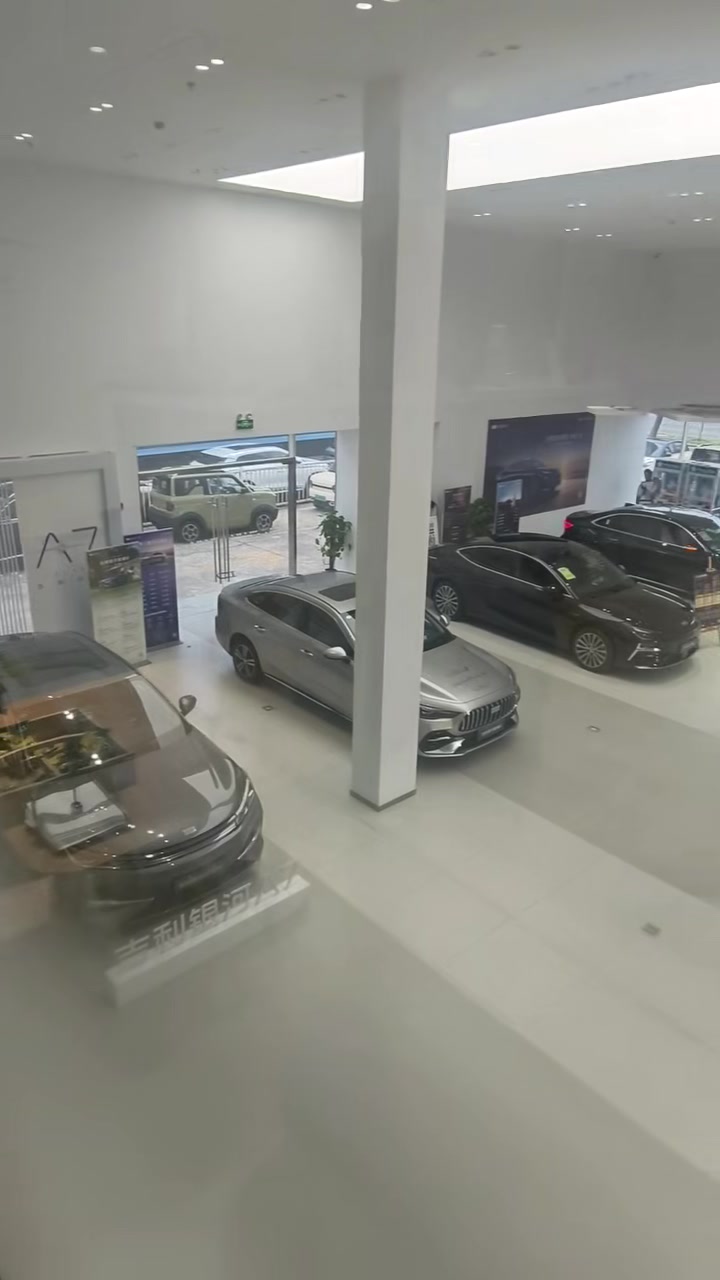
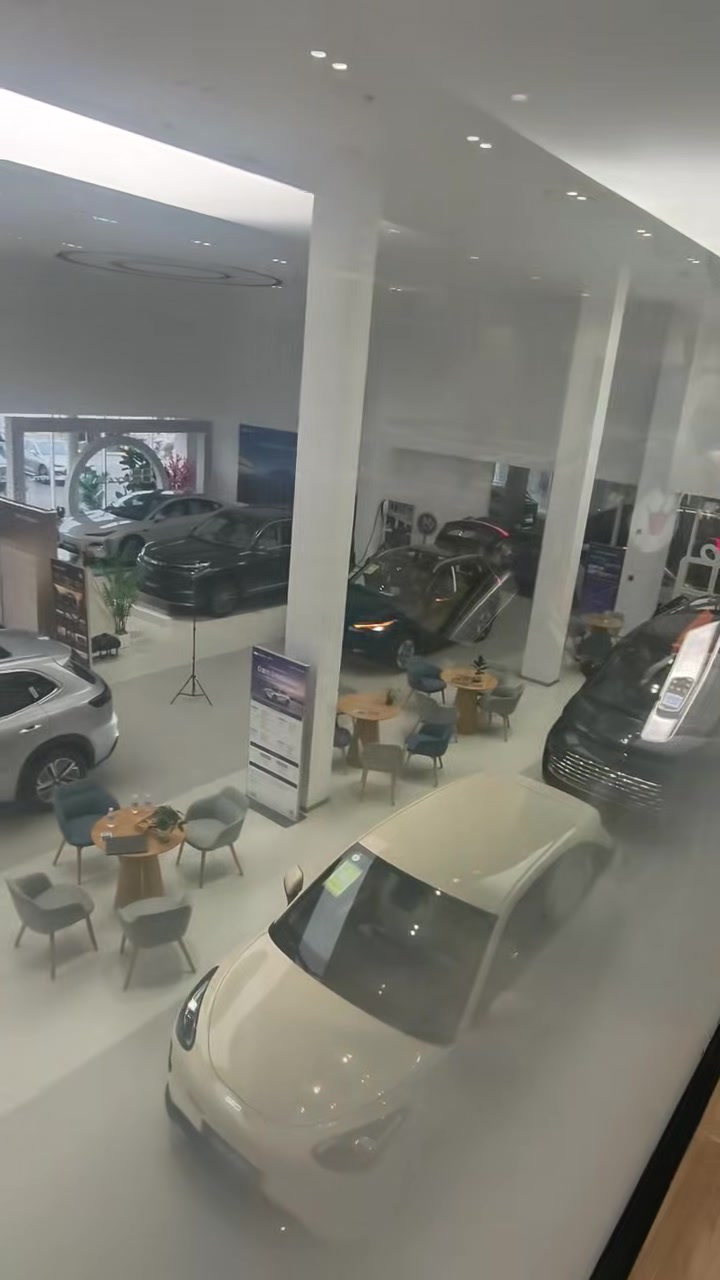
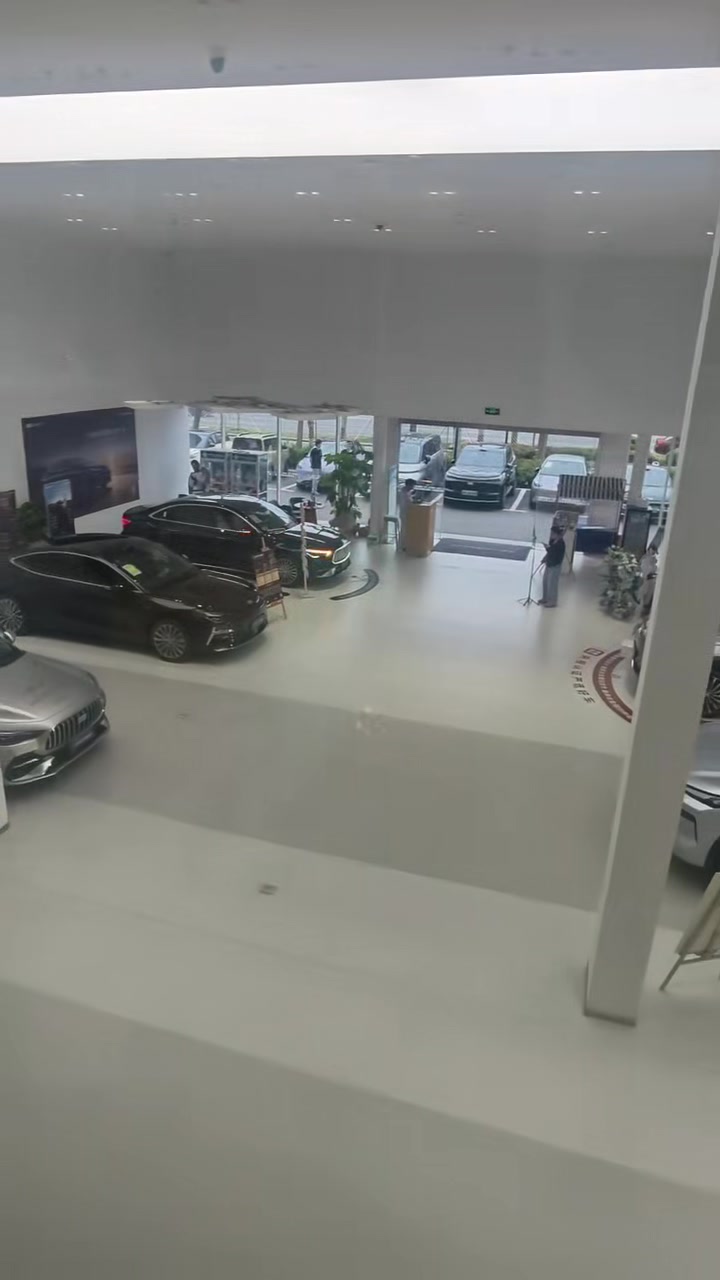
The Ultimate 2026 Importer’s Guide to Electric Car Dealership Opportunities

1. The Macro-Economics of Electric Car Dealership Opportunities in 2026

Electric car dealership opportunities export ready to ship

The global automotive landscape has undergone a fundamental restructuring. As we enter 2026, China’s logistics and supply chain market demonstrates remarkable resilience with total logistics value exceeding 350 trillion yuan, representing a 6.5% year-on-year increase. For international B2B buyers, this creates an unprecedented window for electric car dealership opportunities—but only for those who understand the new regulatory reality.

China closed 2025 with record vehicle exports of approximately 7.1 million units, with New Energy Vehicles (NEVs) accounting for more than one-third of outbound volume. This isn’t merely cyclical growth; exports have become a structural pillar of China’s automotive industry. However, the domestic market tells a different story. With car sales expected to stagnate in 2026 due to inventory pressures and reduced subsidies, Chinese manufacturers are aggressively seeking authorized international partners to absorb production capacity.

The “New Development Landscape” (NDL) reshaping 2026 trade flows involves three critical vectors:

Product Value Upgrading: China no longer exports merely commoditized vehicles. The current export basket includes intelligent EVs with advanced driver-assistance systems (ADAS), solid-state battery prototypes, and vehicle-to-grid (V2G) capable models. European and Middle Eastern markets are increasingly sourcing high-specification Chinese EVs priced between €25,000-€45,000, directly competing with legacy European premium brands.

Multi-Regional Production Networks: The “China Plus One” strategy has evolved into blended supply models. Smart importers are now leveraging Chinese battery packs and powertrains, combining them with Southeast Asian assembly for regional tariff advantages, and adding European final customization. This reduces geopolitical concentration risk while maintaining cost competitiveness.

Regulatory Alignment Pressure: European sustainability regulations—specifically the Carbon Border Adjustment Mechanism (CBAM), battery passport requirements, and supply chain due diligence directives—are influencing logistics decisions at origin. Exporters must now provide compliant documentation regarding emission footprints, ethical mineral sourcing, and end-of-life battery management.

For dealership entrepreneurs, the opportunity lies not in opportunistic spot-buying, but in becoming accredited partners within China’s new licensed export framework. The dealers who establish compliant, vertically integrated supply chains in 2026 will dominate the 2027-2030 market as smaller, irregular exporters are systematically eliminated.

2. Understanding China’s Strict EV Export Regulations

January 1, 2026, marked a regulatory inflection point. The Ministry of Commerce (MOFCOM) implemented mandatory export licensing for all Chinese manufacturers and exporters of electric vehicles. This framework fundamentally alters how foreign B2B buyers must approach electric car dealership opportunities.

The Export License Framework

Under the 2026 regulations, only accredited manufacturers and authorized dealers may apply for EV export licenses. This measure specifically targets the “irregular export” phenomenon—where new vehicles were previously misclassified as “used” cars to bypass quality inspections and manufacturer oversight. This practice had flooded markets with vehicles carrying outdated software, incompatible charging protocols, and zero after-sales support.

Key Regulatory Requirements:

  • Manufacturer Accreditation: OEMs must demonstrate production capacity, quality control systems (IATF 16949 certification), and established overseas service networks.
  • Exporter Licensing: Trading companies must prove direct manufacturer authorization, technical service capabilities, and compliance with destination market regulations.
  • Vehicle Identification: Each exported EV must carry a unique export certificate linking to the manufacturer’s production database, preventing “gray market” diversion.
  • Software Compliance: Vehicles must ship with export-market-appropriate software versions, including local language interfaces and regional charging standard compatibility (CCS2, CHAdeMO, or GB/T depending on destination).

Impact on Foreign Manufacturers in China

The regulations extend to foreign giants manufacturing locally—Tesla (Gigafactory Shanghai), BMW (Brilliance BMW), and Volkswagen (SAIC Volkswagen). These entities must now obtain specific export licenses for China-produced vehicles, even when shipping to their own global markets. This creates a bottleneck that authorized Chinese export agents can navigate more efficiently than foreign entities attempting direct factory relationships without local licensing.

Compliance Documentation Requirements

Importers must now verify three critical documents:

  1. Export License (出口许可证): Issued by MOFCOM, valid for specific VIN ranges and destination countries.
  2. CCC Certification Extension: For vehicles not originally manufactured for export markets, supplementary conformity certificates are required.
  3. Battery Transport Declaration: UN 38.3 test summary reports and dangerous goods packaging certificates for lithium-ion propulsion batteries.

Failure to verify these documents results in customs detention, particularly at European ports where authorities are increasingly coordinating with Chinese customs to identify irregular shipments.

3. Sourcing Strategy: Direct Factory vs. Authorized Export Agents

The 2026 regulatory environment has rendered traditional sourcing models obsolete. The choice between direct factory engagement and authorized export agents now carries legal and financial implications that determine market entry success.

Direct Factory Engagement: The High-Bar Approach

Direct relationships with OEMs like BYD, NIO, XPeng, or Geely offer price advantages of 8-12% below agent pricing. However, the barriers to entry have risen dramatically:

Requirements for Direct Factory Access:
– Minimum order quantities (MOQs) of 500+ units annually
– Proof of destination market homologation capability
– Established service center infrastructure in target markets
– Letters of credit exceeding $5M for first-time transactions
– Compliance with the manufacturer’s export license conditions

The Multi-Regional Production Advantage: Sophisticated buyers are negotiating “blended” supply agreements. For example, securing battery packs and SKD (Semi-Knocked Down) kits from China, with final assembly in Thailand or Hungary, circumvents EU tariffs while maintaining cost advantages. This requires factory partnerships capable of modular export configurations—a capability only tier-1 manufacturers possess.

Authorized Export Agents: The Compliance Gateway

For mid-sized dealerships (50-200 units annually), authorized export agents provide the only viable path to compliance. These entities hold the 2026 export licenses and maintain technical service agreements with multiple OEMs.

Agent Value Proposition:
Regulatory Shield: Agents assume liability for export license compliance and documentation accuracy
Homologation Support: Established agents maintain EU-type approval (WVTA) and GCC (Gulf Cooperation Council) certification partnerships
Flexible MOQs: As low as 5-unit containerized shipments (LCL – Less than Container Load)
Financial Structuring: Escrow services and payment milestones that protect against non-delivery

Decision Matrix

Sourcing Model Best For Capital Requirement Risk Level Regulatory Burden
Direct Factory Large dealer groups (>500 units/year) $10M+ High (license dependency) Heavy (direct compliance)
Authorized Agent Regional distributors (50-500 units) $500K-$2M Medium Light (agent assumes liability)
Gray Market/Parallel None (illegal post-2026) Variable Extreme Prohibited

Case Study: German Market Entry
A Munich-based dealership group attempted direct sourcing from a tier-2 Chinese EV manufacturer in Q4 2025. Despite securing favorable pricing (€18,500 per unit CIF Hamburg), the shipment was detained at Port of Hamburg in January 2026 due to missing export license documentation. The vehicles lacked the mandatory MOFCOM export certificates, resulting in €45,000 in demurrage charges and eventual re-export. The dealership subsequently partnered with an authorized agent, paying a 9% premium but achieving 100% customs clearance efficiency.

4. Financial Mechanics: Pricing and Landed Costs

Customized Electric car dealership opportunities for international market

Understanding true landed costs requires moving beyond simplistic FOB (Free On Board) quotes. The 2026 regulatory environment introduces new cost layers that impact dealership profitability calculations.

Base Pricing Structure (Q1 2026)

Chinese EV export pricing follows a tiered structure based on battery capacity and intelligence features:

  • Entry Level (LFP batteries, <60kWh): $14,000-$18,000 FOB Shanghai
  • Mid-Range (NCM batteries, 60-80kWh, basic ADAS): $22,000-$28,000 FOB Shanghai
  • Premium (800V architecture, >100kWh, LiDAR): $35,000-$48,000 FOB Shanghai

Complete Landed Cost Calculation

The following table details exact costs for importing 20 units of a mid-range SUV (BYD Seal U or equivalent) to Rotterdam, Netherlands:

Cost Component Calculation Basis Cost per Unit (USD) Total for 20 Units
EXW Factory Price Base vehicle + export preparation $24,500 $490,000
Domestic Transport Factory to Shanghai Port (electric truck) $150 $3,000
Export License Fee MOFCOM processing & documentation $200 $4,000
Ocean Freight 40HC container (RO-RO alternative: $1,800/unit) $1,200 $24,000
Marine Insurance 110% of CIF value @ 0.15% $42 $840
Destination THC Terminal handling charges Rotterdam $85 $1,700
Customs Duty EU MFN rate 10% (if no FTA utilized) $2,600 $52,000
VAT 21% (NL) on CIF + Duty $5,712 $114,240
Homologation EU type approval (WVTA) per model $1,500* $30,000*
Battery Compliance UN 38.3 re-certification & passport $300 $6,000
Landed Cost Total investment $36,289 $725,780

*Homologation costs amortized over first shipment; subsequent shipments $200/unit.

Critical Financial Insight: The 2026 CBAM implementation requires carbon intensity declarations. Chinese EVs manufactured with coal-heavy grids face potential carbon tariffs of €50-€80 per ton CO2 equivalent, adding approximately $400-$600 per vehicle to European landed costs. Dealerships must verify their supplier’s green manufacturing certificates to avoid these penalties.

Payment Terms and Currency Risk

The 2026 market standard operates on:
30% TT Advance upon export license verification
70% LC at Sight against Bill of Lading and export certificate presentation
Currency Hedging: Yuan/Euro volatility requires 6-month forward contracts given 90-120 day production-to-delivery cycles

5. Global Logistics: Ocean Freight & Battery Transport Compliance

The logistics of EV export have transformed from standard Ro-Ro (Roll-on/Roll-off) shipping to specialized containerized solutions driven by battery safety regulations and the need for mixed-model shipments.

Ocean Freight Modalities

Ro-Ro Shipping: Traditional method for finished vehicles. Suitable for large orders (100+ units) of identical models. Cost: $1,500-$2,200 per unit to Europe. Limited by vessel availability and port infrastructure.

Containerized EV (R-Rack System): The 2026 standard for dealership-sized orders. Vehicles are secured in specialized r-racks within 40-foot high-cube containers, allowing 3-4 vehicles per container with battery disconnect protocols.

Advantages of Containerization:
– Reduced risk of damage (enclosed transport)
– Ability to mix models and specifications
– Compatibility with inland distribution via rail/truck without transloading
– Enhanced security against theft (increasingly critical for high-value EVs)

Battery Transport Compliance (UN 3480/3481)

Lithium-ion batteries classified as Class 9 dangerous goods require:

  1. UN 38.3 Testing: Each battery model must have valid test summaries proving resilience to altitude simulation, thermal cycling, vibration, shock, external short circuit, impact/crush, and forced discharge.
  2. State of Charge (SoC): Batteries must ship at maximum 30% charge for safety.
  3. Packaging: UN-certified packaging with proper labeling (Lithium Battery Label, Class 9 Miscellaneous Dangerous Goods).
  4. Dangerous Goods Declaration: Shipper’s Declaration for Dangerous Goods (IMO DGD) required for all EV shipments.

Green Logistics Mandate: With China’s dual carbon goals driving policy, 35% of urban delivery fleets to ports are now electric. Forward-thinking dealerships should request “green shipping” options—carbon-neutral ocean freight using biofuel blends or wind-assisted propulsion vessels—which add approximately $150/unit but provide CBAM compliance documentation.

6. Localization & Homologation: Preparing Cars for Local Markets

Homologation represents the highest risk point for new EV dealerships. A vehicle compliant in China requires extensive modification for most Western markets.

European Union Requirements (WVTA)

Whole Vehicle Type Approval (WVTA) requires compliance with:
UNECE Regulations: Specifically ECE R10 (EMC), R94/R95 (crash safety), R100 (REESS safety for batteries)
Software Localization: Over-the-air (OTA) update servers must be EU-based or GDPR-compliant
Charging Infrastructure: CCS2 compatibility mandatory; GB/T ports must be converted or dual-port installed
Cybersecurity: UN R155/R156 compliance for cybersecurity and software update management systems

GCC and Middle East Specifications

Gulf markets require:
GSO Conformity: Gulf Standardization Organization certification for extreme heat operation (50°C+ testing)
Arabic Language HMI: Complete dashboard and infotainment localization
Halal Certification: For interior materials (where applicable)

Cost-Effective Homologation Strategies

Rather than post-import modification (which voids manufacturer warranties), dealerships should source “pre-homologated” variants. Major Chinese OEMs now produce “Global Spec” models featuring:
– Multi-language software from factory
– CCS2 charging ports
– EU-compliant lighting and glass
– Modular telematics units for regional server switching

Investment Recovery: Homologation costs ($30,000-$50,000 per model) require volume commitments. Dealerships should negotiate exclusive distribution agreements for specific regions to amortize these costs over 2-3 year periods.

7. After-Sales Ecosystem: Securing Parts and Service Abroad

The profitability of EV dealerships extends far beyond vehicle margins. After-sales service, battery health monitoring, and parts supply represent 60-70% of lifetime revenue per vehicle. The 2026 export regulations explicitly require exporters to demonstrate overseas service capabilities.

Technical Service Partnerships

Authorized export agents must provide:
Diagnostic Equipment: OEM-grade OBD scanners and battery management system (BMS) diagnostic tools
Technical Training: Factory-certified training for local technicians (typically 2-week programs in China or regional hubs)
Software Support: Access to manufacturer diagnostic servers and OTA update authorization

Critical Spare Parts Strategy

EVs require different inventory strategies than ICE vehicles:
High-Turn Parts: Charging cables, 12V auxiliary batteries, HVAC filters, brake pads (regenerative braking reduces wear, but friction brakes still require maintenance)
Battery Module Strategy: Maintain 2-3 complete battery packs in regional hubs for warranty replacements; individual module replacement is rarely cost-effective
Lead Times: Body panels and structural components require 45-60 day air freight timelines; establish bonded warehouse agreements for accident repair capacity

Warranty Escrow: Reputable exporters establish warranty escrow accounts (typically 3% of vehicle value) held in destination countries to guarantee local warranty fulfillment—a critical differentiator for consumer confidence.

8. Avoiding Scams: How to Audit a Chinese EV Supplier

The 2026 regulatory crackdown has pushed fraudulent operators underground, but sophisticated scams persist. Due diligence now requires verification of both commercial legitimacy and regulatory compliance.

The “Used Car” Export Scam

Despite 2026 regulations, some traders attempt to export new vehicles as “used” (registered in China for <3 months, then deregistered for export). These vehicles:
– Carry voided manufacturer warranties
– Feature Chinese-market software incompatible with local networks
– Lack export-specific corrosion protection and suspension tuning
– Cannot obtain legitimate export licenses (making importation illegal)

Supplier Audit Checklist

Verification Item Documentation Required Red Flags
Export License Original MOFCOM license with validity dates Photocopies only; license holder name differs from contracting entity
Manufacturer Authorization Signed authorization letter with QR verification code Generic “trading authorization” without specific model mentions
Factory Audit Video verification of production line with current date stamp Refusal of video calls; only stock photos provided
Financial Verification Business license, tax registration, bank reference Personal bank accounts; offshore shell companies
Technical Compliance UN 38.3 battery reports, CCC certificates Expired certificates; mismatched VIN ranges
Reference Checks Contact details of 3+ existing international clients Vague references; clients in unrelated industries

Secure Payment Protocols

Never wire funds to personal accounts or offshore entities unrelated to the manufacturing license holder. The 2026 standard utilizes:
Alibaba Trade Assurance (for smaller orders)
Documentary Letters of Credit through tier-1 banks (Bank of China, ICBC, HSBC China)
Escrow Services: Third-party logistics providers holding funds until customs clearance confirmation

Case Study: The Dubai Diversion
A Polish dealership wired $450,000 to a “manufacturer representative” for 30 units of a popular EV model. The vehicles existed but were diverted to Dubai en route, where they were sold at premium prices to local buyers. The Polish importer received falsified bills of lading. Recovery required 18 months of litigation. Proper due diligence would have revealed the “representative” lacked export licensing and the manufacturer had no record of the transaction.

9. Start Your Import Business with Electric Auto China

As Chief Export Consultant at Electric Auto China, I facilitate compliant, profitable entry into the Chinese EV supply chain for serious B2B partners. Our 2026 service portfolio addresses the regulatory complexity described in this guide.

Our Compliance-First Approach

Export License Facilitation: We maintain active MOFCOM export licenses covering passenger EVs, commercial EVs, and battery systems. Every vehicle ships with complete documentation packages including:
– Original Export License (出口许可证)
– Certificate of Origin with carbon intensity metrics
– UN 38.3 battery test summaries
– Manufacturer warranty letters valid in destination markets

Multi-Regional Supply Solutions: Leveraging our Shanghai headquarters and partnerships in Thailand, Hungary, and UAE, we offer:
– China-direct exports for price-sensitive markets
– CKD/SKD assembly in Southeast Asia for tariff optimization
– European final-mile customization and homologation support

Partnership Tiers

Tier 1: Market Entry (5-20 units)
– Authorized agent sourcing with full compliance guarantee
– Shared container logistics (LCL)
– Basic technical training and parts package

Tier 2: Regional Distribution (50-200 units)
– Exclusive territory agreements for specific brands
– Dedicated homologation support and type approval management
– Warranty escrow establishment and service network development

Tier 3: Strategic Partnership (500+ units)
– Direct factory negotiation support
– Custom specification development
– White-label manufacturing arrangements

Next Steps

To capitalize on electric car dealership opportunities in 2026’s regulated environment:

  1. Verify Your Market Readiness: Ensure you possess or can obtain local EV sales licenses and service facility certifications in your target market.

  2. Request Our Compliance Package: Contact our Shanghai office for current export license verification, available inventory lists, and landed cost calculations specific to your destination port.

  3. Schedule Technical Consultation: Our engineers provide 90-minute video consultations covering homologation requirements, charging infrastructure compatibility, and service network establishment for your specific region.

The window for opportunistic, low-cost EV importing has closed. The 2026 framework rewards professional, compliant, long-term partnerships. Electric Auto China provides the regulatory bridge between China’s manufacturing dominance and your local market requirements.

Contact our B2B Export Division today to secure your authorized dealership status before Q2 2026 production allocations fill.


This guide reflects regulations and market conditions as of January 2026. Export licensing requirements and tariff structures are subject to bilateral trade agreement modifications. Always verify current status with qualified customs brokers and trade attorneys in your destination jurisdiction.

Unlock High-Margin EV Imports with Electric Auto China

As an elite automotive supply chain partner in Shanghai, we provide end-to-end, strictly compliant export solutions tailored for international dealerships, fleet managers, and wholesale distributors.

  • 🛡️ 100% Legal & Compliant: Fully licensed exports ensuring smooth customs clearance at your destination.
  • ⚙️ Complete Localization: Professional English/Arabic/Russian OS flashing and GB/T to CCS2 charging solutions.
  • 🚢 Secure Logistics: Direct Ro-Ro and Containerized shipping with full UN38.3 battery certifications.
  • 🔧 After-Sales Support: Reliable access to OEM diagnostic tools and steady spare parts supply.

Request a Detailed FOB/CIF Quote Today:

📧 B2B Sales Email: [email protected]

💬 Direct WhatsApp: +86 159 5127 6160

Global Compliance Disclaimer: Import regulations, tariffs, and EV homologation requirements vary significantly by country. While we ensure full compliance with China’s 2026 export laws, it is the buyer’s responsibility to verify local connectivity laws, charging infrastructure compatibility, and destination customs duties.

Similar Posts