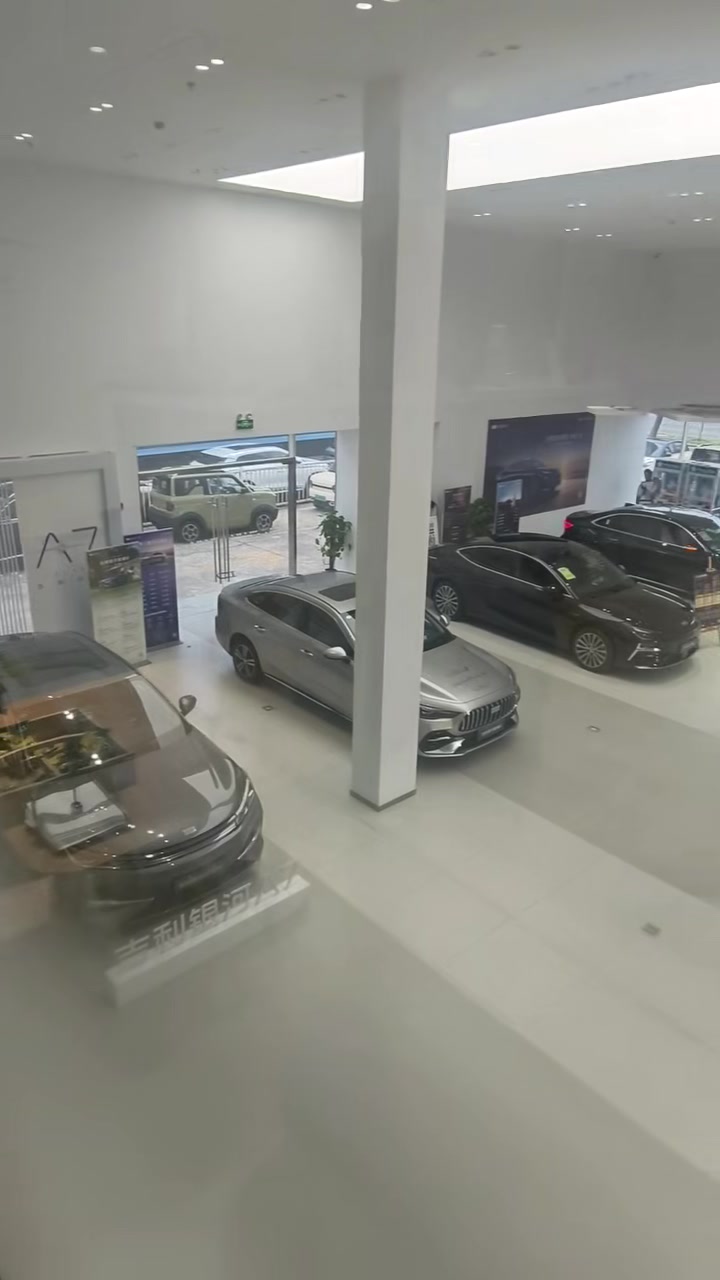
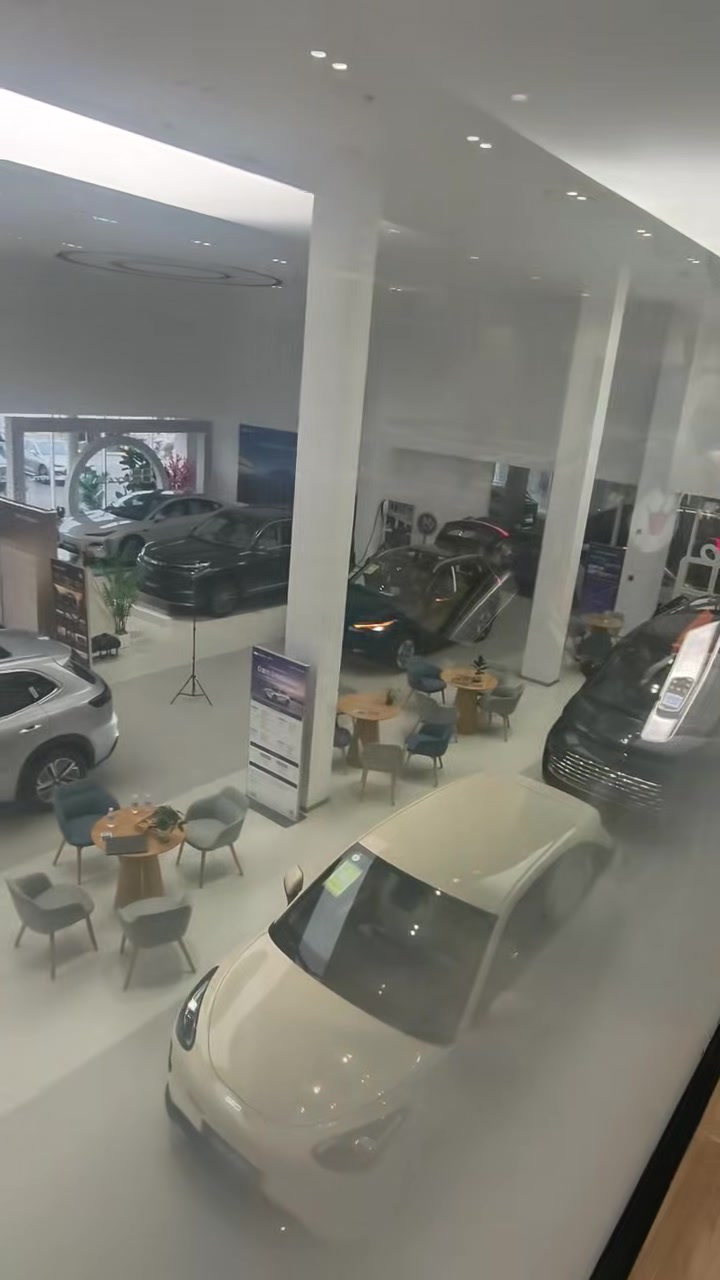
The Ultimate 2026 Importer’s Guide to Global EV export services

1. The Macro-Economics of Global EV export services in 2026

Global EV export services export ready to ship

As we enter 2026, China’s logistics and supply chain market has evolved into a sophisticated ecosystem exceeding 350 trillion yuan in total value, representing a 6.5% year-on-year expansion that underscores the country’s dominance in global EV export services. This growth trajectory is not merely statistical; it represents a fundamental restructuring of automotive supply chains where China has transitioned from a manufacturing hub to a comprehensive export solutions provider for electric mobility.

The International Energy Agency (IEA) confirms that China now leads global electric vehicle exports, having shipped approximately 7.1 million vehicles in 2025—a figure that establishes exports as a structural growth pillar rather than a cyclical outlet. Notably, New Energy Vehicles (NEVs) now constitute over one-third of outbound volume, with domestic shipments reaching 16.5 million units in 2025, confirming electrification as the market’s primary growth engine while internal combustion engine (ICE) volumes contracted by 3.6%.

However, 2026 introduces a complex macroeconomic environment characterized by product value upgrading and multi-regional production networks. Chinese exports are no longer concentrated in low-cost commoditized vehicles; instead, the market has shifted toward high-value electric vehicles, renewable energy equipment, advanced battery systems, and integrated electronics. This evolution aligns with the emergence of blended supply models—combining Chinese inputs, Southeast Asian assembly, and European final customization—to reduce geopolitical concentration risk while maintaining China as the central node.

Simultaneously, regulatory alignment pressure from European sustainability mandates (CSRD, CBAM, and supply chain due diligence directives) is reshaping logistics decisions at origin. Exporters must now provide comprehensive carbon disclosure documentation, sustainable packaging certifications, and ethical supply chain audits. This has catalyzed the adoption of green logistics mandates, with electric vehicles now comprising over 35% of urban delivery fleets and solar-powered warehouses becoming standard rather than optional.

Strategic opportunities for European and global logistics providers lie in facilitating this transition. The “China Plus One” strategy has prompted Chinese logistics providers to establish robust networks across Southeast Asia, creating integrated regional supply chains. For importers, this means access to diversified sourcing options while leveraging China’s unparalleled battery supply chain density—a critical advantage as global EV adoption accelerates and manufacturing power shifts irreversibly eastward.

2. Understanding China’s Strict EV Export Regulations

Effective January 1, 2026, the landscape of global EV export services underwent a seismic regulatory shift. The Chinese Ministry of Commerce implemented a mandatory licensing framework requiring all manufacturers and exporters of electric vehicles to obtain official accreditation before shipping vehicles abroad. This regulation fundamentally alters how foreign B2B buyers engage with Chinese suppliers and aims to eliminate the irregular export practices that previously undermined market integrity.

Under the new framework, only accredited manufacturers and authorized dealers may apply for export licenses. This directly addresses the “gray market” phenomenon where unauthorized exporters circumvented regulations by selling new vehicles as “used” through unofficial channels. These practices created significant liabilities for international buyers, including vehicles with outdated software, disabled OTA update capabilities, voided manufacturer warranties, and non-compliant documentation that resulted in customs seizures.

The regulations extend beyond domestic Chinese brands to encompass foreign giants manufacturing within China—including Tesla, Volkswagen, BMW, and Mercedes-Benz—which previously relied on local plants to supply global markets. These entities must now ensure their export partners hold valid licenses and maintain compliance with China’s dual carbon goals and quality control standards.

Key Compliance Requirements for 2026:

Regulatory Category Requirement Penalty for Non-Compliance
Export License Valid MOFCOM accreditation for all EV exporters Customs detention, blacklisting of exporter
Vehicle Classification Accurate declaration (new vs. used) Criminal prosecution for fraud, vehicle confiscation
Software Version Latest OEM-approved firmware with OTA capability Import rejection, cybersecurity liability
Battery Certification UN38.3 test summary and MSDS documentation Shipping refusal, hazardous materials fines
Carbon Documentation Supply chain emission disclosure for EU destinations CBAM penalties, market access denial

For B2B importers, verification of an exporter’s license status is now non-negotiable. The Chinese Association of Automobile Manufacturers (CAAM) maintains a public registry of accredited exporters, updated quarterly. Engaging with unlicensed exporters exposes buyers to significant financial risk, including the inability to secure homologation in destination markets and potential criminal liability for importing fraudulently declared vehicles.

3. Sourcing Strategy: Direct Factory vs. Authorized Export Agents

Navigating China’s 2026 EV export ecosystem requires a sophisticated understanding of sourcing hierarchies. Importers must choose between direct Original Equipment Manufacturer (OEM) relationships, tier-1 authorized export agents, and the now-prohibited gray market dealers—a decision that determines compliance status, pricing structures, and long-term viability.

Direct Factory Relationships offer maximum control and margin optimization but require substantial capital commitment and regulatory navigation. Major OEMs such as BYD, NIO, XPeng, and Geely now operate dedicated export divisions that handle licensing, homologation pre-certification, and regional customization. These relationships typically require minimum order quantities (MOQs) of 100-500 units annually, letters of credit exceeding $5M, and established local entity registration in China. The advantage lies in factory warranty backing, direct technical support, and access to the latest vehicle platforms including 800V architecture and solid-state battery prototypes.

Authorized Export Agents represent the optimal entry point for mid-scale importers (20-100 units annually). These entities hold MOFCOM licenses and maintain direct distribution agreements with multiple OEMs. Unlike gray market operators, authorized agents provide legitimate export certificates, VAT rebates (13% refund processing), and standardized pre-shipment inspection protocols. They facilitate multi-brand portfolios, allowing importers to diversify risk across BYD’s commercial vans, Xiaomi’s SU7 sedans, and Leapmotor’s SUVs without managing multiple OEM relationships.

The Gray Market Trap has become increasingly hazardous under 2026 regulations. Unauthorized dealers continue to exploit regulatory gaps by purchasing vehicles domestically, registering them temporarily to classify as “used,” and exporting without licenses. These vehicles arrive with disabled telematics, Chinese-language-only interfaces, and warranty restrictions limited to mainland China. The Ministry of Commerce has intensified scrutiny of these practices, with customs authorities now cross-referencing VIN numbers against domestic registration databases.

Sourcing Decision Matrix:

Criteria Direct OEM Authorized Agent Gray Market (Avoid)
Minimum Order 100+ units 1-50 units Single units
Export License Direct Validated None/Fraudulent
Warranty Global valid Regional valid China-only/void
Software Latest OTA Latest OTA Outdated/locked
Price (EXW) Base factory +3-5% commission -10% (high risk)
Compliance Risk Minimal Low Severe/Criminal

Case Study: A German fleet operator imported 50 units through an unauthorized Shenzhen dealer in Q4 2025, saving €800 per vehicle. Upon arrival in Hamburg, authorities discovered the vehicles were fraudulently declared as used despite zero odometer readings. The shipment was seized, resulting in €240,000 in total losses including demurrage, destruction fees, and legal penalties. Conversely, a Dutch importer utilizing an authorized agent paid market rates but received vehicles with pre-installed EU navigation, CCS2 charging hardware, and valid WVTA documentation, achieving market entry 45 days faster.

4. Financial Mechanics: Pricing and Landed Costs

Customized Global EV export services for international market

Understanding the true cost of global EV export services requires moving beyond factory gate pricing to comprehensive landed cost modeling. The 2026 regulatory environment introduces new cost layers—including export license verification fees, enhanced battery transport compliance, and carbon documentation charges—that impact total cost of ownership (TCO).

Base Pricing Structure (2026 Q1 Benchmarks):

Vehicle Segment EXW Shanghai (USD) Export License Fee Ocean Freight (RoRo) Insurance (110% CIF) EU Import Duty (10%) VAT (19-27%) Homologation Landed Cost
Compact EV (BYD Dolphin) $18,500 $450 $1,200 $220 $1,980 $4,070 $2,500 $28,920
Mid-Size SUV (NIO ES6) $42,000 $450 $1,800 $485 $4,400 $9,040 $3,200 $61,375
Luxury Sedan (Zeekr 001) $55,000 $450 $2,100 $630 $5,730 $11,780 $3,800 $79,490
Commercial Van (BYD T3) $22,000 $450 $1,400 $260 $2,350 $4,830 $2,800 $34,090

Note: Pricing excludes local registration taxes, charging infrastructure adaptation, and dealer margin.

Critical Cost Considerations:

Currency Hedging: The yuan-renminbi (CNY) has exhibited increased volatility against the euro and dollar amid trade policy shifts. Importers should negotiate pricing in CNY with 90-day forward contracts to mitigate forex exposure, or secure USD-denominated contracts with price adjustment clauses tied to People’s Bank of China reference rates.

VAT Reclaim Optimization: Authorized exporters can process 13% VAT rebates on exported vehicles, theoretically reducing EXW costs. However, rebate processing requires complete documentation chains and 3-6 month settlement periods. Importers should structure payments to allow exporters to reclaim VAT before final invoice settlement, potentially negotiating 6-8% price reductions against future rebates.

Battery Transport Surcharges: Lithium-ion batteries classified as Class 9 Dangerous Goods incur additional handling fees. Container shipping (SOC containers) costs approximately $800-1,200 more per vehicle than Roll-on/Roll-off (RoRo) but offers better protection and reduced handling damage risk. For high-value EVs, containerization is recommended despite the premium.

Carbon Border Adjustment Mechanism (CBAM): EU importers must now account for embedded carbon costs. Chinese EVs manufactured with coal-heavy grids face potential CBAM charges of €50-80 per ton of CO2 equivalent, adding $400-600 per vehicle to EU landed costs. Importers should prioritize vehicles from OEMs utilizing renewable energy certificates or those manufactured in low-carbon facilities (e.g., NIO’s Hefei plant with 100% solar integration).

Financing Structures: Chinese state-owned banks now offer export credit facilities for EV trade, including 180-day supplier credits at 3.5-4.2% APR. For importers, this reduces working capital requirements but requires bills of lading consigned to the financing institution until payment completion.

5. Global Logistics: Ocean Freight & Battery Transport Compliance

The logistics of global EV export services have evolved beyond conventional automotive shipping into specialized dangerous goods management and carbon-neutral supply chain optimization. With China’s green logistics mandates now affecting 35% of port operations, importers must navigate complex multimodal networks that balance cost efficiency with regulatory compliance.

Ocean Freight Modalities:

Roll-on/Roll-off (RoRo): Remains the most cost-effective method for standard EVs, utilizing specialized Pure Car and Truck Carriers (PCTCs). Major operators including Wallenius Wilhelmsen and Eukor have retrofitted fleets with battery-specific fire suppression systems and segregated storage decks. RoRo offers advantages in handling efficiency but limits height clearance (typically 1.9m internal) and exposes vehicles to maritime environmental conditions.

Containerization (SOC): Essential for high-value EVs, prototype vehicles, or markets requiring transshipment. Specialized EV containers feature enhanced ventilation, thermal monitoring, and Class 9 DG compliance. The “racking” system allows two vehicles per 40HC container, though battery disconnect and isolation procedures add $300-500 per unit in handling costs.

Battery Transport Compliance (UN38.3 & IMDG Code):

All lithium-ion batteries must comply with UN38.3 testing requirements, including altitude simulation, thermal cycling, vibration, shock, and short-circuit testing. Exporters must provide:

  • Test Summary Reports: Validated by CNAS-accredited laboratories
  • Material Safety Data Sheets (MSDS): Section 14 detailing transport information
  • Dangerous Goods Declarations: Class 9, UN3480 (standalone) or UN3171 (vehicle-integrated)
  • State of Charge (SoC) Limitation: Batteries must not exceed 30% charge for ocean transport

Green Logistics Integration:

European regulatory alignment now requires emission footprint disclosure for maritime transport. The EU’s FuelEU Maritime initiative, effective 2025, mandates progressive reduction in greenhouse gas intensity. Importers should prioritize shipping lines offering “carbon-neutral” routes utilizing LNG dual-fuel vessels or methanol-powered carriers. COSCO Shipping and Maersk now offer “green corridor” services from Shanghai to Rotterdam with verified carbon offsets, adding approximately $85-120 per vehicle but ensuring compliance with CSRD reporting requirements.

Multi-Regional Production Networks:

The “China Plus One” strategy has catalyzed blended supply chains where Chinese battery packs and powertrains undergo final assembly in Thailand, Vietnam, or Indonesia before EU destination. This approach reduces CBAM exposure (ASEAN facilities often utilize renewable energy) and circumvents potential anti-dumping duties on fully Chinese-origin vehicles. Importers should evaluate whether their sourcing strategy benefits from ASEAN assembly, though this requires navigating ASEAN-EU preferential trade agreements and rules of origin certification.

Port Infrastructure:

Shanghai’s Lingang New Area now operates the world’s largest automated EV export terminal, featuring AI-powered inspection systems that verify export license documentation, VIN authenticity, and battery compliance within 90 seconds per vehicle. This reduces port dwell time from 5 days to 18 hours, significantly lowering demurrage risks.

6. Localization & Homologation: Preparing Cars for Local Markets

Successful global EV export services extend beyond physical delivery to comprehensive market adaptation. The 2026 regulatory environment demands that vehicles arrive destination-ready, with pre-certified compliance for type approval, software localization, and charging infrastructure compatibility.

European Whole Vehicle Type Approval (WVTA):

China’s 2026 export license framework requires OEMs to demonstrate WVTA compliance (or equivalent) before export authorization. Importers must verify that vehicles carry:

  • e-mark certifications (E1-E57) for lighting, braking, and safety systems
  • UNECE R10 (EMC) compliance for electromagnetic compatibility
  • UNECE R100 certification for battery safety
  • GDPR-compliant telematics systems with EU data residency
  • CCS2 charging hardware (Combo 2) replacing Chinese GB/T standards

Regional Homologation Requirements:

Market Key Requirements Lead Time Cost per Model
European Union WVTA, Euro 6e (emissions), cybersecurity (UN R155) 4-6 months €25,000-40,000
GCC (Middle East) GSO conformity, desert climate testing 2-3 months $8,000-12,000
ASEAN (Thailand, etc) ASEAN NCAP, local content rules 3-4 months $15,000-25,000
Australia ADR compliance, right-hand drive conversion 3-5 months $12,000-18,000
Brazil INMETRO, PROCONVE emissions 4-5 months $10,000-15,000

Software and Connectivity Localization:

Modern Chinese EVs rely heavily on integrated software ecosystems (DiLink, HarmonyOS, NIO OS). Export versions require:
Language packs: Complete UI/UX translation including voice recognition training data
Navigation systems: Local map providers (HERE, TomTom) replacing Baidu/Amap
App ecosystem integration: Spotify, Android Auto/Apple CarPlay compatibility
OTA infrastructure: Regional server deployment for software updates compliant with local data privacy laws

Charging Infrastructure Adaptation:

Physical hardware modifications are often necessary. Chinese GB/T charging ports must be replaced with CCS2 (Europe), CCS1 (North America), or CHAdeMO (Japan) hardware. High-voltage platforms (800V) require verification of local charging network compatibility, as many European networks currently support maximum 400V or require specific authentication protocols (Plug & Charge ISO 15118).

Case Study: A Norwegian importer of BYD Seal vehicles faced initial market rejection due to incompatible smart key frequencies (433MHz vs. required 868MHz for Scandinavia) and non-compliant winterization packages. Through Electric Auto China’s localization services, the vehicles were retrofitted with Nordic-specific hardware and software before departure from Shanghai, eliminating 6 weeks of post-arrival modification time and €2,400 per vehicle in local workshop costs.

7. After-Sales Ecosystem: Securing Parts and Service Abroad

The sustainability of global EV export services depends entirely on after-sales viability. Unlike ICE vehicles, EVs require specialized diagnostic equipment, high-voltage technician certification, and continuous software support. The 2026 regulatory framework mandates that licensed exporters demonstrate service network commitments before granting export licenses.

Parts Supply Chain Architecture:

Importers must establish Regional Distribution Centers (RDCs) for critical spare parts, particularly battery modules, power electronics, and thermal management components. Chinese OEMs are increasingly requiring importers to maintain 90-day inventory of fast-moving parts and 180-day availability for structural components. The “China Plus One” supply chain strategy facilitates this by enabling ASEAN-based parts hubs that reduce shipping times to Europe from 35 days to 12 days.

Technical Training and Certification:

High-voltage systems (400V-800V) require technicians with Level 3 EV certification (IEC 61482). Electric Auto China provides comprehensive training programs including:
Factory-level diagnostics: Access to OEM-specific scan tools and cloud-based diagnostic platforms
Battery pack repair: Cell-level replacement rather than full pack exchange (reducing costs by 60%)
Thermal management: Coolant system maintenance and heat pump troubleshooting

Software and Warranty Internationalization:

Critical to 2026 compliance is the transferability of manufacturer warranties across borders. Gray market vehicles typically carry China-only warranties void upon export. Authorized exporters provide Global Warranty Certificates valid in destination markets, including:
– 8-year/160,000km battery capacity retention guarantees (minimum 70% SoH)
– 5-year vehicle warranties covering powertrain and electronics
– OTA update guarantees ensuring feature parity with domestic market vehicles

Digital Service Integration:

Modern Chinese EVs require continuous connectivity for optimal function. Importers must establish local data centers or utilize OEM cloud partnerships (e.g., Azure EU regions for NIO, AWS Frankfurt for XPeng) to ensure sub-100ms latency for autonomous driving features and infotainment streaming.

Reverse Logistics:

Battery end-of-life management requires compliance with EU Battery Regulation (2023/1542) and similar frameworks globally. Importers must budget for battery recycling bonds (approximately $800-1,200 per vehicle) and establish reverse logistics channels for defective battery modules, utilizing China’s advanced battery recycling infrastructure where possible.

8. Avoiding Scams: How to Audit a Chinese EV Supplier

The intensification of China’s 2026 export regulations has paradoxically increased the sophistication of fraudulent schemes as unauthorized dealers attempt to liquidate inventory before enforcement actions. B2B buyers must implement rigorous due diligence protocols to distinguish legitimate global EV export services from sophisticated scams.

License Verification Protocol:

  1. MOFCOM Registry Check: Request the exporter’s Foreign Trade Operator Registration Certificate and cross-reference against the Ministry of Commerce’s online database. Verify the business scope explicitly includes “new energy vehicle export.”
  2. AIC Registration: Obtain the company’s Business License (营业执照) from the local Administration for Industry and Commerce. Check for abnormal operating status (经营异常) or administrative penalties.
  3. OEM Authorization Letters: For non-direct factory purchases, demand signed authorization letters from the OEM’s international sales division, verified through the OEM’s official domain email (not generic Gmail/QQ accounts).

Financial Red Flags:

  • Pricing Anomalies: Offers exceeding 15% below market rates typically indicate VAT fraud, used-vehicle misclassification, or specification downgrades (e.g., LFP batteries advertised as NCM).
  • Payment Terms: Legitimate exporters accept 30% T/T deposit, 70% L/C at sight or against B/L. Demands for 100% advance payment via cryptocurrency, Western Union, or personal accounts indicate fraud.
  • Bank Account Verification: Ensure payment accounts match the registered company name exactly. “Hong Kong holding companies” with no operational presence in mainland China often mask shell companies.

Technical Verification:

  • VIN Decoding: Use OEM-specific VIN decoders to verify production dates, battery specifications, and intended market. Pre-2026 production dates on “new” 2026 models indicate gray market inventory.
  • Software Inspection: Demand screenshots of the vehicle’s OS version and region settings. Gray market vehicles often display Chinese-only interfaces or outdated firmware unable to receive OTA updates.
  • Physical Inspection: Engage third-party inspection agencies (SGS, Bureau Veritas, TÜV Rheinland China) to verify:
  • Odometer authenticity (digital tampering is rampant)
  • Battery health reports (SoH verification)
  • Presence of export-specific hardware (CCS2 ports, EU-spec lighting)

Documentation Authentication:

Verify the Certificate of Origin (CO) and Certificate of Quality (CQ) through issuing chambers of commerce. Fraudulent documents often feature incorrect HS codes (8703.80 vs. required 8703.80.11 for EVs) or invalid stamps.

Case Study: A Spanish importer identified a fraudulent “authorized dealer” through inconsistent WeChat communication and refusal to provide OEM authorization. Investigation revealed the supplier had purchased 200 units from a domestic BYD dealership, removed VIN plates, and attempted to export as “used vehicles” to bypass licensing. The importer avoided €1.2M in losses by identifying the scam during the factory audit phase, where the “dealer” could not provide access to OEM diagnostic systems or parts ordering platforms.

9. Start Your Import Business with Electric Auto China

As Chief Export Consultant at Electric Auto China, headquartered in Shanghai’s Lingang International Automotive Trade Zone, I have guided over 200 international clients through the complexities of China’s 2026 EV export revolution. Our position at the nexus of manufacturing, logistics, and regulatory compliance positions us as your strategic partner in navigating this transformed landscape.

Our Comprehensive Service Portfolio:

Regulatory Navigation: We maintain direct relationships with MOFCOM licensing authorities and major OEM export divisions, ensuring your supply chain remains 100% compliant with the 2026 export license framework. Our compliance team handles export documentation, carbon disclosure reporting for EU CBAM, and UN38.3 dangerous goods certification.

Sourcing Optimization: Through our authorized partnerships with BYD, NIO, XPeng, Zeekr, Xiaomi Auto, and Leapmotor, we provide access to factory-gate pricing without gray market risks. Our multi-brand portfolio allows you to diversify across vehicle segments—from compact urban EVs to luxury SUVs and commercial fleets—under a single contractual relationship.

Financial Engineering: We structure competitive payment terms including VAT-optimized pricing, export credit facilitation through China Development Bank partnerships, and currency hedging instruments to protect against CNY volatility.

Logistics Excellence: Our green logistics solutions utilize Shanghai’s automated EV export terminal, carbon-neutral ocean freight partnerships, and ASEAN transshipment networks to minimize landed costs and CBAM exposure. We specialize in high-value containerization and RoRo coordination for global destinations.

Localization Services: Pre-shipment homologation preparation, software localization, and charging hardware adaptation ensure your vehicles arrive market-ready. Our technical teams coordinate with TÜV Rheinland and SGS for pre-certification testing in Shanghai, reducing time-to-market by 60%.

After-Sales Infrastructure: We establish regional parts hubs, certify local technician networks, and implement global warranty systems that protect your customers and brand reputation.

The 2026 Opportunity:

Despite predictions of domestic market stagnation, China’s EV export sector is projected to reach 10 million annual units within five years. The regulatory tightening of 2026, while increasing compliance burdens, ultimately protects legitimate importers from unfair competition and ensures sustainable, profitable operations.

The window for establishing market presence in Europe, Southeast Asia, the Middle East, and Latin America remains open, but the barrier to entry has risen. Success requires partners who understand not only vehicle specifications, but the intricate interplay of carbon regulations, battery logistics, and digital ecosystem integration that defines modern global EV export services.

Contact Electric Auto China today to schedule a comprehensive supply chain audit and discover how our licensed, compliant, and sustainable export solutions can power your automotive business into the electric era. The future of mobility is manufactured in China—but it is delivered through partnerships built on transparency, compliance, and technical excellence.


Disclaimer: This guide reflects regulations and market conditions as of January 2026. Export licensing requirements, tariff structures, and technical standards are subject to rapid evolution. Always consult with qualified legal and customs professionals before executing import transactions.

Unlock High-Margin EV Imports with Electric Auto China

As an elite automotive supply chain partner in Shanghai, we provide end-to-end, strictly compliant export solutions tailored for international dealerships, fleet managers, and wholesale distributors.

  • 🛡️ 100% Legal & Compliant: Fully licensed exports ensuring smooth customs clearance at your destination.
  • ⚙️ Complete Localization: Professional English/Arabic/Russian OS flashing and GB/T to CCS2 charging solutions.
  • 🚢 Secure Logistics: Direct Ro-Ro and Containerized shipping with full UN38.3 battery certifications.
  • 🔧 After-Sales Support: Reliable access to OEM diagnostic tools and steady spare parts supply.

Request a Detailed FOB/CIF Quote Today:

📧 B2B Sales Email: [email protected]

💬 Direct WhatsApp: +86 159 5127 6160

Global Compliance Disclaimer: Import regulations, tariffs, and EV homologation requirements vary significantly by country. While we ensure full compliance with China’s 2026 export laws, it is the buyer’s responsibility to verify local connectivity laws, charging infrastructure compatibility, and destination customs duties.

Similar Posts