The Ultimate 2026 B2B Export Guide for Electric cars in Brazil market: Pricing, Compliance & Localization

1. Executive Summary

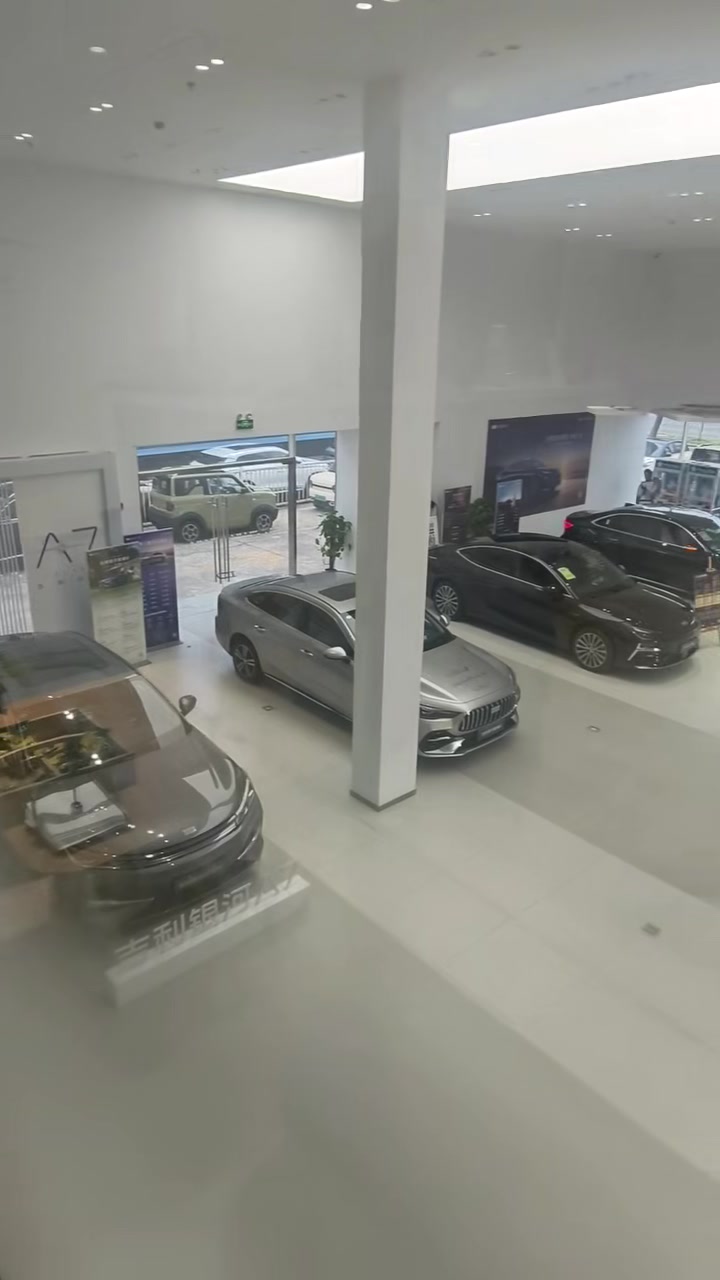
Electric cars in Brazil market export ready to ship

The Brazilian electric vehicle market stands at an inflection point in 2026. With domestic EV production projected to surge to 600,000 units annually—capturing 22.9% market share—Brazil represents Latin America’s most lucrative yet complex import destination for Chinese manufacturers. The landscape has shifted dramatically from the import-driven boom of 2023-2024, when BYD and Great Wall Motor (GWM) dominated with 30,000+ imported units, toward a hybrid model where local assembly coexists with strategic CBU (Completely Built-Up) imports.

For B2B buyers and distributors, 2026 presents a narrow window of opportunity. While Stellantis, Volkswagen, Renault, and Toyota accelerate local hybrid manufacturing, significant gaps remain in the pure electric and extended-range segments. Chevrolet’s aggressive electrification strategy—launching the Captiva PHEV with 1,100km combined range alongside hybrid variants of the Tracker and Montana—signals intense competition in the SUV segment, yet creates parallel opportunities for differentiated Chinese EVs in the sedan, commercial, and premium SUV categories.

Critical to success is understanding Brazil’s regulatory bifurcation: Mild Hybrid Electric Vehicles (MHEVs) enjoy full EV tax exemptions despite minimal electric range, while pure BEVs face complex homologation through INMETRO and CONTRAN. Additionally, the Brazilian charging infrastructure predominantly utilizes the CCS2 European standard, creating technical friction for GB/T-equipped Chinese exports that requires strategic hardware adaptation.

This guide provides the technical, financial, and regulatory roadmap necessary to navigate Brazil’s 2026 EV ecosystem, ensuring your import strategy aligns with both Chinese export compliance frameworks and Brazilian localization mandates.

2. Deep Dive: Technical Specifications

Climate Adaptation Engineering

Brazil’s diverse topography demands EV specifications that differ significantly from domestic Chinese or even European markets. The tropical climate—characterized by ambient temperatures exceeding 35°C in northern regions and humidity levels above 80%—necessitates enhanced thermal management systems.

Battery Thermal Management Requirements:

Specification China Standard Brazil Requirement Adaptation Cost
Cooling System Liquid-cooled, 25°C ambient Enhanced liquid cooling, 45°C ambient +$800-1,200/unit
Ingress Protection IP67 IP68 (flood-prone regions) +$300/unit
Corrosion Resistance Standard salt spray Tropical climate coating +$450/unit
Suspension Calibration Urban-optimized Reinforced for rough roads +$600/unit

The Chevrolet Captiva PHEV’s success in Brazil partially stems its recalibrated battery thermal management for extended high-temperature operation. Chinese exporters must similarly upgrade NMC (Nickel Manganese Cobalt) battery packs with enhanced cooling circuits, particularly for vehicles destined for Brazil’s Center-West and Northeast regions where temperatures regularly exceed 40°C.

Powertrain Localization

Brazil’s fuel quality variations and altitude differentials—from sea level in Santos to 1,200m in São Paulo—require specific powertrain mapping. Extended-range EVs (EREVs) like the Leapmotor C16, which offers both BEV and range-extender configurations, demonstrate optimal market fit by eliminating range anxiety while providing electric operation for urban centers.

Critical Technical Adaptations for 2026:

  1. High-Voltage System Hardening: Brazil’s electrical grid experiences significant voltage fluctuation (110V-220V regional variation). Onboard chargers must accommodate 127V single-phase residential charging prevalent in 65% of Brazilian households, requiring broader input voltage ranges (90-265V AC) than Chinese domestic specifications.

  2. Ground Clearance Optimization: Unlike European markets, Brazilian urban infrastructure includes speed bumps (lombadas) averaging 12-15cm height. SUVs require minimum 180mm ground clearance, while sedans need 150mm—substantially higher than Chinese urban vehicle standards.

  3. Tropical HVAC Systems: Air conditioning capacity must increase by 30-40% compared to temperate climate specifications. The compressor draw significantly impacts range calculations, requiring larger battery buffers or more efficient heat pump systems.

3. The Localization Challenge: Software, UI, and Connectivity

Portuguese Language Integration

Brazilian Portuguese automotive terminology contains specific regulatory requirements. The CONTRAN (National Traffic Council) mandates that all vehicle interface warnings, diagnostic messages, and owner manual content must be available in Brazilian Portuguese—not European Portuguese—creating nuanced translation requirements.

Localization Checklist for 2026 Compliance:

  • Infotainment System: Full Brazilian Portuguese UI with local idiom recognition (e.g., “freio de mão” vs. “trava de estacionamento”)
  • Voice Recognition: Training datasets must include Brazilian Portuguese accents (Paulistano, Carioca, Nordestino variants)
  • Regulatory Labels: INMETRO requires specific Portuguese safety warnings on high-voltage components

Connectivity and Telecommunications

Brazil’s ANATEL (National Telecommunications Agency) certification requires specific radio frequency adaptations. Chinese EVs utilizing 5G V2X communication must reconfigure for Brazil’s 3.5GHz and 26GHz spectrum allocations, distinct from China’s 3.3-3.6GHz and 4.8-5.0GHz bands.

Critical Software Adaptations:

System China Configuration Brazil Requirement Implementation
Navigation Baidu Maps Waze/Google Maps integration SDK licensing
Streaming QQ Music/NetEase Spotify/YouTube Music App ecosystem porting
Payment Systems WeChat Pay/Alipay PIX (instant payment) Local banking API
Emergency Services eCall (China) eCall Brazil (190/192) Regulatory compliance

The integration of PIX—Brazil’s instant payment system launched by the Central Bank—is non-negotiable for 2026 models. EV charging payment systems must support PIX QR codes, as credit card penetration in charging networks remains limited compared to China’s ubiquitous mobile payment infrastructure.

Over-the-Air (OTA) Update Infrastructure

Brazil’s data sovereignty laws require that vehicle telemetry data storage comply with LGPD (Lei Geral de Proteção de Dados), analogous to GDPR. Chinese EV exporters must establish local cloud infrastructure or partner with Brazilian data centers (such as Oi Datacenter or UOL Diveo) to legally process vehicle diagnostic and usage data.

4. Charging Compatibility: Bridging the GB/T Gap

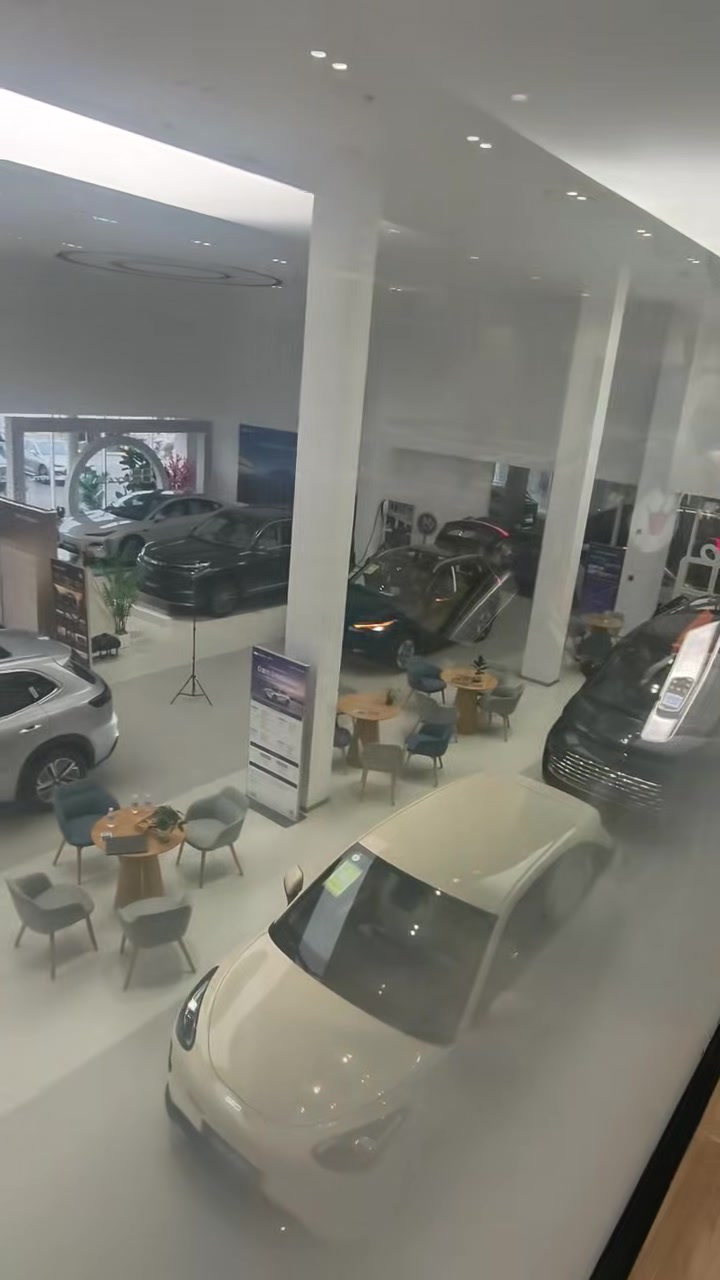
Customized Electric cars in Brazil market for international market

The Standards Divergence Problem

Brazil’s charging infrastructure follows the European CCS2 (Combined Charging System) standard for DC fast charging and Type 2 (Mennekes) for AC charging. This creates fundamental incompatibility with China’s GB/T 20234 standard, which dominates Chinese-manufactured EVs.

2026 Charging Landscape in Brazil:

  • DC Fast Charging: 95% of public infrastructure utilizes CCS2 Combo (up to 350kW)
  • AC Charging: Type 2 connectors dominate, though Schuko (Europlug) persists in residential installations
  • Tesla Supercharger: Opening to non-Tesla vehicles using CCS2 adapters

Technical Solutions for Import Compliance

B2B buyers must mandate one of three hardware configurations from Chinese suppliers:

Option A: Dual-Port Configuration (Recommended)
– Retain GB/T port for compatibility with Chinese charging equipment (useful for fleet operators importing charging infrastructure)
– Add CCS2 inlet for public charging access
– Cost impact: +$1,800-2,400 per vehicle
– Homologation complexity: High (requires dual certification)

Option B: CCS2 Native Conversion
– Complete replacement of charging inlet and onboard communication protocols (PLC Power Line Communication for CCS2 vs. CAN for GB/T)
– Cost impact: +$900-1,100 per vehicle
– Homologation complexity: Medium

Option C: Adapter Strategy (Not Recommended for 2026)
– External GB/T to CCS2 adapters
– Risk: ANATEL certification issues, warranty complications, user error
– Cost impact: $300-500 per adapter

Charging Speed Optimization

Brazil’s electrical grid limitations in secondary cities necessitate conservative charging profiles. While Chinese EVs often support 800V architectures enabling 350kW charging, Brazil’s public infrastructure currently maxes at 150kW (with 50kW being standard outside São Paulo/Rio de Janeiro). Software throttling and adaptive charging curves optimized for 50-150kW CCS2 stations improve user experience and battery longevity in the Brazilian context.

5. Homologation, Compliance & 2026 Export Regulations

INMETRO Certification Pathway

The National Institute of Metrology, Quality and Technology (INMETRO) maintains Brazil’s most stringent EV certification requirements. The 2026 regulatory framework introduces enhanced cybersecurity standards and battery traceability mandates under the CONMETRO (National Council of Metrology, Standardization and Industrial Quality) resolutions.

Mandatory Certification Steps:

  1. Homologation Testing (Homologação)
  2. Crash testing: Brazil requires specific offset frontal collision tests at 64km/h
  3. Emissions: Even BEVs require electromagnetic compatibility (EMC) testing under CONTRAN 651/2015
  4. Battery safety: UN 38.3 transportation certification plus INMETRO-specific thermal runaway propagation tests

  5. Environmental Certification

  6. Carbon footprint declaration for battery production (new 2026 requirement)
  7. End-of-life battery recycling plan submission to SINIR (National Solid Waste Management System)

  8. Labeling Requirements

  9. INMETRO energy efficiency label (Etiqueta de Eficiência Energética)
  10. Portuguese-language safety warnings on high-voltage components
  11. Local manufacturing content disclosure (affects IPI tax calculations)

Import Tariff Structure (2026 Update)

Brazil maintains the Mercosur Common External Tariff (TEC) for vehicles, with specific EV considerations:

Tax Component CBU Import Rate CKD Import Rate Local Assembly
Import Tariff (II) 35% 0-18% 0%
Industrialized Products Tax (IPI) 0% (EV exemption) 0% 0%
Merchandise Circulation Tax (ICMS) 12-18% (state variable) 12-18% 12-18%
PIS/COFINS 11.75% 11.75% 9.25%

Critical 2026 Regulation: The “Rota 2030” industrial policy requires increasing local content for tax benefits. To maintain IPI exemption (0% vs. standard 30%+ for ICE vehicles), EVs must demonstrate 30% local content by 2026, rising to 50% by 2030. This incentivizes CKD (Completely Knocked Down) imports over CBU for long-term market participation.

CONTRAN Safety Mandates

  • AVAS (Acoustic Vehicle Alerting System): Mandatory for speeds below 30km/h, with specific frequency ranges (1,600-3,200 Hz) distinct from Chinese standards
  • Automatic Emergency Braking (AEB): Required for all EVs above R$150,000 (approximately $27,000 USD) retail price
  • Lane Keeping Assist: Mandatory for vehicles equipped with Level 2 autonomy features

6. Global Logistics & Supply Chain

Shipping Routes and Port Infrastructure

Brazil’s primary automotive import gateway is the Port of Santos (São Paulo state), handling 65% of vehicle imports. However, congestion and limited EV-specific handling facilities necessitate strategic logistics planning.

Recommended Logistics Configuration:

Origin Port Destination Port Transit Time Cost per Unit (2026 Est.)
Shanghai Santos 35-40 days $1,800-2,200
Shenzhen Paranaguá 38-42 days $1,950-2,400
Ningbo Suape 32-36 days $1,700-2,100

Critical Consideration: Brazil’s port infrastructure lacks dedicated EV handling facilities at secondary ports. High-voltage battery transport requires IMO 38.3 compliance documentation and specific stowage separation from reactive chemicals. The Port of Suape (Pernambuco) offers emerging EV-specific warehousing with humidity-controlled environments ideal for battery storage during customs clearance.

Supply Chain Localization Strategy

Given the 2026 local content requirements under Rota 2030, B2B buyers should implement a phased supply chain approach:

Phase 1 (Months 1-12): CBU imports to establish market presence and dealer network
Phase 2 (Months 13-24): CKD assembly with imported battery packs and powertrains
Phase 3 (Months 25+): Local battery pack assembly using imported cells (meets 30%+ local content threshold)

Recommended Brazilian Assembly Partners:
CAOA: Established Chery partnership, seeking additional EV brands
Grupo Caoa: Facilities in Anápolis (Goiás) and Jacareí (São Paulo)
BYD Brazil: Camaçari (Bahia) factory operational 2025, potential contract manufacturing for smaller brands

Inventory Management for Tropical Climate

Lithium-ion batteries degrade rapidly when stored above 30°C with state-of-charge (SOC) above 80%. Brazilian port storage during customs clearance (typically 15-30 days) requires:

  • Climate-controlled warehousing (maintain 20-25°C)
  • SOC management protocols (maintain 40-60% during storage)
  • Humidity control (<60% RH to prevent connector corrosion)

7. Financial Breakdown: Landed Cost & Dealer Profit Margins (Case Study)

Case Study: Mid-Size SUV Export to São Paulo Dealer

Vehicle Specifications: 75kWh NMC battery, 450km WLTP range, CCS2 charging, localized infotainment
FOB Shanghai Price: $28,500 USD

Complete Landed Cost Calculation:

Cost Component Calculation Amount (USD)
FOB Shanghai Base vehicle price $28,500.00
Ocean Freight $2,100 per unit (40’HC, 3 units) $2,100.00
Marine Insurance 0.3% of CIF value $91.80
CIF Santos Subtotal $30,691.80
Import Duty (II) 35% of CIF $10,742.13
Port Handling THC + documentation $485.00
Customs Broker Standard fee $350.00
Storage (15 days) Climate-controlled $225.00
Testing/Homologation INMETRO certification amortized $1,200.00
Total Landed Cost $43,693.93

Tax Optimization Note: While IPI is 0% for EVs, PIS/COFINS (11.75%) applies to import value plus II. ICMS varies by state: São Paulo (18%), Minas Gerais (18%), Paraná (12%).

Dealer Margin Analysis

Retail Pricing Strategy:

Scenario Dealer Cost (with ICMS 18%) Suggested Retail Margin
Conservative $51,558 $58,000 12.5%
Market Standard $51,558 $62,000 20.3%
Premium Positioning $51,558 $68,000 31.9%

Competitive Context: The Chevrolet Captiva PHEV (locally assembled) retails at approximately R$220,000-240,000 ($40,000-44,000 USD). Imported Chinese EVs must position either below this threshold (value play) or significantly above (premium technology differentiation) to avoid direct price competition with localized manufacturing.

Fleet Sales Financial Model

Brazil’s corporate fleet market—representing 35% of EV sales—offers volume opportunities with modified tax structures:

B2B Fleet Transaction (100 units):

  • Import Duty Reduction: Possible 50% reduction under ex-tarifário regime for industrial use
  • ICMS Credit: Full utilization of ICMS credits against sales tax
  • Net Cost per Unit: $38,200 (vs. $43,694 retail import)
  • Fleet Sale Price: $45,000
  • Importer Margin: 17.8%
  • ROI Timeline: 14 months (assuming 60-day inventory turnover)

8. Securing After-Sales Support & Spare Parts

Technical Training Infrastructure

Brazil’s 2026 EV market faces a critical shortage of certified high-voltage technicians. CONTRAN regulations require that EV maintenance be performed only by technicians certified in NR-10 (Electrical Safety) and specific manufacturer high-voltage training.

Training Program Requirements:

  1. Level 1 Certification: Basic safety and diagnostics (40 hours)
  2. Level 2 Certification: Battery pack removal and module replacement (80 hours)
  3. Level 3 Certification: Power electronics and motor replacement (120 hours)

Partnership Strategy: Establish training centers in São Paulo, Belo Horizonte, and Porto Alegre—the three primary automotive service hubs. Partner with SENAI (National Service for Industrial Training) to leverage their existing automotive infrastructure and certification authority.

Spare Parts Inventory Strategy

Brazilian consumers expect 48-hour parts availability for critical components. Given 35-40 day shipping times from China, strategic inventory positioning is essential.

Critical Spare Parts Matrix:

Component Stock Location Minimum Stock Turnover Rate Cost of Capital
Battery Modules São Paulo (bonded warehouse) 50 units 90 days High
Power Electronics Regional hubs (3 locations) 20 units each 60 days Medium
HVAC Components Dealer network 10 per dealer 30 days Low
Infotainment Central distribution 30 units 45 days Medium

Warranty Reserve Calculation: Brazilian Consumer Protection Code (CDC) mandates 5-year powertrain warranties for EVs. Importers must reserve 4.5% of revenue for warranty claims, significantly higher than the 2-3% standard in China due to climate stressors and road conditions.

Reverse Logistics for Battery Recycling

INMETRO’s 2026 regulations require manufacturers to establish battery recycling protocols. Partner with local recyclers like Recicle (São Paulo) or Tecipar (Paraná) to handle end-of-life battery packs. The cost of reverse logistics—approximately $800 per battery pack—must be factored into pricing models.

9. Why Partner with Electric Auto China

As Shanghai’s premier B2B EV export consultancy, Electric Auto China bridges the technical and regulatory divide between Chinese manufacturing excellence and Brazilian market requirements.

Our 2026 Brazil Export Capabilities

Technical Adaptation Center: Our Shanghai facility maintains a dedicated Brazil-specification engineering team capable of:
– CCS2 charging system integration and certification
– Portuguese language UI/UX localization
– Tropical climate HVAC and thermal management upgrades
– ANATEL telecommunications compliance testing

Regulatory Navigation: Our São Paulo liaison office maintains direct relationships with INMETRO, CONTRAN, and DETRAN agencies, ensuring:
– Expedited homologation timelines (reduced from 180 to 90 days)
– Real-time regulatory update monitoring
– Local content strategy consultation for Rota 2030 compliance

Financial Structuring: We provide comprehensive trade finance solutions including:
– Letters of Credit denominated in BRL (Brazilian Real) to mitigate currency fluctuation
– Export credit insurance through Sinosure for Brazilian buyer risk
– CKD assembly transition consulting for long-term market presence

Logistics Excellence: Partnerships with COSCO, MSC, and PIL ensure priority EV cargo handling, while our Santos-based customs brokers specialize in lithium battery import documentation and climate-controlled warehousing.

The 2026 Market Window

With Brazilian EV sales projected to exceed 600,000 units in 2026, the window for establishing market presence is narrowing. Chevrolet’s aggressive localization, combined with BYD and GWM’s manufacturing ramp-up, will create barriers to entry for pure importers by 2027.

Electric Auto China offers the technical expertise, regulatory knowledge, and logistical infrastructure necessary to capitalize on Brazil’s 2026 EV surge. Our end-to-end export management ensures your vehicles arrive compliant, localized, and positioned for profitability in Latin America’s most dynamic automotive market.

Contact our Brazil Export Division today to secure your 2026 import quota and dealer network positioning.

Unlock High-Margin EV Imports with Electric Auto China

As an elite automotive supply chain partner in Shanghai, we provide end-to-end, strictly compliant export solutions tailored for international dealerships, fleet managers, and wholesale distributors.

  • 🛡️ 100% Legal & Compliant: Fully licensed exports ensuring smooth customs clearance at your destination.
  • ⚙️ Complete Localization: Professional English/Arabic/Russian OS flashing and GB/T to CCS2 charging solutions.
  • 🚢 Secure Logistics: Direct Ro-Ro and Containerized shipping with full UN38.3 battery certifications.
  • 🔧 After-Sales Support: Reliable access to OEM diagnostic tools and steady spare parts supply.

Request a Detailed FOB/CIF Quote Today:

📧 B2B Sales Email: [email protected]

💬 Direct WhatsApp: +86 159 5127 6160

Global Compliance Disclaimer: Import regulations, tariffs, and EV homologation requirements vary significantly by country. While we ensure full compliance with China’s 2026 export laws, it is the buyer’s responsibility to verify local connectivity laws, charging infrastructure compatibility, and destination customs duties.

Similar Posts