The Ultimate 2026 Importer’s Guide to Chinese EV Stock Ready to Ship

1. The Macro-Economics of Chinese EV Stock Ready to Ship in 2026

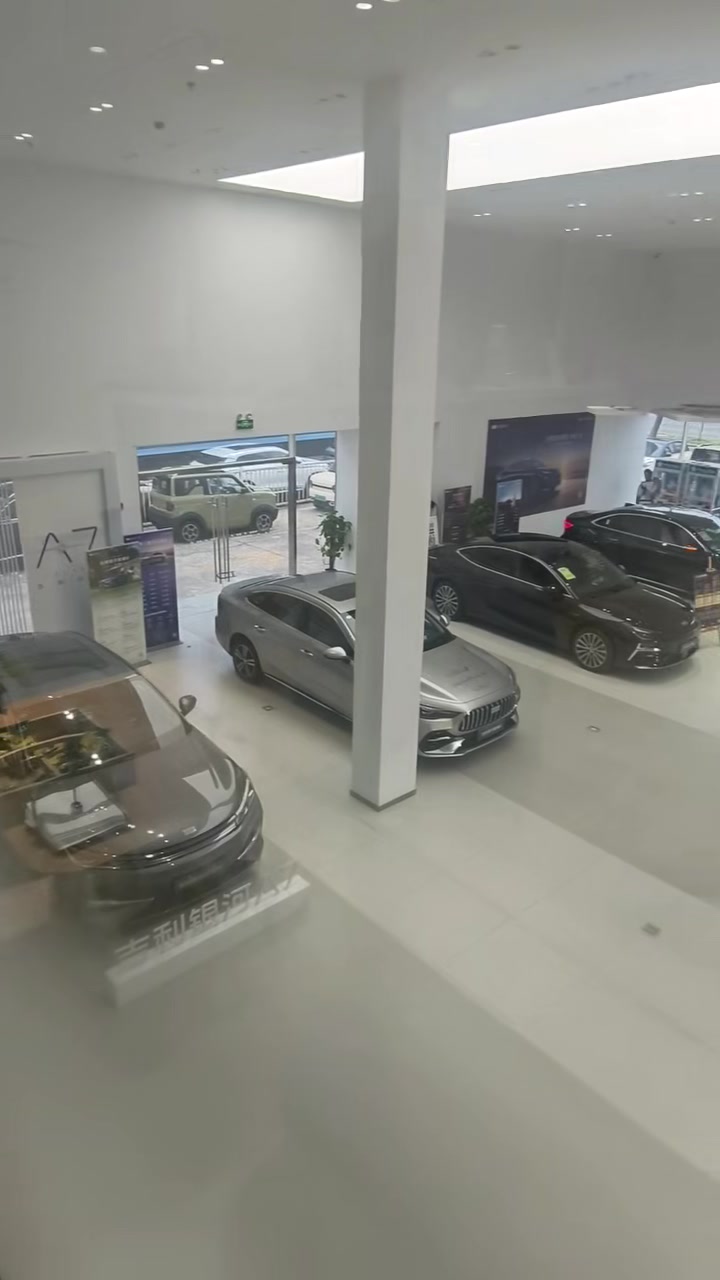
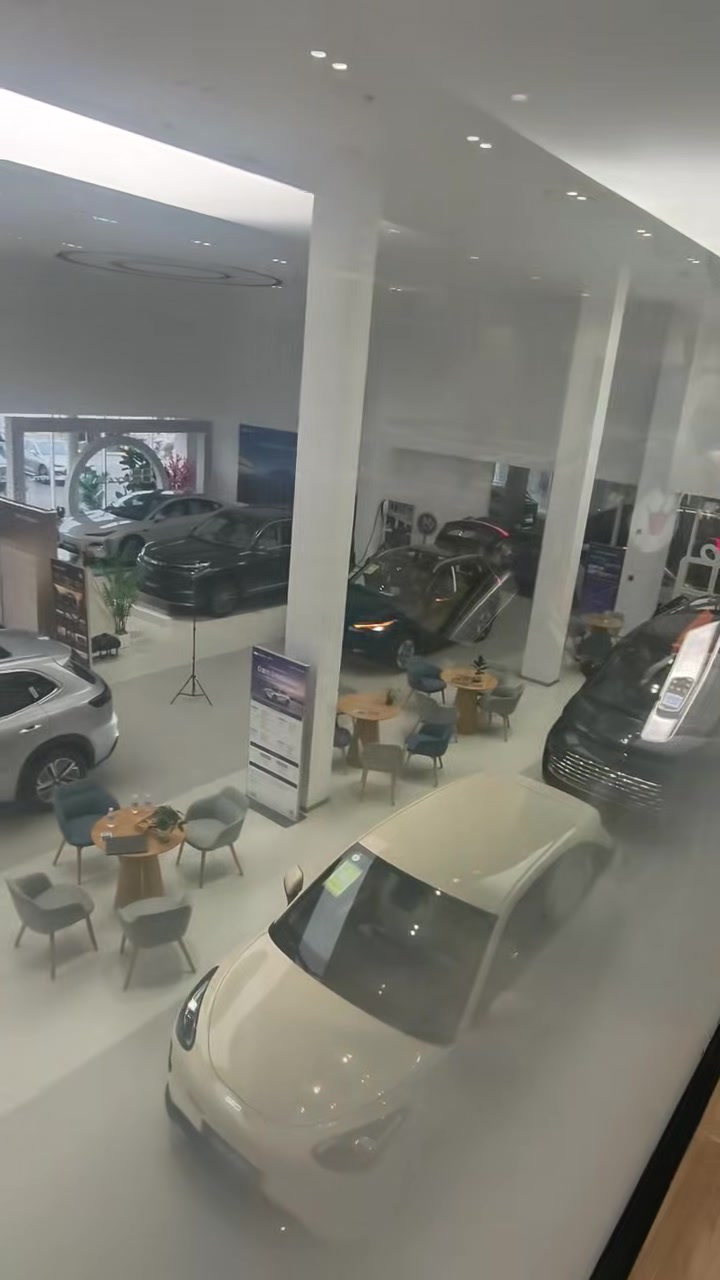
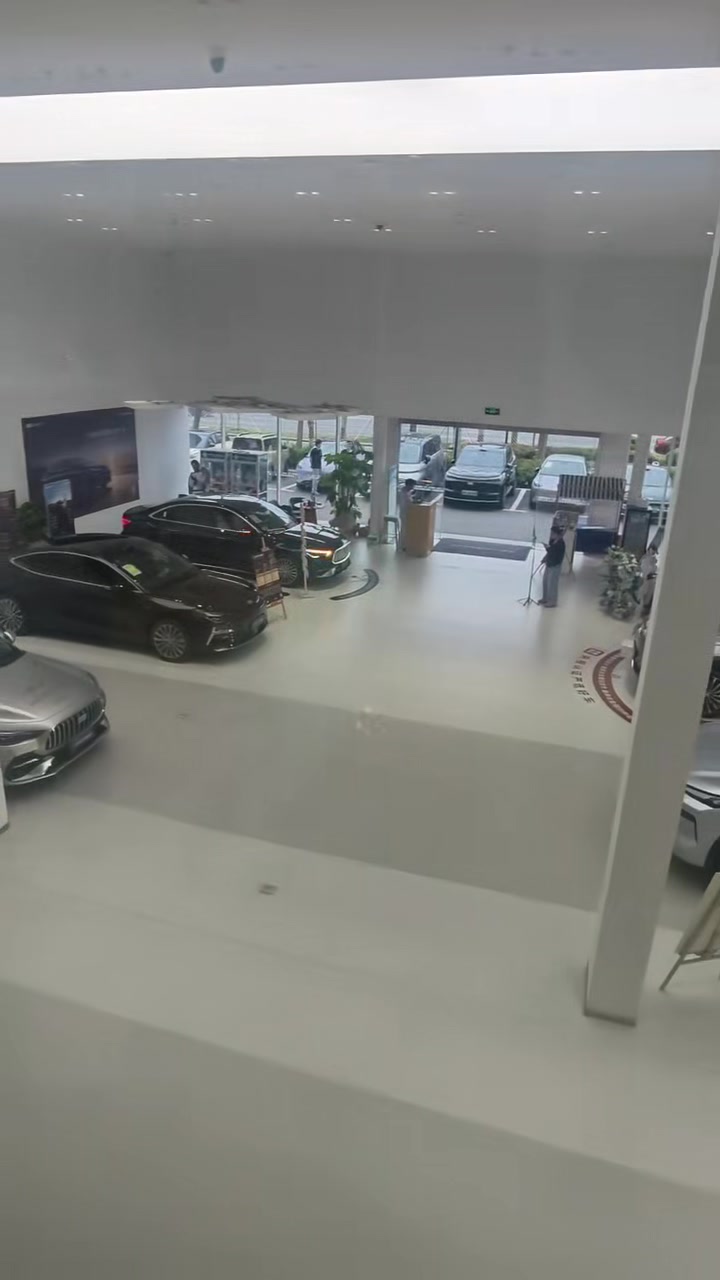
Chinese EV stock ready to ship export ready to ship

As we enter 2026, China’s automotive landscape has undergone a fundamental structural reset. The domestic market closed 2025 at a record 34.4 million units—a 9.4% year-over-year expansion that decisively surpasses the previous 2017 peak. However, the critical narrative for international B2B buyers lies not in domestic consumption, but in the structural pivot toward export-led growth.

New Energy Vehicle (NEV) shipments have emerged as the unequivocal marginal growth engine, with 16.5 million units delivered in 2025 (+28.2% YoY). While Internal Combustion Engine (ICE) volumes contracted by 3.6%, NEVs now anchor the market composition, representing the majority of incremental production capacity. This electrification surge has catalyzed a parallel evolution in export dynamics.

China’s vehicle exports reached 7.1 million units in 2025, with forecasts indicating 8+ million units for 2026. Critically, NEVs now constitute over one-third of outbound volume, transforming exports from a cyclical outlet for excess ICE inventory into a durable second growth engine. Unlike the opportunistic export waves of the early 2020s, 2026 marks the era of geographically diversified, policy-aware, structurally embedded export strategies.

For B2B importers, this translates to three strategic realities:

Product Value Upgrading: The ready-to-ship inventory available in 2026 is no longer confined to entry-level commoditized models. Chinese OEMs now export advanced battery chemistries (LFP, semi-solid state), integrated intelligent chassis, and vehicles equipped with Level 2+ autonomous capabilities. The average export FOB value has increased 22% year-over-year, reflecting a shift from volume dumping to value-based market penetration.

Multi-Regional Production Networks: The “China Plus One” strategy has matured into blended supply models. While complete built-up units (CBUs) remain predominantly Chinese-manufactured, component regionalization is accelerating. Southeast Asian battery assembly hubs and European final customization centers are creating integrated networks that reduce geopolitical concentration risk while maintaining China’s central node status.

Regulatory Alignment Pressure: European sustainability mandates—specifically the Corporate Sustainability Due Diligence Directive (CSDDD) and Carbon Border Adjustment Mechanism (CBAM)—are reshaping logistics decisions at origin. Exporters now prioritize carbon-neutral shipping lanes, solar-powered warehousing, and blockchain-enabled supply chain documentation. Green logistics has transitioned from marketing differentiation to market access prerequisite.

2. Understanding China’s Strict EV Export Regulations

January 1, 2026, marked a regulatory inflection point with the implementation of the Ministry of Commerce (MOFCOM) Export License Framework for NEVs. This mandate fundamentally alters the sourcing landscape for international buyers and eliminates the gray-market channels that previously dominated secondary export markets.

The Export License Framework

Under the new regime, only accredited manufacturers and authorized export agents may apply for EV export licenses. This policy directly targets the irregular export practices that plagued 2024-2025, wherein new vehicles were fraudulently documented as “used” to circumvent manufacturer export restrictions and quality controls. These parallel exports often left international buyers with outdated software, voided warranties, and zero after-sales support.

Key Compliance Requirements:
Manufacturer Accreditation: OEMs must demonstrate compliance with GB/T standards, cybersecurity certifications (R155/R156 equivalents), and battery traceability systems.
Dealer Authorization: Export agents must hold direct distribution agreements with manufacturers, eliminating independent traders operating without factory backing.
End-Market Declaration: Exporters must declare final destination markets, enabling reciprocal traceability for warranty and recall management.

Fiscal Policy Adjustments

Concurrent with licensing changes, China has modified its NEV subsidy architecture:
Acquisition Tax: Reinstated at 50% of standard rates (effective 5% tax rate for NEVs, up from 0%).
Tax Cap: Maximum reduction per vehicle halved from ¥30,000 to ¥15,000 (approximately €1,850/$2,150).
PHEV Exclusion: Plug-in hybrids with electric ranges below 100km no longer qualify for any subsidies or tax reductions.

These measures aim to prevent domestic market distortion while ensuring export vehicles reflect true production costs rather than subsidy-arbitraged pricing.

Impact on Foreign Manufacturers

The regulations extend to foreign OEMs manufacturing in China—including Tesla, Volkswagen, and BMW—which previously utilized Chinese production bases for global supply. These entities must now navigate the same licensing framework, consolidating their export operations through authorized channels rather than parallel trading networks.

Strategic Implication: Buyers sourcing “Chinese EV stock ready to ship” in 2026 must verify that suppliers possess valid MOFCOM Export Licenses and Manufacturer Authorization Letters. Failure to confirm these credentials exposes shipments to customs detention, forfeiture of deposits, and exclusion from manufacturer warranty networks.

3. Sourcing Strategy: Direct Factory vs. Authorized Export Agents

The 2026 regulatory environment has bifurcated sourcing channels into two distinct models, each presenting unique risk-reward profiles for international B2B buyers.

Direct Factory Relationships (High Volume, High Complexity)

Engaging directly with Tier-1 OEMs (BYD, SAIC, Geely, NIO, Xiaomi) offers maximum pricing leverage and customization capability. However, direct factory contracts typically require:
Minimum Order Quantities (MOQ): 500+ units per shipment
Letter of Credit (L/C): Irrevocable, at-sight instruments valued at 100-120% of order value
Homologation Pre-Commitment: Evidence of Type Approval applications in destination markets

This channel suits national distributors and large fleet operators with established homologation capabilities and sufficient capital to absorb 90-120 day production lead times.

Authorized Export Agents (Compliance Guaranteed, Flexible MOQ)

Authorized agents—such as Electric Auto China—function as licensed intermediaries holding MOFCOM export licenses and manufacturer distribution rights. This model offers:
Reduced MOQ: 10-50 unit minimums for mixed-model containers
Pre-Homologated Inventory: Stock held in bonded warehouses with existing EU WVTA, GCC, or ASEAN NCAP certifications
Regulatory Shield: Agents assume liability for export license validity and customs documentation accuracy

Case Study: European Fleet Operator Transition
A German commercial fleet operator previously sourced 200 units annually through gray-market traders at 12% below factory pricing. Following the January 2026 regulatory enforcement, their Q1 shipment was detained at Hamburg port due to invalid export documentation. Transitioning to an authorized agent increased unit costs by 8% but eliminated €340,000 in potential customs penalties and warranty voidance risks.

The “Blended Supply” Alternative

Sophisticated buyers are increasingly adopting multi-regional production networks. Under this model, Chinese-manufactured SKD (semi-knocked down) kits undergo final assembly in Vietnam, Thailand, or Turkey, conferring origin advantages under EU-ASEAN or EU-Turkey trade agreements while maintaining Chinese component quality.

4. Financial Mechanics: Pricing and Landed Costs

Customized Chinese EV stock ready to ship for international market

Understanding the true cost of acquisition requires moving beyond FOB Shanghai quotations to comprehensive landed cost modeling. The following table illustrates cost structures for a representative mid-size EV (BYD Seal or equivalent) imported into the European Union under 2026 tariff and regulatory conditions.

Landed Cost Calculation Model (EU Destination)

Cost Component Amount (USD) Notes
EXW Factory Price $28,500 Base vehicle, standard configuration
Export License Processing $450 MOFCOM documentation & accreditation verification
Domestic Logistics (Factory to Port) $380 Rail transport to Shanghai/Ningbo, including port handling
Export Packaging $220 Protective wrapping, battery SOC stabilization
FOB Total $29,550 Free On Board Shanghai
Ocean Freight (RoRo) $1,850 40-day route, Shanghai-Rotterdam, carbon-neutral vessel
Marine Insurance (110% CIF) $340 All-risks coverage including battery thermal incidents
CIF Total $31,740 Cost, Insurance, Freight
Destination Port Charges $680 THC, documentation, customs clearance EU
EU Import Duty (17.4% MFN) $5,523 Applied to CIF value; 10% base + 17.4% anti-subsidy
VAT (19% Germany) $7,100 Applied to (CIF + Duty)
Homologation (WVTA) $1,200 Per-model type approval amortization
Technical Adaptation $800 CCS2 charging port conversion, software localization
Landed Cost $47,043 Ready for retail

Note: US market imports remain effectively prohibited under Section 301 tariffs (100%+ duty rates).

Currency Risk Management

With RMB volatility increasing against the Euro (±8% annualized variance in 2025), importers should implement:
Forward Exchange Contracts: Locking rates at order confirmation for 90-120 day exposures
Natural Hedging: Establishing RMB-denominated accounts for deposit payments (typically 30% T/T in advance)
USD Intermediation: Many authorized agents quote in USD to buffer against bilateral currency fluctuations

Financing Structures

Supply Chain Finance (SCF): Authorized agents increasingly offer SCF programs where payment terms extend to 60-90 days post-B/L (Bill of Lading) date, secured by export credit insurance through Sinosure or Euler Hermes.

Green Import Incentives: Several EU member states offer reduced import VAT rates (e.g., France’s bonus écologique) for vehicles meeting stringent carbon-footprint thresholds during production and shipping—further incentivizing the use of carbon-neutral logistics providers.

5. Global Logistics: Ocean Freight & Battery Transport Compliance

Transporting lithium-ion batteries (UN Class 9 Dangerous Goods) requires meticulous adherence to the IMDG Code (International Maritime Dangerous Goods) and UN 38.3 testing protocols. As of 2026, Chinese ports have implemented enhanced inspection regimes following several thermal runaway incidents in 2024.

Battery State of Charge (SOC) Regulations

For ocean freight, batteries must ship at maximum 30% SOC (State of Charge) to mitigate thermal runaway risks. This requires:
– Pre-shipment SOC verification by certified third-party laboratories (CCIC, SGS)
– Battery Management System (BMS) locks preventing charging during transit
– Thermal monitoring sensors in vehicle cabins (for RoRo) or container walls (for containerized)

RoRo vs. Containerized Shipping

Method Advantages Constraints Best For
RoRo (Roll-on/Roll-off) Direct drive-on/drive-off; no lifting damage risk; faster port turnaround Limited to operational vehicles; higher per-unit cost; schedule inflexibility Finished vehicles, immediate retail stock
Containerized (4-in-1) Higher security; mixed cargo capability; flexible scheduling Requires specialized racking; complex loading/unloading; battery segregation rules SKD kits, high-value luxury EVs, multi-brand consolidation

Green Logistics Mandate: With China’s dual carbon goals driving policy, 35% of port drayage fleets now operate electric tractors. Importers should specify carbon-neutral shipping options—available through Maersk ECO Delivery or COSCO Green Water Service—which utilize biofuel blends and carbon offsetting to meet EU CSRD reporting requirements.

Port Congestion & Alternative Routes

Shanghai and Ningbo continue experiencing peak-season congestion (Q2-Q3). Strategic alternatives include:
Lianyungang Port: Emerging as the primary hub for Central Asia and European rail-sea intermodal transport
Guangzhou Nansha: Preferred for Southeast Asian and Middle Eastern markets, offering 20% faster transit to GCC countries via the Red Sea route (security permitting)

6. Localization & Homologation: Preparing Cars for Local Markets

“Ready to ship” does not equate to “ready to sell.” Homologation—the process of certifying vehicles for local road use—represents the critical path to market entry.

Regional Homologation Matrix

Region Regulatory Framework Key Requirements Timeline Cost per Model
European Union WVTA (Whole Vehicle Type Approval) R155 Cybersecurity, R156 Software Updates, Euro 6e emissions (for PHEVs), battery passport compliance 4-6 months €12,000-25,000
GCC (Gulf) GCC Standardization Organization Extreme heat testing (50°C+), sand ingress protection, Arabic HMI 2-3 months $8,000-15,000
ASEAN ASEAN NCAP + National Type Approval Local crash testing (Thailand/Malaysia), right-hand drive conversion, tropical climate validation 3-4 months $10,000-18,000
Australia ADR (Australian Design Rules) Right-hand drive, local EMC testing, child restraint anchor points 3 months AUD 15,000-25,000

Software Localization

Modern Chinese EVs rely heavily on connected services. Importers must ensure:
OTA Capability: Over-the-air update infrastructure compatible with local 4G/5G networks
Telematics Hosting: Migration from Chinese servers (Aliyun, Tencent Cloud) to local GDPR-compliant servers for EU markets
Language Packs: Complete HMI (Human-Machine Interface) localization including voice recognition training for local accents

Charging Infrastructure Compatibility

While CCS2 has become the European standard, many Chinese EVs ship with GB/T charging ports. Importers must budget for hardware retrofits (CCS2 inlet replacement, €400-600 per vehicle) or provide adapter solutions (less desirable for permanent fleet use).

7. After-Sales Ecosystem: Securing Parts and Service Abroad

The traditional import model ended at the port. The 2026 EV import model requires vertical integration into after-sales ecosystems to satisfy warranty obligations and customer retention.

Spare Parts Strategy

Critical components (battery packs, drive motors, BMS controllers) face 6-12 month lead times from Chinese factories. Successful importers implement:
Bonded Warehousing: Maintaining 90-day inventory of high-failure-rate components (sensors, infotainment modules) in destination markets
VIN-Specific Diagnostic Tools: Proprietary OBD scanners and software licenses required for Chinese EV architectures (particularly BYD Blade Battery systems and NIO swap stations)
Technical Training: Factory-certified training programs for local technicians on high-voltage safety and battery replacement protocols

Battery Lifecycle Management

Under the EU Battery Regulation (2023/1542), importers become “economic operators” responsible for:
Battery Passport Registration: Uploading carbon footprint data and material provenance to the EU Battery Passport platform
End-of-Life Takeback: Establishing recycling partnerships with local authorized treatment facilities (ATFs) for warranty-replaced battery packs

Warranty Transfer Mechanisms

Authorized export agents now offer international warranty programs where Chinese factory warranties (typically 6 years/150,000km for batteries) transfer to end-users in destination markets. This requires:
– Real-time VIN registration in manufacturer global databases
– Service fee escrow accounts to reimburse local repair facilities
– Exclusion of “gray import” vehicles from warranty networks (a critical competitive disadvantage for non-compliant sourcing)

8. Avoiding Scams: How to Audit a Chinese EV Supplier

The regulatory tightening of 2026 has paradoxically increased the sophistication of fraudulent operators seeking to exploit uninformed buyers. Implement this verification protocol before transferring deposits:

Documentation Verification Checklist

Document Verification Method Red Flags
MOFCOM Export License Verify license number against MOFCOM public registry (http://www.mofcom.gov.cn) License category excludes “New Energy Vehicles”; photocopies only provided
Manufacturer Authorization Letter Direct confirmation with OEM export department via official email domain (not @gmail/@qq) Generic letter without specific VIN ranges or time limits; missing official chop
Business License (营业执照) Check against National Enterprise Credit Information Publicity System Business scope lacks “automobile sales” or “import/export”; listed as “trading company” with no manufacturing affiliation
Battery UN 38.3 Test Summary Cross-reference test lab accreditation (CNAS) and battery cell part numbers Mismatched cell chemistry (LFP vs NMC); expired test dates (>1 year old)

Financial Due Diligence

  • Escrow Services: Never transfer deposits directly to personal accounts. Utilize Alibaba Trade Assurance or letter of credit arrangements through Bank of China/ICBC.
  • Factory Audit: For orders exceeding $500,000, engage third-party inspection agencies (SGS, Bureau Veritas, TÜV Rheinland) to conduct “During Production Inspection” (DPI) and “Pre-Shipment Inspection” (PSI).
  • Reference Verification: Request contact details of three previous international buyers in similar markets. Verify shipment dates via bill of lading tracking (VesselFinder, MarineTraffic).

The “Used-as-New” Red Flag

Scammers purchase domestic-market vehicles, roll back odometers, and forge export documentation. Indicators include:
Pricing: Offers >15% below authorized agent pricing
Documentation: Inability to provide CCC (China Compulsory Certification) certificates matching the claimed model year
Software: Vehicles displaying Chinese-only interfaces with no provision for international OTA updates

9. Start Your Import Business with Electric Auto China

As Chief Export Consultant at Electric Auto China, headquartered in Shanghai’s Lingang New Area, we have navigated the 2026 regulatory transition to offer fully compliant, ready-to-ship EV stock to international B2B partners.

Our Compliance Guarantee

  • MOFCOM Licensed Operations: Full export accreditation for NEVs, PHEVs, and commercial electric vehicles
  • Manufacturer Direct Partnerships: Authorized distribution agreements with BYD, SAIC, Geely, Leapmotor, and Xiaomi Auto
  • Pre-Homologated Inventory: Bonded warehouse stock holding EU WVTA, GCC, and ASEAN certifications, reducing your time-to-market by 4-6 months

End-to-End Supply Chain Solutions

We provide:
Flexible MOQs: Starting at single-container loads (4-6 units) for market testing
Landed Cost Transparency: Fixed-price DDP (Delivered Duty Paid) quotations eliminating currency and duty volatility risks
Green Logistics: Carbon-neutral shipping options compliant with EU CSRD reporting requirements
After-Sales Infrastructure: Technical training, spare parts provisioning, and warranty administration in partnership with local service networks

2026 Market Entry Program

For qualified distributors entering the European, Middle Eastern, or Southeast Asian markets in 2026, we offer:
Pilot Program Pricing: First-container discounts on homologated stock
Payment Terms: 30% T/T deposit, 70% L/C at sight (or extended terms for established credit)
Regulatory Support: Full documentation packages including Battery Passports, carbon footprint declarations, and cybersecurity compliance certificates

Contact our Shanghai headquarters today to access our real-time inventory portal featuring “Chinese EV stock ready to ship” with immediate export license availability. In an era of heightened regulatory scrutiny and supply chain complexity, Electric Auto China provides the compliance certainty and logistical excellence required to capitalize on the 8-million-unit Chinese EV export wave.


The information contained in this guide reflects regulatory conditions as of January 2026. Export regulations and tariff schedules remain subject to bilateral trade negotiations. Always consult with licensed customs brokers and trade attorneys in your destination jurisdiction before executing purchase agreements.

Unlock High-Margin EV Imports with Electric Auto China

As an elite automotive supply chain partner in Shanghai, we provide end-to-end, strictly compliant export solutions tailored for international dealerships, fleet managers, and wholesale distributors.

  • 🛡️ 100% Legal & Compliant: Fully licensed exports ensuring smooth customs clearance at your destination.
  • ⚙️ Complete Localization: Professional English/Arabic/Russian OS flashing and GB/T to CCS2 charging solutions.
  • 🚢 Secure Logistics: Direct Ro-Ro and Containerized shipping with full UN38.3 battery certifications.
  • 🔧 After-Sales Support: Reliable access to OEM diagnostic tools and steady spare parts supply.

Request a Detailed FOB/CIF Quote Today:

📧 B2B Sales Email: [email protected]

💬 Direct WhatsApp: +86 159 5127 6160

Global Compliance Disclaimer: Import regulations, tariffs, and EV homologation requirements vary significantly by country. While we ensure full compliance with China’s 2026 export laws, it is the buyer’s responsibility to verify local connectivity laws, charging infrastructure compatibility, and destination customs duties.

Similar Posts