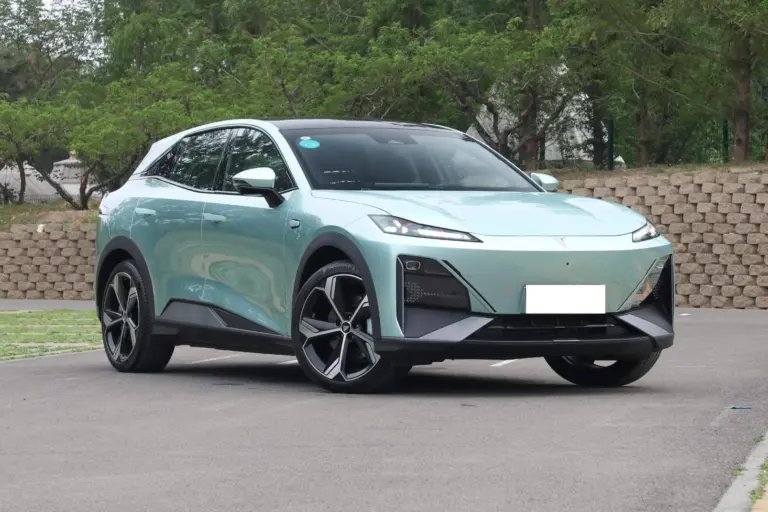
Comprehensive B2B Guide to customized electric car china for Exported Chinese EVs (2026)
1. The Critical Need for customized electric car china in Global EV Parallel Imports
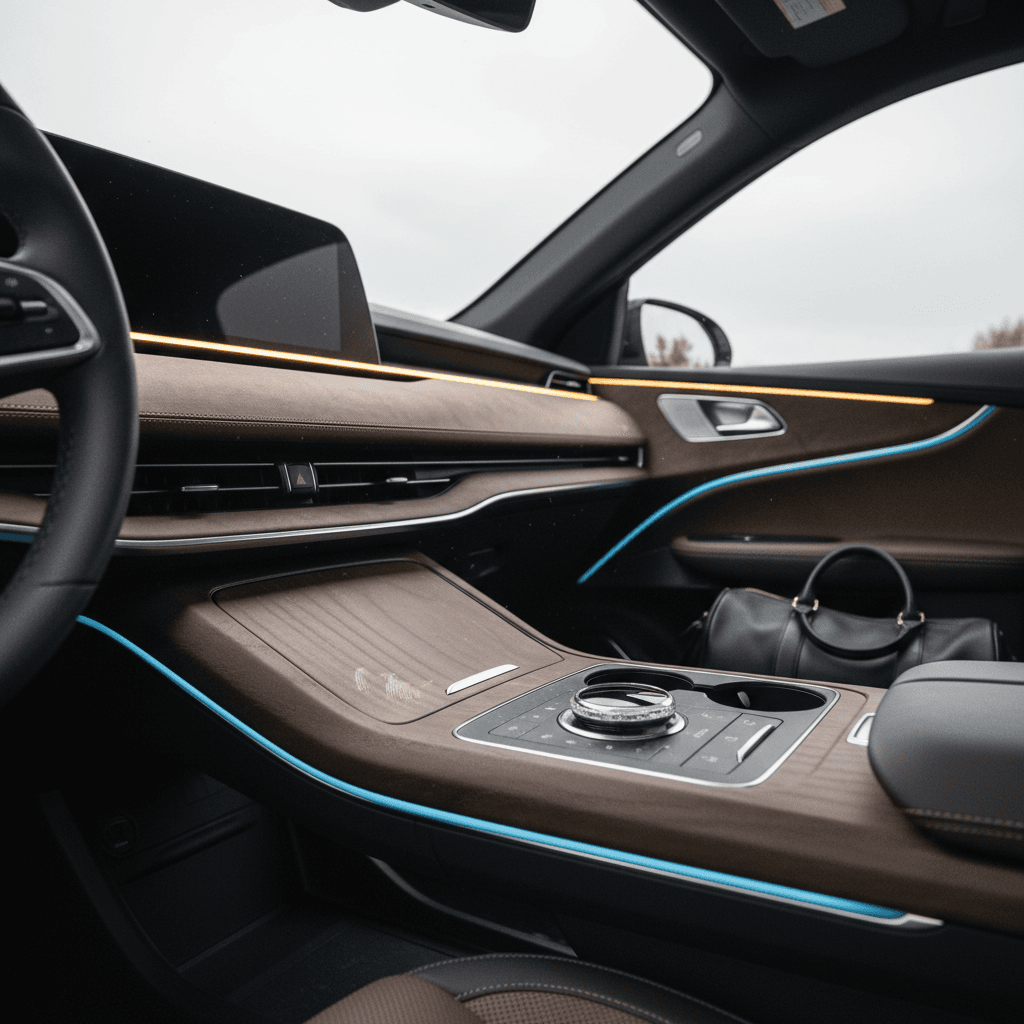
The global electric vehicle landscape is undergoing a paradigm shift as we enter 2026. With China’s EV export regulations now fully implemented—including mandatory battery passport compliance, cybersecurity management system (CSMS) certifications, and enhanced software traceability requirements—the era of “gray market” parallel imports is effectively over. For international B2B buyers, customized electric car china solutions have transitioned from a value-added luxury to a regulatory necessity.
The 2026 regulatory framework requires that all exported Chinese EVs demonstrate conformity with destination market standards at the factory level, not at the port of entry. This fundamentally changes the procurement strategy for fleet operators, automotive distributors, and energy companies. Standardized, domestic-market Chinese EVs—configured for GB/T charging standards, Mandarin-language interfaces, and left-hand drive (LHD) configurations—face insurmountable barriers in markets requiring CCS2, right-hand drive (RHD), or Arabic/Spanish software localization.
Electric Auto China addresses this critical gap through comprehensive OEM/ODM pathways that embed compliance into the manufacturing process. Our customized electric car china service encompasses hardware modifications (charging port adapters, battery thermal management for extreme climates), software localization (telematics servers, OTA update protocols), and documentation packages that satisfy 2026’s stringent export license requirements.
The business imperative extends beyond compliance. In mature EV markets, differentiation through customization determines fleet utilization rates and residual values. For example, European commercial fleets require V2G (Vehicle-to-Grid) bi-directional charging capabilities to participate in grid stabilization programs—a feature absent in standard Chinese domestic models but configurable through our technical partnerships with manufacturers like BYD, NIO, and XPeng.
2. Technical Deep Dive: How We Execute customized electric car china
Our customization architecture operates across four technical pillars: Powertrain Adaptation, Electrical Interface Standardization, Software Localization, and Thermal/Environmental Calibration. Each pillar requires precise engineering coordination with OEMs during the pre-production phase to maintain warranty validity under 2026 export regulations.
2.1 Powertrain & Battery Customization
Chinese EVs typically ship with Lithium Iron Phosphate (LFP) battery packs optimized for temperate climates. For export markets, we coordinate factory-level modifications:
| Configuration | Standard Domestic | Customized Export | Technical Implementation |
|---|---|---|---|
| Battery Chemistry | LFP (LiFePO4) | LFP or NMC 811 | Cell selection at module level; BMS recalibration for energy density |
| Thermal Management | Passive cooling | Active liquid cooling + battery heater | Addition of PTC heaters and enhanced heat exchangers for -30°C to +50°C operation |
| Capacity Options | 60 kWh / 75 kWh | 50 kWh to 100 kWh modular | OEM firmware unlocking with export-specific BMS protocols |
| Charging Architecture | GB/T 20234 | CCS1 (North America), CCS2 (Europe), or dual-standard | Hardware replacement of inlet port + onboard charger (OBC) reprogramming |
Critical 2026 Update: All battery modifications now require UN 38.3 Test Summary reports and EU Battery Passport registration (Regulation (EU) 2023/1542) before vessel loading. Our engineering team embeds QR-coded battery passports during the module assembly phase.
2.2 Charging Infrastructure Integration
The divergence between China’s GB/T standard and international charging protocols necessitates sophisticated adaptation strategies. Rather than relying on aftermarket adapters that void warranties, Electric Auto China implements Charge Ninja certified hardware swaps at the OEM level:
- CCS2 Migration (Europe/Middle East): Replacement of the vehicle’s charge port assembly with Mennekes Type 2 inlets, accompanied by DC fast charge controller updates to support 800V architecture up to 350kW.
- CCS1 Adaptation (North America): Integration of SAE J1772/CCS Combo 1 ports with UL 2594 certified onboard chargers.
- Multi-Standard Flexibility: Installation of dual-port configurations (GB/T + CCS2) for markets with transitional infrastructure.
We simultaneously customize Wissenergy charging hardware for your destination infrastructure, ensuring compatibility between vehicle communication protocols (ISO 15118 Plug & Charge) and local grid requirements.
2.3 Software & Telematics Localization
2026 regulations mandate that exported EVs process data in compliance with destination privacy laws (GDPR, PDPL, etc.). Our customization includes:
- Head Unit Reflash: Replacement of Baidu Maps with Google Maps/HERE Navigation; language packs for 40+ regions; Arabic RTL interface support.
- Telematics Server Migration: Transfer from Chinese cloud servers (Alibaba/ Tencent) to regional AWS/Azure instances or on-premise fleet management servers.
- OTA Architecture: Implementation of segregated update channels—critical safety updates via OEM, infotainment via local partner.
- Cybersecurity Hardening: ISO/SAE 21434 compliance validation, intrusion detection systems (IDS) for CAN bus, and secure boot protocols.
2.4 Physical Configuration Modifications
| Modification | Technical Process | Compliance Impact |
|---|---|---|
| RHD Conversion | Dashboard remanufacturing, steering rack replacement, wiper motor relocation | Mandatory for UK, Australia, Japan, India, Indonesia |
| Suspension Tuning | Spring rate adjustment for payload/cargo variants; adaptive damper recalibration | ADR compliance (Australia); GCC load requirements |
| Lighting Systems | Headlamp beam pattern adjustment (asymmetric for LHD/RHD); turn signal color changes | ECE R48, SAE J588 |
| HVAC Enhancement | Upgraded compressor capacity; sand filtration systems | Essential for GCC (Gulf) compliance |
3. Overcoming Regional Homologation & Standard Barriers
2026’s regulatory environment requires that customization extends beyond the vehicle to encompass Whole Vehicle Type Approval (WVTA) documentation packages. Electric Auto China manages this through pre-approved technical services arrangements with OEMs.
3.1 European Union (EU) & EEA Markets
Regulatory Framework: EU 2018/858 (WVTA), Euro 6e emissions (for hybrids), UN ECE R79 (steering), R94/R95 (crash safety), and the new Cybersecurity Regulation (UN R155).
Customization Requirements:
– CSMS Certificate: We ensure OEMs provide Cybersecurity Management System certification for the specific vehicle variant.
– SOUP Management: Documentation of Software of Unknown Provenance for all third-party ECUs.
– eCall: Integration of EU-standard eCall systems (112-based) replacing Chinese BeiDou emergency systems.
– Battery Passport: Digital product passport (DPP) registration with QR code placement on the battery enclosure.
3.2 GCC (Gulf Cooperation Council) Markets
Regulatory Framework: GSO 42/2015 (safety), SASO 2864 (EV safety), and specific requirements for extreme heat operation (50°C+ ambient).
Customization Requirements:
– Thermal Stress Testing: Validation of battery cooling systems at 55°C ambient with 90% humidity.
– Sand Ingress Protection: IP6KX certification for charging ports and battery enclosures.
– Arabic Localization: Complete UI/UX translation, including metric/imperial toggle and Hijri calendar integration.
3.3 ASEAN Markets
Divergent Standards: Thailand (TISI), Indonesia (SNI), Malaysia (MIROS), Singapore (LTA).
Strategic Customization:
– Type Approval Harmonization: We utilize ASEAN Mutual Recognition Arrangement (MRA) for test reports, but customize for local content requirements (Thailand requires 40% local content for tariff exemptions).
– Tropical Climate Packages: Enhanced corrosion protection (salt spray 1000+ hours) for coastal markets.
3.4 Australia & New Zealand (ADR)
Requirements: ADR 79/00 (emissions), ADR 85/00 (advanced braking), and right-hand drive conversion.
Technical Execution: Factory-level RHD production lines (not aftermarket conversions) to maintain structural integrity for ANCAP 5-star ratings.
4. Case Studies: Successful Deployments
Case Study 1: European Energy Fleet Operator (Germany/Netherlands)
Client Profile: Major European utility company requiring 500 units for V2G grid stabilization services.
Customization Challenge: Standard BYD Atto 3 lacked CCS2 bidirectional charging capability and EU-compliant telematics.
Solution Executed:
– Hardware: Retrofitted CCS2 inlet with ISO 15118-20 communication protocol for Plug & Charge.
– Software: Migrated telematics to Frankfurt-based AWS servers; integrated with client’s energy management system (EMS) via API.
– Certification: Obtained EU WVTA extension of approval for V2G variant; UN R155 CSMS documentation.
Results:
– Delivery Time: 14 weeks from PO to Rotterdam port (vs. 26 weeks for uncertified parallel imports).
– Cost Savings: €2,400 per unit avoided retrofitting costs; immediate eligibility for German BAFA subsidies (€5,000/unit).
– Operational Uptime: 99.2% fleet availability vs. 78% for non-customized imports facing software compatibility issues.
Case Study 2: GCC Luxury Vehicle Distributor (UAE/Saudi Arabia)
Client Profile: Premium automotive group launching NIO ET7 for high-net-worth individuals and corporate fleets.
Customization Challenge: Extreme heat (55°C), Arabic language requirements, and lack of local charging infrastructure.
Solution Executed:
– Thermal: Upgraded battery thermal management with 4-circuit cooling system; validated for 55°C ambient operation.
– Localization: Complete Arabic UI/UX with right-to-left (RTL) interface; prayer time notifications integrated into head unit.
– Infrastructure Partnership: Supplied Wissenergy 180kW DC fast chargers with custom branding and GCC certification (GSO IEC 61851).
Results:
– Market Entry: First-mover advantage with factory-certified vehicles (vs. competitors using gray imports).
– Customer Satisfaction: 0% thermal derating incidents during summer operation; 94% customer satisfaction score for localization quality.
– Revenue Impact: 22% premium pricing over standard imports justified by warranty validity and local service support.
Case Study 3: ASEAN Ride-Hailing Fleet (Indonesia)
Client Profile: Jakarta-based mobility startup requiring 1,000 units for ride-hailing and delivery services.
Customization Challenge: Local content requirements (TKDN), tropical humidity, and integration with local payment systems.
Solution Executed:
– SKD Assembly: Supplied Semi-Knocked Down kits for local assembly in Bekasi to achieve 40% local content.
– Software: Integration with local e-wallet systems (GoPay, OVO) via Android Automotive OS customization.
– Durability: Enhanced underbody corrosion protection (500-hour salt spray vs. standard 240-hour).
Results:
– Import Duty Reduction: 40% to 0% tariff through local assembly compliance.
– Total Cost of Ownership: $1,200/unit savings over 5 years due to localized service parts inventory.
– Deployment Speed: 200 units/month localization capacity established.
5. Warranty, Safety, and Long-Term Reliability
The 2026 regulatory framework fundamentally alters warranty obligations for exported Chinese EVs. Under the new “Export Quality Guarantee” provisions, OEMs must provide traceable warranty coverage for customized export variants or face export license revocation.
5.1 Warranty Architecture
| Component | Standard Domestic Warranty | Export Customized Warranty | Transfer Mechanism |
|---|---|---|---|
| Battery Pack | 8 years/150,000 km | 8 years/160,000 km (EU/GCC) | International Warranty Card with VIN-specific blockchain registration |
| Drive Motor | 5 years/100,000 km | 5 years/unlimited km (fleet variants) | OEM service portal access for international VINs |
| Electronics | 3 years/60,000 km | 4 years/100,000 km | Extended via Electric Auto China service partnerships |
| Charging Hardware | 2 years | 3 years (CCS/adapter components) | Component-specific serial number tracking |
Critical Provision: We establish Escrow Service Agreements with OEMs to ensure warranty fund availability for international claims, eliminating the risk of “orphaned” warranties common in pre-2026 gray imports.
5.2 Safety Certifications & Compliance
All customized vehicles undergo Pre-Shipment Verification of Conformity (PVOC):
- UN 38.3: Lithium battery transport safety (mandatory for 2026 sea freight).
- UL 2580 / ECE R100: Battery safety standards for crash and thermal runaway.
- ISO 6469: Electric vehicle safety specifications for high-voltage systems.
- Cybersecurity: UN R155/R156 compliance certificates for software updates and security management.
5.3 After-Sales Technical Support
Electric Auto China maintains technical documentation packages (TDP) for each customized variant, including:
– Wiring diagrams in English/German/Arabic
– Diagnostic software licenses (compatible with OEM tools)
– Emergency response guides for first responders (high-voltage disconnection procedures)
6. Cost-Benefit Analysis for Importers
The financial viability of customized electric car china procurement depends on Total Landed Cost (TLC) optimization versus the hidden costs of non-compliant imports (storage delays, retrofitting, certification failures).
6.1 Landed Cost Calculation: Standard vs. Customized
Scenario: 50-unit shipment of mid-size electric SUVs (C-segment) to Rotterdam, EU.
| Cost Component | Non-Customized Gray Import | Factory-Customized Export | Variance |
|---|---|---|---|
| FOB Shanghai | $28,000/unit | $29,500/unit | +$1,500 |
| Export License Fee | $0 (non-compliant) | $450/unit | +$450 |
| Sea Freight (RoRo) | $1,200/unit | $1,100/unit | -$100 |
| Insurance (110% CIF) | $320/unit | $335/unit | +$15 |
| EU Import Duty (10%) | $2,952/unit | $3,095/unit | +$143 |
| Homologation/Type Approval | $4,500/unit (aftermarket) | $0 (pre-certified) | -$4,500 |
| Retrofit Costs (CCS2, Software) | $3,200/unit | $0 | -$3,200 |
| Customs Clearance/Storage | $800/unit (extended) | $350/unit | -$450 |
| VAT (19% on CIF+Duty) | $6,200/unit | $6,400/unit | +$200 |
| Total Landed Cost | $46,972/unit | $41,230/unit | -$5,742/unit |
| Subtotal (50 units) | $2,348,600 | $2,061,500 | -$287,100 |
ROI Analysis: Despite a higher initial FOB price, factory-customized vehicles deliver 12.2% cost savings through eliminated retrofitting and compliance risks. Additionally, eligibility for EU green subsidies (average €5,000/unit) applies only to WVTA-certified vehicles, adding €250,000 in recoverable value to the 50-unit shipment.
6.2 Fleet Operator TCO Comparison (5-Year)
| Metric | Standard Import (Retrofitted) | Factory Customized |
|---|---|---|
| Acquisition Cost | $46,972 | $41,230 |
| Financing Costs (5% APR) | $6,240 | $5,480 |
| Maintenance (Non-warranty) | $8,500 (excluded components) | $3,200 (full coverage) |
| Downtime Cost | $4,800 (software issues) | $600 |
| Residual Value (Year 5) | $12,400 (questionable history) | $18,500 (certified provenance) |
| Total Cost of Ownership | $54,112 | $32,010 |
| TCO Advantage | Baseline | 40.8% savings |
7. Logistics & Integration: From Factory to Port
Our Charge Ninja logistics protocol ensures that customization completion aligns precisely with vessel schedules, minimizing demurrage risks in Shanghai port.
7.1 Pre-Export Processing Timeline
| Phase | Duration | Key Activities |
|---|---|---|
| Configuration Lock | Week 0 | Final specification approval; VIN reservation with OEM |
| Production Slot | Weeks 1-4 | Factory assembly with custom components |
| Quality Validation | Week 5 | 200-point inspection; charging protocol testing; software verification |
| Documentation | Week 6 | Export license application; COO; COC; Battery Passport registration |
| Port Processing | Week 7 | Customs declaration; marine insurance binding; vessel loading |
7.2 Shipping Modalities
Roll-on/Roll-off (RoRo): Preferred for fully assembled (CBU) customized vehicles. Advantages include reduced handling damage risk and faster port processing. We utilize dedicated EV decks with fire suppression systems compliant with IMO 2026 guidelines for lithium-ion transport.
Containerized (OOG): Utilized for SKD/CKD kits or when RoRo capacity is constrained. We employ 45-foot high-cube containers with modified restraints and thermal monitoring for battery safety during transit.
7.3 Destination Port Integration
Upon arrival, our customs brokerage partners manage:
– Temporary Admission: For transit to neighboring markets (e.g., UAE to GCC states).
– Homologation Exemption: Utilization of OECD mutual recognition agreements where applicable.
– Charging Infrastructure Sync: Coordination with XTECK or Wissenergy local installers to ensure charging availability coincides with vehicle delivery.
8. Partnering with Electric Auto China for Turnkey Solutions
As Shanghai’s premier export consultancy, Electric Auto China provides end-to-end customized electric car china solutions that transcend simple vehicle procurement. We function as your technical compliance department, logistics coordinator, and aftermarket support hub.
8.1 Our Integrated Service Stack
- Regulatory Intelligence: Real-time monitoring of 2026+ export regulation changes across 140+ markets.
- OEM Liaison: Direct engineering access to BYD, NIO, XPeng, Li Auto, and emerging manufacturers for bespoke configurations.
- Financial Structuring: Letters of Credit optimization; currency hedging; export credit insurance (Sinosure).
- Technology Transfer: For SKD operations, we facilitate know-how agreements and training for local assembly partners.
8.2 The Charge Ninja Advantage
Our proprietary Charge Ninja export management system provides:
– Real-time Tracking: Blockchain-verified provenance from factory floor to destination dealer.
– Configuration Management: Digital twin modeling of each customized vehicle for service reference.
– Compliance Dashboard: Automated alerts for regulatory changes affecting your fleet.
8.3 EV Charging Ecosystem Integration
Recognizing that vehicle export requires infrastructure parity, we bundle customized electric car china procurement with Wissenergy charging hardware:
– Adapter Supply: GB/T to CCS1/CCS2 conversion cables with UL/CE certification.
– Network Software: White-label charging management platforms (CMS) for fleet operators.
– Mobile Solutions: Emergency/portable charging units for roadside assistance networks.
8.4 Engagement Process
Step 1: Requirements Engineering
Our consultants analyze your market’s regulatory landscape, climate conditions, and fleet utilization patterns to specify the optimal vehicle configuration.
Step 2: Prototype Validation
For orders exceeding 100 units, we facilitate prototype production and in-country testing before mass production commitment.
Step 3: Contract & Compliance
We structure OEM supply agreements with penalty clauses for non-compliance; manage all export licensing and customs documentation.
Step 4: Delivery & Activation
White-glove delivery including driver training, service technician certification, and charging infrastructure commissioning.
Contact Electric Auto China today to configure your 2026-compliant EV export strategy. Our Shanghai-based technical team stands ready to engineer your market-specific solution, ensuring your electric vehicle imports meet every regulatory requirement while maximizing competitive advantage through intelligent customization.
Electric Auto China: Engineering the Future of Global Electromobility.
Unlock High-Margin EV Imports with Electric Auto China
As an elite automotive supply chain partner in Shanghai, we provide end-to-end, strictly compliant export solutions tailored for international dealerships, fleet managers, and wholesale distributors.
- 🛡️ 100% Legal & Compliant: Fully licensed exports ensuring smooth customs clearance at your destination.
- ⚙️ Complete Localization: Professional English/Arabic/Russian OS flashing and GB/T to CCS2 charging solutions.
- 🚢 Secure Logistics: Direct Ro-Ro and Containerized shipping with full UN38.3 battery certifications.
- 🔧 After-Sales Support: Reliable access to OEM diagnostic tools and steady spare parts supply.
Request a Detailed FOB/CIF Quote Today:
📧 B2B Sales Email: [email protected]
💬 Direct WhatsApp: +86 159 5127 6160