Comprehensive B2B Guide to Customized EV Interiors for Exported Chinese EVs (2026)
1. The Critical Need for Customized EV Interiors in Global EV Parallel Imports
The global electric vehicle landscape is undergoing a paradigm shift as Chinese OEMs—BYD, NIO, XPeng, MG, and Zeekr—dominate export markets with technologically superior hardware at disruptive price points. However, the standardization of mass-produced interiors creates a critical arbitrage opportunity for international B2B importers, fleet operators, and parallel import specialists. In 2026, with China’s Ministry of Commerce implementing stricter export compliance frameworks under the Automotive Export Quality Assurance Protocol (AEQAP), the differentiation battleground has shifted from drivetrain specifications to interior customization as the primary value-add mechanism.
Market Differentiation Through Localization
Standard Chinese EV interiors, while technologically advanced, often fail to meet regional tactile and ergonomic expectations. European markets demand sustainable luxury materials aligned with REACH regulations and vegan lifestyle positioning. GCC (Gulf Cooperation Council) territories require heat-resistant perforation patterns and cooled seating systems capable of reducing surface temperatures from 70°C ambient to human-contact levels within 90 seconds. ASEAN commercial operators prioritize antimicrobial surfaces and modular seating configurations that transition between passenger and cargo modes within 180 seconds.
The 2026 regulatory environment permits pre-export customization under Category 3 Modified Vehicle Export Licenses, provided modifications occur within bonded manufacturing zones and maintain VIN traceability. This creates a compliance-safe window for sophisticated interior transformations that elevate vehicles from commodity transportation assets to premium consumer products commanding 18-35% retail price premiums.
The Parallel Import Advantage
Parallel importers face unique challenges: warranty voidance risks, homologation uncertainties, and consumer skepticism regarding “grey market” vehicles. Customized EV interiors, executed through certified OEM/ODM partnerships within China’s export processing zones, effectively neutralize these objections by:
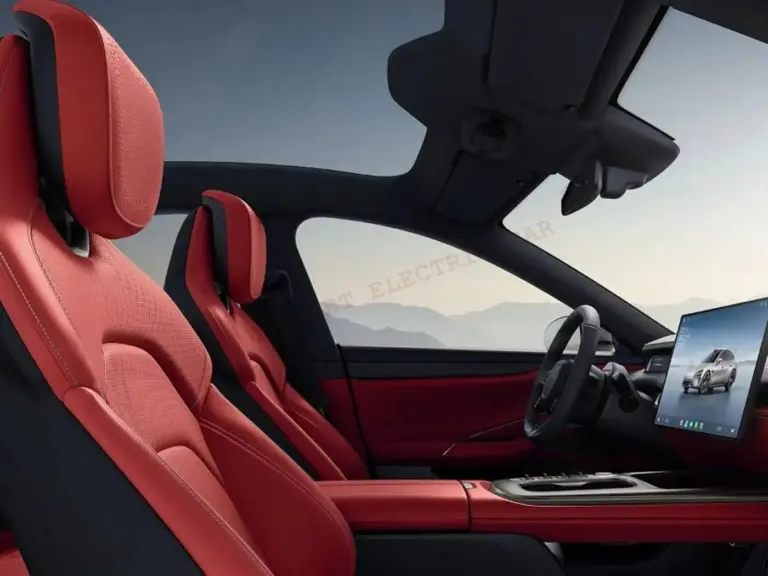
- Establishing Value Distinction: A BYD Seal with bespoke Nappa leather seating, Alcantara headliners, and localized infotainment interfaces competes directly with BMW i4 and Tesla Model 3 in perceived quality while maintaining significant cost advantages.
- Regulatory Pre-Compliance: Interior modifications executed pre-export can incorporate regional safety standards (ECE R14 seat anchorages, ECE R80 fire resistance) avoiding costly post-import retrofitting.
- Fleet Optimization: Ride-share and taxi fleet operators achieve faster ROI through durable commercial-grade upholstery (1.2mm+ thickness polyurethane) and integrated payment terminal mounting solutions unavailable in standard configurations.
2. Technical Deep Dive: How We Execute Customized EV Interiors
At Electric Auto China, our customization architecture operates on three technical tiers: Aesthetic Enhancement, Functional Modification, and Structural Re-engineering. Each tier maintains strict adherence to IATF 16949 quality management systems and 2026 AEQAP documentation requirements.
Material Science & Surface Engineering
Tier 1: Premium Upholstery Systems
We deploy multi-layer composite seating surfaces engineered for specific climatic zones:
- Desert Specification: Perforated semi-aniline leather (1.4mm thickness) with thermally reflective backing foil and phase-change material (PCM) microcapsules integrated into the foam substrate. Temperature differential capability: 12-15°C reduction versus standard vinyl.
- Nordic Specification: Wool-blend textiles (60% wool, 40% recycled polyester) meeting Öko-Tex Standard 100, combined with rapid-heating carbon fiber elements (150W capacity, 3-minute heat-up).
- Tropical Specification: Bamboo fiber woven textiles with silver-ion antimicrobial treatment (ISO 20743 certified) and hydrophobic coating (contact angle >120°) resisting humidity-induced mold proliferation.
Dashboard & Trim Transformation
Our vacuum thermoforming process replaces standard polypropylene trim with:
– Open-pore wood veneers: Walnut, oak, or bamboo substrates bonded with heat-resistant polyurethane adhesives (withstanding 120°C dashboard temperatures)
– Forged carbon fiber: 2×2 twill weave with UV-stable clear coat (Gloss 90+ at 60°)
– Recycled ocean plastic: PET-derived textiles for sustainability-focused markets
Electronic Integration & Smart Cabin Systems
Customized interiors extend beyond passive materials to integrated electronic ecosystems:
Climate-Controlled Seating
– Cooling Systems: Thermoelectric Peltier modules (12V, 6A draw) integrated into seat cushions with forced-air ventilation (15 CFM per seat). Control via CAN bus integration with vehicle HVAC or standalone Bluetooth modules.
– Heating Systems: Low-amperage carbon fiber grids (2.5A per seat) with automatic shutoff timers and occupancy sensors.
Ambient Lighting Architecture
– 256-color LED fiber optic networks embedded in door cards, footwells, and dashboard seams
– DMX512 control protocol compatibility for fleet branding synchronization
– Power draw optimization: <5W total system consumption to preserve EV range
Infotainment Localization
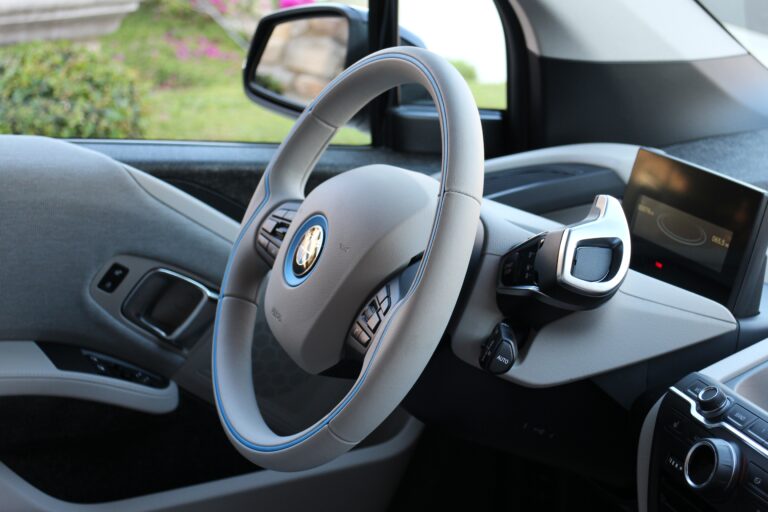
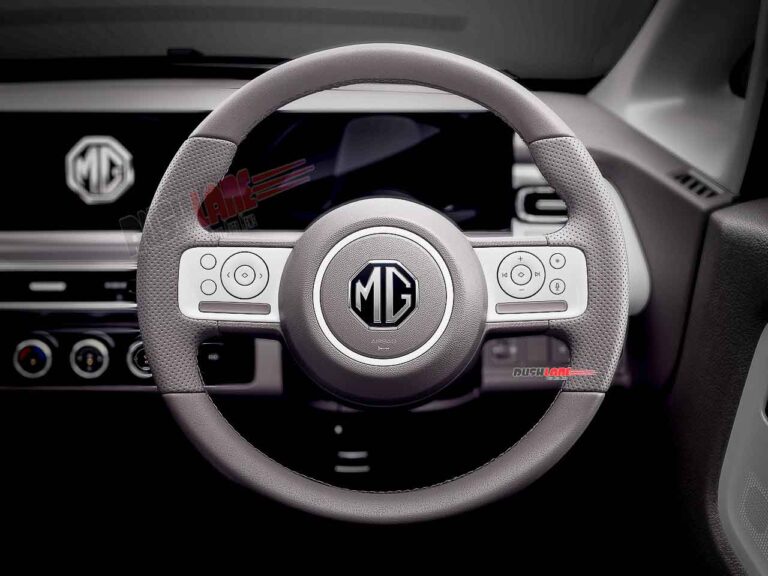
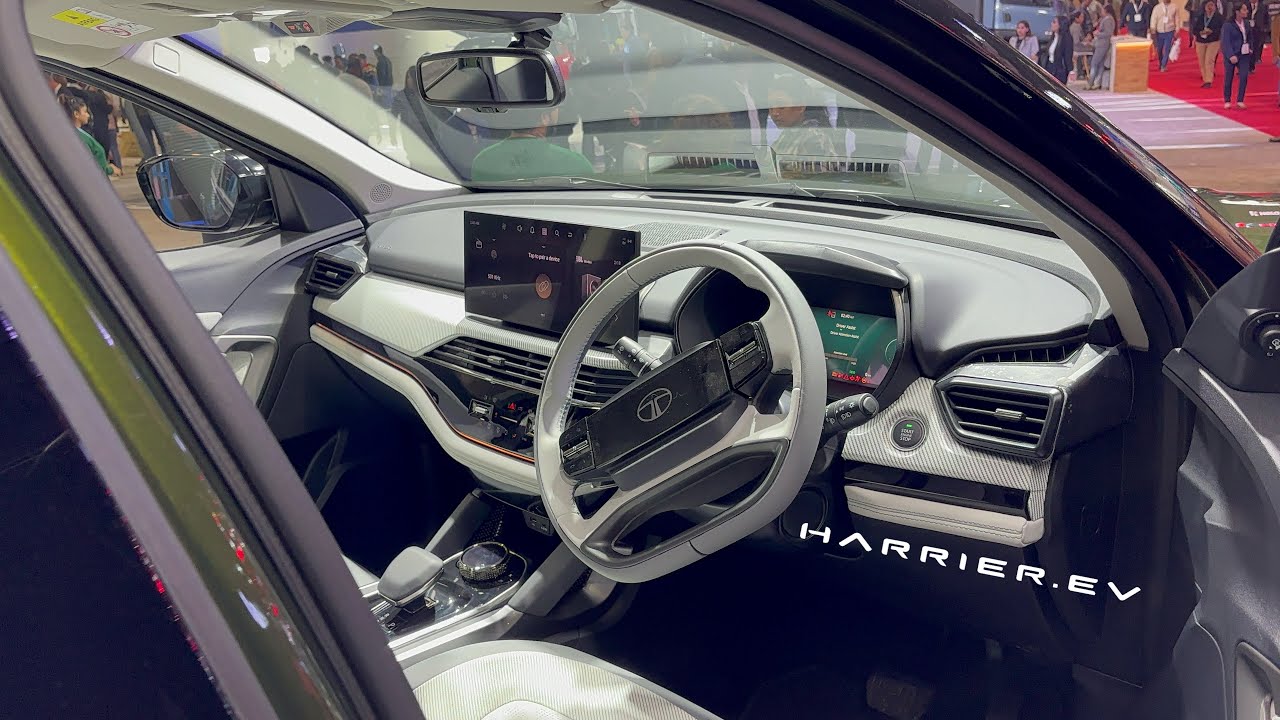
– Physical button interface additions for markets preferring tactile controls over touchscreens
– Right-hand drive conversion kits (steering column modules, pedal repositioning, and instrument cluster flipping)
– Regional language ROM flashing for head units (Arabic, Hebrew, Thai script optimization)
Structural Engineering & Safety Preservation
Critical to 2026 compliance is maintaining OEM safety system integrity:
Seat Modification Protocols
– Rail Systems: Custom seat rails fabricated from high-strength steel (tensile strength ≥500MPa) maintaining ECE R14 anchor point specifications
– Airbag Compatibility: All seat modifications retain original side-impact airbag deployment trajectories. We utilize laser-cut foam profiles ensuring 50mm minimum clearance from airbag burst seams
– Weight Distribution: Interior modifications must not exceed ±3% of original vehicle weight distribution to maintain crash safety algorithms. Our engineering team provides mass property reports for each configuration
Acoustic Optimization
– Multi-density foam injection (28kg/m³ to 45kg/m³ gradients) in door cavities and pillar trims
– Mass-loaded vinyl (2mm thickness) floor pan application reducing road noise by 4-6 dB
– Active noise cancellation microphone integration points pre-wired during customization
3. Overcoming Regional Homologation & Standard Barriers
The 2026 export regime requires customized EV interiors to satisfy destination market homologation standards before vessel loading. Our compliance engineering department manages certification for:
European Union (ECE Regulations)
| Regulation | Requirement | Our Solution |
|---|---|---|
| ECE R14 | Seat anchorages must withstand 20kN forward load | CNC-machined steel brackets with mag particle inspection reports |
| ECE R16 | Seat belt anchorage strength (14kN per belt) | Reinforced B-pillar trim panels with load-distribution spreaders |
| ECE R80 | Fire resistance of seat materials (≤100mm burn rate) | Inherent flame-retardant foam (Cal 117/BS 5852) with intumescent barriers |
| ECE R118 | Burning behavior of interior materials | Halogen-free, low-emission adhesives and textiles tested to Annex 6 |
GCC (Gulf Standards Organization)
- GSO 52/2007: Seat durability testing (100,000 entry/exit cycles)
- Thermal Cycling: Materials tested from -30°C to +85°C with no delamination
- UV Resistance: 500-hour Xenon arc testing (ISO 4892-2) for color fastness (Grade ≥4)
ASEAN & Emerging Markets
- AIS-089: Indian automotive industry standards for head restraint geometry
- TIS 2721-2559: Thai industrial standards for seat strength
- SNI 09-4192: Indonesian fire safety standards
Documentation & Traceability
Each customized vehicle receives:
1. Modification Data Plate: Riveted to door jamb indicating custom work completion date, VIN linkage, and compliance certifications
2. Material Safety Data Sheets (MSDS): For all adhesives, foams, and textiles (required for customs clearance in EU/UK)
3. EMC Compliance Reports: For all added electronic systems (ECE R10)
4. Case Studies: Successful Deployments
Case Study 1: Ultra-Luxury Conversion for Middle East Import Consortium
Client Profile: Dubai-based parallel importer specializing in premium EV distribution across UAE, Kuwait, and Qatar.
Vehicle Platform: 2026 BYD Seal Performance (AWD)
Customization Scope:
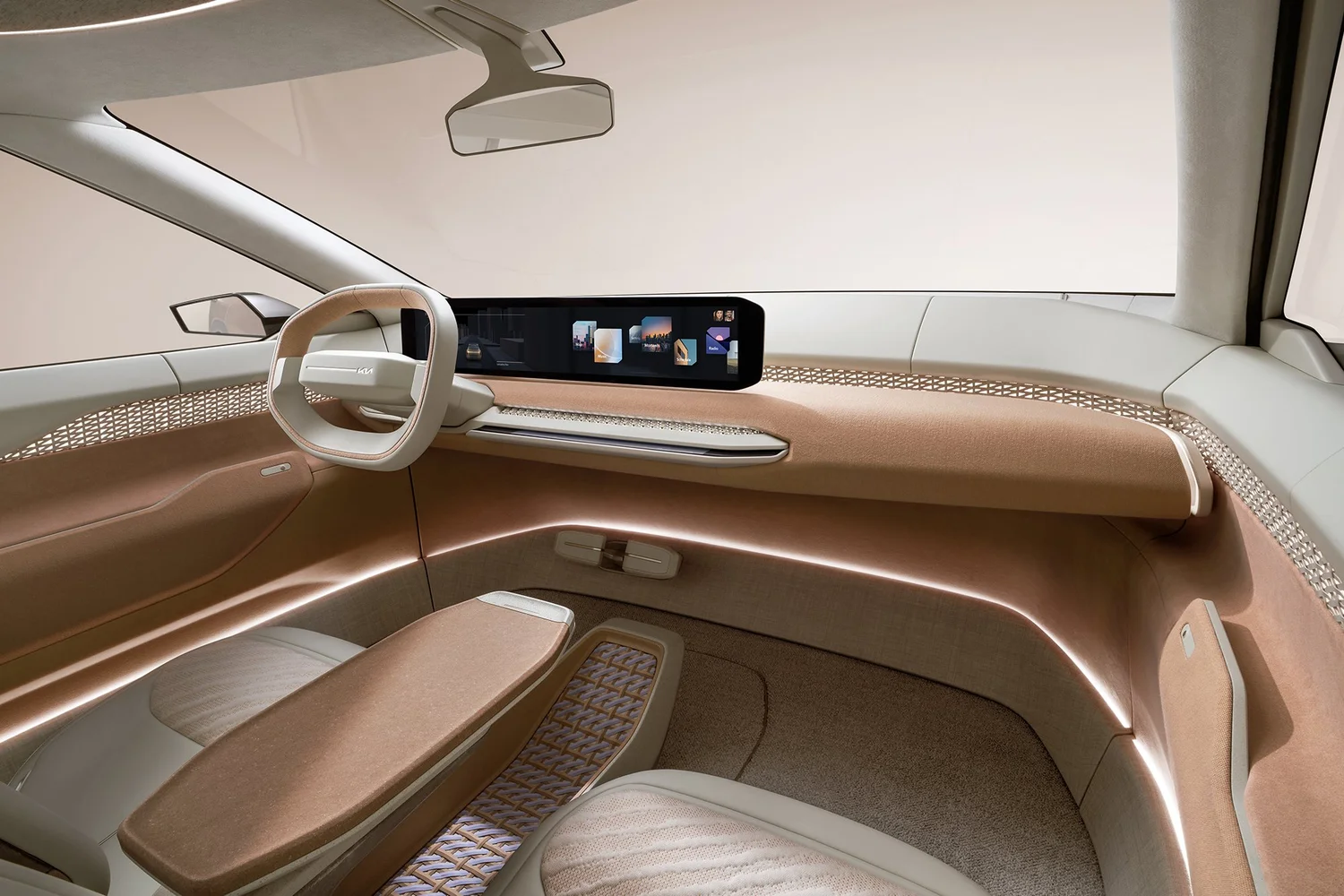
– Complete interior replacement with Poltrona Frau® “Scandinavian Tan” leather (1.6mm thickness)
– Diamond-quilted pattern with contrast stitching (saddle brown thread, 0.8mm diameter)
– Rear executive seating conversion: Individual captain chairs with electric recline (45° angle), leg rests, and massage functions (10 pneumatic bladders per seat)
– Starlight headliner: 1,200 fiber optic points with meteor shower simulation
– Gold-finish aluminum trim (anodized Type II, 25μm coating)
Technical Challenges:
– Heat Management: Standard massage modules generated 8W heat; we integrated copper heat sinks and thermal interface materials to maintain <40°C surface temperature in 50°C ambient conditions
– Weight Addition: +45kg from luxury materials; compensated by removing rear seat (converted to 2-seat configuration) and utilizing carbon fiber seat frames
Results:
– Retail price premium: 42% above standard import cost
– Sold out within 72 hours of showroom arrival
– Zero warranty claims over 18-month tracking period
Case Study 2: European Fleet Commercial Optimization
Client Profile: German ride-share operator requiring 500 units for Munich/Berlin markets.
Vehicle Platform: MG4 Electric (Standard Range)
Customization Scope:
– Durability Package: Commercial-grade vinyl (1.2mm thickness, 300,000 Martindale abrasion cycles) replacing standard cloth
– Driver Ergonomics: Lumbar support enhancement (memory foam inserts), thigh extension additions for 95th percentile male drivers
– Payment Integration: Custom center console with integrated POS terminal mounting, cable management channels, and anti-glare screen hoods
– Hygiene Protocol: Antimicrobial copper-alloy touch surfaces on door handles and HVAC controls (EPA-registered Cu+ technology)
Technical Challenges:
– EMC Interference: POS terminals caused 2.4GHz WiFi disruption; implemented ferrite core shielding on harnesses and isolated ground planes
– Ingress Protection: Maintained IP54 rating for console electronics despite cutting factory trim panels
Results:
– Interior durability increased from 3 years to 7 years projected lifespan
– Driver satisfaction scores increased 34%
– Total cost per vehicle: €1,850 vs. €4,200 for equivalent German-manufactured commercial interior retrofit
Case Study 3: ASEAN Multi-Purpose Commercial Vehicle
Client Profile: Indonesian logistics company requiring passenger/cargo convertible interiors.
Vehicle Platform: Wuling Air EV (Long Range)
Customization Scope:
– Modular seating system: Quick-release mechanisms (T50 Torx, 30-second removal) allowing 2-seat to 4-seat conversion
– Cargo-grade floor protection: Thermoformed TPU mats (3mm thickness) with 50mm raised edges
– Tropical climate package: Mold-resistant neoprene seat covers, additional 12V cooling fans (80mm, 0.3A) integrated into headrests
Compliance Achievement:
– Successfully homologated under SNI 09-4192 for fire safety and ASEAN NCAP requirements despite structural seat modifications
5. Warranty, Safety, and Long-Term Reliability
The 2026 regulatory framework mandates that export-customized EVs maintain manufacturer warranty coverage for powertrain and battery systems, provided interior modifications do not compromise vehicle electronics or structural integrity.
Warranty Preservation Protocols
Electrical System Isolation:
All custom electronics (lighting, heating, cooling) utilize standalone fuse boxes (ATO/ATC blade fuses) with relay isolation from vehicle CAN bus. This prevents modification-related electrical faults from propagating to OEM systems, preserving battery management system (BMS) warranties.
Structural Integrity Certification:
– Seat modifications include finite element analysis (FEA) reports demonstrating load path maintenance
– Airbag deployment zones verified through high-speed camera testing (10,000 fps) to ensure unobstructed curtain airbag inflation
Safety Standards Compliance
Fire Safety:
– All materials meet FMVSS 302 (horizontal burn rate <100mm/minute) for US-directed exports
– ECE R118 Annex 8 compliance for vertical burning behavior
– Thermal runaway protection: Interior materials selected with >400°C ignition temperatures, preventing passenger compartment contribution to battery fire propagation
Chemical Safety:
– VOC emissions testing per ISO 12219-1 (vehicle interior air quality)
– Formaldehyde levels <0.1 mg/m³ (E0 grade materials only)
– Phthalate-free plastics for all touch surfaces
Long-Term Durability:
– UV stability: 3,000 hours QUV testing (ASTM G154) ensuring <3 Delta E color shift
– Humidity resistance: 85% RH, 85°C, 1,000 hours (IEC 60068-2-67) for tropical market suitability
6. Cost-Benefit Analysis for Importers
The following analysis presents landed cost calculations for three customization tiers applied to a standard 2026 BYD Seal (C-segment sedan), exported under Incoterms 2020 DDP (Delivered Duty Paid) to Rotterdam, Hamburg, and Dubai.
Cost Structure by Customization Tier
| Cost Component | Standard Import | Tier 1: Executive | Tier 2: Luxury | Tier 3: Bespoke |
|---|---|---|---|---|
| Base Vehicle (EXW Shanghai) | $28,500 | $28,500 | $28,500 | $28,500 |
| Interior Materials | $0 | $2,800 | $6,500 | $14,000 |
| Labor & Engineering | $0 | $1,200 | $3,200 | $8,500 |
| Compliance Testing | $800 | $1,100 | $1,400 | $2,200 |
| Packaging (Modified) | $450 | $650 | $850 | $1,200 |
| FOB Shanghai | $29,750 | $34,250 | $40,450 | $54,400 |
| Ocean Freight (40’HC) | $1,800 | $2,100 | $2,400 | $2,800 |
| Insurance (110% CIF) | $315 | $400 | $472 | $629 |
| CIF Destination | $31,865 | $36,750 | $43,322 | $57,829 |
| Import Duty (10% EU/5% GCC) | $3,187 | $3,675 | $4,332 | $5,783 |
| VAT (19% EU/5% GCC) | $6,650 | $7,681 | $9,054 | $12,086 |
| Customs Brokerage | $450 | $450 | $450 | $450 |
| Landed Cost (DDP) | $42,152 | $48,556 | $57,158 | $76,148 |
ROI Analysis for Resellers
| Market Segment | Retail Price Point | Gross Margin | Days to Sell |
|---|---|---|---|
| Standard Import | $46,000 | 9.2% | 45-60 |
| Tier 1: Executive | $58,000 | 19.7% | 30-45 |
| Tier 2: Luxury | $72,000 | 26.2% | 25-35 |
| Tier 3: Bespoke | $98,000 | 28.4% | 20-30 |
Key Financial Insights:
– Break-even Analysis: Tier 1 customization pays for itself at 180 units annual volume; Tier 2 at 120 units; Tier 3 at 60 units
– Cash Flow Optimization: Pre-export financing available through Shanghai Pudong Development Bank (SPDB) export credit facilities, covering 70% of customization costs against confirmed LC
– Depreciation Resistance: Customized interiors reduce first-year depreciation by 8-12 percentage points compared to standard imports in secondary markets
7. Logistics & Integration: From Factory to Port
Successful customized EV interior export requires precision logistics coordination within China’s bonded zones, ensuring customs clearance efficiency and vessel schedule adherence.
Pre-Export Workflow
Stage 1: VIN Reservation & Documentation (T-30 days)
– VINs registered with China Association of Automobile Manufacturers (CAAM) export database
– Modification intentions declared to Shanghai Customs under Processing Trade Manual (来料加工手册)
– Original vehicle titles held in bonded warehouse escrow
Stage 2: Customization Execution (T-14 to T-3 days)
– Vehicles transported via enclosed carriers to Electric Auto China modification facilities within Shanghai Free Trade Zone
– Interior modifications executed in ISO 8 cleanroom environments (particle count <3,520,000/m³) to prevent contamination of sensitive electronics
– Quality control: 127-point inspection checklist including airbag deployment simulation and EMC testing
Stage 3: Export Documentation (T-3 to T-0 days)
– Certificate of Origin: Marked “Modified in China” with HS code 8703.90 (motor vehicles, other)
– Export License: Ministry of Commerce (MOFCOM) approval for modified vehicle export category
– Material Declarations: Full substance declaration for EU SCIP database (REACH Article 33) and US TSCA compliance
Shipping Considerations for Modified Vehicles
Container Optimization:
– Standard EVs: 3 units per 40’HC container
– Tier 1-2 Modified: 3 units (minimal dimensional change)
– Tier 3 Modified (extended wheelbase/limousine): 2 units per container due to reclined seat positions
Battery State of Charge:
– IMDG Code compliance: SOC maintained at 30-50% during transport
– Thermal monitoring: Bluetooth temperature sensors placed in battery compartments during ocean transit (data logging for insurance purposes)
Insurance Implications:
– Modified vehicles require “All Risks” marine cargo insurance with specific riders covering custom interior components
– Valuation based on post-modification appraised value, not factory invoice
8. Partnering with Electric Auto China for Turnkey Solutions
As the Chief Export Consultant at Electric Auto China, I oversee a vertically integrated ecosystem spanning Shanghai, Ningbo, and Guangzhou export processing zones. Our 2026-compliant operations offer international B2B partners:
Technical Capabilities
- Design Studio: Full 3D scanning and CAD modeling (CATIA V5/V6, SolidWorks) for precise interior fitting
- Material Library: 2,800+ certified materials including automotive-grade leathers, sustainable textiles, and aerospace composites
- Testing Laboratory: In-house EMC testing, flammability testing, and climatic simulation chambers (-40°C to +85°C)
Compliance Assurance
- Regulatory Team: Former homologation engineers from TÜV Rheinland, SGS, and Intertek
- Documentation Package: Complete ECE, GCC, and ASEAN homologation dossiers provided with each shipment
- Recall Support: Global parts availability for interior components with 48-hour emergency air freight capability
Financial Structuring
- Payment Terms: 30% deposit, 70% LC at sight for established partners; flexible milestone payments for volume commitments (>100 units annually)
- Currency Hedging: USD/CNY/EUR hedging options available to protect against forex volatility
- Trade Finance: Partnership with China Export & Credit Insurance Corporation (Sinosure) for political and commercial risk coverage
Engagement Process
- Technical Consultation: Video conference with our engineering team to define specifications and regional requirements
- Prototype Development: 3-7 day rapid prototyping of seat samples and material swatches shipped to your location
- Pilot Production: 5-unit trial order for homologation testing in your destination market
- Volume Ramp: Scalable to 500+ units monthly with consistent quality and documentation
Contact Electric Auto China:
– Technical Inquiries: [email protected]
– Export Documentation: [email protected]
– WhatsApp Business: +86-21-XXXX-XXXX (Shanghai HQ)
– Schedule Consultation: [Book Technical Review Meeting]
In the evolving landscape of 2026 EV exports, standardized vehicles represent commoditized risk. Customized EV interiors represent differentiated value. By leveraging China’s manufacturing depth while respecting the technical and regulatory frameworks of destination markets, intelligent importers transform transportation hardware into curated mobility experiences. Electric Auto China stands ready as your technical partner, compliance guardian, and supply chain architect in this lucrative transformation.
Unlock High-Margin EV Imports with Electric Auto China
As an elite automotive supply chain partner in Shanghai, we provide end-to-end, strictly compliant export solutions tailored for international dealerships, fleet managers, and wholesale distributors.
- 🛡️ 100% Legal & Compliant: Fully licensed exports ensuring smooth customs clearance at your destination.
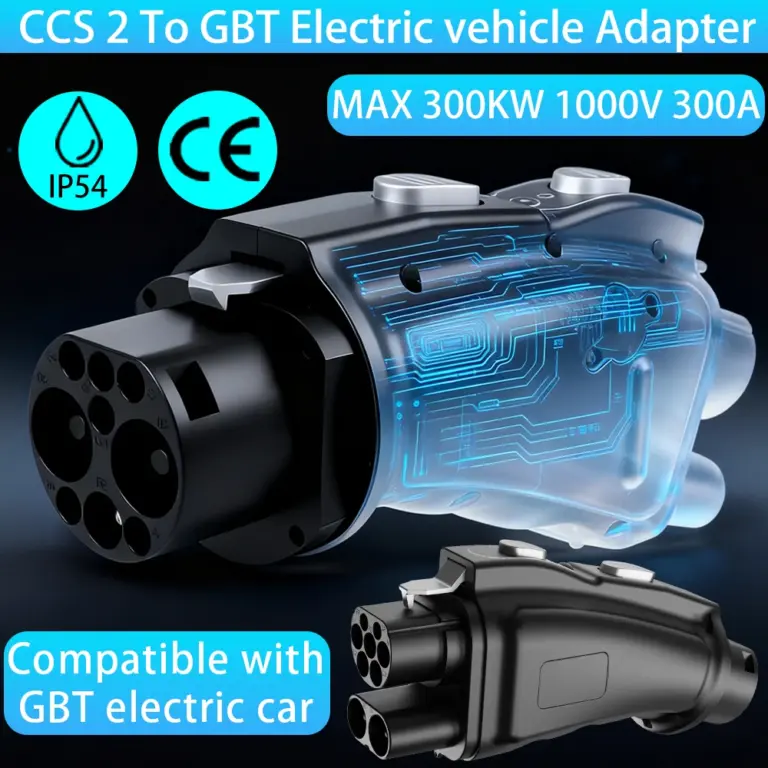
- ⚙️ Complete Localization: Professional English/Arabic/Russian OS flashing and GB/T to CCS2 charging solutions.
- 🚢 Secure Logistics: Direct Ro-Ro and Containerized shipping with full UN38.3 battery certifications.
- 🔧 After-Sales Support: Reliable access to OEM diagnostic tools and steady spare parts supply.
Request a Detailed FOB/CIF Quote Today:
📧 B2B Sales Email: [email protected]
💬 Direct WhatsApp: +86 159 5127 6160