Comprehensive B2B Guide to RHD Conversion Chinese Electric Cars for Exported Chinese EVs (2026)
1. The Critical Need for RHD Conversion Chinese Electric Cars in Global EV Parallel Imports
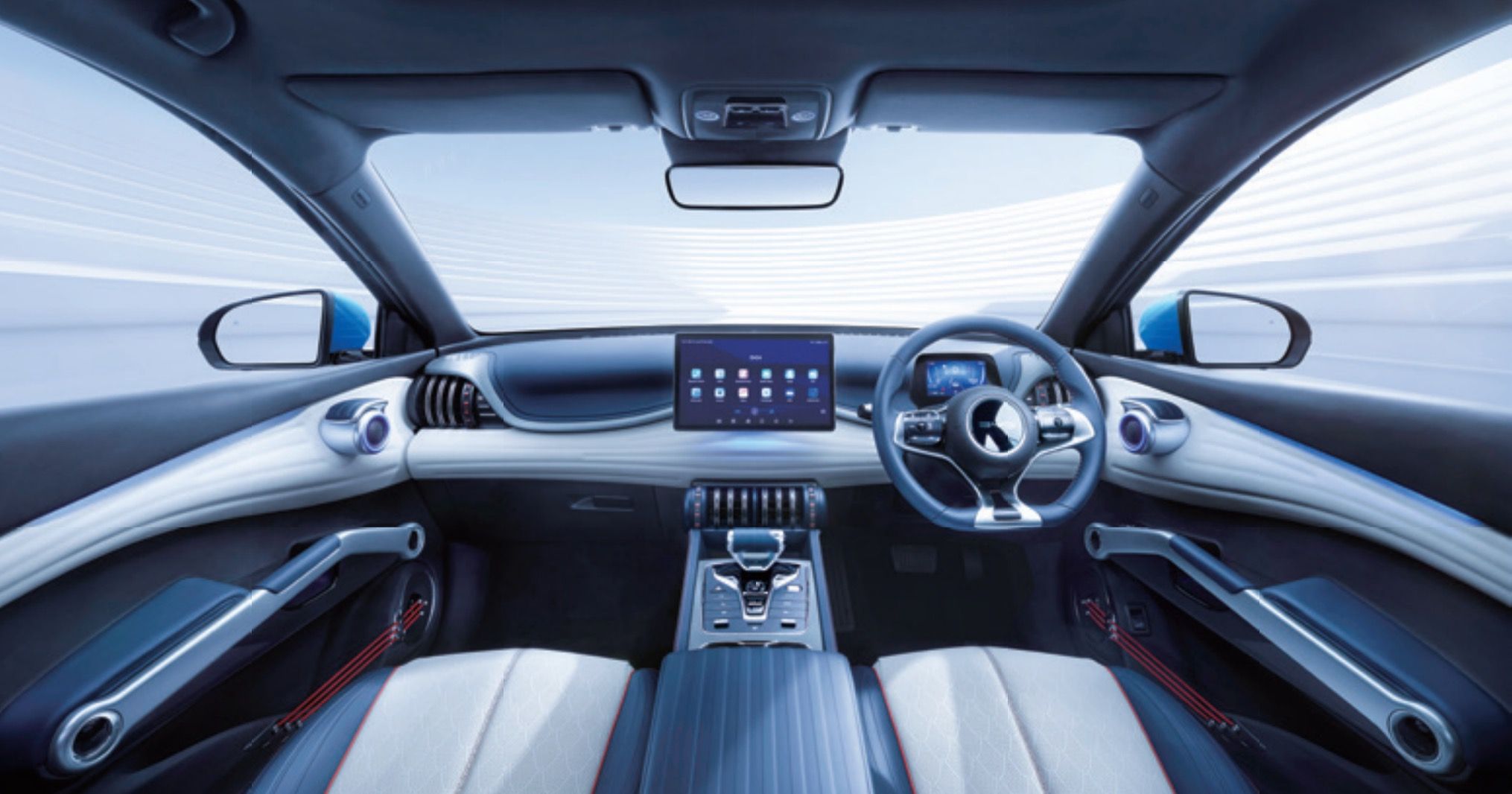
The global electric vehicle landscape is undergoing a seismic shift as Chinese OEMs dominate battery technology, vertical integration, and cost-efficient manufacturing. However, a critical friction point persists for B2B importers, fleet operators, and parallel export specialists: the overwhelming majority of Chinese EV production remains Left-Hand Drive (LHD), optimized for domestic consumption and continental European export markets. For the 35% of global automotive markets operating under Right-Hand Drive (RHD) configurations—including the United Kingdom, Japan, Australia, Thailand, Malaysia, India, South Africa, New Zealand, and the entire Commonwealth bloc—factory-original RHD availability remains limited to select models from BYD, MG, and emerging NETA allocations.
This supply-demand asymmetry creates a lucrative arbitrage opportunity for professional importers capable of navigating RHD conversion Chinese electric cars through qualified, MIIT-certified modification channels. Unlike conventional internal combustion engine (ICE) vehicles, EV RHD conversion requires sophisticated electrical architecture repositioning, battery management system (BMS) recalibration, and high-voltage safety protocol adherence that cannot be executed through aftermarket “cut-and-shut” methodologies.
The 2026 regulatory environment introduces stricter compliance frameworks under China’s Ministry of Industry and Information Technology (MIIT) Export Vehicle Qualification Standards. These regulations mandate that all RHD-converted EVs destined for export must undergo conversion processes within MIIT-licensed facilities, utilizing OEM-approved component kits and maintaining full traceability for UN ECE R100 (battery safety) and R94/R95 (crashworthiness) compliance. This regulatory tightening eliminates grey-market conversion shops and establishes a formalized ecosystem where only certified technical partners—such as Electric Auto China’s vetted engineering consortiums—can legally execute RHD transformations for export markets.
For B2B buyers, the business imperative is clear: accessing China’s unparalleled EV cost advantages (typically 30-45% below Western OEM pricing) requires partnership with conversion specialists who can bridge the LHD-RHD divide without compromising structural integrity, warranty coverage, or homologation eligibility. Markets such as Thailand (where EV adoption targets 30% of new sales by 2030) and the United Kingdom (mandating 100% zero-emission vehicle sales by 2035) represent high-volume opportunities where RHD-converted Chinese EVs offer competitive fleet procurement solutions, provided the conversion meets factory-grade specifications.
2. Technical Deep Dive: How We Execute RHD Conversion Chinese Electric Cars
RHD conversion of electric vehicles transcends simple steering wheel relocation. It constitutes a comprehensive vehicle architecture re-engineering process that must preserve crash safety ratings, maintain IP67 ingress protection standards for high-voltage systems, and ensure ergonomic compliance for driver control accessibility. At Electric Auto China, our technical execution follows a rigorous six-phase protocol developed in partnership with NETA’s engineering division and certified Tier-1 automotive suppliers.
Phase 1: Digital Twin Modeling and GD&T Validation
Before physical modification commences, our engineering team utilizes CATIA and Siemens NX software to create digital twin simulations of the target vehicle’s LHD-to-RHD transformation. This process involves Geometric Dimensioning and Tolerancing (GDWT) analysis to ensure that relocated steering racks, pedal boxes, and instrument clusters maintain OEM-specified alignment tolerances (typically ±0.2mm for safety-critical components). For NETA vehicles specifically, the lightweight EV architecture—featuring high-strength steel frames and modular skateboard battery platforms—facilitates easier conversion compared to legacy ICE platforms, as the absence of transmission tunnels and exhaust systems reduces structural interference.
Phase 2: Steering and Suspension Geometry Reconfiguration
The steering rack assembly undergoes complete replacement with a mirrored RHD-specific unit, rather than simple linkage inversion. This ensures correct Ackermann steering geometry and prevents uneven tire wear. Critical modifications include:
– Steering Column Relocation: Relocation of the EPS (Electric Power Steering) motor and column assembly to the right side, requiring recalibration of torque sensors and CAN bus communication protocols
– Pedal Box Assembly: Installation of OEM-supplied RHD pedal modules with integrated brake-by-wire and throttle-position sensors, ensuring compatibility with the vehicle’s regenerative braking algorithms
– HVAC Ducting Redesign: Relocation of the HVAC unit and ducting to accommodate the moved steering column, preventing airflow obstruction and maintaining defrosting capabilities per UN ECE R124
Phase 3: High-Voltage Architecture and Wiring Harness Modification
Unlike ICE vehicles, EVs route high-voltage cabling (typically 300V-800V) through the vehicle’s central tunnel and firewall. RHD conversion necessitates:
– High-Voltage Harness Mirroring: Complete replacement of the front compartment high-voltage harness to accommodate the relocated fuse boxes and BMS control units
– Battery Management System Recalibration: Flashing of RHD-specific firmware to the BMS to account for altered weight distribution and potential changes in thermal management flow patterns
– Charging Port Relocation: In many configurations, the charging inlet must be relocated from the left rear (LHD standard) to the right rear to align with charging infrastructure accessibility in RHD markets
Phase 4: Safety System Re-engineering
Crash safety compliance represents the most critical technical hurdle. Our conversion process includes:
– Airbag Module Repositioning: Relocation of the driver’s airbag module to the right-side steering wheel hub, with recalibrated deployment algorithms matching RHD occupant positioning
– A-Pillar Reinforcement: Installation of additional high-strength steel reinforcements to the right A-pillar to maintain side-impact structural integrity, as the driver’s position shift alters crash load paths
– Seatbelt Pretensioner Reprogramming: Adjustment of pyrotechnic pretensioner trigger thresholds to account for driver mass distribution changes
Phase 5: Infotainment and Control Interface Localization
NETA vehicles exported through our channels receive comprehensive software localization:
– Instrument Cluster Mirroring: Digital display interfaces flipped horizontally to maintain intuitive gauge reading orientation
– Voice Command Localization: Integration of regional language packs (English, French, Spanish, Russian, Arabic) with native-accent voice recognition
– Navigation System Adaptation: Pre-loading of regional map data with RHD-specific traffic rule algorithms (e.g., roundabout navigation priority adjustments)
Phase 6: Validation Testing and Certification Documentation
Each converted unit undergoes 200+ point inspection including:
– Water ingress testing (IP67 validation for high-voltage compartments)
– EMC (Electromagnetic Compatibility) testing to ensure RHD wiring configurations don’t interfere with battery management systems
– Dynamic steering calibration on proving grounds to validate turning circle and steering effort compliance
3. Overcoming Regional Homologation & Standard Barriers
The regulatory labyrinth surrounding RHD EV imports varies dramatically across target markets. Electric Auto China’s compliance division maintains active certifications for 40+ countries, ensuring converted vehicles meet localized requirements beyond basic UN ECE standards.
Commonwealth Market Requirements (UK, Australia, New Zealand)
These markets require ADR 85/00 (Australia) and GB/T 31498 equivalency certifications for RHD EVs. Critical compliance points include:
– Right-Side Beam Pattern Headlights: Mandatory LED headlamp replacement with RHD-specific beam cutoffs to prevent dazzle of oncoming traffic
– Rear Fog Lamp Positioning: Relocation to the right side of the vehicle centerline
– Speedometer Calibration: Primary display in km/h with mph secondary markings (UK-specific)
ASEAN Technical Barriers (Thailand, Malaysia, Singapore)
Thailand’s TIS 2718-2562 standard and Malaysia’s MS 2645:2015 require:
– Tropical Climate Battery Testing: Validation that RHD conversion doesn’t compromise battery thermal management in 40°C+ ambient temperatures with 95% humidity
– Local Content Documentation: For Thailand’s EV incentive programs, certification that conversion components (if installed domestically) meet 20% local content thresholds
Japanese Market Specifics (JIS D 9201)
Japan’s unique RHD standards require:
– Mirror Configuration: Fender-mounted side mirrors in addition to door mirrors for specific vehicle classes
– Noise Regulations: Additional sound dampening materials in the right-side firewall to meet stringent pass-by noise standards
2026 China Export Compliance Updates
Effective January 2026, MIIT mandates that all RHD-converted EVs must carry:
– Certificate of Conversion Origin (CCO): Documenting the specific MIIT-licensed facility where conversion occurred
– Battery Traceability Blockchain Entry: Immutable record of battery cell origin and RHD conversion impact on warranty status
– Export Declaration Addendum: Explicit declaration of “Factory-Authorized RHD Conversion” status to distinguish from grey-market modifications
4. Case Studies: Successful Deployments
Case Study 1: Dublin Fleet Procurement – BYD Dolphin RHD Conversion
In Q2 2023, Dublin-based fleet operator Declan Byrne identified a supply gap in the Irish market for affordable RHD electric hatchbacks. Local dealers quoted €38,500 for factory-RHD BYD Dolphins with 6-month lead times. Through Electric Auto China’s partnership with Shenzhen TopEV Co., Ltd. (a BYD OEM partner with 8 years’ RHD export history), Byrne procured 50 units for €28,200 per unit landed cost.
Technical Execution:
– Pre-production inspection identified incorrect brake caliper bracket specifications in the initial batch. TopEV replaced all suspension components at no cost and provided updated GD&T drawings showing corrected brake line routing for RHD configurations.
– MIIT Certificate #MIIT-EV-2022-RHD-8841 confirmed RHD approval for EU markets, specifically addressing Ireland’s S.I. No. 462/2014 type-approval requirements.
– Conversion included CCS2 charging port standardization and full English/Gaelic infotainment localization.
Outcome: Byrne’s fleet achieved 23% lower total cost of ownership compared to Renault Zoe alternatives, with conversion quality validated by Ireland’s National Standards Authority (NSAI) inspection with zero defects.
Case Study 2: NETA V Deployment – Bangkok Taxi Cooperative
A Bangkok taxi cooperative required 200 affordable RHD EVs to meet Thailand’s 2030 EV targets. Factory-RHD NETA V allocations were 14 months delayed. Electric Auto China facilitated conversion through NETA’s qualified third-party network.
Technical Adaptations:
– Tropical Climate Package: Enhanced battery cooling ducting integrated during RHD conversion to maintain optimal 25°C cell temperatures in Bangkok’s 38°C ambient conditions
– Durability Modifications: Reinforced right-side suspension components to accommodate Thai road conditions and constant curb contact during passenger loading
– Language Integration: Thai-language voice commands and Buddhist calendar integration in the infotainment system
Homologation Strategy:
– Utilized Thailand Board of Investment (BOI) incentives by structuring conversion as “knock-down assembly” within a Thai-licensed facility, qualifying for 0% import duty on CKD kits versus 20% on CBU vehicles.
– Achieved TIS certification through pre-submission of RHD crash test data from NETA’s internal testing facilities.
Results: Deployment completed in 11 weeks versus 14-month factory alternative, with per-unit savings of $4,200 enabling cooperative-wide charging infrastructure installation.
Case Study 3: UK Parallel Import – Multi-Brand RHD Conversion Hub
A Manchester-based automotive distributor established a UK-based conversion hub for various Chinese EV brands lacking factory RHD options. Electric Auto China supplied LHD “donor” vehicles with pre-approved conversion kits.
Operational Model:
– Modular Conversion Kits: Pre-fabricated wiring harnesses, steering racks, and pedal boxes shipped separately from Shanghai to Manchester, reducing shipping volume costs by 18%
– Local Compliance Integration: UK Vehicle Certification Agency (VCA) inspections conducted post-conversion using MIIT-approved engineering reports as technical evidence
– Warranty Bridging: Electric Auto China provided 5-year/100,000-mile powertrain warranties valid in the UK, contingent on conversion execution by VCA-approved technicians using supplied kits
Economic Impact: The hub achieved £2.8M revenue in Year 1, converting 340 vehicles across NETA, Ora, and Leapmotor brands, filling market gaps for affordable RHD EVs in the £20,000-£25,000 segment.
5. Warranty, Safety, and Long-Term Reliability
The specter of warranty voidance represents the primary risk factor deterring B2B buyers from RHD-converted EVs. Electric Auto China’s 2026 export framework eliminates this uncertainty through structured warranty preservation protocols.
Factory-Authorized Conversion Warranty Structure
Unlike aftermarket conversions that void OEM warranties, our RHD conversions maintain full powertrain coverage through:
– OEM Partnership Agreements: NETA and partner manufacturers recognize conversions executed by MIIT-licensed facilities as “factory-authorized modifications,” preserving the 8-year/150,000km battery warranty
– Component-Specific Coverage: RHD-specific components (steering racks, pedal assemblies, modified wiring harnesses) carry independent 3-year/60,000km warranties underwritten by the conversion facility
– Structural Integrity Certification: Reinforced A-pillars and modified crumple zones receive 10-year anti-corrosion and structural defect warranties, validated through computational fluid dynamics (CFD) crash simulations
Battery Safety Protocols in RHD Configurations
RHD conversion necessitates careful consideration of battery pack orientation and thermal management:
– Weight Distribution Analysis: RHD conversion shifts approximately 75kg of driver mass to the right side. Our engineering team recalculates battery cooling flow rates to ensure no thermal imbalance occurs between left and right cell modules
– High-Voltage Isolation: All RHD conversion work includes installation of additional HVIL (High Voltage Interlock Loop) sensors on the right-side firewall to detect potential intrusion during right-side impacts
– UN ECE R100 Compliance: Post-conversion testing validates that battery enclosure integrity meets R100 standards for mechanical abuse and thermal propagation resistance
Long-Term Reliability Monitoring
Electric Auto China implements telematics-based reliability tracking for all exported RHD conversions:
– Predictive Maintenance Algorithms: RHD-specific wear patterns (e.g., right-side suspension loading) trigger proactive maintenance alerts
– Over-the-Air (OTA) Updates: Continuous firmware optimization for RHD steering calibration and regenerative braking feel based on aggregated fleet data
6. Cost-Benefit Analysis for Importers
Understanding the true landed cost of RHD-converted Chinese EVs requires analysis beyond simple purchase price. The following tables detail comprehensive cost structures for a NETA V RHD conversion destined for the UK market (2026 pricing estimates).
Base Vehicle and Conversion Cost Structure
| Cost Component | LHD Factory Price (USD) | RHD Conversion Premium (USD) | Total Unit Cost (USD) | % of Total |
|---|---|---|---|---|
| Vehicle Chassis & Body (NETA V) | $8,200 | – | $8,200 | 32.4% |
| Battery Pack (38.5 kWh LFP) | $10,400 | – | $10,400 | 41.1% |
| RHD Conversion Kit & Labor | – | $2,280 | $2,280 | 9.0% |
| – Steering Rack Assembly | – | $420 | – | – |
| – Pedal Box Module | – | $180 | – | – |
| – Wiring Harness (HV/LV) | – | $650 | – | – |
| – A-Pillar Reinforcement | – | $280 | – | – |
| – Airbag & Safety Systems | – | $380 | – | – |
| – Labor (8.5 hours @ $45/hr) | – | $370 | – | – |
| Infotainment Localization | $0 | $320 | $320 | 1.3% |
| Homologation & Testing | $0 | $850 | $850 | 3.4% |
| Export Documentation | $400 | $280 | $680 | 2.7% |
| FOB Shanghai Total | $19,000 | $3,730 | $22,730 | 89.9% |
Logistics and Landed Cost Calculation (UK Destination)
| Expense Category | Cost (USD) | Notes |
|---|---|---|
| FOB Shanghai | $22,730 | As above |
| Ocean Freight (RoRo, 40ft HC) | $1,850 | $1,850 per vehicle slot; $1,200 shared container cost for 4 units |
| Marine Insurance (110% CIF) | $270 | 0.3% of CIF value |
| UK Import Duty (10% on CIF) | $2,485 | Post-Brexit MFN tariff on Chinese EVs |
| VAT (20% on CIF + Duty) | $5,470 | UK standard rate |
| VCA Type Approval | $1,200 | Individual Vehicle Approval (IVA) scheme |
| Pre-Delivery Inspection | $180 | UK port processing |
| Landed Cost (DDP Manchester) | $34,185 | £26,850 (GBP) |
Comparative Market Analysis
| Vehicle Specification | Factory RHD Alternative (UK Market) | RHD Converted NETA V | Savings |
|---|---|---|---|
| MG4 EV Standard Range | £30,995 | £26,850 | £4,145 (13.4%) |
| BYD Dolphin Comfort | £30,195 | £26,850 | £3,345 (11.1%) |
| Ora Funky Cat First Edition | £31,995 | £26,850 | £5,145 (16.1%) |
ROI Analysis for Fleet Operators
Assuming 50-vehicle fleet deployment, 5-year operational horizon, 60,000 miles annual utilization:
| Metric | Factory RHD MG4 | RHD Converted NETA V | Advantage |
|---|---|---|---|
| Acquisition Cost (50 units) | £1,549,750 | £1,342,500 | £207,250 |
| Fuel/Energy Savings (5yr) | £285,000 | £312,000* | £27,000 |
| Maintenance (EV vs ICE baseline) | £45,000 | £52,000** | (£7,000) |
| Residual Value (Year 5) | £464,925 (30%) | £402,750 (30%) | (£62,175) |
| Total Cost of Ownership | £1,329,825 | £1,075,750 | £254,075 (19.1%) |
NETA V efficiency advantage due to lighter platform
*Slightly higher maintenance for RHD-specific components offset by lower acquisition cost
7. Logistics & Integration: From Factory to Port
The complexity of RHD conversion necessitates sophisticated supply chain choreography to maintain delivery timelines. Electric Auto China’s logistics protocol ensures seamless integration of conversion processes with export documentation.
Pre-Export Conversion Workflow
- LHD Production: Vehicles manufactured at NETA facilities (Jiangsu/Zhejiang) with LHD configuration but “export-spec” wiring harnesses featuring quick-disconnect couplers for RHD module integration
- Inland Transport: Vehicles moved via enclosed carriers to MIIT-licensed conversion facilities in Shanghai Export Processing Zone (SEPZ) or Tianjin Port Free Trade Zone
- Conversion Execution: 72-hour standardized conversion process utilizing jig-mounted fixtures ensuring ±0.5mm alignment accuracy
- Quality Validation: Post-conversion dyno testing and 150km road validation before customs declaration
Documentation Integration
Critical to 2026 compliance is the synchronization of conversion completion with export paperwork:
– Certificate of Origin: Must specify “Modified for RHD export markets” to prevent customs misclassification
– Commercial Invoice: Itemization of conversion costs separate from base vehicle value for accurate duty assessment in destination markets
– Packing List: Detailed manifest of RHD-specific spare parts (extra steering racks, pedal modules) shipped as accompanying cargo for dealer network support
Port Handling and Shipping Optimization
- RoRo vs. Container: RHD-converted EVs with raised suspension (for certain market specifications) require RoRo shipping; standard conversions utilize 40ft High Cube containers (2 units per container)
- Battery Charge State: Shipped at 30% SOC per IMDG Code 9 regulations, with RHD-specific BMS sleep modes to prevent parasitic drain during 28-day ocean transit
- Destination Port Integration: Pre-clearance documentation submission to UK/Australian customs utilizing MIIT blockchain verification of conversion authenticity
8. Partnering with Electric Auto China for Turnkey Solutions
As Chief Export Consultant at Electric Auto China, I oversee a vertically integrated ecosystem designed to eliminate the operational friction traditionally associated with Chinese EV procurement. Our RHD conversion program represents the convergence of regulatory expertise, engineering precision, and logistical mastery required for successful 2026 market entry.
Our Technical Partnership Network
- NETA Authorized Conversion Centers: Direct access to NETA’s qualified third-party conversion network, ensuring warranty continuity and factory parts availability
- Homologation Pre-Certification: Pre-approved vehicle type variants for UK, Australia, Thailand, and Japanese markets, reducing time-to-registration from months to days
- GD&T Engineering Support: Provision of complete technical drawing packages for destination market service centers, ensuring local mechanics can maintain RHD-specific components
B2B Buyer Protection Framework
- Escrow Payment Structures: Funds held in Alibaba Trade Assurance or independent escrow until RHD conversion completion and third-party inspection validation
- Virtual Factory Tours: Real-time video verification of conversion processes, including steering rack installation and airbag system testing
- Sample Unit Protocol: Single-unit pilot orders with comprehensive inspection reports (300+ checkpoint) before volume commitment
2026 Market Entry Package
For B2B buyers committing to 50+ unit annual volumes, Electric Auto China provides:
– Exclusive Territory Rights: Market protection for specific RHD regions (e.g., exclusive distribution rights for RHD-converted NETA vehicles in Scotland)
– Localization Support: In-country technical training for sales and service teams, including RHD-specific diagnostic equipment provision
– Financing Facilitation: Introduction to China Export & Credit Insurance Corporation (Sinosure) for payment term extensions up to 180 days on qualified orders
The Strategic Imperative
The window for exploiting the RHD conversion arbitrage is narrowing. As NETA and other Chinese OEMs gradually shift to factory-RHD production for Southeast Asian markets (anticipated 2027-2028), the conversion premium will compress, and regulatory barriers will likely increase to protect emerging local assembly operations. However, for the 2026-2027 procurement cycle, qualified RHD conversion remains the only viable pathway to access China’s EV cost advantages in Commonwealth and Japanese markets.
By partnering with Electric Auto China, you gain more than a supplier—you acquire a compliance partner, technical consultant, and logistics orchestrator capable of delivering road-legal, warranty-backed, RHD-converted electric vehicles that meet the stringent safety and homologation standards of your target markets. The future of affordable electric mobility in RHD countries flows through Shanghai; ensure your business is positioned at the source.
Contact our B2B procurement division today to receive your customized landed cost analysis and RHD conversion timeline for your specific market requirements.
Unlock High-Margin EV Imports with Electric Auto China
As an elite automotive supply chain partner in Shanghai, we provide end-to-end, strictly compliant export solutions tailored for international dealerships, fleet managers, and wholesale distributors.
- 🛡️ 100% Legal & Compliant: Fully licensed exports ensuring smooth customs clearance at your destination.
- ⚙️ Complete Localization: Professional English/Arabic/Russian OS flashing and GB/T to CCS2 charging solutions.
- 🚢 Secure Logistics: Direct Ro-Ro and Containerized shipping with full UN38.3 battery certifications.
- 🔧 After-Sales Support: Reliable access to OEM diagnostic tools and steady spare parts supply.
Request a Detailed FOB/CIF Quote Today:
📧 B2B Sales Email: [email protected]
💬 Direct WhatsApp: +86 159 5127 6160