The Ultimate 2026 B2B Export Guide for Buy cars from China: Pricing, Compliance & Localization
1. Executive Summary
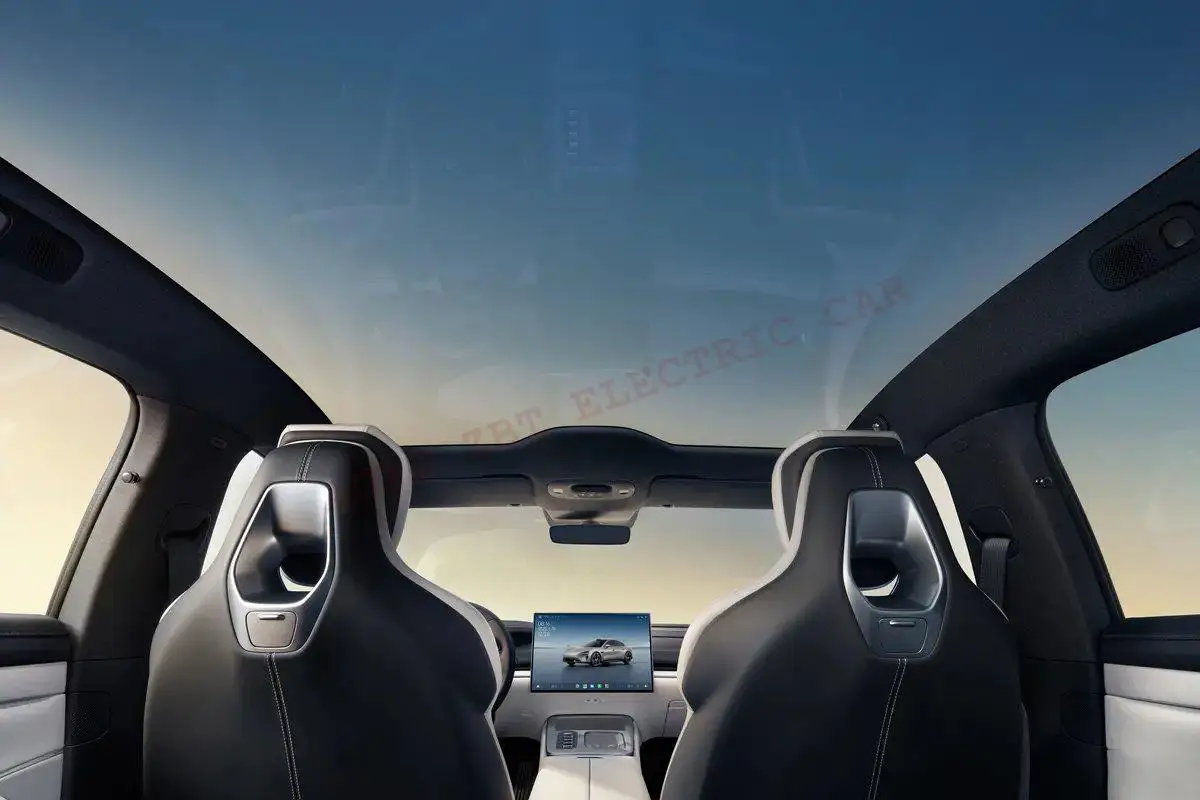
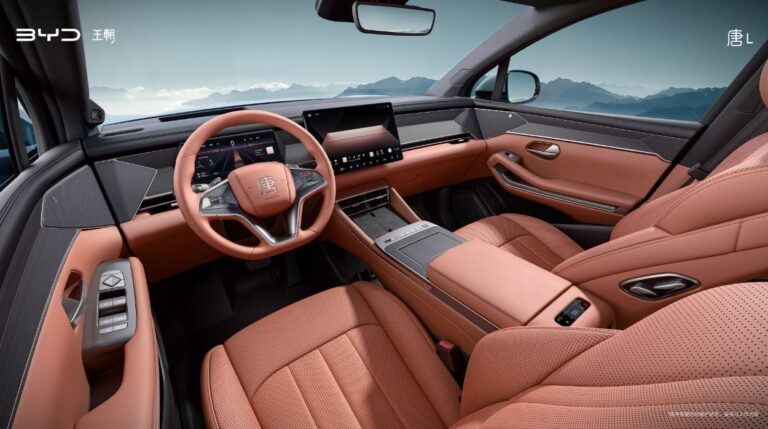
The global automotive landscape is undergoing its most significant transformation since the invention of the internal combustion engine. As of 2026, Chinese electric vehicles (EVs) command over 60% of global EV sales, driven by vertically integrated supply chains, cutting-edge battery chemistry, and aggressive cost optimization that Western manufacturers struggle to match. For international B2B buyers, distributors, and fleet operators, the opportunity to import Chinese EVs represents a generational margin advantage—provided they navigate the regulatory seismic shift implemented on January 1, 2026.
The Chinese Ministry of Commerce’s new mandatory export licensing regime fundamentally alters how vehicles leave the country. No longer can unaffiliated traders exploit regulatory loopholes by labeling new vehicles as “used” to bypass compliance. Only original equipment manufacturers (OEMs) or officially authorized export entities may now ship EVs internationally, ensuring warranty integrity, traceability, and adherence to destination market homologation standards.
This guide provides an exhaustive roadmap for legitimate B2B procurement. We dissect the 2026 model lineup—from the £26,000 BYD Dolphin to the £100,000+ Hongqi E-HS9—analyze the technical complexities of 800V architectures and battery swap systems, and provide exact landed cost calculations for UK and EU markets. Whether you are a dealership group seeking to diversify inventory or a fleet operator electrifying commercial vehicles, understanding China’s 2026 compliance framework is not optional; it is the price of market entry.
2. Deep Dive: Technical Specifications
Chinese EVs in 2026 are not merely competitive; they lead in energy density, charging velocity, and intelligent cockpit integration. The following analysis covers the flagship models available for licensed export, with specifications normalized to WLTP standards where applicable.
Premium Sedan Segment: NIO ET7 vs. BYD Seal
The NIO ET7 represents the pinnacle of Chinese EV engineering, featuring a dual-motor setup producing 483hp and 0-62mph acceleration of 3.9 seconds—outperforming the Audi RS6 while maintaining zero emissions. Critically, NIO offers three battery configurations: 75kWh (usable for urban fleets), 100kWh (the volume seller), and the revolutionary 150kWh semi-solid state pack delivering 400+ miles WLTP range. The standard air suspension with predictive damping (using forward-facing cameras to scan road surfaces) provides a ride quality previously reserved for Mercedes S-Class competitors.
The BYD Seal utilizes the Blade Battery LFP chemistry, offering superior thermal stability and 354 miles WLTP range in its 82.5kWh configuration. Its Cell-to-Body (CTB) architecture increases torsional rigidity by 40% compared to conventional skateboard platforms.
| Model | Battery (kWh) | WLTP Range | Power Output | 0-62 mph | Key Technology |
|---|---|---|---|---|---|
| NIO ET7 | 75/100/150 | 310/400/430+ mi | 483hp dual | 3.9s | Battery Swap (3 min), NAD Autonomous |
| BYD Seal | 82.5 | 354 mi | 523hp dual | 3.8s | CTB Architecture, Blade Battery |
| Xiaomi SU7 Max | 101 | ~400 mi | 673hp dual | 2.78s | HyperEngine V8s, 800V Architecture |
| Xpeng G7 | 80 (est.) | ~380 mi | 348hp | 6.4s | Huawei AR-HUD, XNGP L3 Autonomy |
Mass Market & Fleet Solutions
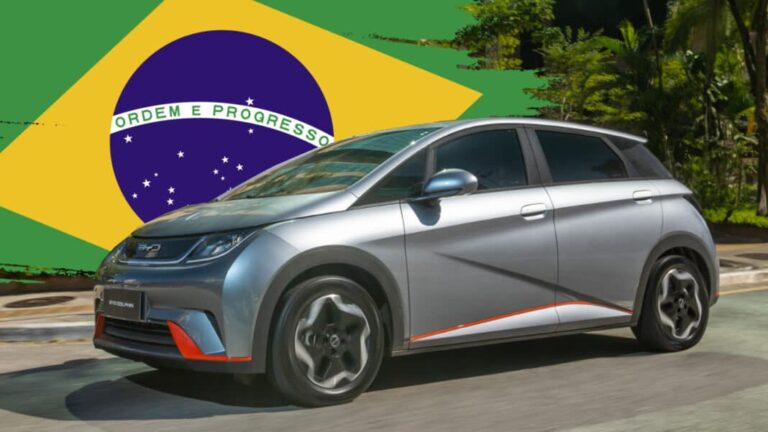
For B2B buyers prioritizing volume and total cost of ownership (TCO), the BYD Dolphin (Ocean Series) starts at approximately £26,000 FOB Shanghai, featuring a 44.9kWh LFP battery and 265-mile WLTP range—ideal for urban rideshare fleets. The Xpeng Mona 03 targets the compact sedan segment with a 62.2kWh LFP pack delivering 640km CLTC (~400km WLTP) and advanced driver assistance systems (ADAS) powered by Qualcomm Snapdragon chips.
Ultra-Luxury & Performance
The Yangwang U9 (under BYD’s luxury division) showcases extreme engineering with a quad-motor output of 2,220kW (2,977hp), utilizing silicon carbide (SiC) inverters for 99.9% energy conversion efficiency. While limited to authorized luxury distributors, it demonstrates China’s capability in hypercar manufacturing.
3. The Localization Challenge: Software, UI, and Connectivity
Importing hardware is straightforward; importing the digital ecosystem requires sophisticated localization. Chinese EVs operate on domestic software stacks optimized for Mandarin voice recognition, Baidu Maps, and domestic 5G networks. For export markets, comprehensive firmware localization is mandatory.
Critical Localization Requirements
Telematics & Connectivity: Most 2026 models utilize the Qualcomm SA8295P chipset or Huawei Kirin platforms. These support multi-language interfaces, but require regional server migration. The NIO Link system, for example, must migrate from Chinese NIO servers to European data centers to ensure GDPR compliance and sub-50ms latency for real-time traffic.
Voice Assistants: NOMI (NIO), Xiao AI (Xiaomi), and Xiao P (Xpeng) require accent training for English, German, French, and Arabic markets. B2B buyers must ensure OEMs provide localized NLP (Natural Language Processing) models, not merely translated interfaces.
App Ecosystem: Chinese vehicles rely heavily on super-app integration (WeChat, Alipay). Export versions require native app store integration (Google Automotive Services for most markets, Huawei Petal Maps where Google is restricted).
OTA Update Infrastructure: Over-the-air updates must route through regional CDN networks. Unauthorized exporters often sell vehicles locked to Chinese servers, rendering OTA functionality useless post-export—a critical warranty and security issue resolved only through licensed export channels.
4. Charging Compatibility: Bridging the GB/T Gap
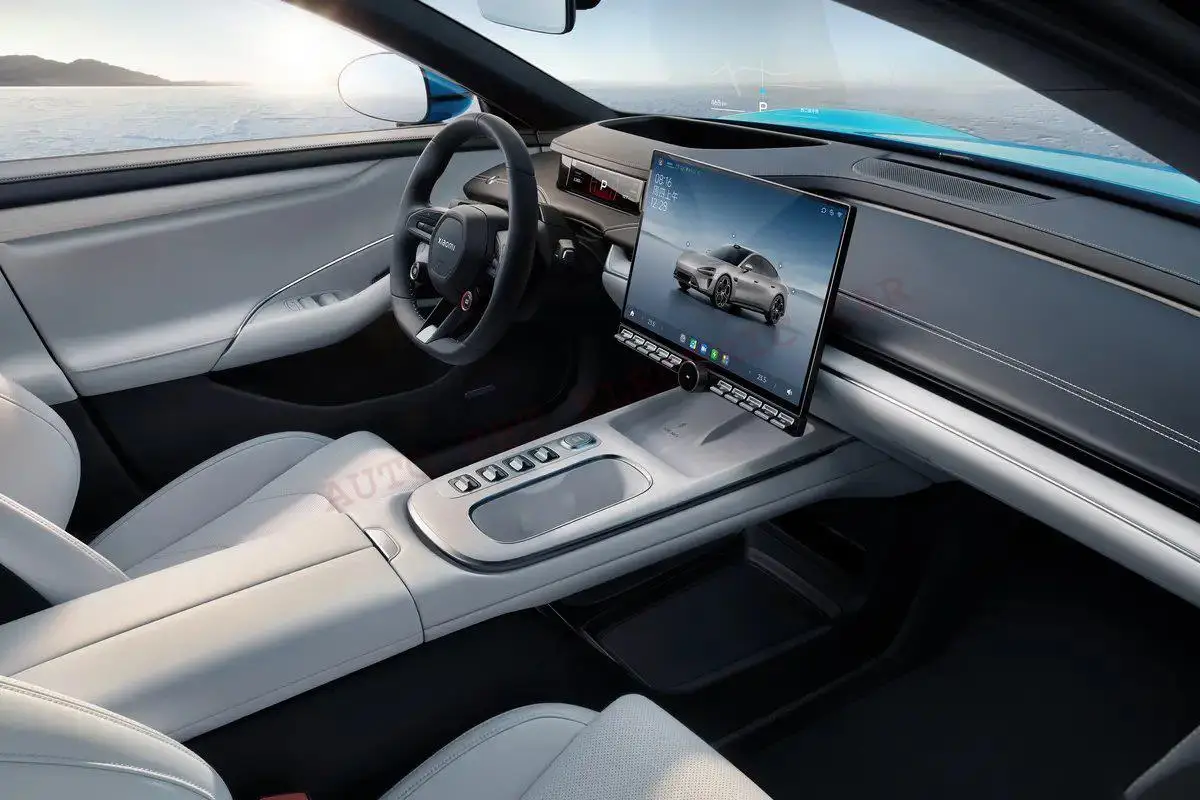
China utilizes the GB/T charging standard (AC: 220V/32A single-phase; DC: 250A maximum under GB/T 20234.3), incompatible with European CCS2 (Combo) or North American CCS1/Type 1 standards. This creates a hardware compatibility challenge that B2B buyers must address before vehicle arrival.
Technical Solutions
Physical Adapters: For AC charging (Type 2 to GB/T), passive adapters suffice for home charging. However, DC fast charging requires active protocol conversion. The 2026 BYD Seal and NIO ET7 for export markets increasingly feature dual charging port configurations or onboard CCS2 protocol converters, but gray-market vehicles often lack these.
800V Architecture Implications: Models like the Xiaomi SU7 Max and Yangwang U9 utilize 800V electrical architectures, enabling 400kW charging speeds. However, European 350kW CCS2 stations typically deliver 500A maximum; without proper current handshaking protocols, charging speeds may be throttled to 150kW.
Battery Swap Infrastructure: NIO’s Power Swap Stations offer 3-minute “refueling” but require proprietary infrastructure investment. For B2B fleet operators, NIO offers “Battery as a Service” (BaaS) export models, reducing upfront vehicle cost by ~£10,000 while charging a monthly battery rental fee—a compelling model for taxi and rideshare fleets.
| Charging Scenario | GB-T Standard | CCS2 Conversion | Cost per Unit |
|---|---|---|---|
| AC Home (7kW) | GB/T inlet | Type 2 Adapter | £150-300 |
| DC Fast (50kW) | GB/T inlet | Active Converter | £800-1,200 |
| DC Ultra (350kW) | GB/T inlet | Protocol + Hardware Mod | £2,000-3,500 |
| NIO Swap Station | Proprietary | N/A (Infrastructure) | £250,000/station |
5. Homologation, Compliance & 2026 Export Regulations
The January 1, 2026, implementation of mandatory export licenses for pure electric vehicles represents the most significant regulatory shift in China’s automotive export history. Administered by the Ministry of Commerce (MOFCOM) in coordination with MIIT, GAC, and SAMR, these regulations terminate the “gray market” era.
The 2026 Export License Framework
Authorized Entity Requirement: Only two categories may legally export EVs:
1. Vehicle Manufacturers: OEMs with production qualifications and export permits.
2. Authorized Trading Companies: Entities holding written authorization from OEMs, registered with MOFCOM, and possessing automotive export qualifications.
Prohibited Practices: The practice of purchasing vehicles domestically, registering them as “used” (transferring title to circumvent export restrictions), and shipping them as second-hand goods is now explicitly banned for EVs. Vehicles exported under the new regime must be declared as “new motor vehicles” with complete VIN traceability to the manufacturing facility.
Destination Market Homologation
European Union (EU): Vehicles must comply with UNECE regulations (ECE R10 EMC, R94/R95 crash safety) and hold whole vehicle type approval (WVTA). The 2026 BYD Seal and NIO ET7 hold full EU small series or full type approval, but unauthorized exports may lack CoC (Certificate of Conformity) documentation, preventing registration.
United Kingdom: Post-Brexit, the UKCA marking applies, though UNECE approvals remain valid. The 2026 models require RHD (Right-Hand Drive) conversion for UK markets—a factory option available only through licensed export channels.
Middle East & GCC: GSO (Gulf Standardization Organization) conformity is required. Models like the Xpeng G7 and MG5 are pre-homologated for GCC markets, including extreme climate testing (50°C+ ambient temperature validation).
Documentation Package: Licensed exporters provide:
– CCC (China Compulsory Certificate) for production compliance
– Export License (2026 mandatory)
– VIN-specific Battery Test Reports (UN 38.3)
– CoC for destination market
– English/French/Arabic User Manuals (localized)
6. Global Logistics & Supply Chain
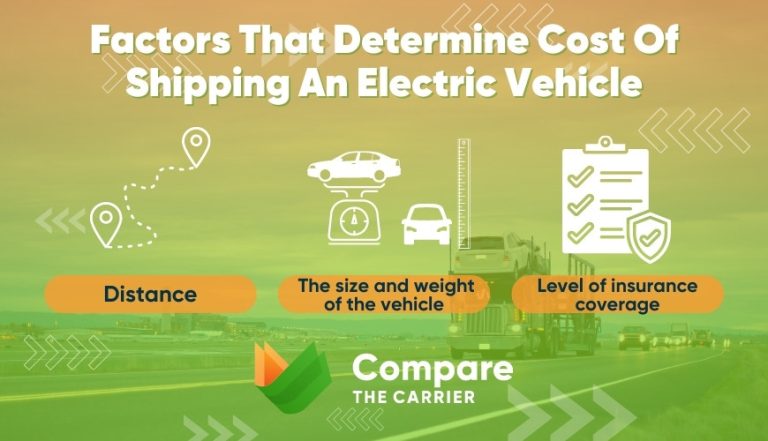
Transporting lithium-ion batteries (UN 3480/3481 classified dangerous goods) requires specialized handling. The 2026 export framework mandates that only DG-certified carriers handle EV shipments.
Shipping Modalities
Roll-on/Roll-off (RORO): Preferred for volume shipments (10+ units). Vehicles are driven onto specialized vessels. Cost: $800-1,200 per vehicle Shanghai to Felixstowe (UK) or Zeebrugge (Belgium). Transit time: 28-35 days.
Containerized (LCL/FCL): Required for mixed cargo or destinations without RORO service. EVs must be secured in 40’HC containers with DG labeling. Lithium battery segregation rules apply—maximum 2 EVs per 40′ container unless battery charge is reduced to <30% SOC. Cost: $1,500-2,200 per vehicle including dangerous goods handling.
Incoterms Strategy:
– EXW (Ex Works): Buyer assumes risk at factory gate. Suitable only for experienced importers with Chinese logistics partners.
– FOB (Free On Board): Risk transfers at Shanghai port. Recommended for most B2B buyers.
– CIF (Cost, Insurance, Freight): Seller covers transit to destination port. Simplifies customs clearance but limits carrier choice.
Insurance: Marine cargo insurance must cover “Institute Cargo Clauses (A)” including battery thermal runaway damage. Standard automotive policies often exclude EV battery incidents.
7. Financial Breakdown: Landed Cost & Dealer Profit Margins (Case Study)
To illustrate the economics of licensed versus unlicensed importation, we analyze a 10-unit import of the BYD Seal (Premium trim) to the United Kingdom under the 2026 regulatory framework.
Scenario A: Licensed Export Channel (Electric Auto China)
| Cost Component | Calculation | GBP per Unit | Total (10 units) |
|---|---|---|---|
| EXW Factory Price | OEM Net | £28,500 | £285,000 |
| Export License Fee | MOFCOM processing | £150 | £1,500 |
| Domestic Logistics | Factory to Shanghai Port | £200 | £2,000 |
| FOB Documentation | Customs clearance, VIN registration | £350 | £3,500 |
| Ocean Freight (RORO) | Shanghai → Felixstowe, DG handling | £950 | £9,500 |
| Marine Insurance | 110% of CIF value | £320 | £3,200 |
| UK Import Duty | 10% (HS 8703.80) | £2,850 | £28,500 |
| UK VAT | 20% on (CIF + Duty) | £6,574 | £65,740 |
| Type Approval & IVA | Individual Vehicle Approval (if needed) | £500 | £5,000 |
| Landed Cost | Total | £40,444 | £404,440 |
Retail Pricing: UK market OTR (On The Road) price for comparable spec: £48,000.
Gross Margin: £7,556 per unit (18.7% margin) or £75,560 total shipment.
Scenario B: Gray Market (Pre-2026 Loophole – Now Illegal)
While previously possible, the 2026 regulations render this channel non-viable. Attempting to export without a license results in:
– Customs seizure at Chinese port (100% risk post-Jan 2026)
– Lack of CoC documentation, preventing UK registration
– Voided manufacturer warranty (battery coverage requires authorized export VIN)
– Potential criminal liability under China’s Foreign Trade Law
Fleet Procurement Economics (NIO ET7 BaaS Model)
For commercial fleet operators, NIO’s Battery-as-a-Service reduces capital expenditure:
| Model | Purchase Price (Battery Excluded) | Monthly Battery Fee (100kWh) | Total 3-Year TCO |
|---|---|---|---|
| NIO ET7 | £38,000 | £180/month | £44,480 |
| Tesla Model S LR | £92,000 | N/A (included) | £92,000+ |
| Savings | £54,000 upfront | – | £47,520 (52%) |
8. Securing After-Sales Support & Spare Parts
The 2026 export license regime mandates that authorized exporters establish spare parts supply chains. This addresses the historical pain point of Chinese EV imports: maintenance accessibility.
Warranty Architecture
Manufacturer Warranty: Licensed exports carry transferable 6-year/150,000km vehicle warranties and 8-year/200,000km battery warranties. Critical: Warranty is only valid if the VIN appears in the OEM’s export registry linked to the destination market.
Spare Parts Logistics: Electric Auto China maintains bonded warehouses in Rotterdam (EU) and Dubai (GCC) stocking high-rotation items: headlamps, bumper assemblies, brake pads, and HVAC units. Battery packs are shipped via air freight (cargo-only aircraft, UN 38.3 certified) with 14-day lead times.
Technical Training
Authorized distributors receive:
– High-voltage safety certification (Level 3 EV technician)
– Diagnostic tool access (BYD DiLink, NIO Link, Xpeng Xmart OS)
– Battery swap station operation certification (for NIO partners)
Software Support
Licensed export vehicles receive lifetime OTA updates regionalized for the destination market. This includes autonomous driving map updates (HD mapping for NIO NAD, Xpeng XNGP) and cybersecurity patches—unavailable on gray-market vehicles locked to Chinese server domains.
9. Why Partner with Electric Auto China
As a Shanghai-based licensed export consultancy with MOFCOM authorization and direct OEM partnerships, Electric Auto China bridges the compliance gap between Chinese manufacturing excellence and international regulatory requirements.
Our Competitive Advantages:
-
Regulatory Guarantee: We are registered with the Ministry of Commerce as an authorized automotive export entity. Every vehicle ships with the mandatory 2026 export license, ensuring customs clearance and warranty validity.
-
Homologation Management: We handle WVTA, GCC, and UKCA compliance documentation, including CoC, EMC testing reports, and localized user manuals—eliminating registration delays.
-
Financial Structuring: We offer flexible payment terms (Letter of Credit, 30/60/90-day credit for qualified buyers) and currency hedging (CNY/USD/EUR/GBP) to protect against forex volatility.
-
Technical Localization: Our engineering team pre-configures vehicles with CCS2 charging hardware, regional software, and RHD conversions before shipping, ensuring immediate market readiness.
-
After-Sales Infrastructure: Through our European and Middle Eastern service partnerships, we provide 48-hour spare parts delivery and certified technical training for your service centers.
The 2026 Opportunity
With the closure of gray-market channels, legitimate B2B buyers gain a protected market position. By partnering with Electric Auto China, you secure access to the world’s most advanced EV technology—BYD’s Blade Battery safety, NIO’s battery swap convenience, Xiaomi’s hypercar performance—backed by compliant documentation and genuine manufacturer support.
The Chinese EV export market has matured from a Wild West of arbitrage to a structured, quality-controlled industry. Buyers who adapt to the 2026 regulatory framework will dominate the next decade of automotive retail. Contact our Shanghai headquarters today to discuss volume allocation for Q1 2026 production slots.
Unlock High-Margin EV Imports with Electric Auto China
As an elite automotive supply chain partner in Shanghai, we provide end-to-end, strictly compliant export solutions tailored for international dealerships, fleet managers, and wholesale distributors.
- 🛡️ 100% Legal & Compliant: Fully licensed exports ensuring smooth customs clearance at your destination.
- ⚙️ Complete Localization: Professional English/Arabic/Russian OS flashing and GB/T to CCS2 charging solutions.
- 🚢 Secure Logistics: Direct Ro-Ro and Containerized shipping with full UN38.3 battery certifications.
- 🔧 After-Sales Support: Reliable access to OEM diagnostic tools and steady spare parts supply.
Request a Detailed FOB/CIF Quote Today:
📧 B2B Sales Email: [email protected]
💬 Direct WhatsApp: +86 159 5127 6160