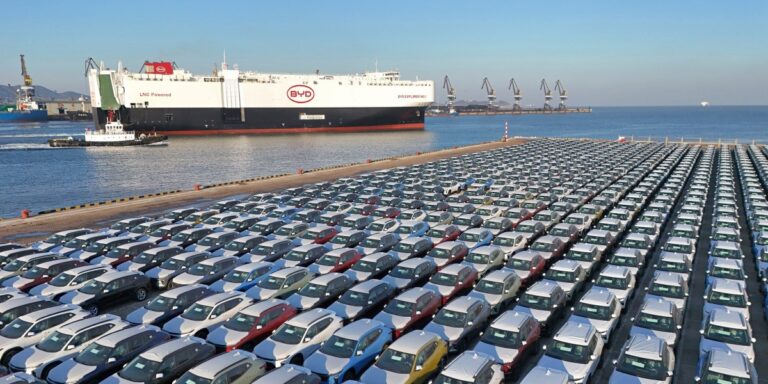
The Ultimate 2026 B2B Export Guide for China car trading company: Pricing, Compliance & Localization
1. Executive Summary
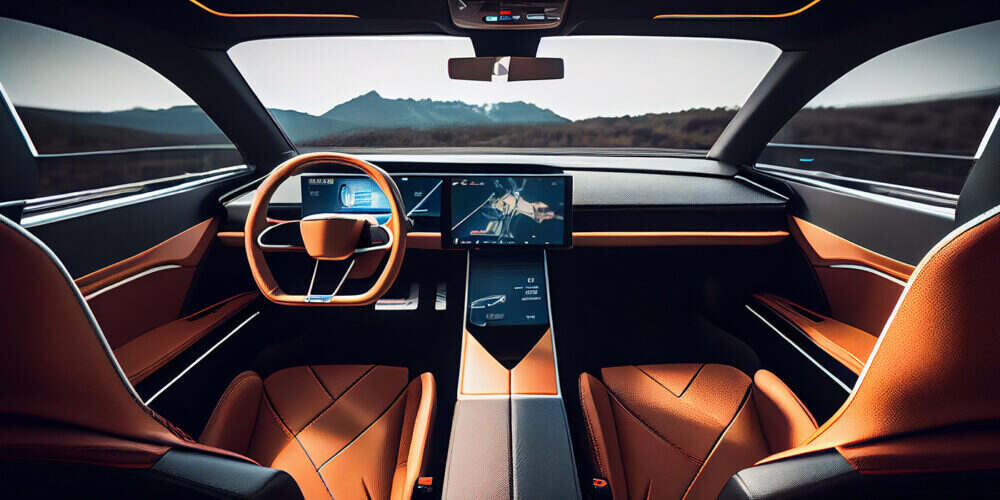
The global electric vehicle landscape has undergone a seismic shift. As of 2026, Chinese manufacturers control over 60% of worldwide EV sales, leveraging vertically integrated supply chains, revolutionary battery technologies, and aggressive cost efficiencies that Western legacy automakers struggle to match. For international B2B buyers—whether fleet operators, dealership groups, or automotive trading houses—sourcing from a certified China car trading company has become not merely an opportunity but a strategic imperative.
However, 2026 marks a regulatory inflection point. China’s Ministry of Commerce (MOFCOM) has implemented a mandatory Export Permit System for electric vehicles, fundamentally altering how EVs exit Chinese ports. This framework, effective January 2026, requires manufacturers and trading companies to secure government-issued licenses, submit to compulsory customs inspections, and demonstrate compliance with stringent supplier payment regulations. The era of “aggressive discounting” and opaque export practices has ended; replaced by a structured, traceable, and compliant export ecosystem.
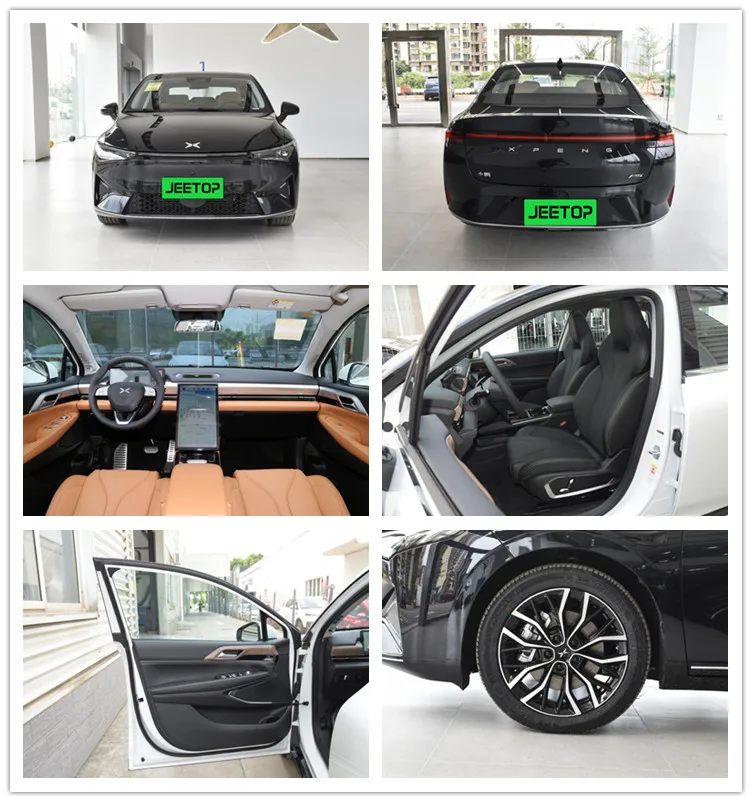
Simultaneously, the United Kingdom and European markets present unprecedented demand catalysts. The UK’s Salary Sacrifice schemes have democratized access to premium Chinese EVs like the BYD Seal and NIO ET7, while the EU—despite tariff impositions—continues to absorb Chinese EV exports valued at $19 billion annually. Models such as the Xiaomi SU7 (featuring 900V architecture and 560-mile range), Li Auto L9 (limousine-class three-row luxury), and XPeng G7 (L3 autonomous capability) offer specifications that render traditional OEM offerings obsolete at price points 30-40% lower.
This guide provides the technical, regulatory, and financial blueprint for navigating this complex environment. From GB/T charging standard conversions to landed cost calculations incorporating the new export permit fees, we deliver the actionable intelligence required to capitalize on China’s EV dominance while maintaining strict regulatory compliance.
2. Deep Dive: Technical Specifications
Chinese EVs in 2026 are not merely “budget alternatives”—they represent the vanguard of automotive technology. When sourcing through a China car trading company, understanding the technical differentiation between domestic market specifications and export-ready configurations is critical.
Battery Architecture & Thermal Management
The 2026 model year introduces widespread adoption of 800V-900V architectures, dramatically reducing charging times. BYD’s Blade Battery (Lithium Iron Phosphate) remains the industry benchmark for safety, eliminating thermal runaway risks while delivering 260-354 miles of range in models like the Atto 3 and Seal. Meanwhile, NIO’s swappable battery ecosystem—compatible with the ET5, ET7, and EL8—allows users to upgrade from 75kWh to 100kWh or 150kWh semi-solid state packs, effectively future-proofing against battery degradation.
Performance Metrics: 2026 Flagship Models
| Model | Segment | Battery Capacity | Range (WLTP) | Architecture | Key Technology | UK Market Price (Est.) |
|---|---|---|---|---|---|---|
| BYD Seal | Executive Sedan | 82.5 kWh | 354 miles | 800V | Blade Battery, CTB | £42,000-£48,000 |
| NIO ET7 | Luxury Sedan | 100 kWh | 405 miles | 400V (Swappable) | Battery Swap 3.0, NAD Autonomy | £65,000-£75,000 |
| Xiaomi SU7 | Performance Sedan | 101 kWh | 560 miles (CLTC) | 900V | HyperOS, 700 TOPS compute | £45,000-£55,000 |
| Li Auto L9 | Full-Size SUV | 44.5 kWh (EREV) | 800 miles (combined) | N/A | LiDAR, Five-Screen Cockpit | £70,000-£85,000 |
| XPeng G7 | Mid-Size SUV | 80 kWh | 435 miles | 800V | XNGP L3 Autonomy, AR-HUD | £38,000-£45,000 |
| Hongqi E-HS9 | Luxury SUV | 120 kWh | 320 miles | 400V | Executive Rear Seating | £100,000+ |
Note: Range figures converted from CLTC to approximate WLTP equivalents where applicable. Prices represent UK landed estimates before local taxes.
Autonomous Driving Capabilities
2026 models feature hardware redundancy previously reserved for luxury German marques. The Xiaomi SU7 and XPeng G7 include LiDAR as standard, coupled with computing power exceeding 500 TOPS (Trillion Operations Per Second). NIO’s Aquila Super Sensing system integrates 33 sensors, including high-resolution LiDAR and 8MP cameras, enabling NAD (Navigate on Autopilot) functionality across European motorways.
Build Quality & Platform Integrity
Geely’s SEA (Sustainable Experience Architecture) platform underpins the EX2 and Volvo-branded exports, offering torsional rigidity exceeding 40,000 Nm/deg. BYD’s e-Platform 3.0 utilizes Cell-to-Body (CTB) technology, integrating the battery pack as a structural chassis element, improving interior space utilization by 15% while reducing weight.
3. The Localization Challenge: Software, UI, and Connectivity
Sourcing vehicles from a China car trading company requires rigorous attention to software localization—a frequently underestimated cost center in B2B import operations.
Operating System & Language Localization
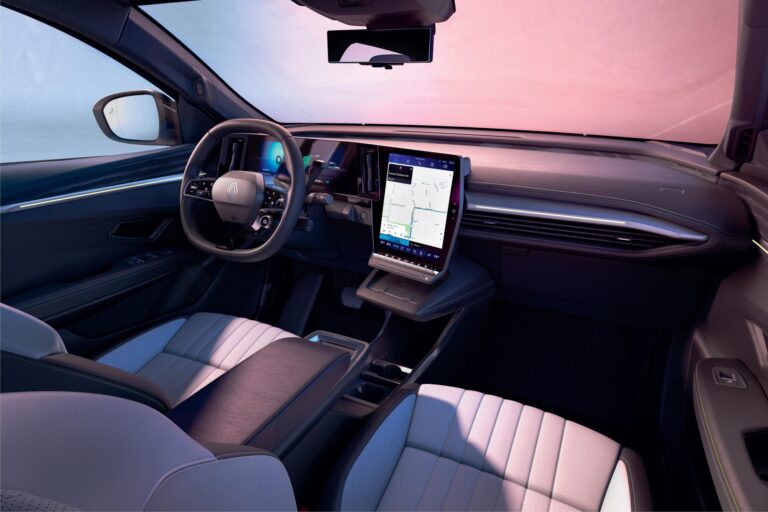
Chinese domestic market vehicles ship with Mandarin-centric HMI (Human-Machine Interface) systems. The 2026 export mandate requires English (or target market language) UI overlays, but implementation quality varies:
- Tier 1 Export-Ready: NIO, XPeng, and BYD offer fully localized English interfaces with OTA (Over-The-Air) update capability for international markets.
- Tier 2 Partial Localization: Li Auto and Xiaomi currently provide English UI but retain Mandarin voice recognition; retrofitting requires third-party software integration (£800-£1,200 per unit).
Connectivity & Data Sovereignty
Chinese EVs rely heavily on cloud-based services for navigation, remote control, and OTA updates. Export models must transition from Chinese servers (Baidu, Tencent) to European GDPR-compliant infrastructure. This necessitates:
- eSIM Re-provisioning: Replacing China Mobile/Unicom eSIMs with local carrier partnerships (Vodafone, EE).
- App Ecosystem Migration: Ensuring companion apps (NIO App, BYD App) function with international phone numbers and payment gateways.
- Privacy Compliance: Disabling biometric data collection (facial recognition for driver profiles) in markets with strict biometric privacy laws.
Navigation & Mapping
Domestic Chinese navigation utilizes Baidu Maps or Amap, which lack detailed European cartography. Export configurations must integrate TomTom or HERE Maps data, requiring hardware module swaps in some 2025 legacy models. For 2026 production, most manufacturers have transitioned to global navigation platforms, but verification of map licensing remains essential during pre-shipment inspection.
4. Charging Compatibility: Bridging the GB/T Gap
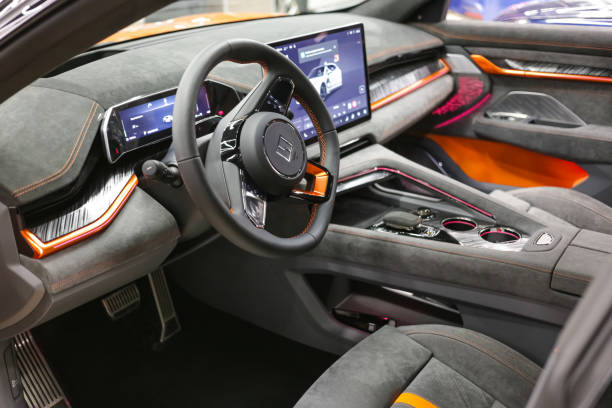
The most critical technical hurdle for UK and EU importers is the charging interface standard. Chinese domestic vehicles utilize GB/T connectors (DC: GB/T 20234.3; AC: GB/T 20234.2), incompatible with European CCS2 and UK Type 2 infrastructure.
The Adapter Strategy
For B2B buyers, three solutions exist:
| Solution | Cost per Unit | Pros | Cons |
|---|---|---|---|
| CCS2 Retrofit | £1,200-£1,800 | Permanent solution, full 150kW+ capability | Voided manufacturer warranty, requires homologation re-testing |
| GB/T to CCS2 Adapter | £350-£500 | Plug-and-play, reversible | Bulky, reduces charging speed by 10-15%, theft risk |
| NIO Battery Swap | Subscription | Eliminates charging anxiety, instant “refueling” | Limited network (UK rollout 2026), monthly fee (£120-£180) |
NIO’s Battery Swap Infrastructure
NIO represents the exception to charging incompatibility. Their Power Swap Stations (PSS) 3.0 can exchange a depleted battery for a fully charged unit in under 5 minutes. For UK fleet operators, this eliminates downtime concerns. The 2026 UK network launch targets 20 stations initially, covering London-Manchester-Birmingham corridors. B2B buyers should negotiate swap station installation subsidies within bulk purchase agreements—typically £15,000-£25,000 credit per 50 vehicles purchased.
AC Charging Considerations
While DC fast charging requires adapters, AC charging (home/workplace) is manageable. GB/T AC connectors differ from Type 2, but cable adapters are readily available (£80-£120). However, onboard chargers in Chinese EVs are often limited to 6.6kW (single-phase), whereas European three-phase 11kW or 22kW charging is standard. Verify onboard charger specifications; upgrading to three-phase compatibility adds £400-£600 to unit costs but is essential for fleet efficiency.
5. Homologation, Compliance & 2026 Export Regulations
The regulatory landscape for Chinese EV exports transformed on January 1, 2026. Understanding these mandates is non-negotiable for any China car trading company engaged in international B2B transactions.
The 2026 Export Permit System
Under MOFCOM Directive 2025-EV-Export, all electric vehicle exports now require:
- Export License Application: Manufacturers or authorized trading entities must submit vehicle specifications, intended destination markets, and proof of compliance with destination country standards.
- Supplier Payment Verification: Documentation proving all component suppliers have been paid within 60 days (curbing the previous “aggressive discounting” practices that strained supply chains).
- Customs Inspection List: Compulsory verification of battery safety certifications (UN38.3), cybersecurity compliance, and software version control before port departure.
European & UK Type Approval
For UK entry, vehicles must obtain:
- Whole Vehicle Type Approval (WVTA): Compliance with UNECE regulations ( braking, lighting, EMC).
- GB Type Approval: Post-Brexit UK-specific certification, though currently aligned with UNECE standards.
- Battery Passport: From 2027 (phased in 2026), batteries must include digital passports detailing carbon footprint, material sourcing, and recycling protocols.
Tariff Implications
The European Union has imposed additional tariffs on Chinese EVs (up to 35.3% depending on manufacturer cooperation), while the UK currently maintains 10% standard duty rates. However, the UK-EU Rules of Origin regulations complicate transshipment strategies. Direct import to UK ports (Southampton, Bristol) remains the most cost-effective route, avoiding EU tariff stacking.
Cybersecurity & Software of Unknown Provenance (SOUP)
2026 regulations mandate OTA update capabilities must include rollback protections and encrypted transmission protocols. For importers, this requires establishing secure VPN tunnels to Chinese manufacturer servers or negotiating localized update hosting—adding £15,000-£30,000 annual infrastructure costs for large fleets.
6. Global Logistics & Supply Chain
Efficient logistics management distinguishes professional B2B import operations from speculative trading. When engaging a China car trading company, understanding the physical movement of high-value battery electric vehicles is paramount.
Shipping Modalities
Roll-on/Roll-off (RoRo): Preferred for drivable units. Shanghai Port (Luchao Port) and Ningbo-Zhoushan handle 70% of China’s EV exports. Transit time to UK: 28-35 days via Suez Canal.
Containerized (Flat Rack/High Cube): Required for non-operational vehicles or those with ultra-low ground clearance (sports EVs). Costlier but offers protection from maritime elements. Essential for prototype or pre-homologation vehicles.
Battery Transportation Classifications
Lithium-ion batteries exceeding 100Wh are Class 9 Dangerous Goods under IMDG Code. 2026 regulations require:
- State of Charge (SoC) not exceeding 30% during transit
- Thermal runaway propagation testing documentation
- Emergency response procedures filed with shipping lines (Maersk, COSCO, MSC)
Port of Entry & Customs Brokerage
UK customs clearance requires:
– EORI Number: Essential for VAT tracking
– C88/E2 Document: Customs entry declaration
– C79 Certificate: Proof of VAT paid (recoverable for VAT-registered businesses)
Shanghai-based trading companies must provide Export Customs Declaration (出口报关单) with HS Code 8703.80 (Motor cars with only electric motors), ensuring correct duty classification to avoid UK Border Force delays.
Insurance & Risk Management
Marine cargo insurance for EVs requires specific battery fire coverage. Standard Institute Cargo Clauses (C) exclude thermal runaway incidents. Secure “All Risks” coverage with EV-specific riders, typically 0.15-0.25% of CIF value.
7. Financial Breakdown: Landed Cost & Dealer Profit Margins (Case Study)
Understanding true landed costs enables accurate pricing strategies for Salary Sacrifice schemes and fleet leasing. Below is a detailed financial model for importing two distinct 2026 models via a certified China car trading company.
Case Study A: BYD Seal (Executive Fleet Vehicle)
| Cost Component | Amount (GBP) | Notes |
|---|---|---|
| EXW Shanghai | £32,000 | Factory gate price, 2026 model year |
| Export Permit Fee | £400 | New 2026 MOFCOM administrative cost |
| Domestic Transport | £300 | Shanghai port delivery |
| Export Documentation | £250 | Certificate of Origin, export license |
| Ocean Freight (RoRo) | £1,200 | 40-day transit, bunker adjustment |
| Marine Insurance (110% CIF) | £380 | All-risks including battery coverage |
| CIF Southampton | £34,530 | Cost, Insurance, Freight |
| UK Import Duty (10%) | £3,453 | Based on CIF value |
| VAT (20%) | £7,597 | Applied to (CIF + Duty) |
| Homologation & Type Approval | £2,500 | Single vehicle approval (IVA) or bulk WVTA amortization |
| CCS2 Retrofit | £1,500 | Permanent charging solution |
| Software Localization | £800 | English UI optimization |
| Total Landed Cost | £50,380 | Ready for UK registration |
| Recommended Retail | £58,000 | 15% dealer margin |
| Salary Sacrifice Monthly | £520 | 40% tax relief bracket, 3-year term |
Case Study B: NIO ET7 (Luxury Fleet/Swap Model)
| Cost Component | Amount (GBP) | Notes |
|---|---|---|
| EXW Shanghai | £52,000 | Includes 100kWh battery ownership |
| Export Permit Fee | £400 | 2026 compliance |
| Domestic Transport | £300 | |
| Export Documentation | £250 | |
| Ocean Freight (RoRo) | £1,400 | Premium vehicle handling |
| Marine Insurance | £590 | Higher value coverage |
| CIF Southampton | £54,940 | |
| UK Import Duty (10%) | £5,494 | |
| VAT (20%) | £12,087 | |
| Homologation | £2,000 | Amortized across bulk shipment |
| Swap Station Infrastructure Credit | -£500 | NIO subsidy per unit (bulk) |
| Total Landed Cost | £74,021 | |
| Recommended Retail | £85,000 | |
| BaaS Subscription (Monthly) | £140 | Battery as a Service (optional) |
Margin Analysis for B2B Resellers
For dealership groups, the critical metric is Capital Employed Return. With Chinese EVs, the reduced EXW pricing allows for competitive retail pricing while maintaining 12-18% margins—superior to the 8-10% typical of European legacy EVs. However, factor in:
- Working Capital: 60-90 day cash conversion cycle (order to delivery)
- Currency Hedging: GBP/CNY volatility; recommend forward contracts at 6.5-7.0 CNY/GBP
- Pre-registration Costs: Storage, PDI (Pre-Delivery Inspection), and charging infrastructure at £150/unit
8. Securing After-Sales Support & Spare Parts
The Achilles’ heel of parallel import EVs has historically been after-sales service. A professional China car trading company must provide structured support frameworks.
Warranty Transfer & Localization
Chinese domestic warranties (typically 6 years/150,000km for batteries) are not automatically valid internationally. Negotiate International Warranty Addendums covering:
- Battery Degradation: Guarantee of 70% capacity retention over 8 years
- Drive Motor & Inverter: 5-year coverage
- High-Voltage Cables: 3-year replacement
Cost: £800-£1,200 per vehicle to extend domestic warranty to international coverage.
Spare Parts Logistics
Establish a Regional Distribution Hub (recommended: Midlands or Rotterdam for EU/UK coverage). Critical spare parts inventory should include:
| Component | Lead Time from China | Stocking Recommendation |
|---|---|---|
| Battery Packs | 45-60 days | 2% of fleet value as spare inventory |
| Headlamps (LED Matrix) | 30 days | Fast-moving, fragile |
| Touchscreens/ECUs | 25 days | Software-locked; requires VIN pairing |
| Charging Port Assemblies | 15 days | High failure rate with adapter use |
| Suspension Components | 40 days | Model-specific |
Diagnostic Equipment
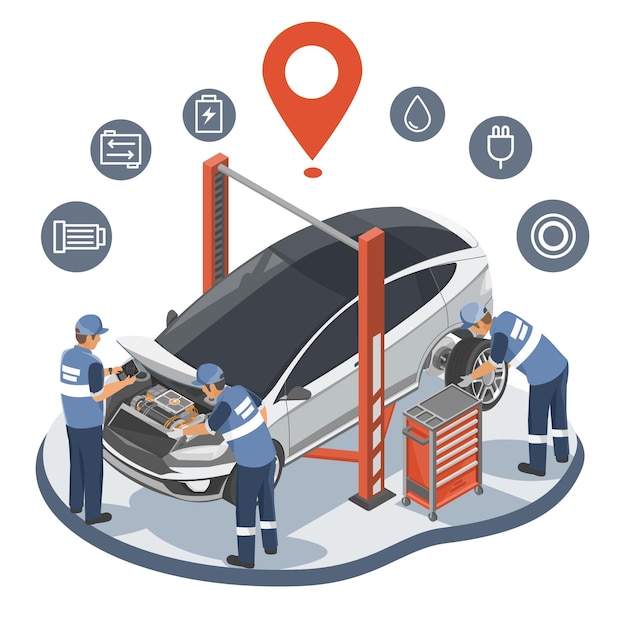
Chinese EVs utilize proprietary diagnostic protocols (BYD’s VDS, NIO’s NOMI diagnostics). Importers must purchase authorized diagnostic tablets (£3,500-£5,000 per unit) and subscribe to technical information systems (£2,000/year).
Service Training
Manufacturer-certified training for local technicians is essential. Budget £5,000 per technician for high-voltage safety and battery swap system certification (NIO-specific).
9. Why Partner with Electric Auto China
As Shanghai’s premier B2B EV export consultancy, Electric Auto China bridges the gap between China’s manufacturing dominance and international compliance requirements. Our value proposition addresses the three critical pain points of 2026 EV importing:
Regulatory Mastery
We maintain direct MOFCOM licensing authority, ensuring every vehicle shipped carries valid 2026 Export Permits and complete customs inspection documentation. Our compliance team monitors real-time changes in UK Type Approval and EU Battery Passport regulations, guaranteeing your inventory meets destination market standards before departure.
Technical Integration
Unlike commodity traders, we provide factory-direct software localization, CCS2 charging retrofits, and English-language HMI configuration at our Shanghai Technical Center. This eliminates the “grey import” stigma, delivering vehicles that meet UK dealership quality standards upon arrival.
Financial & Logistical Structuring
We offer structured payment terms (Letter of Credit, 30/60/90 day credit lines for qualified buyers) and locked exchange rates. Our logistics division manages Dangerous Goods certification, marine insurance with battery-specific coverage, and UK customs clearance, providing true Door-to-Door landed pricing.
Exclusive Market Access
Through partnerships with BYD, NIO, XPeng, and Li Auto, we secure allocation priority for high-demand models (Xiaomi SU7, Geely EX2) and negotiate Battery-as-a-Service (BaaS) infrastructure subsidies for fleet operators exceeding 25 units.
Contact our B2B Export Division today to receive your customized 2026 Import Prospectus, including real-time EXW pricing, available homologation slots, and detailed landed cost calculations for your specific market requirements.
Electric Auto China: Powering the Global Transition, One Compliant Export at a Time.
Unlock High-Margin EV Imports with Electric Auto China
As an elite automotive supply chain partner in Shanghai, we provide end-to-end, strictly compliant export solutions tailored for international dealerships, fleet managers, and wholesale distributors.
- 🛡️ 100% Legal & Compliant: Fully licensed exports ensuring smooth customs clearance at your destination.
- ⚙️ Complete Localization: Professional English/Arabic/Russian OS flashing and GB/T to CCS2 charging solutions.
- 🚢 Secure Logistics: Direct Ro-Ro and Containerized shipping with full UN38.3 battery certifications.
- 🔧 After-Sales Support: Reliable access to OEM diagnostic tools and steady spare parts supply.
Request a Detailed FOB/CIF Quote Today:
📧 B2B Sales Email: [email protected]
💬 Direct WhatsApp: +86 159 5127 6160