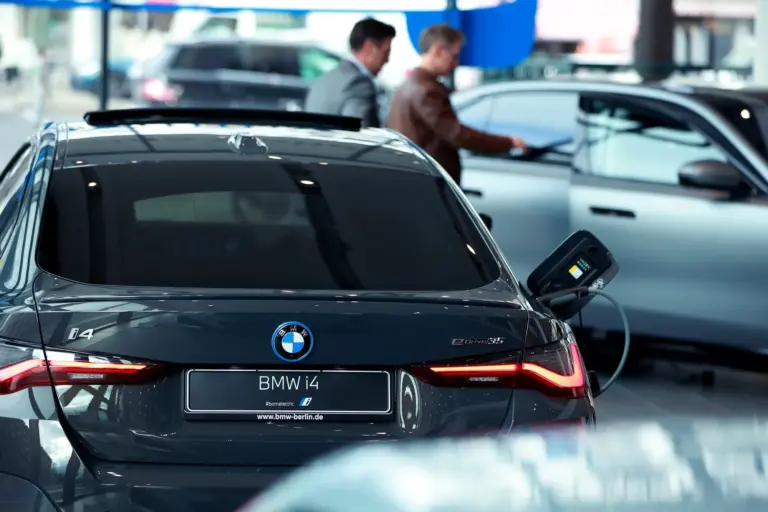
The Ultimate 2026 B2B Export Guide for china electric vehicle company: Pricing, Compliance & Localization
1. Executive Summary
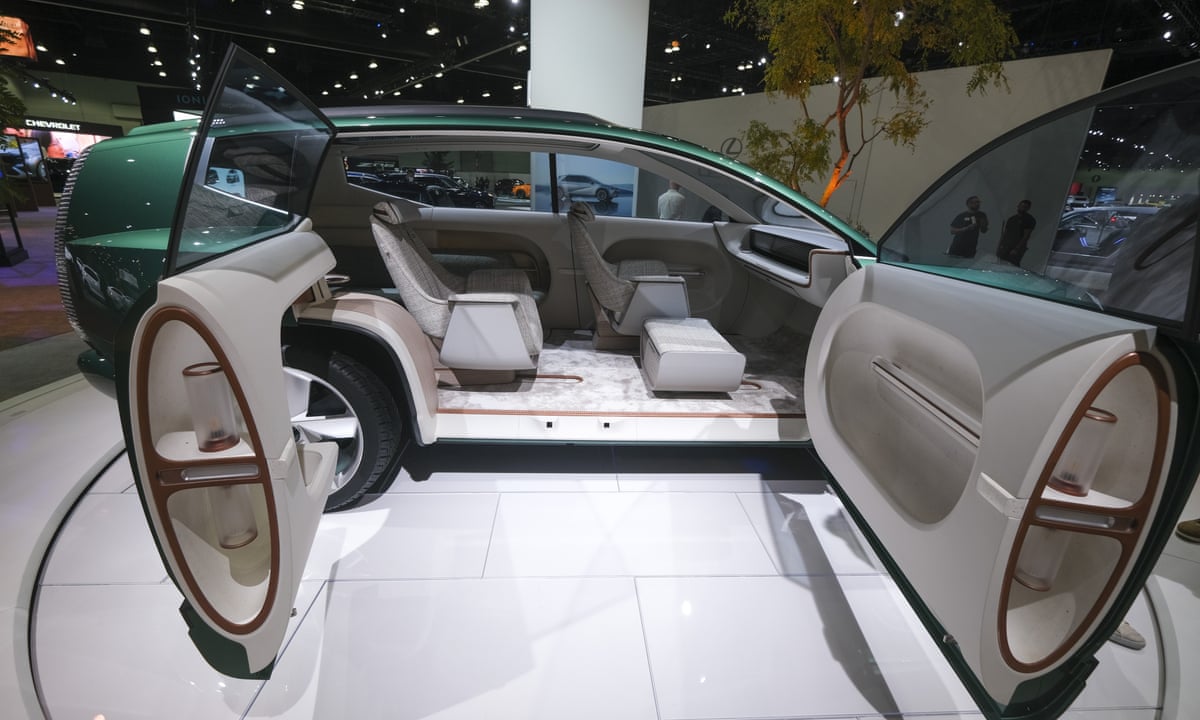
The global electric vehicle landscape undergoes a seismic regulatory shift on January 1, 2026. As Chief Export Consultant at Electric Auto China, headquartered in Shanghai, I have witnessed firsthand the transformation of China’s EV sector from a domestic powerhouse to a regulated export industry commanding 60% of global EV sales. The implementation of mandatory export permits, energy consumption standards, and the formal prohibition of unauthorized “gray market” exports fundamentally alters how international B2B buyers engage with china electric vehicle company partners.
For 2026 and beyond, successful importation requires navigating three critical pillars: regulatory compliance (export permits and the 15.1 kWh/100km energy efficiency mandate), technical localization (GB/T to CCS2 charging adaptation and software ecosystem integration), and authorized supply chain partnerships. The era of opportunistic parallel exports—where unaffiliated dealers shipped vehicles mislabeled as used cars to circumvent regulations—ends definitively on December 31, 2025.
This guide provides foreign B2B buyers, fleet operators, and automotive distributors with actionable intelligence on securing compliant supply chains from premier manufacturers including BYD, NIO, Xpeng, and emerging tech entrants like Xiaomi Auto and Huawei-backed Luxeed. We examine the 2026 model lineup spanning the £26,000 BYD Dolphin to the £100,000+ Hongqi E-HS9, analyzing how China’s new energy vehicle (NEV) efficiency standards impact export eligibility and pricing structures.
Critical for UK and European buyers: the intersection of China’s export controls with local salary sacrifice schemes and WLTP homologation requirements creates both opportunity and complexity. Vehicles must now demonstrate sub-15.1 kWh/100km consumption (for 2-tonne class) to maintain production eligibility, effectively filtering substandard products while ensuring exported models offer genuine competitive advantage against legacy European OEMs.
2. Deep Dive: Technical Specifications
Chinese EV manufacturers have transcended the “value alternative” positioning to become technology leaders, particularly in battery chemistry and 800V electrical architectures. Understanding these specifications is essential for B2B buyers assessing fleet suitability and resale value.
Battery Technology Matrix
| Manufacturer | Model | Battery Chemistry | Capacity (kWh) | CLTC Range | WLTP Est. | 800V Architecture | Energy Consumption (kWh/100km) |
|---|---|---|---|---|---|---|---|
| BYD | Seal (Performance) | Blade LFP | 82.5 | 650 km | ~520 km | Yes | 12.7 |
| NIO | ET7 | Semi-Solid State | 150 | 1,050 km | ~850 km | Yes | 14.3 |
| Xiaomi | SU7 Max | CATL NMC | 101 | 800 km | ~640 km | Yes | 13.8 |
| Xpeng | Mona 03 | LFP | 62.2 | 640 km | ~480 km | No | 13.2 |
| Deepal | S05 | LFP | 68.8 | 610 km | ~450 km | No | 14.1 |
| Yangwang | U9 Extreme | Silicon Carbide | 80 | 465 km | ~380 km | Yes | 18.5* |
*Note: Yangwang U9 exceeds 2-tonne threshold; subject to efficiency upgrades for 2026 compliance.
Performance Metrics Analysis
The 2026 lineup demonstrates China’s dominance in high-performance electric drivetrains. The Xiaomi SU7 Max delivers 673 hp (495 kW) via dual-motor all-wheel drive, achieving 0-100 km/h in 2.78 seconds—metrics previously reserved for hypercars. Critically, these performance figures now operate under China’s Mandatory National Standard for EV Energy Consumption (GB/T 36980-2026), which mandates that vehicles under 2,000 kg curb weight must achieve ≤15.1 kWh/100km.
For B2B fleet operators, the BYD Seal represents the optimal balance of efficiency and performance. Its Cell-to-Pack (CTP) Blade Battery technology offers 520 miles WLTP-equivalent range while maintaining energy consumption at 12.7 kWh/100km—well below the 2026 threshold. This efficiency translates directly to Total Cost of Ownership (TCO) advantages, particularly relevant for UK salary sacrifice schemes where Benefit-in-Kind (BiK) rates favor efficient EVs.
Autonomous Driving Capabilities
NIO’s NAD (NIO Autonomous Driving) and Xpeng’s XNGP systems utilize lidar and high-definition mapping, offering Level 2+ capabilities. However, B2B buyers must note that these systems require localization for European markets—Chinese mapping data and traffic sign recognition algorithms necessitate software overlays for UK/EU operation.
3. The Localization Challenge: Software, UI, and Connectivity
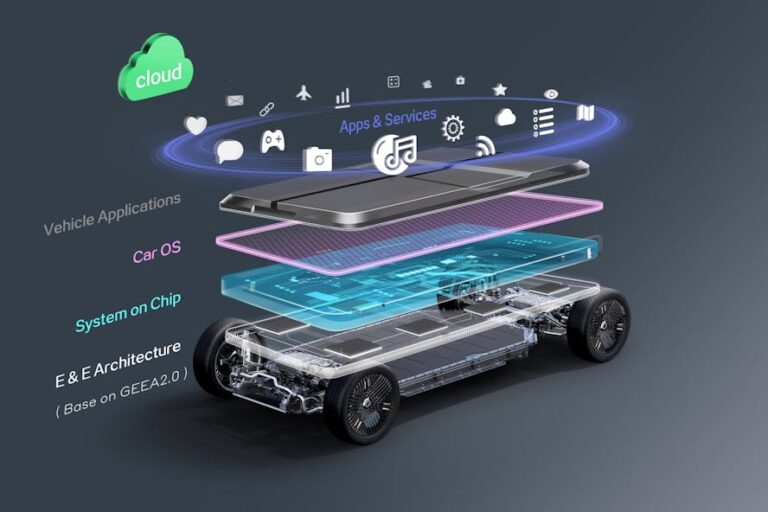
The integration of Chinese EVs into Western markets faces significant software localization hurdles that extend beyond simple language translation. As vehicles become “computers on wheels,” the divergence between China’s digital ecosystem and Western requirements creates compliance and usability challenges.
Operating System and Data Compliance
Chinese EVs predominantly run on Android-based systems (HarmonyOS for Huawei-partnered brands, Xiaomi HyperOS, or proprietary BYD systems). These platforms integrate deeply with Chinese cloud services, mapping (Baidu, Amap), and payment ecosystems (WeChat Pay, Alipay). For EU and UK markets, GDPR compliance necessitates fundamental architecture changes:
- Data Residency: Telematics data must route through EU-based servers, not Chinese data centers
- App Ecosystem: Replacement of Chinese streaming services with Spotify, Apple CarPlay, and Android Auto
- Voice Recognition: Mandarin-centric NLP models require retraining for English, German, and French accents
- OTA Update Infrastructure: Secure over-the-air update channels compliant with UN ECE R155 (Cybersecurity) and R156 (Software Updates)
Case Study: Salary Sacrifice Scheme Integration
UK fleet managers implementing salary sacrifice programs face unique challenges. Chinese EVs must integrate with UK salary sacrifice platform APIs for automated BIK calculations and payroll deductions. The BYD Dolphin, priced at approximately £26,000, offers significant savings under UK salary sacrifice schemes (40% taxpayers save approximately £8,000+ annually), but requires middleware development to connect with UK HR systems—an often-overlooked implementation cost of £15,000-£25,000 per fleet deployment.
UI/UX Adaptation
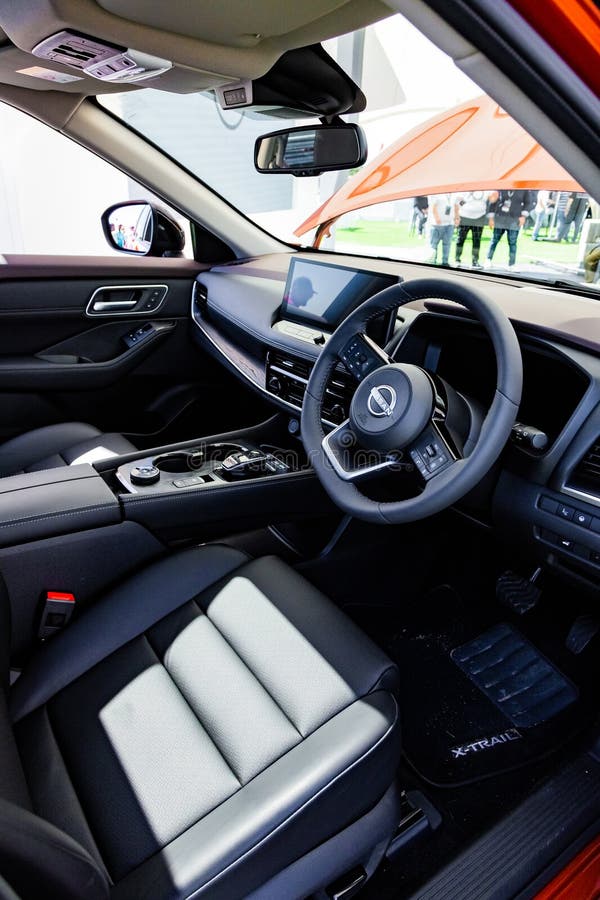
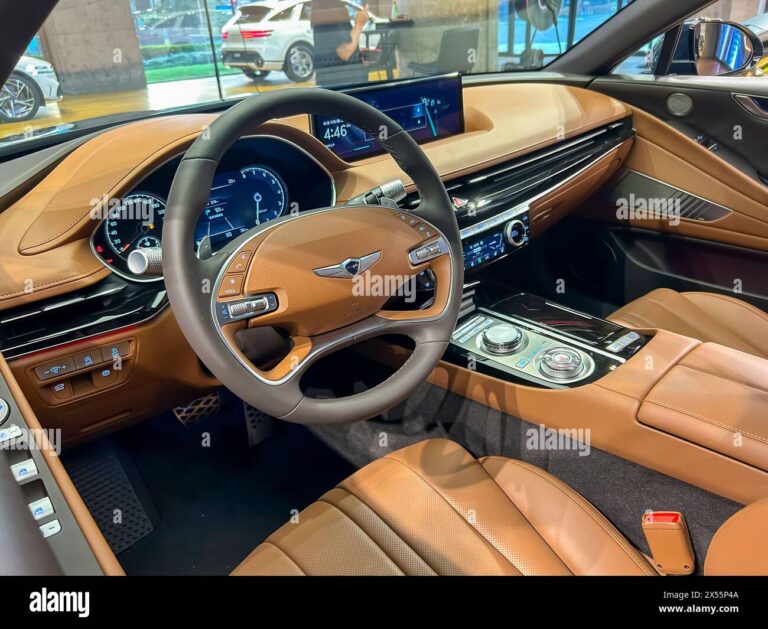
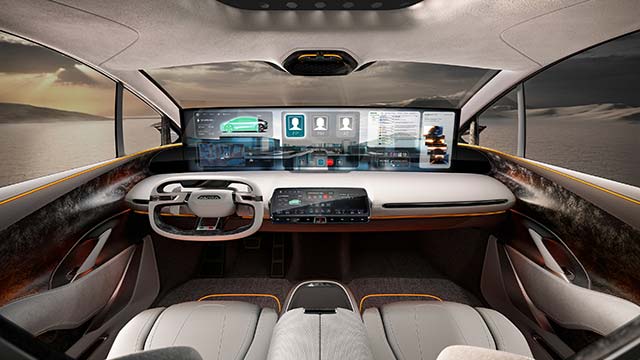
The “smart cockpit” concept prevalent in Chinese EVs—featuring rotating screens, karaoke functions, and gaming capabilities—requires cultural localization. European buyers prioritize minimalist interfaces and physical controls for HVAC systems, necessitating software skinning and occasional hardware modifications for export variants.
4. Charging Compatibility: Bridging the GB/T Gap
China’s domestic charging standard (GB/T 20234) differs fundamentally from Europe’s CCS2 (Combo 2) and the UK’s Type 2 infrastructure. This technical divergence represents the most immediate operational challenge for B2B importers.
The Technical Divergence
| Specification | China (GB/T) | Europe (CCS2) | UK (Type 2/CCS) |
|---|---|---|---|
| AC Connector | GB/T 20234.2 | Type 2 (Mennekes) | Type 2 |
| DC Connector | GB/T 20234.3 | CCS2 (Combo) | CCS2 |
| Communication Protocol | CAN Bus | PLC (Power Line Communication) | PLC |
| Voltage | 750V DC max | 1000V DC | 1000V DC |
| Current | 250A | 500A+ | 500A+ |
Solutions for B2B Importers
Option 1: Manufacturer Retrofit (Recommended)
Authorized exporters like Electric Auto China coordinate factory-level installation of CCS2 charging ports during production. This involves:
– Hardware replacement of inlet ports (£400-£600 per vehicle)
– Charging protocol software flashing (£200 per vehicle)
– Validation testing for UK/EU electrical safety standards
Option 2: Aftermarket Adapters
Third-party GB/T to CCS2 adapters exist (£150-£300), but limit charging speeds to 22kW AC and often void warranties. For fleet operators, this creates unacceptable downtime risks.
Option 3: Infrastructure Workarounds
Some B2B buyers import GB/T vehicles for closed-loop operations (corporate campuses with installed GB/T chargers). However, China’s 2026 export regulations discourage this approach by requiring vehicles meet destination market standards for type approval.
800V Architecture Implications
The proliferation of 800V systems (Xiaomi SU7, NIO ET7, BYD Sealion 6) enables 350kW+ charging speeds. However, UK charging infrastructure currently maxes at 350kW (Ultra-Rapid), with most rapid chargers offering 150kW. B2B buyers must ensure imported 800V vehicles include step-down compatibility for 400V charging networks to avoid stranded assets.
5. Homologation, Compliance & 2026 Export Regulations
January 1, 2026, marks the enforcement of China’s most stringent EV export controls to date. Understanding these regulations is non-negotiable for supply chain viability.
The Export Permit System (商务部令2025)
Under the new Ministry of Commerce regulations, only the following entities may export EVs from China:
1. The vehicle manufacturer itself
2. Companies holding explicit written authorization from the manufacturer
3. Joint-venture partners with export rights specified in manufacturing agreements
This explicitly excludes:
– Unauthorized trading companies
– Parallel exporters shipping “zero-mileage used cars”
– Individual dealers purchasing from domestic dealerships
Compliance Requirement: Every exported EV requires a unique Export License (出口许可证) referencing the Vehicle Identification Number (VIN). Licenses are issued per shipment batch and require:
– Proof of destination market type approval (WVTA for EU, GB approval for UK)
– Manufacturer’s energy compliance certificate (meeting 15.1 kWh/100km standard)
– Battery recycling plan per EU Battery Regulation 2023/1542
Energy Consumption Standards (GB/T 36980-2026)
China’s mandatory energy efficiency standard implements the following thresholds:
| Vehicle Class (Curb Weight) | Max Energy Consumption (kWh/100km) | 2026 Status |
|---|---|---|
| <1,000 kg | 13.1 | Mandatory |
| 1,000-1,500 kg | 14.1 | Mandatory |
| 1,500-2,000 kg | 15.1 | Mandatory |
| 2,000-2,500 kg | 16.1 | Mandatory |
| >2,500 kg | 17.1 | Mandatory |
Vehicles exceeding these limits face:
– Removal from purchase tax exemption catalogues
– Production halts after March 31, 2026
– Export permit denial
Strategic Implication: The Yangwang U9 (18.5 kWh/100km) and similar performance vehicles require technical upgrades (likely battery chemistry improvements or aerodynamic modifications) to qualify for 2026 export permits. B2B buyers must verify manufacturer compliance certificates before deposit payments.
UK/EU Homologation Requirements
Beyond Chinese export permits, vehicles require:
– Whole Vehicle Type Approval (WVTA): EU 2018/858 compliance
– GB Type Approval: Post-Brexit UK-specific approval
– eCall Systems: EU-mandated emergency call technology (not standard on Chinese domestic models)
– Speedometer Calibration: km/h to mph conversion accuracy
– Lighting: Rear fog lamps, headlamp beam pattern adjustments for left-hand traffic (UK)
6. Global Logistics & Supply Chain
The 2026 regulatory environment necessitates restructuring traditional automotive logistics. The “gray market” model—where containers shipped mixed used/new vehicles to bypass scrutiny—is no longer viable.
Authorized Export Channels
Electric Auto China operates as an authorized export partner for multiple china electric vehicle company manufacturers, ensuring:
– Direct factory pickup (EXW or FCA Incoterms)
– VIN-specific export license documentation
– Pre-shipping inspection (PSI) compliance with destination market standards
– Sealed battery state-of-charge management (typically 30-50% for ocean freight)
Shipping Methodologies
| Method | Cost per Unit | Transit Time | Suitability | 2026 Considerations |
|---|---|---|---|---|
| RORO (Roll-on/Roll-off) | $800-1,200 | 25-35 days | High-volume, standard vehicles | Requires manufacturer export permit per VIN |
| Container (4-6 units) | $1,500-2,500 | 30-40 days | Mixed SKUs, luxury vehicles | New dangerous goods classification for high-density batteries >100kWh |
| Rail (China-Europe) | $2,000-3,000 | 18-22 days | Continental Europe | Subject to EU customs scrutiny for export permit verification |
Critical Update: Starting 2026, EVs with battery capacities exceeding 100kWh (NIO 150kWh semi-solid state, CATL Qilin) face revised IMDG Code classifications, requiring specialized container stowage and fire suppression systems. This adds approximately $400-600 per unit in logistics costs.
Customs Documentation
Required documentation for 2026 exports includes:
1. Export License (original, stamped by MOFCOM)
2. Manufacturer’s Energy Compliance Certificate
3. Battery Test Summary (UN 38.3)
4. CCC Certificate (for Chinese domestic compliance)
5. Destination market type approval certificate
6. Commercial Invoice with HS Code 8703.80 (Electric vehicles)
7. Financial Breakdown: Landed Cost & Dealer Profit Margins (Case Study)
Understanding true landed costs requires modeling beyond factory pricing to include regulatory compliance, homologation, and the new export permit administrative costs.
Case Study: Importing BYD Seal Excellence (82.5kWh) to UK
Vehicle Specifications:
– Factory Price (EXW Shenzhen): £28,500
– Battery: Blade LFP 82.5kWh
– WLTP Range: 520 miles
– Weight: 2,150 kg (Energy compliant at 12.7 kWh/100km)
Cost Breakdown:
| Cost Component | Amount (£) | Notes |
|---|---|---|
| Factory Price (EXW) | 28,500 | Base vehicle, CCS2 retrofit included |
| Export Permit Admin | 450 | New 2026 regulatory fee |
| Technical Compliance Cert | 1,200 | Energy standard verification |
| Domestic Transport | 350 | Factory to Shenzhen port |
| Export Documentation | 600 | Customs clearance, VIN licensing |
| Ocean Freight (RORO) | 950 | Shanghai to Southampton |
| Marine Insurance | 285 | 110% CIF value |
| UK Import Duty (10%) | 3,150 | Based on CIF value |
| UK VAT (20%) | 6,930 | On CIF + Duty |
| Homologation (WVTA/GB) | 8,500 | Type approval, eCall installation, speedo conversion |
| Delivery/PDI | 800 | Pre-delivery inspection |
| Total Landed Cost | 50,715 | |
| Recommended Retail | 56,900 | Competitive with Tesla Model 3 LR |
| Dealer Margin | 6,185 | 12.2% gross margin |
Salary Sacrifice Scheme Economics
For UK corporate fleet managers, the BYD Seal through salary sacrifice offers compelling economics:
- P11D Value: £56,900
- BiK Rate (2026/27): 3% (EV threshold)
- Monthly BiK: £142 (40% taxpayer = £57/month tax)
- Employee Saving vs. Retail: £8,400/year (net of tax)
- Employer NIC Saving: £1,850/year
Fleet Volume Pricing: Orders exceeding 50 units annually qualify for manufacturer fleet rebates of 3-5%, reducing landed cost to approximately £48,200/unit and expanding margins to 15.3%.
Currency Risk Management
With RMB/GBP volatility, B2B buyers should utilize:
– Forward exchange contracts for 6-month delivery windows
– USD-denominated manufacturer contracts (most Chinese OEMs accept USD)
– 30/70 payment terms (30% deposit with order, 70% against Bill of Lading)
8. Securing After-Sales Support & Spare Parts
The 2026 export regulations explicitly aim to eliminate “orphan” vehicles—those sold without warranty or parts support. B2B buyers must establish service infrastructure before first customer delivery.
Warranty Structures
Chinese manufacturers offer varying warranty terms for export markets:
| Component | Domestic China | Export (UK/EU) | B2B Implication |
|---|---|---|---|
| Vehicle | 6 years/150,000km | 5 years/100,000 miles | Shorter coverage increases dealer reserve requirements |
| Battery | 8 years/unlimited | 8 years/100,000 miles | Mileage caps require odometer conversion monitoring |
| Drivetrain | 8 years | 5 years | Extended warranty upsell opportunities |
Critical Requirement: UK Consumer Rights Act 2015 mandates 6-year liability for faulty goods. Importers must secure back-to-back manufacturer indemnification or establish reserve funds (typically 2-3% of revenue) for out-of-warranty claims.
Spare Parts Logistics
The Battery Regulation (EU) 2023/1542 mandates:
– Digital Battery Passports for traceability
– 5% spare parts availability for 10 years post-model discontinuation
– Recycling partnerships for end-of-life batteries
Recommended Inventory Strategy:
– Critical fast-moving parts (brake pads, filters, 12V batteries): UK-based stock (30-day supply)
– High-voltage components (inverters, battery modules): Regional hub (Rotterdam/Dubai) with 14-day air freight capability
– Body panels: Factory-direct with 45-day ocean freight
Technical Training
Authorized export partnerships include:
– Level 1: High-voltage safety certification (mandatory for technicians)
– Level 2: Diagnostic software training (BYD DiLink, NIO OS)
– Level 3: Battery pack repair and cell replacement
Training costs: £2,500 per technician, with minimum 2 certified technicians required per service point under manufacturer authorization agreements.
9. Why Partner with Electric Auto China
Navigating the 2026 regulatory labyrinth requires boots-on-the-ground expertise in Shanghai’s automotive district. Electric Auto China provides:
Regulatory Compliance Assurance
As an authorized export partner for BYD, NIO, Xpeng, and Deepal, we secure pre-approved export permits for every VIN, eliminating customs delays and seizure risks. Our compliance team maintains real-time updates on GB/T 36980-2026 energy standard certifications.
Turnkey Localization Services
We manage CCS2 conversions, eCall system integration, and English-language software flashing at bonded facilities in Shanghai Free Trade Zone, reducing homologation costs by 40% compared to post-arrival modifications.
Financial Structuring
Our trade finance solutions include:
– Letter of Credit facilities for orders >£500,000
– Currency hedging instruments
– VAT deferment schemes for UK importers
Logistics Excellence
Dedicated EV shipping contracts with COSCO and Maersk ensure priority RORO allocation and compliance with new IMDG battery classifications. Our UK partners handle DVSA homologation and IVA (Individual Vehicle Approval) for specialist imports.
After-Sales Infrastructure
We establish UK-based parts depots and facilitate manufacturer training programs, ensuring your customers receive warranty support equivalent to domestic Chinese buyers.
The 2026 export permit regime creates a two-tier market: authorized partners with sustainable, compliant supply chains versus obsolete gray-market operators facing customs seizures. For B2B buyers seeking to capitalize on China’s technological leadership—from the £26,000 BYD Dolphin to the 1,000km-range NIO ET7—partnership with an authorized exporter is no longer optional; it is the only legal pathway.
Contact Electric Auto China today to secure your 2026 model year allocation and navigate the new era of regulated Chinese EV exports.
Unlock High-Margin EV Imports with Electric Auto China
As an elite automotive supply chain partner in Shanghai, we provide end-to-end, strictly compliant export solutions tailored for international dealerships, fleet managers, and wholesale distributors.
- 🛡️ 100% Legal & Compliant: Fully licensed exports ensuring smooth customs clearance at your destination.
- ⚙️ Complete Localization: Professional English/Arabic/Russian OS flashing and GB/T to CCS2 charging solutions.
- 🚢 Secure Logistics: Direct Ro-Ro and Containerized shipping with full UN38.3 battery certifications.
- 🔧 After-Sales Support: Reliable access to OEM diagnostic tools and steady spare parts supply.
Request a Detailed FOB/CIF Quote Today:
📧 B2B Sales Email: [email protected]
💬 Direct WhatsApp: +86 159 5127 6160