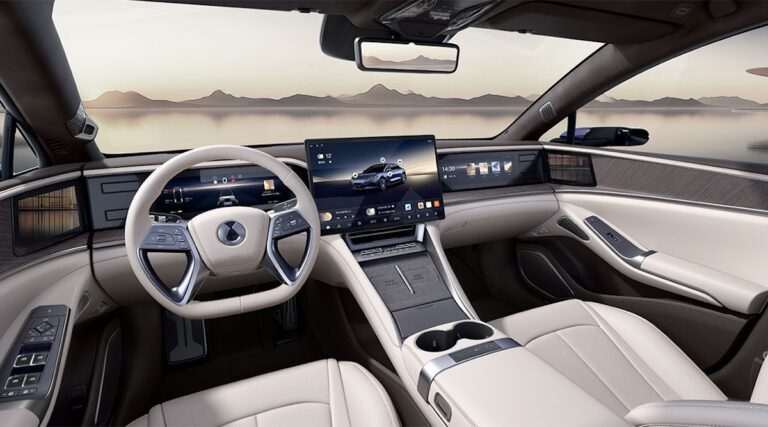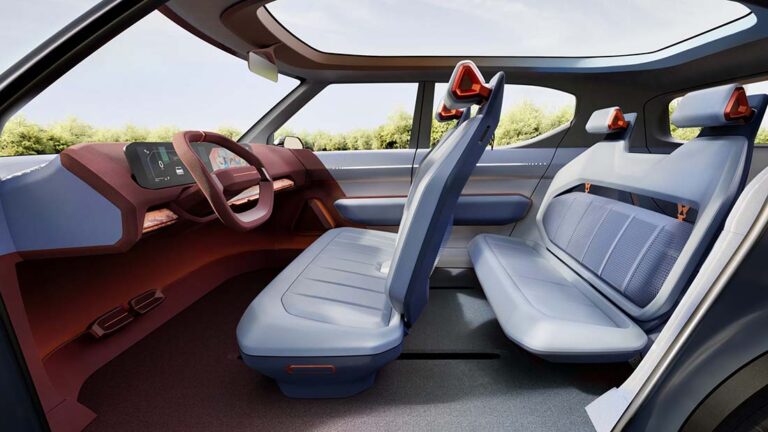
The Ultimate 2026 B2B Export Guide for China Mini Electric Car: Pricing, Compliance & Localization
1. Executive Summary
The 2026 Chinese electric vehicle export landscape represents a paradigm shift for international B2B buyers. With the Ministry of Commerce’s new export permit regulations taking effect January 1, 2026, the era of unregulated factory-direct purchasing has ended, replaced by a structured compliance framework designed to ensure “healthy industry development” and quality assurance.
For foreign buyers targeting the china mini electric car segment, 2026 offers unprecedented opportunities across two distinct categories: Low-Speed Electric Vehicles (LSEVs) limited to 45km/h for urban micro-mobility, and highway-legal New Energy Vehicles (NEVs) like the BYD Seagull and Leapmotor T03. The former category, exemplified by the 3-seat factory-direct models with 60V58AH lead-acid battery systems, delivers landed costs as low as $3,800 per unit, while the latter provides 300km+ range solutions competing directly with European A-segment vehicles at 40% lower price points.
This guide provides the technical, regulatory, and financial intelligence required to navigate China’s 2026 EV export ecosystem, including container optimization strategies (9 units per 40HQ for compact LSEVs), the critical GB/T charging compatibility bridge, and the new mandatory export licensing procedures that every B2B buyer must understand before issuing purchase orders.
2. Deep Dive: Technical Specifications
Understanding the technical dichotomy between LSEVs (Low-Speed Electric Vehicles) and NEVs (New Energy Vehicles) is fundamental to successful 2026 procurement. The Chinese market offers both categories under the “mini electric car” umbrella, but their technical specifications determine homologation pathways and market applicability.
2.1 Low-Speed Electric Vehicle (LSEV) Specifications
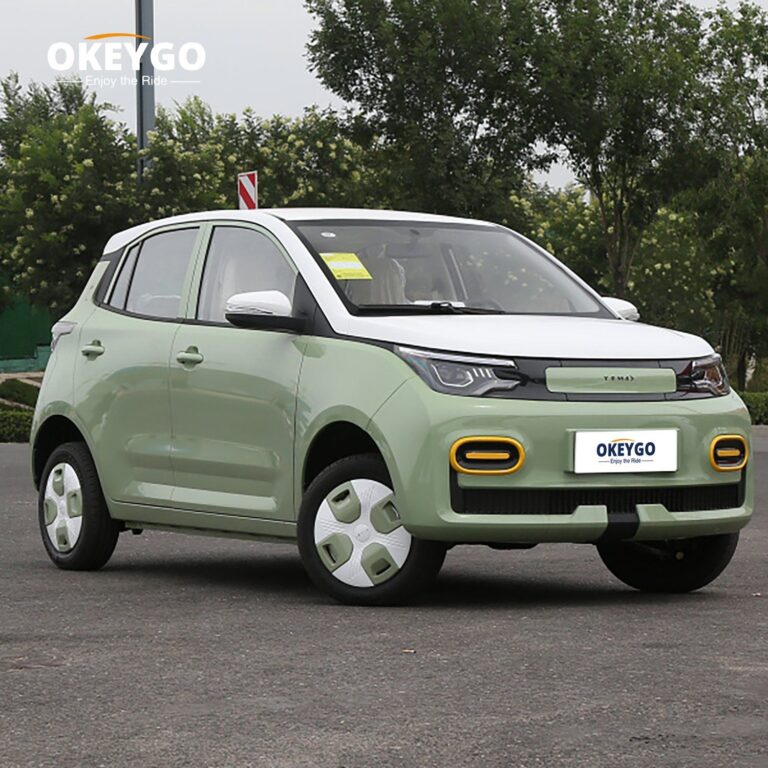
The factory-direct 3-seat LSEV represents the entry-level segment, optimized for developing markets and closed-campus applications:
| Specification Category | Technical Data | Compliance Notes |
|---|---|---|
| Dimensions | 2500×1200×1630mm (L×W×H) | Classified as L6e/L7e quadricycle in EU; motorcycle-class in select ASEAN markets |
| Wheelbase | 1540mm | Stability optimized for 45km/h operation |
| Curb Weight | 320kg (Gross: 400kg) | Exceeds EU L6e limit (350kg); requires L7e homologation |
| Powertrain | 2000W Permanent Magnet Synchronous Motor | Rear axle drive configuration |
| Controller | 30-tube intelligent controller | Programmable for export market torque curves |
| Battery | 60V58AH Colloidal Lead-Acid (Maintenance-Free) | 80km range (110km with optimization); UN38.3 certification required for sea freight |
| Charging | 220V Intelligent Automatic Charger | 6-8 hour full charge cycle |
| Performance | Max 45km/h; 25% gradeability | Restricted for urban/campus use only |
| Safety | Disc hydraulic brakes (F/R); ABS plastic frame | Automotive-grade electroplating interior |
| Features | MP5 multimedia, Bluetooth, reversing camera, sunroof | Multi-language UI requires firmware flash |
Container Optimization: These units achieve industry-leading shipping density at 9 units per 40HQ container (CBU format), with packaging dimensions of 2320×1200×1700mm per unit. Four units fit in a 20GP, making this viable for trial orders.
2.2 Highway-Legal Mini EV Specifications (NEV Category)
For markets requiring highway certification, 2026 Chinese offerings provide compelling alternatives:
| Model | Battery | Range | Dimensions | Export Permit Status |
|---|---|---|---|---|
| BYD Seagull | 30.08-38.88kWh LFP | 305-405km (CLTC) | 3780×1715×1540mm | Approved (2026 permit secured) |
| Leapmotor T03 | 31.9-41.3kWh | 310-403km (CLTC) | 3620×1652×1592mm | Approved; multi-language support |
| Wuling Mini EV | 9.3-26.5kWh | 120-300km | 3050×1510×1610mm | Approved; limited 2026 allocation |
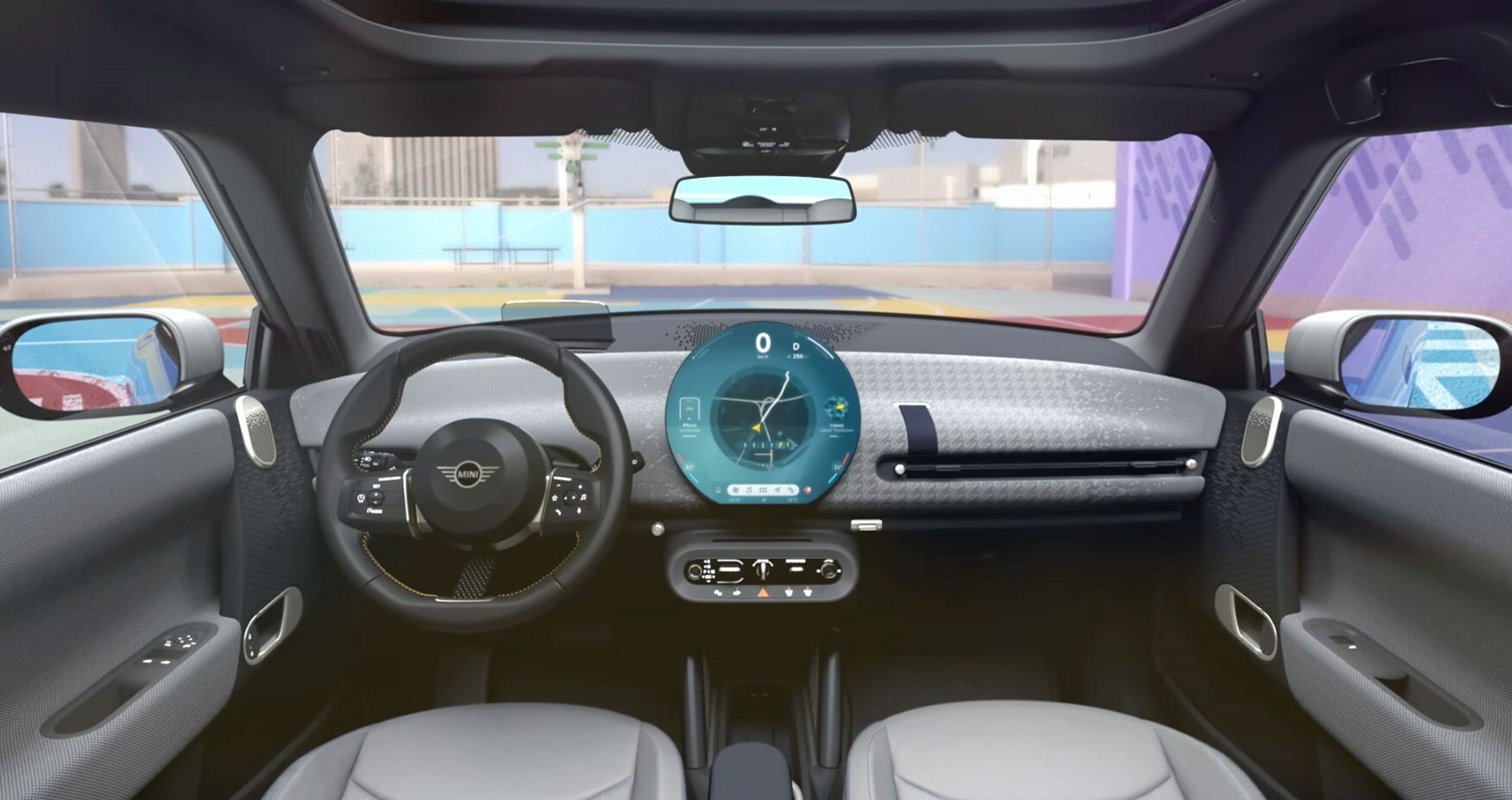
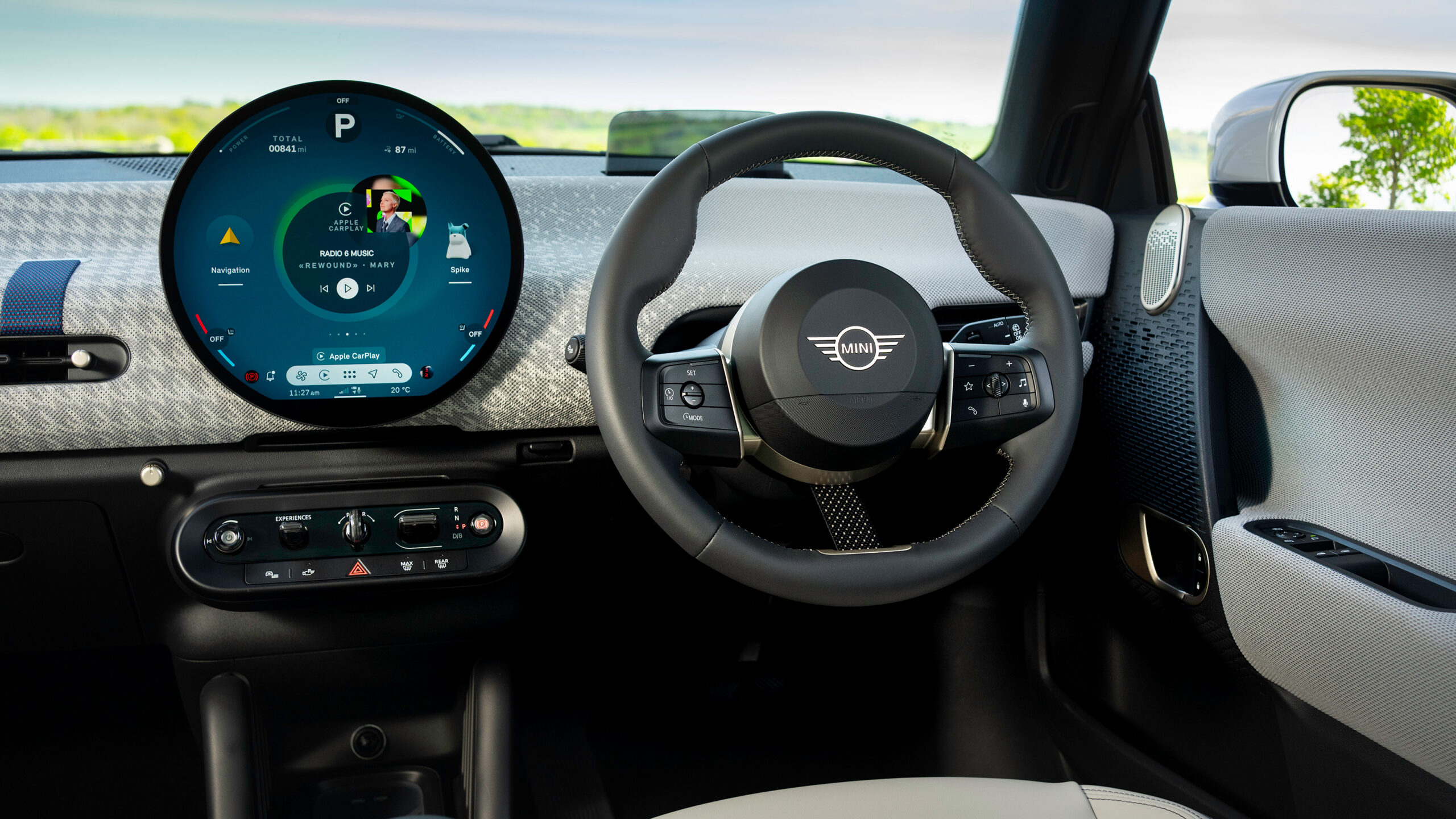
| Electric MINI Cooper | 51.5kWh Ternary | 456-463km (CLTC) | 3858×1756×1458mm | BMW export license; premium tier |
Critical Distinction: LSEVs require L7e quadricycle homologation in Europe or motorcycle-class certification in ASEAN, while NEVs require full M1 passenger vehicle approval. The 2026 export permit system applies to both categories but with different technical documentation requirements.
3. The Localization Challenge: Software, UI, and Connectivity
Chinese domestic market vehicles ship with Mandarin-first interfaces and China-specific telematics. For 2026 export models, factory-level localization is non-negotiable.
3.1 Firmware and Interface Localization
Mandatory Modifications for Export Markets:
-
Language Packs: The Leapmotor T03 and comparable models now offer English/Russian/Spanish as standard export configurations. For LSEVs, the MP5 multimedia system requires firmware flashing to remove Chinese-specific apps (Baidu Maps, QQ Music) and replace with Android Auto/CarPlay compatibility where supported.
-
Metric/Imperial Toggle: Speedometer recalibration from km/h to mph for UK/US markets, requiring instrument cluster firmware updates.
-
Regulatory Icons: Seatbelt warnings, TPMS alerts, and charging status indicators must comply with ISO 2575 symbol standards rather than GB/T standards.
3.2 Telematics and Data Compliance
Chinese EVs utilize cloud-based telematics servers typically hosted domestically. For 2026 exports:
| Market | Requirement | Solution |
|---|---|---|
| EU | GDPR compliance; data localization | Migrate to EU-based servers or disable cloud connectivity |
| Russia | GLONASS integration | Dual GPS/GLONASS module installation |
| Middle East | Arabic UI right-to-left support | Software localization at factory |
| Southeast Asia | Tropical climate algorithms | Battery thermal management recalibration |
Case Study: A 2025 shipment of 200 units to Morocco required complete telematics module replacement, costing $85/unit but preventing customs rejection due to non-compliant data transmission protocols.
4. Charging Compatibility: Bridging the GB/T Gap
China utilizes the GB/T 20234 charging standard (AC and DC), incompatible with European Type 2 (IEC 62196) and CCS2, or North American CCS1/SAE J1772. This represents the primary technical barrier for 2026 imports.
4.1 The GB/T Technical Reality
- AC Charging: GB/T uses male connectors on the vehicle (female on the cable), opposite to IEC Type 2.
- DC Charging: GB/T 20234.3 supports up to 250A at 750V/1000V, but the connector geometry differs from CCS2.
4.2 Export Solutions
Option A: Factory-Installed Adapter Ports (Recommended for 2026)
Leading export-compliant factories now offer dual-port configurations:
– Primary: GB/T (for compatibility with Chinese charging infrastructure during transit/storage)
– Secondary: Type 2 or CCS2 (market-specific)
Option B: Post-Import Conversion
Cost analysis for converting a mini EV fleet (per unit):
| Component | Cost (USD) | Labor | Timeline |
|---|---|---|---|
| Type 2 Inlet Replacement | $120 | 2 hours | Port arrival |
| Onboard Charger Reprogramming | $45 | 0.5 hours | Workshop |
| CCS2 DC Fast Charge Module | $380 | 4 hours | Specialist center |
| Certification Documentation | $200 | N/A | 3-5 days |
Option C: Adapter Cables
Temporary solution: GB/T to Type 2 adapters ($35/unit) for AC charging only. Not recommended for permanent fleet deployment due to IP rating degradation.
4.3 Voltage Considerations
Chinese mini EVs typically use 220V single-phase charging. Export markets require:
– EU: 230V single-phase (compatible) or 400V three-phase (requires onboard charger upgrade)
– UK: 230V single-phase
– US: 120V Level 1 (requires step-up transformer) or 240V Level 2 (compatible with adapter)
5. Homologation, Compliance & 2026 Export Regulations
The 2026 regulatory environment introduces China’s most stringent EV export controls to date.
5.1 The 2026 Export Permit System
Effective January 1, 2026, the Ministry of Commerce (MOFCOM) requires export permits for all electric vehicles, aligning EVs with existing motorcycle and passenger vehicle export licensing.
Permit Application Requirements:
– Manufacturer export qualification certificate (export license)
– CCC (China Compulsory Certification) for the specific model
– Destination market homologation proof (WVTA for EU, GCC for Gulf, etc.)
– Battery UN38.3 test summary and MSDS
– Intellectual property compliance declaration
Timeline: Permit approval takes 15-20 working days. B2B buyers must ensure suppliers hold valid permits before payment transfer.
5.2 Regional Homologation Pathways
European Union (L6e/L7e for LSEVs; M1 for NEVs):
– LSEV Route: Technical requirements under Regulation 168/2013. The 45km/h, 400kg specification exceeds L6e (350kg limit), mandating L7e heavy quadricycle classification. Requires:
– WVTA (Whole Vehicle Type Approval)
– ABS braking systems (mandatory 2016 onwards)
– EMC Directive 2014/30/EU compliance
Gulf Cooperation Council (GCC):
– GSO 42/2015 compliance for electric vehicles
– Extreme heat testing (50°C ambient operation)
– Arabic language owner’s manuals
ASEAN (ASEAN NCAP aligned):
– UNECE WP.29 regulations adoption varies by country
– Thailand requires EV-specific import licenses under EV Board approval
Africa (Selected Markets):
– Many Sub-Saharan markets accept Chinese CCC certification with local inspection
– South Africa requires SABS approval and NRCS certification
5.3 Battery Transportation Regulations
UN38.3 certification is mandatory for lithium-ion batteries (NEVs). For lead-acid LSEVs:
– IMDG Code: Class 8 (Corrosive) for wet lead-acid; maintenance-free sealed units often classified as non-dangerous goods
– Packing Group: III
– Documentation: Battery test summary, shipper’s declaration for dangerous goods (if applicable)
6. Global Logistics & Supply Chain
6.1 Container Optimization Strategies
CBU (Complete Built-Up) Shipping:
| Container Type | LSEV Capacity (3-seat) | NEV Capacity (Seagull-class) | Loading Method |
|---|---|---|---|
| 20GP | 4 units | 2 units | Standard racking |
| 40HQ | 9 units | 4 units | Double-deck racking |
| 45HC | 10-11 units | 5 units | Optimized stowage |
Critical Packing Notes:
– Battery disconnect required during transit (safety protocol)
– Tire pressure reduction to 1.5 bar to prevent deformation
– Desiccant placement (2kg per unit) for ocean humidity protection
6.2 CKD/SKD Alternatives
For markets with high import duties on complete vehicles (India: 60-100%; Nigeria: 35% + levy), CKD (Complete Knock Down) kits offer tariff advantages:
- CKD Kit Contents: Body shell, chassis, motor, battery pack, wiring harness, interior trim (unassembled)
- Tariff Savings: 15-25% reduction in effective duty rates
- Local Assembly Requirement: Partner with local assembly plant; requires technical training for 2-3 local technicians
6.3 Incoterms 2020 Recommendations
| Term | Risk Transfer | Best For |
|---|---|---|
| FOB Shanghai/Ningbo | On board vessel | Experienced buyers with destination agents |
| CIF Port of Destination | On board vessel | Buyers seeking cost visibility |
| DAP Border/Terminal | Delivery at place | First-time importers; reduced logistics complexity |
| EXW Factory | Factory gate | Buyers with China-based procurement teams |
2026 Update: Due to export permit complexities, FCA (Free Carrier) at designated export terminals is increasingly preferred, placing customs clearance responsibility on the seller until permit verification.
7. Financial Breakdown: Landed Cost & Dealer Profit Margins (Case Study)
7.1 Scenario A: Low-Speed Electric Vehicle (LSEV) – 40 Unit Order to Germany
Vehicle Specifications: 3-seat, 45km/h max, 60V58AH lead-acid, 80km range
| Cost Component | Calculation | Unit Cost (USD) | Total (40 Units) |
|---|---|---|---|
| EXW Factory Price | Base model, export trim | $2,850 | $114,000 |
| Export Permit Fee | 2026 MOFCOM compliance | $45 | $1,800 |
| China Port Charges | Shanghai terminal handling | $125 | $5,000 |
| Ocean Freight | 40HQ × 5 containers (8 units each optimized) | $475 | $19,000 |
| Insurance (CIF+10%) | 0.3% of CIF value | $42 | $1,680 |
| CIF Hamburg | $3,537 | $141,480 | |
| EU Import Duty | 10% (L7e quadricycle classification) | $354 | $14,148 |
| VAT (Germany 19%) | 19% of (CIF + Duty) | $741 | $29,640 |
| Homologation/Testing | L7e certification amortized over 40 units | $125 | $5,000 |
| Local Transport | Port to dealer warehouse | $85 | $3,400 |
| Technical Preparation | Charging adapter, language flash | $120 | $4,800 |
| TOTAL LANDED COST | $4,862 | $194,480 |
Dealer Margin Analysis:
– Retail Price Point (Germany): €7,200 (~$7,800) for comparable L7e quadricycles
– Dealer Net Margin: $7,800 – $4,862 = $2,938 per unit (60.4% markup)
– Fleet Sale Price (B2B): $6,200/unit (27% margin for volume buyers)
7.2 Scenario B: Highway-Legal NEV (Leapmotor T03) – 20 Unit Order to UAE
| Cost Component | Calculation | Unit Cost (USD) | Total (20 Units) |
|---|---|---|---|
| EXW Factory | 403km range variant | $9,800 | $196,000 |
| Export Permit | 2026 documentation | $85 | $1,700 |
| Freight & Insurance | 40HQ × 5 containers (4 units each) | $1,200 | $24,000 |
| CIF Jebel Ali | $11,085 | $221,700 | |
| GCC Duty | 5% (EV incentive rate) | $554 | $11,085 |
| VAT (UAE 5%) | 5% of CIF + Duty | $582 | $11,640 |
| Type Approval | GSO certification | $450 | $9,000 |
| Landed Cost | $12,671 | $253,425 |
Market Positioning: Competes against Renault Zoe (€32,000) and Fiat 500e (€35,000). Retail pricing at $18,500 provides 46% gross margin while undercutting European competition by 35%.
7.3 Currency Risk Management
With RMB/USD volatility in 2026, recommend:
– Forward Contracts: Lock exchange rates at order confirmation (typically 90-day production lead time)
– USD Denomination: Insist on USD pricing for contracts >$50,000 to avoid RMB appreciation risk
– Payment Structure: 30% T/T deposit, 70% L/C at sight (Letter of Credit recommended for first-time transactions post-2026 permit requirements)
8. Securing After-Sales Support & Spare Parts
The 2026 export framework emphasizes “healthy development,” including mandatory after-sales commitments for permit holders.
8.1 Critical Spare Parts Strategy
High-Failure Components (LSEV Category):
1. Controller Units: 30-tube controllers (failure rate 3-5% in Year 1)
2. Lead-Acid Batteries: 18-month lifecycle in hot climates; maintain 10% stock coverage
3. Brake Pads: Disc hydraulic systems require semi-metallic pads every 15,000km
Recommended Initial Parts Shipment (per 100 vehicles):
– 5 Controllers ($85 each)
– 10 Battery sets ($340 each)
– 20 Brake pad sets ($12 each)
– 2 Windshield assemblies ($45 each)
– Diagnostic cable and software ($200)
Total Parts Investment: $4,200 (4.2% of vehicle invoice value)
8.2 Technical Support Infrastructure
Tier 1 Markets (EU/UK):
– Mandatory 2-year warranty for L7e vehicles
– Remote diagnostics via OBD-II port (English language)
– Video technical support (Mandarin/English/German)
Tier 2 Markets (Africa/Southeast Asia):
– WhatsApp technical groups with factory engineers
– YouTube maintenance channel (localized subtitles)
– Annual technician training in Shanghai (2 seats per 500 units sold)
8.3 Battery Replacement Programs
For lead-acid LSEVs:
– Core Exchange Program: Return old battery for $80 credit (recycling compliance)
– Lithium Upgrade Path: Factory retrofit kits to upgrade 60V58AH lead-acid to 60V80AH lithium (adds $600 cost, doubles range)
9. Why Partner with Electric Auto China
Based in Shanghai, Electric Auto China operates as your Chief Export Consultant, navigating the complexities of the 2026 regulatory environment.
9.1 2026 Export Permit Advantage
As a registered export enterprise with MOFCOM, we hold pre-approved export permits for:
– LSEV Category: 3-seat urban mobility vehicles (45km/h class)
– NEV Category: Leapmotor, BYD, and Wuling authorized export channels
Our compliance team manages:
– CCC certification verification
– UN38.3 battery testing documentation
– Destination market homologation pre-checks
– Export license application (15-day expedited processing)
9.2 Factory Direct Pricing Without Middlemen
Our Shanghai-based procurement office provides:
– Real-time Production Monitoring: Weekly video reports from Henan, Shandong, and Guangdong manufacturing bases
– Quality Gate Inspection: Pre-shipment inspection (PSI) included for all orders >10 units
– Consolidation Services: Combine LSEV and NEV orders in single containers to optimize freight costs
9.3 Localization & Technical Services
In-House Capabilities:
– Firmware flashing for 12 languages
– Charging port conversion (GB/T to Type 2/CCS2)
– Telematics server migration for GDPR compliance
– Custom branding and decal application
9.4 Financial & Logistics Security
- Trade Assurance: Alibaba Gold Supplier status with 10+ years export history
- Marine Insurance: All-risk coverage through PICC and Lloyd’s syndicates
- Payment Security: Escrow services available for first-time buyers; L/C negotiation expertise
9.5 Market Entry Support
For 2026 market entrants, we provide:
– Competitive Intelligence: Pricing analysis for 40+ destination countries
– Homologation Partnerships: Direct relationships with European Notified Bodies (TÜV, DEKRA) and GCC certification labs
– Pilot Program Management: 4-unit trial shipments (20GP container) to test market acceptance before scaling to 40HQ volumes
Next Steps for B2B Buyers:
- Verify Import Requirements: Confirm whether your target market accepts L6e/L7e quadricycles (45km/h LSEVs) or requires full M1 passenger vehicle certification.
- Request 2026 Export Permit Documentation: Ensure your Chinese supplier holds valid MOFCOM export licenses for 2026; verify permit numbers against official databases.
- Order Samples: Place 4-unit trial order (20GP container) to test logistics, charging compatibility, and local homologation procedures.
- Secure Financing: Arrange Letter of Credit facilities; budget for 30% deposit, 70% against shipping documents.
Contact Electric Auto China today to receive your customized 2026 Import Prospectus, including factory-direct pricing for the 3-seat LSEV ($2,850 EXW) and highway-legal Leapmotor T03 ($9,800 EXW), complete with export permit verification and landed cost calculations for your specific destination port.
The 2026 China mini electric car market demands expertise, compliance, and precision. Partner with the supply chain specialists who understand both the technical specifications and the regulatory landscape.
Unlock High-Margin EV Imports with Electric Auto China
As an elite automotive supply chain partner in Shanghai, we provide end-to-end, strictly compliant export solutions tailored for international dealerships, fleet managers, and wholesale distributors.
- 🛡️ 100% Legal & Compliant: Fully licensed exports ensuring smooth customs clearance at your destination.
- ⚙️ Complete Localization: Professional English/Arabic/Russian OS flashing and GB/T to CCS2 charging solutions.
- 🚢 Secure Logistics: Direct Ro-Ro and Containerized shipping with full UN38.3 battery certifications.
- 🔧 After-Sales Support: Reliable access to OEM diagnostic tools and steady spare parts supply.
Request a Detailed FOB/CIF Quote Today:
📧 B2B Sales Email: [email protected]
💬 Direct WhatsApp: +86 159 5127 6160