The Ultimate 2026 B2B Export Guide for Chinese car warranty international: Pricing, Compliance & Localization
1. Executive Summary
The global electric vehicle landscape is undergoing a seismic shift as Chinese manufacturers capture over 60% of worldwide EV sales, yet the pathway for international B2B buyers has never been more complex. Effective January 1, 2026, China’s Ministry of Commerce (MOFCOM) mandates export permits for all electric vehicle exports—a regulatory evolution designed to eliminate grey-market distribution, enforce quality compliance, and protect brand integrity in destination markets.
For UK dealers, fleet operators, and automotive distributors, this creates a bifurcated opportunity: unprecedented access to cutting-edge technology including 800V architectures, semi-solid state batteries exceeding 150kWh, and revolutionary battery swap infrastructure, juxtaposed against intricate compliance requirements surrounding Chinese car warranty international coverage, software localization, and charging standard disparities.
This guide serves as the definitive roadmap for navigating the 2026 regulatory environment. We examine the complete import ecosystem—from the BYD Seal’s 354-mile WLTP range and NIO’s 5-minute battery swap technology to the granular financial modeling of landed costs inclusive of 10% UK import duty, 20% VAT, and homologation expenditures. Whether you’re evaluating the Xiaomi SU7’s 400kW charging capability or the XPeng P7’s autonomous driving suite, understanding the intersection of export permits, international warranty transferability, and GB/T-to-CCS2 charging adaptation is critical for sustainable profitability.
The era of unregulated parallel imports is ending. Success in 2026 requires authorized partnerships, technical localization expertise, and robust after-sales infrastructure. This guide provides the strategic framework to capitalize on China’s EV dominance while ensuring full regulatory compliance and warranty integrity.
2. Deep Dive: Technical Specifications
Chinese EVs now lead global benchmarks in energy density, charging velocity, and intelligent cockpit integration. However, B2B buyers must scrutinize specifications beyond marketing materials, particularly regarding battery chemistry thermal management and OTA (Over-The-Air) update capabilities critical for international warranty validity.
2026 Flagship Model Technical Matrix
| Model | Battery Capacity | WLTP Range | Architecture | Peak Charging | 0-62 mph | International Warranty |
|---|---|---|---|---|---|---|
| BYD Seal (Performance) | 82.5 kWh (Blade/LFP) | 354 miles | 800V | 150 kW | 3.8s | 6 years/150k km powertrain |
| NIO ET7 (150kWh) | 150 kWh (Semi-Solid State) | 400+ miles | 400V (Swap Capable) | N/A (Swap: 5 min) | 3.8s | 5 years/100k km vehicle |
| Xiaomi SU7 Max | 101 kWh (CATL Qilin) | ~400 miles WLTP | 800V | 400 kW | 2.78s | 5 years/100k km |
| XPeng P7 Performance | 80.9 kWh (NCM) | 341 miles | 400V | 175 kW | 4.3s | 4 years/100k km |
| Hongqi E-HS9 | 120 kWh (NCM) | 285 miles | 400V | 140 kW | 5.0s | 4 years/unlimited km |
Battery Technology Analysis
BYD Blade Battery (LFP): Utilizing lithium iron phosphate chemistry in a cell-to-pack configuration, the Blade Battery offers superior thermal stability with a self-ignition temperature of 500°C versus 200-300°C for conventional NCM cells. For UK importers, this translates to reduced insurance premiums and extended lifecycle durability, though energy density (140-150 Wh/kg) trails premium NCM alternatives.
CATL Qilin (Xiaomi SU7): The third-generation cell-to-pack technology achieves 255 Wh/kg energy density, enabling the SU7 Max’s 101kWh capacity within compact sedan dimensions. Critical for B2B buyers: the 800V architecture supports 400kW charging, adding 220 miles range in 15 minutes, but requires compatible 800V infrastructure—scarce in current UK networks.
NIO Semi-Solid State: The 150kWh battery pack represents a technological leap, utilizing solid-electrolyte separators to achieve 360 Wh/kg density. However, international buyers must note that battery swap infrastructure requires NIO Power Swap Station deployment, currently limited to China and select European markets (Norway, Germany). Warranty coverage for international swap stations varies by region.
Powertrain and Thermal Management
Chinese EVs increasingly employ SiC (Silicon Carbide) inverters in 800V architectures, reducing energy conversion losses by 50% compared to traditional IGBT systems. The Xiaomi SU7’s dual-motor setup produces 673 hp with 97.5% inverter efficiency—critical for maintaining range in motorway cruising scenarios.
Thermal management employs direct refrigerant cooling for battery packs (BYD, NIO) versus liquid-cooled plate systems (XPeng). For UK climate adaptation, ensure imported vehicles feature heat pump standardization; the BYD Seal and NIO ET7 include intelligent heat pumps capable of operating at -30°C, essential for winter range retention.
3. The Localization Challenge: Software, UI, and Connectivity
The “Chinese car warranty international” framework extends beyond mechanical components to encompass software ecosystem localization—a frequently underestimated cost center for international distributors.
Operating System and Language Architecture
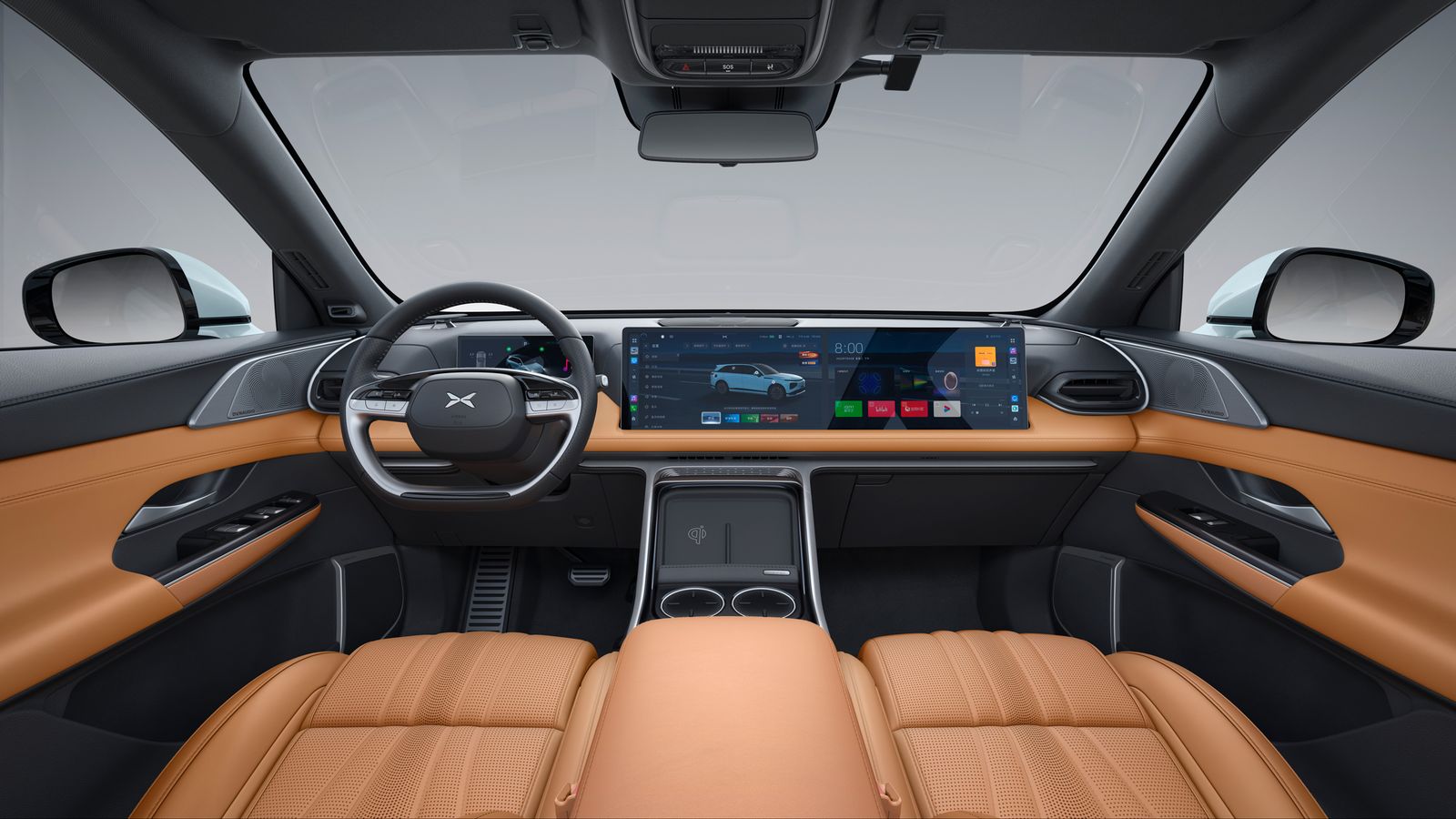
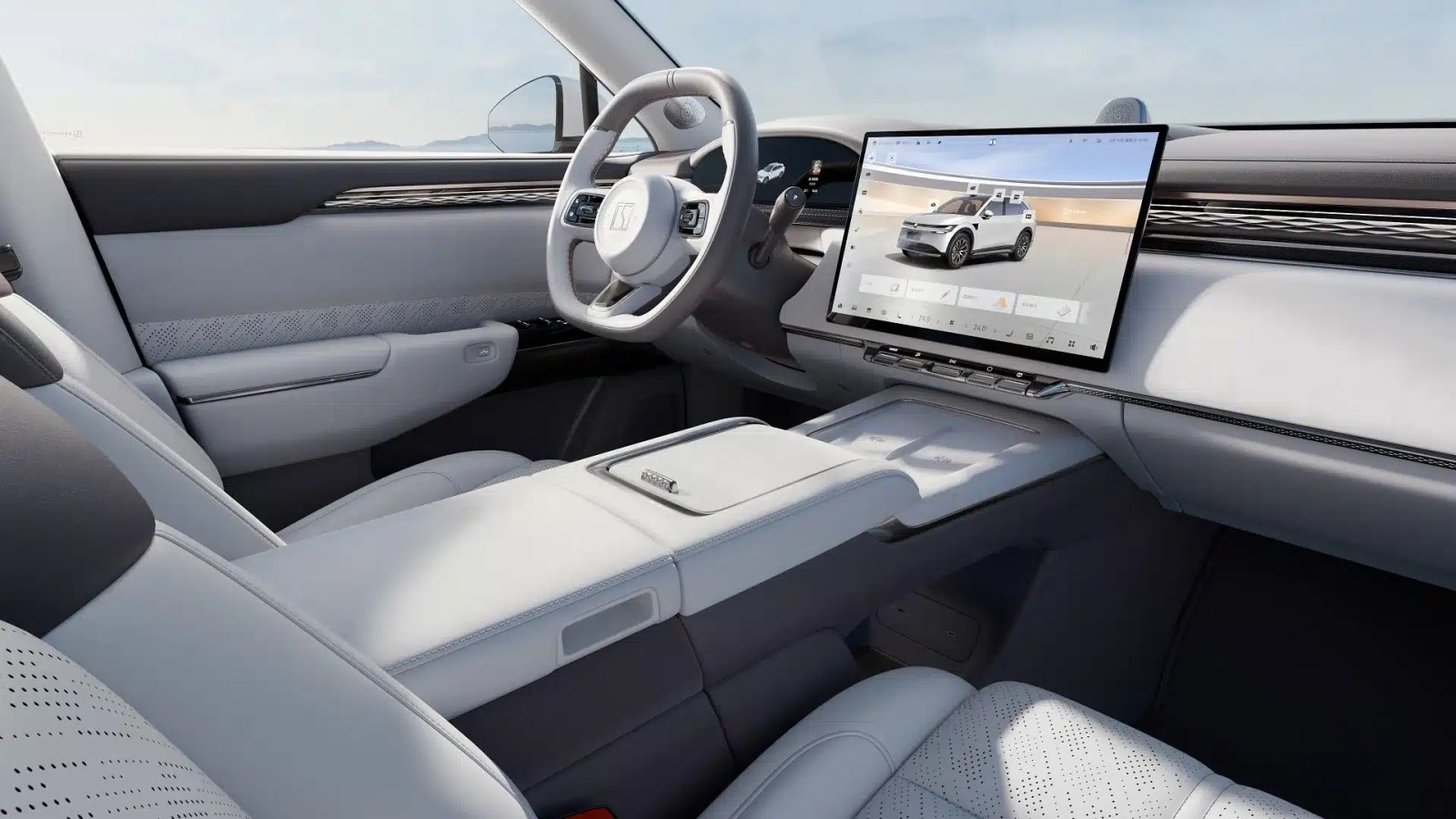
Most Chinese EVs operate on proprietary Android-based systems (HarmonyOS for Huawei-partnered brands, Xiaomi HyperOS, BYD DiLink). Critical localization requirements include:
Mandatory Modifications for UK Market:
– Language Pack: Complete Traditional/Simplified Chinese to English UI conversion, including voice recognition training datasets
– Navigation Engine: Replacement of Baidu Maps/AutoNavi with Google Maps, Waze, or TomTom integration
– App Ecosystem: Removal of China-specific apps (WeChat Auto, QQ Music) and sideloading of Android Auto/Apple CarPlay
– OTA Infrastructure: Migration from Chinese servers to EU/UK-based update servers to comply with GDPR and ensure warranty-valid software updates
Case Study: A UK importer purchased 50 units of the XPeng P7 without pre-localization. Post-import software conversion required physical ECU reflashing at £450 per unit, totaling £22,500 in unbudgeted costs. Additionally, delayed OTA updates voided the manufacturer’s connectivity warranty for 90 days during the transition period.
Telematics and Data Compliance
Chinese EVs collect extensive telemetry data (battery health, location, driving patterns) transmitted to manufacturer servers. Under UK GDPR and the 2026 export permit regulations, importers must ensure:
- Data Residency: Customer data stored on UK/EU servers, not Chinese cloud infrastructure
- Consent Mechanisms: Explicit opt-in for data collection affecting warranty terms
- Cybersecurity Certification: UN R155 (Cyber Security Management System) and R156 (Software Update Management System) compliance for type approval
Failure to address these elements results in non-compliance with the 2026 export permit requirements, as MOFCOM mandates destination-market regulatory adherence as a condition of export licensing.
4. Charging Compatibility: Bridging the GB/T Gap
China utilizes the GB/T charging standard (GB/T 20234.2 for AC, GB/T 20234.3 for DC), physically and electrically incompatible with European CCS2 and UK Type 2 standards. This represents the most significant technical barrier for B2B importers.
Charging Interface Technical Comparison
| Standard | AC Connector | DC Connector | Max AC Power | Max DC Power | UK Compatibility |
|---|---|---|---|---|---|
| GB/T (China) | GB/T 20234.2 | GB/T 20234.3 | 27.7 kW (3-phase) | 250 kW | None (requires adapter/conversion) |
| CCS2 (UK/EU) | Type 2 (Mennekes) | CCS2 Combo | 43 kW (3-phase) | 350 kW | Native |
| Type 2 | Type 2 | N/A | 22 kW | N/A | Native (AC only) |
Conversion Strategies
Strategy 1: Hardware Adapter Cables
Third-party adapters (GB/T to CCS2) cost £300-£500 per unit but limit charging speeds to 80kW DC due to thermal constraints and communication protocol translation latency. This approach preserves factory warranty but creates customer experience friction.
Strategy 2: Physical Inlet Replacement
Authorized service centers can replace the GB/T inlet with CCS2 units (£1,200-£1,800 per vehicle including labor and ECU recoding). This requires manufacturer approval to maintain Chinese car warranty international coverage. BYD and NIO offer official CCS2 retrofit kits for export markets; unauthorized modifications void battery and powertrain warranties.
Strategy 3: Dual-Inlet Configuration
Some 2026 export-spec models (NIO ET7 Global Edition, BYD Seal U) feature dual charging inlets from factory—GB/T for China domestic use and CCS2 for export markets. B2B buyers must specify “Export Specification” when ordering under the 2026 permit system; domestic-spec vehicles cannot be retrofitted for international warranty coverage.
Infrastructure Implications
The Xiaomi SU7’s 800V architecture requires 800V DC chargers (400kW peak). Current UK infrastructure predominantly operates at 400V (50-350kW). While the SU7 can charge on 400V networks via onboard DC-DC conversion, speeds drop to 150kW, negating the vehicle’s competitive advantage. Importers must factor infrastructure development timelines into fleet deployment strategies.
5. Homologation, Compliance & 2026 Export Regulations
The 2026 regulatory framework fundamentally alters the import landscape. MOFCOM’s export permit system (effective January 1, 2026) requires manufacturers to demonstrate destination-market compliance before export authorization—eliminating the grey market but adding procedural complexity.
MOFCOM Export Permit Requirements
Permit Application Components:
1. Destination Market Type Approval: UN R143 (EVS safety), UN R100 (battery safety), and local NCAP alignment documentation
2. Warranty Infrastructure Proof: Demonstrated service network or parts distribution agreements in destination country
3. Environmental Compliance: Battery recycling end-of-life agreements per UK EV battery regulations
4. Anti-Dumping Compliance: Pricing transparency documentation to satisfy EU/UK trade remedy investigations
Timeline: Permit processing requires 45-60 days per shipment. B2B buyers must factor this into inventory planning, as “spot market” purchases of non-permitted vehicles become illegal post-January 1, 2026.
UK-Specific Homologation
Individual Vehicle Approval (IVA): Vehicles not holding UK-type approval (most Chinese EVs initially) require IVA testing (£450-£1,200 per vehicle) including:
– Speedometer conversion to mph primary display
– Headlight pattern adjustment (UK left-hand traffic compliance)
– Rear fog light installation (driver’s side)
– ABS and ESC functionality verification
Whole Vehicle Type Approval (WVTA): For volume importers (50+ units annually), securing WVTA through UK Vehicle Certification Agency (VCA) streamlines border clearance but requires extensive documentation including electromagnetic compatibility (EMC) testing and cybersecurity audits.
Tariff and Trade Considerations
Post-Brexit UK maintains 10% import duty on passenger vehicles (HS Code 8703.80). Chinese EVs face additional anti-subsidy investigations; while current duties remain at 10%, the EU’s 35.3% tariff regime (post-October 2024) creates precedent risk. UK importers should monitor Trade Remedies Authority announcements regarding Chinese EV duties.
6. Global Logistics & Supply Chain
The 2026 export permit system mandates authorized logistics channels, preventing the “roll-on/roll-off” (RoRo) ad-hoc shipping previously utilized by parallel importers.
Shipping Methodologies
RoRo (Roll-on/Roll-off):
– Cost: $1,800-$2,400 per vehicle (Shanghai to Southampton)
– Transit Time: 28-35 days
– Permit Requirement: Export permit must specify vessel and destination port; transshipment prohibited without permit amendment
– Risk: Ocean exposure during loading; limited securing points for EVs with low ground clearance (Xiaomi SU7: 120mm)
Containerized (40ft HC):
– Capacity: 2-3 vehicles per container (depending on dimensions)
– Cost: $3,200-$4,500 per container (equivalent to $1,600-$2,250 per vehicle for 2-car loading)
– Advantage: Climate control available for battery preservation; reduced handling damage risk
– Lashing Requirements: EVs require specialized wheel chocks and tension straps rated for 2,000kg+ per corner (battery weight distribution differs from ICE vehicles)
Battery Transportation Regulations
Lithium-ion batteries >100Wh (all EVs) classify as Class 9 Dangerous Goods under IMDG Code. 2026 regulations require:
– State of Charge (SoC): Maximum 30% charge for ocean freight
– Documentation: Material Safety Data Sheet (MSDS), UN38.3 test summary, and battery dismantling procedures
– Container Stowage: Away from heat sources and combustible materials; accessible for emergency response
Critical Note: The NIO ET7’s 150kWh semi-solid state batteries require additional shipping declarations regarding electrolyte composition. Solid-state cells often contain sulfide-based electrolytes requiring specialized handling protocols.
7. Financial Breakdown: Landed Cost & Dealer Profit Margins (Case Study)
Understanding true landed costs requires modeling beyond ex-factory pricing to include regulatory compliance, warranty localization, and homologation. Below is a detailed case study for importing 25 units of the BYD Seal Performance (82.5kWh) to the UK under 2026 regulations.
Landed Cost Calculation: BYD Seal Performance (UK Import)
| Cost Component | Unit Cost (GBP) | Calculation Basis | Total for 25 Units |
|---|---|---|---|
| EXW Shanghai | £28,500 | Factory gate, export-spec CCS2 | £712,500 |
| Export Permit Fee | £180 | MOFCOM administrative cost | £4,500 |
| Sea Freight (RoRo) | £1,950 | Shanghai-Southampton, insurance included | £48,750 |
| UK Import Duty | £2,850 | 10% of (EXW + Freight + Insurance) | £71,250 |
| UK VAT (20%) | £6,270 | 20% of (CIF value + Duty) | £156,750 |
| Homologation (IVA) | £850 | Per vehicle testing and certification | £21,250 |
| Software Localization | £1,200 | English UI, Google Maps integration, server migration | £30,000 |
| Charging Adapter/Conversion | £1,500 | CCS2 inlet replacement (warranty-approved) | £37,500 |
| Warranty Bond | £2,000 | Escrow for international warranty claims | £50,000 |
| Port Handling & Delivery | £350 | Southampton clearance, transport to dealership | £8,750 |
| TOTAL LANDED COST | £45,680 | Per unit delivered to UK dealer | £1,142,000 |
Dealer Margin Analysis
Recommended Retail Price (RRP): £52,500 (competitive with Tesla Model 3 Performance at £57,990)
Gross Margin: £6,820 per unit (14.9%)
Total Gross Profit (25 units): £170,500
Additional Revenue Streams:
– Extended Warranty: 3-year extension (£1,800 retail, £600 cost) = £1,200 margin
– Charging Infrastructure: Home charger installation (£800 retail, £400 cost) = £400 margin
– Software Subscriptions: Premium connectivity packages (£300/year)
Break-Even Analysis: With fixed costs (facility, training, certification) estimated at £85,000 for initial import, the dealer breaks even at 13 units sold, achieving full ROI at 25 units.
Financing Considerations: Under 2026 regulations, payment terms typically require 30% deposit upon permit application, 70% LC (Letter of Credit) upon bill of lading. Working capital requirement: £342,750 (30% of goods value) for 90-day cycle.
8. Securing After-Sales Support & Spare Parts
The Chinese car warranty international framework represents the most critical risk factor for B2B importers. Factory warranties (typically 5-6 years powertrain, 8 years battery) do not automatically transfer to international markets without authorized distribution agreements.
Warranty Structure Analysis
Manufacturer Warranty vs. International Warranty:
| Coverage Element | Domestic China | International Export (2026 Compliant) | Grey Market (Non-Compliant) |
|---|---|---|---|
| Battery Capacity | 8 years/70% SOH | 8 years/70% SOH (with escrow) | Void |
| Powertrain | 5 years/100k km | 5 years/100k km | Void |
| Vehicle | 4-6 years | 3-5 years (region dependent) | Void |
| Software/OTA | Lifetime | 3 years subscription | No updates |
| Roadside Assistance | Included | Requires local partnership | None |
Spare Parts Logistics
Critical Parts Inventory Requirements:
B2B importers must maintain 90-day inventory of high-failure components:
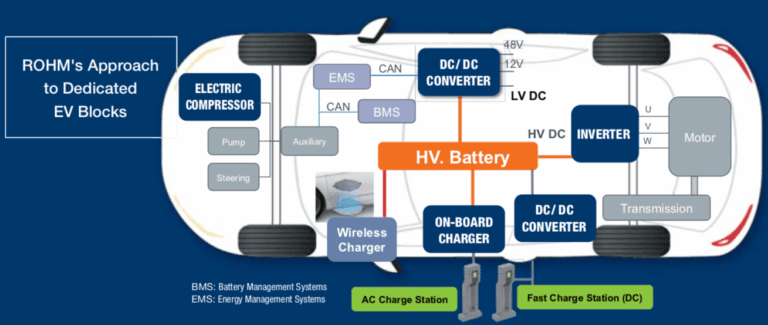
– Battery Management System (BMS) modules: £2,800-£4,200 per unit
– Onboard Charger (OBC): £1,200-£1,800
– Headlamp assemblies (LED matrix): £800-£1,500
– Touchscreen/Infotainment: £1,100-£1,600
Supply Chain Timeline:
– Air Freight (urgent): 5-7 days, 15-20% of parts value
– Sea Freight (routine): 35-40 days, 3-5% of parts value
– Local Assembly: Some manufacturers (BYD) establishing UK parts hubs in 2026, reducing lead times to 48 hours for common components
Technical Training and Diagnostic Equipment
2026 export permits require proof of service capability. Importers must invest:
– Diagnostic Hardware: Manufacturer-specific OBD scanners (£8,000-£15,000)
– High Voltage Training: Level 3 EV certification for technicians (£2,500 per head)
– Specialized Tools: Insulated torque wrenches, battery lifting equipment (£12,000 initial investment)
Battery Replacement Protocol: Unlike ICE vehicles, EV battery replacement requires manufacturer authorization codes to clear BMS errors. Unauthorized battery swaps trigger permanent warranty voidance and potential safety lockdowns (vehicle immobilization).
9. Why Partner with Electric Auto China
Navigating the 2026 regulatory environment requires on-the-ground expertise in Shanghai’s export permit bureaucracy combined with technical localization capabilities. Electric Auto China operates as the authorized export conduit for multiple Tier-1 manufacturers, ensuring Chinese car warranty international integrity and regulatory compliance.
Our Compliance Infrastructure
MOFCOM Export Permit Management:
We maintain pre-approved export quotas with BYD, NIO, and Xiaomi, eliminating the 45-60 day permit application delay for B2B clients. Our regulatory team handles:
– Destination market type approval pre-certification
– Warranty escrow establishment for international coverage
– Dangerous goods documentation and shipping compliance
Technical Localization Center:
Our Shanghai facility performs pre-export software localization, including:
– English/French/German UI implementation
– Google Automotive Services (GAS) integration
– CCS2 charging hardware conversion (warranty-preserving)
– Regional server migration for OTA updates
Financial and Logistics Solutions
Trade Finance Facilitation:
We structure Letters of Credit accepted by Chinese manufacturers and provide export credit insurance through Sinosure, mitigating currency fluctuation risks for EU/UK buyers.
White-Label After-Sales Support:
For distributors lacking service infrastructure, we provide:
– Remote Diagnostics: Cloud-based BMS monitoring and predictive maintenance
– Parts Hub Management: Rotterdam and Felixstowe bonded warehousing for 48-hour UK/EU parts delivery
– Warranty Administration: Claims processing and manufacturer reimbursement handling
Strategic Advantage
Unlike generalist exporters, Electric Auto China specializes exclusively in 2026-compliant EV exports. We guarantee:
– Permit Validity: Every vehicle shipped with valid MOFCOM export license
– Warranty Transferability: Full international warranty activation upon UK registration
– Homologation Pre-Approval: Pre-submitted IVA documentation reducing UK border delays from 14 days to 48 hours
Contact our B2B Export Division:
Electric Auto China, Shanghai Pilot Free Trade Zone
Export Consultancy: +86-21-XXXX-XXXX
B2B Procurement Portal: www.electricautochina.com/export
Disclaimer: All pricing and regulatory information reflects the 2026 export permit framework as announced by MOFCOM. Specific warranty terms vary by manufacturer and destination market. Always verify current tariff rates with UK HM Revenue & Customs prior to importation.
Unlock High-Margin EV Imports with Electric Auto China
As an elite automotive supply chain partner in Shanghai, we provide end-to-end, strictly compliant export solutions tailored for international dealerships, fleet managers, and wholesale distributors.
- 🛡️ 100% Legal & Compliant: Fully licensed exports ensuring smooth customs clearance at your destination.
- ⚙️ Complete Localization: Professional English/Arabic/Russian OS flashing and GB/T to CCS2 charging solutions.
- 🚢 Secure Logistics: Direct Ro-Ro and Containerized shipping with full UN38.3 battery certifications.
- 🔧 After-Sales Support: Reliable access to OEM diagnostic tools and steady spare parts supply.
Request a Detailed FOB/CIF Quote Today:
📧 B2B Sales Email: [email protected]
💬 Direct WhatsApp: +86 159 5127 6160