The Ultimate 2026 B2B Export Guide for Chinese electric car brand: Pricing, Compliance & Localization
1. Executive Summary
The global electric vehicle landscape is undergoing a seismic shift as China’s 2026 Export Permit System (EPS) takes full effect, fundamentally restructuring how international B2B buyers engage with the world’s largest EV manufacturing ecosystem. With Chinese electric car brands commanding over 60% of global EV sales and production capacity exceeding 40 million units annually, the opportunity for authorized distributors, fleet operators, and automotive dealers has never been more compelling—or more regulated.
As Chief Export Consultant at Electric Auto China, I have witnessed the transition from the “Wild West” export era to the current compliance-driven framework. The 2026 regulations introduce mandatory export licensing for all EV manufacturers, stringent quality control protocols, and enhanced traceability requirements that effectively eliminate grey-market channels. For legitimate B2B buyers, this creates a more stable, transparent procurement environment with protected warranty rights and verified supply chains.
Key strategic insights for 2026:
– Regulatory Pivot: Only manufacturers holding valid Export Qualification Certificates (EQC) can ship vehicles internationally, ensuring destination-market compliance from the factory floor.
– Technology Leadership: Chinese EVs now dominate battery innovation, with LFP (Lithium Iron Phosphate) Blade batteries, 800V architectures, and NIO’s 5-minute battery swap technology becoming standard export configurations.
– Market Segmentation: The export portfolio spans from Chery’s $8,000 urban micro-EVs (eQ1, QQ Ice City) to NIO’s $70,000+ luxury sedans (ET7) and Li Auto’s extended-range family SUVs, offering margin opportunities across all price tiers.
– Localization Imperative: Success requires moving beyond simple vehicle procurement to comprehensive ecosystem adaptation, including charging standard conversion (GB/T to CCS2/CHAdeMO), software internationalization, and telematics compliance (GDPR, data sovereignty).
This guide provides the technical, financial, and operational blueprint for navigating the 2026 Chinese EV export landscape, ensuring your import strategy maximizes profitability while maintaining full regulatory compliance.
2. Deep Dive: Technical Specifications
Understanding the technical architecture of Chinese electric car brands is essential for B2B buyers assessing fleet compatibility, maintenance capabilities, and resale value. The 2026 export lineup features three distinct technological approaches:
Platform Architecture Comparison
| Manufacturer | Platform | Voltage Architecture | Battery Chemistry | Key Export Models |
|---|---|---|---|---|
| BYD | e-Platform 3.0/4.0 | 400V-800V | Blade LFP (Lithium Iron Phosphate) | Seal, Sealion 06, Dolphin, Tang L EV |
| NIO | NT2.0/NT3.0 | 400V-900V | Ternary Lithium (CATL) | ET7, ES8, EC6 |
| Chery | E0X Electric Platform | 400V | LFP/NMC Hybrid | Omoda 5 E5, eQ1, Ant |
| Xpeng | SEPA 2.0 | 800V | LFP (Medium-range) / NMC (Long-range) | Mona 03, G9, P7i |
| Li Auto | Range-Extended Platform | 400V (Electric) | NMC (Primary) + Generator | L9, L8, L7 (EREV) |
| Xiaomi | Modena Platform | 800V | CATL Qilin (NMC) | SU7 (Standard/Max) |
Battery Technology Analysis
LFP (Lithium Iron Phosphate) Dominance: BYD’s Blade Battery and Chery’s LFP configurations offer superior thermal stability, 3,000+ cycle life, and cost advantages ($80-100/kWh vs $130-150/kWh for NMC). For hot climate markets (Middle East, Southeast Asia, Latin America), LFP’s resistance to thermal runaway makes it the preferred chemistry for fleet operators.
High-Voltage 800V Architectures: Xpeng’s SEPA 2.0 and Xiaomi’s SU7 Max utilize 800V systems enabling 400kW charging rates (10-80% in 15 minutes). However, B2B buyers must verify local charging infrastructure compatibility, as many markets still rely on 400V/50kW DC fast charging.
Battery Swapping: NIO’s proprietary Power Swap Stations offer unique fleet advantages, allowing commercial operators to eliminate charging downtime. The 2026 export-spec ET7 features standardized battery packs (75kWh, 100kWh, 150kWh) compatible with NIO’s European and Middle Eastern swap networks.
Performance Metrics for Commercial Fleets
| Model | Segment | Range (WLTP) | 0-100 km/h | Cargo Space | Target Use Case |
|---|---|---|---|---|---|
| Chery eQ1 | Micro Urban | 300km | 12.0s | Limited | Last-mile delivery, car-sharing |
| BYD Dolphin | Compact Hatch | 340km | 7.0s | 345L | Urban ride-hailing |
| Chery Omoda 5 E5 | Compact SUV | 430km | 7.5s | 483L | Family fleet, rental |
| BYD Seal | Executive Sedan | 570km | 3.8s | 400L | Premium ride-hailing, corporate |
| NIO ET7 | Luxury Sedan | 580km | 3.9s | 503L | Executive transport, luxury rental |
| Li Auto L9 | Full-size SUV | 1,100km (EREV) | 5.3s | 772L | Long-distance family transport |
| Deepal S05 | Mid-size SUV | 610km (CLTC) | 6.9s | 450L | Mid-market family fleet |
3. The Localization Challenge: Software, UI, and Connectivity
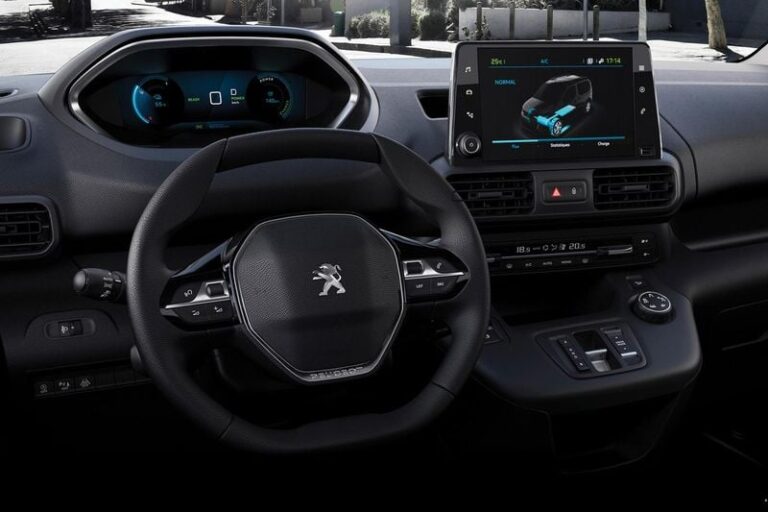
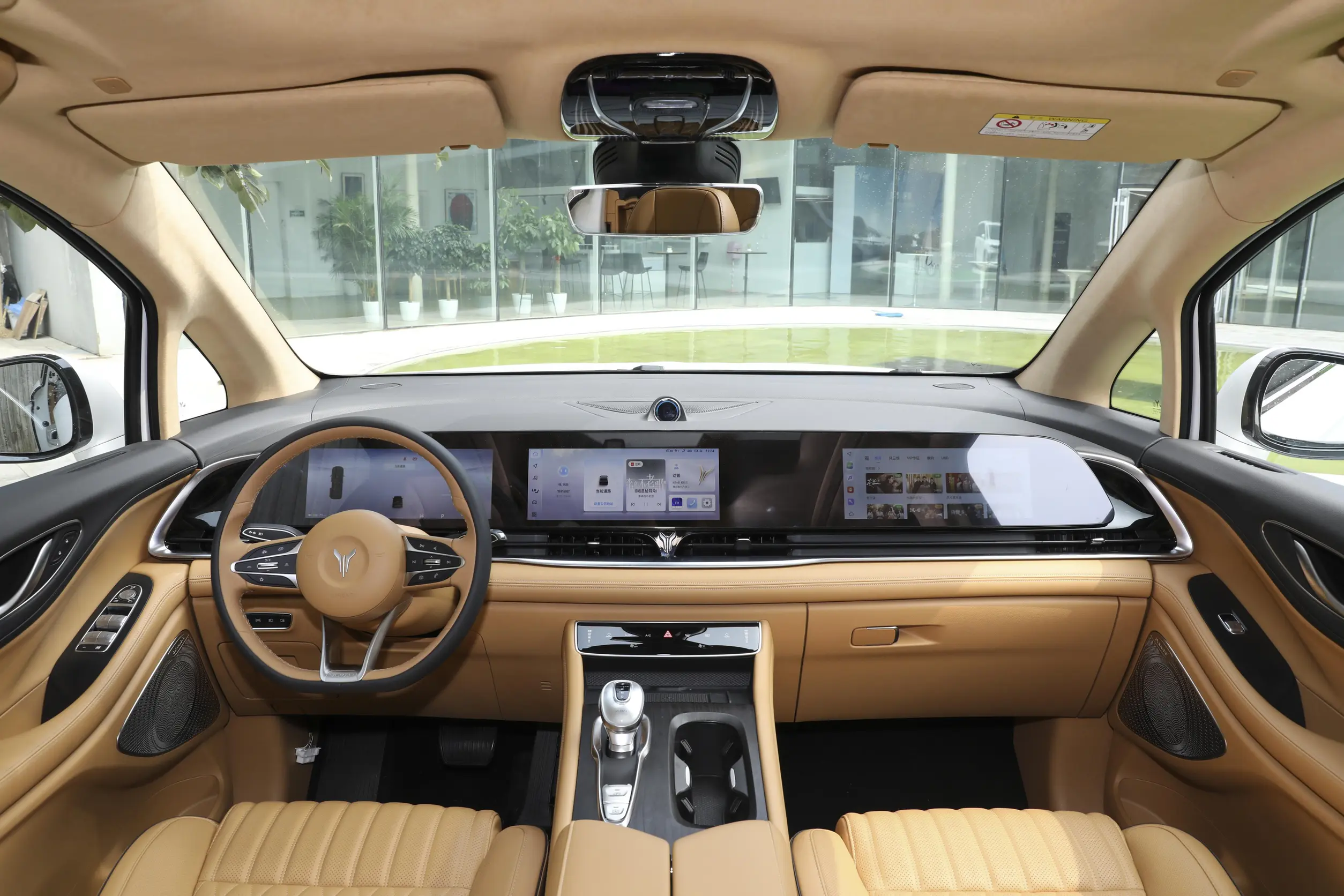
The most critical failure point for B2B importers of Chinese electric car brands is inadequate software localization. Unlike legacy OEMs with decades of international market adaptation, many Chinese EVs ship with Mandarin-centric systems requiring comprehensive retrofitting.
Critical Localization Requirements
Infotainment & HMI: Export-spec vehicles must undergo complete UI/UX internationalization:
– Language packs (minimum: English, Arabic, Spanish, French, German)
– Right-hand drive (RHD) conversion for UK, Australia, Japan, South Africa markets
– Local map integration (Google Maps, HERE Technologies, or regional providers like TomTom)
– Voice assistant training for local accents and commands
Telematics & Data Compliance: The 2026 export regulations mandate GDPR compliance for European markets and data localization for Middle Eastern and Southeast Asian territories. This requires:
– Removal of Chinese-specific data collection (WeChat integration, Baidu services)
– Implementation of local SIM/eSIM providers for OTA updates
– Server migration to regional cloud infrastructure (AWS EU, Azure UAE)
– Privacy policy alignment with local regulations (LGPD for Brazil, PDPA for Singapore)
App Ecosystem: Chinese EVs rely heavily on smartphone apps for vehicle control. B2B buyers must ensure:
– International app store availability (Google Play, Apple App Store)
– Local payment gateway integration for charging/services
– Fleet management API access for commercial operators
– Multi-user profile management for rental fleets
Case Study: European Market Adaptation
When importing the Xpeng Mona 03 to Germany, distributors must budget €2,500-3,500 per vehicle for software localization, including:
– German language voice training and legal disclaimers
– Integration with Charging Interface Initiative (CharIN) standards
– ADAS calibration for European road markings and traffic signs
– Removal of China-specific features (QQ Music, Baidu Maps) and replacement with Spotify, Apple CarPlay, Android Auto
4. Charging Compatibility: Bridging the GB/T Gap
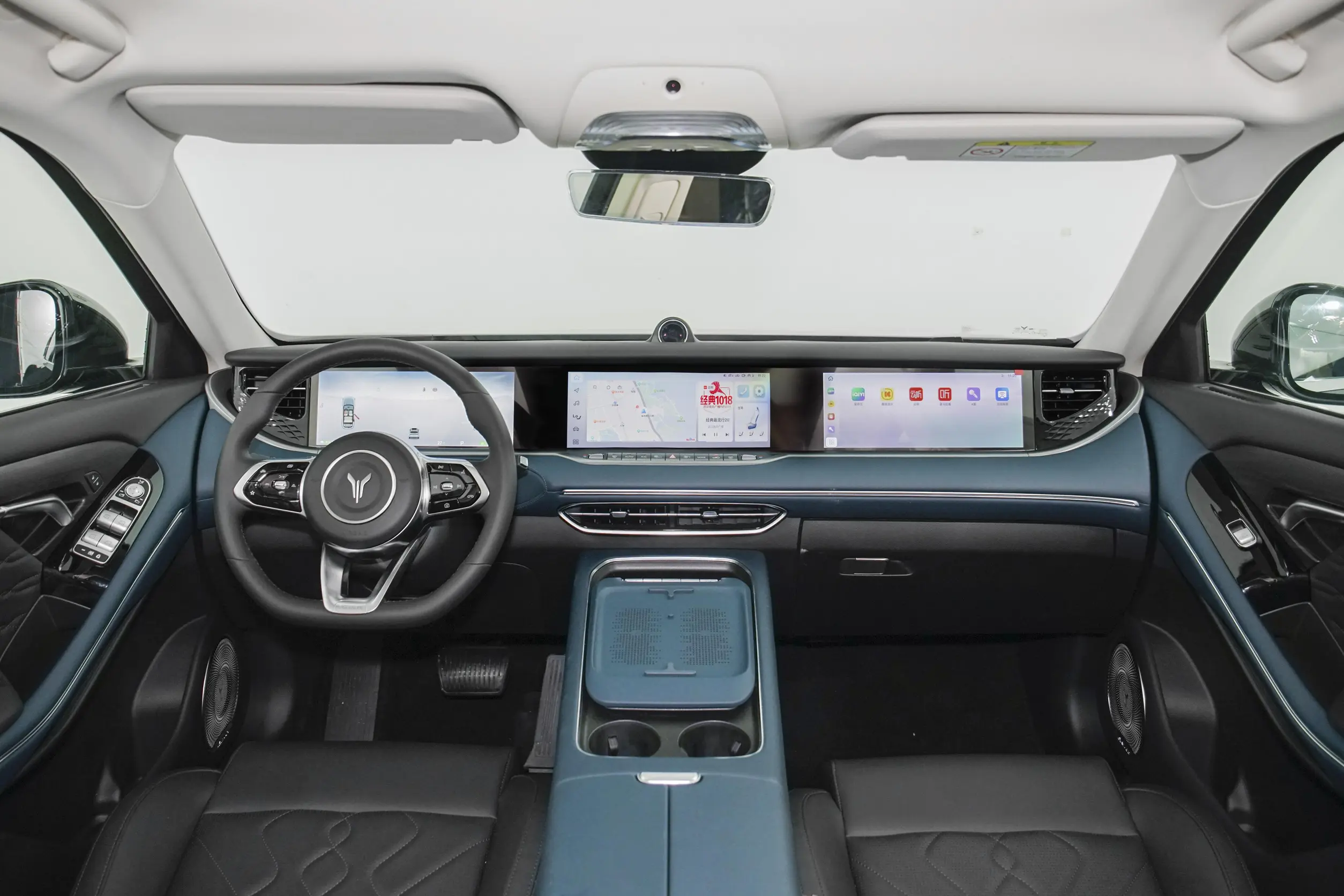
Chinese domestic EVs utilize the GB/T charging standard (GB/T 20234.2 for AC, GB/T 20234.3 for DC), incompatible with European CCS2, Japanese CHAdeMO, or North American CCS1/NEMA standards. The 2026 export regulations now require manufacturers to produce “International Specification” variants with native charging compatibility.
Charging Standard Matrix
| Target Market | Required Standard | Chinese Brand Adaptation | Adapter/Modification Cost |
|---|---|---|---|
| European Union | CCS2 (Combo 2) | Factory-fitted CCS2 inlet | $0 (factory option) |
| United Kingdom | CCS2 + Type 2 | CCS2 inlet + RHD conversion | $800-1,200 |
| Middle East (GCC) | CCS2/CHAdeMO | Dual-standard or CCS2 preferred | $400-600 |
| Southeast Asia | CCS2/Type 2 | Mixed; Thailand/Indonesia specific | $300-500 |
| Latin America | CCS1/GB-T | Adapter cables required | $200-400 |
| Australia/NZ | CCS2/Type 2 | CCS2 + RHD | $900-1,400 |
Infrastructure Considerations
800V High-Voltage Challenges: While the BYD Seal and Xiaomi SU7 support 800V charging, most existing international DC fast charging networks operate at 400V. Importers must verify:
– Local charging network voltage capabilities (IONITY, Fastned, Electrify America)
– Onboard DC-DC converter efficiency (typically 97-98% for 800V→400V step-down)
– Cable cooling requirements for 350kW+ charging stations
V2G (Vehicle-to-Grid) Compatibility: For fleet operators planning energy arbitrage or grid stabilization services, verify that export models support local V2G protocols (ISO 15118-20 for Europe, SAE J3072 for North America). Currently, only BYD and NIO offer certified V2G-capable export models.
5. Homologation, Compliance & 2026 Export Regulations
The 2026 regulatory environment represents the most significant tightening of Chinese automotive export controls since 2001. The Export Permit System (EPS) introduced by the Ministry of Commerce (MOFCOM) and General Administration of Customs (GAC) creates a two-tier compliance framework.
2026 Export Permit Requirements
Manufacturer Qualification: Only automakers meeting these criteria receive Export Qualification Certificates (EQC):
– Annual production capacity > 50,000 units
– ISO 9001 and IATF 16949 certification
– Destination market homologation pre-approval (WVTA, GCC, SASO)
– Established overseas service network (minimum 3 service centers per target country)
– Product liability insurance coverage ($5M+ USD)
Vehicle-Specific Documentation: Each exported vehicle requires:
– Vehicle Identification Number (VIN) registration in the Export Vehicle Traceability System (EVTS)
– Battery passport documentation (EU Battery Regulation 2023/1542 compliance)
– Cybersecurity certification (UNECE R155/R156 for software updates)
– Recycling compliance certificate (end-of-life vehicle directives)
Regional Homologation Standards
| Region | Certification | Key Requirements | Timeline | Cost per Model |
|---|---|---|---|---|
| European Union | WVTA (Whole Vehicle Type Approval) | UNECE R79 (steering), R94/R95 (crash), R10 (EMC), R155/R156 (cyber) | 8-12 months | €150,000-300,000 |
| United Kingdom | NSSTA/IVA | Similar to EU but post-Brexit divergence on charging standards | 6-9 months | £80,000-150,000 |
| GCC (Gulf) | GCC Conformity | GSO standards, extreme heat testing (50°C+), sand ingress protection | 4-6 months | $40,000-70,000 |
| Saudi Arabia | SASO | Additional to GCC: local agent requirement, Arabic labeling | 2-3 months | $15,000-25,000 |
| Australia | ADR (Australian Design Rules) | RHD mandatory, local crash testing for 5-star ANCAP | 6-8 months | AUD $200,000-350,000 |
| Brazil | INMETRO/CONTRAN | Local assembly incentives, Lithium battery recycling plans | 8-10 months | R$300,000-500,000 |
Compliance Strategy for B2B Buyers
Authorized vs. Parallel Import: The 2026 regulations effectively prohibit parallel imports by requiring manufacturer-issued Certificate of Conformity (COC) for customs clearance. B2B buyers must establish direct Manufacturer Authorized Distributor (MAD) agreements or purchase through licensed export trading companies like Electric Auto China.
Grey Market Risks: Vehicles exported without EQC documentation face:
– Customs seizure and destruction
– Invalid manufacturer warranties
– Inability to register for road use
– Criminal liability for importers under new customs enforcement protocols
6. Global Logistics & Supply Chain
Efficient logistics management is critical for maintaining margins on low-cost Chinese EVs where shipping can represent 15-20% of landed costs.
Shipping Methods Comparison
Roll-on/Roll-off (RoRo):
– Best for: Fully assembled vehicles, high volume (>100 units)
– Cost: $800-1,200 per vehicle (China-Europe), $600-900 (China-Middle East)
– Transit time: 25-35 days to Europe, 18-25 days to Middle East
– Advantages: Lowest cost per unit, minimal handling damage risk
– Constraints: Limited to drivable vehicles with charged batteries (<30% SOC for safety)
Container Shipping (40HC):
– Best for: CKD (Completely Knocked Down) kits, mixed cargo, destinations with limited RoRo infrastructure
– Cost: $1,200-1,800 per vehicle (2-3 vehicles per 40HC)
– Transit time: 30-40 days
– Advantages: Flexibility for spare parts inclusion, protection from elements
– Constraints: Complex loading/unloading, battery hazardous material declarations required
Rail Freight (China-Europe):
– Best for: Mid-volume orders (20-50 units), landlocked destinations (Czech Republic, Hungary, Austria)
– Cost: $1,500-2,200 per vehicle
– Transit time: 16-22 days
– Advantages: Faster than sea, lower carbon footprint, avoids maritime chokepoints
– Constraints: Limited to standard gauge networks, winter weather delays
Battery Transportation Compliance
Lithium batteries classified as Class 9 Dangerous Goods require:
– UN38.3 test summary reports for each battery variant
– State of Charge (SOC) maximum 30% for transport
– Thermal runaway containment packaging for air freight (prohibitively expensive for EVs; sea freight preferred)
– Emergency response documentation in multiple languages
Supply Chain Risk Mitigation
Port Congestion: Shanghai, Shenzhen, and Ningbo face seasonal congestion. B2B buyers should:
– Book shipping 4-6 weeks in advance
– Consider alternative ports (Lianyungang for Central Asia rail, Guangzhou for RoRo)
– Maintain buffer inventory equivalent to 60 days sales
Currency Hedging: With CNY/EUR and CNY/USD volatility, utilize forward contracts or natural hedging through CNY-denominated supplier payments.
7. Financial Breakdown: Landed Cost & Dealer Profit Margins (Case Study)
Understanding the true landed cost requires analyzing the complete value chain from factory gate to dealer lot. Below are three detailed case studies representing distinct market segments.
Case Study A: Budget Fleet – Chery eQ1 (Micro Urban EV)
Vehicle Specifications: 30.6kWh LFP battery, 301km NEDC range, 2-door hatchback
| Cost Component | Amount (USD) | Notes |
|---|---|---|
| EXW Factory Price | $8,500 | Chery Anhui factory |
| Export Documentation | $150 | EQC, VIN registration, COC |
| Domestic Transport | $200 | Factory to Shanghai port |
| Port Handling | $300 | Loading, customs clearance |
| Ocean Freight (RoRo) | $950 | Shanghai to Rotterdam |
| Marine Insurance (110% CIF) | $180 | All-risks coverage |
| CIF Rotterdam | $10,280 | |
| Import Duty (EU 10%) | $1,028 | |
| VAT (EU 19-21%) | $2,155 | On CIF + Duty |
| Homologation Amortization | $400 | Per unit (1,000 units/cert) |
| Software Localization | $350 | EU language pack, maps |
| Charging Adapter | $150 | GB/T to CCS2 cable |
| Landed Cost | $14,363 | |
| Recommended Retail | $18,500 | |
| Dealer Margin | 22.4% | $4,137/unit |
Case Study B: Mid-Market SUV – BYD Sealion 06
Vehicle Specifications: 82.5kWh Blade LFP, 520km WLTP, AWD
| Cost Component | Amount (USD) | Notes |
|---|---|---|
| EXW Factory Price | $28,000 | BYD Shenzhen factory |
| Export Documentation | $200 | Enhanced battery passport |
| Domestic Transport | $250 | To Shenzhen port |
| Port Handling | $400 | |
| Ocean Freight (RoRo) | $1,100 | To UK Southampton |
| Marine Insurance | $580 | |
| CIF UK | $30,530 | |
| Import Duty (UK 10%) | $3,053 | Post-Brexit rate |
| VAT (UK 20%) | $6,717 | |
| Type Approval (NSSTA) | $600 | Amortized over 500 units |
| RHD Conversion | $1,200 | Factory option |
| Localization | $800 | UK maps, English voice |
| Landed Cost | $42,900 | |
| Recommended Retail | $52,000 | |
| Dealer Margin | 17.5% | $9,100/unit |
Case Study C: Luxury Segment – NIO ET7 (100kWh)
Vehicle Specifications: 100kWh Semi-solid state, 580km WLTP, Dual-motor AWD
| Cost Component | Amount (USD) | Notes |
|---|---|---|
| EXW Factory Price | $58,000 | Hefei factory |
| Export Documentation | $300 | Premium handling |
| Domestic Transport | $300 | |
| Port Handling | $500 | |
| Ocean Freight (RoRo) | $1,400 | To Germany |
| Marine Insurance | $1,200 | High-value cargo |
| CIF Hamburg | $61,700 | |
| Import Duty (EU 10%) | $6,170 | |
| VAT (Germany 19%) | $12,906 | |
| WVTA Homologation | $800 | Amortized |
| Battery Swap Infrastructure | $2,000 | Station deployment share |
| Premium Localization | $1,500 | German language, NIO House setup |
| Landed Cost | $85,076 | |
| Recommended Retail | $95,000 | |
| Dealer Margin | 10.4% | $9,924/unit |
Financing Structures
Letter of Credit (L/C): Standard for initial orders (30% deposit, 70% L/C at sight). Recommended for new supplier relationships.
Open Account (O/A): Available for established partners with 60-90 day terms, improving cash flow but requiring credit insurance (Euler Hermes, Coface).
Consignment Models: For high-volume dealers (>500 units/year), manufacturers may offer floorplan financing with 3-6 month payment deferrals.
8. Securing After-Sales Support & Spare Parts
The profitability of Chinese electric car brand imports depends heavily on after-sales service capabilities. The 2026 regulations mandate minimum service standards for export authorization.
Spare Parts Strategy
Critical Components Inventory: B2B buyers must stock:
– Battery modules (though manufacturer warranty typically covers 8 years/160,000km)
– Electric motors and inverters
– Charging port assemblies (CCS2 variants)
– ADAS sensors (LiDAR, cameras, radar)
– HVAC systems (heat pumps critical for cold climates)
Parts Logistics:
– Air Freight: For critical warranty repairs (3-5 days China to EU, $15-25/kg)
– Sea Freight: Routine inventory replenishment (45-60 days, $800-1,200 per cubic meter)
– Regional Hubs: Establish parts warehouses in Rotterdam (EU), Dubai (Middle East), or Singapore (ASEAN) to ensure 48-hour availability for A-class parts.
Technical Training Requirements
Manufacturers now provide:
– Level 1: Sales staff product knowledge (online, 8 hours)
– Level 2: Service technician HV safety and diagnostics (in China, 2 weeks, $3,000/person)
– Level 3: Battery repair and replacement (manufacturer facility only, specialized equipment required)
Diagnostic Equipment: Proprietary OBD scanners and software licenses cost $5,000-15,000 per service bay. Ensure your service partner invests in manufacturer-certified tools.
Warranty Management
Battery Warranty: Typically 8 years/160,000km for LFP, 8 years/200,000km for NMC. Note that warranty coverage requires:
– Authorized service center maintenance records
– Software updates applied within 30 days of release
– No modification to charging systems
– Climate control: Extreme heat (>50°C) or cold (<-30°C) may void warranty if not using preconditioning
Extended Warranty Programs: For fleet operators, negotiate “Powertrain Plus” coverage including:
– Motor and inverter (5 years/unlimited km)
– Charging hardware (3 years)
– Infotainment (2 years)
9. Why Partner with Electric Auto China
As Shanghai’s premier B2B EV export consultancy, Electric Auto China bridges the gap between cutting-edge Chinese automotive manufacturing and international market requirements. Our value proposition addresses the three critical pain points of 2026 EV importing:
Regulatory Navigation
Our compliance team maintains direct relationships with MOFCOM, GAC, and manufacturer export departments to ensure every vehicle carries valid EQC documentation. We pre-clear all VINs in the Export Vehicle Traceability System, eliminating customs risk.
Technical Localization
Through partnerships with Tier-1 software integrators (Harman, Bosch, Valeo), we manage complete localization projects including:
– CCS2 charging hardware retrofitting
– RHD conversion supervision
– GDPR-compliant telematics reconfiguration
– Multi-language HMI deployment
Supply Chain Optimization
Our bonded warehouse facilities in Shanghai Free Trade Zone offer:
– Consolidation Services: Combine orders from multiple brands (BYD, NIO, Chery, Xpeng) into single shipments, reducing per-unit freight costs by 15-25%.
– Pre-Delivery Inspection: 120-point PDI including paint correction, software updates, and charging system verification.
– Financing Solutions: CNY/USD/EUR hedging, supplier credit arrangements, and import duty optimization through FTZ structuring.
Exclusive Market Access
As authorized export partners for Chery, BYD, NIO, and Xpeng, we provide:
– Priority allocation for high-demand models (Xiaomi SU7, NIO ET7)
– Exclusive color/trim combinations for your market
– Direct manufacturer warranty backing (not third-party)
– Battery swap station co-investment programs for NIO partners
2026 Ready Infrastructure
With the new export permit system, unauthorized exports face 40% higher scrutiny. Our compliance-first approach ensures:
– 100% customs clearance success rate
– Valid manufacturer warranties transferable to end customers
– Complete homologation documentation packages
– Ongoing regulatory monitoring for standard updates
Contact our B2B Export Division today to receive your customized import feasibility study, including specific landed cost calculations for your target market and volume requirements. The 2026 Chinese EV export landscape offers unprecedented opportunities for established automotive distributors—provided you navigate the complexity with an expert partner.
Electric Auto China | Shanghai Free Trade Zone | B2B EV Export Consultancy | [email protected]
Unlock High-Margin EV Imports with Electric Auto China
As an elite automotive supply chain partner in Shanghai, we provide end-to-end, strictly compliant export solutions tailored for international dealerships, fleet managers, and wholesale distributors.
- 🛡️ 100% Legal & Compliant: Fully licensed exports ensuring smooth customs clearance at your destination.
- ⚙️ Complete Localization: Professional English/Arabic/Russian OS flashing and GB/T to CCS2 charging solutions.
- 🚢 Secure Logistics: Direct Ro-Ro and Containerized shipping with full UN38.3 battery certifications.
- 🔧 After-Sales Support: Reliable access to OEM diagnostic tools and steady spare parts supply.
Request a Detailed FOB/CIF Quote Today:
📧 B2B Sales Email: [email protected]
💬 Direct WhatsApp: +86 159 5127 6160