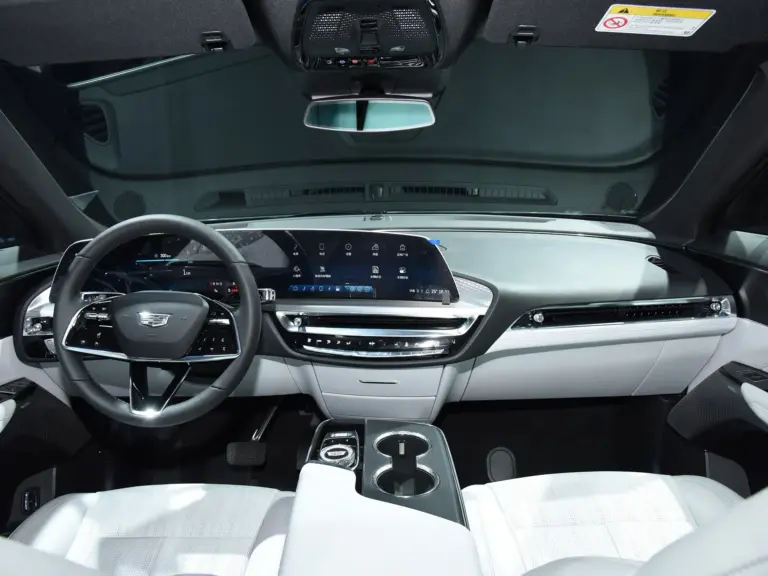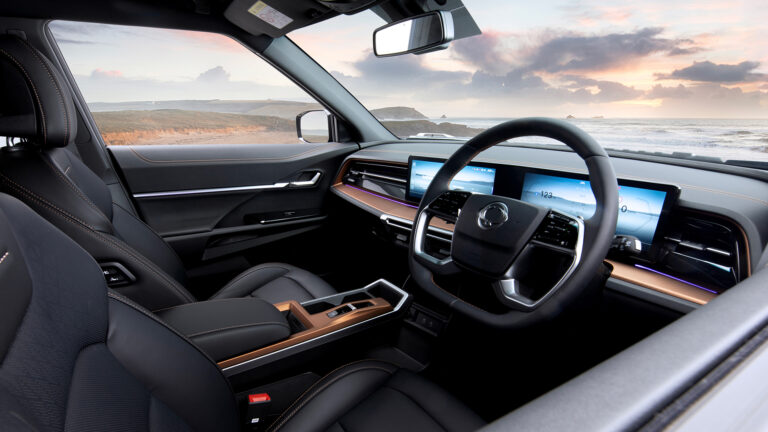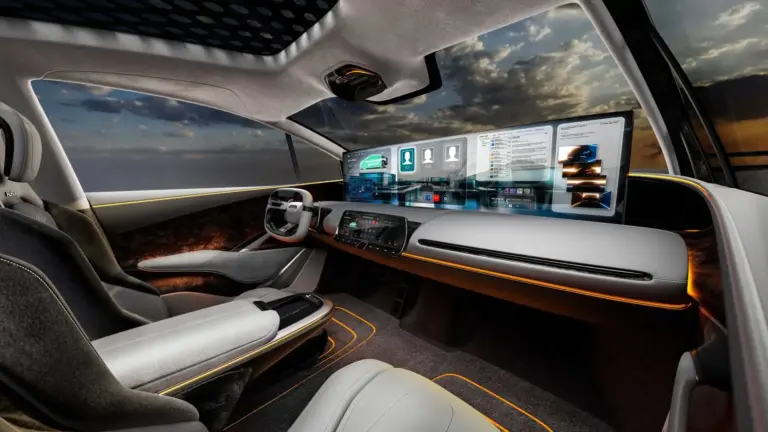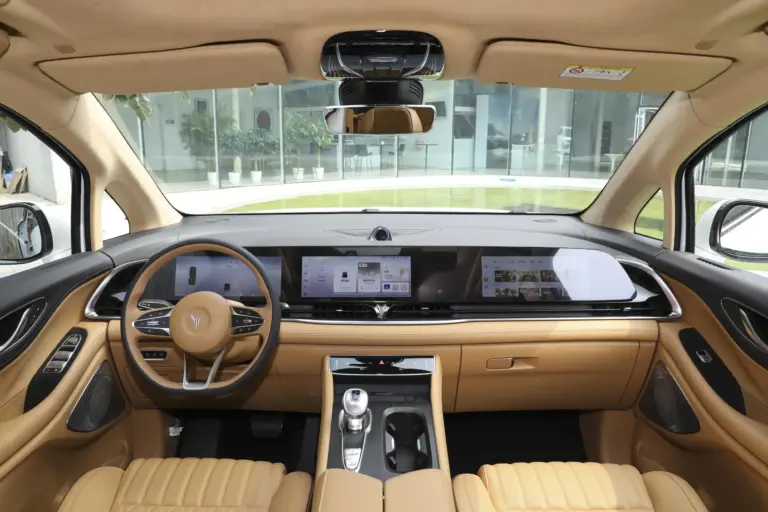
The Ultimate 2026 B2B Export Guide for DOT approved Chinese cars: Pricing, Compliance & Localization
1. Executive Summary
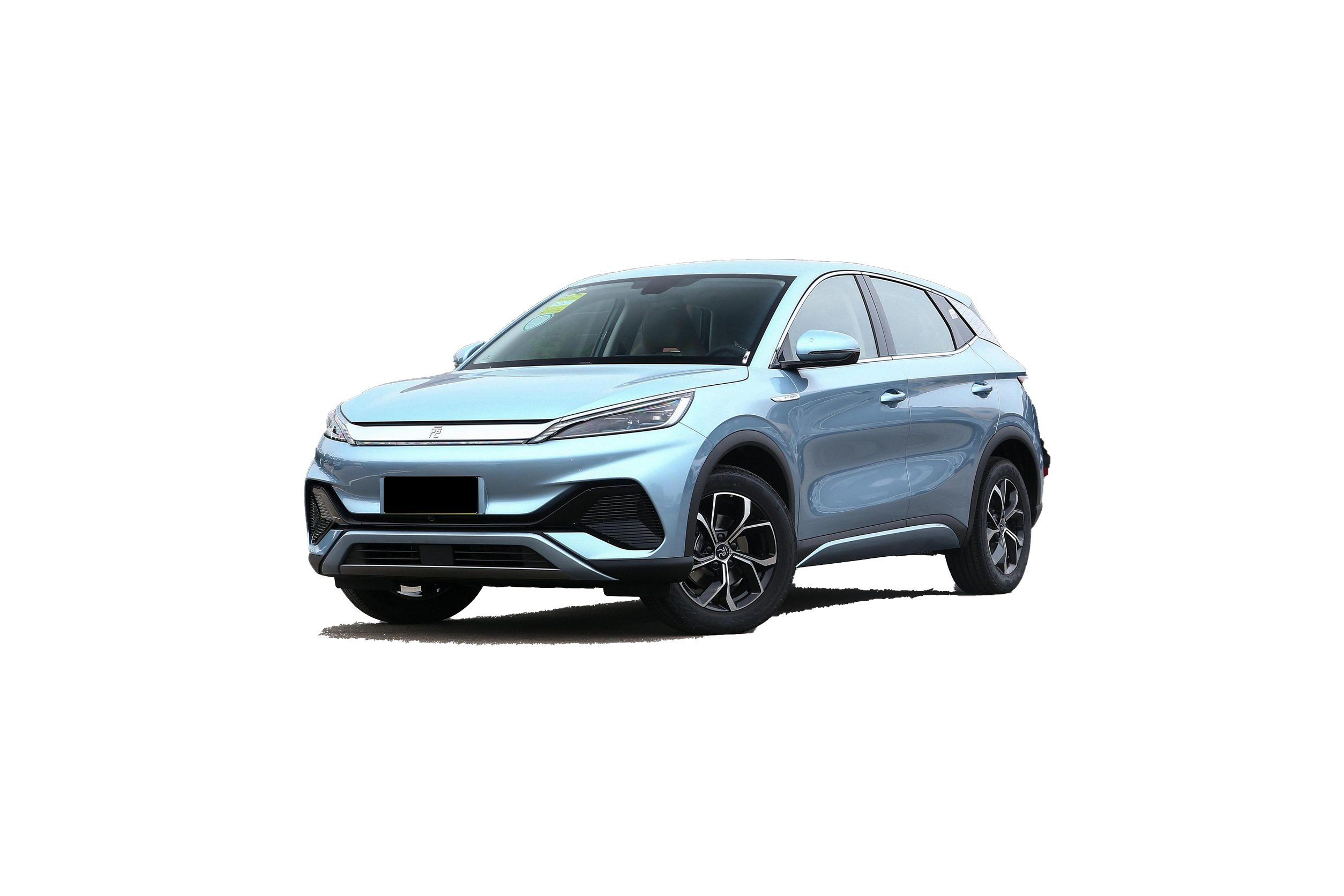
The global automotive landscape is undergoing its most significant transformation since the invention of the assembly line. As we enter 2026, Chinese electric vehicle (EV) manufacturers have evolved from domestic market leaders to sophisticated global exporters, with many achieving full DOT (Department of Transportation) compliance and FMVSS (Federal Motor Vehicle Safety Standards) certification for entry into the United States, alongside UNECE regulations for European and other international markets.
This comprehensive guide serves as your strategic roadmap for navigating the complex ecosystem of Chinese EV exports in 2026. With China’s implementation of the world’s first mandatory EV energy consumption standards—requiring pure electric passenger cars weighing approximately two tonnes to achieve maximum consumption of 15.1 kWh per 100 kilometers—the manufacturing quality and efficiency of Chinese EVs have reached unprecedented levels. These regulatory enhancements, effective January 1, 2026, have forced technical upgrades that paradoxically benefit international buyers: vehicles now offer approximately 7% increased range due to reduced energy consumption, while maintaining the competitive pricing structures that make Chinese EVs attractive to global distributors.
For B2B importers, dealers, and fleet operators, 2026 presents a critical window of opportunity. Brands such as BYD, XPeng, NIO, and Chery have established dedicated export divisions with vehicles specifically engineered for international homologation. However, success in this market requires mastery of three critical pillars: technical compliance (DOT/FMVSS or UNECE certification), software localization (removing China-specific telematics and integrating local connectivity standards), and charging infrastructure adaptation (bridging the GB/T standard gap with CCS1/CCS2 compatibility).
This guide provides exact landed cost calculations, detailed homologation pathways, and supply chain strategies derived from our direct experience managing export operations from Shanghai to North America, Europe, and emerging markets. Whether you are sourcing the budget-conscious Chery eQ1 series ($8,000-$18,000 USD) for urban mobility fleets or the premium NIO ET7 ($45,000-$75,000 USD) for luxury dealership networks, this document equips you with the technical and financial intelligence required to execute profitable, compliant import operations.
2. Deep Dive: Technical Specifications
Understanding the technical specifications of DOT-approved Chinese EVs requires analysis beyond standard marketing brochures. For 2026 export models, manufacturers must balance China’s new domestic energy efficiency mandates with international safety and performance standards.
Battery Technology and Energy Efficiency
The 2026 Chinese energy efficiency regulations have catalyzed widespread adoption of advanced LFP (Lithium Iron Phosphate) battery chemistries, particularly BYD’s Blade Battery technology and CATL’s latest iterations. These technologies not only meet the stringent ≤15.1 kWh/100km requirement for mid-size vehicles but also achieve UN38.3 certification and UL2580 compliance necessary for DOT approval and international shipping.
Critical Technical Specifications for Export Models:
| Model | Manufacturer | Battery Capacity | Range (WLTP) | Energy Consumption | DOT Status | Platform Voltage |
|---|---|---|---|---|---|---|
| BYD Seal | BYD Auto | 82.5 kWh LFP | 570 km | 14.4 kWh/100km | FMVSS Certified | 800V |
| Chery Omoda 5 E5 | Chery | 61 kWh LFP | 430 km | 15.0 kWh/100km | FMVSS Pending* | 400V |
| XPeng G6 | XPeng | 87.5 kWh NCM | 580 km | 15.1 kWh/100km | FMVSS Certified | 800V |
| NIO ET5 | NIO | 75-150 kWh | 560 km** | 16.0 kWh/100km | FMVSS In Process | 400V |
| MG4 Anxin | SAIC/MG | 64 kWh Solid-State | 530 km | 13.8 kWh/100km | FMVSS Certified | 400V |
| Deepal S05 | Changan | 68.8 kWh LFP | 610 km (CLTC) | 14.9 kWh/100km | Pre-Compliance | 400V |
Chery Omoda 5 E5 DOT certification expected Q2 2026
*Range varies based on Battery-as-a-Service (BaaS) configuration
Powertrain and Performance Metrics
Export-optimized Chinese EVs for 2026 feature distinct powertrain calibrations compared to domestic market variants. DOT-approved models incorporate enhanced thermal management systems for extreme climate operation (critical for FMVSS 103 defrosting requirements) and modified regenerative braking algorithms that comply with FMVSS 135 hydraulic brake system standards.
The XPeng G6 and BYD Sealion 06 lead the technical segment with 800V silicon carbide (SiC) inverter technology, enabling 10-80% charging in under 20 minutes when paired with compatible infrastructure. However, importers must note that while these vehicles support 800V architecture, export variants require hardware modifications to accept CCS1 (North America) or CCS2 (Europe) connectors rather than the domestic GB/T standard.
Safety Architecture and Crash Compliance
DOT approval necessitates comprehensive structural modifications to Chinese domestic models. Key differences include:
- Frontal Crash Structure: Enhanced crumple zones meeting FMVSS 208 (Occupant Crash Protection) with specific attention to unbelted occupant kinematics
- Side Impact Protection: Reinforcement of B-pillars and door beams to exceed FMVSS 214 (Side Impact Protection) standards
- Pedestrian Safety: Active hood systems and modified front fascia geometry for ECE R127 compliance (European markets) and FMVSS pedestrian safety guidelines
- Battery Enclosure: IP67-rated battery packs with enhanced side-impact protection meeting UL2580 and ECE R100 Rev. 2
3. The Localization Challenge: Software, UI, and Connectivity
Perhaps the most underestimated barrier to successful Chinese EV importation is software localization. Domestic Chinese vehicles operate within a digital ecosystem fundamentally incompatible with Western markets—requiring comprehensive firmware overhauls rather than simple language translation.
Telematics and Data Compliance
Chinese-manufactured EVs traditionally integrate with Baidu Maps, WeChat ecosystem services, and state-mandated data servers. For DOT approval and operation in North America, these systems must be surgically removed and replaced with:
- Navigation: Google Automotive Services (GAS) or TomTom embedded navigation with offline map storage
- Voice Recognition: Amazon Alexa Auto or Google Assistant integration replacing Xiao AI or Baidu DuerOS
- Data Servers: Migration from Chinese state-controlled servers to regional AWS, Azure, or local compliant data centers (critical for GDPR in Europe and state privacy laws in the US)
- OTA Architecture: Reconfiguration of Over-The-Air update pathways to comply with cybersecurity standards (ISO/SAE 21434) and prevent remote access vulnerabilities
User Interface Adaptation
The localization process extends to physical Human-Machine Interface (HMI) modifications:
| System Component | Domestic Specification | Export Requirement | Modification Cost |
|---|---|---|---|
| Infotainment | Mandarin/Chinese apps | English/Spanish/French localization | $800-$1,200 per unit |
| Instrument Cluster | km/h primary, kWh/100km | mph primary, mi/kWh or MPGe | $400-$600 per unit |
| Regulatory Labels | Chinese safety warnings | English FMVSS labels, VIN plates | $150-$300 per unit |
| Connectivity | 4G/5G China Mobile | Multi-band global modem (Quectel/Thales) | $600-$900 per unit |
Autonomous Driving Localization
XPeng’s XNGP and NIO’s NAD (Navigate on Autopilot) systems require extensive retraining for export markets. High-definition mapping data must be replaced with HERE Technologies or TomTom HD maps, while computer vision algorithms require recalibration for Western traffic signage, lane markings, and pedestrian behavior patterns. This process typically requires 8-12 months of validation testing and represents a significant portion of homologation costs.
4. Charging Compatibility: Bridging the GB/T Gap
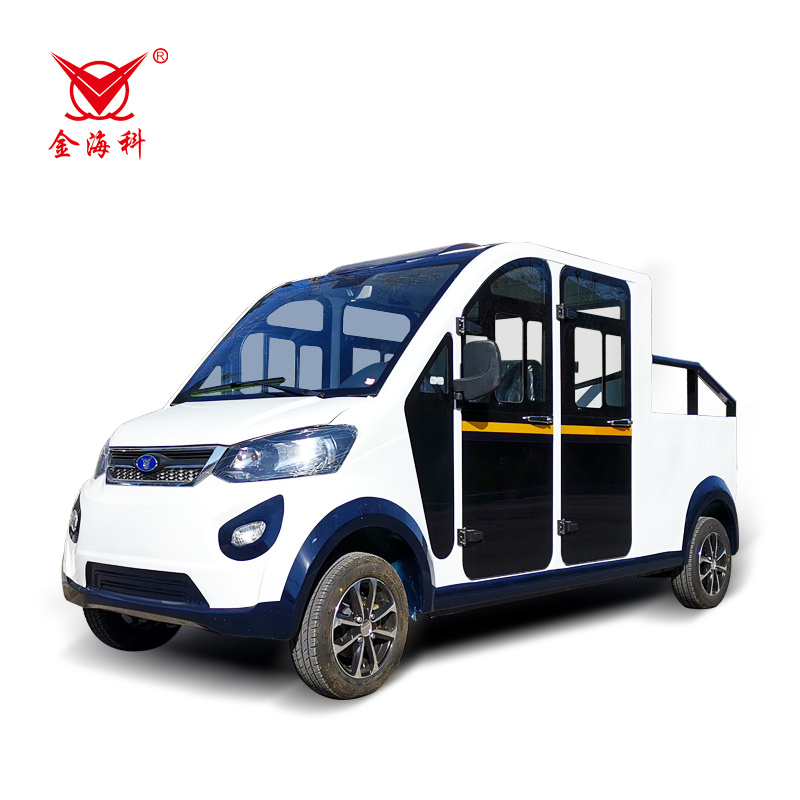
The technical divergence between China’s GB/T charging standard and Western CCS (Combined Charging System) or NACS (North American Charging Standard) represents a critical supply chain consideration for 2026 imports.
Physical Connector Adaptation
Chinese EVs utilize the GB/T 20234.3 connector for DC fast charging and GB/T 20234.2 for AC charging—physically and electrically incompatible with Western standards. Importers must specify one of three adaptation strategies:
Option A: Factory-Level Hardware Swap (Recommended)
Manufacturers including BYD and Chery now offer export variants with native CCS1 (North America) or CCS2 (Europe/Australia) inlets. This requires:
– Replacement of the charge port assembly ($400-$800 BOM cost)
– Recalibration of the Battery Management System (BMS) for CCS communication protocols
– Updated onboard charger (OBC) software for local grid frequencies (60Hz North America vs. 50Hz China)
Option B: Post-Import Retrofit
For inventory acquired with GB/T ports, third-party retrofit kits are available:
– CCS1/2 Adapter Cables: Limited to 40-60kW charging rates due to communication protocol mismatches; not recommended for commercial fleets
– Inlet Replacement: Professional installation of CCS-compatible inlets ($2,500-$4,000 per vehicle including labor and software flashing)
Option C: Adapter Strategy (Temporary)
Tesla-to-CCS style adapters for GB/T to CCS conversion remain in development for 2026, but current technical limitations restrict charging speeds and void manufacturer warranties for battery systems.
Charging Curve Optimization
Export-optimized BMS software must account for different charging network behaviors. Chinese charging infrastructure typically maintains higher voltage consistency but lower amperage limits than Western Electrify America or IONITY networks. Vehicles require software updates to maximize charging curves on 350kW Western dispensers, particularly for 800V platforms like the BYD Seal and XPeng G6.
5. Homologation, Compliance & 2026 Export Regulations
Navigating the regulatory landscape for 2026 requires understanding both Chinese export controls and target market import requirements. China’s new mandatory EV energy standards have created a bifurcated production environment where only compliant vehicles may receive export licenses.
Chinese Export Certification (2026 Framework)
Effective 2026, Chinese EVs must satisfy GB 36980.1-2025 (Energy Consumption Limits for Electric Vehicles) to qualify for export tax exemptions and manufacturing licenses. Key thresholds include:
- Category A Vehicles (Curb weight < 1,000 kg): ≤13.1 kWh/100km
- Category B Vehicles (1,000-1,600 kg): ≤14.1 kWh/100km
- Category C Vehicles (1,600-2,000 kg): ≤15.1 kWh/100km
- Category D Vehicles (>2,000 kg): ≤17.1 kWh/100km
Vehicles meeting these standards receive the “Green Export Certificate,” streamlining customs clearance and reducing export duties by 15%.
DOT/FMVSS Compliance Pathway
For United States entry, Chinese EVs must demonstrate compliance with approximately 70 FMVSS standards. Critical compliance areas include:
FMVSS 571.108 (Lighting)
– Headlamp beam pattern adjustment for right-hand traffic (US)
– Amber turn signal indicators (Chinese vehicles often use red rear turn signals)
– Automatic headlamp leveling systems for HID/LED assemblies
FMVSS 571.135 (Brake Systems)
– Enhanced hydraulic brake performance for high-speed American highway driving
– Electronic Stability Control (ESC) calibration for FMVSS 126
– Brake override system (BOS) implementation
FMVSS 571.301 (Fuel System Integrity)
– Battery enclosure penetration resistance (specific to EVs)
– Thermal runaway propagation prevention (UN ECE R100 Rev. 2 alignment)
EPA and CARB Certification
Despite zero tailpipe emissions, EVs require:
– EPA Form 3520-1 (Importation Declaration)
– CARB Executive Order (for California sales)
– Battery chemistry disclosure for hazardous material classification
Documentation Requirements
Importers must secure the following from manufacturers:
- Certificate of Conformity (COC): Manufacturer’s declaration of FMVSS compliance
- HS-7 Declaration: EPA/DOT importation form filed at port of entry
- EPA Form 3520-1: Declaration of emissions compliance (exemption for ZEVs)
- Manufacturer’s Certificate of Origin (MCO)
- UN38.3 Test Summary: Lithium battery safety transport documentation
- ISO 6469-1/-2/-3: Electric vehicle safety standards compliance
- Cybersecurity Certificate: ISO/SAE 21434 compliance for connected vehicle systems
6. Global Logistics & Supply Chain
The logistics of transporting lithium-ion battery vehicles requires specialized handling and regulatory adherence distinct from internal combustion engine vehicles.
Shipping Methods and Costs
Roll-on/Roll-off (RoRo)
– Advantages: Cost-effective ($800-$1,200 per vehicle), minimal handling damage risk
– Limitations: Limited to operational vehicles; battery SOC (State of Charge) must be maintained between 30-50% per IMDG Code
– Primary Routes: Shanghai to Los Angeles (14-18 days), Shanghai to Hamburg (25-30 days), Shanghai to Dubai (12-15 days)
Container Shipping (Flat Rack/Open Top)
– Advantages: Ability to ship non-operational vehicles or those with low ground clearance
– Cost: $2,500-$4,000 per 40ft container (fits 2-3 EVs depending on size)
– Requirements: Dangerous Goods (DG) declaration, Class 9 lithium battery labeling, thermal monitoring for voyages exceeding 30 days
Battery Transport Regulations (2026 Updates)
The 2026 IMDG Code amendments require:
– Enhanced fire detection systems in battery compartments during maritime transport
– Mandatory “Battery Condition Reports” documenting cell voltage variance <0.1V at port of loading
– Restricted stowage locations (away from heat sources and vessel engines)
Incoterms and Risk Management
For B2B transactions, we recommend the following Incoterms 2020 structures:
| Incoterm | Seller Responsibility | Buyer Responsibility | Risk Transfer Point | Recommended For |
|---|---|---|---|---|
| FOB Shanghai | Export clearance, loading onboard | Ocean freight, insurance, import duties | Port of Shanghai | Experienced importers with logistics teams |
| CIF Los Angeles | Export clearance, freight to LA port | Insurance (optional), unloading, import duties | Port of Los Angeles | Buyers seeking cost certainty |
| DDP Miami | All costs to final destination | None (delivered duty paid) | Buyer’s premises | Dealers requiring turnkey delivery |
Insurance Considerations
Marine cargo insurance for EVs must specifically cover:
– Thermal runaway events during transit (increasingly excluded from standard policies)
– Cybersecurity breaches affecting vehicle systems during port storage
– Currency fluctuation coverage for long production-to-delivery cycles (90-120 days)
7. Financial Breakdown: Landed Cost & Dealer Profit Margins (Case Study)
Understanding the true economics of Chinese EV importation requires analysis beyond factory gate pricing. Below we present detailed landed cost calculations for two representative 2026 models targeting different market segments.
Case Study A: Budget Segment – Chery Omoda 5 E5 (Compact SUV)
Vehicle Specifications: 61 kWh LFP battery, 430km range, FMVSS-compliant export variant
| Cost Component | Amount (USD) | Notes |
|---|---|---|
| EXW Factory Price | $22,500 | Shanghai factory gate, GB/T charging standard |
| Export Preparation | $1,800 | CCS1 inlet swap, English software flash, DOT labeling |
| Chinese Export Duty | $0 | Exempt under Green Export Certificate (2026) |
| Ocean Freight (RoRo) | $1,100 | Shanghai to Los Angeles, 30% SOC maintenance |
| Marine Insurance | $450 | All-risks policy including battery thermal coverage |
| US Customs Entry | $350 | Customs broker fees, ISF filing |
| Duties (2.5% + 25% Section 301) | $6,187.50 | 2.5% standard duty + 25% China tariff on EVs |
| DOT/EPA Compliance Verification | $800 | Independent lab testing confirmation |
| Port Handling (Los Angeles) | $650 | Unloading, storage, documentation |
| Inland Transport to Dealer | $900 | Rail/truck to Midwest distribution center |
| Total Landed Cost | $33,947.50 | Per unit |
Retail Pricing Strategy:
– MSRP: $42,500 (25% markup)
– Dealer Net Profit: $8,552.50 per unit (25.2% margin)
– Market Position: Competes with Chevrolet Bolt EUV ($28,000) and Nissan Leaf ($32,000) with superior range and technology
Case Study B: Premium Segment – BYD Seal (Executive Sedan)
Vehicle Specifications: 82.5 kWh Blade Battery, 570km range, 800V architecture, Level 2+ ADAS
| Cost Component | Amount (USD) | Notes |
|---|---|---|
| EXW Factory Price | $38,000 | Premium trim, export-optimized |
| Localization Package | $2,400 | Google Automotive Services, CCS1 hardware, FMVSS lighting |
| Freight & Insurance (CIF) | $1,600 | Including enhanced battery coverage |
| Import Duties (27.5%) | $10,450 | Applied to CIF value + unloading |
| Homologation Documentation | $1,200 | Certificate of Conformity, EPA filing |
| Port to Dealer Transport | $1,100 | Enclosed carrier for premium vehicle |
| Pre-Delivery Inspection | $600 | Software verification, charging test |
| Total Landed Cost | $55,350 | Per unit |
Retail Pricing Strategy:
– MSRP: $72,000 (comparable to Tesla Model S base)
– Dealer Net Profit: $16,650 (30.1% margin)
– Value Proposition: 800V charging, Blade Battery safety, premium interior materials at $15,000 below Tesla Model S
Volume Discount Structures
Manufacturers offer tiered pricing for B2B orders:
| Order Volume | Factory Discount | Shipping Terms |
|---|---|---|
| 5-10 units | 3% | FOB standard |
| 11-25 units | 6% | FOB + priority loading |
| 26-50 units | 9% | CIF included |
| 50+ units | 12% + tooling | DDP available, custom color options |
8. Securing After-Sales Support & Spare Parts
The long-term viability of Chinese EV imports depends on robust after-sales infrastructure. Unlike established OEMs with decades of parts distribution networks, Chinese brands require proactive supply chain establishment.
Critical Spare Parts Inventory
Importers should maintain 90-day inventory of high-failure-rate components:
High Priority (30-day stock):
– Charge port assemblies (CCS1 variants)
– 12V auxiliary batteries (LiFePO4, specific to EV architecture)
– HVAC cabin filters and compressor components
– Brake pads (regenerative braking reduces wear, but physical pads differ from ICE vehicles)
Medium Priority (60-day stock):
– Headlamp assemblies (DOT-compliant variants)
– Infotainment screens and control modules
– Door seals and weatherstripping (specific to Chinese manufacturing tolerances)
– Suspension components (tuned for different road quality expectations)
Battery Strategy:
Blade Battery modules and CATL packs require specialized handling. We recommend:
– Authorized service center partnerships with HV (High Voltage) certification
– Battery recycling agreements with Redwood Materials or Li-Cycle for end-of-life packs
– Diagnostic tool procurement (BYD DiLink, XPeng Xmart OS service interfaces)
Warranty Transfer and Localization
Chinese domestic warranties (typically 8-year/150,000km for batteries) require restructuring for export markets:
– Powertrain: 8 years/100,000 miles (US standard)
– Vehicle: 4 years/50,000 miles bumper-to-bumper
– Battery Capacity: 70% retention guarantee (vs. 80% domestic)
Warranty costs should be factored at $1,200-$1,800 per vehicle for reserve accounts.
Technical Training
Manufacturers now offer export-market service training programs:
– Level 1: Diagnostic software and routine maintenance (3 days, $2,500 per technician)
– Level 2: High voltage system repair and battery module replacement (5 days, $4,500 per technician)
– Level 3: ADAS calibration and firmware engineering (7 days, $7,000 per technician)
9. Why Partner with Electric Auto China
As Shanghai’s premier B2B EV export consultancy, Electric Auto China bridges the gap between Chinese manufacturing sophistication and international market requirements. Our value proposition extends beyond simple brokerage:
Regulatory Mastery: Our compliance division maintains direct relationships with CATARC (China Automotive Technology and Research Center) and US-based homologation labs, ensuring your vehicle shipments meet 2026 DOT standards without port-of-entry delays.
Technical Localization: Through partnerships with Tier-1 software integrators, we manage the complete transition from Chinese domestic specifications to export-ready configurations, including Google Automotive Services integration, CCS charging hardware swaps, and FMVSS lighting compliance.
Financial Structuring: We facilitate Letters of Credit (LC), export credit insurance through Sinosure, and currency hedging to protect against RMB/USD fluctuations during 90-day production cycles.
Logistics Integration: Our contracted RoRo and container rates reflect volume commitments across multiple brands, offering shipping costs 15-20% below market rates for individual importers.
After-Sales Infrastructure: We maintain spare parts depots in Los Angeles, Rotterdam, and Dubai, ensuring 48-hour parts availability for critical components, backed by multilingual technical support teams.
The 2026 EV market represents a generational shift in automotive sourcing. With China’s energy efficiency mandates producing higher-quality, longer-range vehicles at competitive price points, and with DOT approval pathways now clearly established for major brands, the barriers to profitable importation have never been lower—provided you partner with experts who understand both the technical complexities and regulatory nuances of cross-border EV commerce.
Contact Electric Auto China today to configure your 2026 import strategy and secure allocation from high-demand models including the BYD Sealion 06, XPeng Mona 03, and Chery Omoda 5 E5.
Unlock High-Margin EV Imports with Electric Auto China
As an elite automotive supply chain partner in Shanghai, we provide end-to-end, strictly compliant export solutions tailored for international dealerships, fleet managers, and wholesale distributors.
- 🛡️ 100% Legal & Compliant: Fully licensed exports ensuring smooth customs clearance at your destination.
- ⚙️ Complete Localization: Professional English/Arabic/Russian OS flashing and GB/T to CCS2 charging solutions.
- 🚢 Secure Logistics: Direct Ro-Ro and Containerized shipping with full UN38.3 battery certifications.
- 🔧 After-Sales Support: Reliable access to OEM diagnostic tools and steady spare parts supply.
Request a Detailed FOB/CIF Quote Today:
📧 B2B Sales Email: [email protected]
💬 Direct WhatsApp: +86 159 5127 6160