The Ultimate 2026 B2B Export Guide for Electric car ocean freight cost: Pricing, Compliance & Localization
1. Executive Summary
The global electric vehicle procurement landscape has undergone a seismic shift following China’s implementation of the Export License Management for Pure Electric Passenger Vehicles on January 1, 2026. Jointly enforced by the Ministry of Commerce (MOFCOM), MIIT, GACC, and SAMR, these regulations now mandate that every exported EV unit secure explicit governmental authorization—a procedural layer that fundamentally alters lead times, documentation requirements, and cost structures for international B2B buyers.
Simultaneously, ocean freight economics for lithium-ion battery vehicles have stabilized following the 2025 Red Sea crisis volatility, yet remain structurally higher than pre-pandemic baselines due to stringent IMDG Code amendments governing UN3171 classified cargo. For procurement officers and automotive distributors, understanding the intersection of compliance costs (export licensing, homologation, and battery certification) and logistics premiums (SOC limitations, specialized RoRo slots, and thermal monitoring) is now non-negotiable.
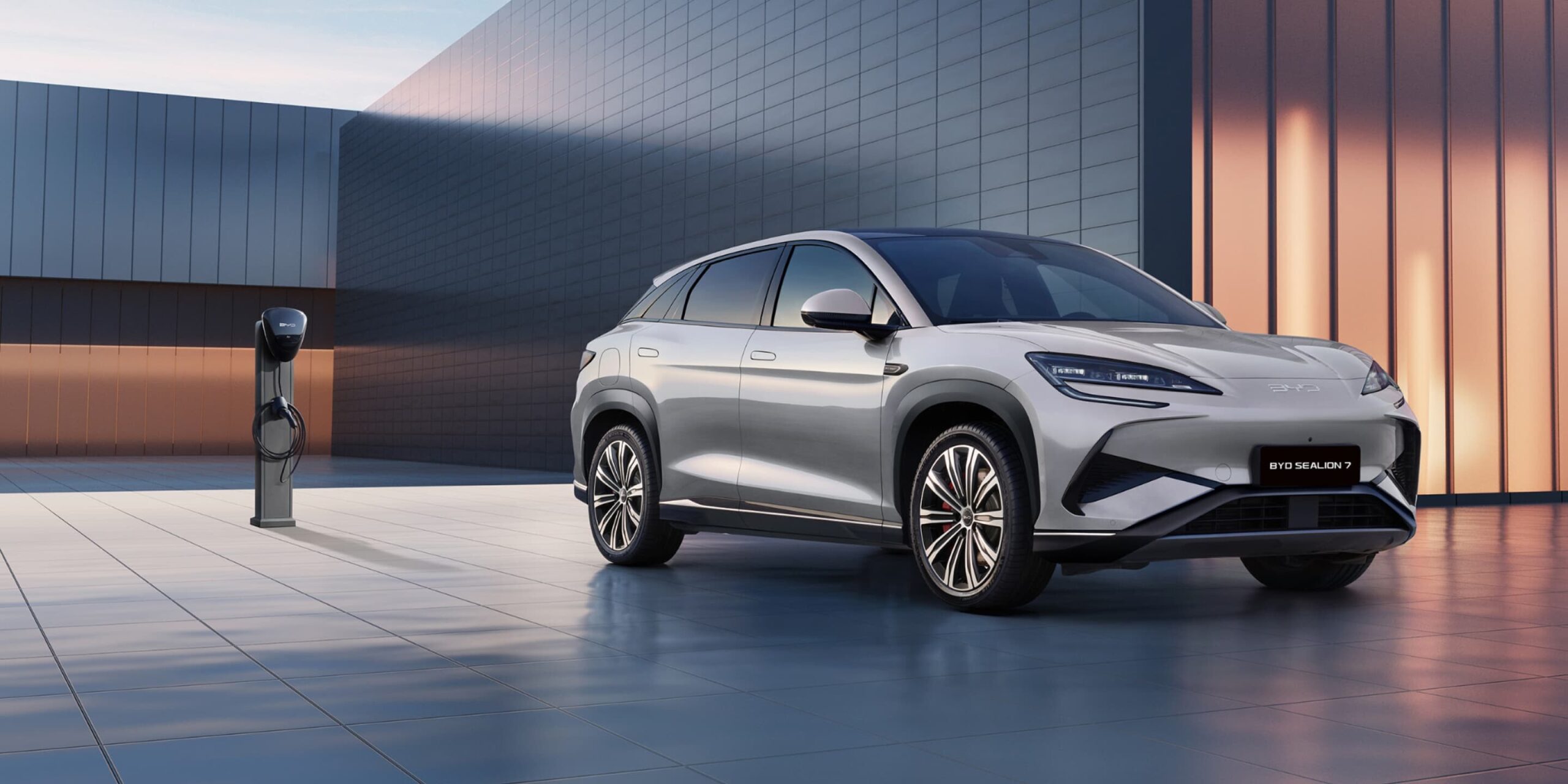
This guide provides an exhaustive framework for navigating the 2026 Chinese EV export ecosystem. We dissect the technical prerequisites for ocean freight transport—including the critical 20-50% State of Charge (SOC) mandates and UN38.3 testing protocols—while delivering precise landed cost calculations that account for the new regulatory tariffs, such as Turkey’s 30% additional duty or minimum $8,500 levy per unit. Whether you are importing the 2026 BYD Sealion 06 EV, the Changan Deepal S07, or the FAW BESTUNE Yueyi 03, this document equips you with the compliance roadmap and financial modeling required to maintain competitive dealer margins in an increasingly regulated global market.
2. Deep Dive: Technical Specifications
Battery Chemistry & Shipping Classification
All lithium-ion battery EVs shipped from Shanghai, Ningbo, or Shenzhen ports fall under UN3171 (Battery-powered vehicles) or UN3480 (Lithium-ion batteries, if shipped separately). For complete vehicle exports—the focus of this guide—UN3171 classification triggers specific ocean freight protocols:
| Specification | Requirement | Cost Impact |
|---|---|---|
| State of Charge (SOC) | 20-50% maximum (carrier-specific) | $150-$300 per unit for charge adjustment at port |
| UN38.3 Test Summary | Mandatory for all battery cells >100Wh | $800-$1,200 documentation fee per SKU |
| Battery Chemistry Declaration | NCM vs. LFP classification required | NCM attracts higher insurance premiums (+15%) |
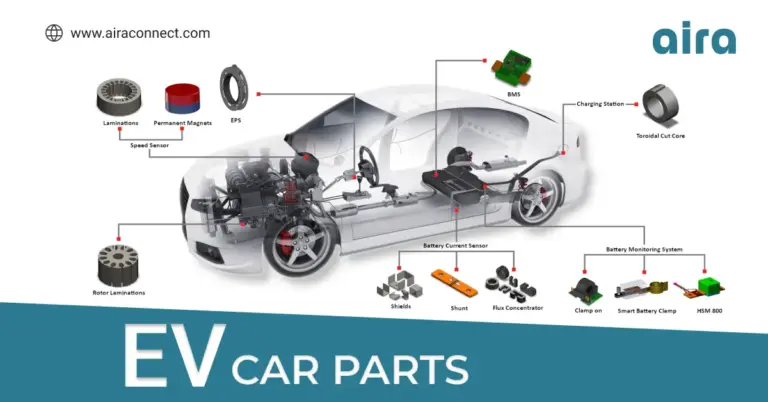
| Thermal Runaway Protection | Proof of compliant BMS (Battery Management System) | Included in manufacturer MSRP |
Dimensional Optimization for Containerization
While Roll-on/Roll-off (RoRo) remains the preferred method for EV ocean freight, high-volume B2B buyers increasingly utilize 40ft High Cube (HC) containers to optimize per-unit shipping costs. However, EV dimensional constraints differ significantly from ICE vehicles due to battery pack placement:
- Floor Height: Battery packs add 15-25mm to minimum ground clearance, requiring reinforced container ramps
- Weight Distribution: EVs exhibit 60:40 rear-biased weight distribution (vs. 50:50 ICE), necessitating specific lashing patterns
- Container Yield: Standard 40ft HC accommodates 2 mid-size SUVs (e.g., BYD Sealion 06) or 3 compact sedans (e.g., 2026 Nissan LEAF variants manufactured in China)
Critical Update (February 6, 2026): The Chinese State Administration for Market Regulation’s prohibition of concealed door handles (effective January 1, 2027) impacts 2026 model year exports. Vehicles equipped with this feature—common in premium models like the ARCFOX αS S5—must undergo hardware modification before export to avoid compliance rejection in target markets adopting similar safety standards.
3. The Localization Challenge: Software, UI, and Connectivity
Chinese domestic market EVs ship with ecosystem dependencies incompatible with global markets. B2B importers must budget for Software Localization & Interface Adaptation (SLIA) costs, typically ranging between $800-$2,500 per unit depending on target market complexity.
Mandatory Localization Protocols
| System | Chinese Domestic Spec | Export Requirement | Modification Cost |
|---|---|---|---|
| Navigation | Baidu Maps / Amap | Google Maps / HERE / Local providers | $200-$400 (software flash) |
| Voice Assistant | Mandarin-only NLP | Multi-language support (EN/ES/AR) | $300-$600 (license + activation) |
| Telematics | China Mobile 4G/5G | Local carrier eSIM provisioning | $50-$150 per unit |
| App Ecosystem | WeChat Auto / Tencent | Android Auto / Apple CarPlay | $150-$300 (hardware module if absent) |
| OTA Updates | Domestic server (GWM Cloud / BYD Cloud) | International CDN migration | $100-$200 annual subscription |
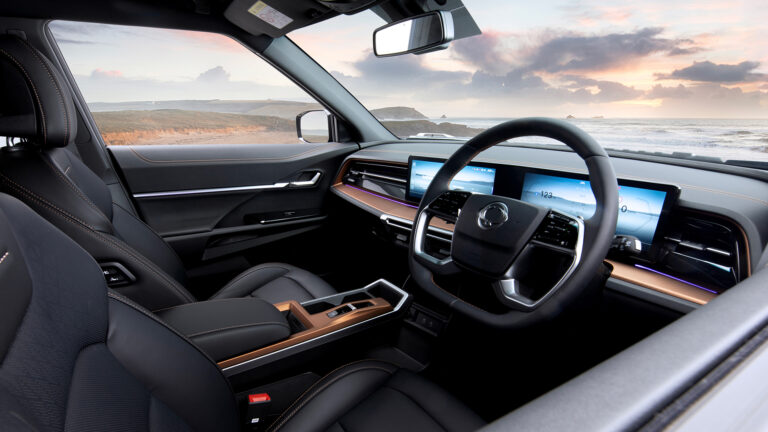
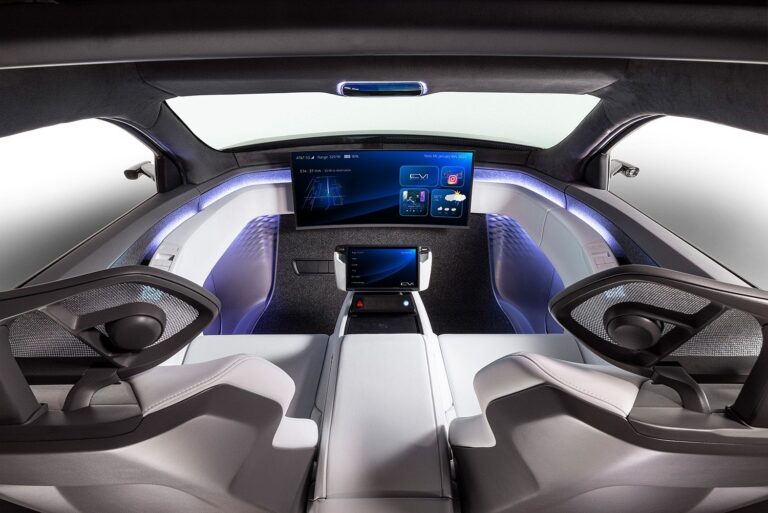
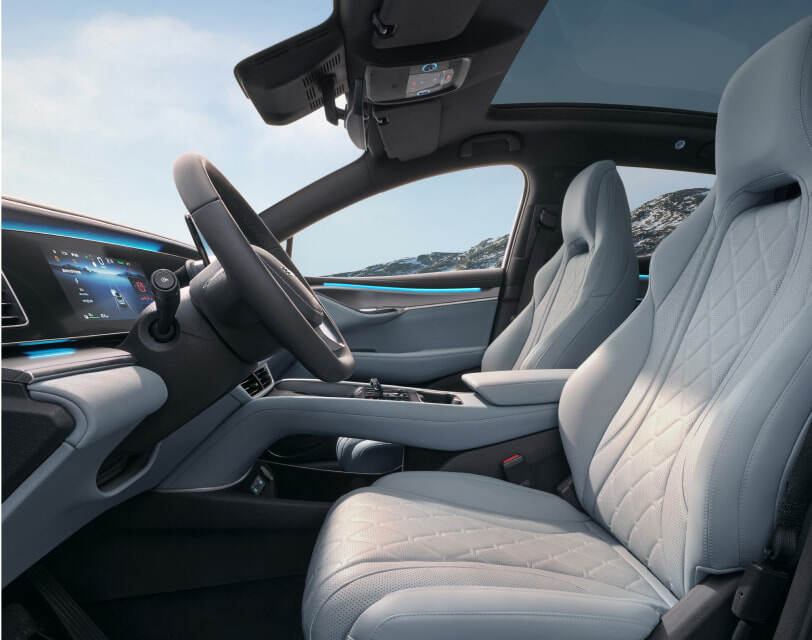
Case Study: The 2026 GAC AION i60 National Range Extender, while technologically advanced, ships with a Simplified Chinese-only HMI (Human-Machine Interface). For Middle Eastern export markets, distributors must procure GAC’s International Firmware Package (IFP) prior to ocean freight departure, as post-arrival software updates require GB/T diagnostic tools unavailable outside China—a delay that can extend inventory holding costs by 45-60 days.
4. Charging Compatibility: Bridging the GB/T Gap
China’s domestic GB/T charging standard (GB/T 20234.2-2015 for AC, GB/T 20234.3-2015 for DC) remains the default hardware configuration for all 2026 models including the DONGFENG NISSAN N6 and Mazda EZ-60. This creates immediate infrastructure incompatibility in target markets.
Hardware Adaptation Matrix
| Target Market | Required Standard | Solution | Cost per Unit |
|---|---|---|---|
| European Union | CCS2 (Combo 2) | Port adapter + ECU recoding | $400-$800 |
| North America | CCS1 (Combo 1) | Full inlet replacement + CAN bus modification | $1,200-$2,000 |
| Japan | CHAdeMO | Dual-port installation (retain GB/T DC) | $900-$1,500 |
| GCC/Middle East | CCS2 / GB-T hybrid | Software-only (adapter cable provided) | $200-$400 |
Critical Compliance Note: The 2026 ONVO L90 and AITO M7 utilize 800V high-voltage architectures. When adapting these for 400V markets (common in Southeast Asia and Latin America), importers must install voltage step-down converters, adding $600-$1,100 to landed costs but preventing charge rate throttling at legacy DC fast chargers.
5. Homologation, Compliance & 2026 Export Regulations
The Export License Management Framework
Effective January 1, 2026, the Announcement on Implementing Export License Management for Pure Electric Passenger Vehicles (September 26, 2025) established a dual-approval system:
- Manufacturer Qualification: Exporters must hold MIIT production qualifications and demonstrate compliance with China’s “Automobile Industry Credit Management” standards
- Per-Shipment Authorization: Each VIN requires individual export license verification through the China Electronic Port (CEP) system
Documentation Requirements for License Application:
– CCC certification (China Compulsory Certificate)
– UN ECE R100 (Battery safety) test reports
– UN ECE R10 (EMC) compliance certificates
– Proof of after-sales service network establishment in destination country (new 2026 requirement)
Market-Specific Homologation Costs
| Regulation | Applicable Markets | Testing Cost | Timeline |
|---|---|---|---|
| EU Whole Vehicle Type Approval (WVTA) | EU27 + EFTA | €15,000-€35,000 | 8-12 weeks |
| GCC Conformity | Gulf States | $8,000-$15,000 | 4-6 weeks |
| SNI (Indonesia) | Indonesia | $12,000-$20,000 | 10-14 weeks |
| INMETRO | Brazil | $18,000-$30,000 | 12-16 weeks |
Prohibited Feature Compliance: The February 6, 2026 ban on concealed door handles (effective 2027) requires immediate attention. While 2026 production may legally include these features, forward-thinking importers should specify mechanical override-compliant handle retrofits for inventory intended for 2027 sale, avoiding stranded stock.
6. Global Logistics & Supply Chain
Ocean Freight Cost Structure (2026 Q1-Q2)
The “Electric car ocean freight cost” landscape in 2026 reflects stabilized but elevated rates due to specialized handling requirements for UN3171 cargo.
RoRo (Roll-on/Roll-off) Rates – Shanghai to Major Destinations:
| Route | Vehicle Type | Rate per Unit (USD) | Transit Time | Notes |
|---|---|---|---|---|
| Shanghai → Rotterdam | Compact Sedan | $1,800-$2,200 | 28-32 days | SOC must be <30% for MSC/Wallenius |
| Shanghai → Rotterdam | Mid-size SUV | $2,400-$2,900 | 28-32 days | Height restriction: <2.1m for lower deck |
| Shanghai → Jebel Ali | All classes | $1,500-$1,900 | 18-22 days | Preferred for GCC-bound inventory |
| Shanghai → Istanbul | All classes | $2,100-$2,600 | 35-40 days | Via Suez; Red Sea premiums may apply |
| Shanghai → Santos | All classes | $2,300-$2,800 | 35-42 days | Brazilian ANVISA pre-clearance required |
Containerized Alternative (40ft HC):
– Freight Rate: $3,800-$4,500 per container (Shanghai-Europe)
– Capacity: 2-3 EVs depending on dimensions
– Per-Unit Effective Cost: $1,267-$2,250
– Advantage: Reduced handling damage risk; mandatory for markets requiring pre-shipment inspection in sealed containers
Battery Safety Protocols (IMDG Code Amendment 40-20)
All EV ocean freight must comply with Special Provision 388:
– SOC Limit: Maximum 30% charge (some carriers accept up to 50% with thermal monitoring)
– Temperature Monitoring: Continuous logging required for voyages >14 days; add $150/unit for IoT sensors
– Fire Suppression: EV-dedicated decks with CO2 flooding systems (RoRo) or container-mounted water mist systems
Critical Cost Factor: Misdeclaration of battery chemistry (NCM classified as LFP) results in $15,000-$50,000 penalties and vessel delays. Electric Auto China provides third-party verification certificates (SGS/BV) inclusive in our B2B procurement packages.
7. Financial Breakdown: Landed Cost & Dealer Profit Margins (Case Study)
Scenario: Importing 2026 BYD Sealion 06 EV to Turkey (High-Tax Jurisdiction)
Turkey represents the most challenging tax environment for 2026 EV imports, making it an ideal case study for maximum cost exposure modeling.
Vehicle Specifications:
– FOB Shanghai Price: $24,500
– Battery: 82 kWh LFP (Blade Battery)
– Weight: 2,150 kg
– Dimensions: 4,830mm × 1,875mm × 1,460mm
Cost Calculation Table:
| Cost Component | Calculation | Amount (USD) |
|---|---|---|
| FOB Price | Manufacturer invoice | $24,500.00 |
| Ocean Freight | RoRo Shanghai-Mersin (SUV rate) | $2,400.00 |
| Marine Insurance | 110% of (FOB+Freight) × 0.3% | $88.77 |
| CIF Value | Sum of above | $26,988.77 |
| Customs Duty | 10% of CIF | $2,698.88 |
| Additional Duty | 30% of CIF or $8,500 minimum | $8,500.00 |
| ÖTV (Special Consumption Tax) | 40% of (CIF+Duty+Add. Duty)* | $15,075.06 |
| VAT (20%) | 20% of (CIF+Duty+Add. Duty+ÖTV) | $10,652.54 |
| Homologation | TSE certification + testing | $3,500.00 |
| Localization | Software TR + charging adapter | $1,200.00 |
| Total Landed Cost | $68,615.25 | |
| Dealer Margin (15%) | $10,292.29 | |
| Retail Price (ex-showroom) | $78,907.54 |
*ÖTV calculation assumes 40% rate for EVs between 85-120kWh battery capacity (2026 bands)
Break-Even Analysis:
At a retail price of $78,900, the dealer achieves 15% gross margin after covering $68,615 in landed costs. This demonstrates why high-tax markets require minimum order quantities (MOQ) of 50-100 units to amortize homologation and localization costs effectively.
Scenario: Importing 2026 Changan Deepal S07 to UAE (Low-Tax Jurisdiction)
| Cost Component | Amount (USD) |
|---|---|
| FOB Price | $22,000 |
| Ocean Freight (Shanghai-Jebel Ali) | $1,600 |
| Insurance | $70.80 |
| CIF | $23,670.80 |
| Customs Duty (5%) | $1,183.54 |
| VAT (5%) | $1,242.72 |
| Homologation (ESMA) | $2,800 |
| Total Landed | $28,897.06 |
| Competitive Retail | $34,000 |
| Dealer Margin | 17.9% |
8. Securing After-Sales Support & Spare Parts
The 2026 export regulations explicitly require proof of after-sales service capability in destination markets as a condition for export license issuance. B2B buyers must establish:
Critical Spare Parts Inventory
| Component | Lead Time from China | Recommended Stock Level |
|---|---|---|
| Battery Packs | 90-120 days (hazmat shipping) | 2% of units sold |
| BMS Controllers | 45-60 days | 5% of units sold |
| On-Board Chargers | 30-45 days | 3% of units sold |
| ADAS Sensors | 60-90 days | 4% of units sold |
Warranty Escrow Requirements: Chinese manufacturers now require international distributors to maintain $500-$1,500 per unit in warranty escrow accounts to ensure service compliance, impacting working capital requirements by 8-12% of inventory value.
9. Why Partner with Electric Auto China
As Shanghai’s premier B2B EV export consultancy, Electric Auto China navigates the post-January 2026 regulatory environment with institutional expertise:
Compliance Guarantee: We pre-validate every VIN against the MOFCOM export license database before ocean freight booking, eliminating the risk of port detention (average cost: $350/day).
Freight Optimization: Our block-space agreements with COSCO, MSC, and Wallenius Wilhelmsen secure UN3171-certified RoRo slots at 12-15% below spot market rates for “Electric car ocean freight cost” efficiency.
Turnkey Localization: In-house engineering teams perform CCS2/CCS1 hardware conversions and international firmware flashing at our Shanghai Bonded Logistics Park facility—before vessels depart, reducing your time-to-market by 60 days.
Financial Transparency: Our landed cost calculators incorporate real-time duty rates, including Turkey’s 2026 additional duty structures and EU carbon border adjustments, ensuring zero-margin erosion from hidden compliance costs.
Contact our Export Compliance Division today to secure your 2026 EV allocation under China’s new licensing framework. With battery prices hitting $80/kWh and ocean freight rates stabilizing, Q2 2026 represents a strategic procurement window for forward-thinking automotive distributors.
Electric Auto China: Your Compliant Gateway to the World’s Largest EV Manufacturing Ecosystem.
Unlock High-Margin EV Imports with Electric Auto China
As an elite automotive supply chain partner in Shanghai, we provide end-to-end, strictly compliant export solutions tailored for international dealerships, fleet managers, and wholesale distributors.
- 🛡️ 100% Legal & Compliant: Fully licensed exports ensuring smooth customs clearance at your destination.
- ⚙️ Complete Localization: Professional English/Arabic/Russian OS flashing and GB/T to CCS2 charging solutions.
- 🚢 Secure Logistics: Direct Ro-Ro and Containerized shipping with full UN38.3 battery certifications.
- 🔧 After-Sales Support: Reliable access to OEM diagnostic tools and steady spare parts supply.
Request a Detailed FOB/CIF Quote Today:
📧 B2B Sales Email: [email protected]
💬 Direct WhatsApp: +86 159 5127 6160