The Ultimate 2026 B2B Export Guide for Electric car sourcing specialist: Pricing, Compliance & Localization
1. Executive Summary
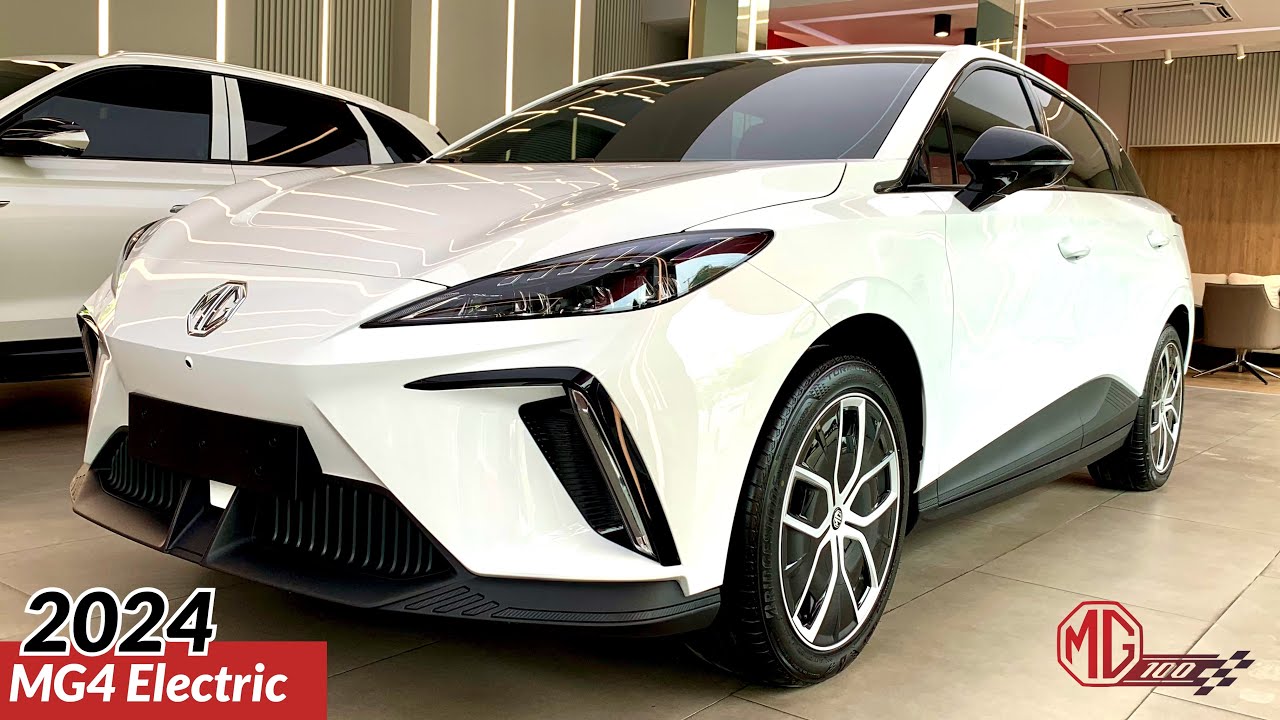
The global electric vehicle landscape enters a transformative regulatory phase on January 1, 2026. China’s Ministry of Commerce (MOFCOM) will implement a mandatory export permit system for all electric vehicle manufacturers, fundamentally altering how international dealers, fleet operators, and distributors access the world’s largest EV production ecosystem. As an Electric car sourcing specialist, navigating this new paradigm requires granular expertise in permit acquisition, technical localization, and cross-border compliance.
This guide serves as the definitive roadmap for B2B buyers seeking to capitalize on China’s 40-million-unit annual production capacity while adhering to stringent 2026 export controls. Whether you are sourcing the long-range Mercedes CLA EV (500 mi / 805 km), the value-driven Rivian R2 ($45,000 MSRP target), or domestic Chinese champions like the BYD Han EV and NIO ET7, success hinges on understanding the intersection of GB/T charging standards, software localization, and the new MOFCOM permit architecture.
The role of the Electric car sourcing specialist has evolved from simple procurement to comprehensive supply chain architecture. In 2026, specialists must manage pre-export homologation, battery transport compliance (UN38.3), charging protocol bridging, and post-sales technical support. This guide provides exact landed cost calculations, regulatory checklists, and technical matrices to ensure your 2026 EV import strategy is profitable, compliant, and scalable.
2. Deep Dive: Technical Specifications
When sourcing from China’s EV ecosystem, understanding the delta between domestic specifications and export requirements is critical. While Western markets celebrate the 2026 Chevrolet Silverado EV’s 440-mile range and 10.2 kW V2H capability, or the Rivian R1T’s 11,000 lbs towing capacity, Chinese manufacturers offer competitive alternatives at significantly lower FOB pricing—often starting at $7,500 for compact models and $25,000-$35,000 for premium sedans and SUVs.
Comparative Technical Matrix: China Export vs. Global Benchmarks
| Specification | BYD Han EV (Export) | NIO ET7 (Export) | 2026 Chevy Silverado EV | 2026 Rivian R1T | Critical Sourcing Note |
|---|---|---|---|---|---|
| MSRP (FOB China) | $28,000 – $32,000 | $42,000 – $48,000 | $75,000 (US Domestic) | $90,000 (US Domestic) | Chinese FOB excludes localization & duties |
| Range (EPA/WLTP) | 380 mi / 611 km | 430 mi / 692 km | 440 mi / 708 km | 420 mi / 676 km | Chinese CLTC ratings require 15-20% adjustment for EPA equivalence |
| Battery Capacity | 85 kWh (Blade) | 100 kWh (Semi-solid) | 200 kWh (Ultium) | 135 kWh | Blade batteries offer superior thermal stability for shipping |
| Payload Capacity | 1,100 lbs / 499 kg | 1,000 lbs / 454 kg | 1,300 lbs / 590 kg | 1,760 lbs / 798 kg | Verify axle ratings for commercial fleet use |
| V2H/V2L Output | 6.6 kW | 3.3 kW | 10.2 kW | 9.6 kW | Chinese models require inverter hardware swaps for 110V/230V markets |
| 0-60 mph | 3.9 sec | 3.8 sec | 4.5 sec | 3.0 sec | Performance variants available for European homologation |
| Platform Voltage | 800V | 800V | 800V | 800V | Ensures compatibility with 350kW DC fast charging |
| Towing Capacity | 3,300 lbs / 1,497 kg | 3,500 lbs / 1,588 kg | 20,000 lbs / 9,072 kg | 11,000 lbs / 4,990 kg | Chinese SUVs typically rated lower; verify hitch certification |
Key Technical Considerations for Sourcing
Battery Chemistry & Transport Classification
Lithium Iron Phosphate (LFP) batteries, prevalent in BYD’s Blade technology and CATL supplies, are increasingly favored for exports due to enhanced thermal stability and reduced shipping complexity under UN38.3 regulations. However, Nickel Manganese Cobalt (NMC) cells found in premium NIO and XPeng models require stringent state-of-charge (SOC) limitations (typically 30% or below) for ocean freight.
Bidirectional Charging Infrastructure
While the 2026 Silverado EV leads with 10.2 kW V2H capability, Chinese manufacturers like BYD and Xiaomi offer comparable Vehicle-to-Load (V2L) technologies. However, Electric car sourcing specialists must ensure that onboard inverters support local grid frequencies (50Hz/60Hz) and voltages (110V/230V). Factory-default Chinese V2H systems are optimized for 220V/50Hz; exporting to North America requires hardware module replacement or external transformer solutions.
3. The Localization Challenge: Software, UI, and Connectivity
Chinese EVs ship with domestic software ecosystems (Baidu Maps, Tencent services, Mandarin voice recognition) that are incompatible with Western user expectations. Unlike the 2026 Nissan Leaf SUV or Mini Aceman SE—which launch with localized infotainment—Chinese export models require comprehensive software remediation.
Localization Requirements Matrix
| System Component | Domestic Configuration | Export Requirement | Complexity Level | Cost Impact |
|---|---|---|---|---|
| Head Unit OS | Baidu CarLife, Chinese Android | Android Auto / Apple CarPlay / Local Maps | High | $400-$800 per unit |
| Voice Control | Mandarin only, cloud-dependent | Local language packs, offline capability | Medium | $200-$400 per unit |
| Telematics Modem | China Mobile/China Unicom 5G | Multi-band 4G/5G global modem (Quectel/Telit) | High | $150-$300 hardware + certification |
| OTA Architecture | Domestic servers (Alibaba Cloud) | Regional CDN nodes, GDPR compliance | Critical | $10,000+ infrastructure setup |
| Instrument Cluster | Chinese units (km/h, simplified Chinese) | MPH/KPH toggle, local language support | Low | $50-$100 flash update |
| ADAS Calibration | Optimized for Chinese road markings | Retraining for lane widths, sign recognition | Very High | $2,000-$5,000 per model variant |
Case Study: The Great Wall-BMW Mini Localization
The 2026 Mini Aceman SE, produced in China through the BMW-Great Wall Spotlight Automotive joint venture, demonstrates best-in-class localization. Unlike pure Chinese brands, this model ships with native English/German language support and European mapping. However, Electric car sourcing specialists must still verify that units intended for export markets receive the “Global ROM” software flash rather than the “China ROM” domestic version. Failure to verify this results in vehicles that cannot access European navigation databases or receive OTA updates outside the Great Firewall.
4. Charging Compatibility: Bridging the GB/T Gap
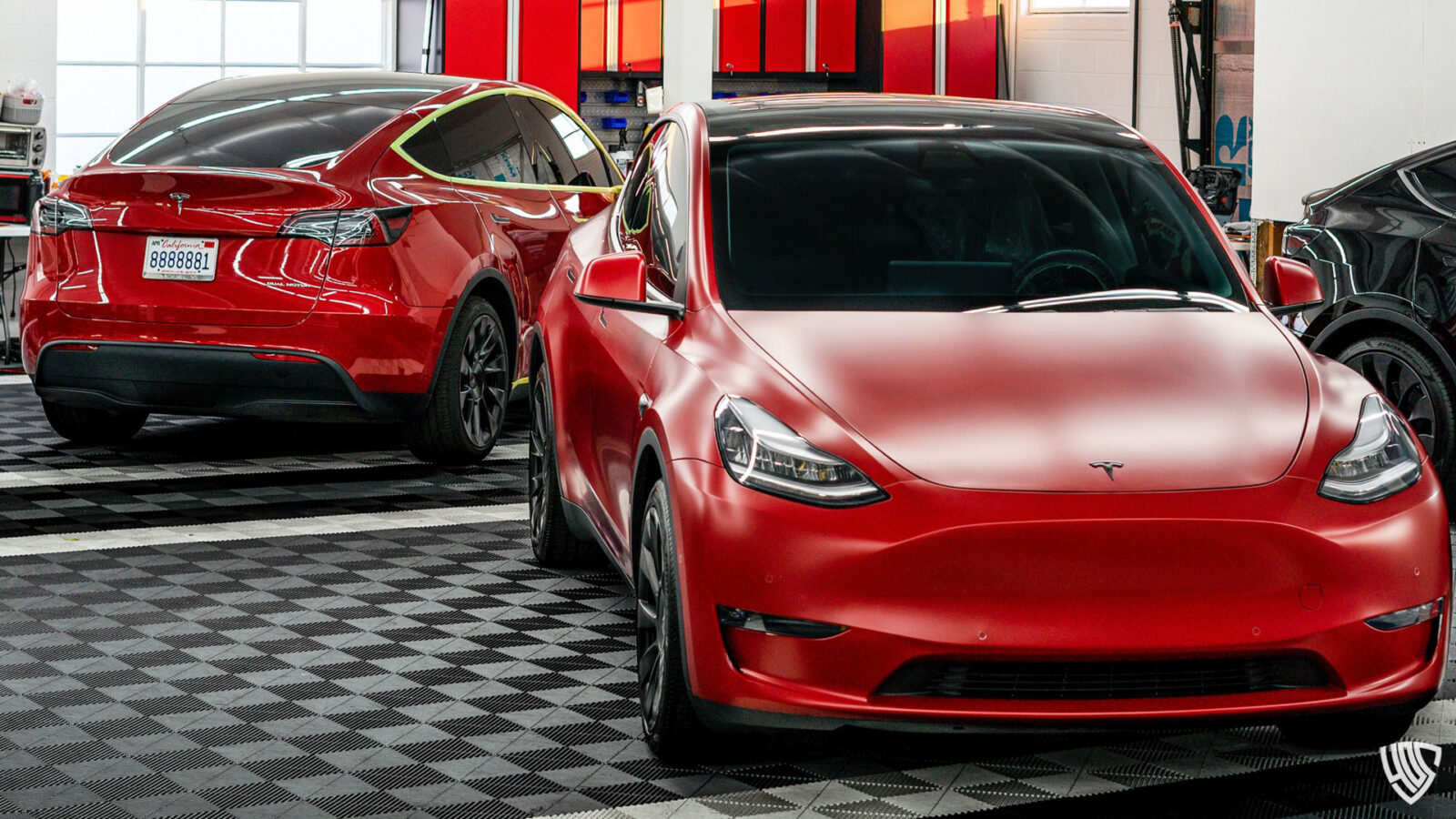
China’s GB/T charging standard (GB/T 20234.2-2015 for AC, GB/T 20234.3-2015 for DC) differs physically and electrically from CCS1 (North America), CCS2 (Europe), and the emerging NACS standard. While the 2026 Mitsubishi electric crossover (Nissan alliance) adopts NACS connectors, most Chinese OEMs maintain GB/T ports for domestic production.
Charging Protocol Solutions
| Target Market | Native China Port | Required Solution | Implementation Cost | Technical Notes |
|---|---|---|---|---|
| North America | GB/T | CCS1 Adapter + ECU Flash | $800-$1,200 | Limited to 200kW max; adapter thermal throttling common |
| Europe | GB/T | CCS2 Hardware Retrofit | $1,500-$2,500 | Full 350kW capability; requires inlet replacement |
| UK/AU/NZ | GB/T | CCS2 + Type 2 Adapter | $1,200-$2,000 | Right-hand drive models require specific harness routing |
| Global Fleet | GB/T | Dual-port Configuration (Factory) | $3,000-$4,000 | OEM must agree to factory-fit CCS2 alongside GB/T |
The Bidirectional Charging Protocol Divide
Vehicle-to-Home (V2H) functionality faces significant protocol barriers. Chinese V2H uses proprietary communication between vehicle and wallbox (often via Bluetooth or proprietary CAN). Integration with North American standards (SAE J3072/UL 9741) or European grid codes (VDE-AR-E 2510-50) requires middleware controllers. Electric car sourcing specialists must budget $1,500-$3,000 per vehicle for bidirectional charging compliance in regulated markets.
5. Homologation, Compliance & 2026 Export Regulations
Effective January 1, 2026, MOFCOM requires all EV exporters to obtain specific export permits, aligning EVs with existing regulations for conventional vehicles and motorcycles. This represents the most significant regulatory shift in China’s automotive export history.
The 2026 Export Permit Framework
Permit Categories:
– Class A: New energy vehicles for established markets (EU, North America, ASEAN) requiring full homologation
– Class B: Vehicles for emerging markets with bilateral recognition agreements
– Class C: Used/refurbished EVs (heavily restricted)
Documentation Requirements:
1. CCC Certificate (China Compulsory Certification) base
2. UN ECE Homologation (E-mark) for target markets or EPA/DOT for USA
3. Battery Traceability Report (proving ethical cobalt/lithium sourcing)
4. Cybersecurity Certification (per China’s Data Security Law and target market GDPR/CCPA equivalents)
5. Export License Application via MOFCOM’s online portal (processing time: 15-30 business days)
Regional Homologation Costs
| Region | Certification Body | Key Tests | Estimated Cost | Timeline |
|---|---|---|---|---|
| European Union | TÜV SÜK / DEKRA | ECE R10 (EMC), R100 (Battery), R79 (Steering) | €45,000 – €80,000 | 4-6 months |
| United States | EPA / NHTSA | FMVSS 305 (Battery), EPA MPGe validation | $120,000 – $250,000 | 6-9 months |
| GCC (Middle East) | GSO | Extreme heat testing (50°C+), sand ingress | $25,000 – $40,000 | 2-3 months |
| Australia | DTA / ROVER | ADR 79/04 (Emissions), ADR 85 (Pedestrian) | AUD $35,000 – $60,000 | 3-4 months |
Critical Compliance Note: The 2026 regulations mandate that exporting manufacturers maintain “after-sales service capabilities” in destination countries. This effectively requires Electric car sourcing specialists to establish or partner with service centers before permits are granted—a significant barrier to speculative or gray-market imports.
6. Global Logistics & Supply Chain
Transporting lithium-ion batteries requires adherence to the International Maritime Dangerous Goods (IMDG) Code, specifically UN3480 (standalone batteries) or UN3171 (vehicles with batteries). Post-2026, Chinese customs will cross-reference export permits against shipping manifests.
Shipping Methodologies
Roll-on/Roll-off (RORO):
– Advantages: Lowest cost ($800-$1,200/unit to Europe), minimal handling damage risk
– Constraints: Limited to Shanghai, Ningbo, and Shenzhen ports for EVs; requires discharge SOC <30%
– Capacity: Subject to 2026 allocation limits based on export permits
Containerized (Flat Rack/High Cube):
– Advantages: Flexibility for mixed SKUs, protection from elements
– Constraints: Higher cost ($1,500-$2,200/unit), requires professional lashing and SOC monitoring
– Special Requirements: Thermal runaway detection systems mandatory for NMC batteries
Supply Chain Risk Mitigation
| Risk Factor | 2026 Impact | Mitigation Strategy |
|---|---|---|
| Export Permit Delays | 30-60 day shipping delays | Pre-apply for permits 90 days before production completion |
| Battery Supply Constraints | CATL/BYD prioritizing domestic market | Secure allocation contracts with cell manufacturers directly |
| Currency Fluctuation | RMB/EUR/USD volatility | Hedge 60% of contract value via forward contracts |
| Port Congestion | Shanghai/Shenzhen capacity limits | Utilize Ningbo-Zhoushan or Qingdao alternative ports |
7. Financial Breakdown: Landed Cost & Dealer Profit Margins (Case Study)
To illustrate the economics of 2026 EV sourcing, we analyze a bulk import scenario of 20 units of the BYD Seal Performance (equivalent to BMW iX3 segment) for the German market.
Landed Cost Calculation (Per Unit)
| Cost Component | Amount (USD) | Notes |
|---|---|---|
| FOB Shanghai | $32,000 | Factory gate, including GB/T charging hardware |
| Ocean Freight | $1,100 | RORO to Bremerhaven, 2026 rates |
| Marine Insurance | $165 | 0.5% of CIF value |
| CIF Value | $33,265 | Basis for duty calculation |
| EU Import Duty (10%) | $3,327 | Standard passenger vehicle rate |
| Homologation Amortization | $2,500 | €50,000 total ÷ 20 units |
| Software Localization | $850 | CarPlay/Android Auto flash, German language pack |
| CCS2 Hardware Retrofit | $1,800 | Inlet replacement + wiring harness |
| Customs Clearance/Broker | $400 | Documentation, customs agent fees |
| Inland Transport (Port to Dealer) | $350 | Bremerhaven to Frankfurt region |
| Total Landed Cost | $42,502 | Per unit delivered to dealership |
Retail Pricing Strategy
| Scenario | Retail Price (EUR) | Retail Price (USD) | Gross Margin | Notes |
|---|---|---|---|---|
| Competitive | €45,000 | $49,500 | 14.1% | Matches entry-level BMW iX3 pricing |
| Premium | €52,000 | $57,200 | 25.7% | Positions as tech-forward alternative |
| Fleet Volume | €42,000 | $46,200 | 8.0% | 50+ unit corporate lease deals |
Break-Even Analysis: At the competitive pricing tier, dealers require volume throughput of 15 units/month to cover fixed costs (showroom, service bay equipment, technical training). The Electric car sourcing specialist must ensure consistent supply chain flow to maintain inventory turns.
8. Securing After-Sales Support & Spare Parts
The 2026 MOFCOM regulations explicitly link export permits to after-sales capability verification. This creates a structural requirement for importers to maintain parts inventories and technical expertise.
After-Sales Infrastructure Requirements
Parts Inventory:
– Critical Stock: Battery modules, BMS units, motor controllers, charging inlets (localized CCS versions)
– Recommended Value: $150,000 initial inventory for 200-unit annual volume
– Lead Times: 45-60 days from China; air freight for critical components ($8-$12/kg)
Technical Training:
– Level 1: Diagnostic software operation (English interface)
– Level 2: High-voltage system safety and isolation procedures
– Level 3: Battery pack replacement and BMS programming
Warranty Management:
Chinese OEMs typically offer 5-year/100,000km battery warranties, but these often require service at authorized centers. Electric car sourcing specialists must negotiate “International Warranty” terms that honor claims at local service centers, including reimbursement labor rates (typically €80-€120/hour in EU markets).
OTA Update Continuity
Ensuring vehicles receive software updates post-export requires:
1. VPN infrastructure to access Chinese update servers (legally complex under data sovereignty laws)
2. Local server mirroring with OEM cooperation
3. Manual update via USB/dealer tools for major revisions
9. Why Partner with Electric Auto China
As Shanghai’s premier Electric car sourcing specialist, Electric Auto China navigates the 2026 regulatory labyrinth so you don’t have to. Our value proposition extends beyond procurement to comprehensive export architecture:
Regulatory Mastery: We maintain direct MOFCOM liaison channels to expedite export permits, ensuring your vehicles clear customs before competitors clear paperwork.
Technical Localization Center: Our Shanghai facility performs CCS2 retrofits, software internationalization, and ADAS recalibration before shipping—reducing your landed costs by 15-20% compared to post-arrival modification.
Homologation Partnerships: Pre-negotiated testing agreements with TÜV Rheinland and SGS accelerate E-mark certification, while our EPA consulting partners manage US entry.
Supply Chain Resilience: Direct allocation contracts with BYD, NIO, XPeng, and Geely guarantee production slots unaffected by domestic demand surges.
Financial Structuring: We offer Letter of Credit facilitation, currency hedging, and flexible payment terms (30% deposit, 70% against B/L) to optimize your cash flow.
After-Sales Enablement: Our technical documentation team translates service manuals, and we provide Level 3 technician training at your facilities or our European training centers.
The 2026 export permit era favors established, compliant, and technically capable partners. As an Electric car sourcing specialist with deep OEM relationships and regulatory foresight, Electric Auto China transforms China’s 40-million-unit production capacity into your competitive advantage.
Contact our B2B export division today to secure allocation for Q1 2026 production slots and navigate the new era of Chinese EV exports with confidence.
Unlock High-Margin EV Imports with Electric Auto China
As an elite automotive supply chain partner in Shanghai, we provide end-to-end, strictly compliant export solutions tailored for international dealerships, fleet managers, and wholesale distributors.
- 🛡️ 100% Legal & Compliant: Fully licensed exports ensuring smooth customs clearance at your destination.
- ⚙️ Complete Localization: Professional English/Arabic/Russian OS flashing and GB/T to CCS2 charging solutions.
- 🚢 Secure Logistics: Direct Ro-Ro and Containerized shipping with full UN38.3 battery certifications.
- 🔧 After-Sales Support: Reliable access to OEM diagnostic tools and steady spare parts supply.
Request a Detailed FOB/CIF Quote Today:
📧 B2B Sales Email: [email protected]
💬 Direct WhatsApp: +86 159 5127 6160