The Ultimate 2026 B2B Export Guide for Electric Cars from China: Pricing, Compliance & Localization
1. Executive Summary
The global electric vehicle landscape is undergoing a seismic shift as Chinese manufacturers capture over 60% of worldwide EV sales. For international B2B buyers, 2026 represents both unprecedented opportunity and regulatory complexity. Effective January 1, 2026, China’s Ministry of Commerce mandates export permits for all pure electric passenger vehicles—a paradigm shift requiring meticulous compliance navigation.
This guide serves as your definitive roadmap for sourcing electric cars from China within the new regulatory framework. Whether you’re targeting the BYD Dolphin for fleet deployment at £26,000 entry points, the premium Hongqi E-HS9 exceeding £100,000, or the technologically advanced Xiaomi SU7 with its 800V architecture and 400kW charging capability, success requires mastery of three critical pillars: regulatory compliance, technical localization, and supply chain optimization.
The 2026 export permit system aligns EVs with existing automotive export protocols under the 2012 “Notice on Further Standardisation of the Export Sequence of Automobile and Motorcycle Products.” This means enhanced scrutiny of manufacturer qualifications, technical documentation, and end-market homologation. However, for prepared buyers, this regulatory clarity creates competitive moats against less sophisticated competitors.
Key market dynamics include:
– Technology Leadership: Chinese EVs now dominate battery innovation, with BYD’s Blade LFP technology, NIO’s 5-minute battery swap systems, and CATL’s advanced cell chemistry delivering 480-706km NEDC ranges at price points 30-40% below European equivalents.
– Portfolio Breadth: From Chery’s urban-focused eQ1 ($8,000-$18,000) and QQ Ice City to Li Auto’s extended-range family SUVs addressing charging infrastructure gaps, the 2026 lineup spans every commercial segment.
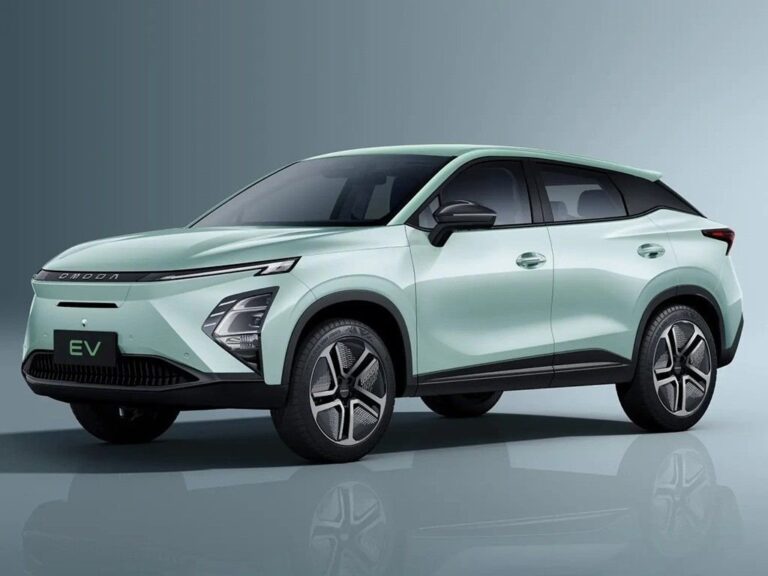
– Export Infrastructure: Manufacturers like Chery (Omoda 5), MG (MG4 Anxin Edition with liquid-solid-state batteries), and Xpeng (Mona 03) have established dedicated export manufacturing lines with international compliance built into platform architecture.
This guide provides actionable intelligence on navigating export licenses, calculating true landed costs including emerging EU tariff structures, solving the GB/T charging compatibility challenge, and building sustainable after-sales networks. For serious B2B importers, 2026 isn’t merely about buying vehicles—it’s about strategic supply chain integration with the world’s most advanced EV manufacturing ecosystem.
2. Deep Dive: Technical Specifications
Understanding Chinese EV technical architecture requires decoding both the innovations and the certification metrics. Chinese manufacturers utilize CLTC (China Light-Duty Vehicle Test Cycle) ratings, which typically translate to 15-20% lower ranges under WLTP (Worldwide Harmonised Light Vehicle Test Procedure) or EPA standards.
Battery Technology Matrix
| Manufacturer | Technology | Energy Density | Cycle Life | Thermal Stability | Export Availability |
|---|---|---|---|---|---|
| BYD | Blade LFP (Lithium Iron Phosphate) | 140-150 Wh/kg | 3,000+ cycles | Exceptional (Nail penetration safe) | Global (EU, UK, ASEAN, LatAm) |
| CATL (NIO/Xpeng) | NCM 811 / Semi-solid state | 255-300 Wh/kg | 2,000 cycles | High (requires thermal management) | Europe, Middle East |
| Gotion (Chery) | LFP Modular | 160-180 Wh/kg | 2,500 cycles | High | Developing markets |
| MG/Li Auto | Solid-liquid hybrid (Anxin Edition) | 180-200 Wh/kg | 2,800 cycles | Very High | UK, Europe, Australia |
Platform Architecture Analysis
800V High-Voltage Platforms
The Xiaomi SU7 exemplifies 2026’s technical baseline with its 800V DriveONE architecture, enabling 400kW peak charging (220 miles in 15 minutes). This requires buyers to verify local charging infrastructure capabilities—while the vehicle accepts lower speeds, the value proposition diminishes without 350kW+ station availability.
Extended-Range Electric Vehicles (EREV)
Li Auto’s proprietary approach combines electric powertrains with range-extending gasoline generators. For markets with nascent charging infrastructure (Southeast Asia, parts of Latin America), this eliminates range anxiety while maintaining 80%+ electric daily usage. Technical specifications include:
– Pure electric range: 175-215km (WLTP equivalent)
– Combined range: 1,100-1,300km
– Generator fuel consumption: 6.5-7.8L/100km
Modular Export Platforms
Chery’s international platform design separates GB/T charging hardware from CCS/Type 2 variants at the manufacturing level, allowing true right-hand drive (RHD) and left-hand drive (LHD) configurations without aftermarket conversion. The Omoda 5 utilizes this architecture with 430-480km NEDC range (approximately 360-400km real-world).
Performance Specifications Comparison
| Model | Segment | Power (kW) | 0-100 km/h | Battery (kWh) | CLTC Range | Est. WLTP | Price (FOB China) |
|---|---|---|---|---|---|---|---|
| Chery eQ1 | Micro/urban | 30 | 12.0s | 30.6 | 301km | 240km | $8,500 |
| BYD Dolphin | Compact hatch | 130 | 7.0s | 44.9 | 420km | 340km | $18,200 |
| MG4 Extended | Compact SUV | 150 | 7.9s | 64.0 | 530km | 435km | $22,400 |
| Xiaomi SU7 Max | Performance sedan | 495 | 2.78s | 101.0 | 800km | 640km | $42,000 |
| NIO ET7 | Executive sedan | 480 | 3.8s | 100.0 | 1,000km | 580km | $48,500 |
| Yangwang U9 | Hypercar | 2,220 | 2.0s* | 80.0 | 465km | 380km | $230,000 |
*Manufacturer claim, pending independent verification
Critical B2B consideration: Battery warranty terms vary significantly. BYD offers 8-year/160,000km on Blade batteries, while premium brands like NIO provide lifetime battery subscriptions under BaaS (Battery as a Service) models—crucial for fleet operators calculating total cost of ownership (TCO).
3. The Localization Challenge: Software, UI, and Connectivity
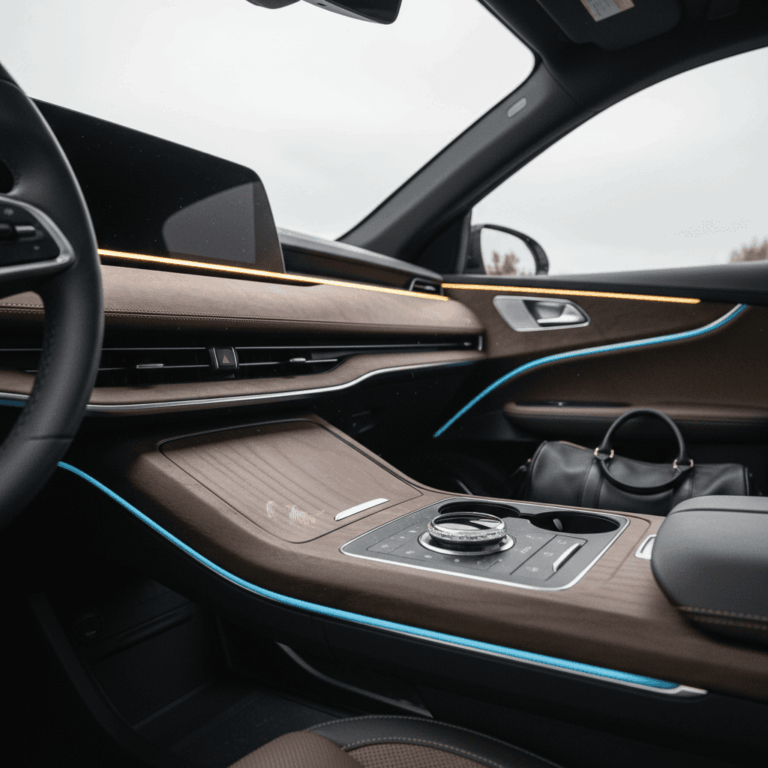
Chinese EVs ship with ecosystem dependencies that require sophisticated localization for export markets. The “smart cockpit” experience—often featuring 15.6-inch rotating displays, voice assistants, and integrated super-app ecosystems (WeChat, Alipay, Douyin)—presents both technical and regulatory hurdles.
Software Localization Requirements
Operating System Adaptation
Most Chinese EVs run on proprietary Android-based systems (BYD DiLink, Xiaomi HyperOS, Huawei HarmonyOS). For export markets, this requires:
- GMS (Google Mobile Services) Integration: Replacing Chinese app stores and services with Google Play, Google Maps, and Android Auto compatibility
- Language Localization: Beyond translation, this includes cultural UX adjustments—European users expect different menu hierarchies than Chinese users
- Privacy Compliance: GDPR compliance for EU markets requires data storage localization and explicit consent mechanisms for telemetry data collection
Telematics and Connectivity
The 2026 export permit regulations specifically address data security. Vehicles must comply with:
– Data Sovereignty: User data cannot be transmitted to Chinese servers without local processing agreements
– OTA (Over-The-Air) Update Infrastructure: Establishing regional update servers to ensure compliance with local cybersecurity standards
– eSIM Localization: Replacing China Mobile/Unicom eSIMs with local carrier partnerships (Vodafone, Deutsche Telekom, etc.)
Case Study: European Market Localization Costs
For a 500-unit import batch of the Xpeng Mona 03 (compact sedan, 640km CLTC range):
| Localization Item | Cost per Unit | Total Batch Cost | Implementation Timeline |
|---|---|---|---|
| Software internationalization (UI/UX) | $850 | $425,000 | 8 weeks |
| Google Automotive Services integration | $1,200 | $600,000 | 12 weeks |
| GDPR compliance audit & data architecture | $15,000 (fixed) | $15,000 | 4 weeks |
| Local language voice training (5 languages) | $2,400 | $1,200,000 | 16 weeks |
| Regional server infrastructure (annual) | $45,000 | $45,000 | 2 weeks |
| Total Localization Investment | $4,490 | $2,285,000 | 16 weeks |
Critical Insight: Manufacturers like MG (SAIC) and BYD now offer “Export Ready” software packages that reduce localization costs by 60%, including pre-certified GDPR compliance and European mapping data (TomTom/HERE Maps). For B2B buyers, specifying “Export Market Specification” (EMS) variants during order placement eliminates post-manufacturing software flashing risks.
4. Charging Compatibility: Bridging the GB/T Gap
China’s GB/T charging standard (GB/T 20234.2-2015 for AC, GB/T 20234.3-2015 for DC) differs fundamentally from CCS2 (Europe), CCS1 (North America), and CHAdeMO (Japan). This represents the most significant technical barrier for B2B importers.
Charging Standard Technical Comparison
| Standard | AC Connector | DC Connector | Max DC Power | Communication Protocol |
|---|---|---|---|---|
| GB/T (China) | Type 2 (7-pin) | Unique (9-pin) | 250kW (2026 spec) | CAN Bus |
| CCS2 (EU) | Type 2 (7-pin) | Combo 2 (9-pin) | 350kW+ | PLC (ISO 15118) |
| CCS1 (NA) | Type 1 (5-pin) | Combo 1 (7-pin) | 350kW+ | PLC |
| CHAdeMO | N/A | Unique (10-pin) | 400kW (ChaoJi) | CAN Bus |
Solutions for Export Markets
Hardware Retrofit Strategy
For budget-conscious imports (Chery eQ1, BYD Dolphin), aftermarket CCS2 conversion kits cost $800-$1,200 per vehicle, including:
– Replacement inlet port (Mennekes Type 2)
– Protocol converter (GB/T to CCS2 handshake translation)
– Wiring harness adaptation
Manufacturer Export Variants
Premium manufacturers (NIO, Xpeng, BYD Seal) now offer native CCS2 variants from the factory. The BYD Sealion 06, for example, ships with dual-standard inlets or dedicated export configurations. This adds $400-$600 to FOB pricing but eliminates warranty concerns associated with aftermarket modifications.
Adapter Solutions
For markets with mixed infrastructure (Middle East, Southeast Asia), intelligent adapters provide interim solutions:
– AC Charging: GB/T to Type 2 adapters function passively ($150-$300)
– DC Fast Charging: Active protocol converters required ($800-$1,500), with 10-15% efficiency loss
Infrastructure Partnerships
B2B fleet operators should negotiate charging partnerships before import. The NIO Power Swap Station network, for example, requires specific battery form factors and communication protocols. Exporting NIO vehicles without accompanying infrastructure investment limits the value proposition of their 5-minute swap technology.
5. Homologation, Compliance & 2026 Export Regulations
The January 1, 2026 implementation of export permit requirements represents the most significant regulatory shift in China’s EV export history. Understanding these compliance layers is non-negotiable for B2B success.
China’s 2026 Export Permit Framework
Under the joint announcement by the Ministry of Commerce, Ministry of Industry and Information Technology, General Administration of Customs, and National Certification and Accreditation Administration:
Export Qualification Requirements:
1. Manufacturer Registration: Exporting entities must hold valid automobile manufacturing licenses and demonstrate 12+ months of domestic sales history
2. Product Certification: Vehicles must obtain CCC (China Compulsory Certification) and comply with destination market standards
3. End-User Verification: Documentation of final destination markets to prevent gray market diversion
4. After-Sales Commitment: Proof of service network establishment or partnerships in destination countries
Documentation Package for Export License Application:
– Vehicle conformity certificates (CCC)
– Technical specifications and test reports
– Intellectual property clearance documentation (increasingly important for design patents)
– Destination market import authorization letters
– Customs commodity codes (HS 8703.80 for pure electric vehicles)
Destination Market Homologation
European Union (WVTA – Whole Vehicle Type Approval)
– Regulation 2018/858: Requires type approval for safety, environmental, and production conformity
– Cybersecurity (UN R155): Mandatory for all new vehicle types from 2024
– Software Updates (UN R156): OTA capability must meet UNECE standards
– Battery Regulation (2023/1542): Carbon footprint declaration and recycling requirements for >2kWh industrial batteries
United Kingdom (GB Type Approval)
Post-Brexit alignment with EU standards but separate approval process. The 2026 UK market requires:
– RHD configuration (available from MG, BYD, NIO)
– Intelligent Speed Assistance (ISA) compliance
– Data Act compliance for telematics
GCC (Gulf Cooperation Council)
– GSO 42/2015 compliance for desert climate durability
– Halal certification for interior materials (increasingly requested)
– Arabic language interface requirements
Latin America (Mercosur/Andean Community)
– Brazil: INMETRO certification with local testing requirements
– Chile: 3CV homologation (simplified for EVs under 3.5 tons)
– Mexico: NOM-194-SEMARNAT-2017 environmental compliance
Regulatory Timeline for 2026 Imports
| Phase | Timeline | Action Items |
|---|---|---|
| Pre-Qualification | Q4 2025 | Verify manufacturer export license eligibility; audit production facilities |
| Documentation | Q1 2026 | Submit export permit applications; initiate type approval processes |
| Production | Q2 2026 | Manufacture to export specifications (CCS2, software localization) |
| Inspection | Q3 2026 | Pre-shipment inspection (PSI) by CCIC or SGS; customs clearance |
| Delivery | Q4 2026 | Port arrival; destination customs; homologation completion |
Critical Compliance Note: The 2026 regulations specifically target “pure electric passenger cars” (HS code 8703.80). Extended-range electric vehicles (EREVs) like Li Auto models may fall under different classifications (8703.40 for hybrid vehicles), potentially bypassing certain EV-specific export restrictions but subject to different emission standards.
6. Global Logistics & Supply Chain
EV logistics require specialized handling distinct from internal combustion vehicles, particularly regarding battery transportation regulations (UN 38.3, Class 9 dangerous goods).
Shipping Methodologies
Roll-on/Roll-off (RoRo)
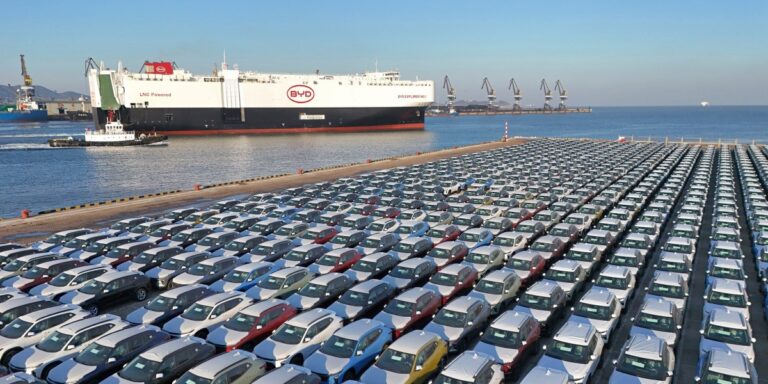
– Capacity: 4,000-8,000 CEU (Car Equivalent Units) per vessel
– Cost: $800-$1,200 per vehicle (China to Europe)
– Advantages: Drive-on/drive-off efficiency; battery state of charge (SOC) maintained at 30-50% (optimal for transport)
– Limitations: Limited to wheeled cargo; exposure to maritime elements
Container Shipping (Flat Rack/Standard)
– Cost: $1,200-$1,800 per vehicle (including blocking/bracing)
– Advantages: Protection from elements; ability to ship spare parts concurrently
– Battery Considerations: UN 3480 classification requires:
– SOC between 30-50%
– Temperature monitoring during transit
– Fire suppression systems in containers
– Declaration of watt-hour ratings (Wh) for each battery pack
Incoterms Strategy for B2B Buyers
| Term | Risk Transfer | Best For | 2026 Considerations |
|---|---|---|---|
| FOB (Free On Board) | Port of loading | Experienced importers with destination logistics | Buyer assumes export permit verification risk |
| CIF (Cost, Insurance, Freight) | Port of destination | First-time importers; bank-financed purchases | Insurance must cover EV-specific risks (thermal runaway) |
| DAP (Delivered at Place) | Final destination | Turnkey solutions; dealer groups | Requires importer of record (IOR) services in destination |
Supply Chain Risk Management
Battery Supply Constraints
With 2026 export permits potentially limiting volumes initially, secure battery allocation letters from manufacturers. CATL and BYD Blade battery production prioritizes domestic market during Q1-Q2 annually—plan orders for Q3-Q4 delivery to avoid allocation shortages.
Port Congestion
Shanghai Port (Zhanghuabang Terminal) and Ningbo-Zhoushan handle 70% of China’s EV exports. 2026 permit implementation may cause initial customs delays. Recommended mitigation:
– Pre-clearance documentation submission
– Alternative ports: Shenzhen (Yantian), Guangzhou (Nansha)
– Buffer stock holding in bonded warehouses
Currency Hedging
With CNY/USD volatility affecting landed costs, negotiate pricing in USD or EUR with quarterly adjustment clauses, or utilize forex hedging instruments for orders >$5M.
7. Financial Breakdown: Landed Cost & Dealer Profit Margins (Case Study)
Understanding true landed cost requires modeling beyond FOB pricing. This case study analyzes importing 200 units of the MG4 Extended Range (liquid-solid-state battery, 530km CLTC range) to the United Kingdom for Q3 2026 delivery.
Base Specifications
- FOB Shanghai: $22,400 per unit
- Order Volume: 200 units
- Destination: Port of Bristol, UK
- Duty Rate: 10% (UK Global Tariff post-Brexit; subject to EU anti-subsidy investigations potentially adding 17-35%)
- VAT: 20% (UK standard rate)
Detailed Cost Calculation
| Cost Component | Calculation | Per Unit | Total (200 units) |
|---|---|---|---|
| FOB Price | Base vehicle | $22,400 | $4,480,000 |
| Ocean Freight | RoRo, Shanghai-Bristol | $1,100 | $220,000 |
| Marine Insurance | 110% of CIF value @ 0.15% | $39 | $7,800 |
| CIF Value | FOB + Freight + Insurance | $23,539 | $4,707,800 |
| Import Duty | 10% of CIF | $2,354 | $470,780 |
| VAT | 20% of (CIF + Duty) | $5,179 | $1,035,716 |
| Homologation | Type approval, IVA testing | $450 | $90,000 |
| Localization | Software, maps, GMS | $1,200 | $240,000 |
| Port Handling | UK port fees, customs | $280 | $56,000 |
| Pre-Delivery Inspection | PDI, charging setup | $150 | $30,000 |
| Landed Cost | Total investment | $33,152 | $6,630,400 |
Margin Analysis
Scenario A: Fleet Sale (B2B)
– Selling Price to Fleet: £28,500 ($36,100)
– Gross Margin: 8.2%
– Net Margin (after 8% dealer costs): 0.2% (Break-even strategy for market entry)
Scenario B: Retail Sale
– MSRP: £32,400 ($41,000)
– Gross Margin: 19.1%
– Net Margin (after 12% marketing/warranty): 7.1% ($2,900/unit)
Scenario C: Subscription/Lease Model
– Monthly Revenue: £450/month over 36 months
– Residual Value (36mo, 60%): $24,600
– Total Revenue: $41,700
– Net Margin: 20.4% (Optimal for cash-flow focused importers)
Financing Structures
Letter of Credit (LC)
– Terms: 30% deposit, 70% LC at sight
– Cost: 1.5-2.5% of LC value
– Risk Mitigation: Ensures manufacturer ships before payment release; protects against 2026 permit delays
Supply Chain Finance
– Manufacturer Credit: BYD/Chery offer 90-120 day payment terms for established dealers
– Cost: LIBOR + 3-4%
– Advantage: Inventory arrives before full payment required, improving cash flow
Critical Financial Warning: EU anti-subsidy investigations into Chinese EVs may result in provisional countervailing duties (CVD) of 17-35% by mid-2026. Budget for contingency tariffs or structure contracts with “regulatory change” clauses allowing price renegotiation or market pivot to non-EU destinations (UK, Middle East, Southeast Asia).
8. Securing After-Sales Support & Spare Parts
The 2026 export permit regulations explicitly require proof of after-sales capability. Unlike traditional vehicles, EVs require specialized technical support for high-voltage systems (safety rated >60V DC).
Technical Training Requirements
High Voltage Safety Certification
Technicians require Level 3 EV certification (IEC 61482-1-2 arc flash protection) for:
– Battery pack replacement (BYD Blade, CATL modules)
– Inverter/motor controller diagnostics
– Thermal management system service
Manufacturer Training Programs
– BYD: “Green Certificate” program, 5-day intensive, $2,500 per technician
– NIO: Mobile service unit training, including battery swap station maintenance
– Chery: Regional training hub model (Dubai for MEA, Barcelona for EU)
Spare Parts Strategy
Critical Components Inventory
For a 200-unit fleet, maintain 24-month stock of:
– High-voltage cables (vehicle-specific, $400-$800 each)
– Battery management system (BMS) controllers ($1,200-$2,400)
– Thermal management pumps ($300-$600)
– Charging port assemblies ($200-$450)
Parts Logistics
– Air Freight: 5-7 days for critical components (cost: $15-$25/kg)
– Sea Freight: 30-40 days for routine inventory (cost: $3-$5/kg)
– Regional Hub Strategy: Establish parts warehouses in Rotterdam (EU), Dubai (MEA), or Singapore (APAC) to avoid individual shipment delays
Warranty Management
Manufacturer Warranty Structure
– Battery: 8 years/160,000km (industry standard)
– Drive Unit: 5 years/100,000km
– Vehicle: 3 years/60,000km
Claims Process
Establish direct warranty settlement accounts with manufacturers. For 2026 exports, BYD and MG offer “International Warranty Cards” valid globally, while smaller brands (Deepal, ORA) may require claims processing through Chinese entities, creating 60-90 day reimbursement delays.
Insurance Backstops
For commercial fleets, secure “Extended Warranty” policies from A-rated insurers (Liberty Mutual, Allianz) covering:
– Battery degradation below 70% SOH (State of Health) within 5 years
– Cybersecurity breaches affecting vehicle operation
– Charging infrastructure damage
9. Why Partner with Electric Auto China
Navigating the 2026 regulatory landscape requires on-the-ground expertise that transcends standard trading relationships. As Shanghai-based Chief Export Consultants, Electric Auto China provides the compliance infrastructure and technical localization necessary for successful market entry.
Export Permit Navigation
Our direct relationships with Ministry of Commerce licensed manufacturers ensure your orders receive priority in the 2026 permit allocation system. We manage the entire documentation chain—from CCC certification verification to end-user market authorization letters—eliminating customs delays.
Technical Localization Services
Unlike standard trading companies, we operate dedicated software localization labs in Shanghai and Shenzhen, providing:
– Pre-export software flashing to export-market specifications
– GDPR compliance verification and data architecture auditing
– Multi-language voice assistant training (European, Arabic, Portuguese)
– CCS2 charging hardware integration for non-export variants
Financial & Logistics Structuring
We facilitate:
– Escrow Services: Secure payment holding until export permit verification and pre-shipment inspection completion
– Currency Hedging: CNY/EUR/USD forward contracts to lock in pricing
– Consolidated Shipping: Groupage services for 5-20 unit orders, reducing per-unit freight costs by 40%
Exclusive Market Intelligence
Our quarterly B2B briefings provide:
– Early notification of 2026 tariff changes and anti-subsidy duty implementations
– Battery allocation forecasting (critical for Q1/Q2 2026 delivery slots)
– New model pipeline access (Yangwang U9, Deepal S05, Luxeed V9) before public announcement
Compliance Guarantee
We indemnify against:
– Export permit rejection (full deposit refund)
– Homologation documentation errors (re-certification costs covered)
– Software localization failures (re-flashing at destination port)
The 2026 Opportunity: With Chinese EVs achieving technological parity (and superiority in charging speed/battery chemistry) at 30-40% cost advantages, the B2B import opportunity is unprecedented. However, the export permit regime creates a two-tier market: compliant professional importers with sustainable margins, and opportunistic traders facing customs seizures.
Electric Auto China bridges the manufacturing sophistication of Shenzhen and Shanghai with the regulatory complexity of Brussels, London, and Dubai. For serious B2B buyers ready to capitalize on the electric transition, we provide the supply chain certainty required in this new regulatory era.
Contact our Export Division today to secure your 2026 allocation and navigate the permit application process.
Unlock High-Margin EV Imports with Electric Auto China
As an elite automotive supply chain partner in Shanghai, we provide end-to-end, strictly compliant export solutions tailored for international dealerships, fleet managers, and wholesale distributors.
- 🛡️ 100% Legal & Compliant: Fully licensed exports ensuring smooth customs clearance at your destination.
- ⚙️ Complete Localization: Professional English/Arabic/Russian OS flashing and GB/T to CCS2 charging solutions.
- 🚢 Secure Logistics: Direct Ro-Ro and Containerized shipping with full UN38.3 battery certifications.
- 🔧 After-Sales Support: Reliable access to OEM diagnostic tools and steady spare parts supply.
Request a Detailed FOB/CIF Quote Today:
📧 B2B Sales Email: [email protected]
💬 Direct WhatsApp: +86 159 5127 6160