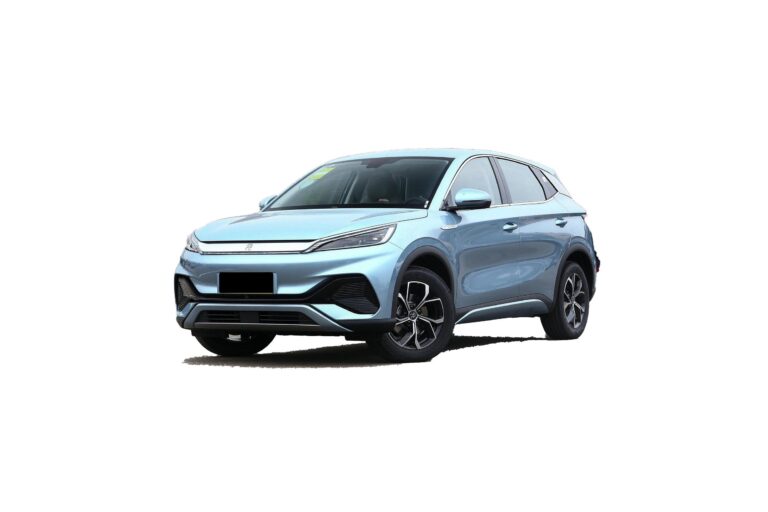
The Ultimate 2026 B2B Export Guide for LHD Electric Cars for Sale: Pricing, Compliance & Localization
1. Executive Summary
The global automotive landscape is undergoing its most significant transformation since the invention of the assembly line. As we navigate through 2026, China has cemented its position as the world’s dominant electric vehicle (EV) manufacturing hub, producing over 60% of global EV output. For international B2B buyers, distributors, and fleet operators, sourcing LHD (Left-Hand Drive) electric cars for sale from Chinese manufacturers represents an unprecedented arbitrage opportunity—combining cutting-edge battery technology, aggressive pricing, and rapidly expanding model ranges tailored for export markets.
However, the regulatory environment has evolved dramatically. China’s 2026 EV export regulations now mandate stricter homologation alignment, cybersecurity compliance, and battery traceability protocols. This guide serves as your definitive roadmap to navigating these complexities, ensuring your import operations remain fully compliant while maximizing profitability.
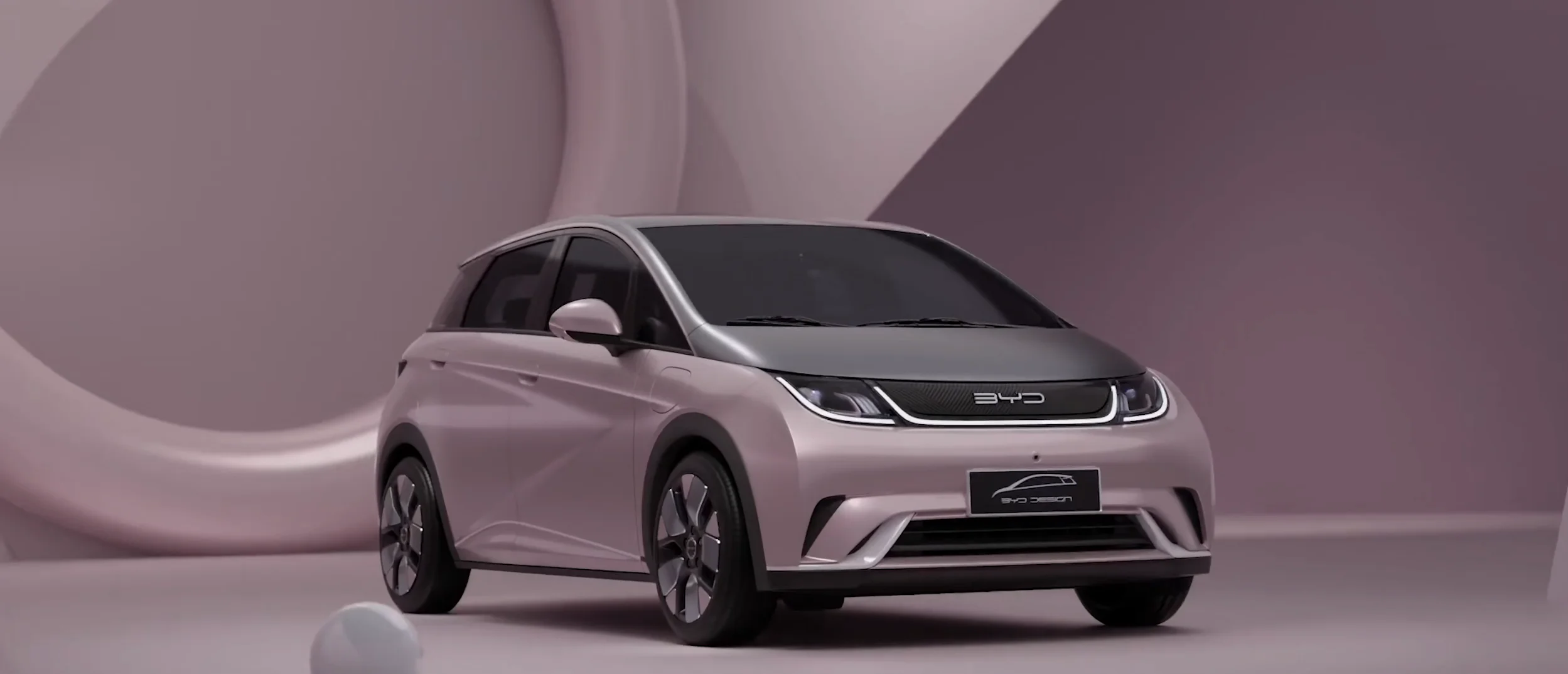
Whether you’re targeting the European Union’s WVTA-certified market, Latin America’s emerging economies, or the Middle East’s luxury segment, understanding the technical, logistical, and financial nuances of Chinese LHD EV exports is critical. From the compact BYD Seagull (starting under $15,000) to the premium NIO ET7 and XPeng G9, Chinese OEMs now offer LHD configurations across all segments with competitive ranges exceeding 300 miles (480 km) on CLTC cycles.
Key Market Intelligence for 2026:
– Regulatory Shift: China’s Ministry of Commerce (MOFCOM) now requires pre-shipment third-party inspection for all EV exports, effective January 2026.
– LHD Availability: 95% of Chinese EV platforms now support LHD configuration, with dedicated export trim levels featuring enhanced suspension tuning for European/American road profiles.
– Technology Leap: 800V architecture and silicon carbide (SiC) inverters are now standard in mid-tier models, enabling 10-80% charging in under 20 minutes.
– Price Competitiveness: Chinese LHD EVs maintain a 25-40% cost advantage over Western equivalents when landed in target markets.
2. Deep Dive: Technical Specifications
When evaluating LHD electric cars for sale from Chinese manufacturers, understanding the technical architecture beyond marketing brochures is essential for B2B procurement decisions. The 2026 model year introduces significant platform upgrades that directly impact your fleet’s total cost of ownership (TCO).
Battery Technology & Range Analysis
Chinese manufacturers have predominantly shifted to Lithium Iron Phosphate (LFP) blade batteries (BYD) and advanced ternary lithium (NCM) packs for export models. The thermal stability and cycle life of LFP chemistry (3,000+ cycles) make them particularly attractive for high-utilization fleet operators.
| Model | Platform | Battery Type | Capacity (kWh) | Range (WLTP) | LHD Availability | Export Trim Price (EXW) |
|---|---|---|---|---|---|---|
| BYD Dolphin | e-Platform 3.0 | LFP Blade | 44.9 / 60.5 | 265 / 315 mi | Yes (Global Spec) | $14,200 – $18,500 |
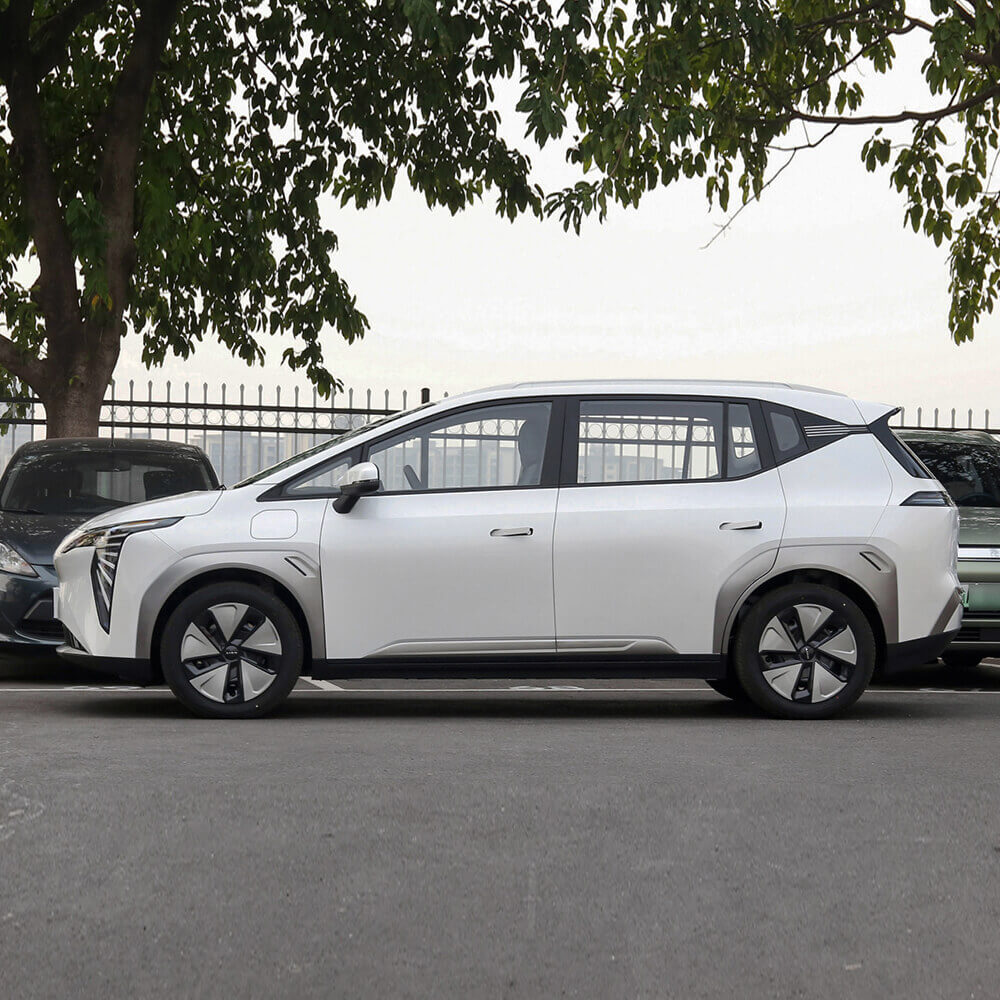
| GAC Aion Y Plus | AEP 2.0 | LFP | 63.9 | 310 mi | Yes | $16,800 |
| NIO ET5 Touring | NT2.0 | Semi-Solid State | 75 / 100 / 150 | 360 / 450 / 580 mi | Yes | $42,000 – $58,000 |
| XPeng G6 | SEPA 2.0 | Ternary Lithium | 87.5 | 355 mi | Yes | $28,500 |
| Geely Galaxy E8 | SEA | LFP | 76 | 410 mi | Yes | $24,000 |
| Wuling Bingo | GSEV | LFP | 37.9 | 255 mi | Yes | $11,500 |
Critical Technical Considerations for B2B Buyers:
-
Voltage Architecture: 2026 export models predominantly feature 400V systems, with 800V platforms (XPeng G9, NIO ET7, Zeekr 001) available in premium segments. While 800V enables faster charging, ensure your target market’s charging infrastructure supports these rates.
-
Motor Configurations: Most LHD exports offer single-motor rear-wheel drive (RWD) as standard, with dual-motor all-wheel drive (AWD) available for Nordic or mountainous markets. The shift to permanent magnet synchronous motors (PMSM) with hairpin winding technology improves efficiency to 97%+.
-
Thermal Management: Export-spec LHD vehicles now include heat pump systems as standard (previously optional), critical for maintaining range in temperate climates. The integration of direct battery cooling (liquid-cooled plates) ensures consistent fast-charging performance.
-
Braking Systems: Chinese EVs utilize coordinated regenerative braking with Bosch IPB (Intelligent Power Brake) systems. For LHD markets, pedal feel has been recalibrated to match European expectations (linear response vs. aggressive Chinese-market tuning).
3. The Localization Challenge: Software, UI, and Connectivity
The most overlooked aspect of importing Chinese EVs is software localization. Unlike traditional ICE vehicles, EVs are software-defined products requiring comprehensive ecosystem adaptation.
Operating System & Language Localization
Chinese EVs run on proprietary OS platforms (BYD DiLink, NIO SkyOS, XPeng XOS, Huawei HarmonyOS). For export markets, these require:
- Complete UI Translation: Beyond basic menu translation, this involves recalibrating voice recognition (ASR) for local accents, adjusting font rendering for Latin alphabets, and reconfiguring date/time formats.
- App Ecosystem Replacement: Chinese-market vehicles integrate with WeChat, Baidu Maps, and local streaming services. Export versions must support Android Auto, Apple CarPlay, Google Maps, and local navigation databases (HERE Maps, TomTom).
- OTA Infrastructure: Ensure the manufacturer provides OTA (Over-The-Air) update servers hosted within your target region (GDPR compliance for EU, data sovereignty for Middle East).
Telematics & Data Compliance
Case Study: European Union Compliance
A German fleet operator importing 200 units of the BYD Seal faced initial connectivity issues because the vehicles attempted to ping Chinese servers for weather and traffic data. Solution implementation required:
– Installation of EU-based eSIMs (Vodafone Automotive)
– Reconfiguration of the T-Box (telematics control unit) to comply with GDPR data residency requirements
– Removal of Chinese-specific ADAS features (traffic sign recognition trained on Chinese signage only)
2026 Mandatory Requirements:
– Cybersecurity: UN R155 and R156 compliance is now mandatory for European imports, requiring Vehicle Type Approval for cybersecurity management systems.
– Data Privacy: For Middle Eastern markets, ensure compliance with PDPL (Personal Data Protection Law) regulations; for Southeast Asia, PDPA frameworks.
4. Charging Compatibility: Bridging the GB/T Gap
China’s domestic charging standard (GB/T 20234) differs significantly from international standards. While the vehicle’s onboard charging hardware can be modified, understanding the adapter ecosystem is crucial.
Charging Standard Matrix
| Region | AC Charging | DC Fast Charging | Chinese EV Compatibility |
|---|---|---|---|
| European Union | Type 2 (Mennekes) | CCS2 (Combo 2) | Requires CCS2 retrofit or adapter |
| North America | Type 1 (J1772) | CCS1 (Combo 1) | Requires CCS1 retrofit |
| Middle East/GCC | Type 2 / Type 1 | CCS2 / CCS1 | Mixed standards |
| Latin America | Type 1 / Type 2 | CCS1 / CCS2 | Market dependent |
| Southeast Asia | Type 2 | CCS2 | Growing GB/T presence |
Technical Solutions for B2B Importers:
- Factory-Level Retrofit: Premium manufacturers (NIO, BYD, XPeng) now offer CCS2-compliant charging ports for export markets at the factory level. This involves:
- Replacement of the charging inlet assembly
- Reprogramming of the BMS (Battery Management System) for CCS communication protocols
-
Installation of CCS-compatible charging controllers
-
Aftermarket Adapters: For budget models (Wuling, Chery), GB/T to CCS2 adapters are available ($150-$300 per unit), though they typically limit charging speeds to 60kW DC (vs. 150kW+ native).
-
Onboard Charger (OBC) Specifications: Ensure export models feature 11kW or 22kW three-phase AC charging capability (vs. 7kW single-phase common in entry-level Chinese domestic models).
Infrastructure Recommendation: For fleet operators, negotiate with manufacturers to include portable charging adapters (Mode 2) compatible with local household outlets, essential for driver confidence during early deployment phases.
5. Homologation, Compliance & 2026 Export Regulations
China’s 2026 regulatory framework introduces the “Quality and Safety Technical Specification for Exported New Energy Vehicles,” fundamentally changing export procedures.
New 2026 Compliance Requirements
Pre-Shipment Inspection (Mandatory)
– All EVs must undergo inspection by designated third-party agencies (CCIC, SGS, TÜV Rheinland China) before export license issuance.
– Inspection covers: battery safety (UN38.3), electromagnetic compatibility (ECE R10), and odometer/odometer tampering verification.
Documentation Package
B2B buyers must ensure suppliers provide:
– CCC Certificate (China Compulsory Certification) copy
– Export License (issued by MOFCOM)
– Battery Traceability Report (cell-level origin documentation for recycling compliance)
– VIN Verification (confirming LHD configuration and export-spec equipment)
Regional Homologation Pathways
European Union (WVTA – Whole Vehicle Type Approval)
– Crash Testing: Chinese EVs must undergo EU-specific crash tests (frontal offset, side pole, pedestrian protection). Most major brands (BYD, NIO, XPeng) have already obtained WVTA for flagship models.
– EMC Compliance: ECE R10 Rev. 6 compliance for electromagnetic compatibility.
– Environmental: Euro 6d-ISC-FCM (though EVs are zero-emission, manufacturing process documentation is required).
Middle East (GCC Certification)
– Gulf Standards: GSO 42/2015 for LHD vehicles (steering wheel position verification).
– Climate Testing: Extreme heat testing (50°C+ ambient) for battery thermal management.
Latin America
– Brazil: INMETRO certification for energy efficiency labeling.
– Mexico: NOM-194-SCFI-2017 for electric vehicles.
Critical Warning: 2026 regulations prohibit the export of “gray market” vehicles (those manufactured for Chinese domestic sale but diverted to export). Ensure your supplier provides the Export Certificate of Quality (出口质量许可证), confirming the vehicle was manufactured on the export production line with appropriate LHD configuration and software.
6. Global Logistics & Supply Chain
Transporting lithium-ion batteries requires adherence to the International Maritime Dangerous Goods (IMDG) Code, Class 9. The 2026 shipping landscape has evolved with new carrier restrictions.
Shipping Methods Comparison
| Method | Capacity | Cost per Unit | Transit Time | Best For |
|---|---|---|---|---|
| RoRo (Roll-on/Roll-off) | 3,000-6,000 CEU | $800-$1,200 | 25-35 days | High-volume, drivable vehicles |
| Container (40′ HC) | 2-4 EVs | $1,500-$2,200 | 30-40 days | Luxury vehicles, battery isolation required |
| Flat Rack | 1-2 EVs | $2,500+ | 35-45 days | Oversized vehicles (trucks, buses) |
2026 Battery Shipping Updates:
– SOC Limitation: Batteries must be shipped at 30-50% State of Charge (SOC) maximum.
– Thermal Runaway Prevention: Enhanced fire suppression systems required in battery compartments for containerized shipping.
– Documentation: UN38.3 Test Summary must accompany each shipment, with cell-level traceability.
Port Operations & Handling
Shanghai Port (Primary Export Hub)
– Dedicated EV export terminal at Yangshan Deep Water Port
– Pre-export charging stations (maintaining 50% SOC during storage)
– Customs clearance integration: Electronic data interchange (EDI) reduces clearance time to 24-48 hours
Insurance Considerations
Marine cargo insurance for EVs must include:
– Battery Degradation Coverage: Protection against capacity loss due to extreme temperatures during transit
– Cybersecurity Rider: Coverage for software corruption during shipping
– Total Loss Valuation: Based on battery replacement cost (often 40% of vehicle value)
7. Financial Breakdown: Landed Cost & Dealer Profit Margins (Case Study)
Understanding the true landed cost requires moving beyond FOB (Free On Board) pricing to calculate the total investment required to place vehicles on your showroom floor or deploy them in your fleet.
Case Study: Importing 50 Units of BYD Seal (LHD Export Spec) to Germany
Vehicle Specifications:
– Model: BYD Seal (LHD, Excellence AWD)
– Battery: 82.5 kWh LFP Blade
– EXW Shanghai Price: $38,500 per unit
Cost Calculation Table:
| Cost Component | Calculation | Per Unit | Total (50 Units) |
|---|---|---|---|
| EXW Shanghai | Factory gate price | $38,500 | $1,925,000 |
| Domestic Transport | Factory to Shanghai Port | $150 | $7,500 |
| Export Documentation | Licenses, certificates, inspection | $200 | $10,000 |
| FOB Total | $38,850 | $1,942,500 | |
| Ocean Freight | RoRo to Bremerhaven | $1,100 | $55,000 |
| Marine Insurance | 110% of CIF value @ 0.15% | $66 | $3,300 |
| CIF Value | $40,016 | $2,000,800 | |
| Import Duty | 10% (EU MFN rate for Chinese EVs) | $4,002 | $200,100 |
| VAT | 19% (Germany) on (CIF + Duty) | $8,363 | $418,171 |
| Homologation | WVTA certification amortized | $800 | $40,000 |
| Technical Adaptation | CCS2 port retrofit, software | $1,200 | $60,000 |
| Port Handling | Unloading, customs clearance | $350 | $17,500 |
| Landed Cost | $54,731 | $2,736,571 |
Retail Pricing Strategy:
– Market Retail Price: €52,000 ($56,500) – Positioned against Tesla Model 3
– Dealer Margin: 18-22% after local marketing and warranty costs
– Break-even Volume: 12 units (fixed costs recovery)
Alternative Case: Budget Segment – Wuling Bingo to Brazil
Volume: 100 units (LHD, 37.9 kWh)
– EXW Price: $11,500
– Shipping (Container): $1,800 per unit (4 units per 40′ HC)
– Brazilian Import Tax: 35% (Mercosur external tariff) + 17% ICMS (state tax)
– Landed Cost: Approximately $19,200 per unit
– Local Market Price: $24,500 (competitive against Fiat 500e)
– Margin: 21% gross margin
Financing Structures:
Chinese manufacturers increasingly offer supplier credit (90-180 days) for established B2B partners, improving cash flow. Additionally, Sinosure (China Export & Credit Insurance Corporation) provides political and commercial risk insurance for transactions.
8. Securing After-Sales Support & Spare Parts
The profitability of your EV import venture depends on long-term service capabilities. Chinese EVs require specialized diagnostic equipment and battery handling protocols.
Spare Parts Strategy
Critical Inventory Requirements:
1. Battery Modules: While full pack replacement is rare, module-level spares should be stocked for warranty claims (2-3% of fleet value).
2. High-Voltage Components: Onboard chargers, DC-DC converters, and PTC heaters have higher failure rates in extreme climates.
3. ADAS Sensors: LiDAR units (if equipped) and camera modules require calibration equipment.
Parts Sourcing Tiers:
– Tier 1: Direct from OEM (BYD, NIO, etc.) – 4-6 week lead time, genuine parts
– Tier 2: Authorized distributors in Dubai/Rotterdam – 1-2 week lead time, 15% markup
– Tier 3: Aftermarket (Yusheng, Delphi) – Immediate availability, quality variance
Technical Training:
Manufacturers now provide Train-the-Trainer programs:
– High Voltage Safety Certification (Level 3)
– Battery pack disassembly and cell replacement
– Software diagnostics using manufacturer-specific tools (BYD VDS, NIO NIO Power tools)
Warranty Handling:
– Manufacturer Warranty: Typically 6 years/150,000 km for battery, 3 years/100,000 km for vehicle
– Goodwill Policy: Negotiate advance replacement parts for warranty claims to avoid customer downtime
– Extended Warranty: Available through third-party providers (Munich Re, Swiss Re) for fleet operators
9. Why Partner with Electric Auto China
As Shanghai’s premier B2B EV export consultancy, Electric Auto China bridges the gap between Chinese manufacturing sophistication and international market requirements.
Our Compliance-First Approach
Regulatory Navigation: Our in-house homologation team maintains direct relationships with TÜV Rheinland, SGS, and GCC certification bodies, ensuring your vehicles meet 2026 export standards before they reach the port.
LHD Export Specialization: Unlike domestic-focused brokers, we exclusively handle export-spec LHD vehicles with pre-configured CCS2 charging, localized software, and international warranty terms.
Financial Transparency: We provide locked landed cost calculations with no hidden fees, including customs duty optimization strategies (utilizing FTAs where applicable, such as China-ASEAN agreements).
Logistics Excellence: Dedicated EV handling facilities at Shanghai Port with battery SOC management, pre-shipment inspection coordination, and marine insurance brokerage.
After-Sales Infrastructure: We establish regional parts hubs (Rotterdam for Europe, Dubai for MEA, São Paulo for LATAM) and train your technical staff on high-voltage systems.
The 2026 Advantage
The window for establishing market presence in the LHD EV sector is narrowing as traditional OEMs accelerate their electrification roadmaps. However, Chinese manufacturers continue to offer 12-18 month technology leads in battery integration and cost efficiency.
By partnering with Electric Auto China, you gain:
– Direct OEM Pricing: Bypassing multiple broker layers
– Compliance Guarantee: 100% adherence to China’s 2026 export regulations
– Market Intelligence: Real-time data on model availability, pricing fluctuations, and regulatory changes
Next Steps for B2B Buyers:
1. Request Quotation: Provide your target market, volume requirements, and preferred models
2. Compliance Review: We assess homologation requirements for your specific country
3. Sample Order: Minimum 5-unit pilot shipment to validate logistics and localization
4. Volume Contract: Framework agreements with quarterly pricing adjustments
The transition to electric mobility is irreversible. By sourcing LHD electric cars for sale from China’s 2026 production lines, you position your business at the forefront of automotive retail’s future—combining technological innovation with uncompromising profitability.
Contact our B2B export division today to secure your allocation in the next production batch.
Unlock High-Margin EV Imports with Electric Auto China
As an elite automotive supply chain partner in Shanghai, we provide end-to-end, strictly compliant export solutions tailored for international dealerships, fleet managers, and wholesale distributors.
- 🛡️ 100% Legal & Compliant: Fully licensed exports ensuring smooth customs clearance at your destination.
- ⚙️ Complete Localization: Professional English/Arabic/Russian OS flashing and GB/T to CCS2 charging solutions.
- 🚢 Secure Logistics: Direct Ro-Ro and Containerized shipping with full UN38.3 battery certifications.
- 🔧 After-Sales Support: Reliable access to OEM diagnostic tools and steady spare parts supply.
Request a Detailed FOB/CIF Quote Today:
📧 B2B Sales Email: [email protected]
💬 Direct WhatsApp: +86 159 5127 6160