The Ultimate 2026 B2B Export Guide for nio electric car china: Pricing, Compliance & Localization
1. Executive Summary
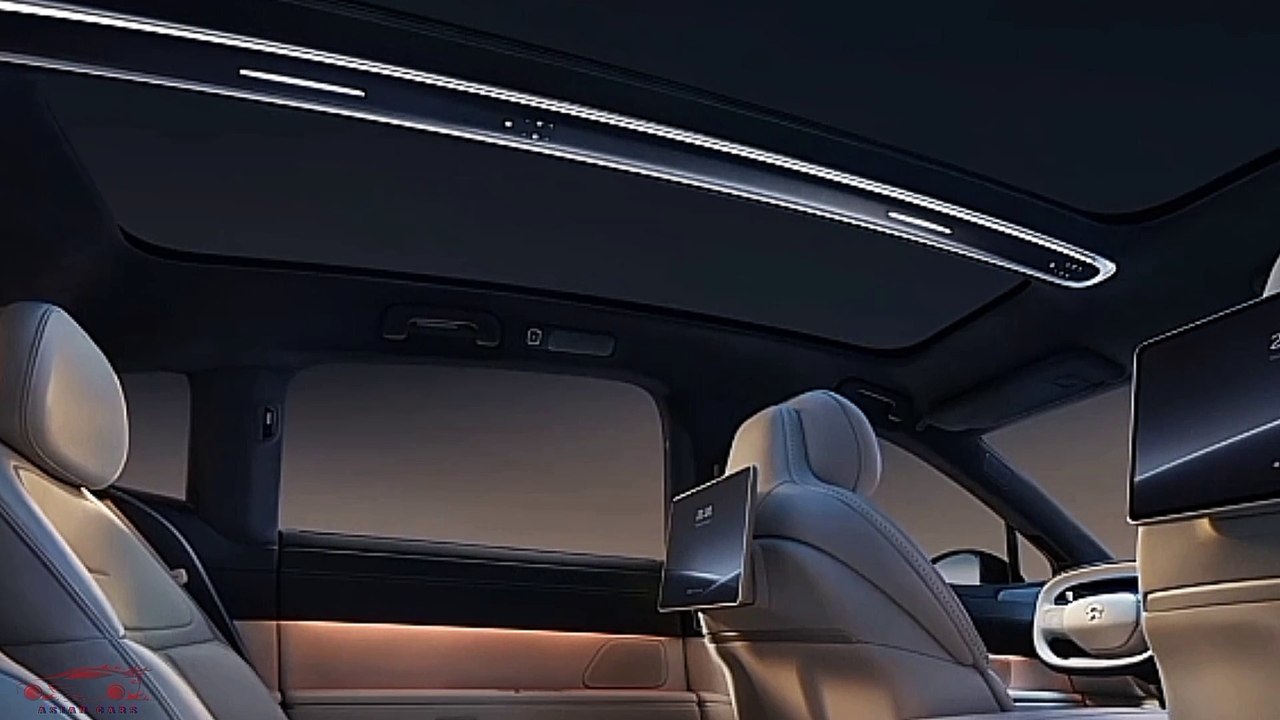
As of February 2026, NIO Inc. has cemented its position as a dominant force in the global smart electric vehicle (EV) market, achieving the historic milestone of 1 million cumulative deliveries while simultaneously completing 100 million battery swaps across its proprietary Power Swap Network. For international B2B buyers, this represents both an unprecedented opportunity and a complex regulatory inflection point. The Chinese Ministry of Commerce’s new export licensing framework, effective January 1, 2026, has fundamentally altered the landscape for sourcing NIO vehicles—including the premium NIO brand, the family-oriented ONVO line, and the newly launched FIREFLY micro-EV series.
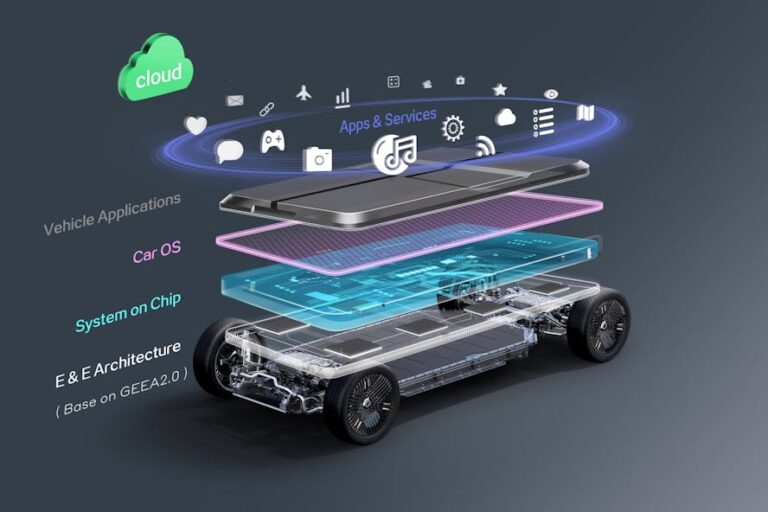
This comprehensive guide addresses the critical convergence of NIO’s technological maturity—evidenced by its in-house NS9031 autonomous driving chips and SkyOS operating system—and China’s stricter export controls designed to ensure “healthy development” of the EV industry. Whether you are a European dealer seeking to import the ET5 Touring, a Middle Eastern fleet operator interested in the ONVO L90 three-row SUV, or a Southeast Asian distributor evaluating the FIREFLY premium small car lineup, understanding the 2026 regulatory environment is non-negotiable.
NIO’s unique Battery-as-a-Service (BaaS) model, recently strengthened through a strategic March 2025 partnership with CATL, presents distinct advantages for international markets but requires sophisticated infrastructure planning. With NIO targeting profitability in 2026 through aggressive cost reductions of approximately RMB 10,000 per vehicle via vertical integration, export pricing has become increasingly competitive despite regulatory complexities.
This guide provides exact landed cost calculations, technical localization requirements for NOMI AI systems, GB/T charging standard bridging solutions, and compliance roadmaps for the new export permit system. As accredited export consultants based in Shanghai, we navigate these regulations daily to ensure your inventory arrives compliant, connected, and ready for local homologation.
2. Deep Dive: Technical Specifications
NIO’s 2026 export portfolio spans three distinct brand architectures, each requiring specific technical consideration for B2B procurement. The following specifications represent current production models available for licensed export under the new regulatory framework:
NIO Premium Brand Specifications
| Model | Segment | Dimensions (L×W×H mm) | Powertrain | Battery Options | 0-100 km/h | Key Tech Features |
|---|---|---|---|---|---|---|
| ET5/ET5T | Mid-size Sedan/Wagon | 4,790×1,960×1,499 | Dual Motor AWD | 75 kWh (CLTC 560km) / 100 kWh (CLTC 710km) | 4.0s | NS9031 Chip, LiDAR, SkyOS |
| ET7 | Executive Sedan | 5,101×1,987×1,509 | Dual Motor AWD | 75 kWh / 100 kWh / 150 kWh Semi-Solid State | 3.8s | NAD (NIO Autonomous Driving), AR HUD |
| ES6 (2025 Refresh) | Mid-size SUV | 4,854×1,995×1,703 | Dual Motor AWD | 75 kWh (CLTC 500km) / 100 kWh (CLTC 625km) | 4.5s | Banyan 3.0 System, 5G Connectivity |
| ES8 | Full-size SUV | 5,099×1,989×1,750 | Dual Motor AWD | 100 kWh / 150 kWh | 4.1s | Executive seating, Air suspension |
| EC6 | Coupe SUV | 4,849×1,995×1,697 | Dual Motor AWD | 75 kWh / 100 kWh | 4.4s | Panoramic glass roof, Active spoiler |
ONVO Brand Specifications (Mass Market)
| Model | Segment | Dimensions (L×W×H mm) | Powertrain | Battery | Range (CLTC) | Target Market Position |
|---|---|---|---|---|---|---|
| L60 | Family SUV | 4,828×1,930×1,616 | Single/ Dual Motor | 60 kWh / 85 kWh | 555km / 730km | Tesla Model Y competitor |
| L90 | Three-row SUV | 5,145×1,998×1,760 | Dual Motor AWD | 85 kWh / 100 kWh | 650km+ | Family flagship |
FIREFLY Brand Specifications (Urban Premium)
| Model | Segment | Dimensions (L×W×H mm) | Powertrain | Battery | Range | Unique Features |
|---|---|---|---|---|---|---|
| Firefly Standard | Compact Hatch | 4,000×1,780×1,550 | Single Motor FWD | 42 kWh | 420km (CLTC) | Swappable battery, Premium interior |
| Firefly Plus | Compact SUV | 4,150×1,820×1,600 | Single Motor FWD | 52 kWh | 480km (CLTC) | City-oriented ADAS |
Critical Technical Notes for Importers:
– Voltage Architecture: All 2026 NIO models operate on 400V architecture (transitioning to 800V in late 2026), requiring verification of local charging infrastructure compatibility.
– Battery Chemistry: Standard models utilize LFP (Lithium Iron Phosphate) batteries for the 75 kWh option; NCM (Nickel Cobalt Manganese) for 100 kWh+; the 150 kWh semi-solid state battery is currently restricted for export due to transport classification regulations.
– Weight Considerations: The ES8 with 150 kWh battery exceeds 2,700 kg, potentially triggering heavy vehicle taxation in certain EU jurisdictions.
3. The Localization Challenge: Software, UI, and Connectivity
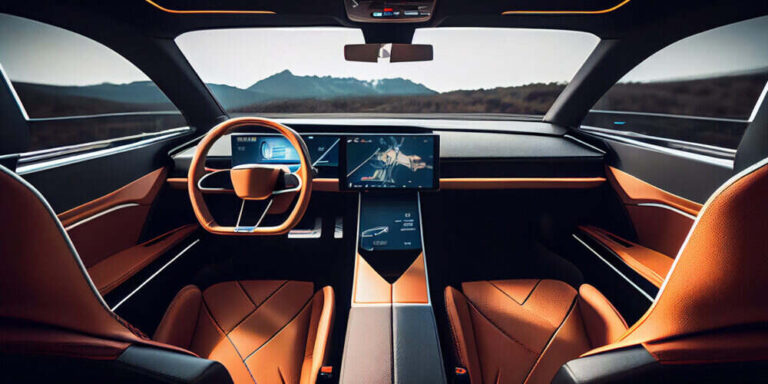
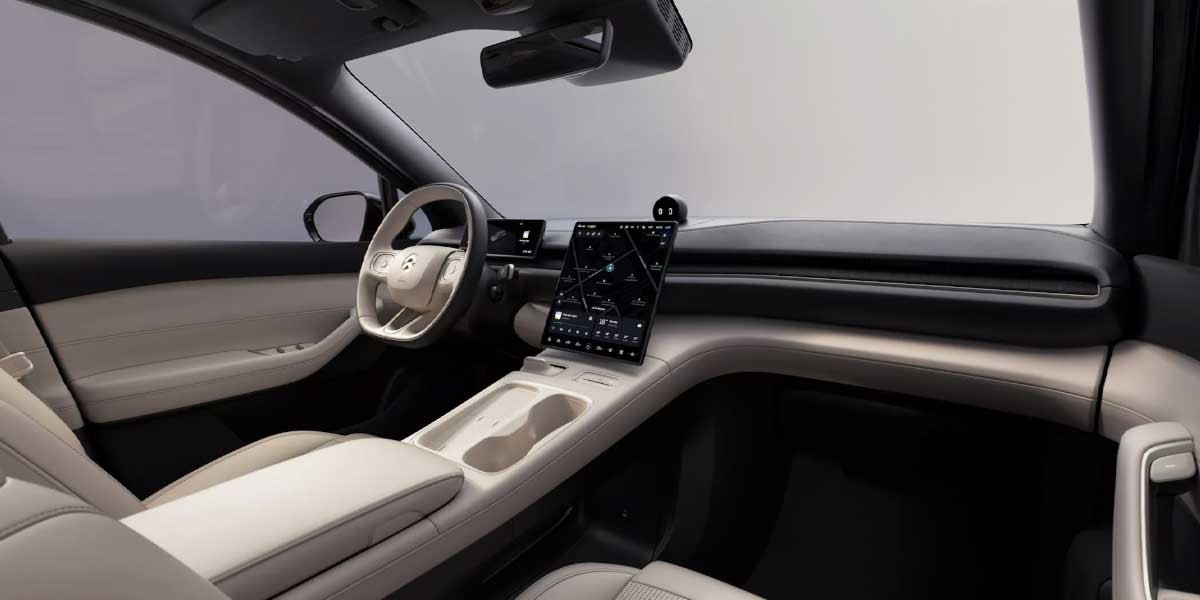
NIO’s ecosystem presents unique localization hurdles that extend beyond simple language translation. The company’s “User Enterprise” philosophy centers on the NOMI (Know Me) AI assistant, a spherical in-cabin interface that controls vehicle functions through natural language processing.
Software Localization Requirements
Operating System: SkyOS (deployed across 2025 refreshed models) currently supports Simplified Chinese, English (Basic), and German (Beta). For B2B export markets, mandatory modifications include:
- Map Services: Replacement of Baidu Maps with local providers (HERE, TomTom, or Google Maps depending on region)
- Voice Recognition: NOMI requires dialect training for non-Mandarin markets; current English recognition accuracy stands at 87% versus 98% for Mandarin
- App Ecosystem: The NIO App (integral for battery swap scheduling, community functions, and OTA updates) must be localized for regional app stores and payment gateways
Regulatory Data Compliance:
Under China’s Data Security Law, NIO vehicles contain telematics systems that transmit data to Chinese servers. For EU imports, GDPR compliance requires:
– Installation of EU-specific data gateways
– Local server hosting for vehicle diagnostics
– Removal of certain Chinese cloud-connected features (remote viewing via vehicle cameras)
Connectivity Standards:
– 5G Bands: Chinese models support n41/n78/n79. Export variants require n1/n3/n7/n28 for European markets and n2/n5/n66/n77 for North American compatibility.
– eSIM Localization: Physical SIM slot activation is mandatory for markets requiring local carrier partnerships.
4. Charging Compatibility: Bridging the GB/T Gap
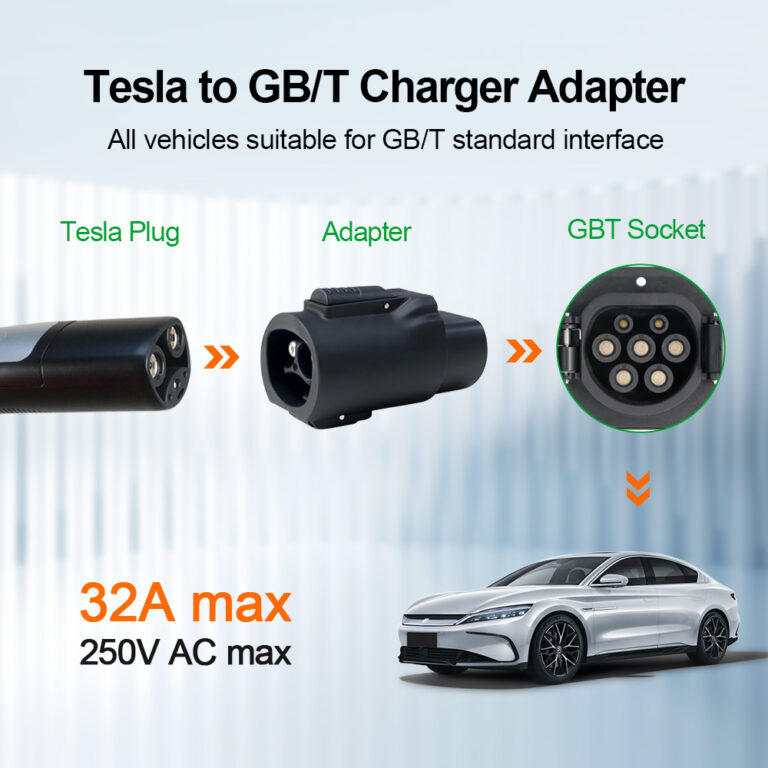
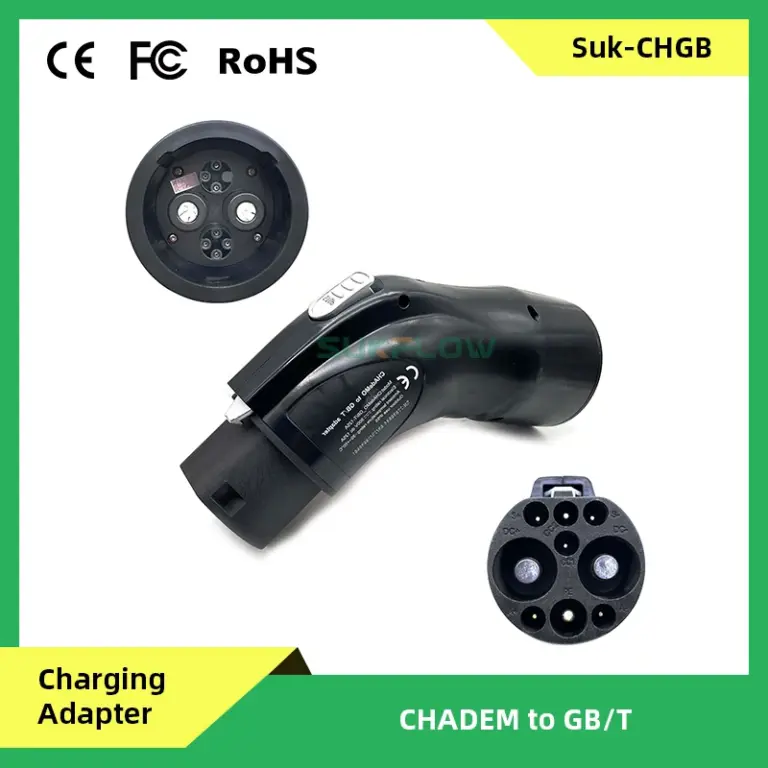
NIO vehicles utilize China’s GB/T charging standard (GB/T 20234.2 for AC, GB/T 20234.3 for DC), creating infrastructure challenges for international markets. However, NIO’s battery swap technology offers a unique workaround to charging incompatibility.
Charging Adapter Solutions
| Charging Type | Chinese Standard | European Equivalent | Adapter Availability | Cost (USD) |
|---|---|---|---|---|
| AC Charging | GB/T Type 2 (7-pin) | Type 2 (Mennekes) | Bi-directional adapter required | $350-500 |
| DC Fast Charging | GB/T 20234.3 | CCS2 | High-power adapter (limited to 150kW) | $800-1,200 |
| Battery Swap | NIO Standard 2.0 | N/A | Requires station infrastructure | Station-dependent |
Battery Swap Infrastructure Economics
For B2B fleet operators, the BaaS (Battery-as-a-Service) model presents compelling TCO (Total Cost of Ownership) advantages but requires upfront infrastructure investment:
Station Requirements:
– Power Swap Station 3.0: Requires 300kW grid connection, 4 parking spaces, and automated battery storage for 13 battery packs
– Installation Cost: $250,000-$400,000 per station (excluding real estate)
– Certification: UL 9540 or IEC 62933 certification required for battery energy storage systems in most jurisdictions
Operational Considerations:
– Swap time: 3 minutes per vehicle
– Battery inventory: Minimum 20 batteries recommended for operational redundancy
– Software integration: NIO Power Cloud requires local server mirroring for sub-100ms latency in swap scheduling
Alternative Strategy:
For markets without swap infrastructure, NIO vehicles can operate on CCS2 charging via hardware retrofit (available through certified export partners), though this voids the BaaS cost benefits and requires permanent battery purchase (adding $10,000-$15,000 to vehicle cost).
5. Homologation, Compliance & 2026 Export Regulations
The January 1, 2026 implementation of export licensing for Chinese EVs represents the most significant regulatory shift in the industry’s history. The Ministry of Commerce (MOFCOM) framework requires strict adherence to prevent market flooding with non-compliant vehicles.
The 2026 Export License Framework
Accreditation Requirements:
Only manufacturers and dealers holding valid “Automobile Export Licenses” may ship EVs from China. To obtain accreditation, exporters must demonstrate:
- Manufacturer Authorization: Direct OEM partnership or Tier-1 distributor status (NIO currently authorizes 12 international export partners globally)
- Quality Certification: ISO 9001:2015 certification for export operations
- After-Sales Capability: Demonstrated spare parts inventory worth minimum $500,000 or service partnership agreements in destination markets
- Recall Insurance: Product liability coverage minimum $10 million per incident
Documentation Package for Each Shipment:
– Export License Application (submitted 30 days prior to shipment)
– Vehicle conformity certificates (CCC certification for Chinese market, translated)
– Battery UN38.3 test reports (mandatory for lithium-ion transport)
– Intellectual Property rights verification (preventing export of counterfeit or patent-infringing components)
Regional Homologation Requirements
| Region | Certification | NIO Status | Key Challenges |
|---|---|---|---|
| European Union | Whole Vehicle Type Approval (WVTA) | In progress (ETA Q3 2026) | Cybersecurity (UN R155), Software updates (UN R156) |
| Middle East (GCC) | GSO Conformity | Certified for ET5, ES6 | Extreme heat testing (50°C+) |
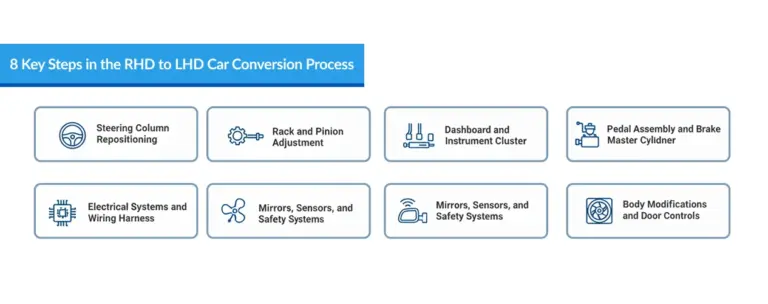
| Southeast Asia | ASEAN NCAP/Local | Thailand: Certified | Right-hand drive conversion required for UK/Japan/Australia markets |
| Australia | ADR (Australian Design Rules) | Pending | Full volume import scheme compliance |
Critical Compliance Timeline:
B2B buyers must factor 90-120 days for homologation documentation preparation. NIO’s 2025 refreshed models with NS9031 chips require additional cybersecurity auditing under UN R155, potentially extending certification timelines by 45 days.
6. Global Logistics & Supply Chain
Transporting NIO vehicles requires specialized handling due to high-voltage battery systems and the fragility of LiDAR sensors mounted on rooflines.
Shipping Methods Comparison
| Method | Cost per Unit | Transit Time | Battery Regulations | Best For |
|---|---|---|---|---|
| RoRo (Roll-on/Roll-off) | $1,200-$1,800 | 25-35 days | SOC must be <30% (IMDG Code) | Volume orders (10+ units) |
| Container (40′ HC) | $2,500-$3,500 | 30-40 days | UN38.3 certification required, Class 9 dangerous goods labeling | Mixed cargo, high-value units |
| Air Freight | $15,000-$25,000 | 3-7 days | Limited to 30% SOC, IATA PI 965 Section IB | Urgent replacements, show cars |
Port Handling Specifics:
– Shanghai Port (Lingang): Primary export hub for NIO vehicles; dedicated EV inspection lanes reduce customs clearance to 48 hours for licensed exporters
– Battery Isolation: Containers require “Battery Isolation” certificates; NIO’s battery management systems must be locked in “Transport Mode” to prevent accidental activation
– Insurance: Marine cargo insurance for EVs requires specific “Battery Thermal Runaway” coverage addendums (additional 0.15% of CIF value)
Supply Chain Risks:
The 2026 licensing regime has reduced the number of eligible export agents by approximately 60%, concentrating volume through accredited channels. B2B buyers should secure quarterly allocation agreements with licensed exporters to guarantee delivery slots, particularly for high-demand models like the ONVO L60.
7. Financial Breakdown: Landed Cost & Dealer Profit Margins (Case Study)
Understanding true landed costs requires factoring in the new regulatory compliance costs associated with 2026 licensing requirements. Below are detailed calculations for two high-volume export scenarios.
Case Study A: European Import of NIO ET5 (75 kWh, BaaS Model)
| Cost Component | Amount (USD) | Notes |
|---|---|---|
| EXW Shanghai Price | $35,000 | BaaS model (battery excluded); battery purchase adds $12,000 |
| Export License Fee | $800 | New 2026 regulatory cost |
| Homologation Documentation | $1,200 | UN R155/R156 compliance pack |
| Ocean Freight (RoRo) | $1,500 | Shanghai to Rotterdam |
| Marine Insurance (110% CIF) | $420 | Including battery thermal coverage |
| CIF Value | $38,920 | |
| EU Import Duty (10%) | $3,892 | Based on CIF |
| VAT (19% Germany) | $8,135 | Applied to (CIF + Duty) |
| Local Transport/PDI | $600 | Port to dealer + pre-delivery inspection |
| Total Landed Cost | $51,547 | |
| Recommended Retail Price | $58,000 | |
| Dealer Margin | 12.5% | $6,453 gross profit |
Case Study B: Middle East Fleet Order (10 units ONVO L60)
| Cost Component | Per Unit (USD) | Total (USD) | Notes |
|---|---|---|---|
| EXW Price (Volume Discount) | $28,500 | $285,000 | 5% fleet discount applied |
| Export License & Compliance | $500 | $5,000 | Bulk processing rate |
| Container Shipping (Shared) | $2,200 | $22,000 | 3 vehicles per 40′ HC |
| Insurance | $340 | $3,400 | |
| CIF Dubai | $31,540 | $315,400 | |
| GCC Duty (5%) | $1,577 | $15,770 | |
| Local VAT (5% UAE) | $1,656 | $16,570 | |
| Customs Clearance | $200 | $2,000 | |
| Total Landed per Unit | $33,973 | $339,730 | |
| Fleet Sale Price | $38,500 | $385,000 | |
| Margin per Unit | 13.3% | $45,270 total |
BaaS vs. Battery Purchase Economics:
For markets without swap infrastructure, the battery purchase option increases upfront costs by $10,000-$15,000 but eliminates monthly BaaS fees (approximately $150-$200/month). Break-even occurs at approximately 50-60 months for typical fleet operators.
Currency Risk Management:
Given RMB/EUR volatility (currently ±8% annually), we recommend forward exchange contracts for orders exceeding $500,000 value, or pricing in USD with 30-day payment terms to mitigate forex exposure.
8. Securing After-Sales Support & Spare Parts
NIO’s premium positioning requires sophisticated after-sales infrastructure. Unlike traditional OEMs, NIO vehicles require specialized diagnostic equipment for the battery swap mechanisms and SkyOS software updates.
Spare Parts Strategy
Critical Inventory Requirements:
– Battery Modules: While swappable batteries reduce immediate need, buffer stock of 5-10% of fleet size recommended for accident replacement
– LiDAR Units: Roof-mounted Hesai Technology LiDAR sensors (ET7, ES8) cost $800-$1,200 and have 6-week lead times from China
– Touchscreen Displays: 12.8-inch AMOLED center displays (common across lineup) require climate-controlled storage (-20°C to +60°C)
Parts Distribution Models:
| Model | Investment | Lead Time | Best For |
|---|---|---|---|
| Centralized Hub | $200,000 initial stock | 7-10 days regional | Small markets (<100 units annually) |
| Regional Warehousing | $500,000+ | 24-48 hours | Large markets, fleet operators |
| Direct from Shanghai | $0 stock | 14-21 days | Cost-sensitive, low-volume markets |
Technical Training:
NIO’s high-voltage systems (400V) require technician certification. Training programs (available through Electric Auto China) include:
– Battery swap station maintenance (40-hour course)
– SkyOS diagnostics and OTA troubleshooting (24-hour course)
– High-voltage safety certification (mandatory for insurance purposes)
Warranty Considerations:
Chinese market warranties (3-year/120,000km vehicle, 8-year battery) require localization for export markets. Extended warranty packages add $800-$1,200 to landed cost but significantly improve resale values.
9. Why Partner with Electric Auto China
As Shanghai-based export consultants operating under China’s 2026 EV export licensing framework, Electric Auto China provides the regulatory bridge between NIO’s manufacturing ecosystem and your local market requirements.
Our Accredited Services:
- License Facilitation: We hold valid MOFCOM export licenses and NIO manufacturer authorization, ensuring every shipment complies with January 2026 regulations
- Technical Localization: In-house engineering team for GB/T to CCS2 conversions, NOMI language localization, and telematics server migration
- Homologation Management: Direct relationships with TÜV Rheinland, GCC certification bodies, and Australian DOT to streamline type approval
- Financial Structuring: Letters of Credit management, currency hedging, and VAT optimization for EU imports
Exclusive Market Access:
Through our partnership with NIO’s international division, we offer priority allocation for limited-production models (ET5 Touring, ES8 with 150 kWh semi-solid state batteries) and early access to the FIREFLY brand expansion outside China.
Compliance Guarantee:
Every vehicle exported through our channel includes:
– Full UN38.3 battery certification documentation
– Cybersecurity compliance pack (UN R155/R156 ready)
– 12-month export warranty against manufacturing defects
– Spare parts availability commitment (5-year minimum)
In the evolving landscape of Chinese EV exports, where regulatory compliance is as critical as product quality, Electric Auto China ensures your NIO inventory arrives not just as vehicles, but as fully localized, certified, and market-ready assets. Contact our Shanghai headquarters to secure your 2026 allocation and navigate the new era of regulated Chinese EV exports with confidence.
Unlock High-Margin EV Imports with Electric Auto China
As an elite automotive supply chain partner in Shanghai, we provide end-to-end, strictly compliant export solutions tailored for international dealerships, fleet managers, and wholesale distributors.
- 🛡️ 100% Legal & Compliant: Fully licensed exports ensuring smooth customs clearance at your destination.
- ⚙️ Complete Localization: Professional English/Arabic/Russian OS flashing and GB/T to CCS2 charging solutions.
- 🚢 Secure Logistics: Direct Ro-Ro and Containerized shipping with full UN38.3 battery certifications.
- 🔧 After-Sales Support: Reliable access to OEM diagnostic tools and steady spare parts supply.
Request a Detailed FOB/CIF Quote Today:
📧 B2B Sales Email: [email protected]
💬 Direct WhatsApp: +86 159 5127 6160