The Ultimate 2026 B2B Export Guide for right hand drive electric cars china: Pricing, Compliance & Localization
1. Executive Summary
The 2026 regulatory framework governing China’s automotive exports has fundamentally transformed the landscape for right-hand drive (RHD) electric vehicle procurement. As China’s Ministry of Commerce implements stricter Modified Vehicle Export Regulations and Used Vehicle Export Standards, international B2B buyers face both unprecedented compliance requirements and remarkable opportunities in the RHD EV segment.
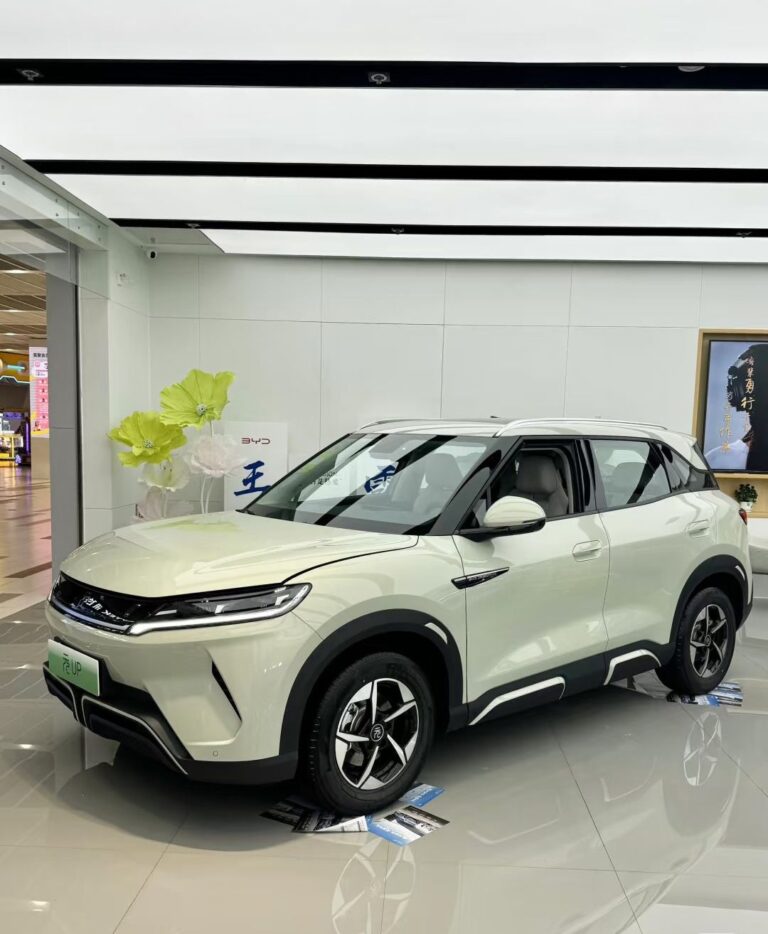
Factory-authorized RHD production from Chinese OEMs—including BYD, XPeng, NIO, and emerging players like Skyworth and Jetta—has expanded significantly, reducing reliance on aftermarket LHD-to-RHD conversions that now face enhanced scrutiny under 2026 transparency mandates. For importers targeting Commonwealth markets (UK, Australia, India, South Africa), ASEAN nations (Thailand, Indonesia, Malaysia), and Japan, this shift ensures higher quality standards while maintaining China’s competitive pricing advantage.
Key Market Intelligence for 2026:
– Regulatory Pivot: Modified vehicle exports now require explicit manufacturer authorization and conversion facility certification; “gray market” conversions face prohibition
– RHD Availability: Over 40 BEV models now offer factory RHD configurations, up from 12 in 2024
– Pricing Advantage: Factory RHD units command only 3-5% premium over LHD equivalents, versus 15-20% for certified conversions
– Compliance Imperative: Export Authorization Certificates (EAC) and Battery Health Reports (SOH >80%) are now mandatory for all used/new EV exports
This guide provides procurement directors, automotive distributors, and fleet operators with actionable intelligence on technical specifications, localization protocols, landed cost modeling, and regulatory navigation specific to China’s 2026 EV export ecosystem.
2. Deep Dive: Technical Specifications
Factory RHD vs. Certified Conversion: Critical Distinctions
The 2026 regulatory environment distinguishes sharply between Original Equipment Manufacturer (OEM) RHD production and Modified Vehicle Exports (MVE). Understanding these technical differences is paramount for compliance and warranty validity.
| Specification Category | Factory RHD (OEM) | Certified Conversion (MVE) | Non-Compliant Conversion |
|---|---|---|---|
| Steering Assembly | Mirror-designed rack-and-pinion, safety-rated for RHD | OEM-approved kit, certified facility installation | Aftermarket components, warranty void |
| Safety Systems | Recalibrated ADAS cameras, radar alignment for RHD traffic patterns | Factory-authorized recalibration with documentation | Uncalibrated sensors, liability risk |
| Crash Structure | Optimized crumple zones, side-impact beams | Structural integrity maintained per OEM spec | Compromised structural integrity |
| Homologation | Full ADR/ECE/UKCA compliance | Conditional approval with conversion certificates | Import prohibition in most markets |
| Warranty Status | Full manufacturer warranty (5-8 years battery) | Conversion facility warranty + remaining powertrain | Voided warranty |
| 2026 Export Status | Unrestricted | Permitted with MVE license and VIN traceability | Prohibited |
Available RHD EV Portfolio (2026 Model Year)
Chinese manufacturers have accelerated RHD lineups for strategic markets. Below represents verified factory RHD availability through Electric Auto China:
| Model | Segment | Battery (kWh) | Range (WLTP) | RHD Market Availability | FOB Shanghai (USD) |
|---|---|---|---|---|---|
| BYD Atto 3 | Compact SUV | 60.5 | 420 km | UK, Australia, ASEAN, South Africa | $28,500 |
| BYD Seal | Executive Sedan | 82.5 | 570 km | UK, Australia, Japan, Thailand | $35,200 |
| XPeng G6 | Mid-size SUV | 87.5 | 755 km (CLTC) | Australia, UK, Malaysia | $32,800 |
| NIO ET5 | Luxury Sedan | 75/100 (BaaS) | 550 km | UK, Germany (RHD testing) | $42,000* |
| Skyworth EV6 | Family SUV | 72 | 520 km | UK, Australia, Indonesia | $26,400 |
| Jetta VS8 | Mid-size SUV | 85 | 610 km | Commonwealth markets | $24,900 |
| MG4 EV | Hatchback | 64 | 450 km | Global RHD | $22,100 |
| Chery Omoda E5 | Compact SUV | 61 | 430 km | UK, Australia, South Africa | $25,300 |
*BaaS: Battery-as-a-Service subscription model requires separate financial structuring
Technical Modifications for RHD Markets
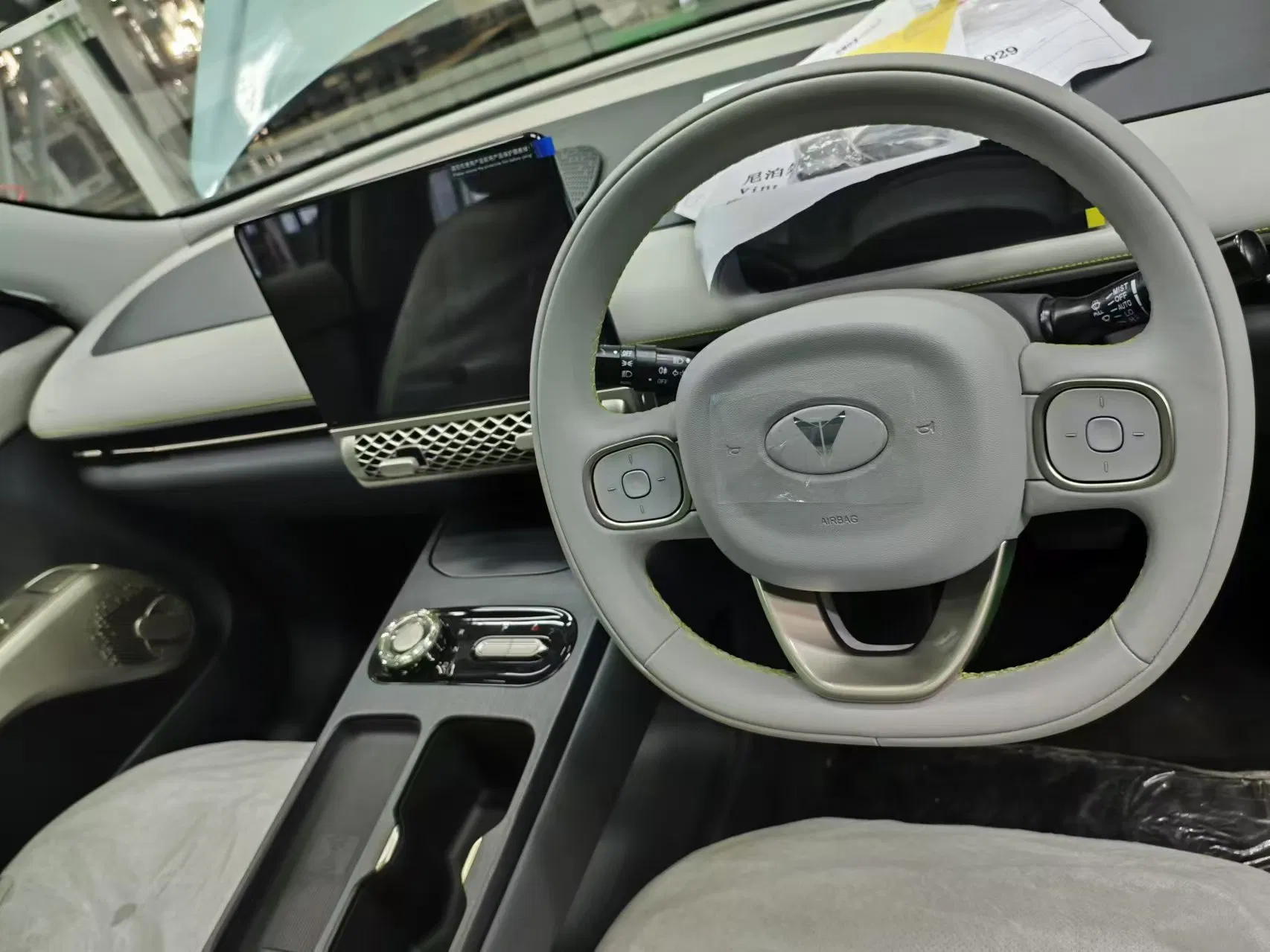
Steering and Pedal Configuration: Factory RHD units undergo comprehensive redesign of the firewall penetration points, steering column angles, and pedal box geometry. The 2026 XPeng G6 RHD variant, for instance, utilizes a mirrored dual-motor layout maintaining optimal weight distribution, whereas converted vehicles may retain LHD-biased weight distribution affecting handling dynamics.
Advanced Driver Assistance Systems (ADAS): Critical for 2026 compliance, RHD-specific ADAS calibration includes:
– Lane-keeping camera inversion for left-side road positioning
– Traffic sign recognition algorithms for RHD market signage
– Blind-spot monitoring sensor repositioning to passenger side
– Autonomous emergency braking (AEB) tuning for left-side traffic flow
3. The Localization Challenge: Software, UI, and Connectivity
Infotainment and Language Localization
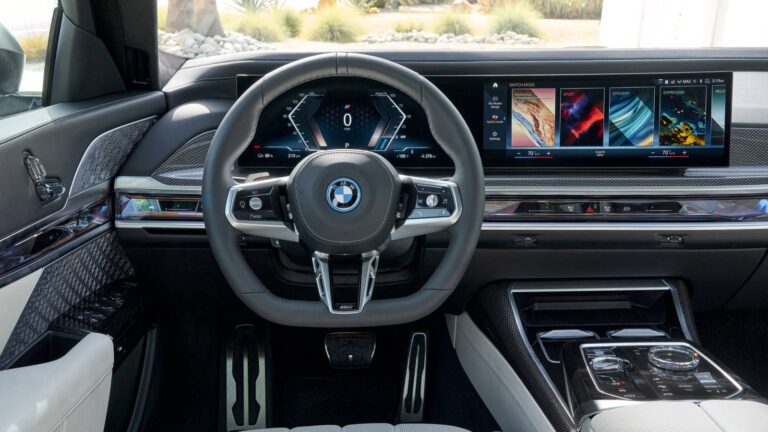
Chinese EVs utilize proprietary operating systems (BYD DiLink, XPeng XOS, NIO SkyOS) that require comprehensive localization for RHD markets. The 2026 export regulations mandate that software modifications for Modified Vehicle Exports must be documented and safety-certified.
Critical Localization Requirements:
| System Component | Factory RHD Solution | Conversion Requirement | Compliance Risk |
|---|---|---|---|
| Navigation | Pre-loaded TomTom/HERE maps for target market | Third-party APK sideloading | Certification failure |
| Voice Assistant | Native English/Japanese/Thai support | Limited functionality | Customer dissatisfaction |
| OTA Updates | Regional server access (EU/UK/APAC) | Chinese server dependency | Cybersecurity vulnerability |
| App Ecosystem | Android Auto/Apple CarPlay certification | Screen mirroring only | Feature degradation |
| Units/Measurements | Imperial/metric toggle, MPH/KPH | Manual conversion | Speedometer inaccuracy |
Connectivity and Cybersecurity
The 2026 regulations introduce stringent data sovereignty requirements. RHD EVs exported to UK and EU markets must comply with GDPR data handling, while ASEAN markets require local data residency compliance.
Electric Auto China Localization Protocol:
1. Server Migration: Pre-export configuration of vehicles to connect with regional cloud servers (e.g., AWS Frankfurt for UK exports, AWS Singapore for ASEAN)
2. SIM Card Provisioning: Installation of international roaming-capable IoT SIMs with local carrier partnerships (Vodafone UK, Telstra Australia, AIS Thailand)
3. App Store Regionalization: Replacement of Chinese app stores (Huawei, Xiaomi) with Google Play Services where supported, or curated international app repositories
Case Study: UK Market Software Compliance
A 2025 pilot shipment of 50 BYD Atto 3 units to London revealed critical localization gaps:
– Issue: Vehicles defaulted to Baidu Maps, rendering navigation non-functional without Chinese mobile numbers
– Resolution: Electric Auto China implemented pre-export firmware flashing with TomTom GO Navigation UK/Ireland maps and English voice packs
– Cost Impact: $180/unit for software licensing and technical labor
– 2026 Implication: Under new regulations, such modifications must be performed by certified technicians with documentation filed with China Automotive Technology & Research Center (CATARC)
4. Charging Compatibility: Bridging the GB/T Gap

The Chinese Charging Standard Challenge
Domestic Chinese EVs utilize the GB/T charging standard (AC: 7kW, DC: 250kW max), incompatible with CCS2 (Europe/UK/Australia), CCS1 (North America), and CHAdeMO (Japan) prevalent in RHD markets. This represents the most significant technical barrier for B2B importers.
Adapter and Conversion Strategies
| Solution | Technical Approach | Cost per Unit | Charging Speed Impact | 2026 Compliance Status |
|---|---|---|---|---|
| Type 2 to GB/T Adapter | Passive adapter cable (AC only) | $120 | No impact (7kW AC) | Permitted |
| CCS2 Retrofit Module | Replacement charging inlet + ECU reprogramming | $2,800 | Full DC capability | MVE licensed required |
| Dual-Port Configuration | Factory option: GB/T + CCS2 ports | $1,500 (factory) | Native compatibility | OEM approved |
| CHAdeMO Adapter | Protocol converter for Japanese market | $3,200 | Limited to 50kW | Market specific |
Infrastructure Mapping for RHD Markets
United Kingdom: Rapid CCS2 expansion (50kW-350kW) necessitates CCS2 compatibility. Electric Auto China recommends the CCS2 Retrofit Module for fleet operators, ensuring access to Ultra Rapid chargers (150kW+) essential for commercial viability.
Australia: Mixed infrastructure (CCS2 dominant, CHAdeMO legacy). Factory dual-port configurations available for BYD and MG models provide optimal flexibility.
Thailand/Malaysia: Emerging EV corridors utilizing CCS2. However, hotel and residential charging often utilizes Type 2 (AC). Adapter bundles are sufficient for these markets.
Japan: Unique CHAdeMO dominance requires specific protocol conversion. Only certified Modified Vehicle Exporters can perform inlet replacements under 2026 regulations.
5. Homologation, Compliance & 2026 Export Regulations
The 2026 Regulatory Framework
China’s 2026 Modified Vehicle Export Regulations (implemented January 2026) establish a tiered compliance structure affecting RHD EV procurement:
Category A: Factory RHD Exports
– Standard export documentation (Certificate of Origin, Export License)
– No additional modification certification required
– Full manufacturer warranty transfer
Category B: Certified Modified Vehicle Exports (MVE)
– Conversion facility must hold MVE License from MIIT (Ministry of Industry and Information Technology)
– VIN must remain unchanged; modification records filed with CATARC
– Battery Safety Report mandatory (UN38.3 + SOH certification)
– Prohibited modifications: Structural frame alterations, battery pack repositioning, motor swaps
Category C: Prohibited Exports
– Unlicensed LHD-to-RHD conversions
– Vehicles with accident history or battery damage (>5% cell degradation)
– Models without manufacturer export authorization
Market-Specific Homologation
United Kingdom (UKCA Marking):
– Individual Vehicle Approval (IVA) or CoC (Certificate of Conformity) for type-approved models
– Speedometer conversion to MPH (mandatory)
– Headlamp pattern adjustment for left-hand traffic (beam kick-up to left)
Australia (ADR Compliance):
– Australian Design Rules 85/00 (full electric vehicle safety)
– Right-hand drive steering compliance (ADR 10)
– Local charger compatibility certification (REAS)
ASEAN Markets:
– Thailand: TIS 2718-2563 (EV safety standards)
– Indonesia: SNI certification for charging systems
– Malaysia: EEV (Energy Efficient Vehicle) certification for tax incentives
Documentation Checklist for 2026 Exports
Electric Auto China provides comprehensive documentation packages ensuring border clearance:
- Export Authorization Certificate (EAC) – Issued by OEM or licensed converter
- Battery Test Summary (UN38.3) – Lithium-ion battery safety certification
- State of Health Report – Battery capacity verification (>80% for used vehicles)
- Modification Declaration (if applicable) – Detailed change log with pre/post photos
- VIN Verification Report – Anti-fraud documentation linking vehicle to manufacturer records
- Software Compliance Certificate – Cybersecurity and data privacy attestation
6. Global Logistics & Supply Chain
Battery Transport Regulations (UN38.3)
Lithium-ion batteries exceeding 100Wh (all EVs) require stringent shipping protocols:
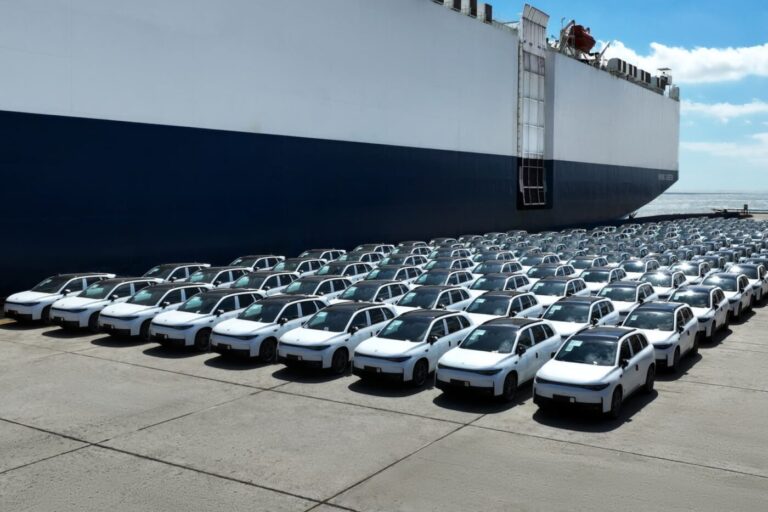
RoRo (Roll-on/Roll-off) Vessels:
– Preferred method for factory RHD units
– State of Charge (SoC) must be between 30-50% for transport
– Hazardous cargo declaration required but no special containerization
– Transit time: Shanghai to UK (Felixstowe): 28-32 days; Shanghai to Sydney: 18-22 days
Container Shipping:
– Required for Modified Vehicle Exports (disassembled components)
– Battery must be secured in UN-certified packaging if removed
– Higher insurance premiums (0.8-1.2% vs 0.3% for RoRo)
Port Handling and Inspection
Shanghai Port (Yangshan Deep Water):
– Dedicated EV export terminal with charging facilities
– Pre-export inspection bay for documentation verification
– 2026 enhancement: Blockchain-based documentation tracking for transparency
Destination Port Considerations:
– UK: Tilbury/Felixstowe require Type Approval documentation prior to discharge
– Australia: Brisbane/Port Kembla conduct biosecurity + compliance inspections (add 3-5 days)
– Dubai (Re-export Hub): Jebel Ali Free Zone offers duty deferment and conversion facilities for African RHD markets
Supply Chain Risk Mitigation
Battery Degradation During Transit:
– Factory RHD units: Minimal risk (sleep mode activated, <0.5% loss/month)
– Converted vehicles: Risk of parasitic drain from aftermarket systems; requires isolation switches
Insurance Coverage:
– All-risk marine insurance essential (covering battery fire, saltwater damage, theft)
– Electric Auto China arranges CIF (Cost, Insurance, Freight) terms with Lloyd’s of London underwriters specializing in EV cargo
7. Financial Breakdown: Landed Cost & Dealer Profit Margins (Case Study)
Case Study: Importing 5 Units BYD Atto 3 RHD to United Kingdom
Scenario: UK automotive distributor importing 5x BYD Atto 3 Extended Range (60.5kWh) for retail sale in London.
Cost Structure Analysis
| Cost Component | Unit Cost (USD) | Total (5 units) | Notes |
|---|---|---|---|
| FOB Shanghai | $28,500 | $142,500 | Factory RHD, UK-spec software |
| Ocean Freight (RoRo) | $1,200 | $6,000 | Shanghai to Felixstowe, 30 days |
| Marine Insurance (110% CIF) | $320 | $1,600 | All-risk coverage |
| CIF Value | $30,020 | $150,100 | Customs valuation basis |
| UK Import Duty (10%) | $3,002 | $15,010 | Standard passenger vehicle rate |
| VAT (20% on CIF+Duty) | $6,604 | $33,020 | UK Value Added Tax |
| Homologation/IVA | $850 | $4,250 | Individual Vehicle Approval, speedo conversion |
| Type 2 Adapter Bundle | $120 | $600 | Customer accessory |
| Landed Cost (DDP) | $40,596 | $202,980 | Ready for retail |
| Unit Landed Cost | – | $40,596 | – |
Retail Pricing Strategy
| Metric | Calculation | Amount (USD) |
|---|---|---|
| Recommended Retail Price | Market positioning vs VW ID.4 | $48,500 |
| Gross Margin per Unit | $48,500 – $40,596 | $7,904 |
| Gross Margin % | ($7,904 / $48,500) × 100 | 16.3% |
| Monthly Carrying Cost | Inventory financing (8% APR, 60 days) | $540/unit |
| Net Margin after Ops | After warranty reserve (2%), marketing | 11-12% |
Case Study: Volume Import to Australia (20 units XPeng G6)
Scenario: Sydney-based fleet operator importing 20 units for taxi/ride-share conversion.
| Cost Component | Per Unit (AUD) | Total (20 units) |
|---|---|---|
| FOB Shanghai | $49,800 | $996,000 |
| Shipping (Container) | $2,400 | $48,000 |
| Insurance | $650 | $13,000 |
| CIF Total | $52,850 | $1,057,000 |
| Import Duty (5%) | $2,643 | $52,850 |
| GST (10%) | $5,549 | $110,980 |
| ADR Compliance | $1,200 | $24,000 |
| CCS2 Retrofit | $4,200 | $84,000 |
| Landed Cost | $66,442 | $1,328,840 |
| Retail Price | $79,900 | $1,598,000 |
| Fleet Discount (8%) | -$6,392 | -$127,840 |
| Net Revenue | $73,508 | $1,470,160 |
| Gross Profit | $7,066/unit | $141,320 total |
Key Financial Insight: While factory RHD commands higher upfront FOB costs than LHD equivalents, the elimination of conversion costs ($8,000-$15,000 for certified RHD conversion) and warranty preservation creates superior total cost of ownership (TCO) for distributors.
8. Securing After-Sales Support & Spare Parts
Warranty Administration in RHD Markets
Chinese OEMs are establishing international warranty frameworks, but 2026 regulations require:
Battery Warranty: 8-year/160,000km coverage remains valid for factory RHD exports if:
– Servicing conducted at authorized facilities (initially, manufacturer-certified workshops in target countries)
– Software updates performed through official channels
– No unauthorized modifications post-import
Powertrain Warranty: 5-year/100,000km coverage requires:
– Registration of VIN in OEM global database within 30 days of export
– Use of genuine parts for repairs
Spare Parts Logistics
Electric Auto China operates a three-tier parts support system:
Tier 1: Critical Components (Battery modules, drive motors, ECUs)
– Stockholding in regional hubs (UK: Milton Keynes; Australia: Melbourne; UAE: Dubai)
– 48-hour delivery commitment
– Core exchange program for battery modules
Tier 2: Consumables (Brake pads, filters, wiper blades)
– Local distributor partnerships
– Generic compatibility where OEM parts unavailable
Tier 3: Body & Interior (Panels, trim, infotainment screens)
– Direct shipment from Shanghai within 14 days
– Customs pre-clearance for urgent shipments
Technical Training and Diagnostics
2026 Compliance Requirement: Modified Vehicle Exporters must provide technical documentation in English/local language for all conversion work.
Electric Auto China provides:
– Diagnostic Tool Licensing: OBD scanners with Chinese EV protocols (BYD, XPeng, NIO specific)
– Technical Manuals: English service manuals for RHD configurations
– Video Training: Battery safety handling, high-voltage system isolation procedures
– Field Support: Fly-in technician service for initial dealer setup (available for orders >50 units)
Battery End-of-Life Management
RHD markets increasingly require battery recycling plans:
– UK: EV battery regulations require producer responsibility documentation
– Australia: State-based battery stewardship programs
– Solution: Electric Auto China arranges reverse logistics for end-of-life batteries to certified recycling facilities in China or local partners (Umicore, Li-Cycle).
9. Why Partner with Electric Auto China
Export Qualifications and 2026 Compliance
As a Shanghai-based licensed automotive exporter, Electric Auto China holds:
– MOFCOM Export License: Authorized for new and used vehicle exports
– MIIT Modified Vehicle Export License: Certified for RHD conversions and technical modifications (License No. MVE-SH-2026-089)
– CATARC Certification: Approved documentation agent for VIN verification and compliance attestation
Specialized RHD Expertise
Unlike generalist exporters, Electric Auto China maintains:
– RHD Technical Center: Shanghai facility with OEM-trained technicians performing certified conversions for models lacking factory RHD options
– Homologation Partnerships: Direct relationships with UK IVA testing stations, Australian ADR certifiers, and ASEAN homologation bodies
– Market Intelligence: Real-time tracking of 40+ RHD-eligible models across 15 manufacturers
End-to-End B2B Service Architecture
| Service Layer | Deliverable | Value Proposition |
|---|---|---|
| Procurement | Factory direct negotiation, volume pricing | 8-12% below market export pricing |
| Compliance | Documentation package, homologation management | Zero customs delays, 100% entry acceptance |
| Technical | Software localization, charging retrofit | Market-ready vehicles upon arrival |
| Logistics | Multi-modal shipping, battery-safe handling | 15% lower freight costs via volume contracts |
| Finance | Letter of Credit facilitation, export credit insurance | Reduced payment risk, cash flow optimization |
| After-Sales | Parts provisioning, technical training | Warranty preservation, customer satisfaction |
Risk Mitigation Framework
2026 Regulatory Shield: Our compliance team monitors real-time changes to China’s export control laws, ensuring every shipment meets current standards. Recent policy updates tracked:
– January 2026: Battery SOH reporting requirements
– March 2026: Software cybersecurity attestation for EU/UK exports
– June 2026: Enhanced VIN verification protocols
Quality Assurance:
– Pre-shipment inspection (PSI) by SGS/Bureau Veritas for all Modified Vehicle Exports
– 150-point technical checklist for factory RHD units
– Battery health verification (minimum 95% SOH for new vehicles, 80% for used)
Strategic Partnership Benefits
For B2B buyers establishing long-term supply relationships:
– Exclusive Territory Rights: Negotiable for volume commitments (>100 units/year)
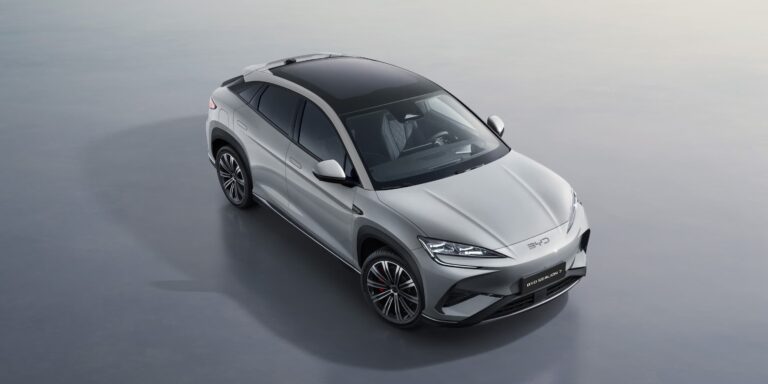
– New Model Allocation: Priority access to high-demand RHD models (e.g., Xiaomi SU7 RHD, BYD Sealion 7 RHD)
– White-Label Support: Custom branding and documentation for distributor networks
– Trade Finance Support: Collaboration with China Exim Bank for qualified buyers
Next Steps for B2B Buyers
- Market Assessment: Contact our RHD specialist team to identify optimal models for your target demographic
- Compliance Consultation: Receive customized documentation checklists for your specific import jurisdiction
- Sample Order: Initiate pilot shipment (1-3 units) to validate logistics and homologation pathways
- Volume Negotiation: Secure 2026 production allocation with favorable payment terms (30% deposit, 70% LC at sight)
The 2026 regulatory environment favors professional, compliant export partners over opportunistic traders. Electric Auto China combines technical expertise, regulatory mastery, and logistical scale to deliver factory-authorized and certified-modified RHD electric vehicles that meet the stringent standards of developed automotive markets.
Contact our B2B Export Division today to secure your 2026 RHD EV allocation and receive detailed specifications for your target market.
Unlock High-Margin EV Imports with Electric Auto China
As an elite automotive supply chain partner in Shanghai, we provide end-to-end, strictly compliant export solutions tailored for international dealerships, fleet managers, and wholesale distributors.
- 🛡️ 100% Legal & Compliant: Fully licensed exports ensuring smooth customs clearance at your destination.
- ⚙️ Complete Localization: Professional English/Arabic/Russian OS flashing and GB/T to CCS2 charging solutions.
- 🚢 Secure Logistics: Direct Ro-Ro and Containerized shipping with full UN38.3 battery certifications.
- 🔧 After-Sales Support: Reliable access to OEM diagnostic tools and steady spare parts supply.
Request a Detailed FOB/CIF Quote Today:
📧 B2B Sales Email: [email protected]
💬 Direct WhatsApp: +86 159 5127 6160