The Ultimate 2026 B2B Export Guide for Shanghai Auto Trade Zone: Pricing, Compliance & Localization
1. Executive Summary
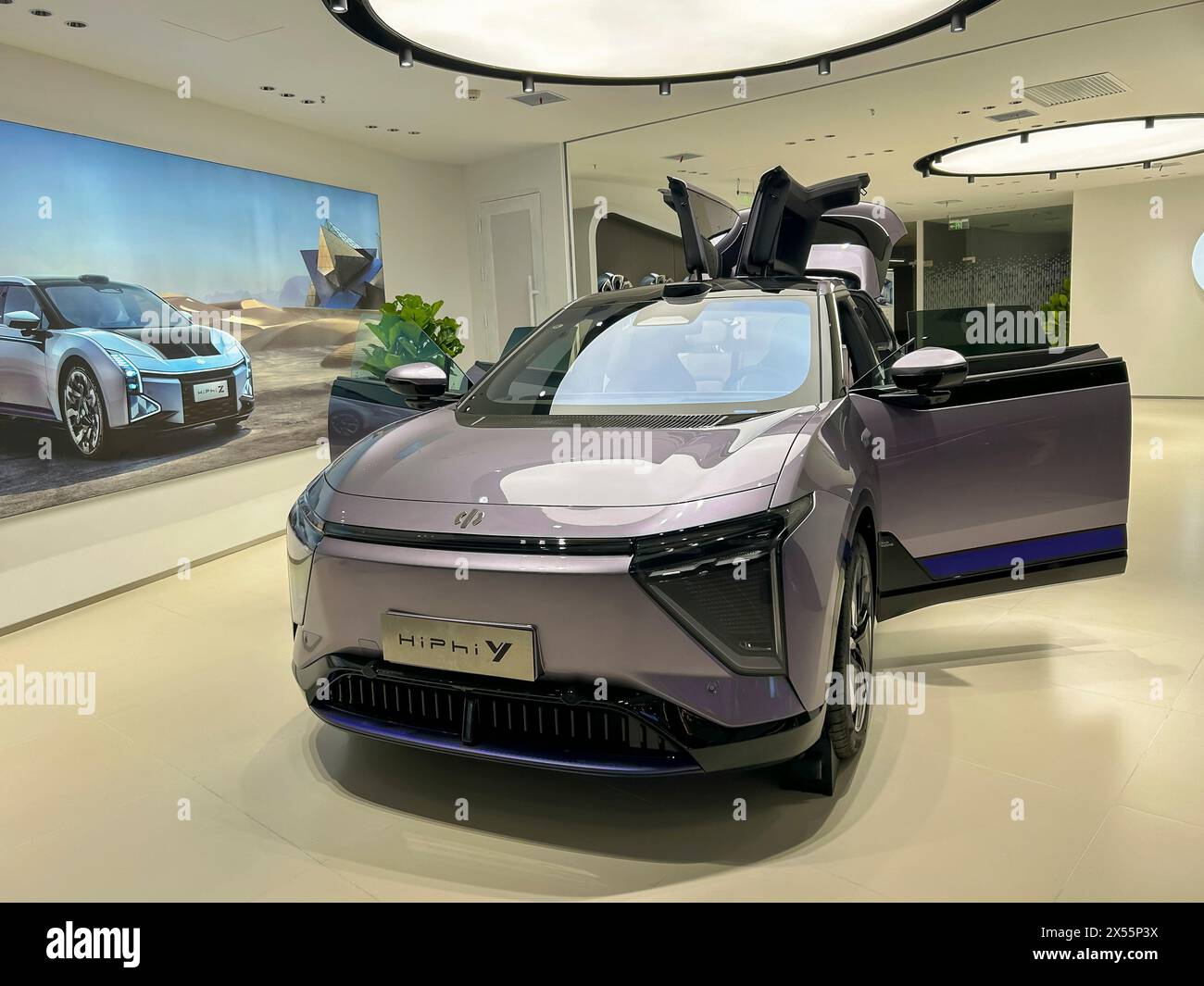
The global electric vehicle procurement landscape undergoes a seismic shift on January 1, 2026. China’s Ministry of Commerce (MOFCOM) implements stringent export licensing requirements for electric vehicles, effectively terminating the era of unauthorized “grey market” exports that have flooded global markets with unsupported vehicles. Under the new regulatory framework, only original equipment manufacturers (OEMs) and their explicitly authorized export entities may apply for EV export permits—a move designed to standardize after-sales support, protect brand integrity, and align EV exports with existing gasoline vehicle and motorcycle licensing protocols.
For international B2B buyers, this regulatory evolution transforms the Shanghai Auto Trade Zone (Shanghai Free Trade Zone’s integrated automotive cluster encompassing Lingang New Area and Waigaoqiao Port) from a convenient shipping hub into a strategic compliance gateway. The zone’s bonded warehousing facilities, streamlined customs clearance mechanisms, and foreign currency convertibility advantages now serve authorized export channels exclusively.
This guide provides procurement directors, automotive distributors, and fleet operators with actionable intelligence on navigating the 2026 licensing regime. We examine technical specifications requiring pre-export verification, software localization mandates for non-Chinese markets, GB/T charging standard bridging solutions, homologation pathways for major target markets, and precise landed cost calculations essential for margin protection in an increasingly regulated supply chain.
2. Deep Dive: Technical Specifications
Vehicles sourced through the Shanghai Auto Trade Zone in 2026 must comply with specific technical prerequisites tied to export license eligibility. MOFCOM regulations mandate that exported EVs carry non-duplicated Vehicle Identification Numbers (VINs) registered in the national automotive inventory system, with explicit export destination coding embedded in the manufacturing data.
Battery Architecture & Platform Voltage
Chinese OEMs currently dominate global supply chains through two distinct technical approaches:
| Manufacturer | Primary Battery Chemistry | Platform Voltage | Thermal Management | Export Availability |
|---|---|---|---|---|
| BYD | Blade Battery (LFP) | 400V / 800V | Direct cooling | Authorized dealers only |
| NIO | Semi-Solid State / NMC | 400V / 900V | Liquid cooling | Battery-as-a-Service markets |
| XPeng | NMC (CATL supplied) | 800V architecture | Intelligent cooling | Select authorized partners |
| Tesla Shanghai | LFP / NMC 4680 | 400V (upgrading) | Octovalve system | Direct OEM export |
Critical Specification Note: The 2026 export license application requires submission of battery UN 38.3 test reports, MSDS documentation, and recycling compliance certificates under EU Battery Regulation 2023/1542 (if exporting to Europe). Vehicles must ship with charge levels not exceeding 30% state-of-charge (SOC) for maritime transport compliance under IMDG Code.
OTA & Telematics Infrastructure
Export-specification vehicles require hardware verification for Over-The-Air (OTA) update capabilities. Shanghai FTZ technical inspection centers now mandate that exported vehicles demonstrate server connectivity to non-PRC data centers before license issuance, ensuring compliance with GDPR (EU), PDPL (Saudi Arabia), or equivalent data sovereignty frameworks.
3. The Localization Challenge: Software, UI, and Connectivity
The transition from China-domestic specification to export-compliant vehicles represents the most complex technical hurdle for B2B buyers. Vehicles manufactured for the Chinese market operate on ecosystem architectures incompatible with global markets, necessitating comprehensive localization before departure from the Shanghai Auto Trade Zone.
Software Stack Migration
Operating System Localization:
– Infotainment: Conversion from Baidu Maps and Chinese app ecosystems to HERE Maps, Google Automotive Services (where permitted), or regional alternatives (Yandex, TomTom)
– Voice Recognition: Replacement of Mandarin-centric NLP models with Arabic, English, German, or Spanish natural language processing
– App Ecosystem: Removal of WeChat integration and Alipay, replaced with wireless Apple CarPlay, Android Auto, or proprietary OEM global apps
Data Sovereignty & Server Architecture
The 2026 export license regime explicitly addresses data compliance. Authorized exporters must demonstrate that vehicle telematics route through regional servers rather than Chinese mainland data centers. For EU-bound vehicles, this requires GDPR-compliant server migration certificates. For Middle Eastern markets, data must route through Riyadh or Dubai-based cloud infrastructure.
Localization Cost Matrix:
| Component | Domestic CN Spec | Export Localization | Cost Impact (USD) |
|---|---|---|---|
| Head Unit Software | Baidu/WeChat | Global Android Automotive | $800 – $1,200 |
| Telematics Module | China Mobile/UNICOM | Multi-IMSI global SIM | $150 – $300 |
| Navigation | Baidu Maps | HERE Maps + Local POI | $400 – $600 |
| Voice Control | Mandarin only | Multi-language NLP | $600 – $900 |
| OTA Server | Alibaba Cloud | AWS/Azure Regional | $200/year per unit |
4. Charging Compatibility: Bridging the GB/T Gap
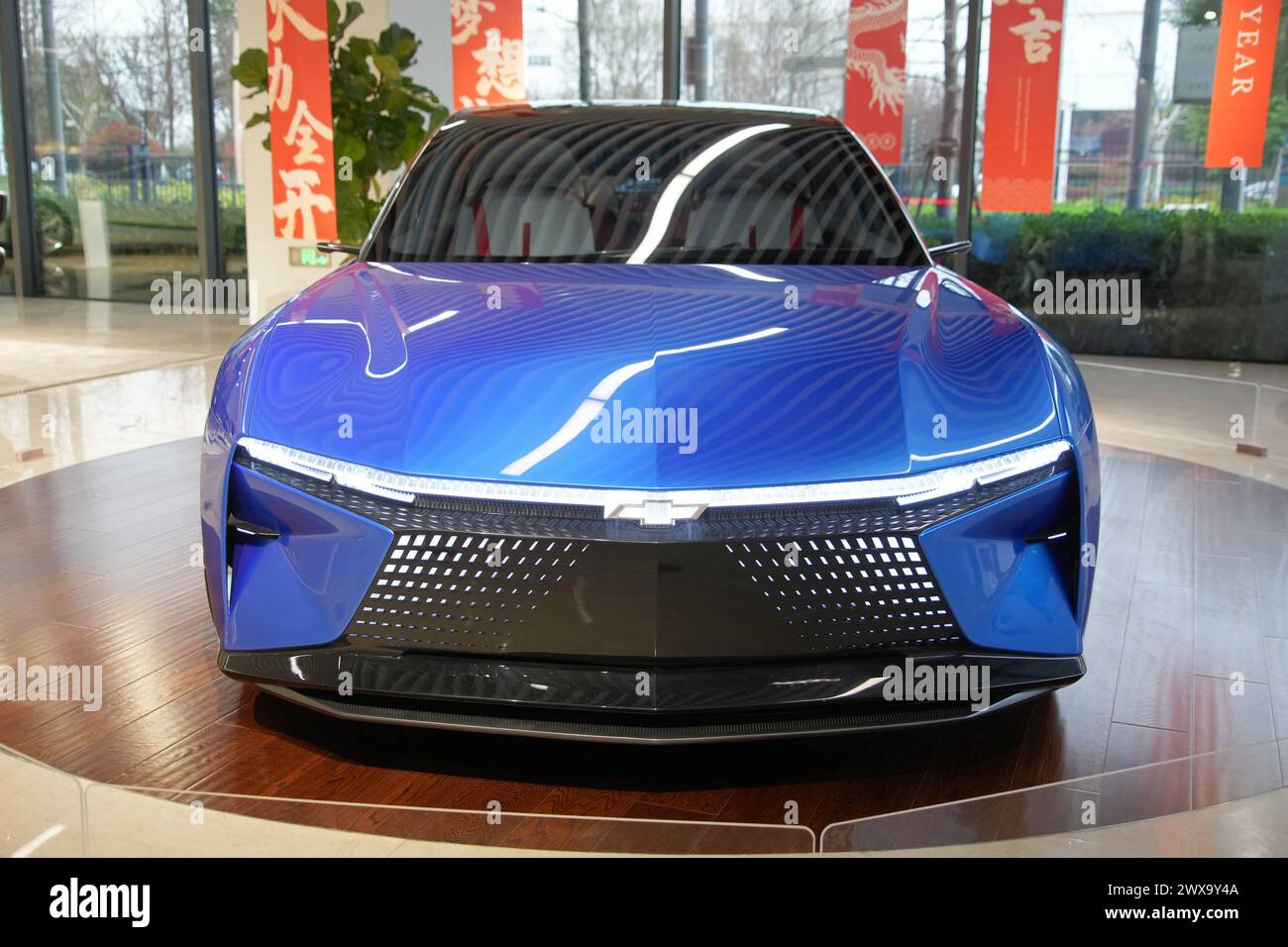
Chinese-manufactured EVs utilize the GB/T 20234 charging standard (physically distinct from CCS2 prevalent in Europe or Type 1 in North America). The Shanghai Auto Trade Zone now hosts specialized conversion facilities where vehicles undergo charging interface adaptation prior to export.
Physical Adapter Solutions
For markets accepting temporary solutions, GB/T to CCS2 adapter cables (rated 250A continuous) provide immediate compatibility. However, permanent retrofit solutions involving inlet replacement offer superior reliability:
| Solution Type | Cost (USD) | Charging Speed | Warranty Impact | Recommendation |
|---|---|---|---|---|
| Adapter Cable | $150 – $300 | Limited to 125kW | None | Short-term fleet trials |
| Inlet Retrofit | $800 – $1,500 | Full 250kW+ capability | Maintained | Permanent distribution |
| Dual Inlet | $2,000 – $3,500 | Native both standards | Modified | Premium markets |
Bidirectional Charging (V2L/V2G)
Export license documentation must specify Vehicle-to-Load (V2L) capabilities, as voltage standards vary globally (110V/60Hz vs 230V/50Hz). Shanghai FTZ technical centers verify inverter compatibility and provide certification for target market electrical standards.
5. Homologation, Compliance & 2026 Export Regulations
The January 2026 regulatory framework fundamentally alters the export authorization chain. B2B buyers must verify that their Shanghai-based supplier holds valid MOFCOM export authorization tied to specific OEM manufacturing licenses.
The 2026 Export License Framework
Key Regulatory Requirements:
1. Authorized Entity Status: Only OEMs (BYD, Tesla Shanghai, SAIC, etc.) and their designated authorized export companies may apply for permits
2. VIN Registration: Each vehicle VIN must be pre-registered in the export license database with destination country coding
3. After-Sales Guarantee: License applications require proof of authorized service network agreements in destination markets (minimum 3-year warranty support)
4. Technical Conformity: CCC certification (China Compulsory Certificate) serves as baseline, but supplemental homologation for target markets must be complete before license issuance
Regional Homologation Pathways
European Union (WVTA – Whole Vehicle Type Approval):
– UN ECE R10 (EMC), R94/R95 (Crash), R100 (Battery Safety)
– EU 2018/858 Framework Regulation compliance
– CO2 monitoring and battery passport preparation (EU Battery Regulation)
Gulf Cooperation Council (GCC):
– GSO 42/2015 (Conformity Assessment)
– Gulf Standard 265 (Electric Vehicle Safety)
– Extreme climate testing certification (50°C+ ambient operation)
ASEAN Markets:
– ASEAN NCAP safety ratings (minimum 4-star for import eligibility in most member states)
– Type Approval per UN ECE regulations (mutually recognized across ASEAN)
Documentation Checklist for License Application:
– OEM Authorization Letter (mandatory from 2026)
– VIN list with destination country codes
– Homologation certificates for target jurisdiction
– After-sales service network agreement
– Battery recycling compliance documentation
6. Global Logistics & Supply Chain
The Shanghai Auto Trade Zone offers distinct logistical advantages for authorized exporters, including bonded warehousing that defers VAT and customs duties until final destination confirmation.
Port Operations & Shipping Modalities
Waigaoqiao Port (Primary EV Export Terminal):
– Dedicated RoRo (Roll-on/Roll-off) terminals for finished vehicles
– Annual capacity: 2.5 million vehicles
– Direct connections to EU (Bremerhaven, Zeebrugge), Middle East (Jebel Ali, Dammam), and Southeast Asia
Lingang New Area (Manufacturing Integration):
– Tesla Giga Shanghai and nearby OEM facilities
– Direct rail link to Waigaoqiao (reduces road transport damage risk)
– Bonded processing zones for pre-export technical modifications
Shipping Methodologies
| Method | Transit Time to EU | Cost per Unit | Suitability | Risk Profile |
|---|---|---|---|---|
| RoRo | 25-30 days | $1,200 – $1,800 | High volume, standard vehicles | Low (minimal handling) |
| Container (4-in-1) | 28-35 days | $1,500 – $2,200 | Modified vehicles, spare parts | Medium (securing damage) |
| Container (Rack) | 28-35 days | $1,400 – $2,000 | High-value EVs, small batches | Medium |
Incoterms 2020 Recommendations:
– FOB Shanghai: Buyer assumes risk once loaded; suitable for experienced importers with destination customs brokers
– CIF Rotterdam: Seller maintains risk during transit; recommended for new market entrants
– DAP (Delivered at Place): Door-to-door service including destination customs clearance; premium service for dealer networks
7. Financial Breakdown: Landed Cost & Dealer Profit Margins (Case Study)
Understanding the complete cost stack is critical under the 2026 authorized export model, where intermediary margins compress and compliance costs increase. Below is a detailed analysis for importing a BYD Seal Excellence (AWD) to the Netherlands via Shanghai Auto Trade Zone.
Case Study: BYD Seal Excellence to Rotterdam
Vehicle Specifications:
– Battery: 82.5 kWh Blade Battery (LFP)
– Range: 570 km (WLTP)
– EXW Shanghai Price: $32,500 (authorized channel pricing)
Cost Breakdown:
| Cost Component | Calculation | Amount (USD) | Notes |
|---|---|---|---|
| EXW Vehicle Price | Base OEM pricing | $32,500 | 2026 authorized export rate |
| Export License & Documentation | MOFCOM processing, VIN registration | $850 | Mandatory new cost 2026 |
| Technical Localization | Software, maps, language packs | $1,200 | Pre-shipment in FTZ |
| Charging Retrofit | CCS2 inlet installation | $1,100 | Permanent solution |
| Homologation | WVTA type approval amortization | $800 | Per unit (batch of 50) |
| Shanghai Port Handling | Wharfage, loading, inspection | $450 | Waigaoqiao terminal fees |
| Ocean Freight (RoRo) | Shanghai-Rotterdam | $1,350 | 2026 rate incl. fuel surcharge |
| Marine Insurance | 110% CIF value | $420 | All-risks coverage |
| CIF Rotterdam Value | Sum above | $38,670 | EU customs valuation basis |
| EU Import Duty | 17.4% (China EV tariff) | $6,729 | Anti-subsidy + anti-dumping |
| EU VAT | 19% of (CIF + Duty) | $8,626 | Netherlands rate |
| Destination Handling | Unloading, customs broker | $650 | Rotterdam port |
| PDI & Pre-Delivery | Inspection, charging test | $400 | Local preparation |
| Total Landed Cost | $55,075 | ||
| Suggested Retail Price | Market positioning | $62,500 | Competitive with Tesla M3 |
| Gross Margin | $7,425 | 11.9% gross margin |
Margin Protection Strategies:
1. Batch Optimization: Increasing shipment size to 100+ units reduces per-unit homologation and freight costs by approximately 18%
2. FTZ Bonded Storage: Utilizing Shanghai FTZ bonded warehouses allows currency hedging and deferred duty payment until sale confirmation
3. Localization Partnerships: Establishing technical partnerships within the Shanghai Auto Trade Zone for software localization reduces per-unit costs by 40% compared to destination-market modifications
8. Securing After-Sales Support & Spare Parts
The 2026 export license regime explicitly ties authorization to after-sales capability. B2B buyers must demonstrate service network viability before vehicles leave Shanghai.
Spare Parts Supply Chain
Critical Components Requiring Stocking:
– Battery modules (high value, long lead time)
– Electric motor assemblies
– Power electronics (inverter, OBC, DC-DC)
– ADAS sensors and cameras
– Infotainment head units (region-specific)
Shanghai FTZ Spare Parts Hub Model:
Authorized exporters maintain bonded warehouses in Shanghai FTZ for “just-in-time” parts distribution. Recommended initial stock investment: $150,000-$300,000 per market region to support 500+ vehicle fleets.
Technical Training & Diagnostic Equipment
OEM-authorized export channels include:
– Technician certification programs (Level 1-3 EV maintenance)
– Diagnostic tool provisioning (compatible with localized software)
– High-voltage safety training certification
– Battery health assessment equipment
Warranty Claims Processing:
Under the 2026 framework, warranty claims process through authorized channels only. Grey market vehicles lose factory warranty coverage. B2B buyers must establish escrow accounts or letter of credit arrangements with Shanghai-based OEM financial services for warranty claim reimbursement.
9. Why Partner with Electric Auto China
As a Shanghai-based supply chain solutions provider operating within the Shanghai Auto Trade Zone, Electric Auto China serves as your authorized gateway to China’s EV manufacturing ecosystem under the 2026 regulatory framework.
Our Value Proposition
Regulatory Compliance Assurance:
We maintain direct MOFCOM export license eligibility through OEM partnerships, ensuring every vehicle shipped carries proper authorization and VIN registration. Our compliance team manages the complete documentation chain from CCC baseline to destination-market homologation.
Technical Localization Services:
Our FTZ-based technical center performs software internationalization, charging standard conversions, and telematics server migration before vessels depart Waigaoqiao. This eliminates destination-market technical delays and ensures vehicles arrive ready for immediate retail.
Financial Structuring:
We facilitate RMB/USD/EUR currency optimization through Shanghai FTZ banking partners, offer competitive trade finance solutions, and provide transparent landed cost calculations protecting your margin integrity.
Logistics Integration:
Direct contracts with COSCO Shipping and dedicated EV handling facilities at Shanghai port ensure priority loading and reduced handling damage risk. Our bonded warehousing solutions optimize your cash flow through deferred duty structures.
After-Sales Infrastructure:
We coordinate with OEM technical teams to establish your local service network, provision diagnostic equipment, and manage spare parts distribution from Shanghai FTZ hubs to your regional warehouses.
Contact Our Export Consultation Team
The 2026 export licensing regime rewards prepared, compliant, and strategically partnered B2B buyers while eliminating opportunistic grey market channels. Position your automotive distribution business for sustainable growth through authorized Shanghai Auto Trade Zone procurement.
Electric Auto China – Shanghai Headquarters
Shanghai Free Trade Zone, Lingang New Area
Automotive Export Division
Contact us today to verify your market authorization and secure 2026 model year allocation under the new licensing framework.
Unlock High-Margin EV Imports with Electric Auto China
As an elite automotive supply chain partner in Shanghai, we provide end-to-end, strictly compliant export solutions tailored for international dealerships, fleet managers, and wholesale distributors.
- 🛡️ 100% Legal & Compliant: Fully licensed exports ensuring smooth customs clearance at your destination.
- ⚙️ Complete Localization: Professional English/Arabic/Russian OS flashing and GB/T to CCS2 charging solutions.
- 🚢 Secure Logistics: Direct Ro-Ro and Containerized shipping with full UN38.3 battery certifications.
- 🔧 After-Sales Support: Reliable access to OEM diagnostic tools and steady spare parts supply.
Request a Detailed FOB/CIF Quote Today:
📧 B2B Sales Email: [email protected]
💬 Direct WhatsApp: +86 159 5127 6160