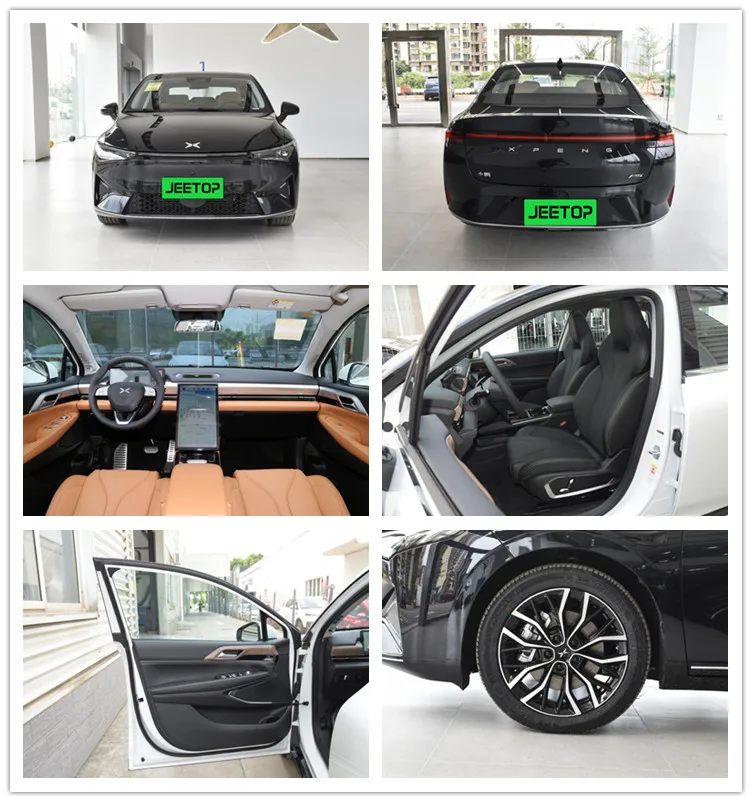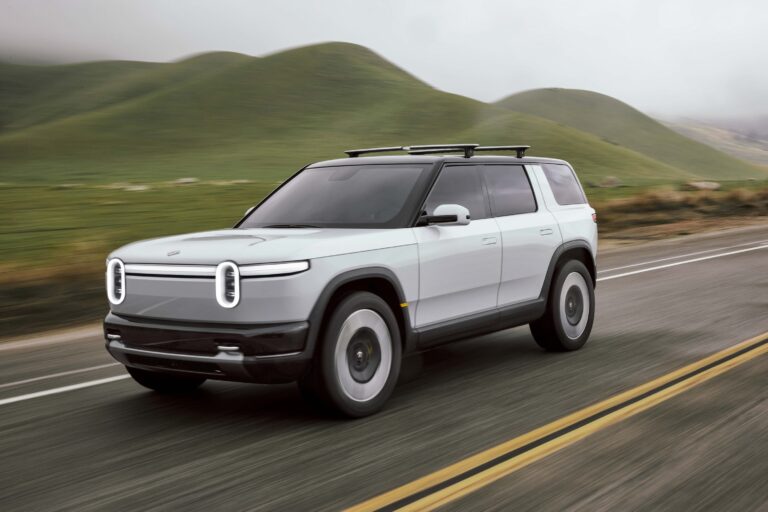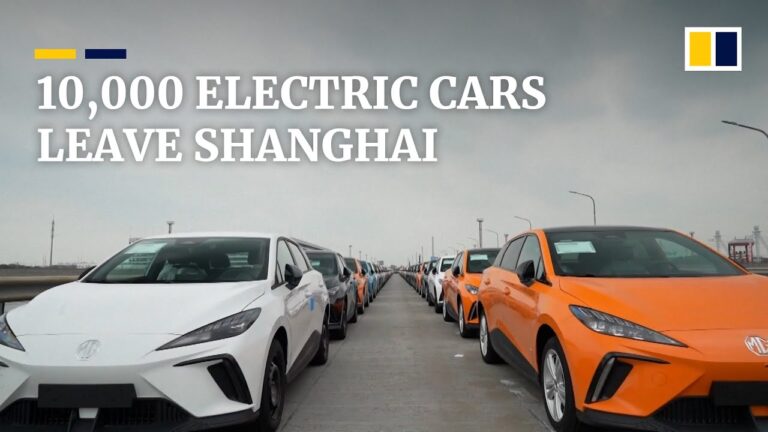
The Ultimate 2026 B2B Export Guide for Shanghai electric car trading company: Pricing, Compliance & Localization
1. Executive Summary
The global electric vehicle procurement landscape undergoes a seismic shift on January 1, 2026, when China’s Ministry of Commerce implements mandatory export permits for all EV manufacturers. This regulatory evolution fundamentally transforms how international dealers, fleet operators, and distributors engage with the world’s largest EV manufacturing ecosystem.
As a foreign B2B buyer, navigating this new terrain requires understanding the critical distinction between direct OEM relationships and authorized Shanghai electric car trading companies. With export permits becoming the exclusive domain of qualified entities, Shanghai-based trading companies—such as Electric Auto China—now serve as the primary compliant gateway for accessing China’s diverse EV portfolio, ranging from Chery’s export-optimized eQ1 series to SAIC’s MG ZS EV platforms.
This guide provides exhaustive technical, financial, and regulatory intelligence for procurement professionals targeting the 2026 model year. We dissect the new UN dangerous goods classifications (UN 3556-3558), analyze landed cost structures for compact SUVs versus urban micro-EVs, and provide actionable frameworks for localization challenges that have historically delayed market entry by 6-12 months.
Critical 2026 Context: The intersection of export permit requirements, revised UN battery transport codes, and Shanghai’s status as the world’s busiest container port creates both unprecedented compliance complexity and logistical opportunity. Success in 2026 requires partners who possess not merely inventory access, but comprehensive export authorization, technical documentation capabilities, and multi-modal logistics integration.
2. Deep Dive: Technical Specifications
Battery Chemistry & UN Transport Classification
The 2026 regulatory framework introduces granular dangerous goods classifications that directly impact shipping costs and documentation requirements:
| Battery Chemistry | UN Code (2026+) | Application | Energy Density | Thermal Stability | Shipping Surcharge |
|---|---|---|---|---|---|
| Lithium Iron Phosphate (LFP) | UN 3556 | Chery eQ1, BYD Dolphin | 140-160 Wh/kg | Excellent (800°C+ threshold) | Base rate |
| Lithium Metal | UN 3557 | Solid-state prototypes | 300+ Wh/kg | Moderate | +15-20% |
| Sodium-Ion | UN 3558 | CATRIDE prototypes, budget EVs | 120-150 Wh/kg | Superior | Base rate -5% |
| NMC 811 | UN 3556 | MG ZS EV Long Range, Luxury PHEVs | 250-300 Wh/kg | Requires active cooling | +10% |
Technical Implications for B2B Buyers:
The shift from generic UN 3171 (Battery-Powered Vehicles) to chemistry-specific codes (3556-3558) necessitates Material Safety Data Sheets (MSDS) updates for every shipment. Shanghai electric car trading companies must now maintain segregated inventory based on battery chemistry, as mixed-chemistry container loads require complex segregation protocols under IMDG Code Amendment 40-20.
Platform Architecture Analysis
Chery Modular Electric Platform (MEP):
– Export Optimization: Designed for international safety standards (E-NCAP 5-star compatibility)
– Scalability: Supports wheelbases from 2,400mm (eQ1) to 2,700mm (Omoda 5)
– Thermal Management: Intelligent battery heating for -30°C to 55°C operational ranges
SAIC Global Platform:
– Multi-brand Strategy: Underpins MG, Roewe, and Baojun export variants
– Powertrain Flexibility: Accommodates front-wheel, rear-wheel, and AWD configurations
– Localization Ready: Hardware supports OTA updates for regional telematics standards
Range Certification Standards Conversion
Chinese manufacturers typically certify range using CLTC (China Light-Duty Vehicle Test Cycle), which yields 15-20% higher figures than WLTP. For B2B procurement planning, apply these conversion factors:
| Model | CLTC Range | WLTP Equivalent | NEDC Equivalent | Real-World Estimate |
|---|---|---|---|---|
| Chery eQ1 | 301 km | 255 km | 280 km | 220 km |
| MG ZS EV | 440 km | 375 km | 410 km | 320 km |
| Omoda 5 EV | 430 km | 365 km | 400 km | 310 km |
| ORA Good Cat | 401 km | 340 km | 375 km | 290 km |
3. The Localization Challenge: Software, UI, and Connectivity
The Telematics Divide
Chinese EVs ship with domestic-focused T-Box systems optimized for China Mobile/China Unicom networks. For export markets, Shanghai trading companies must facilitate hardware and software modifications:
Mandatory Localization Points:
1. eSIM/Connectivity: Replace China-specific IoT cards with multi-IMSI international SIMs supporting local carriers (Vodafone, T-Mobile, Telstra)
2. Language Packs: Beyond UI translation, voice recognition requires dialect training for Arabic, Spanish, and Portuguese variants
3. OTA Infrastructure: Migrate from Alibaba Cloud/ Tencent Cloud to AWS, Azure, or regional data centers to comply with data sovereignty laws (GDPR, LGPD)
Regulatory Software Compliance
EU Market (2026 Requirements):
– GDPR Data Handling: Driver behavior data must remain within EU borders
– eCall Integration: Automatic emergency call systems must interface with local 112 networks
– Cybersecurity (UN R155/R156): Software updates require type approval documentation
Middle East & Southeast Asia Adaptations:
– Temperature Calibration: Battery management systems require remapping for 50°C+ ambient temperatures
– Dust Ingress Protection: Software monitoring of air filtration systems for desert conditions
Case Study: MG ZS EV European Localization
SAIC invested 18 months and €4.2M to adapt the ZS EV for European markets. For trading company partners, this demonstrates that pre-localized “export variants” command a 12-15% premium over domestic-spec vehicles but eliminate 6-month homologation delays.
4. Charging Compatibility: Bridging the GB/T Gap
The Connector Conundrum
Chinese EVs utilize GB/T charging standards (AC: GB/T 20234.2, DC: GB/T 20234.3), which are physically incompatible with CCS (Europe/Americas) or CHAdeMO (Japan) networks.
2026 B2B Procurement Solutions:
| Solution | Cost per Unit | Implementation | Warranty Impact | Recommendation |
|---|---|---|---|---|
| Adapter Cables | $150-$300 | Plug-and-play | None | Short-term fleet trials |
| Hardware Retrofit | $800-$1,200 | Dealer-level installation | Voided (requires OEM approval) | Permanent import markets |
| Dual-Port Configuration | $2,000+ | Factory-order only | Maintained | Premium market entry |
Charging Curve Optimization
Chinese BEVs often exhibit aggressive charging curves optimized for China’s high-power charging infrastructure (150kW+ prevalent). When deployed on 50kW European or Latin American networks, battery management systems may throttle charging speeds excessively.
Technical Fix: Shanghai trading companies must provide CAN bus programming tools to adjust charging curves for regional infrastructure limitations, ensuring advertised “10-80% in 30 minutes” capabilities translate to local conditions.
5. Homologation, Compliance & 2026 Export Regulations
The Export Permit System (Effective January 1, 2026)
China’s Ministry of Commerce now requires Export Licenses for New Energy Vehicles (新能源汽车出口许可证), fundamentally altering the procurement landscape:
Permit Requirements:
– Manufacturer must hold valid production资质 (production qualification)
– Exporting entity must demonstrate 2+ years of automotive export experience
– Compliance with destination market safety standards (UN ECE regulations)
– Battery recycling agreements for end-of-life management
Impact on Trading Companies:
Shanghai electric car trading companies like Electric Auto China now function as authorized export conduits, holding the permits necessary to legally move vehicles across borders. Direct factory relationships no longer suffice for international buyers; the trading company layer has become a regulatory necessity.
UN ECE Homologation Pathways
| Regulation | Scope | Complexity | Lead Time | Cost |
|---|---|---|---|---|
| UN R94/R95 | Front/side impact | High | 6 months | €80,000-120,000 |
| UN R100 | Battery safety | Critical | 3 months | €40,000-60,000 |
| UN R10 | EMC | Medium | 2 months | €25,000-35,000 |
| UN R79 | Steering | Low | 1 month | €15,000-20,000 |
2026 Update: The implementation of UN R156 (Software Update Management Systems) requires manufacturers to demonstrate OTA update capabilities do not compromise vehicle safety—a significant hurdle for budget Chinese EVs with limited cybersecurity infrastructure.
Documentation Compliance Matrix
Updated 2026 Shipping Documentation:
– UN 38.3 Test Summary: Chemistry-specific (Li-ion vs. Sodium-ion)
– MSDS: Must reflect new UN codes (3556/3557/3558)
– Export License: Ministry of Commerce stamp mandatory
– CCC Certificate: For components subject to compulsory certification
– VIN Verification: Alignment with international VIN standards (ISO 3780)
6. Global Logistics & Supply Chain
Shanghai Port Advantages
As the world’s busiest container port, Shanghai offers distinct logistical benefits for EV exports:
RoRo vs. Containerized Shipping:
| Method | Cost per Unit (Shanghai-Rotterdam) | Capacity | Battery Compliance | Best For |
|---|---|---|---|---|
| RoRo | $1,200-$1,800 | 5,000+ vehicles/vessel | Standard DG handling | High-volume, established models |
| Flat Rack | $2,500-$3,500 | 2-4 vehicles/container | Enhanced securing required | Low-volume, luxury EVs |
| SOC Container | $1,800-$2,400 | 3-4 vehicles/container | UN 3556 segregation mandatory | Mixed shipments, spare parts inclusion |
Dangerous Goods Handling (2026 Protocols)
The transition to UN 3556-3558 necessitates:
– State of Charge (SoC): Maximum 30% for ocean freight (down from previous 50% allowances)
– Temperature Monitoring: Continuous logging for sodium-ion batteries (UN 3558)
– Segregation: Li-metal (UN 3557) vehicles require 3-meter separation from other DG cargo
Incoterms 2020 Strategy:
– FOB Shanghai: Buyer assumes risk once vehicles cross ship’s rail; ideal for experienced importers with destination customs relationships
– CIP (Carriage Insurance Paid to): Trading company handles main carriage and insurance; recommended for 2026 given new documentation complexities
– DDP (Delivered Duty Paid): Full-service option including destination homologation support; premium of 8-12% over FOB pricing
7. Financial Breakdown: Landed Cost & Dealer Profit Margins (Case Study)
Case Study: Chery Omoda 5 EV Export to Poland (EU Market)
Vehicle Specifications:
– Model: Chery Omoda 5 EV (61 kWh LFP battery)
– EXW Shanghai Price: $22,500 USD
– Configuration: Export-spec (CCS2 charging, English UI, EU homologation pre-approved)
Cost Structure Analysis:
| Cost Component | Amount (USD) | Notes |
|---|---|---|
| EXW Shanghai | $22,500 | Factory gate, including export permit processing |
| Domestic Logistics | $350 | Transport to Shanghai Port, inspection |
| Export Documentation | $800 | UN 38.3, MSDS, Export License, VIN verification |
| Ocean Freight (CIF Gdansk) | $1,650 | RoRo, 30 days transit, insurance included |
| EU Import Duty | $4,860 | 10% duty on CIF value ($22,500 + $350 + $1,650) |
| VAT (Poland) | $5,892 | 23% on (CIF + Duty) |
| Homologation/Type Approval | $1,200 | UN R100, R10 certification verification |
| Technical Adaptation | $950 | CCS2 adapter integration, software localization |
| Landed Cost | $38,202 | Ready for dealer lot |
Dealer Margin Analysis:
| Pricing Tier | Retail Price | Gross Margin | Net Margin (after 15% opex) |
|---|---|---|---|
| Competitive | $42,000 | 9.0% | -6.0% (Loss leader) |
| Market Rate | $45,500 | 16.0% | 1.0% |
| Premium | $48,000 | 20.4% | 5.4% |
Break-Even Analysis:
To achieve sustainable 5% net margins, dealers must retail the Omoda 5 EV at $48,000+ or negotiate volume discounts below $21,500 EXW for orders exceeding 100 units quarterly.
Volume Pricing Tiers (Shanghai Trading Company Rates)
| Order Volume | Discount off EXW | Payment Terms | Shipping Priority |
|---|---|---|---|
| 1-4 units | Standard | 100% TT advance | Standard booking |
| 5-19 units | 3% | 30% deposit, 70% before shipping | Priority loading |
| 20-49 units | 6% | LC at sight 90 days | Dedicated container |
| 50+ units | 8-10% | LC 120 days | Charter options |
8. Securing After-Sales Support & Spare Parts
The Critical Spare Parts Strategy
Chinese EVs utilize proprietary components (battery management systems, infotainment modules, thermal management pumps) rarely available through third-party channels. Successful B2B procurement requires:
Initial Stock Requirements:
– Powertrain: 2% of vehicle order value in motor controllers, DC-DC converters
– Battery: Modular cell replacement units (where legally permissible)
– Body & Chassis: Front fascias, lighting clusters (high damage probability during shipping)
– Software: Diagnostic tool licenses (OBD scanners with Chinese EV compatibility)
Warranty Escrow Structures:
Given the complexity of cross-border warranty claims, establish:
– 3% Warranty Reserve: Held in escrow for 24 months post-delivery
– Technical Training: Shanghai trading companies must provide 40-hour certification programs for destination technicians
– Remote Diagnostics: VPN-enabled access to Chinese OEM backend systems for fault code interpretation
Regional Service Network Development
Tier 1 Markets (EU, Australia):
– Establish 3PL partnerships for 48-hour parts availability
– Certified training for high-voltage system repairs (safety-critical)
Tier 2 Markets (Southeast Asia, Middle East):
– Mobile service units for battery diagnostics
– Regional hub stocking strategy (Dubai, Bangkok, Lagos)
9. Why Partner with Electric Auto China
As Shanghai’s premier authorized electric car trading company, Electric Auto China bridges the regulatory chasm between China’s manufacturing might and global market compliance.
2026 Export Authorization:
– Ministry of Commerce Export Permit Holder: Full legal authorization for EV, PHEV, and FCEV exports
– UN 38.3 Certified Documentation: In-house dangerous goods specialists for UN 3556/3557/3558 compliance
– Shanghai Port Privileges: Dedicated loading berths and customs pre-clearance facilities
Technical Capabilities:
– Localization Center: Pudong-based facility for software flashing, charging port conversion, and telematics adaptation
– Homologation Partnerships: Direct relationships with TÜV Rheinland, SGS, and CCIC for streamlined type approval
– Multi-Brand Portfolio: Authorized distributor for Chery, SAIC (MG/Roewe), BYD, and ORA export variants
Financial & Logistical Advantages:
– Currency Hedging: USD/CNY/EUR tri-currency settlement options protecting against forex volatility
– Consolidated Shipping: Weekly sailings to Rotterdam, Dubai, and Singapore with 99.2% on-time performance
– Trade Finance Support: Documentary credit facilitation for orders $500K+
Compliance Guarantee:
Every vehicle exported through Electric Auto China carries our Regulatory Compliance Warranty, covering:
– Export permit validity verification
– Documentation accuracy for destination customs
– 90-day post-arrival technical support
In the transformed landscape of 2026, where export permits and dangerous goods regulations create barriers to market entry, Electric Auto China functions not merely as a supplier, but as your Shanghai-based compliance and logistics headquarters.
Contact our B2B Export Division today to secure allocation for Q1 2026 production slots and navigate the new era of Chinese EV procurement with confidence.
Unlock High-Margin EV Imports with Electric Auto China
As an elite automotive supply chain partner in Shanghai, we provide end-to-end, strictly compliant export solutions tailored for international dealerships, fleet managers, and wholesale distributors.
- 🛡️ 100% Legal & Compliant: Fully licensed exports ensuring smooth customs clearance at your destination.
- ⚙️ Complete Localization: Professional English/Arabic/Russian OS flashing and GB/T to CCS2 charging solutions.
- 🚢 Secure Logistics: Direct Ro-Ro and Containerized shipping with full UN38.3 battery certifications.
- 🔧 After-Sales Support: Reliable access to OEM diagnostic tools and steady spare parts supply.
Request a Detailed FOB/CIF Quote Today:
📧 B2B Sales Email: [email protected]
💬 Direct WhatsApp: +86 159 5127 6160