The Ultimate 2026 B2B Export Guide for Used BYD for Sale: Pricing, Compliance & Localization
1. Executive Summary
The global electric vehicle landscape is undergoing a seismic shift as China’s Ministry of Commerce implements stringent new export controls effective January 1, 2026. For international B2B buyers seeking used BYD for sale, this regulatory evolution transforms procurement from a simple transaction into a compliance-intensive strategic operation. The era of unregulated gray-market exports has ended; China’s 2026 EV export permit system now mandates that only authorized entities with verified technical service capabilities and overseas after-sales networks may export new and used electric vehicles.
This comprehensive guide addresses the critical intersection of opportunity and compliance. BYD’s proprietary Blade Battery technology—featuring Lithium Iron Phosphate (LFP) chemistry with industry-leading thermal runaway resistance—creates compelling value propositions in secondary markets. With 2024-2025 model year BYD Han EV, Seal, and Atto 3 units now entering the wholesale used vehicle pipeline, astute importers can access premium EV technology at 40-60% depreciation-adjusted pricing compared to European OEM equivalents.
However, success requires navigating China’s tightened export regulations, complex GB/T charging standard disparities, and sophisticated software localization requirements. This guide provides exact landed cost calculations, regulatory roadmaps, and technical specifications necessary for profitable, compliant importation of used BYD electric vehicles into EU, GCC, ASEAN, and emerging markets.
2. Deep Dive: Technical Specifications
Understanding the technical architecture of available used BYD inventory is fundamental to market positioning and homologation planning. The 2024-2025 model year vehicles entering the secondary market represent BYD’s e-Platform 3.0 and 3.0 Evo architectures, featuring integrated cell-to-chassis Blade Battery technology.
2.1 BYD Han EV (2024-2025 Model Year)
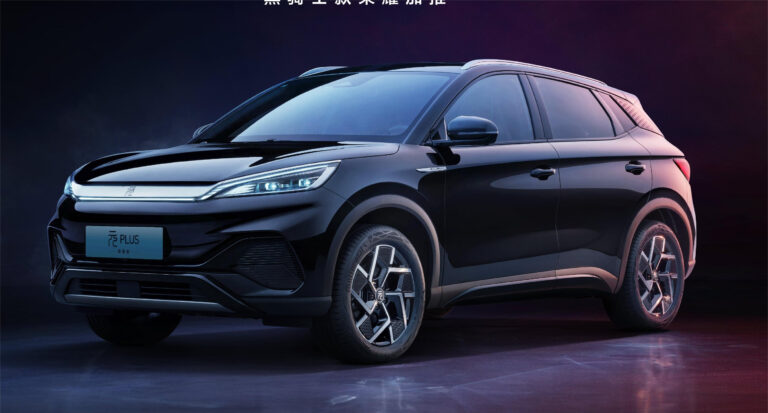
The Han EV remains the flagship sedan for B2B export, offering executive-class dimensions with mid-market acquisition costs.
| Specification | Han EV Standard Range | Han EV Long Range |
|---|---|---|
| Battery Capacity | 72 kWh Blade Battery (LFP) | 85.4 kWh Blade Battery (LFP) |
| CLTC Range | 506 km | 701 km |
| WLTP Equivalent | ~420 km | ~580 km |
| Motor Power | 180 kW (245 PS) | 230 kW (313 PS) |
| Torque | 350 N·m | 350 N·m |
| 0-100 km/h | 7.9 seconds | 7.9 seconds |
| Dimensions (L×W×H) | 4995×1910×1495 mm | 4995×1910×1495 mm |
| Wheelbase | 2920 mm | 2920 mm |
| Curb Weight | 1,920 kg | 2,100 kg |
| DC Fast Charging | 110 kW (30-80% in 27 min) | 110 kW (30-80% in 27 min) |
| AC Charging | 11 kW (0-100% in 7.5h) | 11 kW (0-100% in 8.5h) |
| Platform | e-Platform 3.0 | e-Platform 3.0 |
| Drive Configuration | Front-Wheel Drive | Front-Wheel Drive |
2.2 BYD Seal (Performance Sedan)
The Seal utilizes the advanced e-Platform 3.0 Evo, offering rear-wheel-drive dynamics and 800V architecture in higher trims.
| Specification | Seal Standard | Seal Long Range | Seal Performance |
|---|---|---|---|
| Battery | 61.4 kWh LFP | 82.5 kWh LFP | 82.5 kWh LFP |
| WLTP Range | 460 km | 570 km | 520 km |
| Power Output | 150 kW | 230 kW | 390 kW (AWD) |
| Acceleration | 7.5s | 5.9s | 3.8s |
| Architecture | 400V | 800V | 800V |
| Max DC Charging | 110 kW | 230 kW | 230 kW |
| 10-80% Charge | 35 minutes | 26 minutes | 26 minutes |
2.3 BYD Atto 3 (Global Compact SUV)
The Atto 3 represents the volume leader for emerging markets, combining compact dimensions with SUV practicality.
| Specification | Atto 3 Comfort | Atto 3 Design |
|---|---|---|
| Battery Capacity | 60.4 kWh Blade Battery | 60.4 kWh Blade Battery |
| WLTP Range | 420 km | 420 km |
| Motor Power | 150 kW (204 PS) | 150 kW (204 PS) |
| Torque | 310 N·m | 310 N·m |
| 0-100 km/h | 7.3 seconds | 7.3 seconds |
| Length | 4,455 mm | 4,455 mm |
| Wheelbase | 2,720 mm | 2,720 mm |
| DC Charging Power | 110 kW (2025 update) | 110 kW |
| Euro NCAP Rating | 5 Stars (2022) | 5 Stars (2022) |
Critical Technical Note for B2B Buyers: Used BYD vehicles retain their original GB/T charging ports (Chinese standard). While the Blade Battery offers exceptional cycle life (3,000+ cycles to 80% capacity), verify battery State of Health (SOH) through BYD’s DiLink system prior to purchase. Electric Auto China provides certified battery health reports exceeding 200 inspection points for all export-ready inventory.
3. The Localization Challenge: Software, UI, and Connectivity
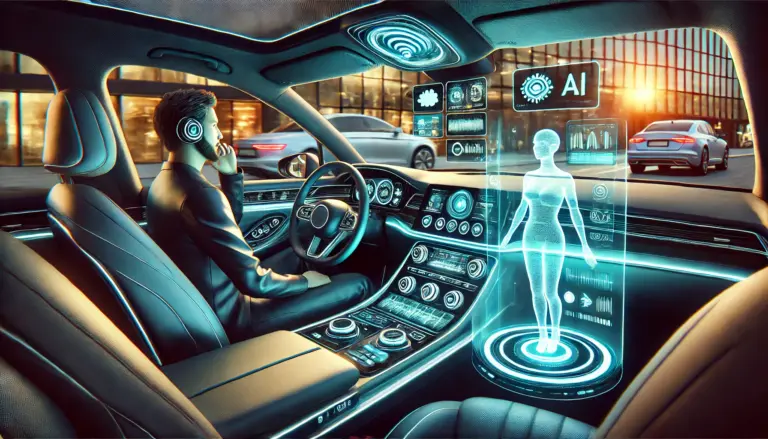
Procuring used BYD for sale represents only the initial phase; successful market integration requires comprehensive localization of the vehicle’s digital ecosystem. Chinese-market BYDs operate on DiLink 4.0 or 5.0 systems with Mandarin-language interfaces and China-specific telematics services that require systematic modification for international deployment.
3.1 Software Localization Requirements
Operating System Conversion:
– Language Packs: Conversion from Simplified Chinese to English, Arabic, French, Spanish, or Portuguese requires firmware flashing. The 15.6-inch rotatable touchscreen (Han/Seal) and 12.8-inch display (Atto 3) must support Unicode character rendering for target markets.
– Navigation Systems: Baidu Maps and Amap (Chinese navigation) must be replaced with Google Automotive Services, TomTom, or local mapping solutions. This requires root-level access and bootloader unlocking performed by authorized technicians.
– Voice Recognition: Mandarin voice commands (Xiao Di AI) require replacement with localized speech recognition engines or disabling to prevent system conflicts.
Telematics and Connectivity:
Chinese BYDs utilize 4G/5G modems locked to China Mobile/Unicom networks. International operation requires:
– eSIM replacement or unlocking for local carrier compatibility
– Removal of China-specific remote services (BYD Cloud app functionality)
– Installation of international-compatible OTA update servers
– Compliance with local data privacy regulations (GDPR for EU, PDPL for Saudi Arabia)
3.2 Metric vs. Imperial Conversion
For markets utilizing imperial measurements (USA, UK), the instrument cluster and HUD (Head-Up Display) require firmware modification to display miles, mph, and Fahrenheit temperatures. This is non-trivial for 2024-2025 models with encrypted ECUs.
3.3 Right-Hand Drive (RHD) Considerations
While Chinese inventory is exclusively Left-Hand Drive (LHD), certain used BYD units originate from parallel exports to Hong Kong, Australia, or Thailand (RHD markets). These units command premiums but eliminate steering conversion costs for UK, Japanese, Australian, or South African importation. Electric Auto China maintains separate RHD inventory channels for Commonwealth markets.
Localization Cost Matrix:
| Service Component | LHD Markets (EU/GCC) | RHD Markets (UK/AU) | North America |
|---|---|---|---|
| Language/UI Flash | $800-$1,200 | $800-$1,200 | $1,500-$2,000* |
| Navigation System | $400-$600 | $400-$600 | $600-$800 |
| Connectivity Module | $300-$500 | $300-$500 | $400-$600 |
| Regulatory Compliance Check | $500 | $500 | $800 |
| Total Localization | $2,000-$3,000 | $2,000-$3,000 | $3,300-$4,200 |
*North American costs higher due to FCC certification and unique regulatory requirements.
4. Charging Compatibility: Bridging the GB/T Gap
The most significant technical barrier to used BYD export success is China’s proprietary GB/T charging standard (GB/T 20234.2-2015 for AC, GB/T 20234.3-2015 for DC), incompatible with CCS2 (Europe), CCS1 (North America), CHAdeMO (Japan), or Type 2 standards.
4.1 The GB/T Technical Reality
Chinese BYDs utilize two separate physical ports:
– AC Charging: 7-pin GB/T port (similar appearance to Type 2 but incompatible pin configuration)
– DC Fast Charging: Large circular GB/T connector with unique locking mechanism
Voltage Architecture:
– Standard Range Models: 400V architecture (compatible with most international fast chargers via adapter)
– Long Range/Performance Models: 800V architecture (Seal Performance, Han EV 701km) requires high-power adapter solutions
4.2 Adapter Solutions and Limitations
Physical Adapters:
High-quality CCS2-to-GB/T adapters enable charging at European DC fast chargers, with power limitations:
– Maximum Throughput: 200A (approximately 80-90kW effective) due to thermal constraints in adapter couplings
– Cooling Requirements: Active cooling adapters recommended for repeated fast charging
– Cost: $800-$1,500 per adapter unit (wholesale)
Permanent Retrofit Solutions:
For fleet operators, Electric Auto China offers CCS2 inlet replacement services (hardware + software):
– Component Cost: $2,500-$3,500 per vehicle
– Labor: 8-12 hours per vehicle
– Warranty Impact: Voided for powertrain components (battery/motor remain covered)
– Charging Speed: Restores full 150kW+ capability
4.3 AC Charging Workarounds
GB/T AC charging (7kW standard, 11kW optional on Han EV) requires Type 2-to-GB/T adapters for European home charging. These passive adapters cost $200-$400 wholesale but limit charging to single-phase 7kW unless the destination market supports three-phase GB/T configurations.
Strategic Recommendation: For B2B buyers targeting markets with developing charging infrastructure (Southeast Asia, Middle East, Latin America), the GB/T standard is actually advantageous—Chinese-built charging networks in these regions predominantly utilize GB/T standards, creating competitive moats against European EV imports.
5. Homologation, Compliance & 2026 Export Regulations
China’s 2026 regulatory framework fundamentally alters the used EV export landscape. The “Notice on Further Strengthening the Management of Automobile Exports” (effective January 1, 2026) establishes permit-based controls previously absent from the used vehicle sector.
5.1 The 2026 Export Permit System
Regulatory Requirements:
– Export License: All EV exports (new and used) require Ministry of Commerce (MOFCOM) export licenses
– Authorized Exporter Status: Exporters must demonstrate:
– Registered capital exceeding RMB 10 million ($1.4M USD)
– Established overseas after-sales service networks
– Technical service capabilities in destination markets
– Compliance with destination country quality standards
– Vehicle Verification: Pre-export inspection by China Certification and Inspection Group (CCIC) or equivalent authorized bodies
– Battery Certification: UN 38.3 test summary reports mandatory for all lithium battery exports
Impact on Used BYD Procurement:
The “gray market” era—where individual traders exported vehicles without warranty or support—has concluded. B2B buyers must now source exclusively through authorized export entities like Electric Auto China, which maintain the regulatory capital, overseas service partnerships, and CCIC inspection certifications required for legal exportation.
5.2 Destination Market Homologation
European Union (EU):
– Whole Vehicle Type Approval (WVTA): Used BYDs require individual approval if not previously type-approved (most Chinese-market vehicles lack EU WVTA)
– eCall System: Mandatory installation of EU-standard emergency call systems (not present in Chinese models)
– EMC Compliance: Electromagnetic compatibility testing to ECE R10
– Lighting: Conversion to ECE-compliant headlight patterns (mandatory for LHD vehicles in UK)
Gulf Cooperation Council (GCC):
– GSO Conformity: Compliance with GCC Standardization Organization requirements
– Desert Testing: Thermal stress documentation (Blade Battery excels in high-temperature environments)
– Halal Certification: Interior materials compliance for Saudi Arabian market
ASEAN Markets:
– Type Approval: Thailand, Indonesia, and Philippines accept Chinese CCC certification with supplementary local testing
– Import Duties: 0-5% for EVs under ASEAN-China FTA (Form E certificate required)
5.3 Documentation Requirements
Every used BYD export requires:
1. Certificate of Origin (China Council for the Promotion of International Trade)
2. Used Vehicle Export License (MOFCOM)
3. CCIC Inspection Certificate (Pre-shipment condition verification)
4. Battery Test Summary (UN 38.3)
5. Original Registration Cancellation (Chinese DMV documentation)
6. Export Customs Declaration (With HS Code 8703.80 for EVs)
6. Global Logistics & Supply Chain
Transporting lithium battery vehicles requires specialized handling under IMO 38-18 (International Maritime Dangerous Goods Code) and IATA DGR (for air freight, rarely economical for used cars).
6.1 Shipping Modalities
Roll-on/Roll-off (RORO):
– Capacity: 4,000-8,000 CEU (Car Equivalent Units) per vessel
– Cost: $1,200-$1,800 per vehicle (Shanghai to Rotterdam/Dubai)
– Transit Time: 28-35 days to Europe; 18-25 days to Middle East
– Limitations: Vehicles must be drivable; battery SOC must be between 30-50% per IMDG regulations
Container Shipping (SOC):
– Method: 2 vehicles per 40′ High Cube container (specialized racking)
– Cost: $2,800-$3,500 per container ($1,400-$1,750 per vehicle)
– Advantages: Protection from elements; ability to ship non-operational vehicles
– Battery Compliance: Requires dangerous goods declaration and MSDS documentation
Battery State of Charge Regulations:
IMDG Code mandates used EVs be shipped at 30-50% SOC to minimize thermal runaway risk while maintaining emergency power for braking/steering systems during loading/unloading.
6.2 Port Handling and Inspection
Shanghai Port (Primary Export Hub):
– Customs Clearance: 3-5 working days with complete documentation
– CCIC Inspection: Mandatory pre-loading survey (photographic documentation, VIN verification, battery health check)
– Storage Fees: RMB 50-80/day ($7-$11) per vehicle after 7-day free period
Shenzhen Port (Alternative for Southern China Inventory):
– Proximity: Close to BYD headquarters (Shenzhen); faster access to service centers for pre-export preparation
– Capacity: Limited compared to Shanghai; premium pricing during peak seasons
6.3 Insurance and Risk Management
Marine Cargo Insurance:
– All-Risks Coverage: 0.3-0.5% of CIF value recommended for used EVs
– Exclusions: Gradual battery degradation not covered; physical damage only
– Salvage Rights: Battery packs retain 60-70% value even if vehicle totaled; negotiate salvage buyback clauses
7. Financial Breakdown: Landed Cost & Dealer Profit Margins (Case Study)
This section provides exact calculations for importing a used 2024 BYD Han EV (Long Range, 85.4kWh) from Shanghai to Rotterdam for retail sale in the Netherlands, compliant with 2026 regulations.
7.1 Vehicle Acquisition (China Side)
| Cost Component | Amount (USD) | Notes |
|---|---|---|
| Vehicle EXW Price | $28,500 | 2024 model, 18,000 km, Grade A condition |
| CCIC Inspection | $350 | Mandatory pre-export certification |
| Export License Fee | $500 | 2026 permit system administrative costs |
| Domestic Transport | $200 | Shenzhen to Shanghai port |
| Port Handling | $150 | Loading and documentation |
| China Export VAT | $0 | VAT exempt for export goods |
| Subtotal (FOB) | $29,700 | Free On Board Shanghai |
7.2 International Freight & Insurance
| Cost Component | Amount (USD) | Calculation Basis |
|---|---|---|
| Ocean Freight | $1,400 | RORO service, Shanghai-Rotterdam |
| Marine Insurance | $180 | 0.6% of CIF value ($30,100) |
| Bunker Adjustment | $85 | Q1 2026 fuel surcharge estimate |
| CIF Value | $31,365 | Cost + Insurance + Freight |
7.3 EU Importation Costs
| Cost Component | Amount (USD) | Notes |
|---|---|---|
| Import Duty | $3,137 | 10% of CIF value (EU MFN tariff for vehicles) |
| VAT (21%) | $7,236 | Dutch VAT on CIF + Duty |
| Customs Broker | $450 | Documentation and clearance |
| Technical Inspection | $800 | RDW (Netherlands Vehicle Authority) approval |
| eCall Installation | $650 | Mandatory EU emergency system retrofit |
| Localization/Software | $2,200 | Language, navigation, CCS2 adapter |
| Subtotal (Landed) | $45,838 | Ready for retail |
7.4 Retail Economics
| Metric | Value |
|---|---|
| Total Landed Cost | $45,838 |
| Retail Price (Market) | $58,000 |
| Gross Margin | $12,162 (26.5%) |
| Marketing/Warranty Reserve | $2,900 (5%) |
| Net Profit | $9,262 (20.2%) |
Comparative Analysis:
New BYD Han EV in EU: ~$65,000-$72,000
Used Tesla Model S (2024): ~$62,000-$68,000
Competitive Positioning: The used BYD offers $10,000-$15,000 savings versus new equivalents while providing superior range (580km WLTP) to used European competitors.
7.5 Alternative Market: GCC (Dubai)
For Dubai importation (GCC), costs differ significantly:
| Component | Cost (USD) | Notes |
|---|---|---|
| CIF Dubai | $31,200 | Shorter transit, lower freight |
| Import Duty | $1,560 | 5% GCC tariff |
| VAT (5%) | $1,638 | Lower than EU |
| Localization | $1,800 | Arabic language, regional maps |
| Total Landed | $36,198 | |
| Retail Price | $48,000 | High demand in UAE EV market |
| Margin | 32.6% | Premium pricing in undersupplied market |
8. Securing After-Sales Support & Spare Parts
The 2026 export regulations specifically emphasize overseas service capabilities. B2B buyers must establish technical support infrastructure to maintain vehicle value and regulatory compliance.
8.1 Critical Spare Parts Strategy
High-Turnover Components:
– Blade Battery Modules: While individual cell replacement is discouraged (integrated pack design), complete battery assemblies available at $8,000-$12,000 wholesale (72-85kWh)
– On-Board Chargers (OBC): GB/T specific units; stock CCS2-compatible replacements for converted vehicles
– Infotainment Screens: 15.6-inch rotating units prone to failure in high-heat climates; $800 unit cost
– ADAS Sensors: Front radar and camera modules for DiPilot systems; $400-$1,200 per unit
Parts Sourcing Channels:
1. BYD Genuine Parts: Available through Electric Auto China’s authorized export network with 15-20% discount from retail
2. Salvage/Yard Parts: Shenzhen and Guangzhou dismantling yards specialize in BYD components; 40-60% cost savings for body panels/interiors
3. Aftermarket: Limited but growing; Chinese manufacturers producing brake pads, filters, and suspension components for BYD platforms
8.2 Technical Training and Diagnostics
BYD Diagnostic Equipment:
– VDS 2000/3000: Official BYD diagnostic scanner (Chinese language only; international versions pending)
– Cloud Service Access: Requires Chinese server VPN or localized diagnostic software licenses
– Training Requirements: 40-hour certification course for technicians covering high-voltage safety and Blade Battery service protocols
Warranty Considerations:
Used exports forfeit Chinese manufacturer warranty (typically 6 years/150,000km for battery, 3 years for vehicle). Electric Auto China provides optional third-party warranty products for export markets:
– Powertrain Warranty: $1,200 premium for 2-year/100,000km battery/motor coverage
– Comprehensive: $2,400 for bumper-to-bumper (excluding wear items)
9. Why Partner with Electric Auto China
Navigating the 2026 regulatory environment requires institutional expertise and authorized status. Electric Auto China (Shanghai) operates as a Ministry of Commerce-licensed vehicle exporter with comprehensive technical capabilities.
9.1 Compliance Assurance
- Export Permit Authorization: Licensed under 2026 regulations with RMB 50M registered capital and established EU/GCC service partnerships
- CCIC Certification: In-house inspection capabilities with certified technicians
- Documentation Management: Full-service customs brokerage and export license procurement
9.2 Technical Capabilities
- Localization Center: Shanghai facility performing 50+ vehicle conversions monthly (language, navigation, charging standards)
- Battery Health Verification: Proprietary testing exceeding BYD factory standards; guaranteed SOH >92% on all exported units
- RHD Conversion Partnerships: Authorized relationships with Thai and Australian modifiers for Commonwealth market preparation
9.3 Inventory Access
Direct contracts with BYD Leasing China, Didi Chuxing fleet retirement programs, and corporate fleet operators provide first-access to high-quality, low-mileage used inventory before auction exposure.
9.4 Financial Solutions
- Letter of Credit Processing: Acceptable payment terms including 30% deposit, 70% LC at sight
- Currency Hedging: USD/CNY/EUR hedging options for large fleet orders (>10 units)
- Trade Finance: Partnerships with Sinosure (China Export & Credit Insurance Corporation) for payment security
9.5 Market Intelligence
Real-time pricing data from 40+ destination markets, enabling buyers to identify arbitrage opportunities between Chinese depreciation curves and local retail pricing.
Contact Protocol:
For used BYD for sale inquiries and 2026 compliance consultation, submit fleet requirements through Electric Auto China’s B2B portal. Minimum order quantities apply for export permit efficiency (5 units recommended; 1-unit exports available at premium pricing).
Disclaimer: This guide reflects regulations and market conditions as of January 2026. Export permits, tariffs, and technical standards subject to change. Electric Auto China assumes no liability for regulatory changes post-publication. All financial calculations estimates based on Q4 2025 market data.
Unlock High-Margin EV Imports with Electric Auto China
As an elite automotive supply chain partner in Shanghai, we provide end-to-end, strictly compliant export solutions tailored for international dealerships, fleet managers, and wholesale distributors.
- 🛡️ 100% Legal & Compliant: Fully licensed exports ensuring smooth customs clearance at your destination.
- ⚙️ Complete Localization: Professional English/Arabic/Russian OS flashing and GB/T to CCS2 charging solutions.
- 🚢 Secure Logistics: Direct Ro-Ro and Containerized shipping with full UN38.3 battery certifications.
- 🔧 After-Sales Support: Reliable access to OEM diagnostic tools and steady spare parts supply.
Request a Detailed FOB/CIF Quote Today:
📧 B2B Sales Email: [email protected]
💬 Direct WhatsApp: +86 159 5127 6160