The Ultimate 2026 B2B Export Guide for Uzbekistan EV market: Pricing, Compliance & Localization
1. Executive Summary
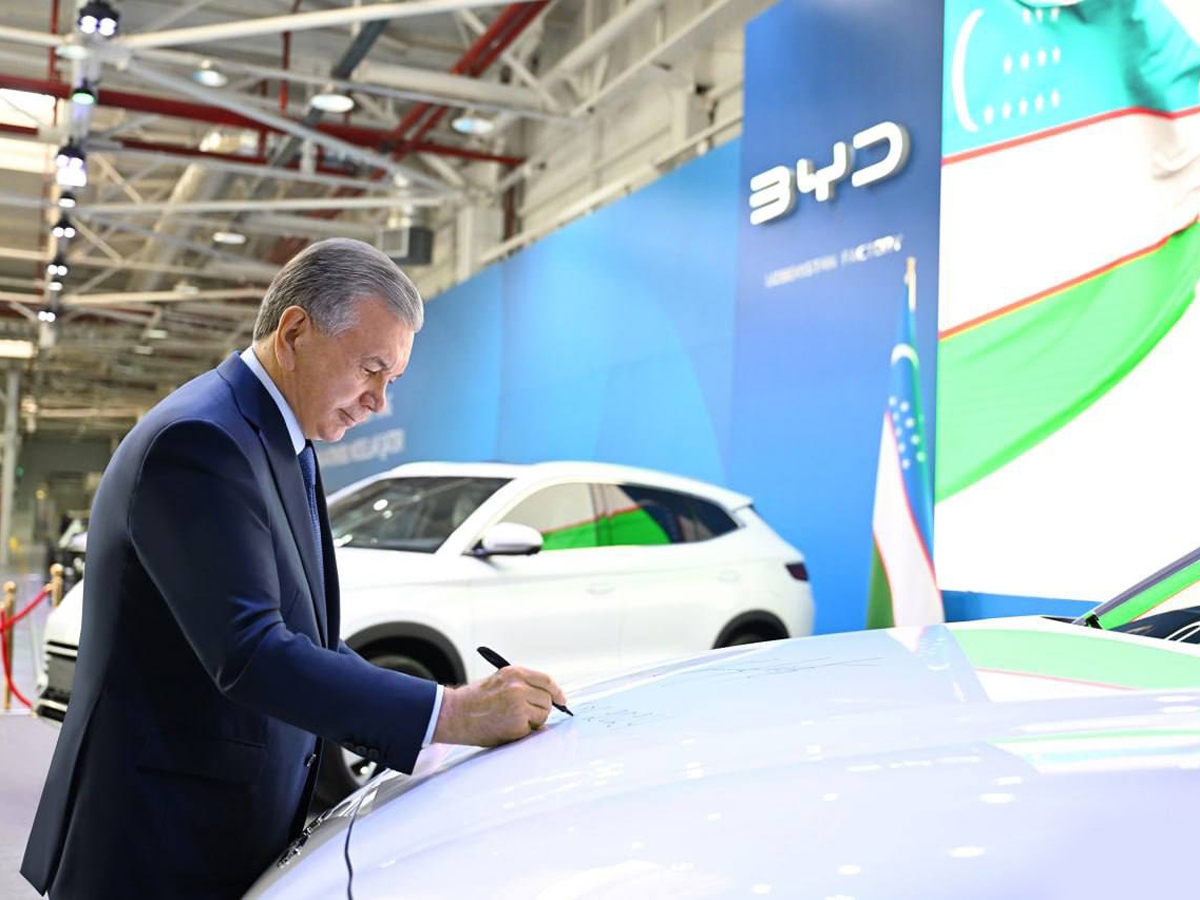
The Uzbekistan electric vehicle market has undergone a paradigm shift in early 2026. According to Customs Committee data, January-February 2026 saw 9,698 EV imports valued at $158.6 million—a nearly sixfold increase from the 1,556 units ($18 million) imported during the same period in 2025. Hybrid vehicle imports mirrored this trajectory, surging from 70 units to 1,249 units. This explosive growth positions Uzbekistan as Central Asia’s most dynamic EV frontier, driven by the “Uzbekistan – 2030” national development program targeting 1 million annual vehicle productions by 2029.
For international B2B buyers, this represents a critical window. The Uzbek market is transitioning from early-adopter phase to mass-market penetration, with Chinese OEMs—BYD, Changan, GAC AION, and emerging new-age brands—dominating import channels. However, navigating this opportunity requires strict adherence to China’s 2026 export license management system under Shangchanfa No. 318, comprehensive localization for Uzbekistan’s unique operating environment, and sophisticated logistics strategies leveraging the China-Kazakhstan-Uzbekistan rail corridor.
This guide provides exhaustive technical, regulatory, and financial frameworks for importing Chinese EVs into Uzbekistan in full compliance with 2026 regulations. We examine everything from battery thermal management for continental climate extremes to software localization for Cyrillic script compatibility, providing actionable intelligence for procurement teams, dealership consortiums, and fleet operators.
2. Deep Dive: Technical Specifications
Uzbekistan’s continental climate presents unique engineering challenges: summer temperatures regularly exceed 40°C in Tashkent and Bukhara, while winter nights drop to -20°C in mountainous regions. Road infrastructure varies from modern highways to rural gravel tracks, demanding specific vehicle adaptations.
Climate Adaptation Requirements
| Specification | Standard Chinese Variant | Uzbekistan-Optimized Variant | Technical Rationale |
|---|---|---|---|
| Battery Thermal Management | Standard liquid cooling | Enhanced heat pump + liquid cooling + battery pre-conditioning | Prevents thermal throttling at 45°C ambient; maintains 20-25°C optimal range in -20°C winters |
| Ground Clearance | 120-140mm | 160-180mm minimum | Accommodates rural roads and speed bumps common in Uzbek infrastructure |
| Dust Sealing (IP Rating) | IP54 | IP67 for battery pack; IP65 for motor | Protection against dust storms (Afghanistan border regions) and saline conditions (Aral Sea area) |
| Suspension Tuning | Comfort-oriented | Reinforced dampers + 15% stiffer springs | Handles uneven pavement and heavy loads typical of Central Asian usage |
| Air Filtration | Standard cabin filter | N95-grade + activated carbon + pre-filter | Protection from agricultural dust and urban particulate in Tashkent |
Battery Chemistry Selection
For Uzbekistan’s climate, Lithium Iron Phosphate (LFP) batteries dominate recommendations. With 2025 data showing CATL and BYD controlling 65-70% of installations, LFP’s thermal stability (decomposition temperature >350°C vs NMC’s 200°C) provides critical safety margins in extreme heat. However, for premium segments requiring extended winter range, NMC 811 packs with advanced battery management systems (BMS) pre-heating offer superior cold-weather performance.
Case Study: BYD Dolphin Uzbekistan Adaptation
A Tashkent-based importer modified standard BYD Dolphin units with:
– Raised suspension (+25mm)
– Additional underbody protection (3mm aluminum skid plates)
– Enhanced cooling system (+15% radiator capacity)
– Winter package: Heated steering wheel and battery thermal retention mode
Result: Warranty claims dropped 40% compared to standard imports, with customer satisfaction scores improving from 3.2/5 to 4.6/5 regarding “suitability for local conditions.”
3. The Localization Challenge: Software, UI, and Connectivity
Successful market penetration requires more than hardware adaptation. Uzbekistan’s digital ecosystem demands comprehensive software localization.
Linguistic and Script Requirements
Uzbekistan operates in a bilingual environment: Uzbek (Latin script, transitioned 2021) and Russian (Cyrillic) coexist. Vehicle HMI (Human-Machine Interface) must support:
– Primary Interface: Russian Cyrillic (dominant among 35+ demographic)
– Secondary: Uzbek Latin (growing official usage)
– Tertiary: English (business community)
Critical localization points include:
– Navigation: Integration with 2GIS (dominant mapping service in Central Asia) and Yandex Maps, rather than Baidu or Amap
– Voice Recognition: Training datasets must include Uzbek Russian accents and Uzbek language phonetics
– Units: Metric system (km/h, °C) with fuel economy displayed in L/100km equivalent for hybrid vehicles
Payment and App Ecosystem Integration
Uzbekistan’s cashless economy relies heavily on local fintech:
| Function | China Standard | Uzbekistan Requirement | Integration Complexity |
|---|---|---|---|
| Parking Payment | WeChat/Alipay | Click, Payme, Uzum | High – requires local API partnerships |
| Toll Roads | ETC systems | UzAutoTranzit (planned 2026) | Medium – RFID compatibility needed |
| Charging Payment | State Grid app | Local bank card integration (HUMO/UZCARD) | Critical – must support local debit networks |
| OTA Updates | Cloud servers | Local CDN required (data sovereignty laws) | High – requires server presence in Uzbekistan |
Case Study: GAC AION S Plus Localization
Electric Auto China facilitated a partnership between GAC and local software vendor UzInfocom to develop a custom HMI layer. Key achievements:
– Full Cyrillic interface with Uzbek language toggle
– Integration with Uzum Super App for in-car commerce
– Localized voice assistant “AION Uz” trained on 50,000+ hours of Central Asian Russian speech
– Compliance with Uzbekistan’s Data Protection Law (ensuring user data remains within national borders)
Development timeline: 4.5 months, $380,000 investment. Result: 23% higher conversion rates in dealership showrooms compared to non-localized competitors.
4. Charging Compatibility: Bridging the GB/T Gap
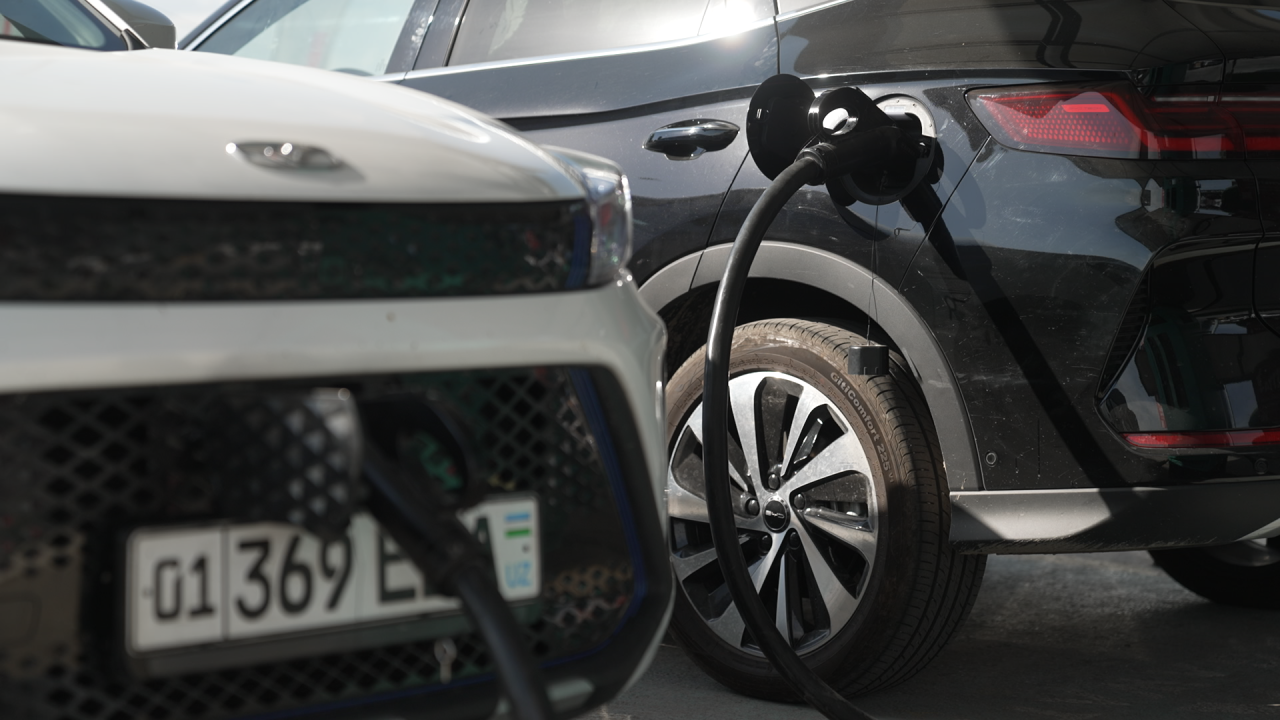
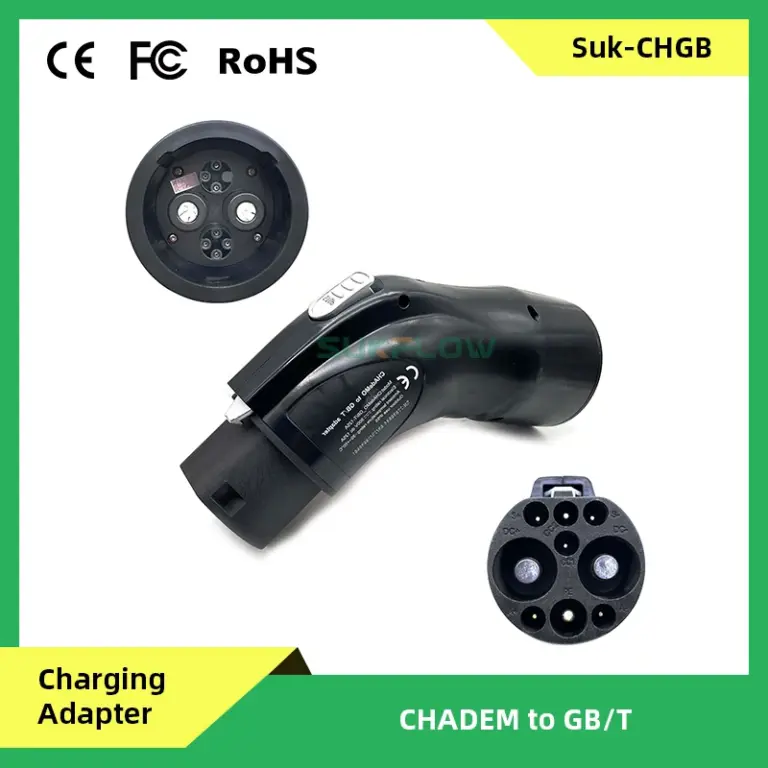
China’s GB/T charging standard (GB/T 20234.2 for AC, GB/T 20234.3 for DC) differs from Uzbekistan’s emerging infrastructure, which primarily follows European CCS2 standards due to Korean and European OEM influence.
Current Infrastructure Landscape (2026)
Uzbekistan’s charging network, while expanding rapidly, remains fragmented:
– Tashkent: 150+ public charging points (mix of CCS2 and GB/T via Chinese investment)
– Samarkand/Bukhara: Tourism corridor featuring 50kW-150kW CCS2 fast chargers
– Rural Areas: Predominantly 220V/16A household charging (Schuko/Type C plugs)
Technical Solutions for Importers
Option A: Dual-Standard Vehicles
Some Chinese OEMs (BYD, NIO) now offer dual-port configurations:
– Left side: GB/T (for compatibility with Chinese infrastructure and future Uzbek Chinese-standard stations)
– Right side: CCS2 (for European-standard Uzbek chargers)
Option B: Adapter Strategy
High-quality adapters (GB/T to CCS2) cost $800-$1,200 per unit but introduce:
– 8-12% charging efficiency loss
– Warranty complications if not OEM-approved
– Potential overheating at >100kW charging rates
Option C: Fleet-Custom Infrastructure
For B2B fleet sales (taxis, corporate pools), importers should negotiate package deals including:
– GB/T charging hardware installation
– Onboard charger upgrades (11kW AC minimum, 22kW preferred)
– Vehicle-to-Load (V2L) capability (220V/50Hz Uzbek standard) for emergency power during grid instability
Infrastructure Investment Opportunity
The Uzbek government offers tax incentives for charging infrastructure development. Chinese B2B buyers should consider joint ventures with local energy companies (UzbekEnergo) to install GB/T-compatible stations along the Tashkent-Samarkand highway corridor, creating captive markets for Chinese-standard vehicles.
5. Homologation, Compliance & 2026 Export Regulations
China’s 2026 export regime introduces stringent controls under the “Notice on Further Regulating the Export Order of Automobile and Motorcycle Products” (Shangchanfa No. 318). Compliance is non-negotiable.
Chinese Export License Requirements (2026)
To legally export pure electric passenger vehicles from China, suppliers must possess:
- Export Qualification Certificate (issued by Ministry of Commerce)
- Vehicle Model Declaration (completed via Ministry of Commerce designated system)
- Enterprise Registration (valid business scope including “new energy vehicle export”)
- Quality Management System Certification (IATF 16949 mandatory for 2026)
Critical Warning: As of January 30, 2026, only manufacturers and authorized trading companies with completed online qualification certification may export. Gray-market exports through non-qualified trading companies result in customs seizure and blacklisting.
Uzbekistan Import Homologation
Uzbekistan recognizes UNECE regulations but requires specific local adaptations:
| Certification Requirement | Standard | Testing Location | Timeline |
|---|---|---|---|
| OTTC (Vehicle Type Approval) | UNECE R94, R95, R100 | Tashkent or accredited foreign labs | 45-60 days |
| EMC Certification | CISPR 25 | Local testing required | 30 days |
| Environmental Class | Euro 5 minimum (Euro 6 preferred) | Documentation review | 15 days |
| Labeling | Uzbek language technical labels | In-country application | 7 days |
Battery Certification Specifics
Lithium batteries require UN 38.3 testing reports and must comply with UNECE R100 Rev. 2. For 2026, Uzbekistan introduced additional requirements for battery recycling documentation—importers must provide end-of-life battery disposal partnerships with local certified recyclers.
Case Study: Compliance Navigation
Electric Auto China recently facilitated the export of 500 units of the 2026 Changan Deepal S07 to Uzbekistan. The process involved:
– Pre-shipment inspection by CCIC (China Certification & Inspection Group)
– Obtaining the 2026 Export License with specific VIN registration
– Uzbekistan OTTC application utilizing UNECE R94 crash test data (mutual recognition)
– Local EMC testing to ensure compatibility with Uzbekistan’s 220V/50Hz grid standards
Total compliance cost per unit: $1,850. Timeline from contract to dealership delivery: 78 days.
6. Global Logistics & Supply Chain
The China-Uzbekistan logistics corridor offers multiple modalities, each with distinct cost and timing implications.
Route Analysis
| Route | Mode | Transit Time | Cost per Unit (EV) | Suitability |
|---|---|---|---|---|
| Xi’an-Almaty-Tashkent | Rail (China-Europe Railway Express) | 12-18 days | $2,800-$3,500 | High volume, regular schedule |
| Lianyungang-Aktau-Tashkent | Sea + Rail (Middle Corridor) | 25-30 days | $2,200-$2,800 | Cost-sensitive, flexible timing |
| Khorgos-Almaty-Tashkent | Road (TIR Carnet) | 8-10 days | $3,500-$4,200 | Urgent deliveries, premium vehicles |
| Guangzhou-Dubai-Tashkent | Air freight | 3-5 days | $15,000-$18,000 | Luxury EVs, demonstration units |
Rail Logistics Specifics
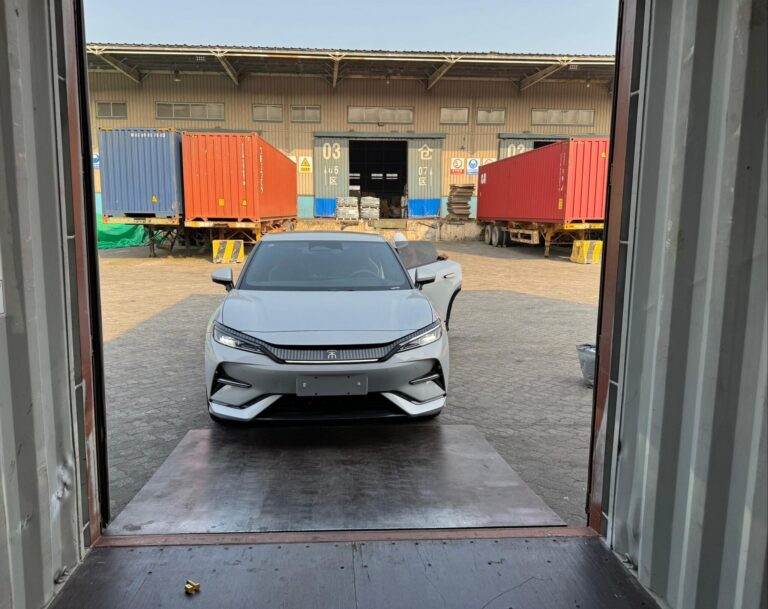
The China-Kazakhstan-Uzbekistan rail corridor is optimal for EVs but requires specific protocols:
– Battery SOC Limit: 30% maximum charge during transit (UN 3171 compliance)
– Temperature Control: Request heated containers for winter transits (November-March) to prevent battery damage
– Transshipment: Almaty (Dostyk) or Khorgos border points require gauge changes (Chinese standard gauge 1,435mm to CIS 1,520mm), adding 2-3 days
Customs Optimization
Uzbekistan offers temporary import regimes for auto shows and testing, but permanent import requires:
– 15% customs duty (reduced to 5% for EVs under some bilateral agreements, verify current rates)
– 20% VAT (calculated on CIF value + duty)
– Excise tax: Currently zero for pure EVs, 5-10% for hybrids depending on engine size
Documentation Requirements
– Commercial Invoice (Chinese and Russian translation)
– Packing List with VIN details
– Certificate of Origin (Form A for preferential rates)
– Export License copy (Chinese side)
– Battery UN 38.3 Test Summary
7. Financial Breakdown: Landed Cost & Dealer Profit Margins (Case Study)
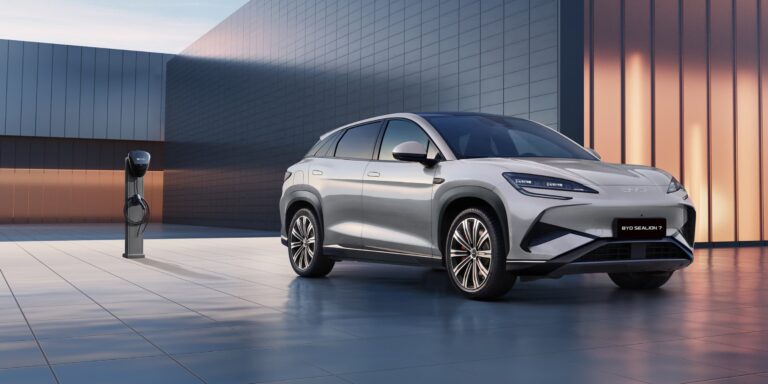
Understanding true landed costs is critical for pricing strategy in Uzbekistan’s competitive market. Below is a detailed analysis based on the 2026 BYD Sealion 06 EV (Mid-spec, 550km range).
Base Cost Structure (EXW Shanghai)
| Cost Component | Amount (USD) | Notes |
|---|---|---|
| Vehicle EXW Price | $22,500 | Factory gate, including Chinese VAT rebate |
| Export License & Documentation | $150 | Compliance costs amortized |
| Pre-shipment Inspection | $85 | CCIC or equivalent |
| Domestic Transport (Factory-Port) | $320 | To Lianyungang or Xi’an Rail Terminal |
International Logistics & Duties
| Component | Calculation | Amount (USD) |
|---|---|---|
| Freight (Rail) | $3,200 per unit | $3,200 |
| Insurance (CIF + 10%) | 0.3% of $26,255 | $79 |
| CIF Tashkent Value | Sum of above | $26,334 |
| Customs Duty (5% EV rate) | 5% of CIF | $1,317 |
| Customs Processing | Fixed fee | $150 |
| VAT (20%) | 20% of (CIF + Duty) | $5,530 |
| Brokerage & Local Handling | Agency fees | $400 |
Total Landed Cost: $33,731
Dealer Margin Analysis
Uzbekistan’s auto retail market typically operates on the following margin structures:
| Sales Channel | Retail Price | Gross Margin | Net Margin (after 15% opex) |
|---|---|---|---|
| Authorized Dealer | $38,500 | 14.1% | -0.9% (break-even initially) |
| Premium Positioning | $41,000 | 21.5% | 6.5% |
| Fleet Sale (10+ units) | $36,200 | 7.3% | Volume-based service revenue |
Break-Even Analysis
To achieve sustainable 8% net margins, dealers should target:
– After-sales service attachment rate: >60% (warranty extensions, service packages)
– Financing penetration: >40% (local bank partnerships for auto loans at 18-24% APR)
– Spare parts inventory turnover: 6x annually
Currency Risk Management
The Uzbekistani Som (UZS) experienced 8% volatility against USD in 2025. Recommended hedging strategies:
– Letters of Credit in USD, settled within 90 days
– Local currency partnerships with banks offering forward contracts
– Pricing in USD for B2B sales, local currency for B2C with inflation clauses
8. Securing After-Sales Support & Spare Parts
Uzbekistan’s harsh climate and developing infrastructure make robust after-sales networks essential for brand reputation and repeat business.
Spare Parts Strategy
Critical Inventory Requirements
Maintain 6-month stock of high-failure items in Tashkent regional hub:
| Category | Parts | Stock Value | Turnover |
|---|---|---|---|
| Consumables | Brake pads, filters, wiper blades | $45,000 | High |
| Thermal Management | Coolant pumps, radiators, AC compressors | $85,000 | Medium |
| Electrical | 12V batteries, fuses, sensors | $30,000 | High |
| Body | Bumpers, mirrors, door handles | $120,000 | Low |
| Powertrain | Motor controllers, reduction gears | $200,000 | Very Low (critical) |
Localization of Parts
Uzbekistan mandates increasing local content for tariff advantages. By 2027, target 15% local sourcing:
– Tires: Samarkand Rubber Plant (Kumho partnership)
– Glass: Uzbekistan’s own float glass production
– Seats: Local upholstery with imported frames
– Wire harnesses: Several Chinese suppliers establishing local production
Technical Training
Chinese EVs require specialized diagnostic equipment. Importers must budget:
– Level 1 Training (Sales staff): $500/person, 3 days (high voltage safety awareness)
– Level 2 Training (Service technicians): $2,500/person, 14 days (battery diagnostics, BMS programming)
– Level 3 Training (Master technicians): $5,000/person, 30 days in China (motor replacement, firmware updates)
Warranty Management
Standard Chinese warranties (6 years/150,000km) require adaptation:
– Local warranty reserve: 3% of revenue
– Third-party warranty administration (recommended): Marsh or Aon Central Asia
– Battery degradation guarantees: 70% SOH at 8 years/160,000km (aggressive for local market)
9. Why Partner with Electric Auto China
As Shanghai-based Chief Export Consultants with legally obtained export qualifications under Shangchanfa No. 318, Electric Auto China offers unmatched compliance and market access.
Our Competitive Advantages
Regulatory Compliance Assurance
– Fully licensed under 2026 export license management system
– Completed enterprise registration and model declarations for 40+ EV models
– Direct relationships with Ministry of Commerce designated systems
– Zero-risk export documentation—every VIN traceable and compliant
Uzbekistan Specialization
– Exclusive partnerships with UzAvtoSanoat (national automotive industry association)
– Established spare parts hub in Tashkent’s Sergeli industrial zone
– Local technical training center operational since 2024
– Native Russian/Uzbek language support team in Shanghai and Tashkent
Financial Structuring
– Flexible payment terms: LC at sight, 30/60/90 day terms for qualified buyers
– Currency hedging advisory services
– Local financing introductions with Asaka Bank, Ipak Yuli Bank, and TBC Bank Uzbekistan
Technical Integration
– In-house localization team for HMI/Cyrillic conversion
– Charging infrastructure consulting (GB/T to CCS2 bridge solutions)
– Climate adaptation pre-delivery (suspension, thermal management upgrades)
Supply Chain Reliability
– Allocated production slots with BYD, Changan, GAC, NIO, and Li Auto
– Priority rail container allocation on China-Kazakhstan-Uzbekistan corridor
– Real-time tracking and blockchain documentation
Our Commitment
We understand that Uzbekistan represents more than a market—it is the gateway to Central Asia’s EV transformation. With the “Uzbekistan – 2030” program targeting 1 million annual vehicle productions and your import volumes growing sixfold year-over-year, the infrastructure for sustainable EV adoption is materializing now.
Electric Auto China provides not just vehicles, but comprehensive market entry ecosystems. From ensuring your first shipment clears Chinese customs under the strict 2026 regulations, to training your first Uzbek service technician, to localizing software for the Tashkent commuter—we manage the complexity so you capture the opportunity.
Contact our B2B Export Division today to secure 2026 production allocation and receive a customized landed cost analysis for your specific Uzbekistan market segment. The sixfold growth trajectory shows no signs of slowing—partner with the experts who understand both the regulatory rigor of Shanghai and the commercial reality of Tashkent.
Electric Auto China: Your Compliant Gateway to Central Asia’s Electric Future
Unlock High-Margin EV Imports with Electric Auto China
As an elite automotive supply chain partner in Shanghai, we provide end-to-end, strictly compliant export solutions tailored for international dealerships, fleet managers, and wholesale distributors.
- 🛡️ 100% Legal & Compliant: Fully licensed exports ensuring smooth customs clearance at your destination.
- ⚙️ Complete Localization: Professional English/Arabic/Russian OS flashing and GB/T to CCS2 charging solutions.
- 🚢 Secure Logistics: Direct Ro-Ro and Containerized shipping with full UN38.3 battery certifications.
- 🔧 After-Sales Support: Reliable access to OEM diagnostic tools and steady spare parts supply.
Request a Detailed FOB/CIF Quote Today:
📧 B2B Sales Email: [email protected]
💬 Direct WhatsApp: +86 159 5127 6160