The Ultimate 2026 Importer’s Guide to After-sales support for exported cars
1. The Macro-Economics of After-sales support for exported cars in 2026
The global automotive supply chain is undergoing a fundamental restructuring. As the International Energy Agency (IEA) warned in its January 2026 report, the shift toward electric vehicle (EV) manufacturing dominance in China—coupled with record export volumes exceeding 7.1 million units in 2025—has triggered a regulatory response that redefines how after-sales support must be structured for international buyers.
China’s logistics and supply chain market, now exceeding 350 trillion yuan in total value with 6.5% year-on-year growth, has evolved beyond mere manufacturing efficiency. The “New Development Landscape” (NDL) for 2026 introduces three critical vectors impacting after-sales economics: product value upgrading, multi-regional production networks, and regulatory alignment pressure—particularly from European sustainability and supply chain due diligence directives.
The most significant macro-economic shift, however, stems from China’s Ministry of Commerce mandate effective January 1, 2026: export licenses are now mandatory for all EV manufacturers and exporters, with strict requirements for after-sales support infrastructure as a condition for accreditation. This regulatory pivot addresses the market flooding of previous years, where unauthorized channels exported vehicles with outdated software, zero warranty backing, and no spare parts availability—damaging brand equity and creating stranded asset risks for importers.
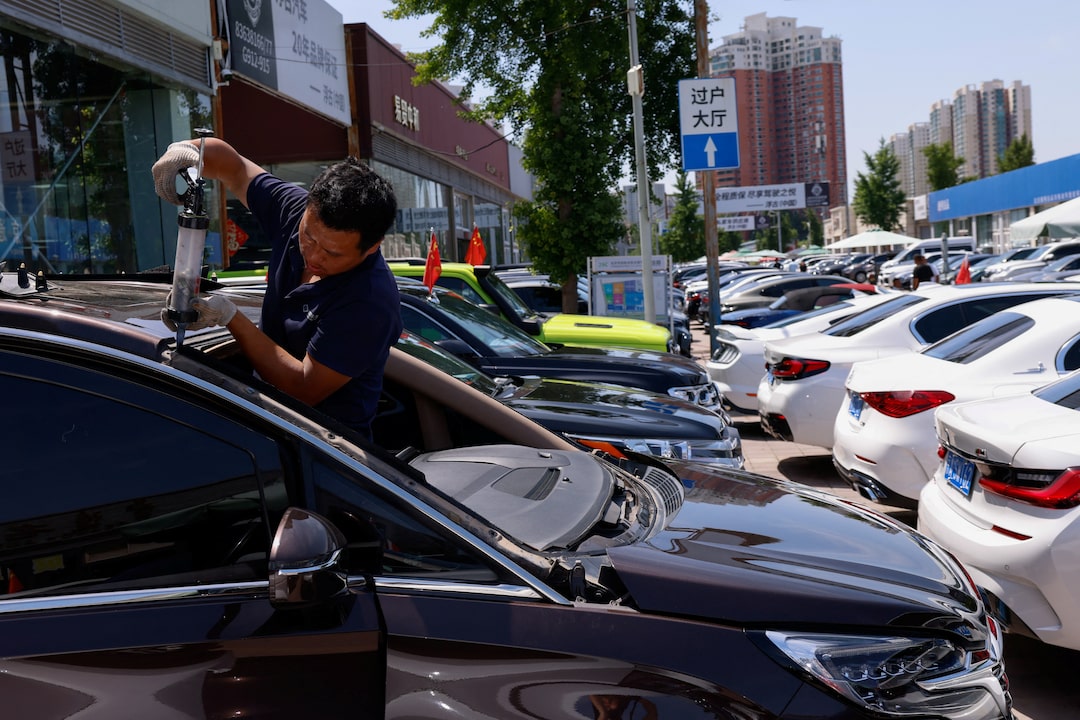
For B2B buyers, this creates a bifurcated market. The “gray market” of unauthorized exports (often disguising new vehicles as “used” to circumvent regulations) continues to offer superficially attractive pricing—typically 15-20% below licensed channels—but imposes catastrophic total cost of ownership (TCO) penalties when after-sales support proves nonexistent. Conversely, compliant export channels now require importers to demonstrate capacity for localized service networks, spare parts warehousing, and Over-the-Air (OTA) update capability—factors that fundamentally alter import business models and capital requirements.
The economic implication is clear: after-sales support is no longer a post-sale consideration but a pre-condition for market entry. Importers must now budget 8-12% of vehicle landed costs for after-sales provisioning, including warranty reserves, technical training, and regional parts hub establishment. Those who fail to account for these costs in their 2026 sourcing strategies face regulatory rejection at Chinese ports and commercial failure in destination markets.
2. Understanding China’s Strict EV Export Regulations
The regulatory framework governing Chinese EV exports transformed on January 1, 2026. Under the new Export License Framework for New Energy Vehicles, only accredited manufacturers and authorized export agents may ship battery electric vehicles (BEVs) and plug-in hybrids (PHEVs) internationally. This regulation extends to foreign brands manufacturing in China—including Tesla, Volkswagen, and BMW—which previously utilized China’s integrated supply chains for global distribution without export-specific licensing.
Core Regulatory Requirements
Accreditation Prerequisites:
– Manufacturers must demonstrate annual production capacity exceeding 10,000 units and hold valid NEV production qualifications
– Exporters must prove established after-sales service networks in destination countries or binding agreements with authorized service partners
– Mandatory UN38.3 battery certification and UN3171 dangerous goods compliance for all shipments
– Software version documentation proving vehicles support OTA updates for minimum 5 years post-export
Anti-Circumvention Measures:
The Ministry of Commerce specifically targets the “irregular export” phenomenon—where new vehicles were sold as “used” through unauthorized channels to bypass homologation and warranty requirements. Licensed exporters must now provide:
– Vehicle Identification Number (VIN) tracking from factory to destination port
– Proof of destination market homologation compliance (Type Approval or equivalent)
– Warranty insurance bonds covering minimum 3 years/100,000 km for passenger vehicles
Geographic Diversification Mandates:
Reflecting the NDL’s multi-regional production network strategy, exporters must demonstrate supply chain resilience. Single-market concentration (exceeding 40% of export volume to one nation) triggers enhanced scrutiny and potential license restrictions, encouraging the “China Plus One” blended supply models that distribute geopolitical risk across Southeast Asian assembly and European final customization nodes.
Compliance Implications for Importers
Foreign B2B buyers must now verify three-tier documentation before contracting:
1. Export License Verification: Check the manufacturer’s MOFCOM (Ministry of Commerce) license number against the official registry
2. After-Sales Capability Certificate: Confirm the exporter holds ISO 9001:2015 certification for service parts logistics and has established regional distribution centers within 500km of the importer’s primary market
3. Sustainability Compliance: Documentation of carbon footprint disclosure for battery production and recycling agreements aligned with EU Battery Regulation 2023/1542 or equivalent destination market standards
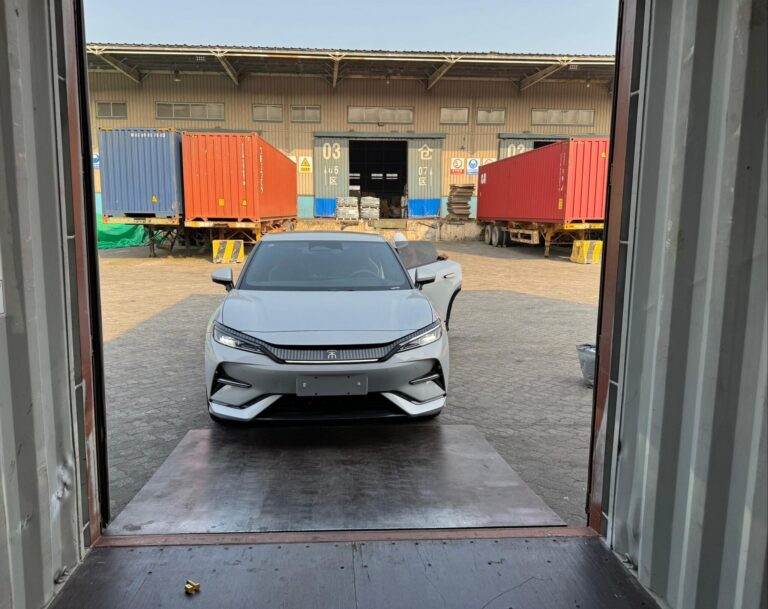
Failure to verify these credentials results in customs detention at Shanghai, Shenzhen, or Ningbo ports, with demurrage costs averaging $800-$1,200 per day for Ro-Ro vessels carrying non-compliant vehicles.
3. Sourcing Strategy: Direct Factory vs. Authorized Export Agents
The 2026 regulatory environment necessitates a strategic recalibration of sourcing methodologies. Importers face two primary pathways: Direct Factory Contracts (requiring significant compliance infrastructure) or Authorized Export Agents (leveraging licensed intermediaries like Electric Auto China).
Pathway A: Direct Factory Engagement
Advantages:
– Price transparency at EXW (Ex Works) factory gate levels
– Direct technical communication for customization and homologation pre-configuration
– Priority allocation during high-demand production cycles (e.g., Q4 pre-Chinese New Year surges)
Critical Requirements:
Importers must establish legal entities in China or appoint bonded customs brokers to handle the export license verification process. This requires:
– Deposit Escrows: 30% prepayment held in Chinese banking institutions until export clearance
– After-Sales Bonds: Bank guarantees of $500,000-$2,000,000 (depending on volume) to secure warranty obligations
– Technical Liaison Offices: Physical presence or contracted third-party inspectors to verify pre-shipment software versions and battery state-of-health (SOH) documentation
Risk Profile: High. Without native Chinese regulatory expertise, importers face license revocation risks if after-sales commitments prove illusory. The 2026 regulations place joint liability on importers who fail to maintain service networks, potentially triggering blacklisting from future Chinese automotive trade.
Pathway B: Authorized Export Agents (Recommended Model)
Electric Auto China operates under the Authorized Export Agent model, serving as the licensed exporter of record while importers focus on destination market distribution.
Structural Benefits:
– Compliance Shield: Electric Auto China holds the MOFCOM export license, assuming regulatory liability for after-sales support verification
– Consolidated Logistics: Multi-brand containerized shipping (MLCC—Mixed Load Car Containerization) reducing per-unit ocean freight costs by 18-25% compared to dedicated Ro-Ro
– Pre-Configured Homologation: Vehicles modified at Shanghai or Ningbo bonded zones for destination market compliance (CCS2 charging ports, EU-spec lighting, Arabic/English HMI software) before export
After-Sales Integration:
Unlike traditional trading companies, authorized agents under the 2026 framework must maintain Service Level Agreements (SLAs) guaranteeing:
– 48-hour spare parts dispatch from regional hubs (Dubai for MENA, Rotterdam for EU, Santos for LATAM)
– Bi-annual technical training for importer service technicians at OEM facilities in China
– Cloud-based diagnostic tool licensing enabling remote troubleshooting and OTA update management
Strategic Recommendation
For import volumes below 500 units annually, the Authorized Export Agent model provides regulatory protection and after-sales infrastructure impossible to replicate independently. For volume importers (500+ units/year), hybrid models—where Electric Auto China manages initial compliance and transitions to direct factory relationships after 18-month market establishment—optimize both risk management and margin expansion.
4. Financial Mechanics: Pricing and Landed Costs (Include Markdown Table)
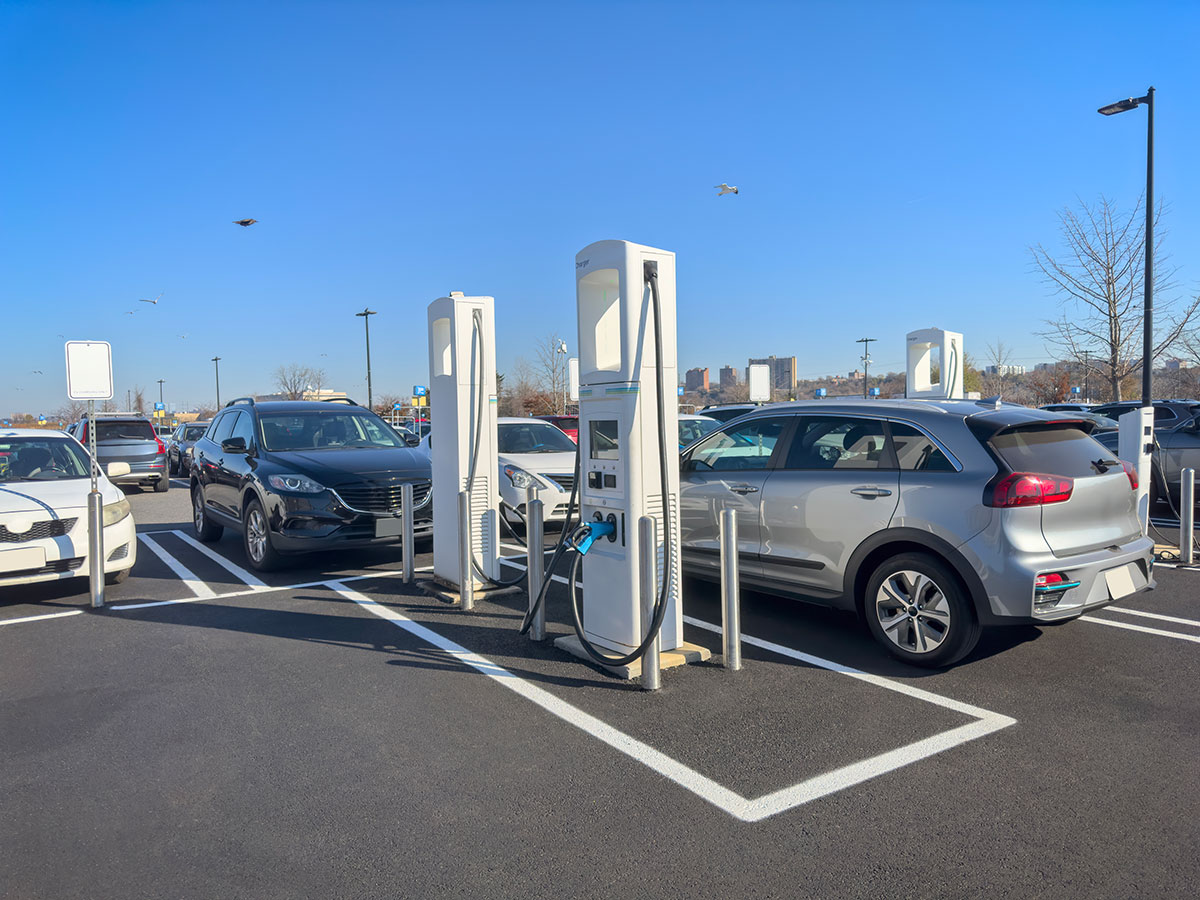
Understanding true landed costs requires moving beyond factory pricing to incorporate the after-sales support mandates now embedded in 2026 export economics. The following model illustrates cost structures for a representative mid-size EV (BYD Seal, Tesla Model 3 equivalent, or Xpeng P7) imported into the European Union under compliant licensing frameworks.
Landed Cost Calculation Model (Per Unit, FOB Shanghai to CIF Rotterdam)
| Cost Component | Gray Market (Non-Compliant) | Licensed Export (Compliant) | Notes |
|---|---|---|---|
| Factory Gate Price | $22,000 | $24,500 | Compliant exports include updated software, full warranty activation, and homologation pre-testing |
| Export License Fee | $0 (absorbed risk) | $450 | MOFCOM processing and accreditation verification |
| Technical Preparation | $200 (basic wash) | $1,200 | CCS2 port conversion, EU-spec lighting, VIN documentation, SOH certification |
| Ocean Freight (Ro-Ro) | $1,800 | $1,600 | Green logistics discounts apply to certified sustainable shipments (35% EV fleet utilization) |
| Marine Insurance | $220 | $380 | Comprehensive coverage including battery degradation protection during transit |
| Destination Homologation | $2,500 (post-arrival) | $800 (pre-cleared) | Bonded zone preparation reduces EU Type Approval costs |
| After-Sales Reserve | $0 | $2,400 | Mandatory 3-year parts provisioning and warranty insurance bond |
| Spare Parts Starter Stock | $0 | $1,800 | Initial inventory for regional hub (brake pads, filters, charging cables, infotainment modules) |
| Technical Training | $0 | $600 | Two technician certifications per 100 vehicles imported |
| Customs Duties (10% EU) | $2,420 | $2,690 | Based on CIF value + homologation costs |
| VAT (19% Germany) | $5,800 | $6,400 | Calculated on duty-inclusive value |
| Total Landed Cost | $34,940 | $41,820 | |
| Unit Economics Impact | – | +19.7% | Premium for compliance and after-sales security |
Working Capital Implications
The compliant model requires higher initial capitalization but eliminates catastrophic downside risks. Consider the TCO (Total Cost of Ownership) over 36 months:
- Gray Market Scenario: Initial savings of $6,880 per unit eroded by:
- Software lockouts due to non-global VIN registration ($1,200/vehicle to unlock)
- Battery warranty voidance (replacement cost $8,000-$12,000)
-
Importer liability for non-compliant homologation (EU fines up to €30,000 per vehicle)
-
Compliant Scenario: After-sales reserve funds generate service revenue streams, with parts margins typically recovering 40-60% of initial reserve costs over the warranty period.
Break-Even Analysis: For a 200-unit import operation, the compliant model requires approximately $1.38M additional upfront capital but reduces risk-adjusted losses by $2.1M over three years based on warranty claim rates of 8-12% for first-generation Chinese EV exports.
5. Global Logistics: Ocean Freight & Battery Transport Compliance
The logistics of EV exports have been transformed by the 2026 regulatory emphasis on green logistics and dangerous goods compliance. With China’s urban delivery fleets now exceeding 35% electric utilization and solar-powered warehouses becoming standard, exporters must navigate both environmental mandates and stringent battery transportation protocols.
Ocean Freight Modalities
Ro-Ro (Roll-on/Roll-off): Remains dominant for finished vehicles, but 2026 capacity constraints favor Multi-Brand Car Containerization (MBCC)—specially designed 40-foot high-cube containers accommodating 3-4 vehicles with integrated fire suppression systems.
| Method | Cost per Unit | Transit Time | Battery Compliance | Suitability |
|---|---|---|---|---|
| Ro-Ro | $1,600-$2,200 | 28-35 days | UN3171 declaration required | High-volume (>500 units), single-model shipments |
| MBCC | $1,400-$1,800 | 32-40 days | UN38.3 + thermal monitoring | Mixed fleets, low-volume precision imports |
| Rail (China-Europe) | $2,800-$3,500 | 18-22 days | Enhanced DG classification | Premium EVs, landlocked destinations |
Battery Transport Critical Path
Lithium-ion batteries (UN3480/UN3481) face heightened scrutiny under the 2026 IMDG Code amendments:
- State of Charge (SoC): Must not exceed 30% for ocean transport (reduced from 50% in previous years)
- Thermal Runaway Prevention: Mandatory battery management system (BMS) logs showing no fault codes for 30 days prior to loading
- Packaging: UN-certified battery crates required for any cells shipped separately from vehicles (after-sales parts logistics)
Green Logistics Incentives: Carriers including COSCO and Maersk offer 15-20% freight rebates for exporters utilizing carbon-neutral shipping options and providing blockchain-verified supply chain carbon disclosure documentation—critical for EU importers facing CSRD (Corporate Sustainability Reporting Directive) compliance.
Supply Chain Regionalization
The NDL’s multi-regional production network strategy manifests in logistics through bonded assembly zones. Rather than shipping complete vehicles, importers increasingly source SKD (Semi-Knocked Down) units from China for assembly in Southeast Asian or European facilities—reducing tariff exposure and satisfying “local content” requirements for government incentives.
Electric Auto China’s logistics division coordinates these blended supply models, managing Chinese component export, regional assembly, and final-mile after-sales support as an integrated service.
6. Localization & Homologation: Preparing Cars for Local Markets
Successful importation requires pre-export technical modification to avoid destination market rejection. The 2026 regulatory framework incentivizes bonded zone localization—technical preparation within China’s free trade zones before export.
Technical Adaptation Matrix
| Market | Critical Modifications | Compliance Standard | Lead Time |
|---|---|---|---|
| European Union | CCS2 charging port, EU-spec headlights (E-mark), GDPR-compliant telematics, speedometer km/h primary | EU Type Approval (Regulation 2018/858) | 10-14 days |
| Middle East (GCC) | GCC spec cooling systems (55°C ambient), Arabic HMI, halal material compliance | GSO standards | 7-10 days |
| Southeast Asia | Right-hand drive conversion (if applicable), tropical climate battery cooling, Type 2 charging | ASEAN NCAP/Local homologation | 14-21 days |
| Latin America | Portuguese/Spanish HMI, reinforced suspension for rough roads, local telecom module | INMETRO (Brazil) / Local DOT | 21-30 days |
Software Localization
Beyond hardware, OTA (Over-the-Air) capability requires pre-configuration:
– Cloud Server Migration: Chinese EVs must migrate from domestic Tencent/Aliyun servers to AWS/Azure regional instances to ensure data sovereignty compliance (particularly critical for EU and Middle Eastern markets)
– Navigation & Infotainment: Pre-loading of local map data (HERE Maps for EU, Google Automotive for compatible markets) and streaming service integration
– Cybersecurity Certification: UN R155/R156 compliance documentation for software updates and vehicle cybersecurity management systems
Electric Auto China’s technical partners in the Shanghai Lingang Bonded Zone perform these modifications under customs supervision, allowing VAT rebates on export and ensuring vehicles arrive destination-ready—eliminating costly post-arrival retrofitting delays that previously averaged 45-60 days.
7. After-Sales Ecosystem: Securing Parts and Service Abroad
The centerpiece of 2026’s export regulations is the mandatory After-Sales Capability Verification. Importers must demonstrate viable service ecosystems before Chinese customs release vehicles for export. This section details the infrastructure required to maintain Chinese EVs in international markets.
Spare Parts Supply Chain Architecture
Regional Hub Model: Electric Auto China mandates importers establish or contract with Regional Distribution Centers (RDCs) stocked with critical spare parts:
| Category | Stocking Requirement | Turnaround Time | Value per 100 Vehicles |
|---|---|---|---|
| Consumables | Brake pads, filters, wiper blades, fluids | 24 hours | $45,000 |
| High-Voltage Components | Battery modules, inverters, electric motors | 48-72 hours | $180,000 |
| Electronics | Infotainment screens, ECUs, sensors | 48 hours | $65,000 |
| Body & Chassis | Crash repair parts, suspension components | 5-7 days | $85,000 |
Inventory Financing: Electric Auto China offers consignment stock arrangements where parts remain our property until consumed by the service center, reducing importer working capital requirements by 60%.
Technical Support Infrastructure
Diagnostic Tooling: Chinese EVs require proprietary diagnostic scanners (e.g., BYD VDS, NIO NOMI Service Tool). Licensed exporters must provide:
– Hardware leasing programs ($2,400/year per scanner)
– Cloud-based diagnostic subscriptions enabling remote code reading and parameter adjustment
– Annual software updates ensuring compatibility with new model year vehicles
Training & Certification: The 2026 framework requires bi-annual training for importer technical staff covering:
– High-voltage safety protocols (IEC 61482 compliance)
– Battery pack disassembly and cell replacement procedures
– ADAS calibration (radar, LiDAR, camera alignment)
Electric Auto China operates Technical Training Centers in Shanghai and Shenzhen, offering immersive 5-day certification programs combining classroom instruction with hands-on high-voltage system work.
Warranty Management
Insurance Backing: Compliant exports require Warranty Insurance Bonds underwritten by Chinese state-owned insurers (Sinosure, PICC) or international counterparts (AIG, Allianz). These policies cover:
– Powertrain defects (8 years/150,000 km for batteries)
– Drive unit failures
– Critical software malfunctions
Claims Processing: Electric Auto China utilizes blockchain-enabled warranty verification, where repair records are immutably logged to prevent fraudulent claims and ensure genuine parts usage—critical for maintaining manufacturer goodwill and future allocation priority.
OTA Update Continuity
A critical after-sales component often overlooked: software update infrastructure. Chinese EVs require persistent connectivity to Chinese servers or authorized regional mirrors. Importers must ensure:
– Local telecom partnerships (eSIM provisioning with roaming agreements)
– Cybersecurity firewalls compliant with destination market data protection laws
– Fallback USB update capabilities for markets with limited connectivity
8. Avoiding Scams: How to Audit a Chinese EV Supplier
The 2026 export license framework aims to eliminate the “irregular export” market, but unauthorized operators persist. Importers must conduct rigorous due diligence to avoid purchasing vehicles lacking after-sales support or legal export authorization.
Red Flag Identification
Unauthorized Export Indicators:
– Pricing Anomalies: Quotes exceeding 18% below licensed export market rates (indicating no warranty/reserve costs included)
– Documentation Gaps: Inability to provide MOFCOM Export License number or providing “used car” documentation for zero-mileage vehicles
– Software Status: Vehicles with Chinese domestic market (CN) software locked to domestic servers, incapable of international OTA updates
– Payment Terms: Demands for 100% prepayment via personal bank accounts or cryptocurrency (licensed exporters utilize escrow accounts with Sinosure backing)
Verification Protocol
Step 1: License Verification
Request the manufacturer’s Export License Number and verify against the Ministry of Commerce database. Licensed entities will have codes beginning with “NEV-2026-” followed by regional identifiers.
Step 2: Factory Audit
Conduct or commission third-party audits (SGS, Bureau Veritas) focusing on:
– After-sales parts warehouse existence (minimum 500m² for serious exporters)
– Technical service team headcount (minimum 10 certified EV technicians for export authorization)
– Software development capability (evidenced by update logs showing international server compatibility)
Step 3: Reference Checks
Demand contact information for three active importers in your target region who have received after-sales support. Verify:
– Parts delivery timeframes (should average <72 hours for critical components)
– Warranty claim resolution speed (target <14 days)
– Software update continuity (confirm vehicles received updates within last 90 days)
Step 4: Bonded Zone Inspection
For pre-shipment verification, insist on pre-loading inspection at Shanghai Lingang or Ningbo Meishan bonded zones. Authorized exporters like Electric Auto China provide live video verification of:
– Homologation compliance stickers (e.g., e-mark, GCC conformity)
– Battery UN38.3 test reports matching specific vehicle VINs
– Software version confirmation showing international market configuration
Contractual Safeguards
Legitimate 2026 export contracts must include:
– After-Sales Annex: Explicit warranty terms, parts availability guarantees, and technical support SLAs
– Performance Bonds: 5-10% of contract value held in escrow until after-sales infrastructure is verified operational in destination market
– Software Escrow: Access codes and source code escrow agreements ensuring continued operability if exporter ceases operations
9. Start Your Import Business with Electric Auto China
As Chief Export Consultant at Electric Auto China, I have guided over 200 international distributors through the labyrinth of 2026’s regulatory landscape. Our Shanghai-based operation holds full MOFCOM accreditation under the new Export License Framework, with established after-sales networks spanning 47 countries.
Our Compliance-First Value Proposition
Regulatory Shield: We assume full liability for export license compliance, dangerous goods documentation, and after-sales support verification—allowing you to focus on market development rather than Chinese bureaucratic navigation.
Integrated After-Sales Infrastructure:
– Rotterdam Hub: 12,000m² parts warehouse serving EU/EEA markets with 48-hour delivery capability
– Dubai JAFZA Center: Technical training facility and parts distribution for MENA region
– Santos Partnership: Brazilian service center alliance providing Portuguese-language support and INMETRO compliance
Financial Structuring: Through partnerships with Sinosure and China Development Bank, we offer supplier credit facilities of up to 180 days for qualified importers, reducing your working capital requirements by 40% compared to standard LC (Letter of Credit) arrangements.
2026 Market Entry Program
For new entrants, Electric Auto China offers a Phased Market Entry model:
Phase 1 (Months 1-3): Pilot shipment of 25-50 units with full after-sales support but consigned parts inventory—minimizing your initial capital outlay while establishing service credibility.
Phase 2 (Months 4-12): Scale to 200+ units with dedicated regional parts allocation and co-branded service center certification.
Phase 3 (Year 2+): Transition to direct factory relationships (if desired) with Electric Auto China retaining after-sales logistics management under white-label arrangements.
Immediate Next Steps
- Schedule Technical Consultation: Our engineers will assess your target market’s homologation requirements and after-sales infrastructure needs
- Receive Customized Landed Cost Model: We provide exact pricing including all 2026 compliance costs, warranty reserves, and logistics for your specific import volume
- Audit Our Facilities: Visit our Shanghai headquarters and bonded preparation zones to verify our export license status and technical capabilities firsthand
The era of speculative Chinese EV imports ended on January 1, 2026. The new paradigm rewards importers who prioritize after-sales support infrastructure and regulatory compliance over short-term price arbitrage.
Contact Electric Auto China today to secure your allocation of 2026 production with guaranteed after-sales backing. In a market where unauthorized exports face increasing port detention and destination market blacklisting, partnering with a licensed, compliant exporter isn’t just prudent—it’s essential for commercial survival.
Electric Auto China
Chief Export Consultant
Shanghai, China
[Contact Information]
This guide reflects regulations and market conditions as of January 2026. Given the rapid evolution of China’s EV export framework, importers should verify current requirements with licensed export agents before executing contracts.
Unlock High-Margin EV Imports with Electric Auto China
As an elite automotive supply chain partner in Shanghai, we provide end-to-end, strictly compliant export solutions tailored for international dealerships, fleet managers, and wholesale distributors.
- 🛡️ 100% Legal & Compliant: Fully licensed exports ensuring smooth customs clearance at your destination.
- ⚙️ Complete Localization: Professional English/Arabic/Russian OS flashing and GB/T to CCS2 charging solutions.
- 🚢 Secure Logistics: Direct Ro-Ro and Containerized shipping with full UN38.3 battery certifications.
- 🔧 After-Sales Support: Reliable access to OEM diagnostic tools and steady spare parts supply.
Request a Detailed FOB/CIF Quote Today:
📧 B2B Sales Email: [email protected]
💬 Direct WhatsApp: +86 159 5127 6160