The Ultimate 2026 Importer’s Guide to Best Chinese car exporter 2026
1. The Macro-Economics of Best Chinese car exporter 2026 in 2026
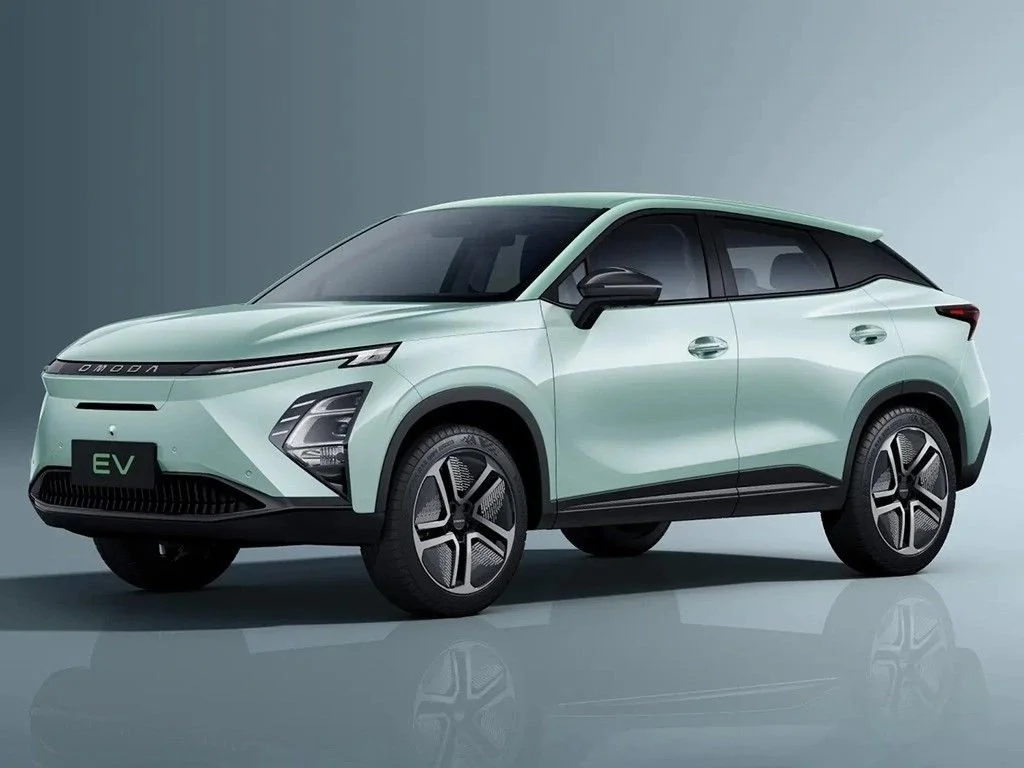
As we enter 2026, China’s automotive export engine has fundamentally transformed from a cyclical pressure valve for domestic overcapacity into a structural growth pillar of the global economy. With China closing 2025 at a record 7.1 million vehicle exports and new energy vehicles (NEVs) commanding over one-third of outbound volume, the landscape for international B2B buyers has shifted from opportunistic purchasing to strategic supply chain integration.
The domestic saturation point—where NEVs captured 59.4% of new passenger car sales in late 2025—has triggered an aggressive overseas expansion mandate. Chinese OEMs are no longer content with sporadic bulk shipments; they are establishing “follow-the-capital” manufacturing footprints across Southeast Asia, Europe, and Latin America. BYD’s Hungary facility ramping up production in 2026 and Geely’s quadrupled electric exports (reaching 90+ countries) exemplify this permanent structural shift.
For importers, this creates a dual opportunity: access to cutting-edge EV technology at competitive price points, and the ability to leverage China’s 350 trillion yuan logistics ecosystem—now characterized by solar-powered warehouses, carbon-neutral shipping lanes, and AI-driven supply chain regionalization. The “China Plus One” strategy has paradoxically strengthened China’s position as the central node of integrated regional supply chains, with Southeast Asian logistics networks feeding into Shanghai and Shenzhen export hubs.
However, the macro-economic reality demands sophistication. With pure EV export growth moderating to an estimated 10% year-on-year (down from 25%) and plug-in hybrid exports tripling, successful importers must navigate a bifurcated market: high-volume BEV saturation in developed markets versus explosive PHEV demand in emerging economies. The winners in 2026 will be those who understand that China’s export growth is geographically diversified, policy-aware, and structurally embedded—requiring partnerships with exporters capable of navigating complex localization requirements rather than simple commodity trading.
2. Understanding China’s Strict EV Export Regulations
The regulatory framework governing China’s 2026 EV exports represents the most stringent compliance environment in the industry’s history. As the world’s largest automotive exporter (surpassing the EU in 2024), Beijing has implemented tiered export controls to protect brand integrity and ensure technical compliance in destination markets.
Mandatory Certification Matrix
| Certification Type | Applicable Models | Validity Period | Cost Range (USD) |
|---|---|---|---|
| CCC (China Compulsory Certificate) | All vehicles | 5 years | $15,000 – $45,000 |
| MIIT Production License | NEVs only | Annual renewal | $8,000 – $12,000 |
| UN38.3 (Battery Safety) | All BEV/PHEV | Per battery variant | $3,500 – $7,000 |
| Export License (MOFCOM) | All export vehicles | Per shipment | $500 – $2,000 |
Critical 2026 Updates:
-
Data Sovereignty Compliance: All connected vehicles must demonstrate data localization capabilities for destination markets. Exporters must provide documentation proving OTA (Over-The-Air) update systems can comply with local data protection laws (GDPR in Europe, ADGM in UAE).
-
Battery Passport Requirements: Following EU Battery Regulation mandates, Chinese exporters must now provide digital battery passports detailing carbon footprint, material provenance, and recycling pathways. This requires integration with blockchain-enabled tracking systems implemented by major manufacturers like CATL and BYD.
-
Green Export Certification: China’s dual carbon goals have introduced carbon-neutral export certification. Vehicles shipped with carbon-offset documentation (covering manufacturing and shipping emissions) receive expedited customs clearance and reduced inspection rates at Shanghai and Shenzhen ports.
-
Right-Hand Drive (RHD) Compliance: For Commonwealth markets, factories must now demonstrate dedicated RHD production lines rather than conversion kits, ensuring airbag deployment angles and structural integrity meet local safety standards.
Importers must verify that their chosen exporter holds valid “Automobile Export Enterprise” designation from the Ministry of Commerce, with specific authorization for electric vehicle categories. Unauthorized trading companies—common in the gray market—lack the technical capacity to provide compliant documentation, risking seizure at destination ports.
3. Sourcing Strategy: Direct Factory vs. Authorized Export Agents
The 2026 market presents two distinct sourcing pathways, each with specific risk-reward profiles that demand careful analysis based on import volume and technical capability.
Direct Factory Engagement (Tier-1 OEMs)
Best for: Volume importers (500+ units annually) with established homologation capabilities.
Advantages:
– Price Optimization: Elimination of intermediary margins (typically 8-12%)
– Customization Access: Direct input on spec sheets, battery configurations, and software localization
– Production Priority: Allocation from primary production lines rather than export overflow inventory
Challenges:
– MOQ Thresholds: BYD, Geely, and SAIC typically require minimum orders of 100-300 units per SKU
– Payment Terms: Strict 30% deposit, 70% L/C at sight requirements with limited flexibility
– Technical Burden: Importer assumes full responsibility for homologation, software localization, and after-sales documentation
Authorized Export Agents
Best for: Boutique importers (50-500 units) and market entrants requiring compliance support.
Advantages:
– Regulatory Packaging: Agents bundle homologation, certification, and shipping documentation
– Mixed SKU Flexibility: Ability to consolidate 10-20 units each from multiple brands (BYD, Xiaomi, Leapmotor) into single shipments
– Financial Risk Mitigation: Escrow services and payment protection against factory defaults
2026 Market Evolution: The “hybrid model” has emerged as the dominant paradigm. Leading export agents now operate overseas warehouses in Rotterdam, Dubai, and Melbourne, enabling “landed inventory” purchasing. This shifts risk from the importer to the exporter, allowing European buyers to inspect vehicles locally before final payment—crucial given the localization gap challenges in European markets.
Case Study: A German fleet operator sourcing 200 units in 2025 attempted direct factory engagement with a Tier-2 manufacturer. Despite 15% cost savings, they faced 14-week delays due to missing EU Type Approval documentation. In contrast, an authorized agent delivered comparable vehicles in 6 weeks, pre-certified with German-language software and local service manuals—demonstrating that in 2026, speed-to-market often outweighs marginal cost savings.
4. Financial Mechanics: Pricing and Landed Costs
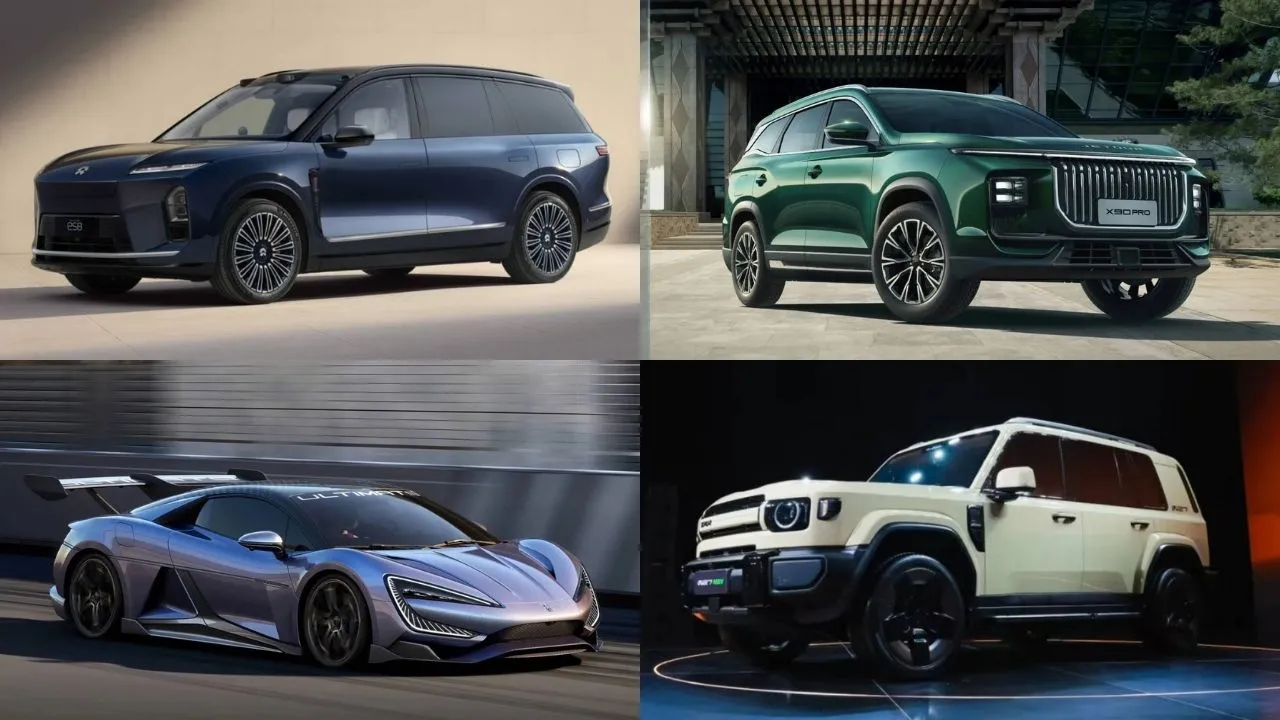
Understanding the true cost of acquisition requires moving beyond FOB (Free On Board) pricing to comprehensive landed cost modeling. The following table breaks down the complete financial architecture for importing a mid-size Chinese EV (BYD Seal or comparable) to the European Union in 2026.
Complete Landed Cost Calculation (Per Unit)
| Cost Component | Amount (USD) | Notes |
|---|---|---|
| EXW Factory Price | $28,500 | Base vehicle, standard range (550km CLTC) |
| Domestic Logistics | $450 | Factory to Shanghai Port (solar-powered trucking) |
| Export Documentation | $380 | CCC verification, battery passport, origin certificate |
| Ocean Freight (RoRo) | $1,850 | Shanghai to Rotterdam, carbon-neutral vessel |
| Marine Insurance | $285 | 110% of CIF value, all-risks coverage |
| Destination Port Charges | $620 | Unloading, customs processing, THC |
| EU Import Duty | $5,700 | 10% on CIF value (most-favored-nation rate) |
| VAT (19% Germany) | $7,125 | Calculated on (CIF + Duty) |
| Homologation/Type Approval | $2,400 | eCall system verification, software compliance |
| Local Transport | $340 | Port to dealership/warehouse |
| TOTAL LANDED COST | $47,650 | Ready for retail |
Critical Financial Considerations:
Currency Hedging: With RMB volatility against the Euro increasing (±4.2% fluctuation in Q4 2025), importers should negotiate USD-denominated contracts or utilize forward exchange agreements. Leading exporters now offer 90-day currency protection windows.
Payment Structure Optimization: The standard 30/70 split has evolved. For established relationships, 10/40/50 terms are emerging: 10% deposit, 40% upon vessel loading (with B/L copy), 50% at destination port. This aligns risk with logistics milestones.
Green Logistics Incentives: Vehicles shipped via certified carbon-neutral supply chains qualify for EU Green Deal import credits worth approximately €400-600 per unit, effectively reducing net landed costs.
Case Study: Volume Discount Scaling
| Volume Tier | Unit Price Discount | Shipping Rate |
|---|---|---|
| 1-10 units | Base price | $1,850/unit |
| 11-50 units | 3% reduction | $1,620/unit |
| 51-200 units | 6% reduction | $1,380/unit |
| 201+ units | 8% reduction + priority loading | $1,150/unit |
Note: Shipping rates reflect consolidated RoRo bookings. Containerized shipping (2-4 vehicles per 40HC) runs 15-20% higher but offers better protection for high-value luxury EVs.
5. Global Logistics: Ocean Freight & Battery Transport Compliance
The logistics landscape for 2026 has been fundamentally reshaped by green logistics mandates and battery safety protocols. With electric vehicles constituting over 35% of urban delivery fleets within China’s domestic logistics network, the export infrastructure has achieved unprecedented efficiency.
Transport Mode Selection
Roll-on/Roll-off (RoRo): Remains the gold standard for volume importers. Specialized EV carriers now feature climate-controlled decks (maintaining 15-25°C for battery stability) and segregated fire suppression zones. Transit time Shanghai-Rotterdam: 28-32 days.
Containerized (Racking Systems): Essential for markets requiring mixed cargo or high-value vehicles requiring enclosed protection. New collapsible EV racking systems allow 4 mid-size SUVs per 40HC container, maximizing space efficiency. Critical requirement: UN38.3 certification must be displayed on container exterior with emergency response contact protocols.
Battery Transport Compliance (IMDG Code):
Lithium-ion batteries classified as Class 9 Dangerous Goods require:
– State of Charge (SoC) between 30-50% during transport
– Thermal runaway detection systems in vehicle cabins during shipping
– Emergency response documentation in Mandarin, English, and destination language
– Segregation protocols: Minimum 3-meter separation from other dangerous goods
The Hybrid Model Implementation:
Leading Chinese exporters have deployed the “Overseas Warehouse + Dedicated Line + Local Delivery” architecture:
1. Pre-positioning: Inventory stocked in bonded warehouses (Rotterdam, Jebel Ali, Port Melbourne)
2. Dedicated Lines: Weekly chartered vessels from Shanghai to specific hubs, bypassing transshipment delays
3. Last Mile: Local EV-certified trucking networks handling final delivery with charging infrastructure support
This model reduces cash conversion cycles from 90 days to 21 days and enables local returns processing—a critical competitive differentiator in European markets where consumers demand 14-day return windows.
Carbon-Neutral Shipping: 2026 marks the mainstream adoption of methanol-fueled vessels and shore power integration at Chinese ports. Importers can now select “Green Lane” shipping with verified carbon offsets, meeting Scope 3 emissions requirements for corporate fleet buyers.
6. Localization & Homologation: Preparing Cars for Local Markets
The “localization gap” identified in 2026 market analysis represents the single greatest barrier to successful market entry. Chinese EVs arrive with superior hardware but require significant software and systems adaptation to meet local expectations.
Regional Homologation Requirements
| Market | Certification Standard | Key Requirements | Timeline | Cost (USD) |
|---|---|---|---|---|
| European Union | EU Type Approval (Whole Vehicle) | eCall emergency system, GDPR-compliant telematics, Euro NCAP alignment | 8-12 weeks | $12,000-25,000 |
| GCC (Gulf) | GCC Standardization Organization | Extreme climate testing (50°C+), Arabic language HMI, halal material certification | 4-6 weeks | $8,000-15,000 |
| Australia | ADR (Australian Design Rules) | Right-hand drive mandatory, local charger compatibility (Type 2), ANCAP safety | 6-8 weeks | $10,000-18,000 |
| Southeast Asia | ASEAN MRA | Tropical climate calibration, local language support, import tariff optimization | 3-5 weeks | $5,000-12,000 |
Software Localization Critical Path:
- Telematics Reconfiguration: Removal of Chinese-specific apps (Baidu Maps, WeChat integration) and installation of local navigation (Google Maps, Waze, HERE Technologies)
- Voice Recognition Training: Mandarin-trained NLP models require retraining for local accents and languages—typically 3-4 months of data collection
- OTA Infrastructure Migration: Establishing local servers for software updates to comply with data sovereignty laws
- Charging Protocol Alignment: CCS2 (Europe), CHAdeMO (Japan), GB/T (domestic China) hardware swaps or adapter provisioning
The Business Pace Challenge: European importers report friction in Chinese supplier response times regarding warranty claims and technical support. Successful localization requires establishing local technical liaison offices or partnering with exporters who maintain European service desks with Mandarin-speaking engineers.
Case Study: A UK importer failed to pre-configure GDPR-compliant data handling for their imported EV fleet. Upon arrival, vehicles could not legally connect to UK cellular networks for OTA updates, requiring a £2,400 per vehicle recall and reflash—emphasizing that homologation begins at the factory, not the destination.
7. After-Sales Ecosystem: Securing Parts and Service Abroad
The sustainability of an import operation depends entirely on after-sales viability. With Chinese EVs featuring proprietary battery architectures and integrated smart systems, traditional third-party service networks are often incapable of maintenance.
Parts Supply Chain Architecture
Critical Components Inventory Strategy:
| Component Category | Stocking Strategy | Lead Time | Margin Impact |
|---|---|---|---|
| High-wear items (Brake pads, filters) | Local warehouse, 90-day cover | 7-14 days | +15-20% |
| Battery modules | Regional hub, bonded stock | 45-60 days | +8-12% |
| Power electronics (Inverters, OBC) | Factory-direct, JIT | 30-45 days | +5-8% |
| Body & Chassis | On-demand, sea freight | 60-90 days | +3-5% |
Technical Training Imperatives:
– High-voltage safety certification: Technicians require Level 3 EV certification to handle 800V architectures common in 2026 Chinese models
– Diagnostic tool provisioning: Factory-level scan tools (costing $8,000-15,000) necessary for battery health monitoring and BMS updates
– Warranty claim processing: Establishing direct lines with Chinese OEM warranty departments, typically requiring Mandarin documentation support
The Regionalization Advantage: Leveraging the “China Plus One” supply chain evolution, smart importers are positioning regional parts hubs in Vietnam or Thailand—maintaining proximity to Chinese manufacturing while diversifying geopolitical risk. These hubs benefit from ASEAN free trade agreements while maintaining 7-day shipping lanes to major markets.
OTA Update Management: With vehicles receiving monthly software updates, importers must establish local server mirroring to ensure customers receive updates without cross-border data latency. Failure to maintain update currency results in degraded autonomous driving features and security vulnerabilities.
8. Avoiding Scams: How to Audit a Chinese EV Supplier
The explosive growth of Chinese EV exports has attracted fraudulent intermediaries and unauthorized trading companies. In 2026, supplier verification is not due diligence—it is survival.
Red Flag Detection Matrix
| Indicator | Legitimate Tier-1 Exporter | Fraudulent Trading Company |
|---|---|---|
| Business License | ” automobile sales and import/export” scope | Generic “trading” or “technology” scope |
| Factory Access | Immediate video call to production line | Excuses, stock photos only |
| Payment Terms | Corporate account with “Automobile” designation | Personal accounts, offshore shell companies |
| Documentation | Immediate CCC certificate provision | “Will provide after deposit” |
| Pricing | Within 5% of market range | 20-30% below market (bait pricing) |
Verification Protocol:
-
MIIT Database Check: Verify the Vehicle Identification Number (VIN) prefix against China’s Ministry of Industry and Information Technology database. Every legitimate export vehicle has a MIIT announcement number that must match the physical vehicle.
-
Factory Audit Checklist:
- Presence of dedicated export production line (separate from domestic market vehicles)
- Battery assembly certification (UN38.3 testing facilities on-site)
-
Export license verification with Ministry of Commerce registration number
-
Financial Verification:
- Request Audited financial statements (2024-2025) from Big Four accounting firms
- Verify registered capital (legitimate exporters maintain $10M+ RMB registered capital)
-
Check Alibaba Trade Assurance or equivalent escrow capability
-
Reference Verification:
- Demand bill of lading copies from recent shipments (verify vessel names with shipping lines)
- Contact previous buyers in your target market (not just “testimonials” provided by the seller)
Escrow Protection: Never transfer funds directly to factory accounts for initial orders. Utilize Sinosure (China Export & Credit Insurance Corporation) backed payment terms or third-party escrow services holding funds until goods are verified at port.
Case Study: A Central European buyer lost $340,000 to a “factory representative” who provided forged BYD documentation. The scammer operated a sophisticated website and virtual office in Shenzhen. Recovery was impossible because the buyer failed to verify the MIIT production license against the official government database—available publicly online.
9. Start Your Import Business with Electric Auto China
As Chief Export Consultant at Electric Auto China, headquartered in Shanghai’s Lingang New Area, I have guided over 200 international distributors through the complexities of China’s 2026 EV export landscape. Our operation represents the convergence of regulatory expertise, green logistics infrastructure, and Tier-1 manufacturer relationships necessary for successful market entry.
Our Compliance-First Value Proposition
Regulatory Guarantee: We maintain direct API connections with MIIT, CCC, and customs databases, ensuring every vehicle shipped carries pre-verified documentation for your target market. Our 2026 export license covers NEVs, PHEVs, and commercial electric vehicles across all voltage classes.
The Green Logistics Advantage: Through partnerships with COSCO’s methanol-fueled fleet and Shanghai’s solar-powered port facilities, we offer verified carbon-neutral supply chains—essential for EU importers facing CBAM (Carbon Border Adjustment Mechanism) requirements.
Financial Structuring: We facilitate RMB/USD/EUR tri-currency transactions with hedging options, and offer flexible financing for qualified buyers through China Development Bank export credit facilities.
Localization Support: Our technical team in Rotterdam and Dubai provides pre-shipment homologation, ensuring vehicles arrive market-ready with local language software, compatible charging hardware, and compliant telematics.
After-Sales Infrastructure: Access to our regional parts hubs in Vietnam (serving ASEAN), Poland (serving EU), and UAE (serving MENA), stocked with critical battery modules, power electronics, and high-wear components.
Next Steps for Qualified Importers
- Market Assessment: Schedule a consultation to analyze your target market’s homologation requirements and competitive landscape
- Sample Import: Initiate a 5-10 unit trial shipment utilizing our Rotterdam bonded warehouse facility
- Scale Partnership: Transition to volume pricing tiers with dedicated production line allocation and customized specifications
The 2026 Chinese EV export market rewards sophisticated operators who understand that price is only one variable in a complex equation of compliance, logistics, and localization. With domestic Chinese market saturation intensifying competition, the window for international buyers to secure favorable terms with top-tier manufacturers is narrowing.
Contact Electric Auto China today to secure your supply chain position before Q3 2026 production allocations fill. The future of automotive retail is electric, intelligent, and increasingly Chinese—but success belongs to those who navigate the transition with expert guidance.
Electric Auto China
Shanghai Lingang Headquarters | Rotterdam Logistics Hub | Dubai Regional Office
Your Gateway to the Best Chinese Car Exporter 2026
Unlock High-Margin EV Imports with Electric Auto China
As an elite automotive supply chain partner in Shanghai, we provide end-to-end, strictly compliant export solutions tailored for international dealerships, fleet managers, and wholesale distributors.
- 🛡️ 100% Legal & Compliant: Fully licensed exports ensuring smooth customs clearance at your destination.
- ⚙️ Complete Localization: Professional English/Arabic/Russian OS flashing and GB/T to CCS2 charging solutions.
- 🚢 Secure Logistics: Direct Ro-Ro and Containerized shipping with full UN38.3 battery certifications.
- 🔧 After-Sales Support: Reliable access to OEM diagnostic tools and steady spare parts supply.
Request a Detailed FOB/CIF Quote Today:
📧 B2B Sales Email: [email protected]
💬 Direct WhatsApp: +86 159 5127 6160