The Ultimate 2026 Importer’s Guide to Best Wholesale EV Deals
1. The Macro-Economics of Best Wholesale EV Deals in 2026
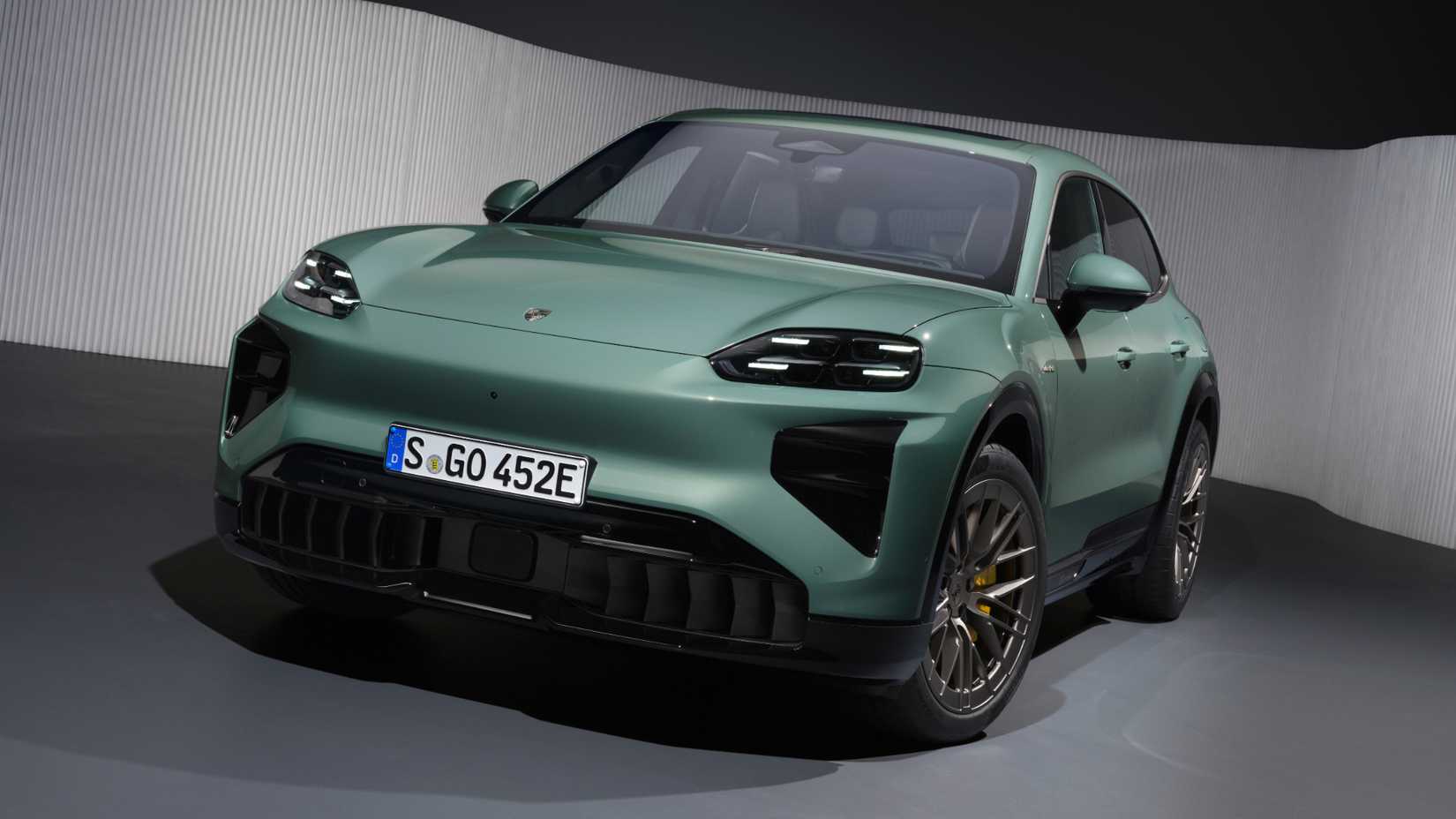
China’s automotive landscape has undergone a fundamental paradigm shift as we enter 2026. Having closed 2025 with record vehicle exports of approximately 7.1 million units—surpassing Japan as the world’s premier automotive exporter—China’s EV sector now operates within a radically different regulatory and economic framework. The domestic market, which saw total deliveries reach 34.4 million units in 2025 (up 9.4% year-over-year), has reached saturation point with new energy vehicles (NEVs) commanding 59.4% of new passenger car sales. This domestic saturation has catalyzed an aggressive pivot toward export-led growth, fundamentally altering how international buyers must approach wholesale procurement.
The “New Development Landscape” (NDL) shaping 2026 is characterized by three transformative vectors. First, product value upgrading has moved beyond commoditized manufacturing. Chinese exports now comprise sophisticated electric vehicles, renewable energy equipment, and advanced battery systems that compete on technology rather than price alone. European markets are reciprocating through industrial machinery and high-end component exchanges, creating a bilateral trade ecosystem where quality compliance supersedes cost arbitrage.
Second, multi-regional production networks have disrupted traditional single-origin supply chains. The “China Plus One” strategy, initially defensive, has evolved into integrated hybrid models where Chinese inputs undergo Southeast Asian assembly before European final customization. This triangulated approach reduces geopolitical concentration risks while maintaining China’s role as the central innovation node. For wholesale buyers, this means accessing vehicles that may originate from Indonesian or Thai assembly plants but retain Chinese technological DNA and cost structures.
Third, regulatory alignment pressure from European sustainability mandates—specifically the Corporate Sustainability Due Diligence Directive (CSDDD) and Carbon Border Adjustment Mechanism (CBAM)—is reshaping logistics decisions at origin. Exporters must now provide granular carbon disclosure documentation, sustainable packaging certifications, and supply chain due diligence reports. China’s logistics sector, having exceeded 350 trillion yuan in total value with 6.5% year-on-year growth, has responded by mandating that 35% of urban delivery fleets transition to electric vehicles and requiring solar-powered warehousing for export-oriented facilities.
For B2B importers, the implication is clear: the era of opportunistic, price-driven procurement has ended. The best wholesale EV deals in 2026 require sophisticated understanding of licensed export frameworks, carbon-compliant logistics, and multi-jurisdictional homologation strategies. With domestic Chinese sales projected to stagnate in 2026 while export volumes target 10 million annual units within five years, the market favors buyers who can navigate structural complexity rather than those seeking simple transactional advantages.
2. Understanding China’s Strict EV Export Regulations
January 1, 2026, marked a regulatory inflection point with the implementation of China’s Ministry of Commerce (MOFCOM) export licensing framework for electric vehicles. This mandate, designed to professionalize what had become a chaotic expansion phase, fundamentally restricts market access to accredited manufacturers and authorized dealers. Under the new regime, any entity seeking to export EVs from China must hold a valid Export License for Mechanical and Electrical Products, with specific sub-classifications for new energy vehicles.
The Licensing Architecture
The regulatory framework establishes a two-tier accreditation system:
Tier 1: Manufacturer Direct Export
– Original Equipment Manufacturers (OEMs) must demonstrate annual production capacity exceeding 10,000 units
– Compliance with ISO 9001 and IATF 16949 quality management systems
– Proof of after-sales service networks in target export markets
– Battery traceability documentation meeting UN 38.3 and Class 9 dangerous goods standards
Tier 2: Authorized Export Agents
– Trading companies must hold exclusive distribution agreements with Tier 1 manufacturers
– Minimum registered capital requirements of 50 million RMB (approximately $7.1 million USD)
– Demonstrated expertise in target market homologation standards
– Compliance with China’s Foreign Trade Law and anti-fraud provisions
Critically, these regulations explicitly prohibit the “gray market” practices that plagued 2024-2025, wherein new vehicles were fraudulently exported as “used” cars to bypass manufacturer export controls and regulatory scrutiny. This practice, which undermined brand integrity and left international buyers without warranty support, now carries severe penalties including license revocation and criminal liability for fraud.
Implications for Foreign Buyers
The licensing framework creates a bifurcated sourcing environment. Foreign manufacturers operating within China—including Tesla’s Shanghai Gigafactory, Volkswagen’s Anhui operations, and BMW’s Brilliance joint ventures—must now route exports through licensed channels rather than utilizing parallel export networks. This centralization ensures documentation integrity but may reduce pricing flexibility previously available through unauthorized brokers.
For European and North American importers, the regulatory alignment presents both challenges and opportunities. While compliance costs have increased—particularly regarding carbon disclosure and supply chain due diligence documentation—the elimination of gray market operators reduces counterparty risk. The best wholesale EV deals now require direct engagement with MOFCOM-registered entities, necessitating verification of export license numbers against the Ministry’s public registry before contract execution.
3. Sourcing Strategy: Direct Factory vs. Authorized Export Agents
Navigating China’s restructured export landscape requires strategic decisions regarding procurement channels. The post-January 2026 environment favors structured, long-term partnerships over transactional spot-buying, with distinct advantages emerging across two primary sourcing models.
Direct Manufacturer Engagement
Establishing direct relationships with Tier 1 licensed manufacturers—such as BYD, Geely, SAIC, and emerging players like Xiaomi and Leapmotor—offers maximum pricing transparency and customization potential. Under this model, buyers negotiate Ex-Works (EXW) or Free On Board (FOB) terms directly with OEM export divisions.
Advantages:
– Access to latest software configurations and OTA update capabilities
– Direct warranty chains eliminating intermediary liability gaps
– Customization options for market-specific homologation (charging standards, infotainment localization)
– Priority allocation during supply constraints
Constraints:
– High minimum order quantities (typically 100+ units for export markets)
– Extended lead times (90-120 days) due to production scheduling
– Requirement for sophisticated letter-of-credit arrangements
– Mandatory compliance with manufacturer’s export market restrictions
Authorized Export Agents
Tier 2 licensed agents serve as essential intermediaries for mid-volume buyers (10-99 units) or those seeking multi-brand portfolios. These entities aggregate demand across multiple OEMs, offering consolidated shipping and homologation services.
Advantages:
– Reduced MOQs through consolidated shipments
– Pre-certified vehicle pools already meeting target market regulations
– Integrated logistics services including RoRo charter and customs brokerage
– Multi-currency financing options and trade credit facilities
Constraints:
– Premium pricing (typically 3-7% above direct factory rates)
– Limited customization beyond pre-approved option packages
– Dependency on agent’s license status (requiring quarterly verification)
The Multi-Regional Alternative
Sophisticated buyers are increasingly leveraging the “China Plus One” production networks, sourcing vehicles from Chinese-owned assembly facilities in Thailand, Indonesia, or Hungary (such as BYD’s upcoming Hungarian facility). These vehicles, while manufactured outside mainland China, often qualify for favorable tariff treatment under EU-ASEAN or regional trade agreements, while maintaining Chinese technological specifications. This strategy mitigates geopolitical risks while preserving cost advantages, though it requires complex rules-of-origin documentation to prove compliance with trade agreement provisions.
4. Financial Mechanics: Pricing and Landed Costs

Understanding the true cost structure of Chinese EV imports requires moving beyond sticker prices to comprehensive landed cost modeling. The following framework details the financial architecture of 2026 wholesale transactions, incorporating new regulatory compliance costs and green logistics premiums.
Pricing Structure Hierarchy
Chinese EV exports operate across three primary Incoterms 2020 frameworks:
EXW (Ex Works): Buyer assumes all costs from factory gate, including Chinese export clearance and inland transport. Typical for direct OEM relationships with established logistics partners.
FOB (Free On Board): Seller delivers vehicles to port of departure (Shanghai, Ningbo, or Shenzhen) cleared for export. Most common for authorized agent transactions.
CIF (Cost, Insurance, Freight): Seller assumes costs to destination port, though risk transfers at origin port. Increasingly rare due to insurance complexities surrounding lithium-ion battery transport.
Landed Cost Calculation Model
The following table illustrates a typical landed cost breakdown for a mid-size electric SUV (e.g., BYD Seal U or equivalent) imported into the European Union under 2026 regulatory frameworks:
| Cost Component | Amount (USD) | Notes |
|---|---|---|
| Factory Gate Price | $22,000 | EXW basis, including manufacturer export license compliance |
| Export Documentation | $450 | MOFCOM license verification, VIN registration, origin certificates |
| Carbon Disclosure Audit | $180 | EU CBAM preliminary reporting and supply chain due diligence |
| Inland Transport (Factory to Port) | $320 | Electric truck mandate compliance for port delivery |
| Port Handling & THC | $650 | Shanghai/Ningbo terminal handling charges |
| Ocean Freight (RoRo) | $1,800 | 40-day route to Rotterdam/Hamburg; battery compliance surcharge included |
| Marine Insurance | $440 | Institute Cargo Clauses (A) plus battery-specific riders |
| Import Duty (10% EU MFN) | $2,570 | Based on CIF value; varies by HS code (8703.80 vs 8703.90) |
| Customs Clearance | $350 | Broker fees, customs entry, and inspection coordination |
| VAT (19-21% EU average) | $5,480 | Calculated on (CIF + Duty) value |
| Homologation & Type Approval | $2,200 | Whole Vehicle Type Approval (WVTA) testing and certification |
| Local Delivery | $280 | Final mile transport to distribution center |
| TOTAL LANDED COST | $36,720 | Representing 66.9% markup over factory gate |
Financial Risk Management
Currency volatility represents a significant exposure in 2026 transactions. With RMB fluctuation ranges expanding to ±8% annually, importers should utilize:
- Forward Exchange Contracts: Locking CNY/EUR or CNY/USD rates at contract signature
- Natural Hedging: Establishing RMB-denominated accounts for frequent traders
- Letter of Credit Structures: Irrevocable L/Cs with 90-120 day tenors matching production cycles
Additionally, the elimination of gray market “used car” exports has standardized payment terms. Legitimate wholesale transactions now typically require:
– 30% deposit upon contract execution and license verification
– 70% balance against Bill of Lading and export clearance documents
– 5-10% retention held in escrow pending homologation clearance in destination market
5. Global Logistics: Ocean Freight & Battery Transport Compliance
The logistics of EV export have evolved from standard automotive transport to specialized dangerous goods operations requiring sophisticated compliance frameworks. As China’s logistics sector implements mandatory green protocols, international buyers must navigate complex multimodal regulations.
Ocean Freight Modalities
Roll-on/Roll-off (RoRo): Remains the preferred method for finished vehicle transport, with specialized Pure Car and Truck Carriers (PCTCs) offering climate-controlled decks for battery preservation. However, 2026 regulations now mandate that ocean carriers provide:
– Battery state-of-charge monitoring (maintained between 30-50% for transport safety)
– Thermal runaway detection systems in vehicle decks
– Segregation protocols separating EVs from flammable cargo
Containerized Transport: Growing in popularity for high-value or customized vehicles, utilizing 40′ High Cube containers with specialized racking. Requires enhanced dangerous goods declarations and often commands 15-20% freight premiums over RoRo.
Battery Transport Compliance
Lithium-ion batteries exceeding 100Wh (all EV traction batteries) fall under UN 3480 (standalone) or UN 3171 (vehicle-integrated) dangerous goods classifications. Compliance requirements include:
- UN 38.3 Testing Certification: Proof that battery cells have passed altitude simulation, thermal cycling, vibration, shock, and short-circuit testing
- Class 9 Dangerous Goods Labeling: Proper marking and documentation for maritime transport
- Emergency Response Documentation: Detailed procedures for thermal runaway incidents, including firefighting protocols (water immersion vs. chemical suppression)
- State of Charge Limitations: Maximum 30% charge for standalone batteries; 50-75% for vehicle-integrated systems
Green Logistics Integration
China’s dual carbon goals have transformed export logistics from cost center to competitive differentiator. Sustainable logistics options now include:
- Carbon-Neutral Shipping: Maersk, COSCO, and CMA CGM offer verified carbon offset programs for automotive routes, adding approximately $45-60 per vehicle but providing EU CBAM compliance documentation
- Solar-Powered Warehousing: Export processing zones in Shanghai Lingang and Shenzhen Qianhai now operate 100% renewable energy facilities, reducing Scope 3 emissions for carbon-conscious buyers
- Electric Port Logistics: Mandatory electrification of port handling equipment and drayage trucks at major export gateways, reducing particulate emissions and associated carbon tariffs
For importers targeting European markets, selecting logistics partners with ISO 14001 environmental management certifications and verified carbon disclosure frameworks is no longer optional—it is prerequisite for market access under the EU’s evolving supply chain due diligence requirements.
6. Localization & Homologation: Preparing Cars for Local Markets
Wholesale EV procurement extends beyond physical delivery to comprehensive market adaptation. Chinese EVs, while technologically advanced, require significant localization to meet regulatory and consumer expectations in target markets.
Regulatory Homologation Pathways
European Union (WVTA): Whole Vehicle Type Approval under EU 2018/858 requires:
– EMC (Electromagnetic Compatibility) testing to ECE R10
– Cybersecurity management systems (UN R155) and software update capabilities (UN R156)
– Pedestrian safety and crash testing to Euro NCAP protocols
– Battery safety certification to UN ECE R100 (Rev. 3)
GCC (Gulf Cooperation Council): Requires adaptation to extreme heat conditions (50°C+ ambient testing) and specific EMS (Electromagnetic Susceptibility) standards for desert environments.
ASEAN Markets: Generally accept UN Regulations but require right-hand drive (RHD) conversion for markets including Indonesia, Thailand, Malaysia, and Australia—a significant modification requiring steering rack, dashboard, and software mirror-image reconfiguration.
Technical Localization Requirements
Charging Infrastructure Compatibility:
– CCS2 Combo: Required for European markets (DC fast charging up to 350kW)
– CHAdeMO: Declining but still required for Japanese and some ASEAN markets
– GB/T to CCS2 Adapters: Temporary solutions for early imports, though OEMs increasingly offer native CCS2 configurations for export markets
Software and Connectivity:
– OTA Update Servers: Must be migrated from Chinese cloud infrastructure to regional servers (AWS Frankfurt, Azure EU, etc.) to comply with data sovereignty laws (GDPR, etc.)
– Navigation and Infotainment: Removal of Baidu Maps and integration of local mapping services (Google Maps, HERE, TomTom)
– Language Localization: Complete UI/UX translation beyond basic menu items to include voice recognition training for local accents and dialects
Telematics and Data Compliance:
– eCall Systems: Mandatory automatic emergency call systems for EU markets (112 dialing)
– Data Privacy: GDPR compliance requiring explicit consent for vehicle data collection and the right to data deletion
Successful importers engage homologation consultants early in the procurement process, budgeting $2,000-$4,000 per vehicle type for comprehensive certification and software adaptation.
7. After-Sales Ecosystem: Securing Parts and Service Abroad
The transition from import transaction to sustainable retail operation depends entirely on after-sales infrastructure. Chinese EVs, with their high software dependency and unique battery architectures, require specialized service networks that differ fundamentally from legacy internal combustion engine support systems.
Parts Supply Chain Architecture
Critical Spare Parts Categories:
1. High-Voltage Components: Battery modules, inverters, electric motors (long lead times: 60-90 days)
2. Software-Dependent Hardware: ADAS sensors, ECUs, infotainment screens (requires VIN-specific programming)
3. Wear Items: Brake pads (regenerative braking reduces wear but unique formulations required), tires (EV-specific load ratings), wiper blades
Inventory Strategy:
– Central Regional Warehousing: Maintaining 90-day inventory of critical powertrain components in bonded warehouses (Rotterdam for EU, Dubai for MEA, Singapore for ASEAN)
– Vendor Managed Inventory (VMI): Arrangements where Chinese OEMs maintain consignment stock at importer facilities, with payment due only upon consumption
– Emergency Air Freight Protocols: For catastrophic battery failures or accident repairs, utilizing UN 3480 compliant air cargo (limited to 30% SOC) with 5-7 day delivery windows
Technical Training and Certification
Chinese OEMs increasingly require authorized service centers to complete manufacturer-specific training programs:
– High-Voltage Safety Certification: Level 3 and 4 electrical safety for technicians working on 400V-800V systems
– Battery Diagnostics: Usage of proprietary BMS (Battery Management System) diagnostic tools and thermal imaging for cell-level fault detection
– OTA Update Management: Procedures for failed update recovery and rollback protocols
Warranty Administration
Cross-border warranty management requires sophisticated financial instruments:
– Warranty Trust Accounts: Escrow funds held in destination countries to cover potential claims without currency repatriation delays
– Goodwill Policies: Negotiated coverage for gray market vehicles (increasingly rare post-2026) or goodwill repairs outside standard terms
– Battery Degradation Guarantees: Specific coverage for capacity retention (typically 70% remaining capacity after 8 years/160,000km), requiring standardized testing protocols
8. Avoiding Scams: How to Audit a Chinese EV Supplier
The regulatory tightening of 2026 has eliminated many fraudulent operators, but sophisticated scams persist, particularly targeting first-time importers unfamiliar with China’s new licensing requirements.
The “Used Car” Export Scam (High Risk)
The most prevalent fraud involves vehicles fraudulently declared as “used” or “second-hand” to bypass manufacturer export controls and MOFCOM licensing requirements. These vehicles:
– Are technically new (often <100km odometer) but registered temporarily in China to obtain used vehicle documentation
– Lack manufacturer warranty support in destination markets
– Carry outdated software versions incompatible with international OTA updates
– May feature Chinese-specific hardware (GB/T charging only) unsuitable for export markets
Verification Protocol:
1. VIN Analysis: Check 4th-8th digits (WMI) against manufacturer export databases; export models feature distinct model codes
2. Certificate of Origin Scrutiny: Legitimate exports carry “New Vehicle” certificates; inspect for alteration or “Used” designations on otherwise current model year vehicles
3. Software Version Audit: Verify infotainment system language options and navigation databases; gray market vehicles often display Chinese-only interfaces
License Verification Procedures
MOFCOM Registry Check:
– Request the supplier’s “Export License for Mechanical and Electrical Products” number
– Verify against MOFCOM’s public export enterprise registry (available through provincial commerce bureaus)
– Confirm the license specifically includes “New Energy Vehicles” (HS Codes 8703.80, 8703.90) rather than general automotive parts
Factory Authorization Letters:
– For agent-based transactions, demand notarized letters of authorization from OEMs
– Verify authorization scope (specific models, target markets, time validity)
– Cross-reference agent’s business license scope with authorized activities
Financial Due Diligence
Red Flags:
– Demands for payment to personal accounts or offshore entities unrelated to the contracting party
– Unwillingness to accept Letter of Credit payment terms (insisting on wire transfers)
– Pricing significantly below market rates (>15% discount from published export pricing)
Secure Transaction Structures:
– Utilize escrow services (Alibaba Trade Assurance, Sinosure-backed instruments) for initial transactions
– Conduct factory audits through third-party inspection agencies (SGS, Bureau Veritas, TÜV Rheinland) before deposit payment
– Require video verification of vehicle VINs, software versions, and physical condition prior to Bill of Lading issuance
9. Start Your Import Business with Electric Auto China
As Chief Export Consultant at Electric Auto China, headquartered in Shanghai’s Lingang New Area, I have guided European, Middle Eastern, and Latin American fleet operators through the complexities of China’s 2026 regulatory landscape. Our consultancy specializes in bridging the gap between China’s sophisticated manufacturing ecosystem and international buyers’ compliance requirements.
Our Compliance-First Approach
Electric Auto China operates exclusively within MOFCOM’s licensed export framework, maintaining Tier 2 authorization with direct supply agreements to BYD, Geely, SAIC, and emerging premium brands. We provide:
- Regulatory Navigation: Complete handling of export licensing, carbon disclosure documentation, and supply chain due diligence reporting required under EU CSDDD and CBAM frameworks
- Multi-Regional Sourcing: Access to China-plus-ASEAN production networks, allowing tariff optimization and geopolitical risk mitigation
- Integrated Logistics: Door-to-door management including UN 38.3 compliant battery transport, RoRo charter services, and green logistics options with verified carbon offsets
- Homologation Management: Turnkey WVTA, GCC, and ASEAN type approval services, including software localization and right-hand drive conversion
- Financial Structuring: RMB hedging instruments, Sinosure-backed credit facilities, and escrow arrangements protecting buyer deposits
Strategic Partnership Model
We reject the transactional spot-market approach that dominated 2024-2025. Instead, Electric Auto China establishes annual framework agreements with qualified buyers, providing:
– Fixed pricing protocols protecting against RMB volatility and freight fluctuations
– Priority production allocation during supply constraints
– Dedicated after-sales support including regional parts warehousing and technical training
– Market exclusivity arrangements for specific territories or fleet segments
The best wholesale EV deals in 2026 are not found through price arbitrage or gray market channels—they are built through compliant, sustainable partnerships that acknowledge China’s evolution from manufacturing workshop to technology exporter. As the industry targets 10 million annual exports within five years, the winners will be those who master the intersection of regulatory compliance, green logistics, and localized service delivery.
Contact Electric Auto China today to schedule a consultation on building your compliant EV import operation for the 2026 market reality.
Unlock High-Margin EV Imports with Electric Auto China
As an elite automotive supply chain partner in Shanghai, we provide end-to-end, strictly compliant export solutions tailored for international dealerships, fleet managers, and wholesale distributors.
- 🛡️ 100% Legal & Compliant: Fully licensed exports ensuring smooth customs clearance at your destination.
- ⚙️ Complete Localization: Professional English/Arabic/Russian OS flashing and GB/T to CCS2 charging solutions.
- 🚢 Secure Logistics: Direct Ro-Ro and Containerized shipping with full UN38.3 battery certifications.
- 🔧 After-Sales Support: Reliable access to OEM diagnostic tools and steady spare parts supply.
Request a Detailed FOB/CIF Quote Today:
📧 B2B Sales Email: [email protected]
💬 Direct WhatsApp: +86 159 5127 6160