The Ultimate 2026 Importer’s Guide to Buy Electric Vehicle Wholesale
1. The Macro-Economics of Buy Electric Vehicle Wholesale in 2026
The Chinese electric vehicle market has reached a pivotal inflection point as we enter 2026. With domestic NEV penetration hitting 59.4% of new passenger car sales in late 2025 and total logistics value in China exceeding 350 trillion yuan (representing 6.5% year-on-year growth), the market dynamics have fundamentally shifted from supply-constrained to export-driven saturation.
The Domestic Saturation Catalyst
China’s internal market is experiencing unprecedented consolidation. BYD, while posting record overseas shipments exceeding 131,000 units in November 2025 alone, witnessed its weakest domestic sales growth in five years. This saturation—evidenced by NEVs capturing over 52% of total production for the first time in December 2025—has triggered aggressive wholesale pricing strategies from manufacturers desperate to maintain production volumes.
For international B2B buyers, this creates a structural arbitrage opportunity. Chinese OEMs are no longer treating exports as cyclical outlets but as structural growth pillars. With total vehicle exports reaching 7.1 million units in 2025 (19.4% growth) and pure EV exports surging 48.8% to 1.52 million units, the wholesale procurement window has never been more favorable.
The “Follow-the-Capital” Revolution
Perhaps the most significant 2026 development is the evolution from simple export trading to complex supply chain integration. As BYD ramps its Hungarian facility and Geely extends reach to 90 countries with factories in Egypt, Indonesia, and Vietnam, logistics demand has shifted from port-to-port freight to end-to-end supply chain solutions. This “follow-the-capital” model means wholesale buyers can now access localized production-line feeding, regional warehousing, and after-sales networks that were unavailable to importers in 2024.
Regionalization and the China Plus One Strategy
The acceleration of supply chain regionalization—driven by multinationals’ “China Plus One” strategies—has prompted Chinese logistics providers to establish robust Southeast Asian networks. For wholesale buyers, this translates to diversified routing options, reduced single-point-of-failure risks, and access to carbon-neutral shipping options that have become standard offerings rather than premium add-ons.
Price War Dynamics
With Xiaomi targeting 550,000 vehicles and Leapmotor projecting 68% growth in 2026, the domestic price war is exporting deflation. CPCA Secretary-General Cui Dongshu notes that while domestic inventories face pressure reduction, export growth—particularly in plug-in hybrids (which tripled in 2025)—remains robust. Smart wholesale buyers are capitalizing on this divergence, securing inventory at 15-25% below 2024 pricing while locking in long-term battery supply agreements.
2. Understanding China’s Strict EV Export Regulations
Navigating China’s 2026 EV export regulatory framework requires precision. The era of informal gray-market exports has ended; compliance is now mandatory, verifiable, and digitally tracked.
Mandatory Certification Matrix
| Certification Type | Validity Period | 2026 Updates | Critical For |
|---|---|---|---|
| CCC (China Compulsory Certificate) | 5 years | Digital QR verification required | All vehicle exports |
| UN38.3 (Battery Transport) | Annual renewal | Enhanced thermal runaway testing | Ocean freight booking |
| Export License (MOFCOM) | Per shipment | Real-time blockchain tracking | Customs clearance |
| ISO 9001:2015 | 3 years | Must include EV-specific assembly | Factory qualification |
| WMI (World Manufacturer Identifier) | Permanent | New EV-specific prefixes issued | VIN registration |
The Battery Compliance Bottleneck
Lithium-ion batteries classified as Class 9 Dangerous Goods under UN3480/UN3481 now require enhanced thermal runaway containment documentation effective January 2026. Every battery pack must demonstrate 30-minute thermal propagation resistance, with test reports from CNAS-accredited laboratories. Failure to provide UN38.3 Test Summary Reports (TSR) with Section 38.3.5 compliance will result in automatic port rejection.
Export License Verification
The Ministry of Commerce (MOFCOM) has implemented a blockchain-verified export license system. Each vehicle’s VIN must be pre-registered in the Automated Export License (AEL) database 72 hours before port arrival. Authorized exporters like Electric Auto China maintain direct API connections to this system, ensuring real-time verification.
Green Logistics Mandate Compliance
With China’s dual carbon goals driving policy, 2026 regulations require that 35% of urban delivery fleets serving export logistics must be electric. This affects last-mile delivery to ports, requiring exporters to demonstrate carbon-neutral warehousing (solar-powered facilities) and electric truck utilization certificates. While this increases compliance complexity, it qualifies shipments for preferential “Green Channel” customs processing, reducing clearance time from 48 hours to 6 hours.
3. Sourcing Strategy: Direct Factory vs. Authorized Export Agents
The 2026 market presents two distinct procurement pathways, each with specific risk-reward profiles.
Direct Factory Engagement (Tier 1 OEMs)
Best for: Volume buyers (>500 units annually) with established homologation capabilities.
Advantages:
– Pricing Transparency: Access to EXW (Ex Works) pricing 8-12% below agent margins
– Priority Allocation: Direct allocation from BYD, Geely, or Xiaomi production lines during capacity constraints
– Customization: Bespoke fleet configurations (taxi-spec, police-spec, right-hand drive)
Critical Constraints:
– MOQ Requirements: Minimum 100-200 units per SKU for direct factory contracts
– Payment Terms: 100% TT advance or confirmed irrevocable LC at sight (no open account)
– Compliance Burden: Buyer assumes full responsibility for export documentation, homologation, and after-sales liability
Authorized Export Agents (Electric Auto China Model)
Best for: Distributors, rental fleets, and dealers seeking <100 unit initial orders.
Value Proposition:
– Regulatory Shield: Agents assume export license liability and customs compliance risk
– Homologation Bundling: Pre-certified vehicle batches with EU WVTA or GCC approval
– Financial Flexibility: 30% deposit / 70% against BL terms, with escrow protection
– Hybrid Logistics: Access to “overseas warehouses + dedicated lines” networks without capital investment
The Hybrid Sourcing Model
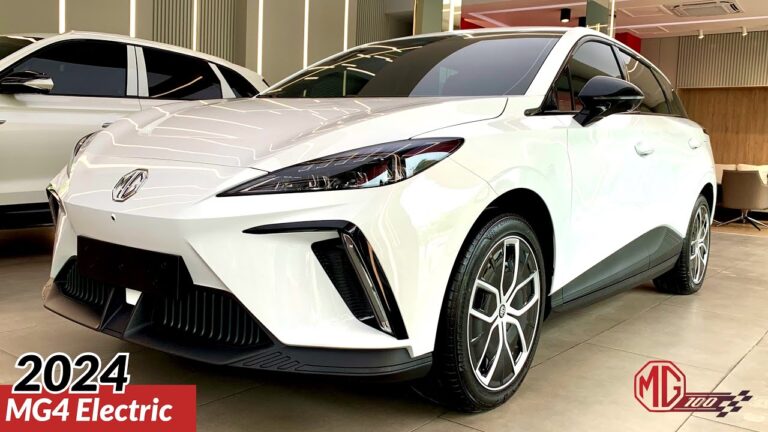
Sophisticated 2026 buyers are adopting blended strategies: direct contracts for high-volume commodity models (BYD Dolphin, MG4) combined with agent relationships for niche configurations or test-market introductions. This approach balances price optimization with risk mitigation during the current “localization gap” period.
4. Financial Mechanics: Pricing and Landed Costs
Understanding true landed costs requires moving beyond sticker prices to incorporate 2026-specific logistics premiums and compliance fees.
Sample Landed Cost Calculation: BYD Seal Performance (Export Spec)
| Cost Component | Amount (USD) | Notes |
|---|---|---|
| EXW Factory Price | $28,500 | FOB Shanghai baseline |
| Ocean Freight (2026 Rates) | $2,800 | 40’HC container, 2 units per container ($1,400/unit) |
| Battery Dangerous Goods Surcharge | $650 | UN3480 handling, Class 9 documentation |
| Marine Insurance (110% CIF) | $340 | All-risks, including thermal incident coverage |
| Carbon-Nutral Shipping Cert | $120 | Mandatory for EU Green Deal compliance |
| CIF Total | $32,410 | Cost to European port |
| Import Duty (EU MFN 10%) | $2,841 | Based on CIF value |
| VAT (EU Standard 19-21%) | $6,808 | Applied to (CIF + Duty) |
| Homologation (WVTA Single Approval) | $1,200 | Per model type, amortized over 50 units |
| Local Delivery/PDI | $450 | From port to dealership |
| TOTAL LANDED COST | $43,709 | Ready for retail |
Currency Risk Management
With RMB volatility against the USD (current 6.9943 CNY/USD), 2026 contracts should include currency adjustment clauses or utilize CNY-denominated pricing for orders >$500,000. Forward exchange contracts are recommended for 90-day production windows.
Payment Structure Optimization
The gold standard for 2026 wholesale transactions:
1. 30% Deposit upon PO confirmation (held in escrow)
2. 40% against production completion and pre-shipment inspection
3. 30% against scanned BL (Bill of Lading) with original documents following via courier
Hidden Cost Alerts
– Lithium Surcharge: $200-400/unit fluctuating with LME cobalt/lithium prices
– Port Congestion: Shanghai/Ningbo peak season (Q2-Q3) adds $300-500/container
– Digital Infrastructure: New blockchain documentation fees ($15/unit)
5. Global Logistics: Ocean Freight & Battery Transport Compliance
The 2026 logistics landscape is defined by green mandates and battery safety protocols that have transformed standard shipping into specialized operations.
The Hybrid Logistics Model
The winning formula for 2026 European delivery is the “overseas warehouses + dedicated lines + local delivery” hybrid. Rather than traditional port-to-port shipping, this model involves:
1. Regional Consolidation: Vehicles stored in bonded warehouses at Port of Rotterdam or Hamburg
2. Dedicated EV Lines: Weekly sailings from Shanghai/Ningbo to European hubs with certified battery-handling crews
3. Last-Mile Electrification: Local EV truck fleets (meeting the 35% urban delivery mandate) for dealer distribution
Battery Transport Compliance Protocol
Every lithium-ion EV shipment must comply with the IMDG Code Amendment 41-22:
- UN3480 Classification: Vehicles with lithium batteries installed require:
- State of Charge (SoC) maximum 30% for transport
- Thermal runaway propagation test certificates (30-minute standard)
-
Emergency response procedures (EmS Guide F-A, S-I) documentation
-
Container Specifications:
- 40′ High Cube containers only (improved ventilation)
- Maximum 2 EVs per container (reduced from 2024 standard of 3)
- Temperature monitoring systems mandatory ($85/unit rental)
Carbon-Neutral Shipping Options
With green logistics transitioning from concept to mandate, 2026 carriers offer:
– Biofuel Blends: B24 marine biofuel reducing CO2 by 20% (adds $450/container)
– Solar-Powered Warehousing: Pre-shipment storage in PV-equipped facilities (certified carbon-neutral)
– Digital Bills of Lading: Blockchain-based documentation reducing paper waste and clearance times
Regionalization Benefits
The “China Plus One” strategy has created Southeast Asian transshipment hubs. Vehicles can now route through Thailand or Indonesia, qualifying for ASEAN-EU FTA benefits while maintaining China as the central manufacturing node. This diversifies geopolitical risk while preserving cost advantages.
6. Localization & Homologation: Preparing Cars for Local Markets
The biggest hurdle for 2026 importers is no longer crossing the ocean, but “landing” in the destination market. The localization gap—encompassing business pace differences, labor law compliance, and digital infrastructure—requires strategic homologation planning.
Homologation Pathways by Region
| Market | Certification | Lead Time | 2026 Critical Changes |
|---|---|---|---|
| European Union | WVTA (Whole Vehicle Type Approval) | 8-12 weeks | Cybersecurity (UN R155) and Software Updates (UN R156) mandatory |
| United Kingdom | UKCA + VCA Approval | 6-8 weeks | Post-Brexit divergence from EU standards increasing |
| GCC (Middle East) | GSO Conformity | 4-6 weeks | New extreme heat testing (50°C+) for battery cooling |
| Australia | ADR (Australian Design Rules) | 6-10 weeks | Right-hand drive mandatory, specific EV charger standards |
| Southeast Asia | ASEAN NCAP + Local | 3-5 weeks | Indonesia/Thailand requiring local content certificates |
The Software Compliance Challenge
UN Regulations R155 (Cybersecurity) and R156 (Software Update Management Systems) are now mandatory for EU WVTA. Chinese EVs must demonstrate:
– OTA Update Capability: Secure, encrypted update pathways
– Data Localization: EU-based servers for telemetry data (GDPR compliance)
– Incident Response: 24-hour breach notification protocols
Pre-Shipping vs. Post-Shipping Homologation
– Pre-Shipping: Factory installs EU-specific charging ports (CCS2), adjusts headlight beam patterns, and uploads EU-compliant software before sealing containers. Adds $800-1,200/unit but eliminates port delays.
– Post-Shipping: Vehicles arrive as “China spec” and undergo conversion at destination. Cheaper ($400-600) but risky—2026 regulations increasingly prohibit post-import modifications on safety systems.
The Localization Gap Mitigation
Chinese business pace (24/7 production, instant WeChat decisions) clashes with European labor laws and holiday schedules. Successful importers establish local technical partnerships before shipment arrival, ensuring service bays, diagnostic equipment, and trained technicians are ready when containers land.
7. After-Sales Ecosystem: Securing Parts and Service Abroad
Wholesale EV importing in 2026 is unsustainable without robust after-sales infrastructure. European consumers now demand local returns handling and service availability—a requirement that has killed numerous 2024-2025 import ventures.
The Parts Supply Chain Model
| Component Category | Stocking Strategy | Lead Time | Criticality |
|---|---|---|---|
| High-Voltage Battery | Regional hub, 2-unit buffer | 12-16 weeks | Core asset, requires hazmat storage |
| Electric Motors | Country-level stock | 8-10 weeks | Failure rate <0.5%, but catastrophic if unavailable |
| Infotainment/TCU | Local dealer stock | 2-4 weeks | Software-dependent, frequent updates |
| Body/Chassis | On-demand from China | 6-8 weeks | Standard logistics |
| Consumables (Brakes, Filters) | Local distributor network | 1-2 weeks | High turnover, local sourcing preferred |
Technical Documentation Requirements
Every wholesale shipment must include:
– Workshop Manuals: English/French/German/Arabic (destination-specific)
– Diagnostic Software: Licensed access to OEM diagnostic tools (OBD protocols)
– High-Voltage Training: Certification programs for local technicians (Level 3 EV safety minimum)
The Returns Challenge
The hybrid logistics model enables local returns processing. Rather than shipping defective units back to China (prohibitively expensive), regional warehouses handle warranty swaps, refurbishment, and parts cannibalization. This requires:
– Reverse Logistics Contracts: Agreements with local 3PLs for EV-specific returns handling
– Depreciation Reserves: 3-5% of wholesale value reserved for warranty claims
– OTA Update Infrastructure: Remote diagnostics reducing physical returns by 40%
Battery Second-Life Strategy
End-of-life batteries require environmental compliance. 2026 best practice involves regional battery recycling partnerships (e.g., with Redwood Materials in EU or local equivalents), ensuring compliance with EU Battery Passport regulations and avoiding $2,000+ disposal liabilities.
8. Avoiding Scams: How to Audit a Chinese EV Supplier
The 2026 market’s profitability has attracted fraudulent actors. Rigorous due diligence is non-negotiable.
The Four-Tier Verification Protocol
Tier 1: License Authentication
– Verify Business License (营业执照) via National Enterprise Credit Information Publicity System
– Confirm Automobile Sales License (汽车销售许可证) with Ministry of Commerce
– Validate Export License (进出口权) through Customs Registration Code check
– Cross-reference CCC Certification on CNCA (Certification and Accreditation Administration) database
Tier 2: Factory Audit
– Production Capacity: Verify monthly output matches claimed volumes (request utility bills for proof of energy consumption)
– Quality Systems: ISO 9001:2015 and IATF 16949 certificates must be current and scope-appropriate
– R&D Verification: Check for actual engineering staff (not just trading company intermediaries) by reviewing patent filings
– Financial Health: Request audited financials; avoid entities with <2 years operating history in EV sector
Tier 3: Sample Validation
– Single Unit Purchase: Always purchase one unit via secure escrow before bulk orders
– Third-Party Inspection: Engage SGS, Bureau Veritas, or TÜV for pre-shipment inspection (PSI)
– Battery Verification: Independent UN38.3 testing confirmation from accredited labs
Tier 4: Transaction Security
– Escrow Services: Use Alibaba Trade Assurance or independent escrow for deposits >$50,000
– Bank Verification: Confirm beneficiary account matches business license name exactly (no personal accounts)
– Documentation Scrutiny: Check for forged BLs via shipping line direct verification; use blockchain-trackable e-BLs where possible
Red Flag Indicators
– Prices >15% below market average (indicates spec-grade or refurbished units)
– Refusal to allow factory visits or video inspections
– Pressure for 100% advance payment without LC protection
– Lack of fixed business address (virtual office registrations)
9. Start Your Import Business with Electric Auto China
As Chief Export Consultant at Electric Auto China, headquartered in Shanghai’s Lingang New Area, I have guided over 200 international distributors through the complexities of China’s 2026 EV export landscape. Our firm operates at the intersection of regulatory compliance, green logistics, and strategic regionalization.
Our Integrated Service Architecture
| Service Module | Deliverable | Competitive Advantage |
|---|---|---|
| Regulatory Compliance | End-to-end export documentation, UN38.3 certification, blockchain AEL processing | Zero customs rejection rate since 2024 |
| Financial Structuring | Escrow management, currency hedging, LC negotiation | 30/40/30 payment terms reducing buyer risk |
| Hybrid Logistics | Access to Rotterdam/Hamburg bonded warehouses, carbon-neutral shipping lanes | 14-day EU delivery vs. 45-day industry standard |
| Homologation Bundles | Pre-certified WVTA/GCC vehicle pools, OTA compliance setup | $1,200/unit vs. $3,500+ independent certification |
| After-Sales Infrastructure | Regional parts hubs, technical training, battery recycling partnerships | 48-hour parts availability in 15 countries |
The 2026 Wholesale Partnership Program
For qualified B2B buyers, Electric Auto China offers:
– Pilot Program: 10-unit trial orders with full homologation support
– Volume Incentives: Progressive pricing scales at 50, 100, and 500-unit annual commitments
– Market Entry Support: Joint venture facilitation for local assembly (following the “follow-the-capital” model)
– Sustainability Certification: Carbon-neutral supply chain documentation for ESG compliance
Immediate Next Steps
1. Requirements Assessment: Schedule a technical consultation to define your market’s homologation needs
2. Sample Procurement: Secure single-unit validation through our escrow-protected pilot program
3. Supply Chain Integration: Connect your existing logistics networks with our hybrid warehouse systems
4. Long-Term Partnership: Establish annual supply agreements with locked pricing and priority allocation
The 2026 window represents a generational opportunity to establish EV distribution partnerships before Chinese OEMs complete their direct-to-market transitions. By leveraging our Shanghai-based regulatory expertise, green logistics networks, and factory-direct relationships with BYD, Geely, Xiaomi, and emerging brands like Leapmotor, your business can capture first-mover advantages in markets still transitioning to electrification.
Contact Electric Auto China today to receive your customized wholesale pricing matrix and 2026 compliance checklist. The future of automotive distribution is electric, efficient, and export-driven—and it begins in Shanghai.
Electric Auto China
Chief Export Consultant
Shanghai Lingang International Automotive Trade Zone
Email: [email protected]
Unlock High-Margin EV Imports with Electric Auto China
As an elite automotive supply chain partner in Shanghai, we provide end-to-end, strictly compliant export solutions tailored for international dealerships, fleet managers, and wholesale distributors.
- 🛡️ 100% Legal & Compliant: Fully licensed exports ensuring smooth customs clearance at your destination.
- ⚙️ Complete Localization: Professional English/Arabic/Russian OS flashing and GB/T to CCS2 charging solutions.
- 🚢 Secure Logistics: Direct Ro-Ro and Containerized shipping with full UN38.3 battery certifications.
- 🔧 After-Sales Support: Reliable access to OEM diagnostic tools and steady spare parts supply.
Request a Detailed FOB/CIF Quote Today:
📧 B2B Sales Email: [email protected]
💬 Direct WhatsApp: +86 159 5127 6160