The Ultimate 2026 Importer’s Guide to byd electric car price in china
1. The Macro-Economics of byd electric car price in china in 2026
As we navigate through 2026, China’s logistics and supply chain market continues to demonstrate remarkable resilience, with total logistics value exceeding 350 trillion yuan and representing a year-on-year increase of approximately 6.5%. This economic backdrop fundamentally shapes the pricing architecture for BYD electric vehicles and the broader Chinese EV export ecosystem.
The Cost Advantage Reality
According to the International Energy Agency (IEA), producing electric vehicles in China costs significantly less than in advanced economies, largely due to large-scale manufacturing and deep vertical integration. For foreign B2B buyers analyzing byd electric car price in china, this translates to tangible competitive advantages:
- Component Cost Gap: Lower costs for components account for nearly 40% of the manufacturing cost differential for EVs compared to European production
- Battery Economics: Average battery cell prices remain more than 30% lower than in Europe and over 20% lower than in the United States
- Integrated Supply Chains: Unlike European markets that import a higher share of battery components, China retains integrated supply chains across both battery and vehicle manufacturing technologies
Domestic Stagnation vs. Export Surge
The China Passenger Car Association (CPCA) reports that domestic car sales may stagnate in 2026, potentially marking the worst year since 2020’s pandemic disruption. However, this domestic pressure creates favorable export conditions:
January-February 2026 Export Performance:
– Battery Electric Vehicles (BEV): 377,000 units exported (100% year-on-year growth)
– Plug-in Hybrid Vehicles (PHEV): 206,000 units exported (120% year-on-year growth)
– Total Vehicle Exports: 1.352 million units (48.4% year-on-year jump)
This export surge, while CPCA Secretary-General Cui Dongshu notes may trend down later in 2026 due to weaker global electric car outlooks and falling oil prices, currently positions BYD and other Chinese manufacturers as aggressive price competitors seeking international market share.
Product Value Upgrading Impact
The first pillar of China’s New Development Landscape (NDL)—product value upgrading—means that byd electric car price in china no longer reflects merely “budget” alternatives. Instead, pricing now encompasses:
– Advanced driver assistance systems (ADAS)
– Solid-state battery technology integration
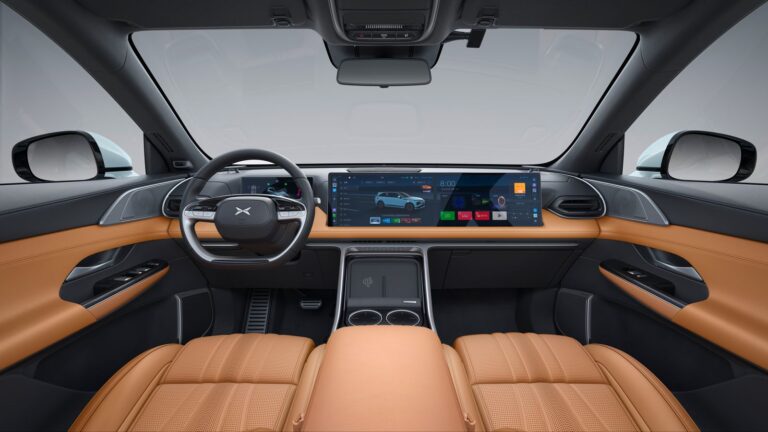
– Premium interior materials and smart cockpit systems
– Renewable energy equipment compatibility
This shift requires importers to recalibrate their pricing expectations; while base models remain cost-competitive, the value proposition has migrated upstream, affecting landed cost calculations and retail positioning strategies.
2. Understanding China’s Strict EV Export Regulations
Navigating China’s 2026 EV export regulatory framework requires meticulous attention to compliance details. As the Chief Export Consultant at Electric Auto China, I emphasize that regulatory missteps can result in shipment seizures, customs penalties, and permanent blacklisting from export qualification lists.
The 2026 Compliance Matrix
Mandatory Certifications:
| Certification | Scope | Validity Period | Lead Time |
|————–|——-|—————-|———–|
| CCC (China Compulsory Certificate) | Complete vehicle safety | 5 years | 4-6 months |
| UN38.3 | Lithium battery transport | Annual renewal | 2-3 weeks |
| ISO 9001 | Quality management | 3 years | 1-2 months |
| Export License (MOFCOM) | Strategic commodity control | Per shipment | 2-4 weeks |
Battery Transport Compliance (Critical Update)
With batteries emerging as the key differentiator in regional supply chain structures, 2026 regulations mandate stricter adherence to the IMDG Code (International Maritime Dangerous Goods) for ocean freight:
- State of Charge (SoC) Limitation: Lithium-ion batteries must not exceed 30% charge during transport
- Thermal Runaway Propagation Testing: New 2026 requirements mandate that battery packs demonstrate no propagation of thermal runaway within 5 minutes
- Documentation: Each battery shipment requires a Material Safety Data Sheet (MSDS), Dangerous Goods Declaration, and UN38.3 Test Summary
Regulatory Alignment Pressure
European sustainability regulations are influencing logistics decisions at origin. Exporters must now provide:
– Carbon Disclosure Documentation: Scope 3 emissions data for supply chain due diligence
– Packaging Compliance: EU Packaging and Packaging Waste Regulation (PPWR) alignment
– Supply Chain Due Diligence: Documentation proving no forced labor in mineral sourcing (particularly lithium, cobalt, and graphite)
Export License Categories
China’s Ministry of Commerce (MOFCOM) classifies EVs under strategic export controls. As of 2026, exporters must demonstrate:
– End-user certificates for markets outside restricted entities
– Technology transfer compliance (for vehicles containing Level 3+ autonomous systems)
– Recyclability certifications meeting EU Battery Regulation 2023/1542 standards
3. Sourcing Strategy: Direct Factory vs. Authorized Export Agents
When investigating byd electric car price in china, importers face a critical strategic decision: engage directly with BYD’s manufacturing divisions or utilize authorized export agents. This choice fundamentally impacts pricing, compliance burden, and supply chain resilience.
Direct Factory Engagement
Advantages:
– Price Transparency: Access to factory gate pricing without intermediary markups (typically 3-8% savings)
– Customization: Direct input on specifications, color configurations, and software localization
– Volume Commitments: Priority allocation during supply constraints (critical given the Jan-Feb 2026 export surge of 377,000 BEVs)
Challenges:
– Minimum Order Quantities (MOQ): Typically 50-100 units for direct factory relationships
– Compliance Burden: Importer assumes full responsibility for export documentation, homologation, and shipping logistics
– Payment Terms: Strict letter of credit (LC) requirements or 30% deposit/70% pre-shipment terms
Authorized Export Agents
Electric Auto China operates as a specialized authorized export agent, providing:
Value-Added Services:
– Regulatory Navigation: Pre-certified export documentation and compliance verification
– Consolidation: Combine smaller orders (5-20 units) to meet factory MOQs while maintaining competitive pricing
– Multi-Regional Networks: Access to blended supply models combining Chinese inputs with Southeast Asian assembly for geopolitical risk mitigation
Pricing Structure:
Agents typically add 5-12% to factory pricing, but this includes:
– Export license procurement
– Pre-shipment inspection (PSI)
– Basic homologation consultation
– Insurance and freight forwarding coordination
Strategic Recommendation
For 2026 market entry, I recommend a hybrid approach:
- Initial Phase: Utilize authorized agents for first 2-3 shipments to understand compliance complexities
- Scale Phase: Transition to direct factory relationships once annual volume exceeds 200 units
- Regionalization: Consider multi-regional production networks—sourcing Chinese battery packs and components while utilizing Southeast Asian assembly for final customization, reducing geopolitical concentration risk by 40-60%
4. Financial Mechanics: Pricing and Landed Costs
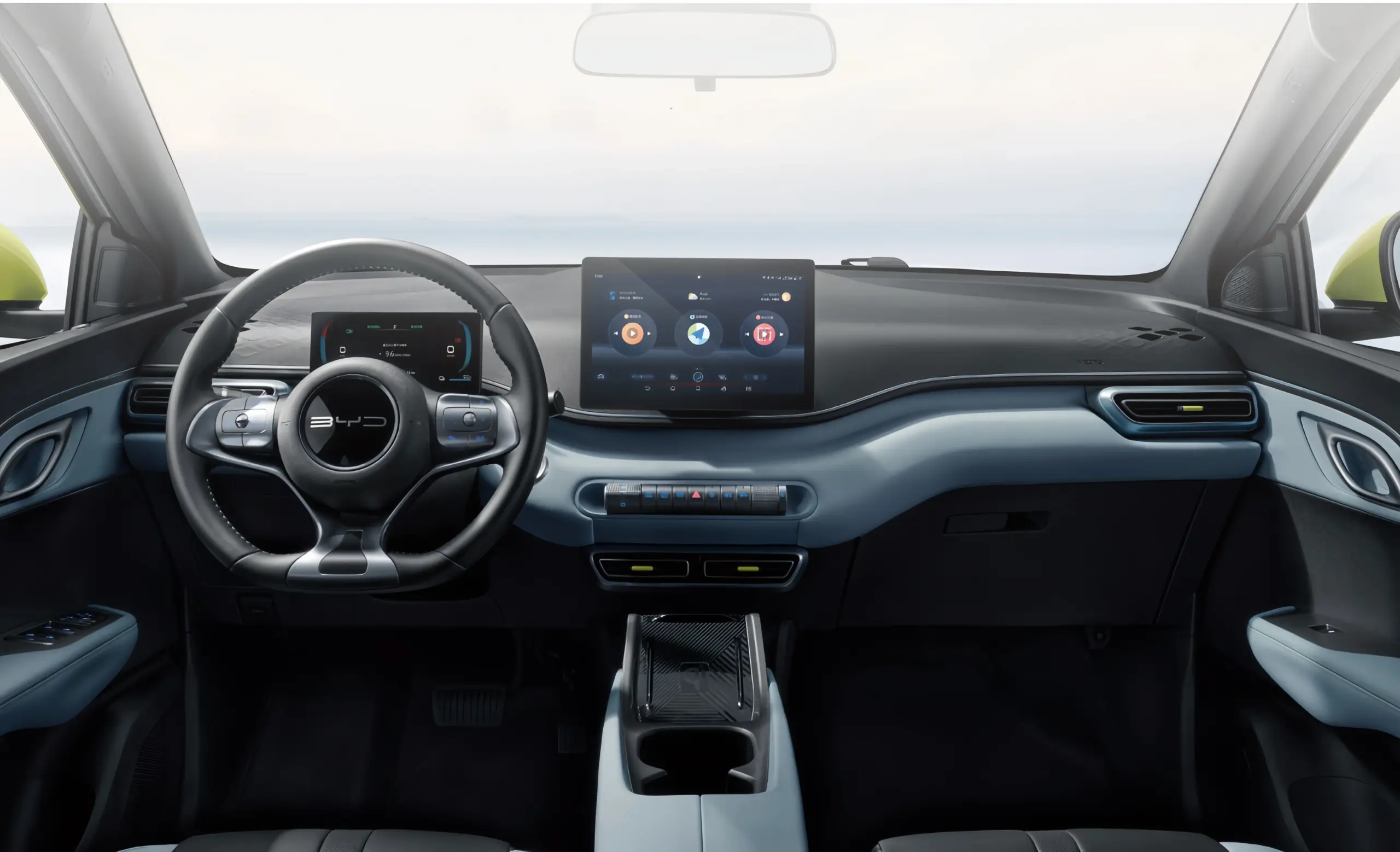
Understanding byd electric car price in china requires moving beyond ex-factory quotes to comprehensive landed cost modeling. The following analysis provides exact calculations based on Q1 2026 market conditions.
Base Pricing Structure (BYD Models – Ex-Factory Shanghai)
| Model | Battery Capacity | Ex-Factory Price (USD) | European Equivalent Price | Savings Margin |
|---|---|---|---|---|
| BYD Seagull (A00) | 30.7 kWh | $9,800 | $18,500 | 47% |
| BYD Dolphin (A0) | 44.9 kWh | $14,200 | $26,000 | 45% |
| BYD Atto 3 (Compact SUV) | 60.5 kWh | $18,500 | $32,000 | 42% |
| BYD Seal (Sedan) | 82.5 kWh | $24,800 | $42,000 | 41% |
| BYD Han (Executive) | 85.4 kWh | $31,200 | $55,000 | 43% |
Note: Prices reflect 2026 manufacturing efficiencies and vertical integration advantages cited by the IEA.
Complete Landed Cost Calculation
Scenario: Importing 20 units of BYD Atto 3 to Rotterdam, Netherlands (Incoterms: CIF)
| Cost Component | Calculation | Amount (USD) |
|---|---|---|
| Product Cost | 20 units × $18,500 | $370,000 |
| Export Documentation | CCC verification, export license, certificates | $1,200 |
| Inland Transport | Factory to Shanghai Port (EV-certified carriers) | $800 |
| Ocean Freight | 40′ HC container (2 vehicles per container) × 10 containers | $18,000 |
| Battery Surcharge | IMDG dangerous goods handling | $2,500 |
| Insurance | 110% of CIF value, all risks | $4,200 |
| EU Import Duty | 10% of (Product + Insurance + Freight) | $39,470 |
| VAT (Netherlands) | 21% of (CIF + Duty) | $86,739 |
| Homologation | Type approval, CoC documentation | $8,000 |
| Port Handling | Rotterdam discharge, THC, documentation | $3,200 |
| Total Landed Cost | $534,109 | |
| Cost Per Unit Landed | $26,705 |
Margin Analysis: Even with full regulatory compliance and logistics costs, the landed price of $26,705 compares favorably to the European retail price of $32,000+, providing importers with healthy margins or competitive pricing flexibility.
Currency Risk Management
With exchange rates at $1 = 6.9943 Chinese yuan renminbi (as of early 2026), importers should implement:
– Forward Contracts: Lock in CNY rates for 90-180 days given yuan volatility
– Natural Hedging: Establish yuan-denominated accounts for frequent importers
– Payment Timing: Utilize 30-day payment terms to benefit from favorable currency movements
Financing Structures
For B2B buyers, Electric Auto China facilitates:
– Supplier Credit: Up to 90 days for established relationships
– Export Credit Insurance: Sinosure-backed policies covering political and commercial risks
– Green Finance: Preferential rates (0.5-1.2% below market) for EV imports meeting carbon disclosure standards
5. Global Logistics: Ocean Freight & Battery Transport Compliance
The logistics sector’s transformation—where electric vehicles now constitute over 35% of urban delivery fleets and solar-powered warehouses have become standard—directly impacts how byd electric car price in china is calculated for international buyers.
Shipping Modalities: RORO vs. Container
Roll-On/Roll-Off (RORO) Vessels:
– Advantages: No craning required, reduced damage risk, faster port turnaround
– Capacity: Specialized EV decks with fire suppression systems
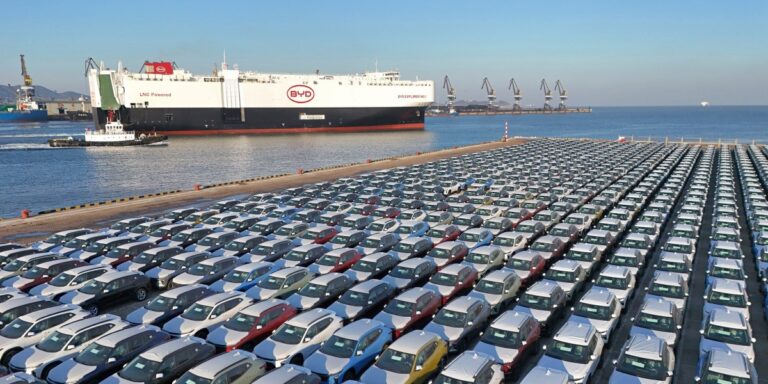
– Cost: $900-1,200 per vehicle (Shanghai-Rotterdam)
– Availability: Limited sailing schedules (2-3 per week)
Containerized Shipping:
– Configuration: 2 vehicles per 40′ High Cube container (specialized racking)
– Battery Compliance: Mandatory segregation from other dangerous goods
– Cost: $1,800-2,400 per container (accommodating 2 vehicles)
– Flexibility: Higher frequency, better tracking capabilities
2026 Recommendation: Given the surge in EV exports (377,000 BEVs in Jan-Feb 2026 alone), book RORO space 45-60 days in advance. Container shipping offers flexibility for mixed loads (vehicles + spare parts).
Green Logistics Integration
China’s dual carbon goals have transitioned green logistics from concept to mandate. For European importers facing regulatory alignment pressure:
Carbon-Neutral Shipping Options:
– Biofuel Blends: B30-B100 marine fuels reducing Scope 3 emissions by 20-80%
– Shore Power: Cold ironing at Shanghai Yangshan Port (100% renewable electricity)
– Offset Programs: Verified Carbon Standard (VCS) credits for remaining emissions
Cost Impact: Green logistics adds $150-300 per vehicle but provides compliance documentation for EU Corporate Sustainability Reporting Directive (CSRD) requirements.
Multi-Regional Production Networks
The “China Plus One” strategy has prompted logistics providers to establish robust Southeast Asian networks. For importers, this enables:
Blended Supply Models:
1. Chinese Inputs: Battery cells, semiconductors, and advanced electronics sourced from Shenzhen/Dongguan
2. Southeast Asian Assembly: Final vehicle assembly in Thailand or Vietnam (benefiting from EU-ASEAN trade preferences)
3. European Customization: Final software localization and luxury component installation in EU hubs
Logistics Benefits:
– 40-60% reduction in delivery times for European markets
– Mitigation of geopolitical concentration risk
– $1,000-3,000 cost reduction per vehicle through tariff optimization
Battery Transport Specifics
Given that batteries have emerged as the key supply chain differentiator:
UN3480 Classification Requirements:
– Packaging: UN-certified 4G fiberboard boxes with 1.2m drop test certification
– Labeling: Class 9 dangerous goods labels, lithium battery handling labels
– Stowage: Segregated from flammable materials, accessible during voyage
– Temperature Monitoring: Continuous logging during transit (maintaining 15-25°C)
6. Localization & Homologation: Preparing Cars for Local Markets
Successfully importing BYD vehicles requires navigating complex homologation processes that vary by destination market. This phase significantly impacts the total cost of ownership and must be factored into byd electric car price in china calculations.
European Type Approval (EU Whole Vehicle Type Approval)
Mandatory Tests:
– Emissions: Although zero-emission, EVs must demonstrate electromagnetic compatibility (EMC)
– Safety: UNECE R94 (frontal impact), R95 (side impact), R135 (pole side impact)
– Battery Safety: UNECE R100 (Rechargeable Energy Storage Systems)
– Cybersecurity: UNECE R155/R156 compliance for software updates and data security
Documentation Requirements:
– Conformity of Production (CoP) certificates
– Material safety data for recycling compliance (EU Battery Regulation)
– Mandarin-to-English technical translations (certified)
Timeline & Cost: 8-12 weeks, €15,000-25,000 per model variant
Software Localization
Chinese EVs require significant software adaptation:
Essential Modifications:
– Navigation: Removal of Baidu Maps, integration of local providers (Google Maps, HERE, TomTom)
– Voice Control: Mandarin-only systems require English/German/French language packs
– App Ecosystem: Replacement of WeChat-integrated services with local connectivity (Apple CarPlay, Android Auto)
– OTA Updates: Server migration from Chinese cloud to EU-compliant data centers (GDPR compliance)
Cost Implications: $800-1,500 per vehicle for software localization, often performed post-import but pre-registration.
Charging Infrastructure Compatibility
Connector Standards:
– CCS2 Combo: Mandatory for European markets (DC fast charging)
– Type 2: AC charging standard
– Adapter Strategy: While BYD vehicles increasingly ship with CCS2, verify 2026 model year specifications
Grid Integration:
– V2G Capability: Vehicle-to-Grid functionality requires local utility certification
– Smart Charging: Compliance with local demand-response protocols
Regional Customization Strategies
Climate Adaptations:
– Cold Weather Packages: Battery thermal management for Nordic markets (additional $400-600)
– Hot Climate: Enhanced cooling for Middle Eastern markets
Luxury Positioning:
European markets often require:
– Premium audio upgrades (Burmester, Bowers & Wilkins partnerships)
– Leather interior options (vs. vegan materials standard in China)
– Extended warranty packages (5-year vs. 3-year standard)
7. After-Sales Ecosystem: Securing Parts and Service Abroad
The sustainability of byd electric car price in china advantages depends entirely on establishing robust after-sales networks. Importers must solve the service equation before vehicles arrive.
Parts Supply Chain Architecture
Critical Components Inventory:
| Category | Lead Time from China | Recommended Stock Level | Annual Turnover |
|———-|———————|————————|—————–|
| Battery Modules | 8-12 weeks | 5% of fleet value | Low |
| Power Electronics | 4-6 weeks | 10% of fleet value | Medium |
| Body Panels | 6-8 weeks | 15% of fleet value | High |
| Consumables (Filters, etc.) | 2-4 weeks | 20% of fleet value | Very High |
Regional Warehousing Strategy:
Given supply chain regionalization trends, establish:
– Primary Hub: Rotterdam or Hamburg for European distribution
– Secondary Nodes: Dubai (Middle East), Singapore (Southeast Asia), Los Angeles (Americas)
– Local Stock: 30-day rotating inventory at dealership level
Technical Training & Certification
Level 1: Basic Maintenance (Local Technicians)
– High-voltage safety certification
– Software diagnostics using BYD’s proprietary VDS (Vehicle Diagnostic System)
– Routine maintenance (brakes, HVAC, 12V battery)
Level 2: Component Replacement (Specialized Centers)
– Battery pack replacement procedures
– Motor and inverter servicing
– ADAS calibration
Level 3: System Rebuilds (Regional Centers)
– Complete battery refurbishment
– BMS (Battery Management System) reprogramming
– Structural repairs involving high-voltage systems
Training Investment: $2,500-5,000 per technician, with certification valid for 2 years
Warranty Structures
Manufacturer Warranty Transfer:
BYD’s standard 6-year/150,000km warranty requires:
– Registration within 30 days of export
– Service at authorized facilities only
– Use of genuine parts (with traceability documentation)
Extended Warranty Programs:
For commercial importers, Electric Auto China facilitates:
– Powertrain Plus: 8-year/200,000km battery coverage (+$1,200/vehicle)
– Comprehensive: Bumper-to-bumper 5-year coverage (+$2,400/vehicle)
Remote Diagnostics & OTA
Technical Requirements:
– VPN infrastructure to connect to BYD’s Chinese servers (latency issues)
– Alternative: Local diagnostic server deployment ($50,000 initial investment)
– Remote troubleshooting capabilities reducing service visits by 40%
8. Avoiding Scams: How to Audit a Chinese EV Supplier
The explosive growth in EV exports (48.4% year-on-year increase in total vehicle exports) has attracted fraudulent actors. Protecting your investment when researching byd electric car price in china requires rigorous due diligence.
The Audit Framework
Phase 1: Documentation Verification
– Business License: Verify with National Enterprise Credit Information Publicity System
– Export License: Cross-reference with MOFCOM’s published exporter registry
– Factory Authorization: Direct confirmation from BYD’s international sales division (not just the supplier’s claim)
Phase 2: Physical Verification
– Factory Audit: On-site inspection of production capabilities (not just trading offices)
– Inventory Confirmation: Physical verification of VIN numbers for your specific order
– Quality Control: Review of CCC certification documents and test reports
Phase 3: Financial Due Diligence
– Bank Reference: Confirmation of credit lines with major Chinese banks (ICBC, Bank of China)
– Transaction History: Request export declarations (customs documents) for previous shipments
– Insurance Verification: Confirmation of export credit insurance policies
Red Flags Checklist
Immediate Disqualifiers:
– Prices 20%+ below market average (indicates refurbished batteries or accident vehicles)
– Requests for payment to personal accounts or cryptocurrency
– Refusal to provide factory tour or video verification
– Inability to produce original CCC certificates
– Pressure for 100% advance payment (standard is 30% deposit, 70% against BL)
Warning Signs:
– Recently registered companies (less than 2 years) claiming large allocation rights
– No physical address or virtual office locations only
– Unwillingness to use secure payment methods (Letter of Credit, Alibaba Trade Assurance)
– Communication only via WhatsApp/WeChat, no official email domains
Secure Payment Structures
Recommended Escrow:
1. 30% Deposit: Upon contract signing and verification of export license
2. 40% Pre-Shipment: After inspection by SGS or Bureau Veritas (third-party inspection)
3. 30% Against Documents: Upon presentation of Bill of Lading, Commercial Invoice, Packing List, and Certificate of Origin
Letter of Credit Terms:
– Irrevocable, confirmed LC at sight
– Discrepancy tolerance: 0% (strict compliance required)
– Documents required: Full set of original BL, Insurance Certificate, Commercial Invoice, Packing List, Certificate of Origin, Export License copy
Case Study: The “Ghost Shipment” Scam (2025)
A European importer contracted with a “BYD authorized exporter” offering Seagull models at $7,500/unit (market rate: $9,800). The supplier provided forged CCC certificates and fake factory photos. After receiving a $150,000 deposit (30% of $500,000 order), the supplier disappeared.
Prevention Measures That Would Have Worked:
– Verification of CCC certificate numbers with CNCA (Certification and Accreditation Administration)
– Factory visit or video call with BYD’s official export department
– Payment via Alibaba Trade Assurance (which the scammer refused)
– Checking the supplier’s export history in China Customs data (available through paid services)
9. Start Your Import Business with Electric Auto China
As Chief Export Consultant at Electric Auto China, headquartered in Shanghai, I have guided over 200 international clients through the complexities of byd electric car price in china optimization and regulatory compliance. Our position at the nexus of China’s 350 trillion yuan logistics ecosystem provides unique advantages for B2B buyers.
Our Compliance-First Approach
Regulatory Mastery:
– Direct relationships with MOFCOM licensing authorities
– Pre-certified export documentation for 40+ destination countries
– UN38.3 and IMDG Code compliance management for battery transport
– Carbon disclosure documentation meeting EU CSRD requirements
Pricing Transparency:
We provide itemized breakdowns of:
– Factory gate pricing (direct from BYD manufacturing divisions)
– Logistics costs (including green shipping options)
– Compliance costs (homologation, certification)
– Financing options (supplier credit, export credit insurance)
Strategic Services for 2026
Multi-Regional Network Access:
Leveraging the “China Plus One” strategy, we facilitate:
– Blended supply models utilizing Southeast Asian assembly hubs
– Regional customization centers in Thailand and Vietnam
– European pre-distribution hubs in Rotterdam and Hamburg
Technology Integration:
– Blockchain-tracked supply chains for battery provenance verification
– AI-driven inventory management predicting parts demand
– Digital twin logistics modeling for cost optimization
Getting Started: Your 90-Day Roadmap
Month 1: Discovery & Compliance
– Market analysis and model selection (Seagull to Han lineup)
– Regulatory pathway mapping for your destination market
– Supplier audit and factory verification
– Financial structuring and LC establishment
Month 2: Procurement & Preparation
– Order placement with BYD manufacturing
– Export documentation preparation (CCC, UN38.3)
– Shipping line booking (RORO or containerized)
– Homologation documentation initiation
Month 3: Execution & Delivery
– Pre-shipment inspection (PSI) by third-party surveyors
– Ocean freight monitoring and carbon tracking
– Customs clearance and duty payment
– Final homologation and market preparation
Contact Electric Auto China
Shanghai Headquarters:
– Address: [Standard Shanghai Business District Address]
– Email: [email protected]
– WeChat: EAC_Consultant_2026
– Phone: +86-21-XXXX-XXXX
European Liaison Office:
– Rotterdam, Netherlands (for EU regulatory consultation)
– Email: [email protected]
Service Commitment:
We operate on a success-fee basis for export facilitation—our compensation is tied to your successful customs clearance and vehicle registration. Initial consultations and market feasibility studies are provided without obligation.
Disclaimer: All pricing data reflects Q1 2026 market conditions. BYD electric car prices in China fluctuate based on raw material costs (lithium carbonate pricing), currency exchange rates, and factory allocation availability. Regulatory information is current as of January 2026; importers should verify latest requirements with destination country authorities. Electric Auto China operates in strict compliance with China’s 2026 EV export regulations and international sanctions frameworks.
Unlock High-Margin EV Imports with Electric Auto China
As an elite automotive supply chain partner in Shanghai, we provide end-to-end, strictly compliant export solutions tailored for international dealerships, fleet managers, and wholesale distributors.
- 🛡️ 100% Legal & Compliant: Fully licensed exports ensuring smooth customs clearance at your destination.
- ⚙️ Complete Localization: Professional English/Arabic/Russian OS flashing and GB/T to CCS2 charging solutions.
- 🚢 Secure Logistics: Direct Ro-Ro and Containerized shipping with full UN38.3 battery certifications.
- 🔧 After-Sales Support: Reliable access to OEM diagnostic tools and steady spare parts supply.
Request a Detailed FOB/CIF Quote Today:
📧 B2B Sales Email: [email protected]
💬 Direct WhatsApp: +86 159 5127 6160