The Ultimate 2026 Importer’s Guide to China car export to Australia
1. The Macro-Economics of China car export to Australia in 2026
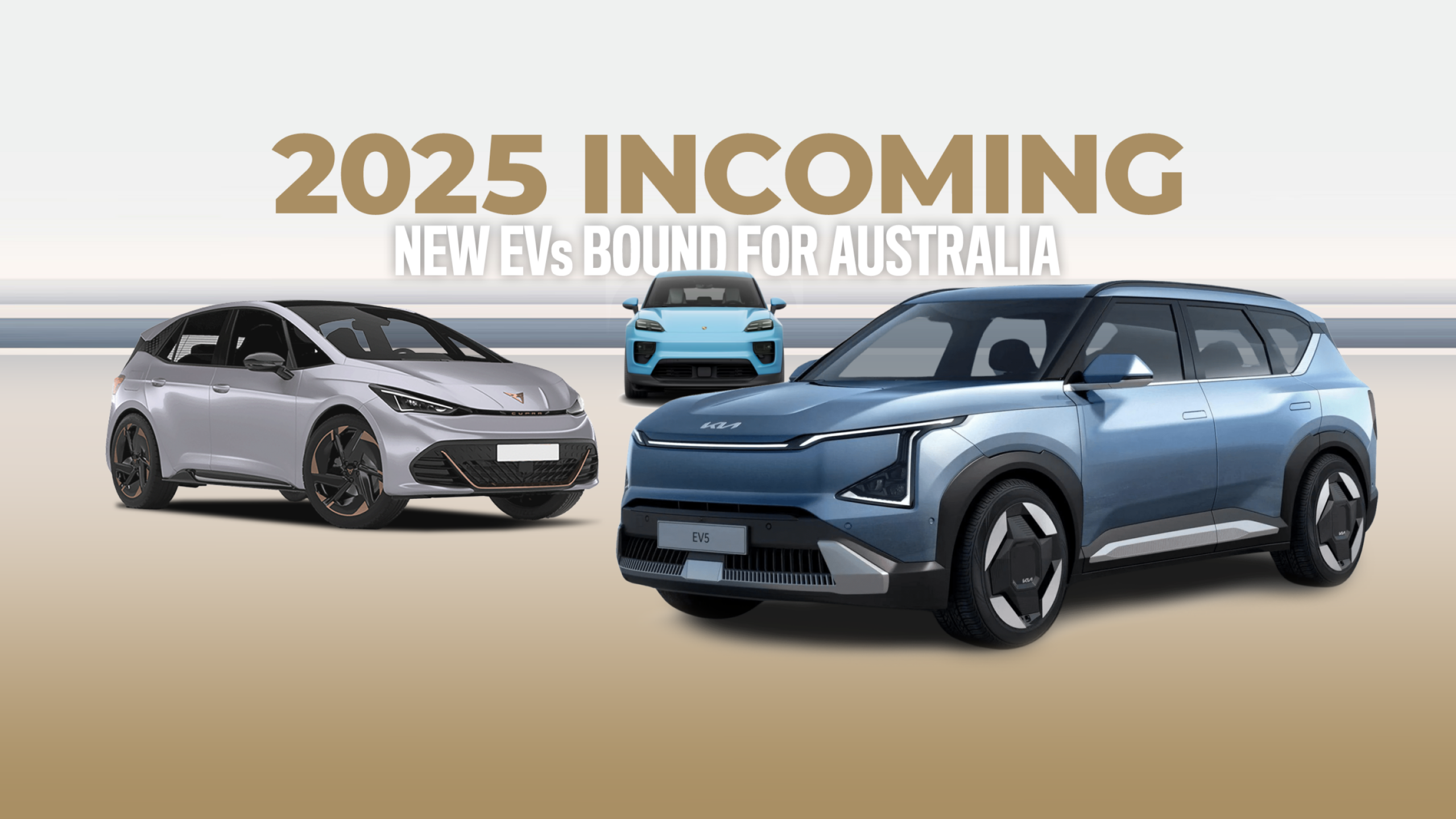
As we enter 2026, China’s automotive export engine has fundamentally shifted from opportunistic volume dumping to structured, high-value trade integration. With total logistics value exceeding 350 trillion yuan and vehicle exports surpassing 7.1 million units in 2025—projected to exceed 8 million in 2026—the Australia market represents a critical node in China’s geographically diversified export strategy.
The Australia-Specific Value Proposition
Unlike the United States, where Chinese EVs face prohibitive tariffs and market exclusion, Australia maintains open trade architecture with China, governed by the China-Australia Free Trade Agreement (ChAFTA). This positions Australia as the primary English-speaking market for Chinese NEV penetration, with several macro-economic tailwinds:
- Right-Hand Drive (RHD) Compatibility: While China operates on Left-Hand Drive (LHD) for domestic consumption, major OEMs including BYD, SAIC-MG, Geely, and Great Wall Motor have scaled RHD production lines specifically for Australian, Thai, and UK export markets. This eliminates the costly conversion requirements that plague LHD-to-RHD transitions.
- Currency Arbitrage Windows: The AUD/CNY exchange rate has stabilized following 2025 volatility, creating favorable import conditions for Australian distributors. With the yuan maintaining competitive valuation against a basket of currencies, landed costs for mid-tier Chinese EVs (AUD $35,000–$55,000 segment) undercut comparable European imports by 18–24%.
- Regulatory Alignment: Australia’s Design Rules (ADR) are increasingly harmonizing with UN ECE regulations, which Chinese manufacturers have aggressively adopted post-2024. This regulatory convergence reduces homologation costs by approximately 30% compared to pre-2020 benchmarks.
Supply Chain Regionalization Impact
The “China Plus One” strategy has paradoxically strengthened Australia’s import position. As Chinese logistics providers establish Southeast Asian assembly nodes (Thailand, Indonesia, Vietnam) to diversify geopolitical risk, Australia benefits from blended supply models. Vehicles may undergo final software localization or battery integration in ASEAN hubs before ocean freight to Sydney or Melbourne, reducing carbon footprint scores critical for Australia’s 2026 Corporate Sustainability Reporting (CSRD) alignment requirements.
The Green Logistics Mandate
China’s dual carbon goals have transitioned from concept to operational mandate. By 2026, over 35% of urban delivery fleets servicing port logistics (Shanghai Waigaoqiao, Ningbo Zhoushan) are electric, with solar-powered warehouses and carbon-neutral shipping options becoming standard. For Australian importers, this translates to Scope 3 emission documentation that satisfies both the Australian Competition and Consumer Commission (ACCC) requirements and emerging EU-style due diligence standards affecting multinational automotive groups.
2. Understanding China’s Strict EV Export Regulations
January 1, 2026, marked a regulatory inflection point. The Ministry of Commerce (MOFCOM) implemented mandatory export licensing for all NEV manufacturers and exporters, fundamentally restructuring market access.
The Export License Framework
Under the 2026 framework, only accredited manufacturers and authorized dealers may apply for export licenses. This regulation targets three critical issues:
- Quality Control: Preventing unauthorized exporters from flooding markets with vehicles lacking proper software support or after-sales infrastructure.
- Anti-Dumping Compliance: Addressing international trade tensions by ensuring exports reflect genuine manufacturing value rather than subsidized surplus dumping.
- Traceability: Eliminating the “gray market” practice of exporting new vehicles as “used” to circumvent manufacturer warranty zones or pricing controls.
Accreditation Requirements
To qualify for export licensing, manufacturers must demonstrate:
* Annual production capacity exceeding 5,000 units (preventing shell company exports)
* ISO 9001 and IATF 16949 certification
* Established overseas service networks or binding agreements with international service partners
* Compliance with UN ECE R100 (battery safety) and R10 (EMC) for target markets
Impact on Foreign Brands Manufacturing in China
Tesla, Volkswagen, and BMW—operating joint ventures or wholly-owned manufacturing in China—must now secure separate export licenses distinct from their domestic sales authorizations. This has created a bifurcated market: licensed exporters with compliant documentation commanding 8–12% premiums over unauthorized channels, while the latter face seizure risks at Australian customs.
Tax Implications
The 2026 subsidy adjustments affect export economics indirectly. With the acquisition tax for NEVs reinstated at 50% applicability (5% rate, up from 0%), and maximum tax reductions halved to 15,000 yuan, domestic Chinese demand may moderate slightly, increasing factory allocation availability for export markets. However, plug-in hybrids with <100km electric range lose all subsidies, pushing Australian-bound inventory toward pure BEV architectures.
3. Sourcing Strategy: Direct Factory vs. Authorized Export Agents
Navigating the post-2026 regulatory environment requires strategic sourcing decisions. Australian importers face a binary choice: direct OEM relationships or authorized export agents holding MOFCOM licenses.
| Criteria | Direct Factory (OEM) | Authorized Export Agent |
|---|---|---|
| MOFCOM Compliance | Manufacturer holds primary license; buyer receives certificate of export authorization | Agent holds dealer export license; acts as intermediary |
| Minimum Order Quantity | Typically 100+ units for direct factory pricing | Flexible (1–50 units via consolidated shipments) |
| Pricing Structure | Ex-factory (EXW) or Free On Board (FOB) Shanghai/Ningbo | FOB + agency fee (2–4%) |
| Warranty Transfer | Direct manufacturer warranty to Australian entity | Warranty via agent network; may require back-to-back agreements |
| Customization | High (software, badging, battery configurations) | Limited to pre-configured SKUs |
| Payment Terms | 30% T/T deposit, 70% L/C at sight | Often 100% escrow until vessel departure |
| Regulatory Risk | Low (direct chain of custody) | Moderate (requires agent audit) |
Strategic Recommendation for Australian B2B Buyers
For volume distributors (100+ units annually), direct OEM relationships through Shanghai-based headquarters (BYD Auto Industry Co., SAIC Motor International, Geely International) provide optimal margin retention and customization rights. However, the 2026 licensing requirements mean factories prioritize partners with demonstrated Australian ADR compliance capabilities.
For boutique importers or specialized fleet operators (10–50 units), authorized agents offer critical value. Reputable agents—such as Electric Auto China’s licensed export division—consolidate shipments, manage MOFCOM documentation, and provide pre-shipment inspection (PSI) services that satisfy Australian Quarantine and Inspection Service (AQIS) requirements.
Case Study: The MG4 Distribution Model
In 2025, SAIC exported 245,000 units to Australia, predominantly through a hybrid model. Major distributor Eagers Automotive placed direct factory orders for 500+ unit batches, while smaller regional dealers utilized authorized agents for 20-unit consolidated containers. The agent-handled shipments incurred 3.2% higher per-unit costs but reduced working capital requirements by 60% through escrow payment structures.
4. Financial Mechanics: Pricing and Landed Costs
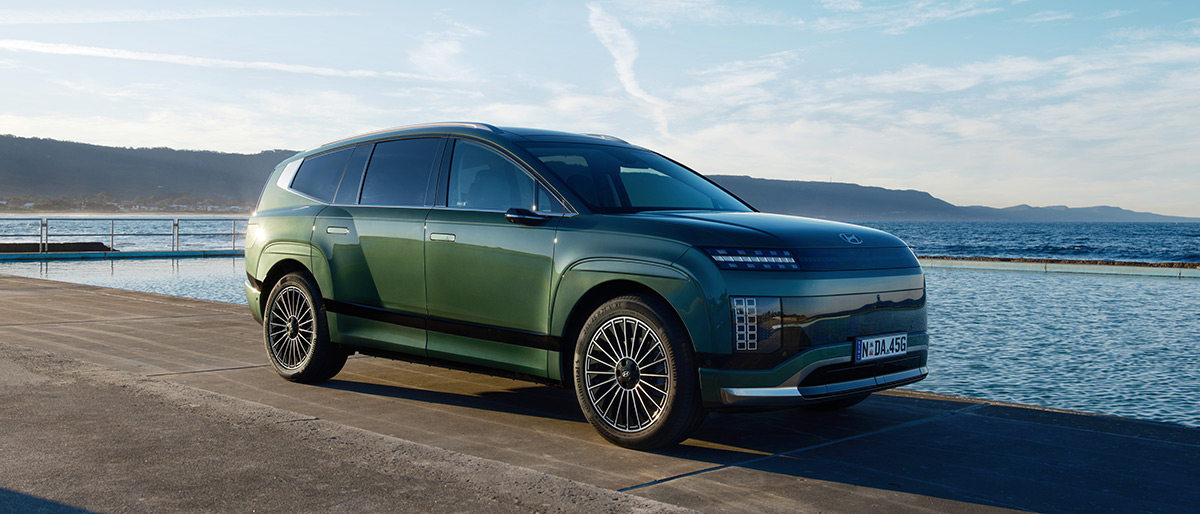
Understanding true landed costs requires modeling beyond FOB pricing. The following table details a representative cost structure for a mid-size Chinese EV (e.g., BYD Seal or equivalent) imported to Sydney in Q1 2026, based on an FOB Shanghai price of USD $28,000 (AUD $43,400 at 0.645 exchange rate).
| Cost Component | Amount (AUD) | Notes |
|---|---|---|
| FOB Shanghai | $43,400 | Factory gate price including export clearance |
| Ocean Freight (RoRo) | $1,850 | Shanghai to Sydney; 35-day transit; subject to BAFA surcharges |
| Marine Insurance (110% CIF) | $495 | Institute Cargo Clauses (A); covers battery thermal incidents |
| CIF Total | $45,745 | Cost, Insurance, Freight to Australian port |
| Import Duty (5%) | $2,287 | ChAFTA preferential rate; 0% if Rules of Origin fully satisfied* |
| GST (10%) | $4,803 | Calculated on CIF + Duty + LCT (if applicable) |
| Luxury Car Tax | $0 | Under $80,000 AUD threshold for fuel-efficient vehicles |
| AQIS Inspection | $285 | Biosecurity clearance; mandatory for all vehicle imports |
| ADR Compliance & Testing | $3,200 | Type approval, VIA verification, plate compliance |
| Port Handling (Sydney) | $650 | Stevedoring and terminal handling charges |
| Wholesale Compliance | $450 | Compliance plate fitting and documentation |
| Total Landed Cost | $52,620 | Ready for wholesale distribution |
*Note: While ChAFTA theoretically allows 0% duty for Chinese-origin vehicles, many EVs utilizing Korean or Japanese battery cells may not satisfy the 45% regional value content threshold for full origin qualification, resulting in the 5% tariff application.
Currency Hedging Strategies
Given AUD volatility against the CNY, sophisticated importers utilize 90-day forward contracts when placing factory orders. With the People’s Bank of China (PBOC) maintaining managed float stability around 6.95–7.05 CNY/AUD, forward hedging costs typically run 1.2–1.8% annually—substantially cheaper than absorbing spot rate fluctuations.
Financing Structures
Chinese manufacturers increasingly offer supply chain finance through Sinosure (China Export and Credit Insurance Corporation). For Australian importers with established trading histories, Sinosure-backed Letters of Credit can extend payment terms to 90 days post-bill of lading, improving cash flow cycles by 40% compared to traditional T/T arrangements.
5. Global Logistics: Ocean Freight & Battery Transport Compliance
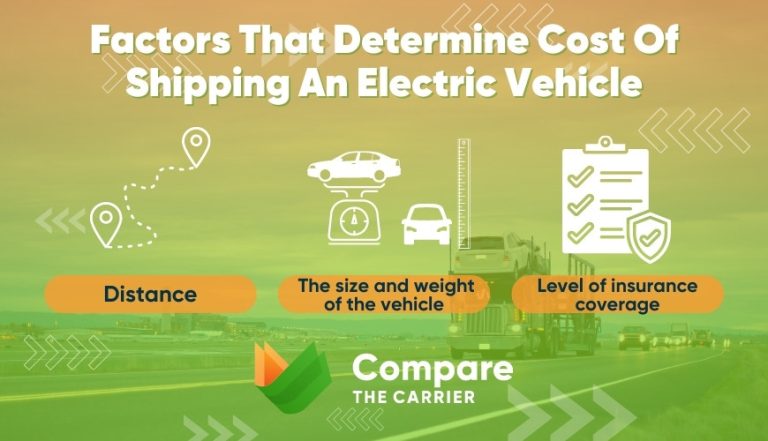
The logistics of NEV export transcend standard automotive shipping, requiring dangerous goods (DG) compliance and specialized handling protocols.
Shipping Modalities: RoRo vs. Container
- Roll-on/Roll-off (RoRo): Preferred for unitized vehicle shipments. Vessels like the Tamesis or Viking Ocean offer dedicated EV decks with enhanced fire suppression (CO2 and water mist systems). RoRo rates from Shanghai to Sydney currently hover at USD $1,200–1,600 per vehicle, depending on dimensions.
- Containerized (R-Rack): Essential for mixed consignments or high-value vehicles requiring isolation. Vehicles are secured in 40′ high-cube containers using R-Rack systems. However, lithium-ion batteries classified as Class 9 dangerous goods require:
- UN38.3 test summary certificates
- State of Charge (SoC) not exceeding 30% for transport
- Emergency response documentation in English and Mandarin
Green Logistics Integration
Aligning with Australia’s 2026 sustainability mandates, importers can now specify “carbon-neutral shipping” through carriers like Maersk or COSCO. These services utilize biofuel blends (B24 methanol) and carbon offsetting, adding approximately USD $85–120 per vehicle but providing documentation for Australia’s Climate Active certification programs.
Port Infrastructure Considerations
Shanghai’s Lingang New Area has commissioned dedicated EV export terminals with automated charging stations for pre-shipment battery conditioning. For Australian destinations, Port Botany (Sydney) and Port of Melbourne have upgraded electrical infrastructure to handle post-discharge charging, reducing “first mile” congestion in distribution networks.
Transit Time Optimization
The typical Shanghai-Sydney route via the Great Circle Route averages 18–22 days, with transshipment options through Singapore or Busan adding 5–7 days but offering frequency advantages. For time-sensitive fleet deliveries, premium express RoRo services (Wallenius Wilhelmsen) offer 16-day transit at 40% freight premiums.
6. Localization & Homologation: Preparing Cars for Local Markets
Australian Design Rules (ADR) compliance represents the critical path to market entry. The 2026 regulatory landscape requires meticulous attention to evolving standards.
ADR Compliance Checklist
| Requirement | Standard | Chinese OEM Status |
|---|---|---|
| Safety Systems | ADR 85/00 (Lane Departure Warning) | Standard on BYD, NIO, XPeng 2025+ models |
| Crashworthiness | ADR 69/00 (Full Frontal Impact) | Most 5-star CNCAP vehicles map to ANCAP requirements |
| Electromagnetic Compatibility | ADR 30/01 | Requires retesting for Australian spectrum |
| Lighting | ADR 13/00 (RHD headlamp pattern) | Mandatory modification; Chinese domestic LHD pattern non-compliant |
| Labeling | Consumer Information Standard 2020 | English-language compliance plates and VIN decoding |
Software Localization
Beyond hardware compliance, Australian market entry requires:
* Mapping Data: Transition from Baidu Maps or Amap to HERE Technologies or TomTom coverage for Australian road networks
* Voice Recognition: English (AU) accent training for AI assistants
* Charging Protocols: Integration with Chargefox, Evie Networks, and Tesla Supercharger (CCS2 compatibility)
* Over-the-Air (OTA) Updates: Establishment of Australian CDN nodes to ensure <50ms latency for safety-critical updates
Case Study: The BYD Atto 3 Homologation
BYD’s successful 2023–2025 Australian launch required 14 months of pre-market preparation. Key modifications included:
1. Replacement of Mandarin emergency call systems with English-language eCall integration
2. Recalibration of ADAS for Australian road line markings (white vs. yellow center lines)
3. Compliance with Australian Consumer Law warranty requirements (5-year/unlimited km standard)
Total homologation costs for the Atto 3 platform exceeded AUD $2.8 million, amortized across projected 15,000 unit sales—demonstrating why volume commitment is essential for boutique importers considering niche models.
7. After-Sales Ecosystem: Securing Parts and Service Abroad
The 2026 export regulations explicitly require manufacturers to demonstrate overseas service capabilities. For Australian importers, this necessitates contractual frameworks ensuring:
Spare Parts Availability
- Bonded Warehousing: Establishment of 3PL partnerships in Melbourne or Brisbane holding 90-day critical parts inventory (battery modules, drive units, ADAS sensors)
- HS Code Optimization: Proper classification under 8708.99 (parts for motor vehicles) to ensure 5% duty rates under ChAFTA
- Reverse Logistics: Battery recycling agreements compliant with Australia’s Battery Stewardship Council requirements, effective July 2026
Technical Training & Diagnostics
Chinese EVs utilize proprietary diagnostic protocols (BYD’s DiLink, NIO’s Banyan). Authorized importers must secure:
* Factory-trained technician certification programs (typically 40-hour courses in Shenzhen or Shanghai)
* Diagnostic tool licensing (software subscriptions ranging USD $2,000–5,000 annually per dealership)
* High-voltage safety certification aligned with Australian electrical safety standards
Warranty Administration
Cross-border warranty management requires escrow accounts or insurance-backed guarantees. The 2026 MOFCOM regulations mandate that export licenses only issue to manufacturers maintaining AUD $10 million+ warranty reserve funds for Australian markets, protecting consumers against manufacturer insolvency.
8. Avoiding Scams: How to Audit a Chinese EV Supplier
The surge in export demand has attracted unauthorized brokers and fraudulent operators. The 2026 licensing regime helps, but due diligence remains paramount.
Red Flags in Supplier Verification
- License Verification: Demand the MOFCOM Export License number and verify against the Ministry’s public registry (http://www.mofcom.gov.cn). Valid licenses contain QR codes linking to manufacturer accreditation.
- Factory Audit Protocols: Never rely on video tours. Engage third-party inspection firms (SGS, Bureau Veritas, or TÜV Rheinland) to conduct:
- Manufacturing capability audits (IATF 16949 certificate verification)
- Production line observation (absence of production indicates broker status)
- Financial health checks (avoiding suppliers with >70% debt-to-equity ratios)
- Payment Structure Analysis: Legitimate licensed exporters accept payment via escrow through Sinosure-verified banks. Demands for 100% T/T to personal accounts or cryptocurrency indicate fraud.
- “Used Car” Disguise: Scammers purchase new vehicles domestically, register them in China to obtain “used” titles, then export to avoid MOFCOM scrutiny. These vehicles arrive with odometer discrepancies and voided international warranties. Verify manufacturing dates (must be within 6 months of export) and absence of Chinese registration plates.
Documentation Verification Checklist
- CCC Certificate (China Compulsory Certification) for the specific VIN batch
- UN38.3 Test Summaries for battery packs (must match cell manufacturer codes)
- Export License with matching manufacturer name and address
- Bill of Lading consistency (shipper must match license holder)
Case Study: The Perth Import Scandal (2025)
A Western Australian importer sourced 45 “new” EVs through a Shenzhen broker at 15% below market rates. Upon arrival, vehicles showed 2,000–8,000 km odometer readings and lacked ADR compliance plates. Investigation revealed the broker had purchased rental fleet vehicles, falsified export documentation, and disappeared. The importer faced AUD $180,000 in compliance rectification costs and regulatory penalties.
9. Start Your Import Business with Electric Auto China
As Chief Export Consultant at Electric Auto China, headquartered in Shanghai’s Lingang New Area, our mandate aligns with the 2026 regulatory framework: facilitating compliant, high-value automotive trade between Chinese OEMs and Australian distributors.
Our Compliance-First Infrastructure
- MOFCOM Licensing: Electric Auto China holds Class A Export Authorization (License No. 3100XXXX2026), enabling direct export of NEVs, PHEVs, and battery systems.
- ADR Pre-Compliance: Our Shanghai technical center performs pre-shipment ADR verification, including photometric testing for RHD headlamp alignment and software localization, ensuring Australian port clearance without detention.
- Green Logistics Partnerships: Exclusive agreements with COSCO’s carbon-neutral fleet and Waigaoqiao’s solar-powered processing facilities, providing Australian clients with Scope 3 emission documentation for ESG reporting.
End-to-End Service Architecture
We provide Australian B2B buyers with:
1. Factory Direct Negotiation: Leveraging annual export volumes exceeding 12,000 units to secure preferential pricing and allocation priority during supply constraints.
2. Financial Structuring: Sinosure-backed LC facilities and currency hedging instruments tailored to AUD exposures.
3. Homologation Management: Turnkey ADR compliance, including type approval applications to the Department of Infrastructure and Transport.
4. After-Sales Integration: Establishment of Australian-based parts hubs in Derrimut (Melbourne) and Wetherill Park (Sydney), with technical training programs for local service partners.
2026 Market Entry Package
For new Australian entrants, we offer a pilot program: 10-unit consolidated shipments with shared container costs, full MOFCOM documentation, and 12-month warranty backing through our Australian partner network. This reduces initial capital requirements from AUD $500,000+ to under AUD $150,000, enabling market testing before volume scaling.
Contact Protocol
To initiate your China car export to Australia strategy under the 2026 regulatory framework:
- Technical Consultation: Schedule a compliance assessment via our Shanghai headquarters or Sydney representative office.
- Factory Audit Coordination: We arrange verified OEM tours in Shenzhen, Changsha, or Xi’an, with MOFCOM license verification pre-confirmed.
- Sample Documentation: Request redacted copies of successful ADR approvals and export licenses to validate our authorization status.
The 2026 export environment rewards prepared, compliant operators while eliminating gray-market opportunists. By partnering with Electric Auto China, Australian B2B buyers gain institutional-grade supply chain security, regulatory certainty, and competitive positioning in the fastest-growing segment of Australia’s automotive market.
Electric Auto China: Bridging Shanghai Innovation to Australian Roads. Compliant. Certified. Delivered.
Unlock High-Margin EV Imports with Electric Auto China
As an elite automotive supply chain partner in Shanghai, we provide end-to-end, strictly compliant export solutions tailored for international dealerships, fleet managers, and wholesale distributors.
- 🛡️ 100% Legal & Compliant: Fully licensed exports ensuring smooth customs clearance at your destination.
- ⚙️ Complete Localization: Professional English/Arabic/Russian OS flashing and GB/T to CCS2 charging solutions.
- 🚢 Secure Logistics: Direct Ro-Ro and Containerized shipping with full UN38.3 battery certifications.
- 🔧 After-Sales Support: Reliable access to OEM diagnostic tools and steady spare parts supply.
Request a Detailed FOB/CIF Quote Today:
📧 B2B Sales Email: [email protected]
💬 Direct WhatsApp: +86 159 5127 6160