The Ultimate 2026 Importer’s Guide to China Car Shipping to Middle East
1. The Macro-Economics of China Car Shipping to Middle East in 2026
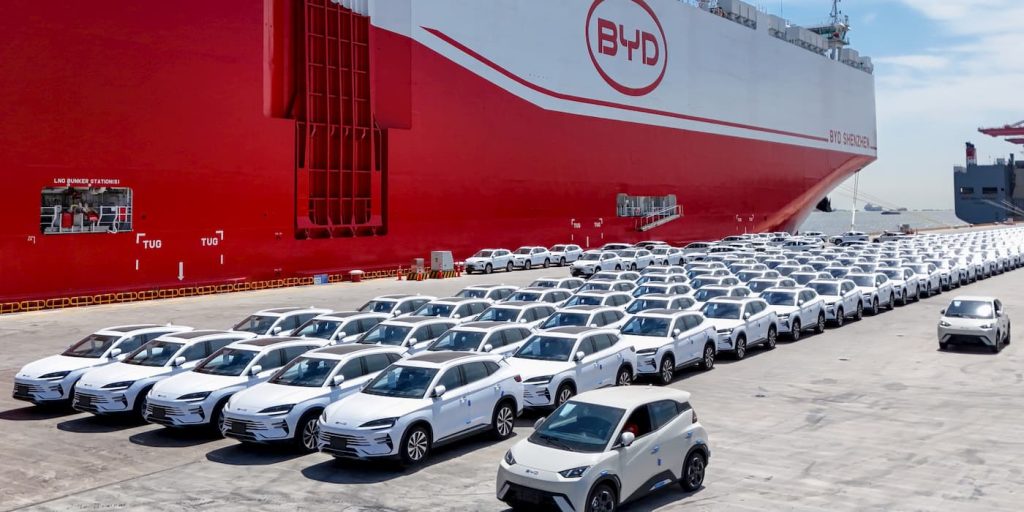
As we enter 2026, China’s automotive logistics sector has undergone a structural metamorphosis that fundamentally alters how B2B buyers must approach Middle East markets. With domestic sales stagnating at approximately 34.4 million units—marking a decisive plateau after decades of explosive growth—Chinese OEMs have pivoted aggressively toward export-led strategies. The Middle East Gulf Cooperation Council (GCC) region has emerged as the primary growth corridor, absorbing record volumes of New Energy Vehicles (NEVs) as Chinese manufacturers seek higher-margin offshore markets to offset domestic saturation.
The New Development Landscape (NDL) shaping 2026 operations revolves around three critical vectors. Product value upgrading has shifted export portfolios from entry-level ICE vehicles to premium EVs, battery energy storage systems, and advanced electronics requiring specialized handling protocols. Multi-regional production networks now characterize the supply chain, with Chinese components flowing through Southeast Asian assembly hubs before final customization in European or Middle Eastern facilities—reducing geopolitical concentration risk but adding complexity to origin documentation. Most significantly, regulatory alignment pressure from European sustainability mandates has cascaded eastward, requiring Chinese exporters to provide comprehensive carbon disclosure documentation, compliant packaging certifications, and supply chain due diligence reports that satisfy both EU and emerging Middle Eastern green import standards.
The financial magnitude of this shift is staggering. China’s 2025 vehicle exports reached 7.1 million units, with NEVs comprising over 35% of outbound volume—a proportion expected to exceed 45% by Q4 2026. For Middle East importers, this represents both opportunity and risk. The opportunity lies in accessing cutting-edge EV technology at 20-30% cost advantages versus European competitors; the risk manifests in navigating China’s new export licensing regime while managing the logistical complexities of lithium-ion battery transport across the Maritime Silk Road.
Green logistics mandates have transitioned from marketing differentiation to operational necessity. With China’s dual carbon goals driving policy, electric vehicles now constitute over 35% of urban delivery fleets at major ports like Shanghai and Ningbo, while solar-powered warehouses and carbon-neutral shipping options have become standard offerings rather than premium upgrades. For Middle East importers, this translates to mandatory carbon footprint documentation for Saudi Arabia’s Saudi Vision 2030 compliance and the UAE’s Net Zero 2050 strategy—requirements that non-compliant shipments face detention or rejection at Jebel Ali and King Abdulaziz Port.
2. Understanding China’s Strict EV Export Regulations
January 1, 2026, marked a regulatory inflection point that fundamentally restructured the China car shipping ecosystem. The Ministry of Commerce (MOFCOM) now mandates that all manufacturers and exporters of electric vehicles obtain official export licenses—a framework designed to eliminate the “gray market” exports that previously flooded Middle East ports with unauthorized vehicles misclassified as “used” to circumvent quality controls.
Under the 2026 Export License Framework (ELF), only accredited manufacturers and authorized dealers may apply for export permits. This regulation specifically targets the irregular export practices that plagued 2023-2025, where new vehicles were sold as second-hand through unauthorized channels, arriving in Dubai and Dammam with outdated software, incompatible charging standards, and zero after-sales support. For B2B importers, this regulatory tightening offers protection but requires rigorous supplier verification.
Critical Compliance Requirements:
- Manufacturer Accreditation Certificate (MAC): Exporters must hold valid MACs issued by MOFCOM, renewable annually with proof of quality management systems (ISO 9001:2025 compliance).
- Vehicle Identification Number (VIN) Registration: All exported EVs must pre-register in China’s national export database, preventing duplicate sales or title washing.
- Battery Traceability Documentation: UN38.3 test reports, Material Safety Data Sheets (MSDS), and carbon footprint declarations for lithium-ion cells are now mandatory for customs clearance at both Chinese exit ports and Middle East entry points.
- Software Export Licenses: Vehicles containing autonomous driving capabilities or advanced driver-assistance systems (ADAS) require Ministry of Industry and Information Technology (MIIT) approval for technology export control compliance.
Foreign manufacturers operating Chinese plants—including Tesla Shanghai, BMW Brilliance, and Volkswagen Anhui—fall under identical regulatory umbrellas. This parity ensures that Middle East importers receive consistent documentation standards regardless of whether sourcing from domestic Chinese brands (BYD, Geely, NIO) or international OEMs utilizing Chinese manufacturing capacity.
The regulatory alignment extends to sustainability reporting. Exporters must now provide Scope 3 emissions data for vehicle transport, responding to European carbon border adjustment mechanisms that influence logistics decisions at origin. For Middle East markets specifically, this documentation satisfies emerging requirements within Saudi Arabia’s Saudi Standards, Metrology and Quality Organization (SASO) and the UAE’s Emirates Authority for Standardization and Metrology (ESMA), both of which have begun phasing in carbon disclosure mandates for imported automobiles.
3. Sourcing Strategy: Direct Factory vs. Authorized Export Agents
Navigating China’s bifurcated export landscape requires strategic decisions between direct Original Equipment Manufacturer (OEM) relationships and authorized export agents. The 2026 regulatory environment has effectively stratified the market into Tier-1 licensed exporters (direct factory channels) and Tier-2 authorized trade companies (export agents), each presenting distinct risk-reward profiles for Middle East B2B buyers.
Direct Factory Engagement (Tier-1):
Direct relationships with manufacturers like BYD Auto Industry Co., Geely Automobile Holdings, and SAIC Motor Corporation offer maximum price efficiency and customization capabilities. These entities hold direct MOFCOM export licenses, enabling them to issue comprehensive Certificate of Origins (COOs) and factory warranties valid in GCC countries. However, direct factory contracts typically require minimum order quantities (MOQs) of 50-100 units and demand sophisticated letter-of-credit arrangements through banks with established China trade finance capabilities (HSBC, Standard Chartered, ICBC).
Authorized Export Agents (Tier-2):
For importers seeking smaller initial commitments (5-20 units), licensed export agents provide crucial aggregation services. These entities—such as China National Automotive International Corporation (CNAIC) and regional trading houses based in Shanghai’s Yangshan Free Trade Zone—pool orders from multiple buyers to meet factory MOQs while handling documentation, homologation pre-checks, and logistics coordination. The trade-off involves 3-5% markup over factory pricing but eliminates the complexity of direct Chinese corporate registration and VAT rebate processing.
2026 Sourcing Decision Matrix:
| Sourcing Model | MOQ | Price Premium | Documentation Risk | Best For |
|---|---|---|---|---|
| Direct OEM | 50+ units | Baseline (0%) | Low (Direct MAC) | Fleet operators, large distributors |
| Authorized Agent | 5-20 units | +3-5% | Medium (Verified MAC) | Boutique dealers, startup importers |
| Gray Market (Illegal) | 1+ units | -10-15% | Critical (No MAC) | AVOID—2026 enforcement prohibits |
Case Study: Dubai-Based EV Distributor Transition
In Q4 2025, a Dubai-based automotive group attempted to import 200 units of a popular Chinese EV model through an unlicensed broker offering 12% below market pricing. Upon arrival at Jebel Ali Port, UAE customs detained the shipment due to missing MOFCOM export licenses and non-compliant battery documentation. The vehicles remained in bonded storage for 47 days, accumulating demurrage charges of AED 2,400 (USD 653) per day per vehicle. Total losses exceeded USD 615,000—far exceeding the initial “savings” from the gray market broker. Post-2026 regulations make such scenarios legally catastrophic, with Chinese customs now conducting pre-shipment license verification that prevents unlicensed exports from leaving port.
4. Financial Mechanics: Pricing and Landed Costs
Understanding the true landed cost of China car shipping to Middle East requires granular decomposition beyond simple FOB (Free On Board) quotations. The 2026 cost structure incorporates new regulatory fees, carbon offset requirements, and battery hazardous material premiums that significantly impact final import economics.
Standard Incoterms and Cost Components:
| Cost Component | EXW (Factory) | FOB (Port) | CIF (Middle East Port) |
|---|---|---|---|
| Vehicle Base Price | USD 18,500 | USD 18,500 | USD 18,500 |
| Domestic Transport (Factory to Port) | Buyer | USD 450 | USD 450 |
| Export License Processing | Buyer | USD 200 | USD 200 |
| Port Handling & THC | Buyer | USD 350 | USD 350 |
| Ocean Freight (RoRo/Container) | Buyer | Buyer | USD 1,800-2,400* |
| Marine Insurance (110% CIF) | Buyer | Buyer | USD 220 |
| Carbon Offset Certificate | USD 85 | USD 85 | USD 85 |
| Subtotal | USD 18,585 | USD 19,585 | USD 21,605 |
*Freight variance depends on battery chemistry: LFP (Lithium Iron Phosphate) cells ship under UN3480 classification, requiring specialized reefer containers or dedicated EV RoRo vessels at 15-20% premium over standard vehicle freight.
Landed Cost Calculation Example: Saudi Arabia Import
Consider a commercial import of 50 BYD Seal sedans (CIF Dammam basis):
- CIF Value: 50 units × USD 22,000 = USD 1,100,000
- Customs Duty (5% GCC Common External Tariff): USD 55,000
- Value Added Tax (15% Saudi VAT): USD 1,155,000 × 0.15 = USD 173,250
- SASO Certificate of Conformity: USD 2,500 (flat fee per shipment)
- Customs Clearance & Agency Fees: USD 4,800
- Inland Transport to Riyadh Showroom: USD 3,200
- Battery Import Permit (Saudi Standards): USD 1,500
Total Landed Cost: USD 1,240,250 (USD 24,805 per unit)
Currency Risk Management:
With the RMB/USD exchange rate exhibiting 4-6% volatility amid China’s monetary policy adjustments, importers must implement hedging strategies. Forward contracts covering 60-90% of anticipated shipments protect against adverse movements during the 45-60 day ocean transit period. Additionally, Middle East importers should negotiate RMB-denominated contracts where possible, as Chinese exporters increasingly prefer renminbi settlement to mitigate their own forex exposure—offering 1-2% pricing concessions for RMB payments via offshore CNH accounts in Dubai International Financial Centre (DIFC).
Financing Structures:
The 2026 environment favors confirmed irrevocable letters of credit (L/Cs) over open account terms. Chinese exporters, facing stricter working capital requirements under the new export license regime, typically demand 30% advance payment with 70% L/C at sight. For established importers with 24+ months trading history, Sinosure (China Export & Credit Insurance Corporation) policies can facilitate 90-day usance L/Cs at 3.8-4.2% annualized cost, preserving cash flow while satisfying supplier security requirements.
5. Global Logistics: Ocean Freight & Battery Transport Compliance
The physical movement of electric vehicles from Chinese manufacturing hubs to Middle East distribution centers presents complex multimodal challenges governed by the International Maritime Dangerous Goods (IMDG) Code and evolving green logistics mandates.
Shipping Modalities:
Roll-on/Roll-off (RoRo): Preferred for high-volume shipments (100+ units), RoRo vessels offer drive-on/drive-off efficiency at Shanghai, Ningbo, and Shenzhen ports. However, 2026 capacity constraints have emerged as the global EV export surge outpaces specialized vessel availability. Booking lead times now extend 4-6 weeks for Middle East routes, with premium rates of USD 90-110 per cubic meter for EVs classified under UN3166 (Battery-powered vehicles).
Containerization: For mixed shipments or smaller lots (5-20 units), high-cube 40-foot containers accommodate 2-3 sedans or 4 compact EVs utilizing specialized racking systems. Critical compliance requirement: All EV containers must display Class 9 dangerous goods labels and maintain battery state-of-charge (SoC) between 30-50% per IMDG Section 3.3 Special Provision 388.
Battery Transport Protocols:
Lithium-ion batteries require UN38.3 testing certification valid for 24 months, with specific packaging instructions (PI 952 for vehicles, PI 965 for separate battery shipments). The 2026 regulatory environment mandates:
- Thermal Runaway Barriers: Vehicles must ship with battery management systems (BMS) deactivated and high-voltage systems isolated.
- Fire Suppression Documentation: Shipping lines now require EV-specific fire response plans, including lithium-ion extinguisher specifications (copper powder or dry chemical agents, never water-based).
- Temperature Monitoring: Reefer containers for premium EVs must maintain 15-25°C ambient temperature to prevent battery degradation during the 18-22 day transit to Jebel Ali or 24-28 days to Dammam via the Suez Canal.
Green Logistics Integration:
Major carriers (COSCO, OOCL, MSC) now offer “Carbon Neutral Shipping” options for China-Middle East routes, utilizing biofuel blends (B24-B40) and offsetting residual emissions through GCC renewable energy projects. While adding USD 180-250 per TEU (Twenty-foot Equivalent Unit), these certificates satisfy Saudi Green Initiative and UAE Net Zero reporting requirements for corporate fleet imports.
Port-Specific Considerations:
| Port | Transit Time (Shanghai) | EV Handling Capability | Congestion Status (2026) |
|---|---|---|---|
| Jebel Ali (UAE) | 18-20 days | Dedicated EV terminal | Moderate (3-5 days dwell) |
| Khalifa Port (UAE) | 19-21 days | RoRo + Container | Low (1-2 days dwell) |
| King Abdulaziz (Dammam) | 24-26 days | Limited EV infrastructure | High (7-10 days dwell) |
| Jeddah Islamic Port | 22-24 days | New EV processing facility | Moderate (4-6 days dwell) |
Case Study: Battery Compliance Failure
A Riyadh-based importer shipped 30 premium EVs via standard container without verifying UN38.3 renewal dates. Upon arrival at Dammam, Saudi Customs randomly selected units for inspection, discovering expired battery certifications. The shipment faced three options: return to origin (USD 45,000 cost), destruction (total loss), or bonded warehousing pending re-certification (impossible without manufacturer cooperation). The importer chose return, incurring total losses of USD 78,000 including freight, duties, and opportunity costs.
6. Localization & Homologation: Preparing Cars for Local Markets
Middle East homologation extends beyond simple paperwork adjustments, requiring physical modifications to accommodate extreme desert climates, specific regulatory mandates, and cultural preferences. The GCC Standardization Organization (GSO) maintains stringent requirements that differ significantly from Chinese domestic type-approval.
Critical Homologation Requirements:
Thermal Management Systems: Chinese EVs optimized for temperate climates require upgraded cooling systems for GCC markets. Battery thermal management must demonstrate operation at 50°C ambient temperatures, with fast-charging capabilities derated no more than 20% at 45°C. Many manufacturers now offer “GCC Specification” variants with enhanced HVAC compressors and battery cooling loops—importers must verify these specifications before shipping to avoid costly post-arrival retrofits (USD 800-1,200 per vehicle).
Electromagnetic Compatibility (EMC): Saudi Arabia’s Communications and Information Technology Commission (CITC) mandates specific frequency clearances for vehicle-to-everything (V2X) communications and ADAS radar systems. Chinese vehicles utilizing 76-77 GHz radar bands may require frequency shifting or software locks to comply with regional spectrum allocations.
Language and Interface: While English interfaces suffice for UAE and Bahrain markets, Saudi Arabia requires Arabic language support for all dashboard displays, infotainment systems, and owner’s manuals. Software localization must occur at factory level; post-import flashing voids manufacturer warranties and violates 2026 export license terms regarding unauthorized modifications.
Lighting Modifications: GCC regulations mandate amber turn signals (versus Chinese red rear indicators) and specific headlight beam patterns to accommodate right-hand drive traffic flows in Oman, Yemen, and historically British-influenced emirates. LED headlight intensity must comply with GSO 48/1984 as amended in 2024, requiring specific lux measurements at 25-meter distances.
Homologation Cost Structure:
| Market | Testing Fees | Documentation | Timeline | Validity |
|---|---|---|---|---|
| UAE (ESMA) | USD 3,500-5,000 | E-Certificate system | 2-3 weeks | 1 year |
| Saudi Arabia (SASO) | USD 4,200-6,500 | Saber platform registration | 3-4 weeks | 1 year |
| Qatar (QS) | USD 2,800-4,000 | Ministry of Commerce approval | 2-3 weeks | 1 year |
| Kuwait (KOWSMD) | USD 3,000-4,500 | Industrial Authority permit | 3-5 weeks | 1 year |
Multi-Country Strategy: The GCC Customs Union facilitates single-point homologation valid across Saudi Arabia, UAE, Kuwait, Qatar, Bahrain, and Oman. However, individual country registration still requires separate import permits and VAT registration. Importers should prioritize UAE or Saudi homologation first, utilizing the “Mutual Recognition Agreement” for streamlined secondary market entry.
7. After-Sales Ecosystem: Securing Parts and Service Abroad
The 2026 export license framework explicitly ties export authorization to after-sales support commitments, addressing historical Middle East market complaints regarding “orphan vehicles” lacking spare parts or technical support. B2B importers must establish service infrastructure before customs clearance to maintain license validity.
Parts Supply Chain Architecture:
Successful importers establish bonded warehouses in Dubai’s Jebel Ali Free Zone (JAFZA) or Saudi Arabia’s King Abdullah Economic City (KAEC), stocking critical fast-moving consumer goods (FMCG) components: brake pads, filters, 12V auxiliary batteries, and charging port assemblies. For EV-specific components, lithium-ion battery modules and power electronics require climate-controlled storage (18-22°C, <60% humidity) with hazardous materials handling certifications.
Technical Training and Certification:
Chinese manufacturers now require authorized distributors to complete MIIT-certified technical training programs before export license approval. These 40-hour programs cover high-voltage safety (Class 0 gloves, CAT III multimeters), battery disassembly protocols, and BMS diagnostics. GCC importers must employ at least two Level-3 certified EV technicians per service center to maintain warranty claim authorization.
Over-the-Air (OTA) Update Infrastructure:
Modern Chinese EVs rely on continuous software updates for battery management, ADAS improvements, and infotainment features. Middle East importers must establish local server partnerships or VPN infrastructure to facilitate OTA downloads, as many Chinese cloud services face latency or blocking issues in GCC countries. Tesla, NIO, and XPeng have established regional content delivery networks (CDNs); smaller brands require importer-led IT infrastructure investment (USD 15,000-25,000 initial setup).
Warranty Claim Processes:
The 2026 regulatory environment mandates that Chinese exporters maintain escrow accounts or letters of guarantee covering potential warranty claims in export markets. For Middle East importers, this translates to streamlined parts replacement for warranty claims under 5-year/150,000km battery warranties. However, claims require documentation through manufacturer-specific diagnostic tools (BYD’s DiLink, Geely’s GKUI) that must be licensed to the specific importer entity—gray market vehicles remain ineligible for warranty support.
8. Avoiding Scams: How to Audit a Chinese EV Supplier
The enhanced 2026 regulatory framework has reduced but not eliminated fraudulent export practices. Sophisticated scams now involve forged MOFCOM licenses, falsified battery certifications, and “shell” manufacturing facilities that exist only on paper. B2B buyers must implement rigorous due diligence protocols.
Red Flag Indicators:
- Pricing Anomalies: Quotes exceeding 8% below factory-direct pricing for identical specifications indicate potential tax evasion schemes or counterfeit components.
- Documentation Gaps: Reluctance to provide real-time access to the National Vehicle Identification Database (NVID) or MOFCOM license verification codes.
- Payment Irregularities: Demands for payment to Hong Kong or Singapore accounts rather than mainland China corporate accounts (suggests unauthorized trading company intermediation).
- Factory Verification Failures: Inability to provide live video tours of assembly lines or resistance to third-party inspection agency visits (SGS, Bureau Veritas, TÜV Rheinland).
Audit Checklist for 2026 Compliance:
-
License Verification: Request the MOFCOM Export License Number and verify through the official Ministry of Commerce online portal (https://www.mofcom.gov.cn). Valid licenses display holographic watermarks and QR codes linking to manufacturer registration databases.
-
Factory Audit: Engage third-party inspection services to verify:
- Actual production capacity (daily/weekly output)
- Quality control stations (IPQC, OQC documentation)
- Battery assembly cleanroom certifications (ISO 14644 Class 8 minimum)
-
Export packing procedures (wooden crate fumigation ISPM-15 compliance)
-
Financial Health Check: Review the manufacturer’s “Credit China” report (信用中国) for litigation, tax delinquencies, or customs violations. State-owned enterprises (SAIC, FAW, Dongfeng) present lowest credit risk; private manufacturers require enhanced scrutiny.
-
Sample Shipment Protocol: Before committing to container-load quantities, import 1-2 sample units via air freight (declared as “commercial samples”) to verify:
- Actual build quality versus marketing materials
- Software language capabilities
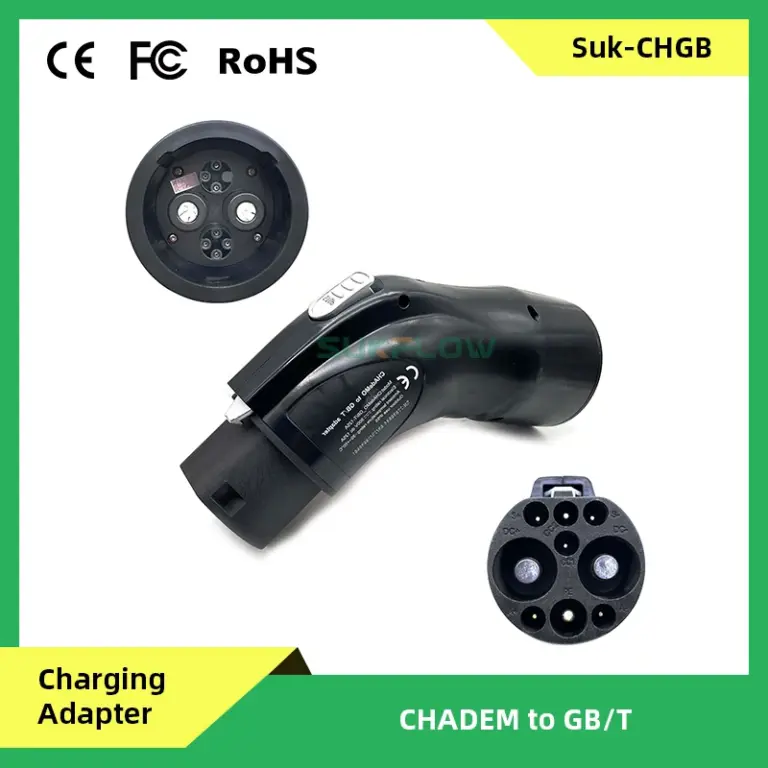
- Charging port compatibility (CCS2 vs GB/T standards)
- Homologation label accuracy
Escrow and Payment Security:
Utilize Alibaba Trade Assurance or independent escrow services (Escrow.com, Citibank Trade Services) for initial transactions. Structure payments in tranches: 30% upon contract signing, 40% upon production completion with inspection certificate, 30% upon bill of lading issuance. Never transfer funds directly to personal accounts or via cryptocurrency—2026 regulations prohibit such transactions for vehicle exports, and they offer zero legal recourse.
9. Start Your Import Business with Electric Auto China
Navigating the 2026 China car shipping to Middle East landscape requires more than transactional supplier relationships—it demands strategic partnerships with entities possessing deep regulatory expertise, established logistics networks, and verified compliance credentials.
At Electric Auto China, we function as your Shanghai-based Chief Export Office, bridging the gap between Chinese OEMs and Middle East distributors. Our services encompass:
- Regulatory Navigation: Direct MOFCOM license verification and export documentation preparation, ensuring 100% compliance with the 2026 Export License Framework.
- Financial Structuring: RMB/USD/AED multi-currency transaction facilitation, Sinosure policy arrangement, and landed cost optimization through our Yangshan Free Trade Zone bonded warehousing.
- Technical Localization: Pre-shipment GCC homologation preparation, including thermal management verification, Arabic software installation, and GSO certification support.
- Logistics Management: Dedicated EV ocean freight contracts with COSCO and OOCL, UN38.3 battery compliance handling, and Jebel Ali/Dammam customs clearance coordination.
- After-Sales Infrastructure: JAFZA spare parts depot establishment, Level-3 EV technician training programs, and manufacturer warranty claim processing.
The Middle East’s transition to sustainable mobility represents a generational opportunity, but success requires navigating China’s most complex export regulatory environment to date. With domestic Chinese market saturation intensifying competition and the 2026 license framework raising barriers to entry, partnering with experienced supply chain architects becomes not merely advantageous but essential.
Contact our Shanghai headquarters to schedule a comprehensive import feasibility study. We provide detailed landed cost modeling, factory audit accompaniment, and regulatory roadmap planning specific to your target GCC market—whether establishing initial presence in Dubai’s Al Aweer Auto Market or scaling to multi-country distribution across the Arabian Peninsula.
Electric Auto China: Your Compliant Gateway to the Middle East EV Revolution.
Unlock High-Margin EV Imports with Electric Auto China
As an elite automotive supply chain partner in Shanghai, we provide end-to-end, strictly compliant export solutions tailored for international dealerships, fleet managers, and wholesale distributors.
- 🛡️ 100% Legal & Compliant: Fully licensed exports ensuring smooth customs clearance at your destination.
- ⚙️ Complete Localization: Professional English/Arabic/Russian OS flashing and GB/T to CCS2 charging solutions.
- 🚢 Secure Logistics: Direct Ro-Ro and Containerized shipping with full UN38.3 battery certifications.
- 🔧 After-Sales Support: Reliable access to OEM diagnostic tools and steady spare parts supply.
Request a Detailed FOB/CIF Quote Today:
📧 B2B Sales Email: [email protected]
💬 Direct WhatsApp: +86 159 5127 6160