The Ultimate 2026 Importer’s Guide to China EV dropshipping
1. The Macro-Economics of China EV dropshipping in 2026
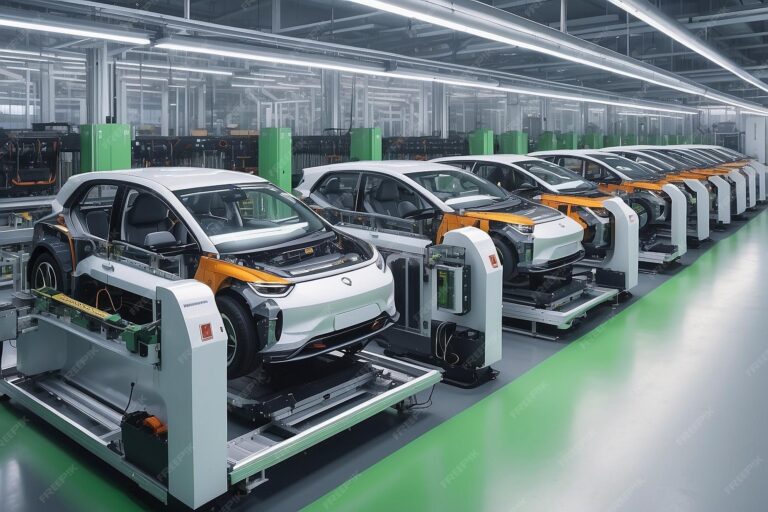
China’s automotive landscape has undergone a structural metamorphosis entering 2026. With total vehicle shipments reaching a record 34.4 million units—surpassing the previous 2017 peak by 9.4% year-over-year—the market has definitively reset its operating baseline. However, the narrative for international B2B buyers lies not in domestic saturation, but in the explosive export engine now generating 7.1 million annual vehicle exports, with New Energy Vehicles (NEVs) commanding over one-third of outbound volume.
The “dropshipping” model—interpreted here as low-inventory, order-based importation with bonded warehousing facilitation—has become viable due to three convergent macro forces:
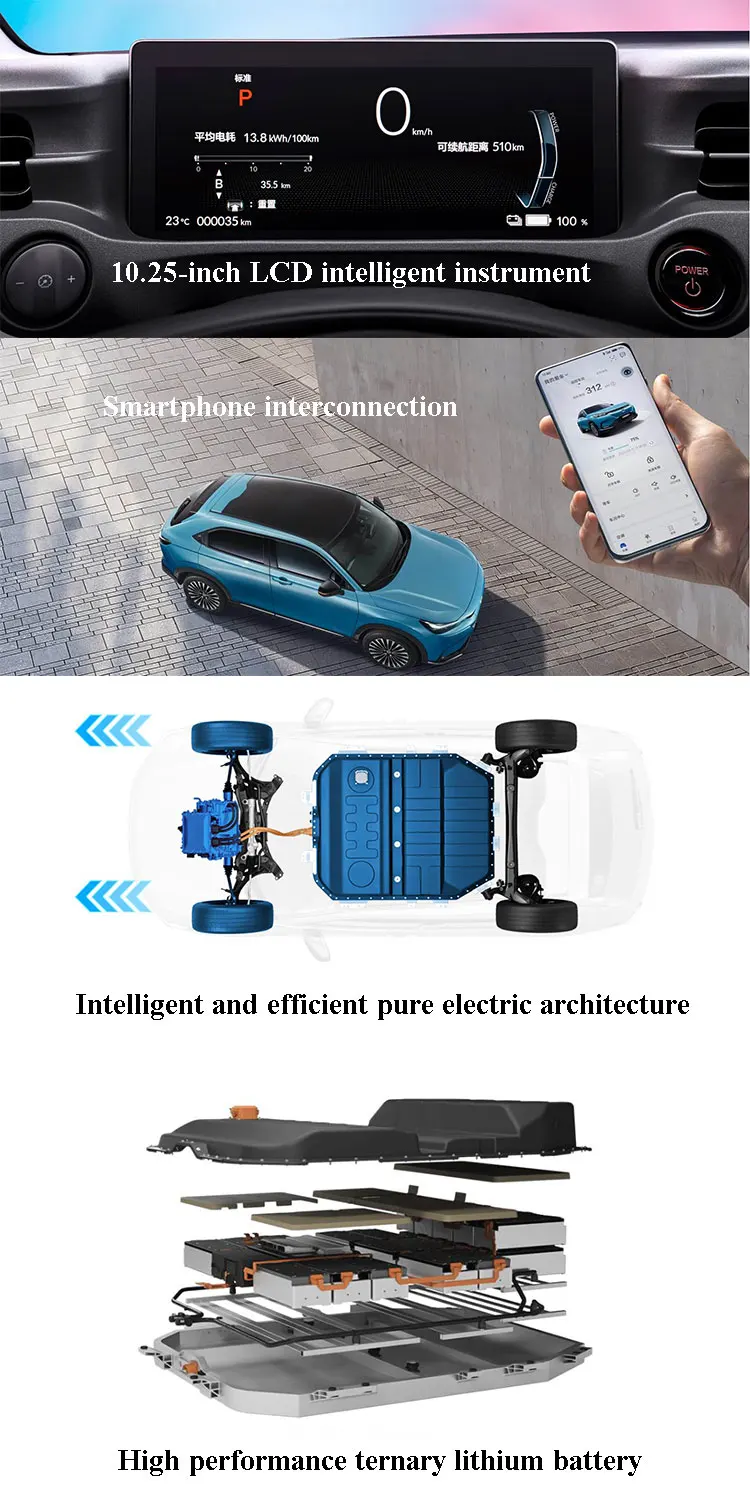
Product Value Upgrading: Chinese exports have transitioned from commoditized components to high-value integrated systems. Battery electric vehicles (BEVs), plug-in hybrids (PHEVs), and intelligent cockpit systems now constitute the primary export value, with average unit values rising 12% YoY despite pricing pressures in destination markets.
Multi-Regional Production Networks: The “China Plus One” strategy has evolved into blended supply models. Chinese OEMs now utilize Southeast Asian assembly hubs for final customization while maintaining core manufacturing in the Yangtze River Delta and Pearl River Delta. This reduces geopolitical concentration risk while preserving China’s 72% global market share in EV battery production.
Supply Chain Regionalization: Total logistics value in China exceeded 350 trillion yuan in 2025, growing 6.5% annually. For EV exporters, this translates to integrated regional supply chains where Shanghai serves as the central node, with robust feeder networks across Vietnam, Thailand, and Indonesia for tariff optimization.
Green Logistics Mandate: China’s dual carbon goals have transformed sustainability from marketing to mandate. With electric vehicles now comprising 35% of urban delivery fleets and solar-powered warehouses becoming standard, carbon-neutral shipping options are no longer premium add-ons but baseline compliance requirements—particularly critical for European buyers facing CBAM (Carbon Border Adjustment Mechanism) scrutiny.
For B2B importers, this macro environment creates a “sweet spot”: excess domestic capacity (with CPCA forecasting stagnant domestic sales of ~22 million units) meets structurally embedded export infrastructure, enabling dropshipping models where vehicles move from factory to foreign buyer with minimal intermediary warehousing.
2. Understanding China’s Strict EV Export Regulations
January 1, 2026, marked a regulatory inflection point. The Ministry of Commerce (MOFCOM) implemented mandatory Export License Frameworks for all NEV exports, fundamentally altering how foreign buyers engage with Chinese suppliers.
The 2026 Licensing Regime
Under the new framework, only accredited manufacturers and authorized export agents may apply for export licenses. This regulation targets the systemic issue of “irregular exports”—where new vehicles were previously misclassified as “used” to circumvent documentation, resulting in software-locked vehicles and voided warranties for international buyers.
Key Compliance Requirements:
– Manufacturer Accreditation: OEMs must demonstrate R&D investment ratios, quality management systems (IATF 16949), and after-sales service commitments in destination markets.
– Dealer Authorization: Export agents must hold MOFCOM-issued licenses, maintain bonded warehouse facilities, and provide traceable VIN documentation.
– Technical Documentation: UN38.3 battery test reports, ECE R100 compliance certificates, and cybersecurity management system (CSMS) documentation for intelligent vehicles.
Impact on Foreign Brands Manufacturing in China
The regulations equally constrain foreign giants—Tesla (Gigafactory Shanghai), Volkswagen (Anhui), and BMW (Brilliance)—which previously utilized China as a global export hub. These entities must now navigate the same accreditation process, creating a level playing field but reducing the “gray market” advantage previously exploited by unauthorized traders.
Compliance Advantage: Licensed exporters gain preferential treatment in customs clearance, reduced inspection rates (from 15% to 3%), and eligibility for China’s export credit insurance (Sinosure). For dropshipping operators, partnering with licensed entities eliminates the risk of port detention—a critical vulnerability given that lithium batteries classified as Class 9 dangerous goods face heightened scrutiny.
3. Sourcing Strategy: Direct Factory vs. Authorized Export Agents
The 2026 regulatory environment has bifurcated sourcing strategies into two distinct models, each with specific risk-reward profiles for dropshipping operations.
Model A: Direct Factory Engagement (High Volume, High Commitment)
Best for: National distributors, fleet operators (500+ units annually), and OEMs seeking white-label manufacturing.
Advantages:
– Pricing Leverage: EXW (Ex Works) pricing 8-12% below market through volume commitments.
– Customization: Direct input on battery chemistry (LFP vs. NCM), software localization, and trim specifications.
– Regulatory Transparency: Direct access to homologation documentation and type approval certificates.
Constraints:
– MOQ Requirements: Minimum orders typically 100+ units per SKU.
– Capital Intensity: 30% deposit requirements and 90-day production cycles tie up liquidity.
– Compliance Burden: Buyer assumes full responsibility for export licensing, dangerous goods documentation, and destination market certification.
Model B: Authorized Export Agents (Flexible, Compliance-Heavy)
Best for: Dropshipping operators, regional dealers, and startups (5-50 units monthly).
Advantages:
– Regulatory Shield: Agents hold MOFCOM licenses, assuming compliance liability.
– Consolidated Logistics: Mixed-container loading (2-4 vehicles per 40HQ) reducing per-unit shipping costs from $2,800 to $1,200.
– Financial Flexibility: Letter of Credit (L/C) terms and escrow payment structures mitigating factory default risk.
Constraints:
– Margin Stacking: Agent commissions range 5-8% on EXW pricing.
– Limited Customization: Stock configurations only; no bespoke manufacturing.
| Sourcing Model | MOQ | Lead Time | Compliance Risk | Best Use Case |
|---|---|---|---|---|
| Direct Factory | 100+ units | 90-120 days | High (Buyer assumes) | Fleet operators, National distributors |
| Authorized Agent | 1-5 units | 15-30 days | Low (Agent assumes) | Dropshipping, Dealership startups |
| Hybrid (Bonded) | 10-20 units | 45-60 days | Medium | Regional hub stocking |
Strategic Recommendation: For 2026 market entry, utilize Authorized Export Agents with bonded warehouse capabilities in Shanghai Yangshan or Shenzhen Shekou. This enables “virtual inventory”—marketing vehicles physically located in China but legally cleared only upon confirmed end-buyer purchase, true to the dropshipping ethos while maintaining regulatory compliance.
4. Financial Mechanics: Pricing and Landed Costs
Understanding the true cost of China EV dropshipping requires dissecting layered pricing structures beyond FOB quotes. Below is a comprehensive landed cost calculation for a representative mid-size BEV (e.g., BYD Seal or equivalent) imported into the European Union under 2026 tariff regimes.
Landed Cost Breakdown (Single Unit, EU Destination)
| Cost Component | Amount (USD) | Notes |
|---|---|---|
| EXW Factory Price | $22,000 | Base vehicle, standard range (550km CLTC) |
| Export License Fee | $450 | MOFCOM documentation & accreditation |
| Domestic Logistics | $380 | Factory to Shanghai Port (EV-specific carrier) |
| Ocean Freight (RoRo) | $1,800 | Shanghai to Rotterdam, 28-day transit |
| Battery DG Surcharge | $650 | UN38.3 compliance, Class 9 handling |
| Marine Insurance (110%) | $275 | All-risks coverage, including battery thermal runaway |
| EU Import Duty (10%) | $2,200 | Standard automotive tariff |
| EU Countervailing Duty | $3,740 | 17.4% provisional duty on Chinese BEVs |
| Homologation (WVTA) | $2,800 | Single approval valid EU-wide (e-marking) |
| Local Transport/PDI | $650 | Port to dealership, pre-delivery inspection |
| TOTAL LANDED COST | $34,945 | CIF+Duty+Compliance |
Pricing Strategy for Dropshipping Operators
Margin Preservation: With landed costs approaching $35,000 for a $22,000 factory vehicle, dropshipping margins rely on value-added services rather than arbitrage:
- Software Unlocking: Charging €800-1,200 for OTA update enablement and English/local language interface activation (previously restricted on gray-market units).
- Charging Adaptation: CCS2 adapter kits and GB/T to Type 2 conversions ($400 cost, $1,200 retail).
- Extended Warranty: Third-party EV powertrain warranties covering battery degradation ($600 cost, $2,500 retail).
Currency Hedging: With RMB volatility against the Euro (±4.2% in 2025), establish CNY-denominated escrow accounts or utilize forward contracts for orders exceeding 20 units.
Tax Optimization: Utilize Bonded Warehouse Models where vehicles remain in Shanghai Free Trade Zone until sold, deferring VAT payment until final destination clearance—improving cash flow by 90-120 days.
5. Global Logistics: Ocean Freight & Battery Transport Compliance
EV logistics diverges fundamentally from ICE vehicle transport due to lithium-ion battery regulations and thermal management requirements. The 2026 regulatory alignment has standardized protocols, but compliance remains operationally complex.
Shipping Modalities: RoRo vs. Container
Roll-on/Roll-off (RoRo):
– Capacity: 5,000-8,000 CEU (Car Equivalent Units) per vessel.
– Advantages: Drive-on/drive-off efficiency, reduced handling damage, built-in fire suppression.
– Constraints: Limited sailing schedules (weekly vs. daily), premium pricing during Q4 export surges.
Containerized (40HQ):
– Loading: 2-4 vehicles per high-cube container using racking systems.
– Battery Isolation: Mandatory 5cm separation between battery packs and container walls; thermal blankets required.
– Cost Efficiency: 40% lower per-unit cost for small shipments (1-2 units), but requires DG (Dangerous Goods) certification.
Critical Compliance: UN38.3 and IMO Codes
All lithium-ion batteries exceeding 100Wh must comply with UN38.3 testing (T1-T8 tests for altitude simulation, thermal cycling, vibration, shock, etc.). For 2026 exports, Chinese customs mandates:
- Summary Documentation: UN38.3 test summary (not full reports) must accompany each shipment.
- State of Charge (SoC): Batteries must ship at maximum 30% charge (reducing fire risk but requiring destination charging infrastructure).
- Temperature Monitoring: Continuous logging devices required for routes transiting equatorial zones (>35°C ambient).
Green Logistics Integration: Major carriers (COSCO, OOCL) now offer carbon-neutral shipping utilizing bio-LNG or methanol-fueled vessels. While adding $180-250 per unit, these services provide EU-compliant carbon footprint documentation essential for corporate fleet buyers meeting CSRD (Corporate Sustainability Reporting Directive) requirements.
Multi-Regional Routing: For Middle East and African markets, consider Southeast Asian Transhipment—routing through Thailand or Malaysia to utilize ASEAN trade agreements, reducing tariff exposure by 15-25% despite longer transits.
6. Localization & Homologation: Preparing Cars for Local Markets
Homologation represents the highest barrier to entry for China EV dropshipping. Unlike ICE vehicles, EVs require cybersecurity certification, electromagnetic compatibility (EMC) testing, and battery end-of-life compliance.
Regional Homologation Requirements
| Market | Regulatory Body | Key Requirements | Cost/Unit | Timeline |
|---|---|---|---|---|
| European Union | EU Type Approval (WVTA) | ECE R100 (battery), UNECE WP.29 cybersecurity, ISO 26262 functional safety | $2,800-4,500 | 8-12 weeks |
| GCC (Gulf) | GSO | Extreme heat testing (50°C+), Arabic software, Halal material compliance | $1,200-2,000 | 4-6 weeks |
| ASEAN | Various (Thailand: TISI) | Local content verification, tropical climate testing | $800-1,500 | 3-5 weeks |
| Australia | ADR | Right-hand drive conversion, local charger compatibility | $3,500-5,000 | 10-14 weeks |
Software Localization: The Hidden Challenge
2026-model Chinese EVs increasingly ship with region-locked software to prevent gray-market arbitrage. Authorized exporters must coordinate with OEMs for:
- Language Packs: Full UI/UX translation (not just menu overlays) for infotainment and instrument clusters.
- OTA Infrastructure: Establishing EU/AU-based update servers to comply with data sovereignty laws (GDPR, etc.).
- App Ecosystem: Integration of local charging networks (e.g., Ionity in EU, Chargefox in AU) into vehicle navigation.
Dropshipping Implication: Pre-homologated “global versions” from licensed exporters eliminate 60-day delays, enabling true dropshipping where vehicles clear customs and deliver within 14 days of order confirmation.
7. After-Sales Ecosystem: Securing Parts and Service Abroad
The Achilles’ heel of China EV dropshipping has historically been after-sales support. The 2026 regulatory framework mandates that licensed exporters establish minimum service commitments in destination markets.
Parts Supply Chain Architecture
Critical Spare Parts Strategy:
– Battery Modules: Maintain 2% inventory coverage (e.g., 2 battery packs per 100 vehicles sold) in regional hubs. LFP batteries have 8-year lifecycles but require climate-controlled storage (15-25°C).
– Power Electronics: Onboard chargers (OBC) and DC-DC converters represent 70% of warranty claims; establish 48-hour replacement SLA with air freight provisions.
– Body & Chassis: Partner with third-party logistics providers (Kuehne+Nagel, DHL Supply Chain) for bonded warehousing of crash parts.
Service Partnership Models:
1. Authorized Service Centers: Recruit existing multi-brand workshops to become certified EV service partners. Training costs ($5,000/technician) can be subsidized through co-marketing agreements.
2. Remote Diagnostics: Utilize OEM cloud platforms to perform 80% of diagnostic work remotely, reducing physical service requirements.
3. Battery Recycling: EU Battery Regulation (2023/1542) mandates producer responsibility for end-of-life batteries. Licensed exporters must establish reverse logistics for battery return to China or local recycling partnerships (e.g., Redwood Materials in EU).
Warranty Escrow: Reputable dropshipping operators establish warranty reserve funds (3-5% of vehicle price) held in destination market banks to guarantee service credibility—a key differentiator against gray-market competitors.
8. Avoiding Scams: How to Audit a Chinese EV Supplier
The 2026 export license requirement has reduced—but not eliminated—fraudulent operators. Unauthorized traders continue attempting to sell “new” vehicles as used to bypass licensing, or misrepresent vehicle specifications (range, battery capacity, ADAS capabilities).
Red Flags in Supplier Vetting
Documentation Verification:
– Export License: Verify MOFCOM license number against the official registry (http://www.mofcom.gov.cn). Licenses are VIN-specific; generic “export permits” are invalid.
– CCC Certification: Check China Compulsory Certification marks on vehicles; expired CCC (common on 2024 overstock) invalidates export eligibility.
– Battery Certification: Demand UN38.3 test summaries with matching battery serial numbers; generic reports indicate refurbished or non-compliant packs.
Financial Due Diligence:
– Factory Audit: Conduct AIC (Administration for Industry and Commerce) checks for registered capital (minimum 50 million RMB for vehicle manufacturers), litigation history, and equity structure.
– Payment Terms: Never pay 100% upfront. Standard terms: 30% deposit, 70% against Bill of Lading (B/L). Use escrow services (Alibaba Trade Assurance, Sinosure) for initial transactions.
– Reference Checks: Request contact information for three foreign buyers in your target region; verify delivery dates and specification compliance.
Technical Audit:
– VIN Decoding: Verify VINs indicate 2026 production (10th digit “P” for 2026); earlier digits suggest old stock being passed as new.
– Software Inspection: Confirm vehicles accept destination market SIM cards and display correct language options before shipment.
– Physical Inspection: Engage third-party inspection agencies (SGS, Bureau Veritas) for pre-shipment checks, particularly for battery health (SoH >95%) and paint thickness (indicating accident repairs).
Blacklist Indicators:
– Prices >15% below market average (indicates subsidy fraud or tax evasion).
– Refusal to allow factory visits or video inspections.
– Requests for payment to personal accounts or Hong Kong shell companies unrelated to manufacturing.
9. Start Your Import Business with Electric Auto China
As Chief Export Consultant at Electric Auto China (Shanghai), I have guided over 200 B2B buyers through the 2026 regulatory transition. Our compliance-first approach eliminates the regulatory ambiguity that destroys margins and reputations.
Our 2026-Compliant Dropshipping Infrastructure
Licensed Export Authority: Electric Auto China holds MOFCOM Class-A export licenses for NEVs, PHEVs, and commercial EVs, ensuring every VIN in our inventory carries legitimate export documentation.
Integrated Logistics Network:
– Bonded Warehousing: 50,000m² facility in Shanghai Yangshan Free Trade Port, enabling pre-positioning of inventory without duty payment until sale.
– Multi-Modal Shipping: Partnerships with COSCO, Maersk, and Eurogate for RoRo and containerized options, including carbon-neutral lanes to Rotterdam and Hamburg.
– Battery Compliance: In-house DG certification team ensuring UN38.3, MSDS, and thermal management protocols exceed IMO standards.
Financial & Legal Support:
– Trade Finance: Sinosure-backed credit lines for qualified buyers, reducing working capital requirements by 40%.
– Homologation Management: Turnkey EU WVTA, GCC, and ASEAN certification handled by our Shanghai compliance team, reducing your time-to-market by 10 weeks.
– After-Sales Guarantee: Mandatory 3-year/100,000km powertrain warranties backed by escrow accounts in Frankfurt and Dubai.
The Electric Auto China Process
- Market Analysis: We assess your local homologation requirements and competitive positioning.
- Sample Procurement: Single-unit trial shipments with full documentation to validate your logistics chain.
- Scale & Optimize: Transition to consolidated monthly shipments with bonded inventory management.
- Ongoing Support: Technical training, parts provisioning, and software update management.
2026 Market Entry Package: For new importers, we offer a $15,000 starter package including 2 sample vehicles (BEV + PHEV), full homologation documentation, and 90 days of after-sales support—de-risking your market entry while ensuring full MOFCOM compliance.
The China EV export market in 2026 rewards prepared operators and penalizes regulatory shortcuts. With Electric Auto China, you gain a partner that navigates the licensing, logistics, and localization complexity—allowing you to focus on customer acquisition and market growth.
Contact our Shanghai headquarters today to receive your customized import roadmap and 2026 compliant price list. The future of automotive retail is electric, efficient, and export-licensed—ensure your business leads the transition.
Unlock High-Margin EV Imports with Electric Auto China
As an elite automotive supply chain partner in Shanghai, we provide end-to-end, strictly compliant export solutions tailored for international dealerships, fleet managers, and wholesale distributors.
- 🛡️ 100% Legal & Compliant: Fully licensed exports ensuring smooth customs clearance at your destination.
- ⚙️ Complete Localization: Professional English/Arabic/Russian OS flashing and GB/T to CCS2 charging solutions.
- 🚢 Secure Logistics: Direct Ro-Ro and Containerized shipping with full UN38.3 battery certifications.
- 🔧 After-Sales Support: Reliable access to OEM diagnostic tools and steady spare parts supply.
Request a Detailed FOB/CIF Quote Today:
📧 B2B Sales Email: [email protected]
💬 Direct WhatsApp: +86 159 5127 6160