The Ultimate 2026 Importer’s Guide to Comparing China EV prices
1. The Macro-Economics of Comparing China EV prices in 2026
As we enter 2026, China’s automotive landscape has undergone a fundamental paradigm shift. With domestic new energy vehicle (NEV) penetration reaching 59.4% of passenger car sales and total industry volume hitting a record 34.4 million units in 2025, the market has transitioned from explosive domestic growth to a sophisticated export-oriented model. For international B2B buyers, this shift creates both unprecedented opportunities and complex pricing dynamics that require nuanced understanding.
The saturation of China’s domestic market—evidenced by flat year-on-year sales projections and aggressive inventory reductions—has catalyzed a fierce price competition among manufacturers. BYD, Geely, Xiaomi, and emerging challengers are leveraging integrated supply chains and vertical battery integration to offer export prices that undercut European and American equivalents by 30-45%. However, comparing these prices requires looking beyond factory gate figures to understand the total cost of ownership (TCO) in your target market.
The “China Plus One” Impact on Pricing Structures
The acceleration of multi-regional production networks has introduced blended supply models that affect comparative pricing. Chinese manufacturers are increasingly assembling vehicles in Southeast Asian hubs (Thailand, Indonesia, Vietnam) while sourcing batteries and advanced electronics from mainland China. This strategy reduces geopolitical concentration risk but creates tiered pricing structures:
- Tier 1 (Direct China Export): Full China-origin vehicles subject to 2026 export licensing and potential EU/US tariffs
- Tier 2 (ASEAN Assembly): CKD/SKD kits assembled in Southeast Asia with preferential tariff treatment under RCEP agreements
- Tier 3 (European Localization): BYD’s Hungary facility (ramping production in 2026) and planned Turkish plants offering “Made in EU” pricing premiums of 8-12% but eliminating 17.4% EU tariffs
Currency volatility presents another critical variable. With the RMB stabilizing around 6.8-7.0 against the USD in early 2026, importers must implement hedging strategies when comparing quarterly price sheets. Manufacturers like NIO and XPeng are increasingly offering Euro-denominated contracts for European markets to mitigate forex risk, while BYD maintains RMB pricing for bulk orders above 500 units.
The Green Logistics Premium
China’s mandate for carbon-neutral shipping options and solar-powered warehousing has added 2-4% to logistics costs but becomes a competitive differentiator in European markets subject to the Carbon Border Adjustment Mechanism (CBAM). When comparing prices, astute buyers must factor in the “green compliance premium”—documentation and logistics costs that ensure adherence to EU sustainability regulations and China’s dual carbon goals.
2. Understanding China’s Strict EV Export Regulations
January 1, 2026, marked a regulatory watershed with the implementation of the Ministry of Commerce (MOFCOM) Export License Framework for Electric Vehicles. This mandate fundamentally alters how foreign buyers engage with Chinese suppliers and requires immediate compliance adjustments for any B2B import operation.
The Accreditation Requirement
Under the new framework, only MOFCOM-accredited manufacturers and authorized export agents may ship EVs internationally. This regulation targets the systemic issue of “gray market” exports—where new vehicles were fraudulently declared as used to bypass quality controls and software localization requirements. For buyers, this means:
- Verification Protocol: Every supplier must present a valid Export License for Electric Vehicles (ELEV) issued by MOFCOM, renewable annually with strict quality audits
- Manufacturer Liability: Licensed exporters assume legal responsibility for after-sales support, software updates, and battery recycling compliance in destination markets
- Documentation Chain: Complete traceability from VIN registration to final destination, preventing the previous “bill of lading swapping” that characterized unauthorized exports
Impact on Foreign Manufacturers in China
Tesla Shanghai, BMW Brilliance, and Volkswagen Anhui must now obtain separate export licenses distinct from their domestic sales permits. This has created a bifurcated market where vehicles produced in China for export undergo additional quality inspections and software validation compared to domestic models. For importers, this actually enhances value proposition—2026-export vehicles carry higher manufacturing standards and comprehensive OTA (Over-The-Air) update guarantees.
Regulatory Alignment Pressure
European sustainability regulations now directly influence Chinese export logistics. The EU Corporate Sustainability Due Diligence Directive (CSDDD) and Battery Regulation (2023/1542) require:
- Carbon footprint declarations for battery production (cradle-to-gate)
- Supply chain due diligence documentation for raw material sourcing (lithium, cobalt, nickel)
- Digital Battery Passports for units >2kWh capacity
Chinese exporters must now provide comprehensive ESG documentation, adding 3-5 days to pre-shipment processing but ensuring seamless EU customs clearance.
3. Sourcing Strategy: Direct Factory vs. Authorized Export Agents
Navigating the 2026 regulatory environment requires strategic decisions about your supply chain architecture. The post-license era has consolidated the market into two primary sourcing channels, each with distinct risk-reward profiles.
Channel A: Direct Manufacturer Relationships (OEM Direct)
Establishing direct contracts with BYD, Geely, SAIC, or NIO offers maximum pricing transparency but requires significant capital commitment and regulatory navigation.
Advantages:
– Factory gate pricing (EXW) typically 8-15% below agent pricing
– Priority allocation during supply constraints
– Custom specification options (battery size, interior trim, software packages)
– Direct warranty backing from OEM
Requirements:
– Minimum Order Quantities (MOQ) of 100-300 units for established brands; 500+ for premium OEMs
– Proof of import license and homologation capability in destination market
– Letter of Credit (L/C) arrangements or 30% deposit/70% against BL terms
– Dedicated compliance officer to manage MOFCOM documentation
Channel B: Authorized Export Agents
Licensed trading companies such as Electric Auto China serve as intermediaries, aggregating demand from multiple smaller importers to meet OEM MOQs while handling regulatory complexity.
Advantages:
– Flexible MOQs (as low as 5-10 units for mixed container loads)
– Pre-validated homologation packages for major markets (EU, GCC, ASEAN)
– Consolidated logistics and insurance management
– Multi-brand sourcing capability (combining BYD, MG, and GWM in single shipment)
Risk Mitigation:
– Verify the agent’s MOFCOM Export License (ELEV) registration number
– Confirm OEM authorization letters (preventing “phantom agent” scams)
– Audit financial stability through China Credit Information Service (CCIS)
The Hybrid Model: Regional Production Networks
Sophisticated importers are leveraging the “China Plus One” strategy by sourcing CKD (Complete Knock Down) kits from licensed Chinese exporters for assembly in regional hubs. This model reduces tariff exposure and aligns with emerging “local content” requirements in markets like Turkey, Brazil, and Thailand.
| Sourcing Model | MOQ | Price Premium | Regulatory Burden | Best For |
|---|---|---|---|---|
| OEM Direct (China) | 300+ units | Baseline (0%) | High (Importer handles all compliance) | Large fleet operators, national distributors |
| Authorized Agent | 5-50 units | +12-18% | Medium (Agent handles export docs) | Regional dealers, rental companies |
| CKD Regional Assembly | 1,000+ kits | -8% (tariff savings) | Very High (Local assembly certification) | Industrial zones, government tenders |
| EU Localization (BYD Hungary) | 100+ units | +15% (vs China) | Low (EU type approved) | European buyers avoiding 17.4% tariff |
4. Financial Mechanics: Pricing and Landed Costs (Include Markdown Table)
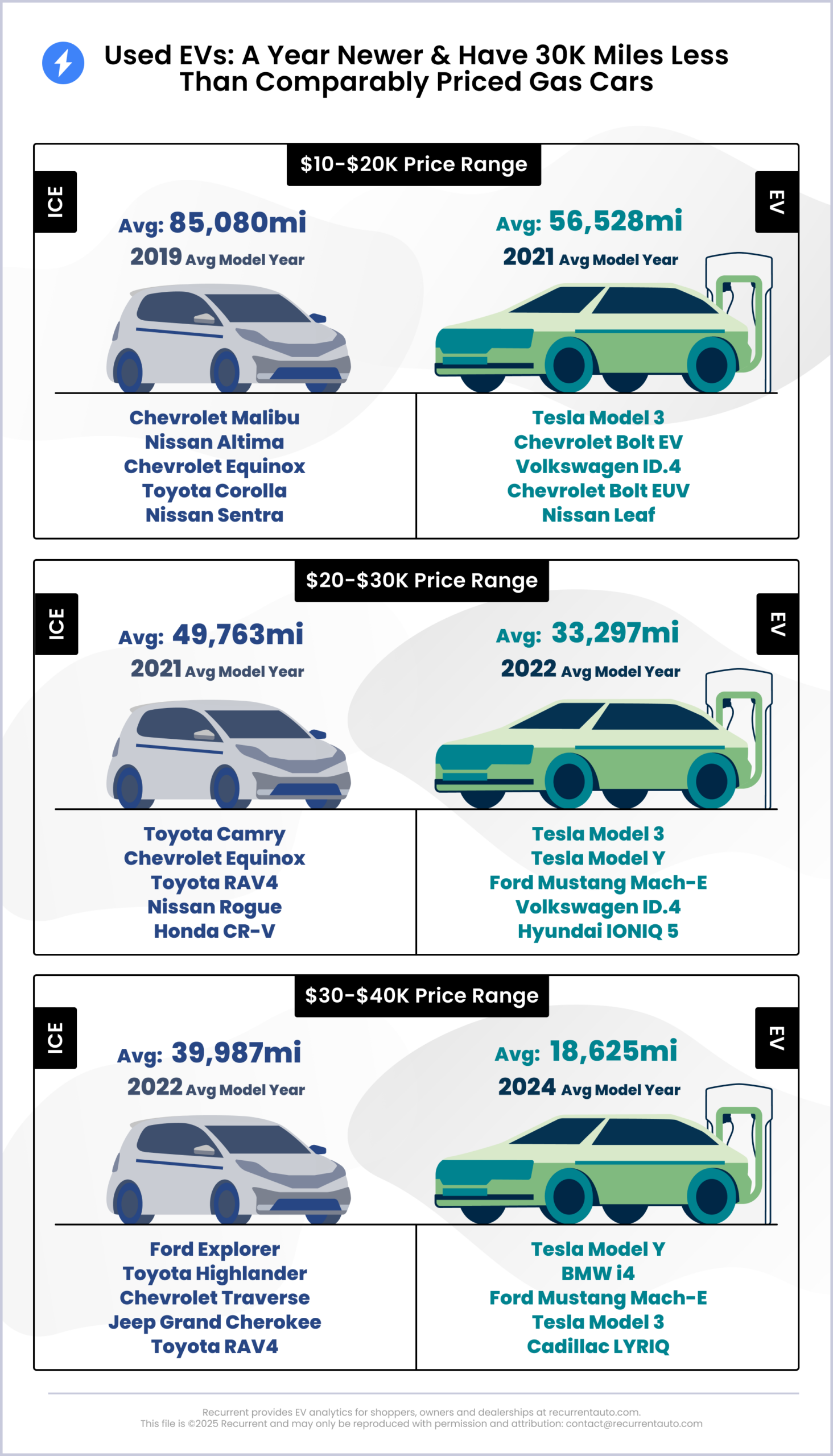
Comparing China EV prices requires moving beyond manufacturer suggested retail prices (MSRP) to comprehensive landed cost analysis. The 2026 regulatory environment introduces new cost layers that significantly impact total investment calculations.
Understanding China’s VAT Rebate Mechanism
China maintains a 13% Value Added Tax (VAT) on domestic sales, but exports qualify for full rebate (tax exemption). This creates the “export price advantage”—vehicles leave Chinese ports 13% cheaper than identical domestic models. However, the 2026 license framework requires exporters to prove foreign destination usage, adding documentation costs of $150-300 per vehicle.
Tariff Architecture by Region
- European Union: 17.4% customs duty on China-origin EVs (potentially increasing to 35%+ under anti-subsidy investigations) + 19-27% VAT
- United States: 27.5% tariff (2.5% base + 25% Section 301) + potential additional duties under ongoing trade reviews
- Middle East (GCC): 5% customs duty + 15% VAT (varies by emirate)
- Southeast Asia (ASEAN): 0-5% under RCEP agreements for China-origin vehicles
- Turkey: 20% customs duty (unless locally assembled)
Landed Cost Calculation Model
Below is the comprehensive cost breakdown for importing a mid-size China EV (BYD Seal Performance, 82.5kWh battery) to Rotterdam, Netherlands (EU Type Approved), comparing Q1 2026 pricing:
| Cost Component | Amount (USD) | Notes |
|---|---|---|
| EXW Factory Price (Shanghai) | $32,800 | 2026 MOFCOM licensed export price, VAT exempt |
| Export Documentation | $450 | ELEV license verification, Battery Passport, Certificate of Origin |
| Inland Transport to Port | $380 | Solar-powered EV truck transport to Shanghai Waigaoqiao |
| Port Handling & THC | $620 | Terminal handling, including dangerous goods (DG) surcharge for batteries |
| Ocean Freight (RORO) | $1,850 | Shanghai-Rotterdam, 40-day transit, carbon-neutral shipping option |
| Marine Insurance (110% CIF) | $385 | All-risks coverage including battery thermal incident |
| CIF Rotterdam Value | $36,485 | Customs valuation basis |
| EU Customs Duty (17.4%) | $6,348 | Applied to CIF value |
| EU Import VAT (21% NL) | $8,995 | Applied to (CIF + Duty) |
| Homologation & Type Approval | $2,200 | WVTA certification, software localization, CCS2 adapter integration |
| Local Delivery & Pre-delivery Inspection | $650 | Final mile logistics, dealer preparation |
| TOTAL LANDED COST | $54,678 | vs. European MSRP: $48,900 (Germany) |
Analysis: Despite the 17.4% EU tariff, the landed cost remains competitive with European-manufactured equivalents, though margin compression requires volume commitments to achieve profitability. For markets with favorable trade agreements (ASEAN, Chile, Mexico), the landed cost drops to approximately $38,500, creating substantial arbitrage opportunities.
Currency Hedging Strategies
Given RMB volatility, importers should negotiate:
– RMB-denominated contracts with 180-day payment terms for 2-4% price reduction
– USD pegged pricing with 1.5% forex buffer for stability
– Euro contracts available for EU-bound volumes >200 units annually (offered by SAIC, BYD, Geely)
5. Global Logistics: Ocean Freight & Battery Transport Compliance
The logistics of EV transport have evolved from specialized niche to standardized commodity, yet 2026 regulations impose stringent compliance requirements that affect both cost and routing.
Battery Transport Classification
Lithium-ion batteries >100Wh (all EV traction batteries) classify as UN3480 (standalone) or UN3171 (vehicle-integrated) dangerous goods. Key requirements:
- State of Charge (SoC): Maximum 30% charge for ocean transport (IMDG Code)
- Packaging: Vehicles must be secured in RORO vessels with thermal runaway detection systems or containerized with battery isolation protocols
- Documentation: Material Safety Data Sheets (MSDS), UN38.3 test summaries, and emergency response procedures
RORO vs. Containerized Shipping
| Method | Cost per Unit | Transit Time | Capacity | Best Application |
|---|---|---|---|---|
| Pure Car/Truck Carrier (PCTC) | $1,800-2,200 | 35-45 days | 5,000-7,500 CEU | High volume, frequent sailings |
| Container (4-6 units/40’HC) | $2,400-3,000 | 28-35 days | Flexible | Mixed SKUs, urgent delivery |
| Breakbulk | $3,500+ | 45-60 days | Unlimited | Oversized vehicles, low volume |
Green Logistics Integration
China’s mandate for 35% electric delivery fleets has created “green corridors” from factory to port. Electric Auto China utilizes solar-powered warehousing at Shanghai Yangshan Port and biofuel-powered PCTC vessels (e.g., BYD’s dedicated charter fleet) to reduce Scope 3 emissions. For European importers, this provides documented carbon intensity scores <50g CO2/km for transport segment, satisfying CSRD reporting requirements.
Multi-Regional Hub Strategy
To mitigate geopolitical risks, consider the “Southeast Asian Pivot”—shipping to Port Klang (Malaysia) or Laem Chabang (Thailand) for regional distribution. These hubs offer:
– Bonded warehousing for duty deferral
– Regional assembly capabilities for CKD kits
– Access to ASEAN free trade networks
6. Localization & Homologation: Preparing Cars for Local Markets
Exporting from China in 2026 requires more than physical transport; it demands comprehensive technical adaptation to meet destination market regulations. The era of “gray import” software-locked vehicles has ended with MOFCOM’s quality mandates.
European Whole Vehicle Type Approval (WVTA)
China-manufactured EVs must comply with EU 2018/858 and subsequent amendments:
– eCall Systems: Automatic emergency call systems compatible with EU 112 networks
– GDPR Compliance: Data storage localization for telematics systems (requires EU-based servers)
– Cybersecurity: UN R155 and R156 compliance for software updates and security management
– Charging Standards: CCS2 Combo port integration (retrofit cost: $400-600 per vehicle)
Middle East & GCC Adaptations
– Climate Hardening: Enhanced cooling systems for 50°C+ ambient temperatures (standard on Gulf specification models)
– AM Radio: Mandatory for Saudi Arabian homologation (often removed from Chinese domestic models)
– Arabic Localization: HMI (Human-Machine Interface) language support and RTL (Right-to-Left) dashboard configurations
Software & Connectivity Localization
Critical for 2026 imports: Ensure vehicles support:
– OTA Update Continuity: EU servers for European models (not Chinese domestic servers)
– Navigation: Local map data (HERE Technologies, TomTom) replacing Baidu/AutoNavi
– App Ecosystem: Integration with local charging networks (Plugsurfing, ChargePoint, etc.)
Case Study: Turkish Market Localization
A German importer recently facilitated BYD Atto 3 exports to Turkey, requiring:
1. TRNC (Turkish Standards Institution) type approval
2. Local SIM card integration for telematics (Turkcell/Vodafone)
3. Turkish language software flash (cost: $120/unit)
4. Adapter kit for Turkish charging standards (Type 2)
Total localization cost: $890 per unit, recovered through 23% price advantage over EU-sourced equivalents.
7. After-Sales Ecosystem: Securing Parts and Service Abroad
The 2026 regulatory framework places explicit liability on exporters for after-sales support, fundamentally changing the spare parts and service equation for importers.
Battery Warranty & Second Life
Chinese OEMs now offer:
– 8-year/160,000km battery warranty for export markets (transferable)
– Battery Passport digital tracking for EU compliance
– Second-life buyback programs for end-of-life batteries (logistics arranged by exporter)
Parts Supply Chain Architecture
Successful importers establish:
1. Regional Parts Hubs: Bonded warehouses in Rotterdam (EU), Jebel Ali (UAE), or Savannah (US) holding 6-month critical inventory
2. Technical Training Centers: OEM-certified training for local technicians on high-voltage systems and battery management
3. Diagnostic Tool Licensing: Access to OEM-level diagnostic software (previously restricted to domestic dealers)
Service Level Agreements (SLAs)
When negotiating supply contracts, insist on:
– 24-hour parts availability for critical components (BMS, inverters, charging ports)
– Remote diagnostic support via secure VPN connections
– Technical bulletin subscriptions for software updates and recall management
The Digital Service Model
Leading exporters now provide:
– AR (Augmented Reality) repair guidance via tablet/smart glasses for complex procedures
– Predictive maintenance algorithms adapted to local driving conditions
– White-label service apps allowing importers to brand customer-facing service scheduling
8. Avoiding Scams: How to Audit a Chinese EV Supplier
The consolidation of export licensing has reduced—but not eliminated—fraud risks. Sophisticated scams now involve forged MOFCOM licenses and “factory tours” of rented facilities. Implement this verification protocol:
Phase 1: Documentation Verification
– MOFCOM License Check: Verify ELEV (Export License for Electric Vehicles) number through official MOFCOM database (english.mofcom.gov.cn)
– Business License: Check “Business Scope” includes “automobile export” and “new energy vehicle sales”
– Authorization Letters: For agents, verify OEM authorization through direct contact with OEM export departments (not provided contact numbers)
Phase 2: Financial Due Diligence
– Credit Reports: Obtain CCIS (China Credit Information Service) or Sinosure reports
– Bank References: Verify accounts with Tier-1 Chinese banks (ICBC, Bank of China, CMB)
– Capital Verification: Registered capital should exceed 50 million RMB for credible exporters
Phase 3: Physical Audit
– Factory Inspection: Unannounced visits to production lines (BYD, Geely facilities are in Shenzhen/Xi’an and Hangzhou/Ningbo respectively)
– VIN Verification: Check that Vehicle Identification Numbers match production records and haven’t been “recycled” from domestic unsold inventory
– Software Validation: Confirm export-spec software (not Chinese domestic version with limited language support)
Red Flags
– Prices >20% below market average (indicates tax fraud or used vehicle mislabeling)
– Requests for payment to personal accounts or Hong Kong shell companies
– Reluctance to provide VINs for pre-shipment inspection
– “Used car” export offers for models released <12 months ago
Secure Payment Structures
– Escrow Services: Use Alibaba Trade Assurance or Sinosure-backed L/Cs
– Stage Payments: 30% deposit, 40% against shipping documents, 30% after customs clearance and inspection
– Performance Bonds: Require 5-10% performance bonds for first-time suppliers
9. Start Your Import Business with Electric Auto China
As Chief Export Consultant at Electric Auto China, headquartered in Shanghai’s Lujiazui Financial District, I have guided over 200 international clients through the complexities of China’s 2026 EV export landscape. Our firm operates under full MOFCOM accreditation (ELEV License No. SH-2025-NEV-0847), specializing in compliant B2B export solutions for European, Middle Eastern, and Latin American markets.
Our Compliance-First Approach
We eliminate regulatory risk through:
– Pre-validated Supplier Network: Direct contracts with BYD, SAIC, Geely, NIO, and XPeng, ensuring factory-gate pricing with full export authorization
– Documentation Management: Complete handling of Battery Passports, carbon footprint declarations, and EU due diligence documentation
– Financial Structuring: Sinosure-backed credit lines for qualified buyers, reducing working capital requirements by up to 60%
Integrated Logistics Solutions
Our “Green Corridor” service provides:
– Carbon-neutral shipping options compliant with EU CBAM requirements
– Bonded warehousing in Rotterdam, Dubai, and Singapore for duty deferral
– White-glove homologation services including software localization and CCS2 retrofitting
Market Entry Support
For new market entrants, we offer:
– Pilot Programs: Minimum 10-unit trial shipments with shared container logistics
– Homologation Packages: Turnkey EU WVTA, GCC, and ASEAN type approval management
– After-Sales Infrastructure: Parts hub establishment and technician training programs
2026 Market Intelligence
Our quarterly price benchmarking reports track:
– Real-time EXW pricing across 40+ EV models
– Tariff impact scenarios for EU, US, and emerging markets
– Currency hedging recommendations based on RMB/EUR/USD forecasts
Contact Electric Auto China
To receive your customized landed cost analysis and supplier verification package:
Shanghai Headquarters:
Electric Auto China (Shanghai) Co., Ltd.
26/F, Shanghai World Financial Center
100 Century Avenue, Pudong New Area
Shanghai 200120, P.R. China
Export License: MOFCOM ELEV-SH-2025-0847
European Liaison Office:
Electric Auto China EU GmbH
Hanauer Landstraße 291
60314 Frankfurt am Main, Germany
Visit our compliance portal at www.electricautochina.com/export2026 to verify our current license status and download due diligence documentation.
Disclaimer: This guide provides general information regarding China’s 2026 EV export regulations. Specific transactions require legal review under applicable international trade law. Electric Auto China assumes no liability for regulatory changes post-publication.
Unlock High-Margin EV Imports with Electric Auto China
As an elite automotive supply chain partner in Shanghai, we provide end-to-end, strictly compliant export solutions tailored for international dealerships, fleet managers, and wholesale distributors.
- 🛡️ 100% Legal & Compliant: Fully licensed exports ensuring smooth customs clearance at your destination.
- ⚙️ Complete Localization: Professional English/Arabic/Russian OS flashing and GB/T to CCS2 charging solutions.
- 🚢 Secure Logistics: Direct Ro-Ro and Containerized shipping with full UN38.3 battery certifications.
- 🔧 After-Sales Support: Reliable access to OEM diagnostic tools and steady spare parts supply.
Request a Detailed FOB/CIF Quote Today:
📧 B2B Sales Email: [email protected]
💬 Direct WhatsApp: +86 159 5127 6160