The Ultimate 2026 Importer’s Guide to Exporting cars from China guide
1. The Macro-Economics of Exporting cars from China guide in 2026
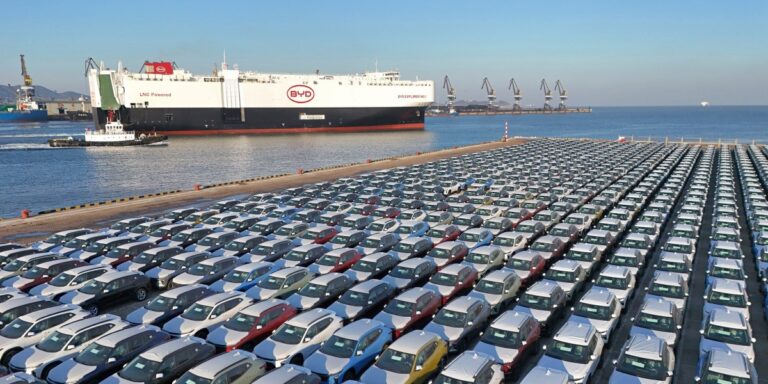
China’s automotive landscape has undergone a fundamental structural transformation as we enter 2026. With total vehicle shipments reaching a record 34.4 million units in 2025—representing a 9.4% year-over-year increase and decisively surpassing the previous 2017 peak—the Middle Kingdom has cemented its position as the world’s definitive automotive manufacturing hub. However, the narrative extends far beyond volume metrics; it encompasses a sophisticated evolution toward product value upgrading and multi-regional production networks that demand nuanced understanding from international B2B buyers.
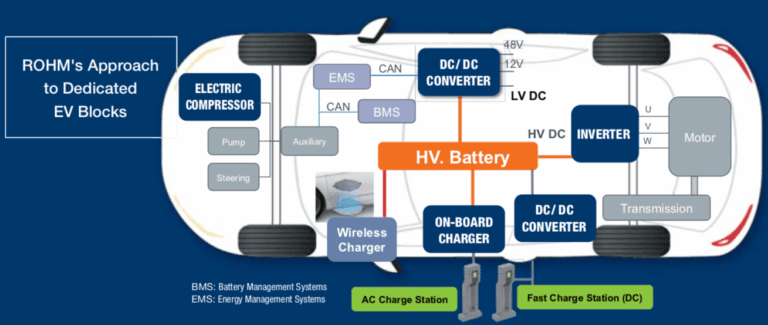
The electrification pivot is unequivocal. New Energy Vehicles (NEVs) contributed 16.5 million units in 2025, capturing 28.2% growth year-over-year and establishing themselves as the marginal growth engine of the market. Critically, Internal Combustion Engine (ICE) volumes contracted by 3.6% (-700,000 units), confirming that China’s export momentum is no longer tethered to traditional powertrains but is instead driven by advanced battery electric vehicles (BEVs), plug-in hybrids (PHEVs), and intelligent connected vehicles (ICVs).
Export dynamics have shifted from opportunistic volume dumping to structural, policy-aware market embedding. China closed 2025 with 7.1 million vehicle exports, with NEVs comprising over one-third of outbound volume. Unlike previous cycles characterized by concentrated, price-driven penetration of single markets, 2026 exhibits geographically diversified flows—simultaneously penetrating European regulatory environments, GCC luxury segments, Southeast Asian growth corridors, and emerging Latin American markets. This diversification mitigates geopolitical concentration risk while establishing China as a central node in blended supply models that combine Chinese component inputs, Southeast Asian assembly, and European final customization.
The logistics infrastructure supporting this export surge has evolved commensurately. China’s total logistics value now exceeds 350 trillion yuan (6.5% YoY growth), with green logistics transitioning from competitive differentiator to operational mandate. Electric vehicles constitute over 35% of urban delivery fleets, while solar-powered warehouses and carbon-neutral shipping options have become standard offerings—critical considerations for European buyers facing stringent sustainability disclosure requirements under the Corporate Sustainability Due Diligence Directive (CSDDD).
For B2B importers, the strategic implication is clear: sourcing from China in 2026 requires engagement with a mature, regulated export ecosystem that prioritizes compliance, traceability, and value-chain integration over transactional arbitrage.
2. Understanding China’s Strict EV Export Regulations
Effective January 1, 2026, China’s Ministry of Commerce (MOFCOM) implemented the Export License Framework for New Energy Vehicles, fundamentally altering the regulatory architecture for automotive exports. This regulatory pivot addresses systemic issues including “grey market” exports (where new vehicles were misclassified as used to circumvent oversight), software version mismatches, and inconsistent after-sales support that previously damaged brand equity in destination markets.
The Export License Framework: Core Requirements
Under the 2026 framework, only accredited manufacturers and authorized export agents may apply for EV export licenses. This accreditation process involves:
- Manufacturing Qualification Verification: OEMs must demonstrate production capacity exceeding 10,000 units annually with complete quality management systems (ISO 9001/IATF 16949 compliance).
- Overseas After-Sales Capability: Exporters must prove established service networks or partnerships in destination markets, including spare parts warehousing and technical training protocols.
- Software Compliance Documentation: Mandatory disclosure of autonomous driving capabilities, data collection parameters, and OTA (Over-The-Air) update mechanisms to prevent regulatory misalignment in destination markets.
- Battery Traceability: Full chain-of-custody documentation for lithium-ion cells, including UN38.3 test reports, MSDS (Material Safety Data Sheets), and recycling responsibility agreements.
Impact on Foreign Manufacturers
The regulations extend to foreign giants manufacturing within China—including Tesla (Gigafactory Shanghai), BMW (Shenyang), and Volkswagen (Anhui). These entities must now navigate dual compliance: maintaining their Chinese manufacturing efficiencies while ensuring export vehicles meet the new licensing requirements. This has accelerated the trend toward authorized export agents—third-party entities that assume regulatory liability and manage documentation complexity on behalf of foreign buyers.
Regulatory Alignment Pressure
European importers face convergent compliance obligations. The EU’s Corporate Sustainability Due Diligence Directive (CSDDD) and Battery Regulation (2023/1542) require comprehensive carbon footprint disclosure and supply chain due diligence. Chinese exporters must now provide:
- Carbon Footprint Declarations: Cradle-to-grave CO2 equivalent calculations for vehicle production
- Conflict Mineral Reports: Due diligence on cobalt, lithium, and rare earth sourcing
- Packaging Compliance: EU-specific sustainable packaging requirements (reduced plastic, recyclable materials)
Failure to provide these documentation packages results in port-of-entry delays, fines up to 4% of annual EU turnover, and potential market exclusion.
3. Sourcing Strategy: Direct Factory vs. Authorized Export Agents
The 2026 regulatory environment has bifurcated sourcing pathways into two distinct models, each with specific risk-reward profiles. Understanding these distinctions is critical for capital allocation and operational planning.
Direct Factory Engagement (Tier 1 OEMs)
Profile: Direct contracts with BYD, NIO, XPeng, Geely, or SAIC for volume purchases (minimum 100+ units).
Advantages:
– Price Optimization: Elimination of intermediary margins (typically 8-12%)
– Customization Access: Direct input on specifications, software localization, and feature bundling
– Priority Allocation: Guaranteed production slots during high-demand periods
Constraints:
– Regulatory Burden: Buyer assumes full responsibility for export licensing, homologation, and compliance documentation
– Minimum Order Quantities: Typically 500+ units for direct OEM relationships
– Payment Terms: Strict advance payment structures (30% deposit, 70% before shipment) with limited credit facilities
Authorized Export Agents (Licensed Trading Companies)
Profile: MOFCOM-licensed entities such as Electric Auto China that maintain multi-brand portfolios and assume regulatory liability.
Advantages:
– Regulatory Shield: Agent manages export licensing, dangerous goods declarations, and customs clearance
– Consolidation Services: Ability to mix SKUs (e.g., 20 units BYD Seal, 15 units NIO ET5, 10 units MG4) within single shipments
– Financial Flexibility: Letter of Credit (L/C) acceptance and escrow services
– After-Sales Integration: Bundled warranty management and parts distribution networks
Constraints:
– Premium Pricing: 5-15% markup over factory gate pricing
– Limited Customization: Standardized specifications with minimal deviation capability
| Sourcing Model | Minimum Order | Lead Time | Regulatory Liability | Best For |
|---|---|---|---|---|
| Direct OEM | 500+ units | 90-120 days | Buyer assumes full liability | Large fleet operators, distributors with in-house compliance teams |
| Authorized Agent | 1-50 units | 45-60 days | Agent assumes liability | SMEs, startups, regional distributors testing markets |
| Hybrid (Agent + OEM) | 100-300 units | 60-90 days | Shared liability | Mid-size importers requiring customization with compliance support |
Strategic Recommendation: For 2026 market entry, authorized export agents offer the optimal risk-adjusted pathway. The complexity of new licensing requirements, combined with EU sustainability documentation demands, makes intermediary expertise economically rational unless importing volumes exceed 1,000 units annually.
4. Financial Mechanics: Pricing and Landed Costs
Understanding the true cost of acquisition requires moving beyond Ex-Works (EXW) pricing to comprehensive landed cost modeling. The following framework provides exact calculations for a European Union import scenario (CIF Rotterdam basis), utilizing a mid-market NEV (BYD Seal, 82.5 kWh battery) as the reference case.
Base Pricing Structure (Q1 2026)
| Cost Component | Amount (USD) | Notes |
|---|---|---|
| EXW Factory Price | $28,500 | Base vehicle, standard configuration |
| Export License Processing | $450 | MOFCOM documentation & accreditation verification |
| Domestic Logistics (Factory to Port) | $380 | Shanghai/Zhoushan origin, EV-compliant carrier |
| Port Handling & THC | $620 | Terminal handling, wharfage, port storage (3 days) |
| Export Customs Clearance | $290 | Customs broker, commodity coding (HS 8703.80) |
| Ocean Freight (RORO) | $1,850 | Shanghai to Rotterdam, 40-day transit, fuel surcharge included |
| Marine Insurance (110% CIF) | $340 | All-risks coverage, Institute Cargo Clauses (A) |
| CIF Value | $32,430 | Cost basis for EU duty calculation |
Destination Market Costs (EU Example)
| Cost Component | Calculation | Amount (USD) |
|---|---|---|
| Customs Duty | 10% of CIF Value | $3,243 |
| Import VAT | 19% of (CIF + Duty) | $6,778 |
| Type Approval (Homologation) | eCall, EMC, Safety testing | $4,200 |
| Software Localization | EU map data, language packs | $1,100 |
| Battery Recycling Fee | EU Battery Regulation compliance | $280 |
| Destination Port Charges | Unloading, customs inspection | $890 |
| Final Delivery | Transport to dealership/warehouse | $450 |
Total Landed Cost: $49,371 USD (equivalent to €45,200 at 1.09 EUR/USD)
Currency Risk Management
With RMB volatility against the USD-Euro basket averaging 4.2% annualized variance in 2025, importers must implement hedging strategies:
- Forward Contracts: Lock exchange rates at L/C opening (recommended for orders >$500,000)
- Natural Hedging: Maintain RMB-denominated accounts for recurring purchases
- Escrow Structures: Utilize third-party escrow services (e.g., Alibaba Trade Assurance) releasing funds upon B/L (Bill of Lading) presentation, mitigating non-delivery risk
Financing Structures
Chinese exporters increasingly accept Documentary Letters of Credit (DLC) through tier-1 banks (Bank of China, ICBC), though terms have tightened post-2026 regulations. Typical structures require:
– 30% deposit upon order confirmation
– 70% against fax/telex release of original B/L
– Usance L/C options (90-120 days) available for established buyers with annual volumes exceeding $5M
5. Global Logistics: Ocean Freight & Battery Transport Compliance
The transportation of NEVs presents unique logistical complexities governed by the IMDG Code (International Maritime Dangerous Goods) and specific carrier requirements for Class 9 dangerous goods (lithium batteries).
Ocean Freight Modalities
Roll-on/Roll-off (RORO):
– Advantages: Vehicles driven aboard specialized vessels; minimal handling damage risk; optimal for finished vehicles
– Constraints: Limited sailing schedules (weekly vs. daily); higher per-unit costs for small volumes (<20 units)
– 2026 Rates: $1,850-$2,400 per vehicle (Asia-Europe), subject to bunker adjustment factors (BAF)
Containerized (RORO-in-Container or Flat Rack):
– Advantages: Flexibility for mixed cargo; protection from maritime elements; ability to ship disassembled kits (CKD/SKD)
– Constraints: Requires professional lashing/ securing; battery disconnection protocols mandatory; higher insurance premiums
– Specialized Equipment: 45-foot high-cube containers with reinforced flooring; collapsible flat racks for oversized vehicles
Battery Transport Compliance
All lithium-ion batteries exceeding 100Wh (effectively all EVs) require:
- UN38.3 Testing Documentation: Proof of passing altitude simulation, thermal test, vibration, shock, external short circuit, impact/crush, and forced overcharge tests
- State of Charge (SoC) Limitations: Batteries must ship at maximum 30% charge capacity (IATA/IMDG regulations)
- Dangerous Goods Declarations: Shipper’s Declaration for Dangerous Goods (DGD) with proper shipping names (UN 3171 – Battery-powered vehicles)
- Emergency Response Information: 24-hour emergency contact and remediation procedures documentation
Critical 2026 Update: Major carriers (Maersk, MSC, COSCO) now mandate pre-booking declarations 14 days prior to vessel departure, including battery cell manufacturer certifications and thermal runaway containment system specifications. Failure to provide documentation results in cargo rejection and demurrage penalties.
Green Logistics Integration
Sustainability-conscious importers can now specify carbon-neutral shipping options through Chinese logistics providers:
– Biofuel Blends: B30-B50 marine biofuel surcharges ($15-25/TEU)
– Solar-Powered Warehousing: Pre-shipment storage in PV-equipped facilities (Shanghai Yangshan, Ningbo Zhoushan)
– Electric Port Haulage: Battery-electric truck utilization for factory-to-port movements, reducing Scope 3 emissions by approximately 2.1 MT CO2 per 100 vehicles transported
6. Localization & Homologation: Preparing Cars for Local Markets
Exporting vehicles from China represents only the initial phase; successful market entry requires comprehensive technical homologation and software localization to meet destination market regulations.
European Union (EU) Compliance
Type Approval Framework:
– Whole Vehicle Type Approval (WVTA): Mandatory for EU registration; covers safety (UN ECE R94/R95), emissions (Euro 6e for PHEVs), and environmental performance
– eCall Compliance: Automatic emergency call systems (EU 2015/758) requiring specific hardware and cellular connectivity modules
– EMC Testing: Electromagnetic compatibility (UN ECE R10) for high-voltage systems and autonomous driving sensors
– Cybersecurity: UN ECE R155/R156 compliance for software updates and cyber management systems
Timeline & Costs: Full EU homologation requires 4-6 months and $15,000-$45,000 per model variant, depending on testing complexity and required technical modifications.
GCC (Gulf Cooperation Council) Specifications
- GSO Conformity: Compliance with Gulf Standard Organization regulations for extreme heat operation (50°C+ ambient testing)
- Halal Certification: Interior materials compliance for Islamic markets
- Arabic Localization: HMI (Human-Machine Interface) language support and right-to-left text rendering
ASEAN Variations
- Thailand: EV incentive program requirements (BOI approval) for tariff exemptions
- Indonesia: Local content requirements (TKDN) affecting battery sourcing percentages
- Singapore: VES (Vehicle Emissions Scheme) banding for CEVS (Carbon Emissions-Based Vehicle Scheme) rebates
Software Localization Critical Path
Chinese EVs often ship with domestic ecosystem integrations (Baidu Maps, WeChat, local music streaming) incompatible with foreign markets. Critical localization requirements include:
- Map Data: Replacement with Google Maps, HERE Technologies, or local providers (TomTom for Europe)
- App Ecosystem: Android Automotive or proprietary OS integration with Spotify, local charging network apps (PlugShare, ChargeMap)
- OTA Infrastructure: Migration from Chinese servers to regional cloud instances (AWS Frankfurt, Azure Amsterdam) to ensure update latency <100ms and GDPR compliance
Case Study: Nordic Market Entry
A Danish importer of BYD vehicles faced initial connectivity failures due to Chinese SIM card dependencies. Resolution required physical replacement of TCU (Telematics Control Unit) hardware with EU-compatible 4G/5G modules and eSIM provisioning through Telenor Connexion, adding $180 per unit in hardware costs but ensuring reliable remote diagnostics and emergency services.
7. After-Sales Ecosystem: Securing Parts and Service Abroad
The 2026 export license framework explicitly requires proof of overseas after-sales capability, recognizing that sustainable export growth depends on service infrastructure, not merely vehicle delivery.
Spare Parts Strategy
Regional Warehousing Models:
| Model | Inventory Investment | Fulfillment Time | Best Application |
|---|---|---|---|
| Central Hub (Rotterdam/Dubai) | $2M-$5M initial stock | 5-7 days to sub-markets | High-volume European distributors |
| Hub + Spoke | $800K-$1.5M per node | 24-48 hours local | Country-specific distributors |
| Just-in-Time (JIT) | $200K-$400K safety stock | 14-21 days from China | Emerging markets, low volumes |
Critical Spare Parts Categories:
– High-Voltage Components: Battery modules, inverters, electric motors (6-12 week lead times from China; safety stock essential)
– ADAS Sensors: LiDAR units, millimeter-wave radar, camera modules (calibration equipment required)
– Consumables: Brake pads (regenerative braking reduces wear but requires specific compounds), HVAC filters, wiper blades
Technical Training & Certification
Chinese OEMs now mandate Level 3 Technical Certification for overseas service partners:
– High-Voltage Safety: 1000V+ DC system handling, isolation procedures, emergency response
– Diagnostic Equipment: Proprietary scanner tools (BYD VDS, NIO Diagnostic Tool) and software licenses
– Battery Maintenance: Thermal management system servicing, cell balancing procedures, warranty claim protocols
Training Modalization: Hybrid delivery combining 40-hour online modules (Mandarin/English with subtitles) and 5-day practical intensives at Chinese manufacturing facilities or regional training centers (Munich, Dubai, São Paulo).
Warranty Management
Export vehicles typically carry 5-year/150,000 km battery warranties and 3-year/60,000 km vehicle warranties. Critical considerations:
– Claims Processing: Chinese OEMs require specific documentation (OBD logs, maintenance records, photographic evidence) in Mandarin or English
– Goodwill Policies: Negotiate 2-3% of invoice value as warranty reserve for goodwill repairs (software glitches, early-adopter issues)
– Extended Warranty: Third-party providers (Munich Re, Swiss Re) now offer extended warranties for Chinese EVs, though premiums remain 15-20% higher than legacy OEMs due to limited actuarial data
8. Avoiding Scams: How to Audit a Chinese EV Supplier
The 2026 regulatory crackdown specifically targets irregular exports—transactions where new vehicles are misrepresented as used to circumvent licensing, or where unauthorized brokers sell vehicles lacking software support or valid warranties.
Red Flag Indicators
- Pricing Anomalies: Offers exceeding 15% below factory gate pricing (indicates VAT fraud or stolen vehicles)
- Documentation Gaps: Inability to provide MOFCOM export license numbers or factory authorization letters
- Payment Irregularities: Demands for payment to personal accounts or cryptocurrency wallets
- Software Version Mismatch: Vehicles shipping with Chinese domestic software (indicates grey market diversion)
Due Diligence Protocol
Phase 1: Documentation Verification
– Request Business License (营业执照) with “Automobile Sales” and “Import/Export Rights” scope
– Verify Export License against MOFCOM public registry (license format: 2026-XXXX-EV)
– Validate Factory Authorization through direct OEM confirmation (contact export departments directly, not through broker intermediaries)
Phase 2: Physical Audit
– Factory Visit: For direct OEM relationships, mandatory site visits to production lines (BYD Shenzhen, NIO Hefei, etc.)
– Warehouse Inspection: For agent relationships, inspect bonded warehouse facilities to confirm physical inventory and condition
– Sample Procurement: Purchase single-unit samples before committing to volume orders; verify software localization and build quality
Phase 3: Financial Verification
– Bank Reference Letters: From tier-1 Chinese banks (Bank of China, ICBC, China Construction Bank)
– Credit Reports: Sinosure (China Export & Credit Insurance Corporation) reports on exporter creditworthiness
– Escrow Utilization: Never transfer deposits exceeding 30% without escrow protection or L/C mechanisms
Case Study: The “Used Car” Scam
A German importer contracted with an unauthorized Shenzhen broker for 50 “new” EVs at 18% below market rate. Upon arrival at Hamburg port, customs inspection revealed vehicles were registered in China (used car status), lacking EU type approval, and carrying outdated software versions incompatible with European charging standards. Total loss: €340,000 in unsellable inventory plus disposal costs. Prevention: Proper MOFCOM license verification would have identified the broker’s lack of EV export accreditation.
9. Start Your Import Business with Electric Auto China
Navigating the complexities of China’s 2026 EV export ecosystem requires a partner with deep regulatory expertise, established OEM relationships, and comprehensive logistics capabilities. Electric Auto China, headquartered in Shanghai with operations in Shenzhen and Ningbo, operates as a fully licensed MOFCOM export agent specializing in new energy vehicle distribution to European, GCC, and ASEAN markets.
Our Compliance Infrastructure
- Full MOFCOM Accreditation: Licensed Export Agent status for NEVs (License No. 2026-SH-EV-0018)
- Regulatory Documentation: Complete CSDDD compliance packages, battery traceability documentation, and carbon footprint declarations
- Dangerous Goods Certification: In-house IMDG-certified specialists managing UN38.3 documentation and Class 9 shipping protocols
Integrated Service Portfolio
Sourcing & Procurement: Direct relationships with BYD, NIO, XPeng, Geely, and SAIC enabling competitive pricing with volume flexibility (minimum 5 units). Custom specification management including software localization pre-shipment.
Financial Structuring: Letter of Credit acceptance (Usance L/C up to 120 days), currency hedging advisory, and escrow services through Standard Chartered and HSBC.
Logistics Management: Door-to-door delivery including green logistics options (carbon-neutral shipping, solar warehousing), customs brokerage at destination, and homologation support through certified European technical services partners.
After-Sales Network: European spare parts warehousing (Rotterdam), Level 3 technical training programs, and warranty administration services.
2026 Market Entry Package
For qualified B2B buyers, Electric Auto China offers a Pilot Import Program:
– Low Minimum Order: 10-unit minimum (mixed SKUs permitted)
– Compliance Guarantee: Full regulatory liability assumption; vehicles arrive ready for local registration
– Payment Protection: 30% deposit, 70% against B/L with Sinosure-backed credit insurance
– Localization Support: Pre-shipment software configuration (EU/GCC/ASEAN variants) and homologation documentation preparation
Next Steps: Contact our Export Consultancy Division to receive detailed specifications, landed cost calculations for your specific market, and factory authorization documentation. Our Shanghai headquarters welcomes virtual and physical audits to demonstrate our compliance infrastructure and warehousing capabilities.
The 2026 China EV export landscape offers unprecedented opportunities for informed, compliant importers. With regulatory frameworks now standardized and quality controls enforced at origin, the arbitrage between Chinese manufacturing efficiency and global market demand has never been more accessible—provided you partner with entities that understand the intersection of Chinese regulatory complexity and destination market requirements.
Electric Auto China: Your Gateway to Compliant, Profitable EV Sourcing
Unlock High-Margin EV Imports with Electric Auto China
As an elite automotive supply chain partner in Shanghai, we provide end-to-end, strictly compliant export solutions tailored for international dealerships, fleet managers, and wholesale distributors.
- 🛡️ 100% Legal & Compliant: Fully licensed exports ensuring smooth customs clearance at your destination.
- ⚙️ Complete Localization: Professional English/Arabic/Russian OS flashing and GB/T to CCS2 charging solutions.
- 🚢 Secure Logistics: Direct Ro-Ro and Containerized shipping with full UN38.3 battery certifications.
- 🔧 After-Sales Support: Reliable access to OEM diagnostic tools and steady spare parts supply.
Request a Detailed FOB/CIF Quote Today:
📧 B2B Sales Email: [email protected]
💬 Direct WhatsApp: +86 159 5127 6160