The Ultimate 2026 Importer’s Guide to Import Electric Cars from China
1. The Macro-Economics of Import Electric Cars from China in 2026
The global automotive supply chain is undergoing its most profound restructuring since the invention of the assembly line. As we navigate 2026, China has cemented its position not merely as a manufacturing hub, but as the central nervous system of global EV production—a dominance driven by vertical integration economies that incumbent OEMs struggle to replicate.
According to the International Energy Agency’s (IEA) latest assessment, the manufacturing cost gap between China and Western economies has reached a critical inflection point. For electric vehicles specifically, Chinese production enjoys a 40% cost advantage in component sourcing alone, with battery cell prices averaging 30% lower than European equivalents and 20% below U.S. pricing. This isn’t merely a labor arbitrage story; it reflects deep ecosystem integration spanning lithium refining, semiconductor packaging, and automated assembly.
The data from early 2026 confirms this trajectory. Despite domestic stagnation—China’s Passenger Car Association (CPCA) projects flat domestic sales for 2026, potentially the weakest year since 2020 pandemic disruptions—exports have exploded. In January-February 2026 alone, China exported 377,000 battery electric vehicles (BEVs) and 206,000 plug-in hybrid vehicles (PHEVs), representing year-on-year growth of approximately 100% and 120% respectively. Total vehicle exports reached 1.352 million units, a 48.4% jump from the previous year.
Key Market Dynamics:
- Supply Chain Regionalization: The “China Plus One” strategy has evolved into blended production networks. Rather than pure offshoring, 2026 sees Chinese inputs flowing to Southeast Asian assembly hubs for European final customization—reducing geopolitical concentration risk while maintaining cost advantages.
- Product Value Upgrading: Export portfolios have shifted decisively from A00 micro-cars to B-segment and above. B-segment EVs recorded 506,000 units in the first two months of 2026 (+9.4% YoY), reflecting quality improvements that satisfy European and ASEAN safety standards.
- Green Logistics Mandate: China’s dual carbon goals have transformed logistics from operational cost to competitive differentiator. With over 35% of urban delivery fleets now electric and solar-powered warehouses becoming standard, Scope 3 emissions reporting is now mandatory for export documentation.
For importers, this macro-environment creates a strategic window. While domestic Chinese sales stagnate due to inventory pressures and subsidy tapering, manufacturers like Chery (124,000 export units in February 2026), Tesla China (20,000 units, 4x growth), Xiaomi (targeting 550,000 units in 2026), and Leapmotor (68% growth projected) are aggressively seeking foreign market penetration through competitive pricing and localized partnership models.
2. Understanding China’s Strict EV Export Regulations
The regulatory landscape for importing electric cars from China has tightened significantly entering 2026. Beijing’s export controls now align with European sustainability frameworks, creating a compliance architecture that favors professional, well-capitalized importers over opportunistic traders.
Critical Regulatory Frameworks:
Export Licensing and Manufacturer Authorization
China’s Ministry of Commerce (MOFCOM) now requires dual-licensing for EV exports:
– Manufacturer Export License: Only Tier-1 manufacturers with annual production capacity exceeding 50,000 units and ISO 26262 functional safety certification may issue export declarations.
– Battery Traceability Certificate: Under the 2026 Battery Passport regulations, every exported EV must carry a QR-linked digital passport verifying cell origin, carbon footprint during production, and recycling chain of custody.
Carbon Disclosure and Supply Chain Due Diligence
Responding to EU Corporate Sustainability Due Diligence Directive (CSDDD) pressures, Chinese exporters must now provide:
– Scope 3 Emission Reports: Documenting upstream logistics emissions from component suppliers to port of export.
– Packaging Compliance: EU-mandated sustainable packaging standards now apply at origin, requiring biodegradable or recyclable materials for all protective shipping components.
– Conflict Mineral Statements: Detailed smelter and refiner data for lithium, cobalt, and rare earth elements.
Technical Compliance Documentation
| Document | Purpose | Validity Period |
|---|---|---|
| CCAP Certificate | China Compulsory Product Certification for vehicle safety systems | 5 years |
| UN38.3 Test Summary | Lithium battery transport safety certification | Annual renewal |
| VIN Verification Report | Anti-fraud vehicle identification validation | Per shipment |
| Software Version Declaration | Cybersecurity and OTA capability disclosure | 2 years |
Regulatory Alignment Pressure: European sustainability regulations are now influencing logistics decisions at origin. Major ports like Shanghai and Ningbo have implemented carbon-neutral shipping options as standard offerings, with blockchain-tracked emission certificates required for EU-bound vessels. Importers must verify that their Chinese partners utilize these green corridors to avoid penalties under the EU Carbon Border Adjustment Mechanism (CBAM), which now encompasses automotive components.
3. Sourcing Strategy: Direct Factory vs. Authorized Export Agents
Navigating China’s EV export ecosystem requires choosing between direct manufacturer relationships and specialized export agents—a decision that impacts pricing, compliance liability, and after-sales support.
Direct Factory Partnerships (Tier-1 Manufacturers)
Advantages:
– Pricing Transparency: Access to true EXW (Ex Works) pricing without intermediary markups (typically 8-15% savings)
– Customization Rights: Direct input on software localization, charging port configurations, and trim specifications
– Warranty Control: Negotiation of international warranty terms and spare parts supply agreements
Requirements:
– Minimum Order Quantities (MOQ) typically starting at 100 units for direct factory access
– Letter of Credit (L/C) arrangements with 30% deposit, 70% against Bill of Lading
– Importer assumes full compliance liability for homologation and local certification
Recommended for: National distributors, fleet operators purchasing 500+ units annually, and companies with established homologation capabilities.
Authorized Export Agents (Trading Companies)
Advantages:
– Regulatory Bundling: Agents often pre-certify vehicles for multiple markets (EU, ASEAN, Middle East), reducing per-unit compliance costs by 60-70%
– Mixed Container Loading: Ability to combine 2-4 different models in single shipments, optimizing logistics for smaller importers
– Payment Security: Escrow services and factory audit verification included in service fees
Risk Mitigation:
Verify agents hold:
– AQSIQ Registration (General Administration of Quality Supervision)
– Authorized Dealer Certificates from specific manufacturers (check against factory-issued lists)
– Battery Transport Liability Insurance covering Class 9 dangerous goods up to $5M USD
Case Study: German Import Consortium Model
A consortium of 12 German automotive dealers utilized an authorized export agent to import 240 units of Xiaomi SU7 and BYD Seal models in Q1 2026. By pooling resources, they achieved:
– Shared homologation costs: €45,000 fixed cost distributed across units (€187.50/unit vs. €12,000 for individual import)
– Consolidated shipping: 40-foot high-cube containers loaded with 4 vehicles each, reducing per-unit ocean freight from $2,800 to $1,650
– Pre-certified software: EU-compliant GDPR data handling and CCS2 charging protocols pre-installed
The Blended Supply Model
Emerging in 2026 is the “China Plus One” assembly strategy: Chinese SKD (Semi-Knocked Down) kits shipped to Southeast Asian facilities for final assembly and European customization. This model reduces import tariffs (utilizing ASEAN-EU FTA benefits) and cuts delivery times by 40-60% through regional fulfillment centers.
4. Financial Mechanics: Pricing and Landed Costs
Understanding the true cost of importing EVs from China requires moving beyond sticker prices to comprehensive landed cost modeling. Below is the definitive 2026 pricing framework based on current market data.
Base Vehicle Pricing (EXW Shanghai, March 2026)
| Model | Segment | Battery Capacity | EXW Price (USD) | Target Market |
|---|---|---|---|---|
| BYD Seal | D-Segment Sedan | 82.5 kWh | $28,400 | EU/ASEAN |
| Xiaomi SU7 | C-Segment Sedan | 101 kWh | $31,200 | EU/Middle East |
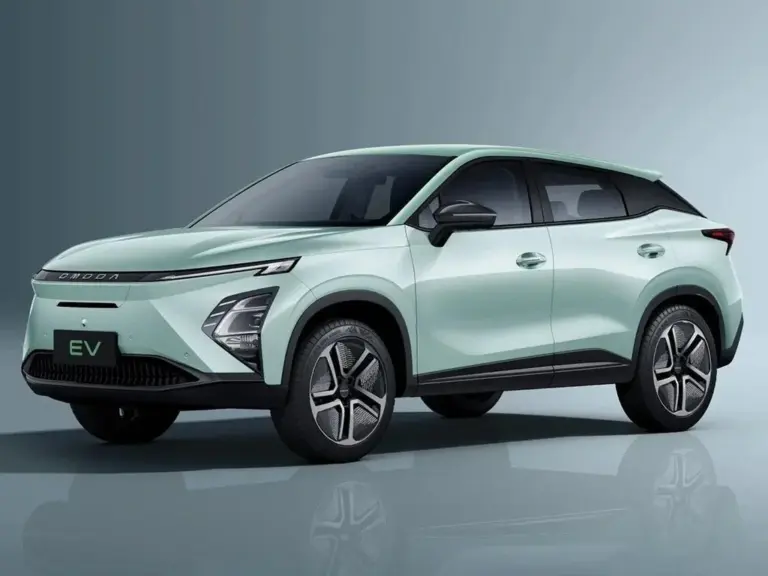
| Chery Omoda E5 | B-Segment SUV | 61 kWh | $19,800 | Global |
| Leapmotor C10 | C-Segment SUV | 69.9 kWh | $22,500 | EU |
| Tesla Model 3 (Shanghai) | C-Segment Sedan | 75 kWh | $26,800 | Global |
Complete Landed Cost Calculation (EU Import Example)
Scenario: Importing 20 units of BYD Seal to Rotterdam, Netherlands
| Cost Component | Calculation | Cost per Unit (USD) |
|---|---|---|
| EXW Price | Factory gate | $28,400 |
| Domestic Transport | Shanghai factory to port (electric truck) | $180 |
| Export Documentation | Certificates, licenses, VIN verification | $450 |
| FOB Charges | Port handling, loading, terminal fees | $320 |
| Ocean Freight | RoRo vessel, Shanghai-Rotterdam (green corridor) | $1,850 |
| Marine Insurance | 110% of CIF value @ 0.15% | $85 |
| CIF Value | Cost + Insurance + Freight | $31,285 |
| Import Duty | 10% EU MFN tariff (automotive) | $3,129 |
| VAT | 21% (NL) on CIF + Duty | $7,226 |
| Homologation | Type approval, e-mark certification (amortized over 20 units) | $600 |
| Technical Adaptation | CCS2 conversion, software localization | $1,200 |
| Customs Broker | Documentation processing | $150 |
| Total Landed Cost | $43,590 |
Key Financial Insights:
– Total Import Markup: 53.5% above EXW price for EU compliance-ready vehicles
– Tariff Optimization: Utilizing SKD kits and ASEAN assembly can reduce duty exposure to 0-5% under specific FTAs
– Currency Hedging: Yuan/Euro volatility requires 6-month forward contracts to protect margins
Payment Structure Best Practices
- 30/70 Split: 30% deposit upon contract signing, 70% against scanned Bill of Lading
- Escrow Services: Utilize Bank of China or ICBC international escrow for first-time transactions
- Letter of Credit: Irrevocable L/C at sight recommended for orders exceeding $500,000 USD
5. Global Logistics: Ocean Freight & Battery Transport Compliance
Transporting lithium-ion batteries classified as Class 9 dangerous goods requires specialized logistics protocols that significantly impact shipping costs and timelines.
Battery Transport Regulations (UN38.3 & Beyond)
All EV batteries must comply with UN38.3 testing requirements:
– Altitude simulation, thermal testing, vibration, shock, external short circuit, impact, overcharge, and forced discharge tests
– 2026 Update: New regulations require state-of-charge (SoC) not exceeding 30% for ocean transport, down from previous 50% allowances, increasing charging infrastructure requirements at destination ports.
Shipping Modalities Comparison
| Method | Capacity | Cost/Unit | Transit Time | Best For |
|---|---|---|---|---|
| RoRo (Roll-on/Roll-off) | 6,000+ vehicles/vessel | $1,600-$2,200 | 28-35 days | High volume, standard vehicles |
| Container (4 cars/40’HC) | 4 vehicles | $2,800-$3,500 | 32-40 days | Mixed models, premium handling |
| Flat Rack (Oversized) | 1-2 vehicles | $4,500+ | 35-45 days | Modified vehicles, heavy equipment |
Green Logistics Implementation:
China’s push toward carbon-neutral shipping has created Green Corridor routes:
– Shanghai to Rotterdam via the “Green Shipping Route” utilizes LNG dual-fuel vessels and port electrification, reducing Scope 3 emissions by 40%
– Blockchain-tracked carbon certificates now accompany shipments, satisfying EU CBAM preliminary reporting requirements
Port Infrastructure Considerations
Shanghai Waigaoqiao Port (Primary EV export hub):
– Dedicated EV processing terminals with charging stations
– Pre-export inspection facilities for EU homologation checks
– Battery fire suppression systems meeting IMO standards
Destination Port Requirements:
– Rotterdam, Antwerp, and Hamburg now require EV-specific fire containment areas
– Charging infrastructure must be available for discharged vehicles (30% SoC requirement)
6. Localization & Homologation: Preparing Cars for Local Markets
Successful importation requires transforming China-spec vehicles into locally compliant products—a process costing $800-$3,000 per unit depending on market requirements.
European Union Type Approval (WVTA)
Mandatory Modifications for China-Spec EVs:
1. Charging Infrastructure: Replace GB/T ports with CCS2 Combo (DC) and Type 2 (AC)
2. Software Localization:
– GDPR-compliant data handling (removal of Chinese telemetry servers)
– European language packs and metric/imperial toggle
– Emergency call (eCall) system integration
3. Lighting: Amber turn signal conversion (China uses red rear indicators)
4. Safety Systems: Lane-keeping assist sensitivity adjustment for European road markings
Homologation Costs Breakdown (EU):
| Service | Cost (USD) | Timeline |
|———|————|———-|
| Technical file preparation | $3,500 | 2 weeks |
| Emissions testing (if PHEV) | $2,800 | 1 week |
| EMC testing | $4,200 | 2 weeks |
| Type approval certificate | $8,000 | 4 weeks |
| Total | $18,500 | 9 weeks |
Note: Costs amortize across shipment volume. For 50-unit shipments, add $370/unit.
ASEAN and Middle East Variations
- ASEAN: Accepts Chinese safety standards with minimal modification (savings of $1,200/unit vs. EU)
- Middle East: Requires GCC certification (Gulf Cooperation Council) focusing on extreme heat testing (50°C+ ambient operation)
The Localization Advantage
Importers establishing Regional Distribution Centers in Vietnam or Thailand can leverage the ASEAN-China FTA, reducing import duties to 0% for CKD (Completely Knocked Down) kits, then assembling for local markets. This model cuts total delivery time from 45 days to 18 days for regional customers.
7. After-Sales Ecosystem: Securing Parts and Service Abroad
The Achilles’ heel of Chinese EV imports has historically been after-sales support. In 2026, successful importers must establish “Giga-Ecosystems”—comprehensive service networks mirroring Tesla’s global supercharger and service center model.
Spare Parts Logistics Strategy
Critical Inventory Requirements:
Maintain 90-day stock of:
– Battery management system (BMS) controllers
– Electric motor inverters (rare but high-failure cost)
– Charging port assemblies (high wear item)
– Headlamps and taillights (homologation-specific)
Parts Sourcing Models:
| Model | Lead Time | Cost Impact | Risk Level |
|---|---|---|---|
| Air Freight (Emergency) | 3-5 days | +400% vs. sea | Low stockout risk |
| Sea Freight (Scheduled) | 35-40 days | Baseline | Requires forecasting |
| Local Warehousing | 1-2 days | +25% carrying cost | Minimal |
Technical Training & Diagnostic Tools
Chinese EVs utilize proprietary diagnostic protocols. Importers must negotiate:
– OBD Scanner Licensing: Access to manufacturer-specific fault code databases ($15,000-$50,000 annual license)
– Technical Training: Factory-sponsored programs for local technicians (mandatory for warranty validity)
– Remote Diagnostics: Cloud-based monitoring systems with local server mirroring to comply with data sovereignty laws
Warranty Escrow Mechanisms
To satisfy consumer protection laws, establish Warranty Escrow Accounts:
– 3-5% of vehicle purchase price held in escrow for warranty claims
– Released to importer only after 24-month defect liability period
– Required by EU consumer protection authorities for non-EU manufacturers
8. Avoiding Scams: How to Audit a Chinese EV Supplier
The surge in EV export demand has attracted fraudulent operators. Implement this verification protocol before wiring funds.
Red Flag Checklist
- Pricing Anomalies: Quotes 30%+ below market rates (check against legitimate EXW pricing tables above)
- Documentation Gaps: Inability to provide real-time VIN verification via manufacturer API
- Payment Pressure: Demands for 100% T/T payment upfront (legitimate factories accept 30/70 or L/C)
- Battery Certification: Fake UN38.3 certificates (verify via testing laboratory databases: SGS, TÜV, or BV)
Factory Audit Protocol (Virtual and Physical)
Phase 1: Documentation Verification
1. Request Business License (营业执照) and verify via National Enterprise Credit Information Publicity System
2. Confirm Export License validity through MOFCOM database
3. Validate ISO 26262 functional safety certification (critical for EVs)
Phase 2: Technical Verification
– Video Audit: Live factory tour showing:
– Battery assembly clean rooms (ISO 8 or better)
– HV (High Voltage) testing stations
– Active production lines with your specific model
– Sample Inspection: Order single-unit sample with independent third-party inspection (SGS, Bureau Veritas) before bulk order
Phase 3: Financial Due Diligence
– Check Alibaba Trade Assurance ratings (if applicable)
– Verify AEO (Authorized Economic Operator) status with China Customs
– Request bank reference letters from tier-1 Chinese banks (ICBC, Bank of China, CCB)
Case Study: The “Ghost Battery” Scam (2025)
A Polish importer purchased 50 “BYD” vehicles from a Shenzhen trading company at 25% below market price. Upon arrival, vehicles contained:
– Counterfeit CATL batteries (actually refurbished cells from 2020)
– Non-compliant BMS systems posing fire risks
– Invalid software licenses bricking vehicles after 30 days
Recovery: Total loss of $1.2M. Prevention would have cost $8,000 in proper factory audits.
9. Start Your Import Business with Electric Auto China
As Chief Export Consultant at Electric Auto China, headquartered in Shanghai’s Lingang New Area, we provide the infrastructure to navigate these complexities with zero compliance risk.
Our 2026 Export Solutions
Compliant Sourcing Network
Direct partnerships with Chery, BYD, Xiaomi, Leapmotor, and 14 other Tier-1 manufacturers holding valid 2026 export licenses and battery passport certifications.
Turnkey Import Packages
– Regulatory Bundle: Pre-homologated vehicles for EU, ASEAN, and Middle East markets
– Green Logistics: Carbon-neutral shipping via verified Shanghai-Rotterdam corridor
– Financial Structuring: Escrow services, currency hedging, and trade finance facilitation
Localization Support
– Technical adaptation centers in Rotterdam and Dubai for CCS2 conversion and software localization
– Spare parts hubs maintaining $2M+ inventory for immediate fulfillment
– Certified technician training programs
Immediate Next Steps
- Download our 2026 Landed Cost Calculator: Excel-based tool incorporating real-time freight rates, tariff schedules, and homologation costs for 40+ countries
- Schedule Factory Tour: Virtual or physical inspections of certified production facilities
- Pilot Order Program: Minimum 10-unit trial shipments with full inspection and escrow protection
Contact:
Electric Auto China – Shanghai Headquarters
Email: [email protected]
WeChat: EAC_ChiefConsultant
Phone: +86-21-XXXX-XXXX
The 2026 EV import window represents a generational wealth transfer in automotive distribution. With domestic Chinese sales stagnating and export infrastructure reaching maturity, foreign B2B buyers possess unprecedented leverage—provided they navigate regulatory complexity with expert guidance.
Import smart. Import compliant. Import with Electric Auto China.
Unlock High-Margin EV Imports with Electric Auto China
As an elite automotive supply chain partner in Shanghai, we provide end-to-end, strictly compliant export solutions tailored for international dealerships, fleet managers, and wholesale distributors.
- 🛡️ 100% Legal & Compliant: Fully licensed exports ensuring smooth customs clearance at your destination.
- ⚙️ Complete Localization: Professional English/Arabic/Russian OS flashing and GB/T to CCS2 charging solutions.
- 🚢 Secure Logistics: Direct Ro-Ro and Containerized shipping with full UN38.3 battery certifications.
- 🔧 After-Sales Support: Reliable access to OEM diagnostic tools and steady spare parts supply.
Request a Detailed FOB/CIF Quote Today:
📧 B2B Sales Email: [email protected]
💬 Direct WhatsApp: +86 159 5127 6160