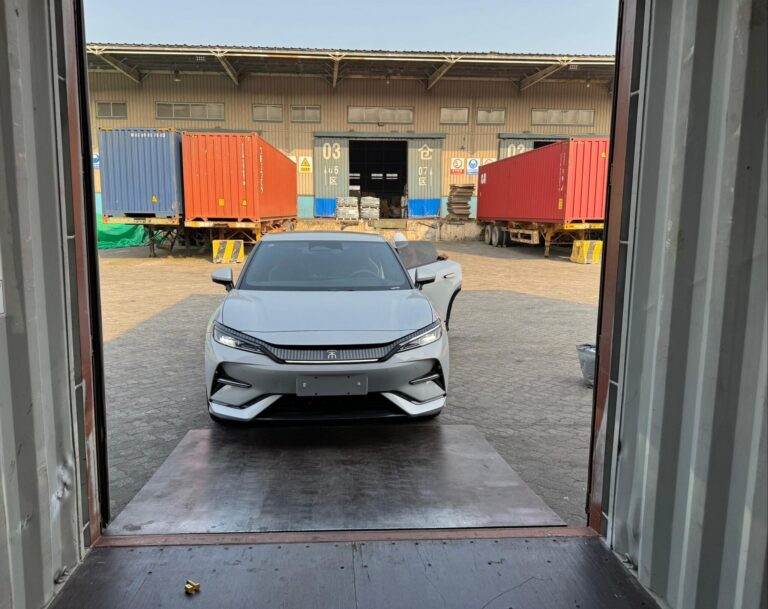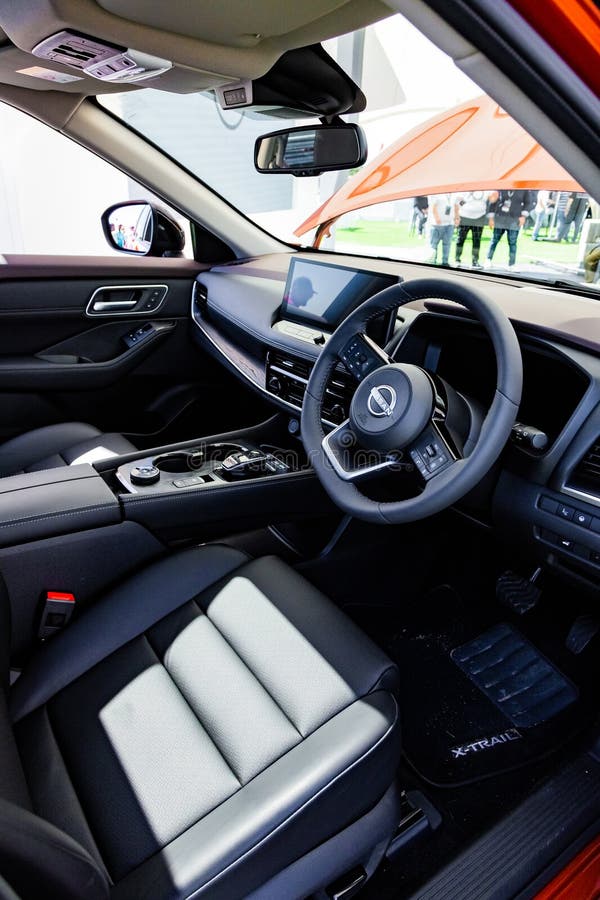
The Ultimate 2026 Importer’s Guide to Shanghai Car Exporter Strategies
1. The Macro-Economics of Shanghai Car Exporter Operations in 2026
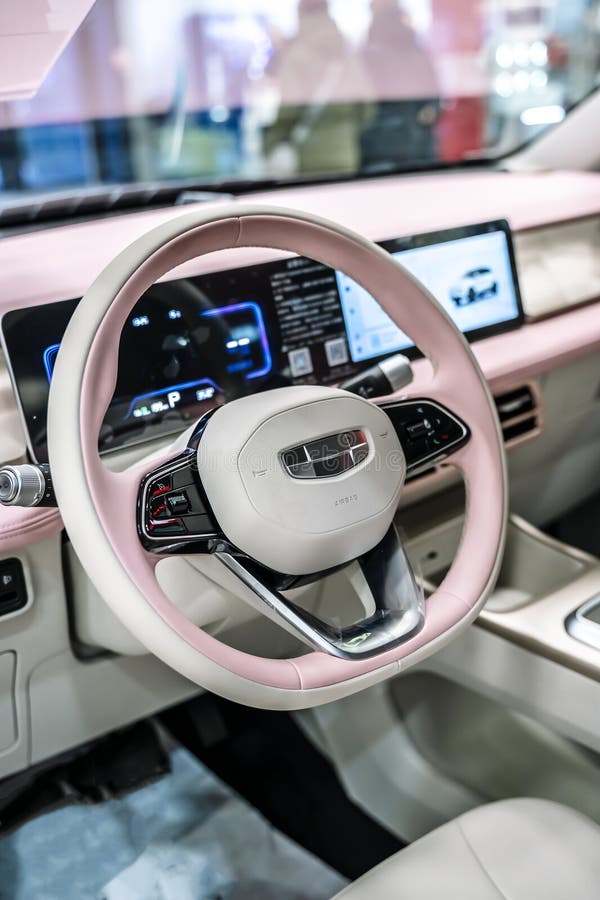
As we enter 2026, China’s automotive export engine has fundamentally transformed from a cyclical outlet to a structural growth pillar. With domestic new energy vehicle (NEV) penetration reaching 59.4% of new passenger car sales by late 2025, the domestic market has reached saturation, compelling OEMs to pivot aggressively toward international markets. This shift positions the Shanghai car exporter not merely as a shipping agent, but as a critical node in a $350 trillion yuan logistics ecosystem growing at 6.5% annually.
The data tells a decisive story: China closed 2025 with record vehicle exports of approximately 7.1 million units, with NEVs commanding over one-third of outbound volume. Shanghai, hosting the world’s largest automotive port (Shanghai Haitong International Automotive Terminal) and the Tesla Gigafactory, functions as the primary artery for this outflow. The city’s logistics providers have evolved beyond simple freight forwarding, now offering “follow-the-capital” solutions that mirror Chinese OEMs’ factory investments in Hungary, Indonesia, and Egypt.
Four transformative trends define the 2026 landscape:
Green Logistics Mandate: Sustainability has transitioned from marketing concept to regulatory mandate. Solar-powered warehouses and carbon-neutral shipping options are now standard, not premium offerings. For European importers, selecting a Shanghai car exporter with ISO 14001 certification and carbon-offset shipping lines provides a 3-5% cost premium but delivers essential ESG compliance documentation required under the EU’s Carbon Border Adjustment Mechanism (CBAM) phased implementation.
Supply Chain Regionalization: The “China Plus One” strategy has paradoxically strengthened Shanghai’s position as a central node while diversifying risk. Rather than bypassing China, Southeast Asian logistics networks now integrate with Shanghai’s port infrastructure, creating hybrid models where vehicles may undergo final assembly or software configuration in Vietnam or Thailand while maintaining Chinese manufacturing origins.
The Hybrid Delivery Model: The winning formula for 2026 is the integration of “overseas warehouses + dedicated lines + local delivery.” Leading Shanghai car exporters now maintain bonded warehouses in Antwerp, Dubai, and Singapore, enabling importers to purchase ex-warehouse rather than ex-factory, reducing cash conversion cycles by 45-60 days.
From Volume to Value: Export growth is no longer concentrated or opportunistic. With pure ICE vehicle exports declining and BEV/PHEV shipments reaching record levels (pushing NEV production share above 52%), Shanghai exporters now specialize in high-complexity EV logistics, including battery state-of-charge management (maintaining SOC below 30% for transport) and cybersecurity pre-configuration for destination markets.
2. Understanding China’s Strict 2026 EV Export Regulations
Navigating China’s 2026 export regulatory framework requires precision. The era of “gray market” parallel exports has effectively ended, replaced by a stringent compliance architecture designed to protect China’s manufacturing reputation and meet international safety standards.
Mandatory Certification Matrix:
| Certification | Scope | Validity | Cost (USD) |
|---|---|---|---|
| CCC (China Compulsory Certificate) | All vehicles pre-export | 5 years | Factory-held |
| UN38.3 | Lithium battery transport | Per shipment | $800-1,200 |
| Export License (MOFCOM) | NEVs specifically | Per batch | $200-500 |
| Green Export Certification | Carbon footprint validation | Annual | $3,000-5,000 |
Critical 2026 Updates:
-
Battery Passport Integration: Following EU regulations, China now requires export-bound EVs to carry digital battery passports documenting carbon footprint, material sourcing, and recycling pathways. Shanghai car exporters must provide blockchain-verified documentation linking to the Global Battery Alliance (GBA) registry.
-
Software Compliance: All export vehicles must undergo “cybersecurity hygiene” verification, ensuring no unauthorized data collection capabilities that violate GDPR or similar frameworks. This requires pre-export flashing of region-specific firmware.
-
VAT Rebate Verification: The 13% VAT rebate (essential for competitive pricing) now requires proof of actual export customs clearance and foreign exchange settlement within 90 days. Exporters must provide complete customs declaration forms (Export Declaration Form) and bill of lading evidence.
-
Anti-Dumping Safeguards: For markets under EU or US tariff investigations, Chinese exporters must provide certificates of origin and manufacturing process documentation to prove non-subsidized pricing.
Compliance Reality Check: Attempting to circumvent these regulations through “small trade” (parallel export) channels now carries penalties including license revocation and blacklisting. Legitimate Shanghai car exporters operate exclusively through the authorized dealer network or direct OEM partnerships, ensuring every vehicle carries traceable VIN documentation and manufacturer warranty validity in destination markets.
3. Sourcing Strategy: Direct Factory vs. Authorized Export Agents
Foreign B2B buyers face a critical strategic decision: engage directly with OEMs (BYD, SAIC, Geely, NIO) or utilize authorized export agents. This choice determines pricing structures, minimum order quantities (MOQs), and risk profiles.
Direct OEM Engagement:
Advantages: Factory-direct pricing (typically 12-18% below market), priority allocation during supply constraints, direct technical support, and access to latest model year allocations.
Constraints: MOQs typically start at 100-500 units per SKU, requiring Letters of Credit (L/C) valued at $2-10 million. OEMs require proof of homologation capability in destination markets and may demand exclusive distribution rights for specific territories.
Best For: National distributors, large fleet operators (ride-sharing companies, rental chains), and established automotive groups with existing service networks.
Authorized Export Agents:
Advantages: Consolidated shipping (enabling 5-20 unit orders), regulatory compliance management, pre-export inspection services, and flexible payment terms (30/70 T/T vs. 100% L/C).
Value-Add Services: Leading Shanghai car exporters provide “white glove” services including:
– Pre-shipment PDI (Pre-Delivery Inspection) with 200-point checklists
– Custom configuration (language packs, charging port adaptations)
– Documentation packages (COC, homologation support files)
– Marine insurance with EV-specific coverage (battery damage, thermal runaway)
Pricing Structure: Agents typically operate on 8-15% margins above factory price, but this includes logistics coordination, customs clearance, and VAT rebate processing (which foreign buyers cannot access directly).
The Hybrid Approach: Sophisticated 2026 buyers utilize a “tiered sourcing” strategy—direct OEM contracts for high-volume core models (accounting for 70% of volume) while using authorized agents for test-market variants, limited editions, or complementary models (30% of volume) to minimize inventory risk.
Case Study: German Fleet Operator Strategy
A Berlin-based commercial fleet operator sought 200 BYD Atto 3 units for Q1 2026 delivery. Direct OEM engagement required 500-unit commitment and €5M L/C. Instead, they partnered with a Shanghai authorized exporter, securing 200 units at 11% premium but with payment terms of 30% deposit, 70% against B/L copy, and included EU homologation documentation support. Total landed cost remained competitive while preserving €2M in working capital.
4. Financial Mechanics: Pricing and Landed Cost Calculations
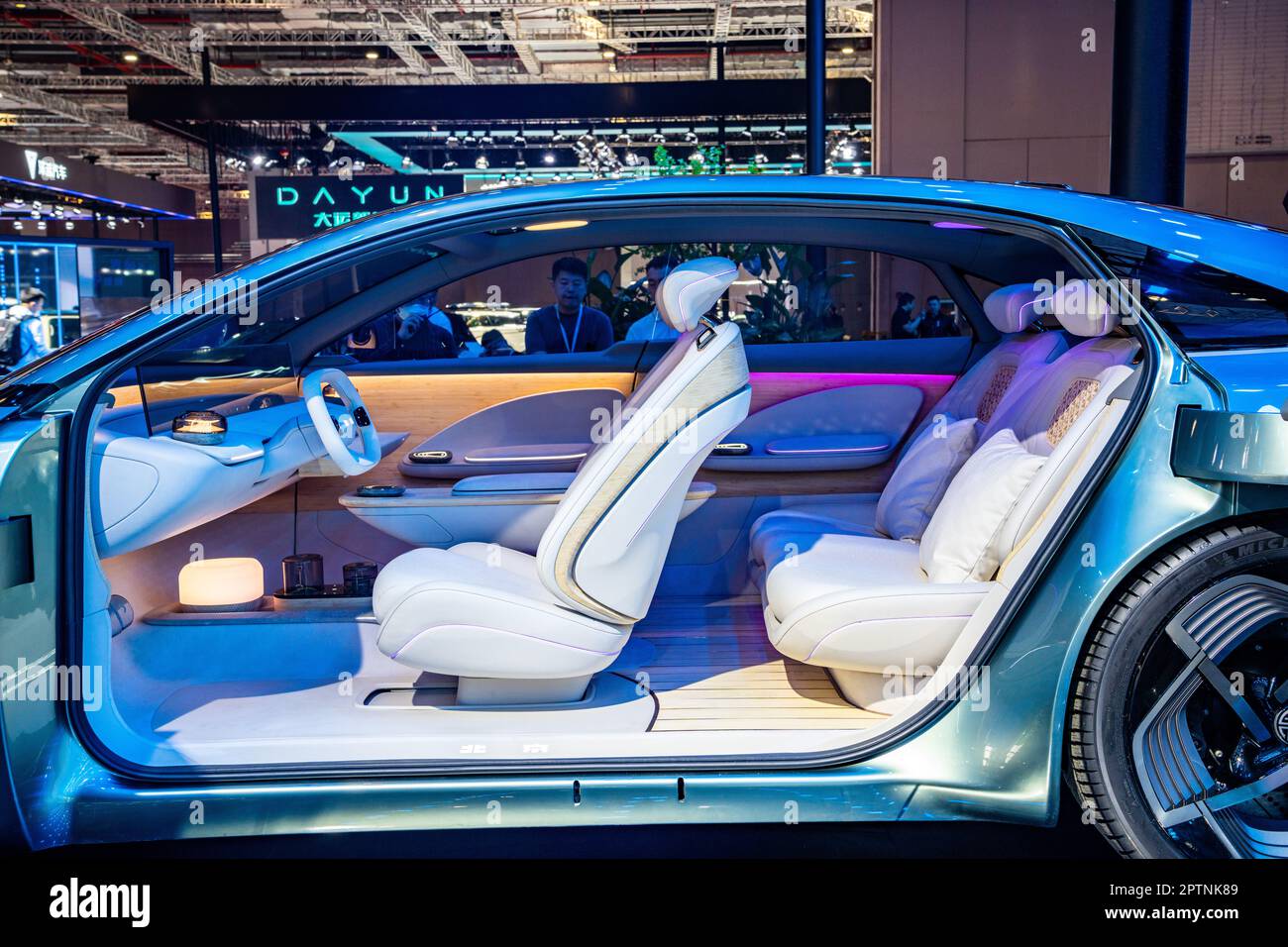
Understanding true landed costs requires moving beyond factory gate pricing to incorporate China’s VAT rebate mechanics, green logistics premiums, and destination market duties. Below is the definitive 2026 cost calculation framework for a Shanghai car exporter transaction.
Base Cost Structure (Example: Mid-Range EV, CIF Europe):
| Cost Component | Calculation | Amount (USD) | Notes |
|---|---|---|---|
| EXW Factory Price | Base vehicle | $22,000 | FOB Shanghai typically adds $800-1,200 |
| Less: VAT Rebate | 13% of EXW | -$2,860 | Claimed by exporter; benefit passed to buyer |
| Net Factory Cost | $19,140 | ||
| Ocean Freight (RoRo) | Per unit, Shanghai-Antwerp | $1,450 | Green shipping premium: +$180 |
| Marine Insurance | 110% of CIF value × 0.3% | $68 | EV-specific thermal coverage included |
| CIF Value | $20,658 | ||
| Destination Duty | EU MFN rate 10% | $2,066 | Varies: GCC 5%, ASEAN 0-5% |
| Homologation | EU WVTA Type Approval | $4,500 | Amortized over first 100 units |
| Local Logistics | Port to dealer | $350 | |
| Total Landed Cost | $27,574 | ||
| Importer Margin | 15-20% | $4,136-5,515 | |
| Retail Price Floor | $31,710-33,089 |
Critical Financial Considerations:
Currency Hedging: With RMB/EUR volatility averaging 6.8-7.2 in 2026, importers should negotiate pricing in USD or secure forward contracts for 50% of exposure. Leading Shanghai car exporters offer 90-day rate locks for a 1.2% premium.
Payment Security: Never accept “100% T/T in advance” terms from unknown suppliers. Standard 2026 terms for authorized exporters are:
– 30% deposit upon order confirmation
– 70% against copy of Bill of Lading (B/L) or 100% L/C at sight
Hidden Cost Alerts:
– Battery transport surcharges: $150-300/unit for IMDG Code compliance
– Software unlocking fees: Some OEMs charge $500-1,000 for region-specific feature activation
– CCS2 adapter costs: $80-120 per vehicle for GB/T to CCS2 conversion (EU market)
Working Capital Optimization: Utilizing Shanghai’s bonded warehouse model, importers can purchase “ex-warehouse Antwerp” rather than “ex-works Shanghai,” deferring duty payment until actual sale and reducing inventory carrying costs by approximately 8% annually.
5. Global Logistics: Ocean Freight & Battery Transport Compliance
The logistics of EV export have evolved from general cargo to hazardous materials management. Lithium-ion batteries classified as Class 9 dangerous goods under IMDG Code require specialized handling that defines the 2026 Shanghai car exporter operational model.
Shipping Modalities Comparison:
| Method | Cost/Unit | Transit Time | Battery SOC Limit | Best Application |
|---|---|---|---|---|
| RoRo (Roll-on/Roll-off) | $1,200-1,800 | 28-35 days | <30% | High volume (100+ units), standard vehicles |
| Container (R-Rack) | $1,800-2,400 | 32-40 days | <20% | Luxury vehicles, mixed cargo, security priority |
| Flat Rack | $2,500-3,500 | 30-38 days | <25% | Oversized vehicles, heavy trucks |
| Air Freight | $8,000-12,000 | 3-5 days | <10% | Urgent replacement parts, premium launches |
The Hybrid Model in Practice:
Leading Shanghai logistics providers now operate “China-Europe EV Express” dedicated lines—weekly sailings using specially modified vessels with enhanced fire suppression systems (water mist + CO2 hybrid) and segregated battery holds. These lines offer:
– Guaranteed SOC monitoring during voyage (IoT sensors with satellite uplink)
– Pre-clearance documentation exchange (reducing port dwell time from 5 days to 36 hours)
– Carbon-neutral options using bio-LNG bunkering (adds 4% to freight cost)
Regionalization Strategy: For Southeast Asian markets, Shanghai exporters utilize the “China Plus One” network—shipping components to Vietnam or Thailand for final assembly, thereby qualifying for ASEAN Free Trade Area tariff preferences (0-5% vs. 15-25% for Chinese origin). This requires sophisticated supply chain orchestration but reduces landed costs by 12-18% in tariff-sensitive markets.
Last-Mile Innovation: In Europe, the “overseas warehouse + local delivery” model has become mandatory. Shanghai car exporters maintain 10,000+ vehicle capacity bonded yards in Antwerp, Hamburg, and Dubai, enabling:
– Just-in-time delivery to dealers (reducing inventory holding costs)
– Return handling capabilities (critical for EU consumer protection laws)
– Pre-delivery inspection and software updates in-market
Compliance Checkpoint: All 2026 shipments require the Shipper’s Declaration for Dangerous Goods (SDDG) specifying UN3480 (lithium ion batteries) or UN3171 (battery-powered vehicles), plus the Material Safety Data Sheet (MSDS) in destination country languages.
6. Localization & Homologation: Preparing Cars for Local Markets
The “landing” challenge identified in 2026 supply chain analysis represents the highest risk phase for importers. Success requires navigating the “localization gap”—differences in business pace, regulatory frameworks, and technical standards between China and destination markets.
Regional Homologation Requirements:
| Market | Key Standards | Lead Time | Cost per Model | Critical 2026 Updates |
|---|---|---|---|---|
| European Union | EU WVTA (Whole Vehicle Type Approval) | 4-6 months | €8,000-15,000 | Cybersecurity (UN R155), Software updates (UN R156) |
| GCC (Middle East) | GCC Standardization Organization | 2-3 months | $3,000-5,000 | Extreme heat testing (50°C+) mandatory |
| ASEAN | Various (Thai TISI, Indonesian SNI) | 3-4 months | $4,000-7,000 | Local content requirements increasing |
| Australia | ADR (Australian Design Rules) | 3-4 months | AUD 8,000-12,000 | Right-hand drive conversion complexity |
| Russia/CIS | GOST-R/EAC | 2-3 months | $2,500-4,000 | Payment/logistics sanctions complications |
Technical Localization Essentials:
Charging Infrastructure Compatibility: Chinese GB/T charging ports must convert to CCS2 (Europe), CCS1 (North America), or Chaoji (Japan). Premium Shanghai car exporters now offer factory-integrated CCS2 ports for export models, eliminating aftermarket adapter risks.
Software Localization: Beyond language packs, 2026 requires:
– Navigation systems with local map data (NDS standards)
– Voice recognition training for local accents
– Over-the-Air (OTA) update servers located within destination regions (GDPR/data sovereignty compliance)
– Emergency call systems (eCall in EU, ERA-GLONASS in Russia)
Telematics Compliance: Many Chinese EVs contain SIM cards locked to Chinese networks. Export preparation requires:
– eSIM provisioning with local carriers
– Removal of Chinese-specific apps (WeChat integration, local streaming services)
– Installation of Google Automotive Services (GAS) or equivalent for non-Chinese markets
The “Soft Landing” Strategy: Rather than importing and then modifying, sophisticated buyers negotiate “export specification” builds with Shanghai factories. This includes:
– CCS2 charging hardware installation at production line
– English/French/German interface pre-configuration
– Removal of Chinese regulatory hardware (Beidou GPS modules incompatible with local systems)
– Installation of tow hooks, roof racks, and other market-specific accessories
Case Study: UAE Market Entry
A Dubai-based distributor imported 150 units of a Chinese premium EV without pre-export localization. Upon arrival, vehicles required:
– Arabic software flashing ($400/unit, 3-day delay per vehicle)
– CCS2 to GCC adapter sourcing (supply chain shortage, 6-week delay)
– Extreme heat testing certification (not conducted in China, $15,000 batch fee)
Total delay: 4 months. Lost sales: $2.1M. Lesson: Engage Shanghai car exporters with pre-export configuration capabilities.
7. After-Sales Ecosystem: Securing Parts and Service Abroad
The shift from simple freight to “end-to-end supply chain solutions” encompasses the critical after-sales infrastructure. Without parts availability and service support, imported EVs become stranded assets, destroying distributor credibility.
Parts Supply Chain Architecture:
VIN-Specific Parts Provisioning: Unlike ICE vehicles with interchangeable components, EVs require battery-specific, software-locked parts. Authorized Shanghai car exporters provide:
– VIN-decoded parts catalogs (ensuring compatibility with specific production batches)
– Critical parts pre-positioning in regional hubs (battery control modules, charging ports, HVAC systems)
– Emergency air freight protocols for “A-class” parts (drivetrain, safety systems) with 72-hour delivery guarantees
Technical Training Networks: As Chinese OEMs expand overseas (BYD Hungary factory, Geoly Egypt plant), they establish service training centers. Independent importers should negotiate:
– Access to OEM technical training programs (high-voltage safety, battery diagnostics)
– Diagnostic tool licensing (often software-locked to authorized service centers)
– Technical hotline support in local languages
Battery Lifecycle Management: The 2026 regulatory environment requires end-of-life battery planning. Importers must secure:
– Recycling partnerships with local certified facilities (EU Battery Directive compliance)
– Second-life application pathways (stationary storage)
– Warranty claim processing mechanisms (Chinese OEMs increasingly require RMA processing through authorized channels only)
OTA Infrastructure: Ensure vehicles can receive software updates in-market. This requires:
– VPN-free update pathways (some Chinese systems require domestic servers)
– Local server mirroring for update packages
– Rollback capabilities if updates conflict with local regulations
Service Level Agreements (SLAs): Negotiate with Shanghai exporters for:
– 48-hour parts availability for critical components in regional hubs
– 5-year/100,000km warranty backing (transferable to end consumers)
– Technical service bulletins (TSB) distribution in local languages
8. Avoiding Scams: How to Audit a Chinese EV Supplier
The “Shanghai car exporter” keyword attracts both legitimate operators and sophisticated fraud schemes. With transaction values exceeding $20,000 per unit, due diligence is non-negotiable.
Red Flag Checklist:
🚩 Payment Irregularities: Demands for 100% advance payment via Western Union, MoneyGram, or cryptocurrency. Legitimate exporters accept secure banking channels with documentary collections.
🚩 Pricing Anomalies: Offers 30%+ below market rate for current model year vehicles. These typically involve “clone” VINs, flood-damaged inventory, or non-existent stock.
🚩 Documentation Gaps: Inability to provide current CCC certificates, factory authorization letters, or export license verification.
🚩 Virtual Offices: Addresses in Shanghai’s free trade zones with no physical warehouse presence. Always request video verification with date/time stamps showing actual vehicle stock.
Verification Protocol:
Step 1: Business License Authentication
Request the “Business License of Enterprise Legal Person” (企业法人营业执照) and verify through:
– National Enterprise Credit Information Publicity System (http://www.gsxt.gov.cn)
– Shanghai Municipal Administration for Market Regulation
– Cross-reference registered capital (should exceed 10 million RMB for vehicle exporters)
Step 2: Export License Verification
Verify the “Automobile Export License” (汽车出口许可证) issued by MOFCOM. Each license specifies:
– Authorized vehicle categories (passenger car, commercial vehicle)
– Validity period (check expiration)
– Export destinations (some licenses are region-restricted)
Step 3: Factory Audit
For direct OEM deals, engage third-party inspection agencies (SGS, Bureau Veritas, TÜV Rheinland) to conduct:
– Production line verification
– Quality management system audit (ISO 9001, IATF 16949)
– Financial health assessment
Step 4: Transaction Structure
– Use escrow services for first transactions (Alibaba Trade Assurance, letters of credit)
– Insist on pre-shipment inspection (PSI) by independent surveyors
– Verify container seal numbers against B/L documentation
Step 5: Reference Verification
Request:
– 3+ foreign buyer references with contact details
– Bank references from tier-1 Chinese banks (ICBC, Bank of China, China Merchants Bank)
– Chamber of Commerce membership certificates (CCPIT)
The “Authorized Dealer” Verification: Contact OEMs directly (via official websites, not WeChat numbers provided by the exporter) to confirm the company’s authorized distributor status. BYD, for example, maintains public lists of authorized international dealers.
9. Start Your Import Business with Electric Auto China
As Chief Export Consultant at Electric Auto China, headquartered in Shanghai’s Pudong New Area, I have guided European, Middle Eastern, and Southeast Asian distributors through the complexities outlined in this guide. Our operation embodies the 2026 compliance standard: fully licensed, green-logistics certified, and structurally integrated with OEM authorized channels.
Our Compliance-First Approach:
– Regulatory Guarantee: Every vehicle sourced through our network carries verified CCC certification, UN38.3 battery compliance, and manufacturer warranty validity in your destination market.
– Financial Transparency: We facilitate VAT rebate optimization (passing the full 13% benefit to buyers) and provide locked exchange rate mechanisms for 90-day protection.
– The Hybrid Logistics Model: Utilizing our bonded warehouses in Antwerp, Dubai, and Singapore, we offer ex-warehouse purchasing that eliminates the complexity of direct China importing for qualified buyers.
– Technical Localization: Pre-export configuration including CCS2 charging hardware, localized software stacks, and homologation documentation support.
2026 Market Entry Package:
For qualified distributors, we offer a “Market Validation Program”—20-unit trial shipments with:
– Deferred payment terms (50% L/C, 50% 60 days after arrival)
– Pre-positioned parts inventory in your region
– Technical training for your service team at OEM facilities
The era of opportunistic China EV trading has ended. Success in 2026 requires strategic partnerships with Shanghai car exporters who understand that our role extends beyond shipping—we are your supply chain architects in the world’s largest automotive manufacturing ecosystem.
Contact Electric Auto China to schedule your factory audit and develop your 2026 import strategy. The electrification of global transport is accelerating. Ensure your supply chain is built for compliance, sustainability, and long-term profitability.
Disclaimer: This guide reflects regulations and market conditions as of January 2026. Always consult with licensed customs brokers and legal counsel in your destination market regarding specific import requirements. Electric Auto China operates strictly within PRC export regulations and international trade law.
Unlock High-Margin EV Imports with Electric Auto China
As an elite automotive supply chain partner in Shanghai, we provide end-to-end, strictly compliant export solutions tailored for international dealerships, fleet managers, and wholesale distributors.
- 🛡️ 100% Legal & Compliant: Fully licensed exports ensuring smooth customs clearance at your destination.
- ⚙️ Complete Localization: Professional English/Arabic/Russian OS flashing and GB/T to CCS2 charging solutions.
- 🚢 Secure Logistics: Direct Ro-Ro and Containerized shipping with full UN38.3 battery certifications.
- 🔧 After-Sales Support: Reliable access to OEM diagnostic tools and steady spare parts supply.
Request a Detailed FOB/CIF Quote Today:
📧 B2B Sales Email: [email protected]
💬 Direct WhatsApp: +86 159 5127 6160