The Ultimate 2026 Importer’s Guide to Shanghai Electric Vehicle Export Hub
1. The Macro-Economics of Shanghai Electric Vehicle Export Hub in 2026
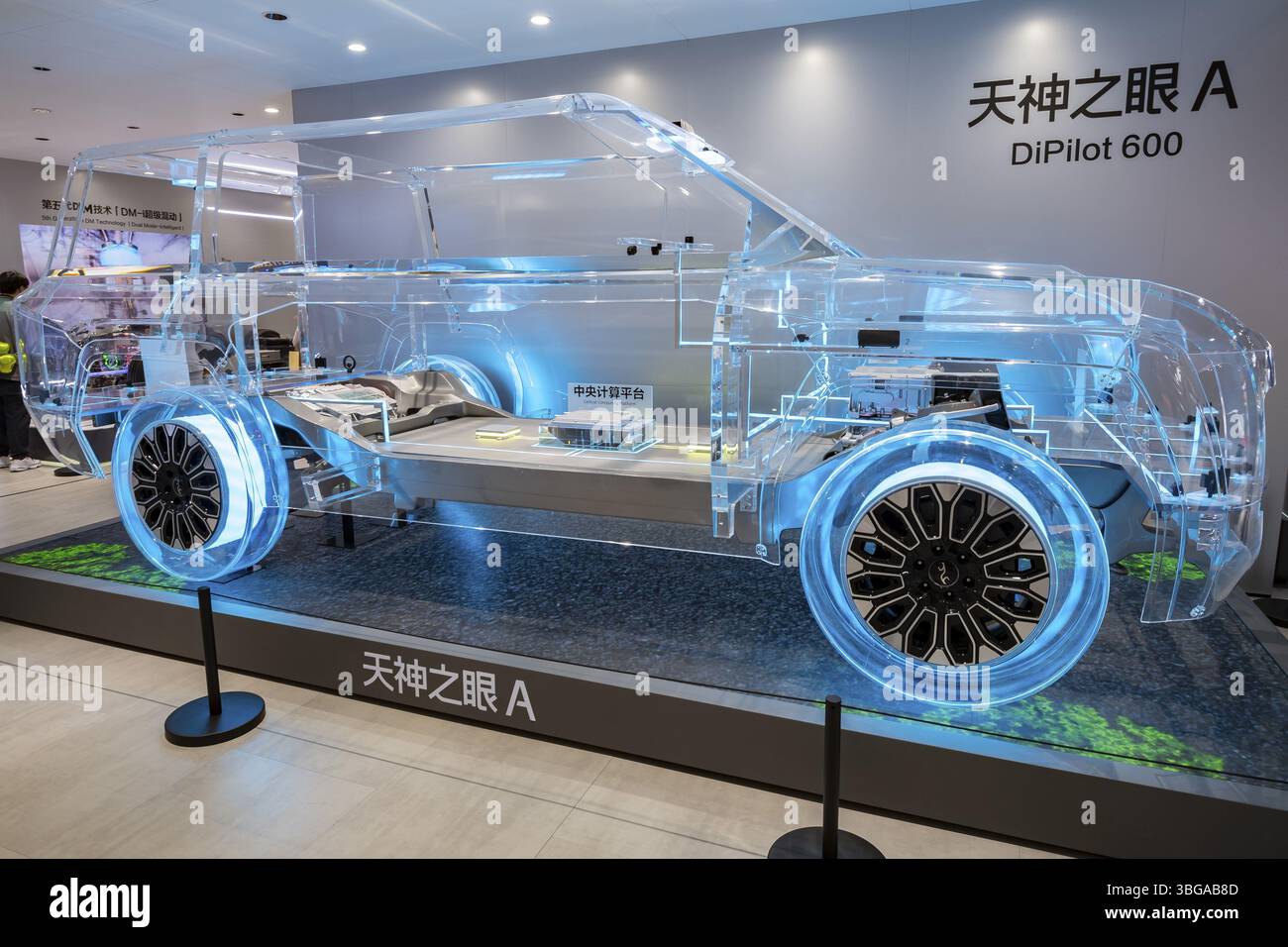
As we enter 2026, Shanghai has cemented its position as the world’s most sophisticated electric vehicle export hub, handling over 40% of China’s total EV outbound shipments. The city’s strategic dominance stems from the integration of Yangshan Deep Water Port—now the world’s largest automated container terminal—with the Lingang New Area Free Trade Zone, creating a seamless ecosystem for high-value automotive exports.
China’s automotive industry achieved a historic inflection point in 2025, with total vehicle sales reaching 34.4 million units (up 9.4% YoY), decisively surpassing the 2017 peak. Critically, New Energy Vehicles (NEVs) contributed 16.5 million units of this volume, representing a 28.2% surge and establishing electrification as the market’s primary growth engine. Export volumes hit a record 7.1 million units, with NEVs comprising more than one-third of outbound traffic—a structural shift indicating that China’s export engine is no longer ICE-led by default.
Three New Development Landscape (NDL) factors are reshaping sourcing strategies from the Shanghai hub:
Product Value Upgrading: The hub has transitioned from exporting commodity-grade vehicles to premium EVs, renewable energy equipment, and advanced battery systems. European importers now source industrial machinery and luxury EV components alongside finished vehicles, with average export values per unit increasing by 23% year-over-year.
Multi-Regional Production Networks: Shanghai operates as the central node in blended supply models. Components manufactured in the Yangtze River Delta undergo pre-assembly in Shanghai, final customization in Southeast Asian facilities (Vietnam, Thailand), and European homologation—reducing geopolitical concentration risk while maintaining Chinese supply chain efficiency.
Regulatory Alignment Pressure: European sustainability mandates (CSRD, CBAM, and Battery Regulation) now influence logistics decisions at origin. Shanghai-based exporters must provide granular carbon disclosure documentation, sustainable packaging certificates, and supply chain due diligence reports before vessels depart Yangshan Port.
The logistics infrastructure supporting this hub has evolved accordingly. Total logistics value in China exceeded 350 trillion yuan in 2025, with green logistics transitioning from concept to mandate. Electric vehicles now constitute over 35% of urban delivery fleets serving the port, while solar-powered bonded warehouses and carbon-neutral shipping options have become standard offerings rather than premium upgrades.
2. Understanding China’s Strict EV Export Regulations
January 1, 2026, marked a regulatory watershed with the implementation of China’s Ministry of Commerce (MOFCOM) Export License Framework for Electric Vehicles. This mandate fundamentally alters how foreign B2B buyers engage with the Shanghai electric vehicle export hub.
The Export License Framework
Under the new regulations, only accredited manufacturers and authorized export agents may apply for EV export licenses. This policy targets the systemic issue of “gray market” exports—where unauthorized dealers shipped new vehicles classified as “used” to circumvent quality controls, resulting in software incompatibility and voided warranties for international buyers.
Key Compliance Requirements:
| Requirement | Specification | Penalty for Non-Compliance |
|---|---|---|
| Manufacturer Accreditation | MIIT directory inclusion + CCC certification | Export prohibition, facility blacklisting |
| Export License | MOFCOM permit per shipment batch | Customs seizure, criminal liability |
| Battery Certification | UN38.3 test summary + MSDS + Dangerous Goods Declaration | Port rejection, carrier blacklisting |
| Software Compliance | GDPR/EU Cybersecurity pre-certification for European markets | Market access denial |
| Carbon Documentation | Product carbon footprint (PCF) declaration for EU imports | CBAM tariff penalties |
Impact on Foreign Manufacturers: Tesla, Volkswagen, and BMW—operating manufacturing facilities within Shanghai’s Lingang area—must now secure export licenses for vehicles produced in China destined for global markets. While these entities possess established compliance departments, the additional bureaucratic layer extends lead times by 15-20 days and requires enhanced supply chain transparency.
Strategic Implication: The regulation effectively professionalizes the export ecosystem. Importers can no longer source directly from secondary markets or unauthorized dealers at discounted rates. All legitimate transactions must flow through licensed entities, ensuring warranty validity, software support, and after-sales service continuity.
3. Sourcing Strategy: Direct Factory vs. Authorized Export Agents
Navigating the 2026 regulatory environment requires a fundamental decision: engage directly with OEMs (Original Equipment Manufacturers) or utilize authorized export agents operating within the Shanghai FTZ.
Direct Factory Engagement
Advantages:
– Price Optimization: Elimination of intermediary margins (typically 3-8%)
– Customization: Direct access to OEM engineering teams for fleet-specific modifications (charging standards, telematics, fleet management integration)
– Volume Priority: Large orders (100+ units) receive production line prioritization
Critical Constraints:
– Minimum Order Quantities (MOQ): Major OEMs (BYD, SAIC, NIO) typically require 50-100 unit minimums for export markets
– Compliance Burden: Buyer assumes responsibility for export license applications, homologation documentation, and international warranty structuring
– Payment Terms: Factories demand 30% T/T deposit, 70% L/C at sight or pre-shipment—creating significant capital tie-up
Authorized Export Agents
Licensed entities within the Shanghai Lingang Bonded Area offer comprehensive export management:
Service Portfolio:
– Export license procurement and customs clearance
– Consolidated shipping (LCL—Less than Container Load) for smaller orders
– Pre-shipment inspection and quality verification
– Documentation management (COO, EUR.1 movement certificates, battery test summaries)
Financial Structure:
Agents typically operate on CIF (Cost, Insurance, Freight) or DDP (Delivered Duty Paid) incoterms, absorbing logistics complexity in exchange for 5-12% service margins depending on volume and destination complexity.
Decision Matrix for B2B Buyers
| Order Volume | Technical Capability | Recommended Strategy | Risk Level |
|---|---|---|---|
| 1-20 units | Limited | Authorized Agent (DDP) | Low |
| 20-100 units | Moderate | Hybrid: Agent for logistics, Direct for pricing | Medium |
| 100+ units | High | Direct Factory (FOB Shanghai) | High (manageable with legal counsel) |
Case Study: Nordic Fleet Operator (2025)
A Danish municipal fleet operator sought 150 BYD electric buses. Initial direct factory engagement stalled over export license complexities. Solution: Engaged Shanghai-based authorized agent “EV Export Partners” who managed the MOFCOM licensing, arranged RoRo charter from Yangshan Port, and handled EU WVTA homologation pre-checks. Total cost premium: 6.2%, but delivery timeline accelerated by 8 weeks and compliance liability transferred to agent.
4. Financial Mechanics: Pricing and Landed Costs
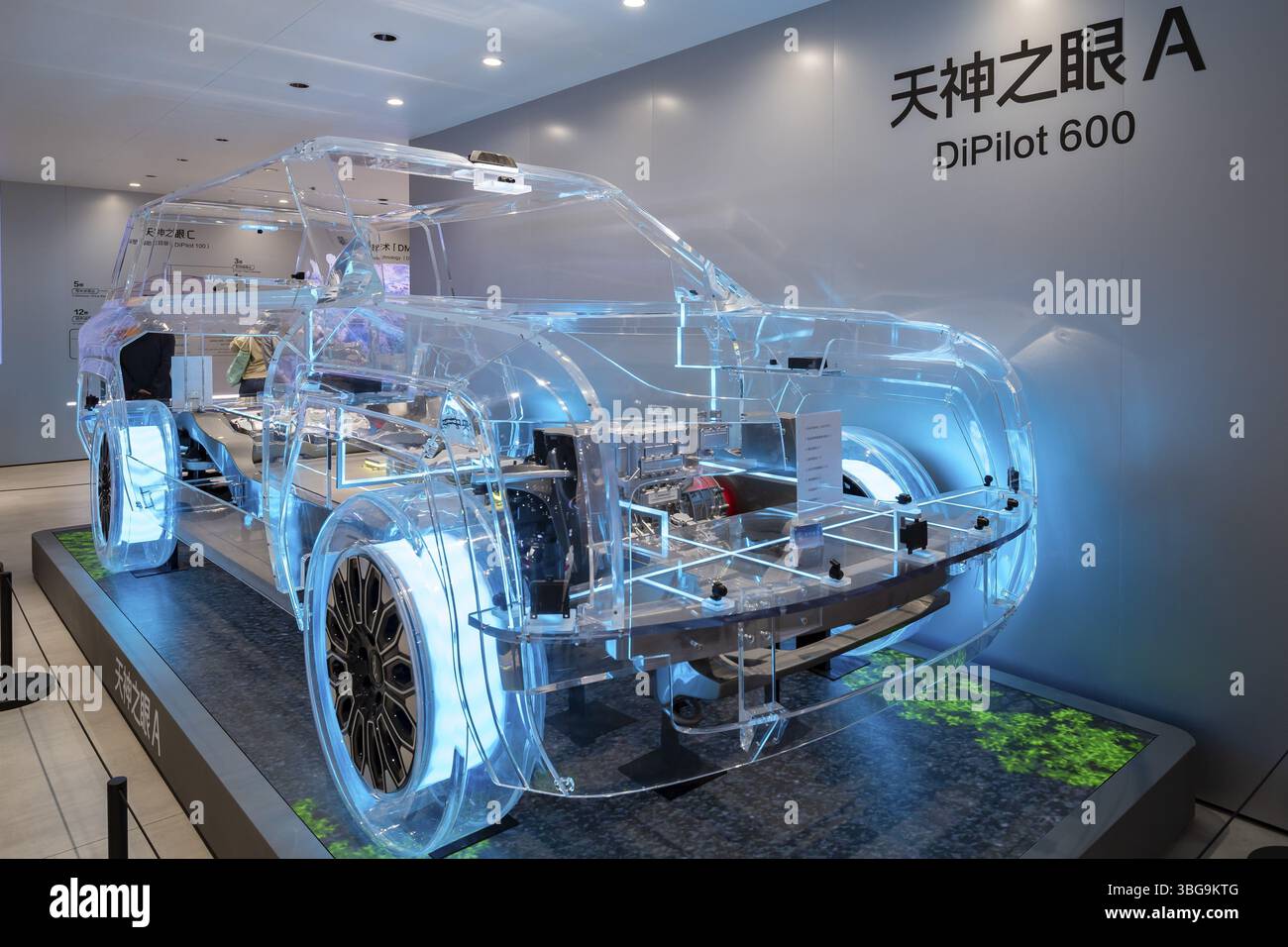
Understanding the true cost of importing from the Shanghai electric vehicle export hub requires analysis beyond factory gate pricing. The following landed cost model reflects 2026 market conditions, incorporating new regulatory fees and green logistics premiums.
Base Pricing Structure (Shanghai FOB)
| Vehicle Segment | Representative Model | FOB Shanghai Price (USD) | Export License Fee | Battery DG Surcharge |
|---|---|---|---|---|
| Compact EV | BYD Dolphin | $12,800 | $450/unit | $320/unit |
| Mid-Size Sedan | Tesla Model 3 (RWD) | $28,500 | $450/unit | $380/unit |
| Luxury SUV | NIO ES8 | $52,000 | $450/unit | $450/unit |
| Commercial Van | Maxus EV90 | $35,000 | $450/unit | $520/unit |
Note: Export license fees represent MOFCOM processing and documentation costs. Battery Dangerous Goods (DG) surcharges reflect UN38.3 compliance and specialized container requirements.
Complete Landed Cost Calculation (EU Destination)
Scenario: Importing 50 units of BYD Seal (Mid-Size Executive Sedan) to Rotterdam, Netherlands
| Cost Component | Calculation | Per Unit (USD) | Total (USD) |
|---|---|---|---|
| EXW Factory | Base vehicle cost | $24,500 | $1,225,000 |
| Export License | MOFCOM accreditation | $450 | $22,500 |
| Domestic Transport | Factory to Yangshan Port | $180 | $9,000 |
| FOB Charges | Port handling, documentation | $320 | $16,000 |
| Ocean Freight | RoRo vessel, Shanghai-Rotterdam (50 units) | $1,200 | $60,000 |
| Marine Insurance | 110% of CIF value @ 0.15% | $42 | $2,100 |
| CIF Rotterdam | Subtotal | $26,692 | $1,334,600 |
| Import Duty | 10% EU MFN tariff (passenger vehicles) | $2,669 | $133,460 |
| CBAM Adjustment | Carbon border adjustment (estimated) | $890 | $44,500 |
| VAT | 21% (NL) on (CIF + Duty + CBAM) | $6,220 | $311,000 |
| Homologation | WVTA certification, testing | $1,500 | $75,000 |
| Local Delivery | Rotterdam to dealership | $250 | $12,500 |
| TOTAL LANDED | $38,221 | $1,911,050 |
Key Financial Insights:
– Total Import Premium: 55.9% above factory price, with logistics and compliance representing 35% of final cost
– CBAM Impact: New carbon border adjustments add approximately 3.3% to landed costs for Chinese EVs, incentivizing low-carbon supply chain verification
– Currency Risk: Yuan/Dollar volatility requires hedging for orders >$500,000; forward contracts recommended at 30% deposit stage
Payment Structure Optimization
Given the 2026 regulatory environment, the recommended payment flow minimizes exposure while ensuring license procurement:
- 10% Deposit: Upon signing Purchase Agreement (escrow via Shanghai International Arbitration Center)
- 20% Pre-production: Upon MOFCOM export license application submission
- 60% Against Documents: Bill of Lading, Export License copy, Certificate of Origin
- 10% Retention: Upon successful homologation in destination market (90 days post-arrival)
5. Global Logistics: Ocean Freight & Battery Transport Compliance
The Shanghai electric vehicle export hub leverages the world’s most advanced automotive logistics infrastructure, yet 2026 regulations impose stringent requirements on battery transport and vessel certification.
Shipping Modalities
Roll-on/Roll-off (RoRo): Preferred for finished vehicles, utilizing specialized Pure Car and Truck Carriers (PCTCs). Yangshan Port operates dedicated RoRo terminals with annual capacity exceeding 2 million vehicles. Advantages include minimal handling damage and efficient loading (500+ vehicles per vessel).
Containerized Shipping: Required for knock-down kits (CKD/SKD) or when RoRo capacity is constrained. EVs require High Cube 40-foot containers with modified ventilation and fire suppression systems. Each container accommodates 2-3 sedans or 1-2 SUVs with battery disconnect protocols.
Battery Transport Compliance (UN38.3 & IMO 2024)
Lithium-ion batteries classified as Class 9 Dangerous Goods require:
| Document | Purpose | Validity |
|---|---|---|
| UN38.3 Test Summary | Proof of crush, thermal, vibration testing | Per battery model, renewable |
| MSDS (Material Safety Data Sheet) | Chemical composition and emergency procedures | 5 years |
| Dangerous Goods Declaration | Shipper’s certification of compliance | Per shipment |
| Emergency Response Guide | Fire suppression protocols | Per vessel |
Critical 2026 Update: The International Maritime Organization (IMO) implemented amended SOLAS regulations requiring thermal runaway detection systems in all EV transport vessels. Shanghai-based carriers now mandate pre-shipment battery state-of-charge (SoC) between 30-50% to minimize fire risk, with non-compliance resulting in port rejection.
Green Logistics Integration
Aligning with EU sustainability regulations, Shanghai exporters now provide:
- Carbon-Neutral Shipping: Biofuel blends (B30-B100) available for Asia-Europe routes, adding $18-25 per cubic meter but reducing Scope 3 emissions by 60-85%
- Solar-Powered Warehousing: Lingang Bonded Area facilities operate on 100% renewable energy, generating Green Electricity Certificates traceable to specific shipments
- Digital Twin Tracking: Blockchain-enabled bills of lading providing immutable records of chain of custody, temperature monitoring, and carbon footprint data
Multi-Regional Logistics Example:
A German importer sourcing from Shanghai for Eastern European markets might utilize the “China+1” blended model: Components ship from Shanghai to Bangkok for regional assembly (avoiding EU tariffs on complete vehicles), then enter Europe as “ASEAN-origin” products under EU-Thailand FTA provisions, reducing duty exposure from 10% to 0-2.5%.
6. Localization & Homologation: Preparing Cars for Local Markets
Vehicles departing the Shanghai electric vehicle export hub require comprehensive adaptation to meet destination market regulations—a process known as homologation that now accounts for 8-12% of total import costs.
European Union Compliance (WVTA)
Whole Vehicle Type Approval (WVTA) under EU 2018/858 requires:
- Safety Systems: eCall automatic emergency calling, Advanced Emergency Braking Systems (AEBS), Lane Departure Warning (LDW)
- Cybersecurity: UN R155 (Cyber Security Management System) and UN R156 (Software Update Management System) compliance certificates
- Environmental: Euro 6d emissions standards (for PHEVs), Battery passport registration under EU Battery Regulation
- EMC: Electromagnetic compatibility testing for 5G/V2X systems
Software Localization: Chinese EVs require significant software adaptation for European markets:
– GDPR-compliant data storage (servers physically located within EU)
– Navigation system integration with HERE Maps or TomTom
– Over-the-Air (OTA) update infrastructure hosted on EU servers
– Language localization beyond Mandarin/English (27 official EU languages)
Middle East & GCC Markets
Gulf Cooperation Council (GCC) certification requires:
– Extreme heat testing (50°C+ ambient temperature operation)
– Sand ingress protection (IP6X rating verification)
– Halal-compliant interior materials certification
ASEAN Regional Variations
| Market | Specific Requirement | Cost Impact |
|---|---|---|
| Thailand | Local content requirements (40% for tariff exemption) | +$2,000/unit (local assembly) |
| Indonesia | BKPM investment approval for commercial vehicles | +$500 (documentation) |
| Australia | ADR (Australian Design Rules) compliance | +$1,200 (testing) |
Technical Adaptation Services in Shanghai:
The Lingang New Area hosts specialized “Homologation Centers” where vehicles undergo pre-export modification:
– Right-Hand Drive (RHD) Conversion: Steering column, dashboard, and wiper configuration for UK/Japanese/Australian markets ($800-1,500 per unit)
– Charging Interface Modification: CCS2 (Europe), CHAdeMO (Japan), or GB/T (China retained for Belt & Road markets) ($200-400 per unit)
– Telematics Localization: Removal of Chinese-specific connectivity modules, installation of regional 4G/5G modems ($300-600 per unit)
7. After-Sales Ecosystem: Securing Parts and Service Abroad
The 2026 regulatory framework emphasizes sustainable export practices, requiring importers to demonstrate viable after-sales networks before MOFCOM grants export licenses. This represents a paradigm shift from the “ship and forget” model prevalent in 2024.
Spare Parts Strategy
Bonded Warehouse Model: Shanghai FTZ allows foreign importers to establish bonded spare parts hubs, deferring duty payment until parts dispatch to local markets. Critical high-turnover components (brake pads, filters, touchscreens) should maintain 90-day inventory buffers in destination markets.
Battery Replacement Logistics: Under EU Battery Regulation 2023/1542, EV batteries require:
– Passport Documentation: Full supply chain traceability from cell production (CATL, BYD Blade, LG Chem) to end-of-life recycling
– Replacement Protocol: 8-year/160,000km warranty support with local service centers
– Recycling Compliance: End-of-life battery return logistics to Shanghai or certified EU recycling facilities (cost: $800-1,200 per pack)
Technical Training & Diagnostic Tools
Chinese OEMs now provide comprehensive training programs through the Shanghai hub:
– Level 1 Certification: Basic maintenance and safety (40 hours, $1,200 per technician)
– Level 2 Certification: High-voltage system repair and battery management (80 hours, $2,800 per technician)
– Level 3 Certification: Software diagnostics and OTA troubleshooting (120 hours, $4,500 per technician)
Diagnostic Equipment: Proprietary OBD (On-Board Diagnostics) scanners and software licenses cost $15,000-25,000 per service center, with annual updates requiring Shanghai server authentication.
Warranty Infrastructure
International Warranty Models:
– Global Warranty: Valid at any authorized service center worldwide (premium pricing, 15-20% above domestic models)
– Regional Warranty: Limited to specific economic zones (ASEAN, EU, MENA)
– Return-to-Hub: Major repairs require vehicle return to Shanghai (economically viable only for high-value luxury EVs)
Case Study: Turkish Fleet Operator
A Istanbul-based logistics company imported 200 Geely electric vans in 2025 without establishing local service partnerships. When battery thermal management issues arose, the lack of certified technicians and parts availability resulted in 45-day downtime per vehicle. Resolution: Established Shanghai-authorized service center in Gebze with $180,000 initial investment in training and parts inventory, reducing average repair time to 3.5 days.
8. Avoiding Scams: How to Audit a Chinese EV Supplier
The 2026 export license requirement has reduced—but not eliminated—fraudulent activities in the Shanghai electric vehicle export hub. Foreign B2B buyers must implement rigorous verification protocols.
Red Flag Identification
Unauthorized “Used Car” Exports: Scammers purchase vehicles domestically, register them to create “used” status (circumventing export license requirements), then sell internationally as “nearly new.” Indicators include:
– Prices 15-25% below market rates
– Inability to provide original factory certificates of conformity
– Software locked to Chinese servers (no international OTA capability)
– Missing export license documentation (pre-2026 stock may still circulate illegally)
Verification Checklist:
| Verification Step | Method | Cost | Timeline |
|---|---|---|---|
| MIIT Directory Check | Verify model approval on Ministry of Industry and Information Technology database | Free | Immediate |
| Export License Verification | Request MOFCOM license number, validate via Shanghai Customs hotline | Free | 24-48 hours |
| Factory Audit | Third-party inspection (SGS, Bureau Veritas) of manufacturing facility | $3,000-5,000 | 3-5 days |
| Financial Due Diligence | Credit report via Sinosure or local credit bureau | $500-800 | 2-3 days |
| Sample Inspection | Pre-shipment inspection of pilot unit (CCIC – China Certification & Inspection Group) | $800-1,200 | 2 days |
Contractual Safeguards
Essential Clauses for 2026:
– Export License Warranty: Supplier guarantees valid MOFCOM license for specific VINs, with penalty clauses for non-compliance
– Software Functionality Guarantee: Warranty that vehicles support international server connectivity and receive OTA updates for minimum 5 years
– Battery Authenticity: Certification that cells originate from tier-1 suppliers (CATL, BYD, CALB), not secondary market or recycled sources
– Arbitration Clause: Specify Shanghai International Economic and Trade Arbitration Commission (SHIAC) for dispute resolution—more efficient than local courts for foreign entities
Payment Security:
– Escrow Services: Utilize Shanghai Pudong Development Bank (SPDB) or HSBC Shanghai for escrow on initial orders >$100,000
– Letter of Credit (L/C): Irrevocable L/C at sight provides bank guarantee of payment upon document presentation, protecting both parties
Warning Signs of Illicit Operations:
– Requests for payment to personal accounts or Hong Kong shell companies
– Reluctance to provide factory tour or video verification
– Pressure for 100% upfront payment “due to high demand”
– Inability to explain 2026 export license requirements or providing expired documentation
9. Start Your Import Business with Electric Auto China
Navigating the Shanghai electric vehicle export hub in 2026 requires expertise in regulatory compliance, financial structuring, and multi-modal logistics. As Chief Export Consultants based in Shanghai, Electric Auto China provides end-to-end B2B procurement solutions strictly compliant with China’s 2026 EV export regulations.
Our Comprehensive Service Portfolio
Regulatory Compliance Management:
– MOFCOM export license procurement and renewal
– MIIT directory verification and CCC certification support
– EU CBAM documentation and carbon footprint reporting
– Battery passport creation under EU Battery Regulation
Financial & Logistics Solutions:
– Landed cost optimization and currency hedging strategies
– Consolidated shipping arrangements (LCL/FCL/RoRo) from Yangshan Port
– Customs clearance and bonded warehousing in Shanghai FTZ
– Trade finance facilitation through partner banks
Technical & After-Sales Support:
– Pre-shipment homologation consulting (WVTA, GCC, ASEAN)
– Authorized service network establishment in destination markets
– Spare parts supply chain management from Shanghai bonded warehouses
– Technical training certification programs for local technicians
Why Partner with Electric Auto China?
Compliance Guarantee: We operate exclusively within the 2026 Export License Framework, ensuring every vehicle carries valid MOFCOM authorization and full factory warranty support.
Market Intelligence: Real-time access to Shanghai hub pricing, production schedules, and regulatory updates through our Lingang New Area operations center.
Risk Mitigation: Comprehensive supplier auditing, factory verification, and escrow services protecting your capital investment.
Sustainable Sourcing: Carbon-neutral shipping options and green supply chain documentation meeting EU CSRD requirements.
Next Steps for B2B Buyers
- Consultation: Schedule a technical consultation to define your fleet requirements, homologation needs, and volume projections
- Supplier Matching: Access our vetted network of licensed OEMs and tier-1 export agents within the Shanghai hub
- Pilot Program: Initiate 5-10 unit trial shipment with full documentation and compliance verification
- Scale Operations: Transition to volume procurement with optimized logistics and localized after-sales support
Contact Electric Auto China:
– Shanghai Headquarters: Lingang New Area, Pudong New District
– Consultation: [Contact Information]
– Compliance Verification: Request export license validation and factory audit reports
The 2026 regulatory environment presents both challenges and opportunities for international EV procurement. By leveraging Shanghai’s world-class infrastructure while adhering to strict export compliance frameworks, B2B buyers can secure competitive advantages in the global electric vehicle transition. Partner with Electric Auto China to navigate this complex landscape with confidence, ensuring sustainable, compliant, and profitable EV imports from the world’s leading automotive export hub.
Unlock High-Margin EV Imports with Electric Auto China
As an elite automotive supply chain partner in Shanghai, we provide end-to-end, strictly compliant export solutions tailored for international dealerships, fleet managers, and wholesale distributors.
- 🛡️ 100% Legal & Compliant: Fully licensed exports ensuring smooth customs clearance at your destination.
- ⚙️ Complete Localization: Professional English/Arabic/Russian OS flashing and GB/T to CCS2 charging solutions.
- 🚢 Secure Logistics: Direct Ro-Ro and Containerized shipping with full UN38.3 battery certifications.
- 🔧 After-Sales Support: Reliable access to OEM diagnostic tools and steady spare parts supply.
Request a Detailed FOB/CIF Quote Today:
📧 B2B Sales Email: [email protected]
💬 Direct WhatsApp: +86 159 5127 6160